A preemie’s suck is weak, uncoordinated, and easily exhausted. The wrong bottle forces them to work harder, swallow air, or choke — turning every feeding into a stressful event. Finding a nipple that mimics the breast’s natural resistance is the single most important variable in keeping a small baby fed and calm.
I’m Emma — the founder and writer behind Baby Bangs. I’ve spent years analyzing pediatric feeding studies and cross-referencing nipple flow rates, material safety data, and real-world SLP recommendations to separate the bottles that actually support a preemie’s oral development from the ones that fight it.
After sifting through hundreds of reviews and comparing flow dynamics, latch geometry, and anti-colic engineering, this guide breaks down the top contenders so you can find the bottles for preemies that match your baby’s specific needs.
How To Choose The Best Bottles For Preemies
A preemie’s oral motor system isn’t fully developed. Selecting a bottle isn’t about brand loyalty — it’s about matching the nipple’s flow resistance, shape, and material to a baby who tires easily. Here are the three factors that matter most.
Nipple Flow Rate: Slow Is the Only Speed
Standard newborn nipples can overwhelm a preemie. Look for explicitly labeled “Slow Flow” or “Preemie” nipples designed to release milk only when the baby actively sucks. A nipple that drips when inverted is too fast — it forces the baby to gulp or choke, increasing aspiration risk.
Nipple Shape and Latch Geometry
Preemies benefit from a wide, breast-shaped base that supports a deep latch. A nipple that is too narrow or pointed encourages a shallow latch, causing mouth fatigue and inefficient milk transfer. The ideal nipple allows the baby’s lips to rest naturally and their tongue to cup the underside.
Anti-Colic Venting: Air Management
Air swallowed during feeding causes gas pain and spit-up. For preemies, a vented bottle that keeps air out of the milk without requiring a strong suck is critical. Some vents rely on a complex straw system that a preemie’s weak suck can’t properly clear — look for base-vent or collar-vent designs that work passively.
Quick Comparison
On smaller screens, swipe sideways to see the full table.
| Model | Category | Best For | Key Spec | Amazon |
|---|---|---|---|---|
| Evenflo Balance+ | Mid-Range | Breastfed preemies needing a deep latch | Slow Flow with wide nipple base | Amazon |
| Nanobebe Flexy | Mid-Range | Gas-prone preemies and combo feeding | 360° triple-vented non-collapsing nipple | Amazon |
| Medela Slow Flow | Premium | NICU graduates and pump-bottle compatibility | BPA-free with Slow (S) flow silicone teat | Amazon |
| Thyseed PPSU | Premium | Breast-refusing preemies needing a natural latch | Base-vent anti-colic with extra slow flow | Amazon |
| Doggiema Syringe Set | Budget | Critical care for very weak or non-latching babies | 3 nipple sizes with 5ml syringes | Amazon |
In‑Depth Reviews
1. Evenflo Balance+ Standard
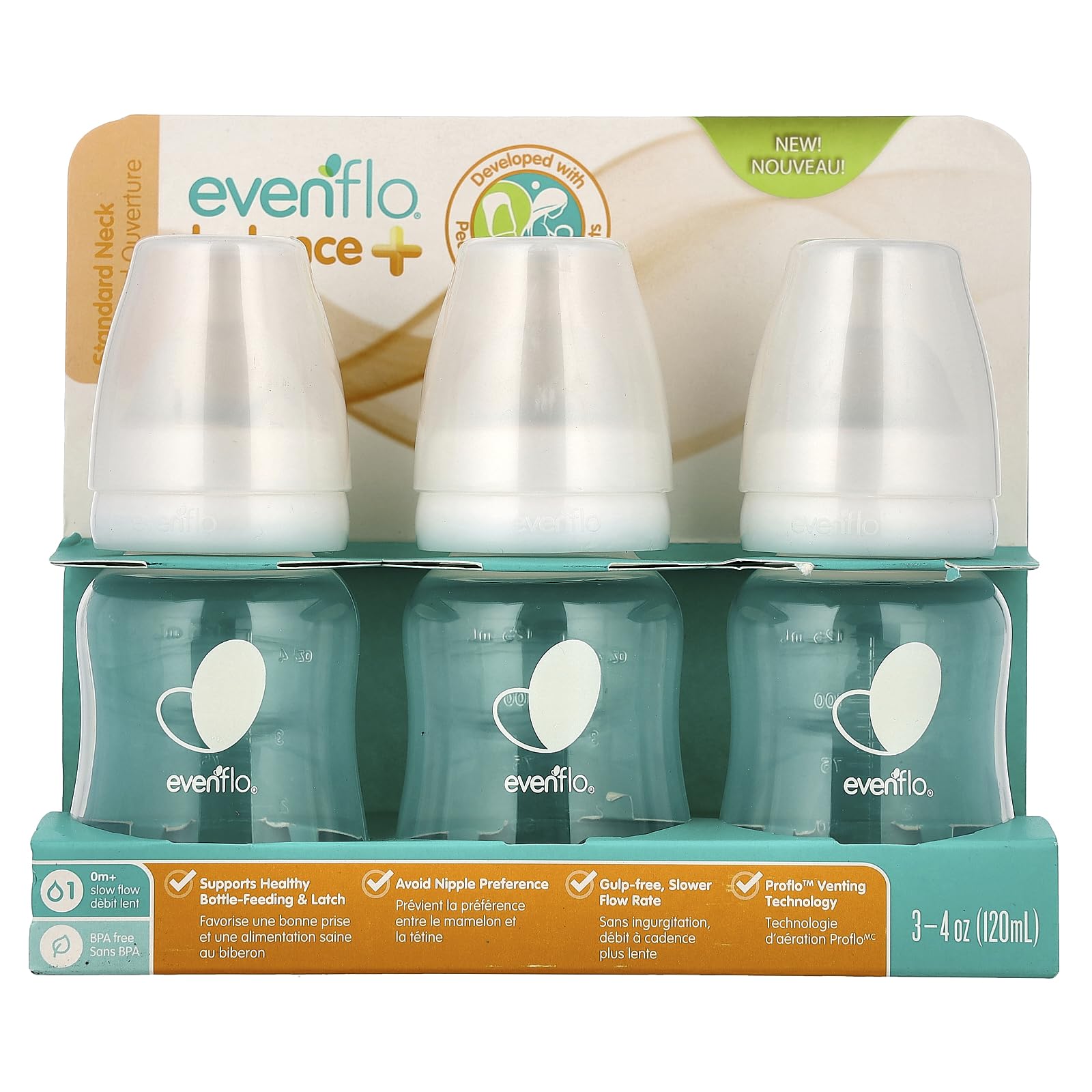
The Evenflo Balance+ is built around a unique, naturally-sloped nipple that promotes a wide, open latch. Speech-language pathologists frequently recommend this bottle for preemies and breastfed babies because the broad base gives the lips a proper resting place, reducing mouth fatigue during long feeds. The intentional slow flow rate prevents gulping and lets the baby set the pace.
Customers report that even babies with tongue or lip ties take to this bottle when others fail — the nipple’s shape mirrors the breast’s compression zone, requiring a similar sucking motion. The three-bottle pack is a practical start for families who want to test the system without over-investing. Each bottle is BPA-, PVC-, and phthalate-free, and the plastic has held up well over six months of daily use according to verified buyers.
One common note: the standard slow flow nipple can still be too fast for some newborns. Many parents order the Evenflo Preemie nipples separately, which are compatible and significantly reduce flow. The bottle is also lightweight and easy for small hands to hold during paced feeding. For preemies transitioning from breast or tube feeding, this bottle offers the most natural latch transition available at a mid-range price point.
Why it’s great
- SLP-recommended wide latch reduces mouth fatigue
- Slow, gulp-free flow supports paced feeding
- Affordable 3-pack for testing
Good to know
- Standard slow flow may still be too fast for some preemies
- Nipple base can tear after many months of use
2. Nanobebe Flexy Silicone

The Nanobebe Flexy uses an ultra-soft, extra-flexible silicone body and a 360° triple-vented non-collapsing nipple. For a preemie who struggles with gas or reflux, this venting system is a significant advantage — it keeps air out of the milk so the baby swallows less gas, reducing post-feed fussiness. The nipple is the same design used in the award-winning Nanobebe breast milk bottle, making it a strong choice for combo feeding.
The bottle’s stable, wide base prevents tipping, which is helpful when you’re juggling a sleepy preemie and a bottle one-handed. Each 5-ounce bottle is dishwasher and microwave safe, and the silicone material is naturally hygienic and free of BPA, PVC, lead, and phthalates. Parents report that the non-collapsing nipple maintains a consistent shape even during strong sucks, preventing frustration.
One consideration: the nipple’s softness can make it harder for some preemies to maintain suction if they have an especially weak suck. The bottle also has more pieces to clean than a standard bottle, which may matter during frequent feedings. For a preemie with colic tendencies, however, the gas reduction is a measurable benefit that makes the extra cleaning worthwhile.
Why it’s great
- Triple-vented nipple cuts gas and spit-up significantly
- Extra-soft silicone feels familiar to breastfed babies
- Non-collapsing design keeps milk flow consistent
Good to know
- Soft nipple may challenge a very weak preemie suck
- More pieces to assemble and clean
3. Medela Slow Flow Feeding & Storage

The Medela Slow Flow bottle is the same design many NICUs send home with preemies. The included Slow (S) flow silicone teat releases milk at a controlled rate that mimics the natural rhythm of breastfeeding, and the bottle threads directly onto Medela breast pumps — eliminating the need to transfer milk between containers. This compatibility is a major convenience for pumping mothers.
The set includes disc and collar caps that transform the bottle into a leak-proof storage container for the fridge. The bottle is BPA-free and shatterproof, and both the nipple and bottle can be cleaned on the top rack of the dishwasher. With over 17,000 ratings and a 4.7-star average, this is one of the most-trusted preemie bottles on the market. The 5-ounce size is appropriate for small feeds without wasted space.
The trade-off is that the nipple shape is narrower than the wide-base designs preferred by some speech therapists. Some preemies who struggle with a shallow latch may not accept this bottle as readily. For a preemie who already fed well in the NICU, however, sticking with a familiar brand reduces transition stress.
Why it’s great
- NICU-trusted design with proven slow flow rate
- Direct compatibility with Medela breast pumps
- Versatile storage caps for leak-proof refrigeration
Good to know
- Narrower nipple may not suit all latch types
- Bottle can discolor with use from milk residue
4. Thyseed PPSU Anti-Colic
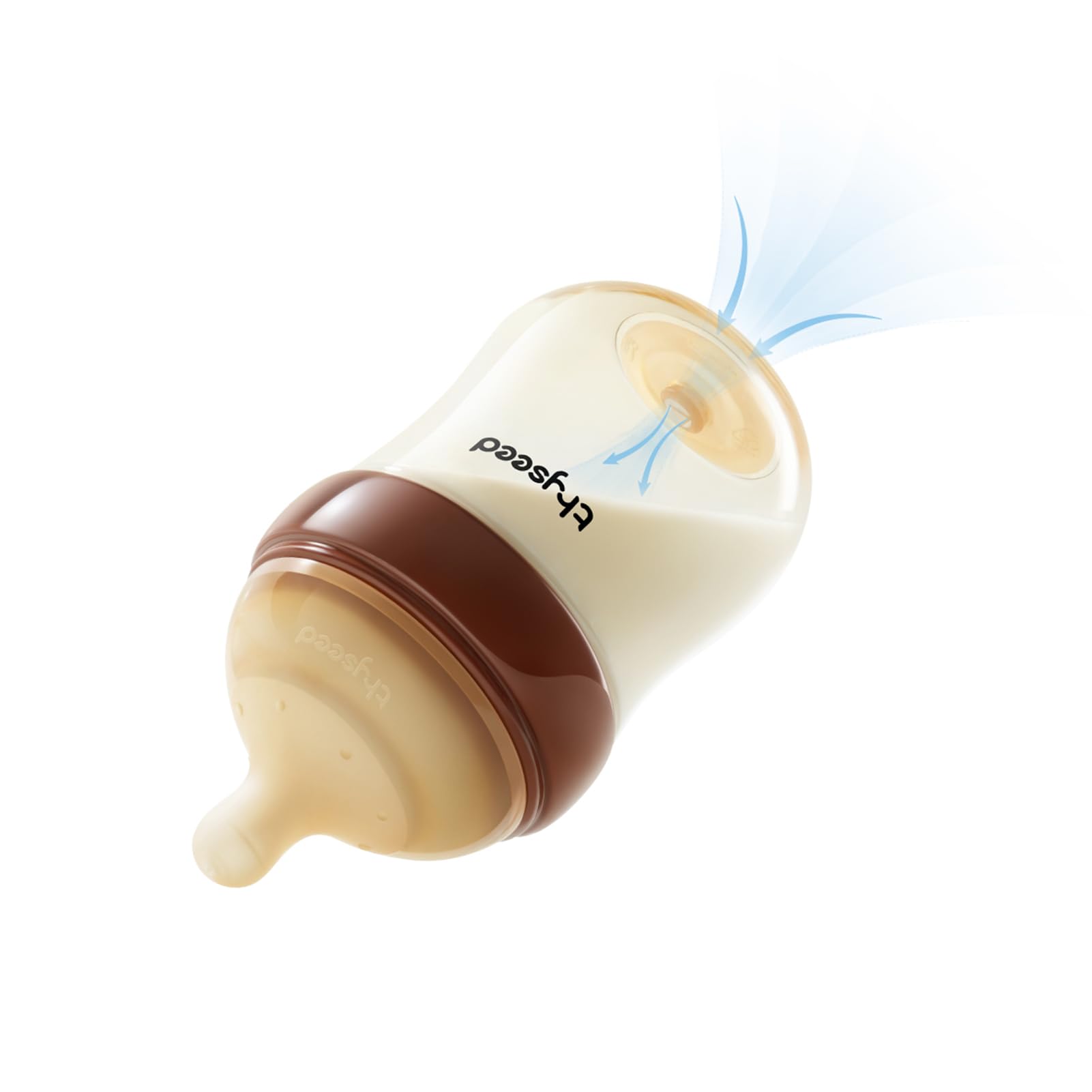
The Thyseed PPSU bottle features a patented base-vent design that has been clinically tested to keep air out of the milk. For a preemie who chokes or gulps on standard slow flow nipples, the Thyseed’s extra slow, baby-led flow is a lifesaver — milk releases only when the baby actively sucks, not by gravity. This supports paced feeding and dramatically reduces the risk of aspiration.
The breast-like nipple is soft, wide, and stretchy, which helps babies who refuse every other bottle. Verified reviews from parents of lip-tied and breastfed babies report that this was the only bottle their preemies accepted after rejecting Philips Avent, Dr. Brown’s, Evenflo, MAM, and Tommee Tippee. The lightweight PPSU plastic is drop-resistant, and the four-piece assembly is faster to clean than vented straw systems.
The main drawbacks are the price — it’s the most expensive single bottle on this list — and the fact that some units have been reported to leak at the base if not assembled precisely. The flow with the 0m+ nipple is genuinely slow, which is ideal for preemies, but parents should verify the seal each time before feeding.
Why it’s great
- Base-vent design keeps air out of milk effectively
- Extra slow flow releases only with active suck
- Soft, wide nipple accepted by bottle-refusing preemies
Good to know
- Premium price point for a single bottle
- Leak potential if base is not sealed correctly
5. Doggiema Silicone Feeding Nipple & Syringe

This syringe and silicone nipple system is designed for the most fragile feeders — kittens and puppies, but the principle applies directly to human preemies who cannot generate enough suction to use a standard bottle. The syringe allows you to control the exact flow of milk without any sucking effort from the baby, making it a viable option for extremely premature infants or those with oral aversions.
The set includes three nipple sizes (small, medium, large) and three 5ml syringes. The liquid silicone nipple feels soft and realistic, and the perforation is already made so you can use it immediately. For a preemie who tires after a few sucks on a regular bottle, this setup lets you deliver small, measured amounts of milk at your pace, reducing stress for both of you.
It is important to note that this product is marketed for pets, not human babies. The silicone material itself is food-grade, but there are no FDA or pediatric safety certifications attached. Use this option only under medical guidance for a baby who genuinely cannot suck. For anyone else, a standard bottle from the options above is safer and more appropriate.
Why it’s great
- Full flow control via syringe for weak feeders
- Multiple nipple sizes for different growth stages
- Soft silicone nipple feels natural
Good to know
- Not certified for human infant use
- Only suitable under direct medical supervision
FAQ
Can I use a regular newborn nipple for a preemie?
How do I know if the nipple flow is too fast for my preemie?
Final Thoughts: The Verdict
For most users, the bottles for preemies winner is the Evenflo Balance+ because it combines an SLP-recommended wide latch design with a genuinely slow flow at a practical price. If you want the most effective anti-colic system for a gas-prone preemie, grab the Nanobebe Flexy. And for a baby who refuses every other option or has a very weak suck, nothing beats the Thyseed PPSU — it’s the highest-performing latch-focused bottle on the market.