Stepping onto a yoga mat for the first time comes with a hidden problem: the floor fights back. Your knees, hips, and elbows send sharp signals that say “this hurts,” and that sting is enough to make anyone quit before the first downward dog. The right mat doesn’t just define your practice space — it determines whether your joints survive the learning curve.
I’m Emma — the founder and writer behind Baby Bangs. I’ve spent years analyzing material compression rates, grip textures, and thickness-to-stability ratios across hundreds of yoga mats to separate what genuinely protects a beginner from what just looks good in the product photos.
Whether you’re on a studio floor or a basement slab, landing on the right beginner yoga mat means balancing cushion for sensitive joints with enough surface grip to keep you stable as you learn to trust your alignment.
How To Choose The Best Beginner Yoga Mat
Most new practitioners make one critical error: they buy the thickest mat they can find, assuming more foam equals more comfort. That logic backfires the moment they try a standing balance pose and feel their feet sink unevenly into soft padding. The learning curve of yoga demands a stable surface that cushions without wobbling.
Thickness vs. Stability
Mats between 1/8 inch and 1/4 inch offer a firm connection to the floor that helps beginners feel their alignment. Jumping to a 1/2 inch mat protects bony knees during kneeling poses but introduces a spongy instability during lunges and warriors. The sweet spot for most beginners is around 1/4 inch to 6 millimeters — enough padding to take the edge off without compromising balance feedback.
Material Matters: Grip, Weight, and Longevity
NBR (Nitrile Butadiene Rubber) mats feel plush and cheap but weigh more and tend to slide on smooth floors. TPE (Thermoplastic Elastomer) mats deliver a lighter, more responsive feel with better grip when dry, though they show wear faster than PVC. Beginners who plan to practice at home on hardwood or tile should prioritize a TPE mat with a textured bottom layer that grabs the floor.
Quick Comparison
On smaller screens, swipe sideways to see the full table.
| Model | Category | Best For | Key Spec | Amazon |
|---|---|---|---|---|
| COOLMOON Non Slip Yoga Mat | TPE | All-Level Grip | 1/4 inch thickness | Amazon |
| KEEP Extra Wide Yoga Mat | TPE | Taller Practitioners | 32 inch width | Amazon |
| Fitvids 1/2-Inch Mat with Blocks | NBR | Joint Pain Relief | 1/2 inch thickness | Amazon |
| YOTTOY Extra Wide 32″ | TPE | Extra Surface Room | 32 x 72 inch size | Amazon |
| YOTTOY 1/2 Inch Thick | TPE | Knee Cushioning | 1/2 inch (12mm) | Amazon |
| ProsourceFit Extra Thick Mat | NBR | Budget Plush Comfort | 1/2 inch NBR foam | Amazon |
| Amazon Basics TPE Mat | TPE | Entry-Level Value | 1/4 inch TPE build | Amazon |
In‑Depth Reviews
1. COOLMOON Yoga Mat Non Slip

The COOLMOON mat nails the 1/4 inch sweet spot that beginners need: enough density to protect your knees during tabletop poses without turning your standing balances into a wobbly mess. Its hexagon texture on the bottom layer grips hardwood and tile aggressively, stopping the mat from creeping forward during sun salutations. The TPE material returns zero chemical smell out of the box — a frequent complaint with budget NBR mats.
The double-sided non-slip design uses a fingerprint-like texture on top that actually works when your palms start sweating. At just under two pounds, it rolls tight with the included strap and slips into a gym bag without adding noticeable weight. Experienced practitioners also find the grip reliable enough for hot yoga, where moisture usually breaks standard mats.
The 24-inch width is standard, which means taller or broader users may feel constrained during wide-legged stretches. Some users report edge curling after several months of regular rolling, though storing it unrolled between sessions helps maintain the flat lay.
Why it’s great
- Patented hexagon bottom grip locks onto slippery floors
- No chemical off-gassing out of the package
- Balanced 1/4 inch cushion for joint comfort without balance loss
Good to know
- Standard width may feel narrow for broader frames
- TPE material shows wear faster than denser PVC mats
2. KEEP Yoga Mat 32 Inch Extra Wide
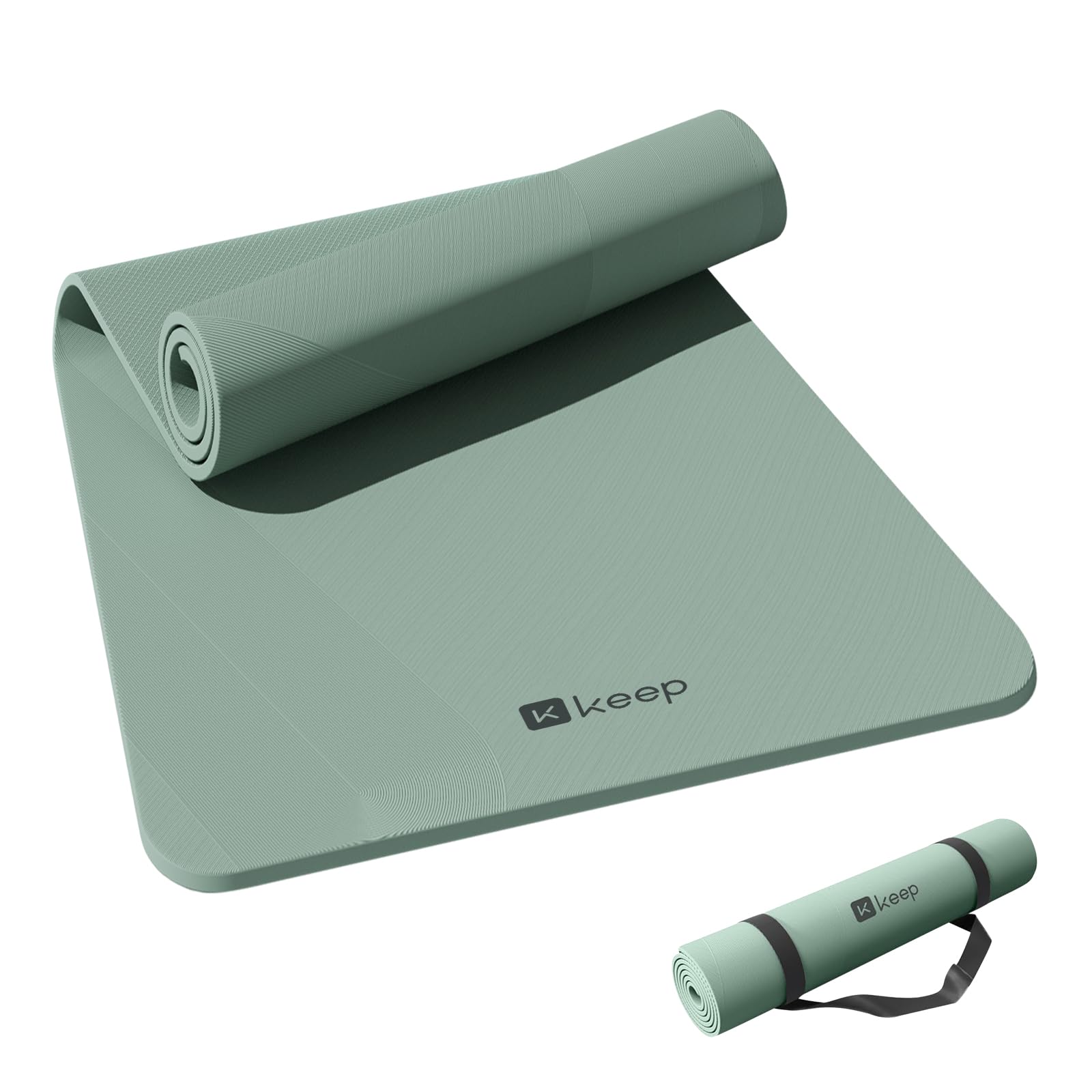
The KEEP mat solves the most common beginner complaint: running out of mat space during wide-legged poses and lunges. At 32 inches wide, it gives you eight additional inches over standard mats, which makes a real difference when you’re learning alignment and don’t want to recalibrate your hand and foot placement to stay on the surface. The 7mm thickness sits between a standard and extra-thick mat, offering joint protection without the instability of 12mm foam.
The fingerprint-like top texture provides controlled grip during dry practice, but multiple users note the slip resistance drops noticeably once sweat accumulates. The TPE material is free of plasticizers and formamide, meeting higher environmental safety standards. Weighing under three pounds with an adjustable polyester strap, this mat is genuinely easy to carry to a studio or across the house.
Taller practitioners over six feet report the 72-inch length accommodates their full body without feet hanging off the edge. The mat has held up well after a year of daily use according to long-term reviews, with no separation or significant compression in high-traffic areas.
Why it’s great
- Eight extra inches of width for comfortable pose transitions
- Eco-friendly TPE without plasticizers or formamide
- Holds shape after extended daily use
Good to know
- Top grip weakens when hands get sweaty during vigorous flows
- 7mm may feel too thin for users with very sensitive knees
3. Fitvids All Purpose 1/2-Inch Mat with Blocks

The Fitvids mat prioritizes one thing beginners genuinely need: cushion for painful joints. At 1/2 inch thick, the NBR foam absorbs impact from kneeling poses and sits comfortably under the spine during reclined stretches. The included pair of yoga blocks adds real value for new practitioners who lack the flexibility to reach the floor in standing forward folds or seated twists.
The double-sided non-slip surface delivers reliable floor grip on carpet and hardwood, though some reviewers note a break-in period before the top texture reaches full grip potential. The moisture-resistant foam cleans easily with soap and water, which matters when you’re practicing daily and the mat accumulates sweat and dust. The carry strap makes transport manageable despite the NBR material being heavier than TPE alternatives.
At one pound listed weight (which seems low — actual users describe it as moderately heavy), the bulk of the 1/2 inch thickness makes rolling it tightly a bit harder than thinner mats. The color options are utilitarian, but the 2-year warranty provides peace of mind for a first purchase.
Why it’s great
- Half-inch NBR foam spares knees during kneeling and table poses
- Two yoga blocks included for alignment support
- Moisture-resistant surface wipes down easily
Good to know
- Requires break-in period for optimal top grip
- NBR foam is heavier and bulkier to carry than TPE mats
4. YOTTOY Yoga Mat 72×32 Extra Wide
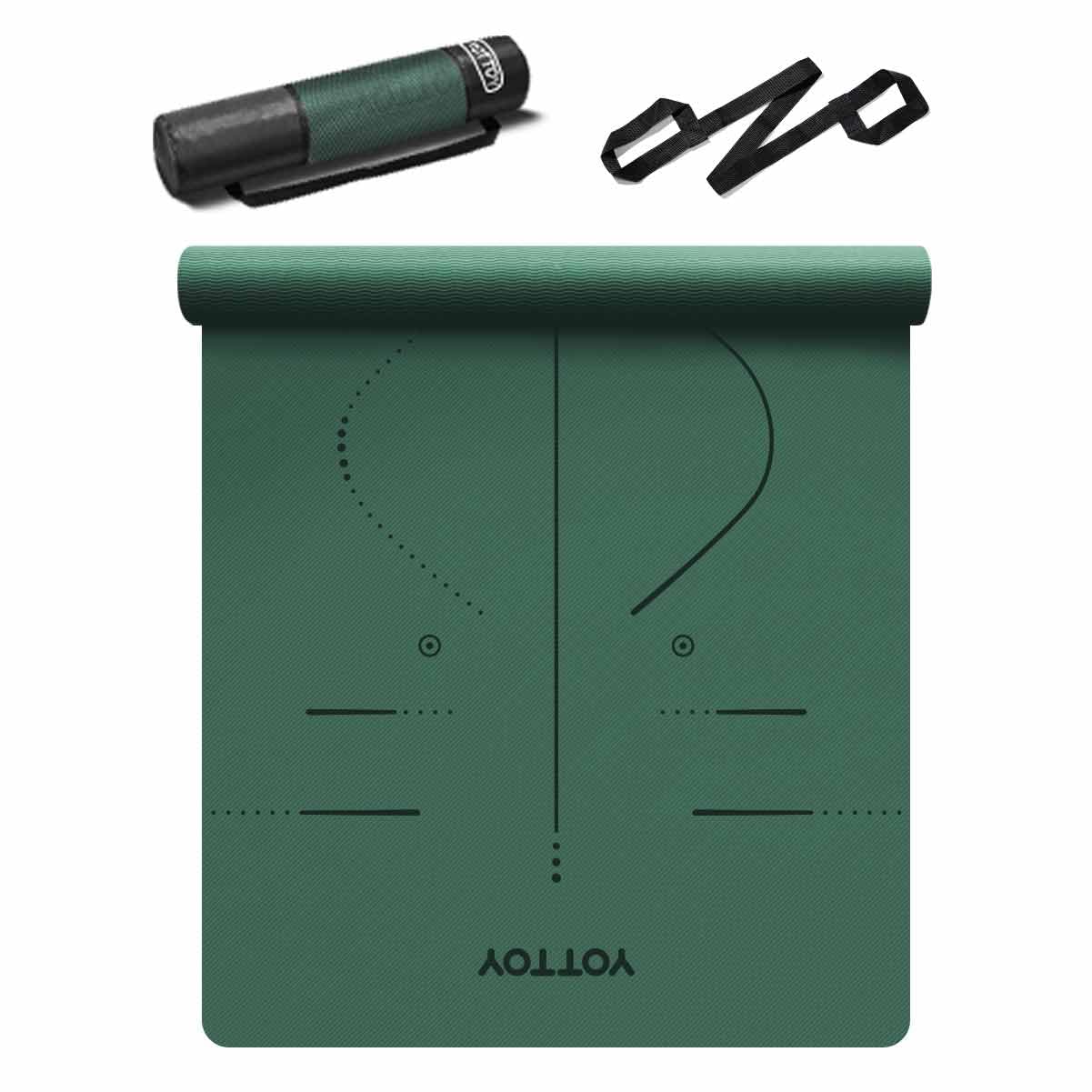
The YOTTOY extra wide mat delivers the same 32-inch surface width as the KEEP mat at a slightly thinner 8mm profile, creating a firmer feel that some beginners prefer for stability feedback. The penguin-flipper-inspired webbing texture on the top surface increases friction noticeably, though users report the grip weakens during sweaty hot yoga sessions. The additional width genuinely changes the practice experience — you can spread your limbs without checking the edges.
The carry bag that comes with this mat tore on first use for several reviewers, which is disappointing at this price point. The included strap works fine as a backup, but the bag is clearly a weak point. The TPE material is SGS and TUV certified for environmental safety and produces no detectable chemical smell, even fresh from the box. The mat lies completely flat on day one without curling at the edges.
Weighing 1.8 pounds, this is one of the lightest wide mats available, making it practical for users who commute to a studio. The 72-inch length accommodates taller practitioners, though the 8mm thickness may not satisfy those specifically seeking joint relief for kneeling poses.
Why it’s great
- Very lightweight for its 32-inch surface area
- No chemical odor or edge curling out of the package
- 8mm profile offers firm stability for standing poses
Good to know
- Carry bag is prone to tearing on first use
- Grip declines when hands become sweaty
5. YOTTOY Yoga Mat 1/2 Inch Extra Thick

The YOTTOY 12mm thick mat targets the specific beginner demographic that struggles with knee pain: older practitioners, anyone with past joint injuries, and those practicing on concrete floors. The extra cushioning transforms kneeling poses from painful to comfortable, and several reviewers over 60 specifically praised how this mat allowed them to practice without joint discomfort. The TPE material is SGS and TUV certified, free of heavy metals and phthalates.
The tradeoff for that plush feel comes in balance stability — standing poses like tree or warrior III feel slightly less grounded as your feet sink into the foam. The grip texture uses granular protrusions on top and a water ripple pattern on the bottom, which performs adequately on dry surfaces but multiple reviewers noted slipperiness when sweat accumulates. A strong chemical smell was reported by several buyers, requiring a few days of airing out before use.
The 72×24 inch dimensions are standard, but the 1/2 inch thickness creates noticeable edge curling that resists lying flat even after weighting the ends. This mat is best suited for gentle, floor-based practice rather than dynamic standing sequences.
Why it’s great
- 12mm TPE foam saves knees and hips on hard surfaces
- Certified free from phthalates and heavy metals
- Ideal for seniors and rehabilitation-focused practice
Good to know
- Chemical off-gassing requires airing out before first use
- Thick foam compromises balance in standing poses
6. ProsourceFit Extra Thick Yoga and Pilates Mat

The ProsourceFit mat delivers the thickest cushion in this lineup at 1/2 inch of NBR foam, making it the go-to choice for beginners who need maximum padding for their knees, tailbone, and spine during floor work. The high-density foam absorbs shock from jump roping and high-impact floor exercises, and users with replaced knees specifically reported that this mat made their practice possible. The included carrying strap helps manage the bulk of the rolled mat.
The NBR material naturally repels moisture, so wiping it down after practice is straightforward. However, several reviewers noted a strong initial smell that requires airing out, and some reported surface scratches and indentations after a few months of daily use — consistent with NBR’s shorter lifespan compared to TPE or PVC. The ribbed bottom design provides decent floor grip but may slide on very smooth surfaces until the mat breaks in.
At 71 inches in length, taller users over six feet may find their feet hanging off the end during supine poses. The mat weighs 2.5 pounds, making it heavier to carry than TPE alternatives but still manageable with the strap.
Why it’s great
- 1/2 inch NBR foam offers premium joint protection at a budget-friendly price
- Water-resistant surface is easy to clean
- Works well for mixed fitness routines beyond yoga
Good to know
- NBR foam develops surface wear and indentations over several months
- Strong initial chemical smell requires airing out
7. Amazon Basics 1/4 Inch TPE Yoga Mat
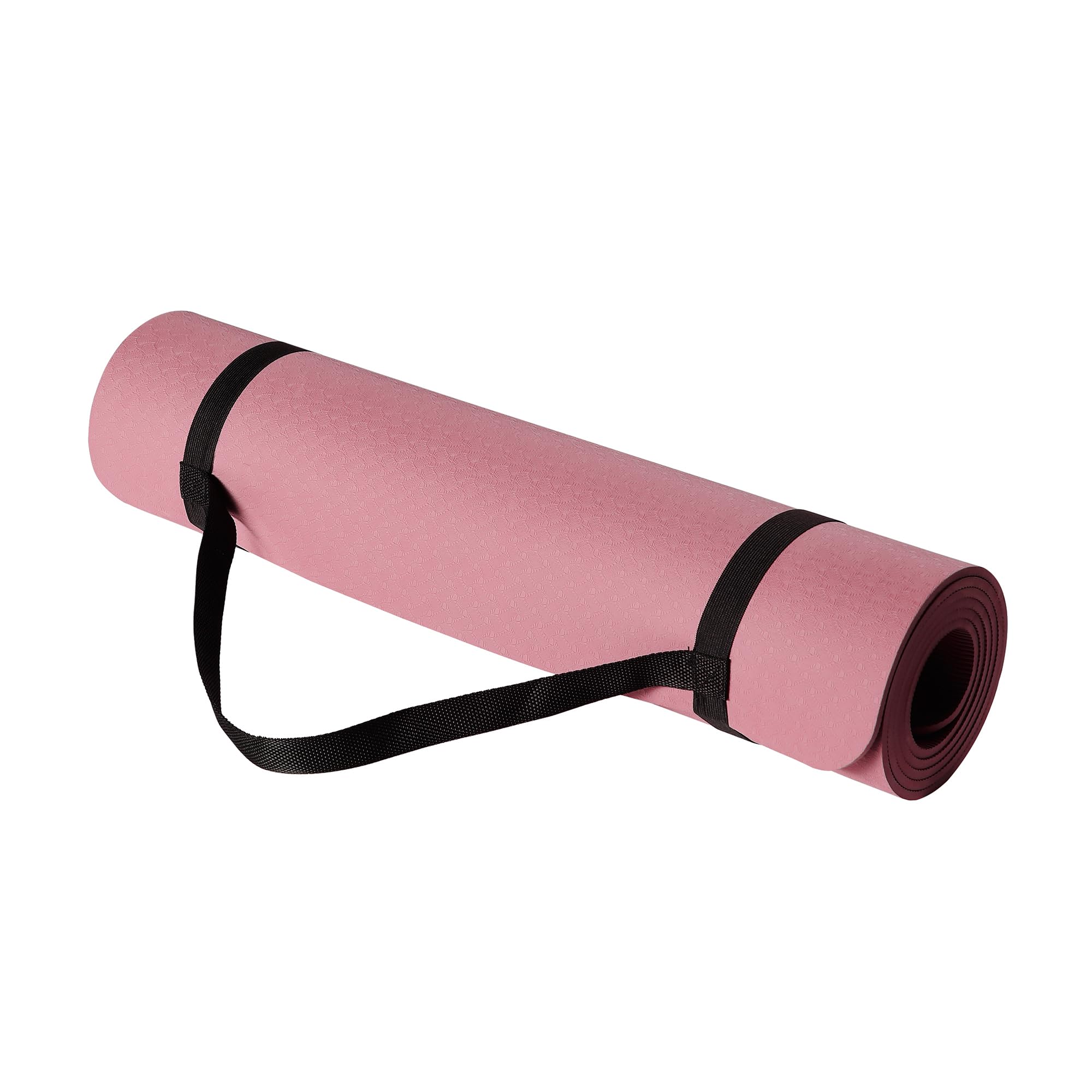
The Amazon Basics TPE mat is the no-frills entry point that still delivers acceptable performance for casual home practice. The 1/4 inch thickness matches what most beginners need — enough cushion to protect the spine in supine poses without creating the instability of thicker foam. The TPE material offers spring-back elasticity that maintains its shape reasonably well, and the non-slip surface provides adequate grip during dry practice on most floor types.
The main compromises appear in the grip department. Several reviewers noted the mat feels slightly slippery during poses that require strong hand and foot pressure, especially when sweat develops. The material also stretches noticeably during aggressive poses, creating instability that more expensive TPE mats avoid. At 73.6 inches long and 24 inches wide, the dimensions match standard studio mats, and the carrying strap is functional for transport.
No strong chemical smell was reported, which is a pleasant surprise at this tier. Users practicing on carpet reported significantly better grip performance than those on hardwood or tile, suggesting the bottom surface may lack the aggressive texture needed for smooth floors. This mat fits best for very casual users or as a backup mat for guests.
Why it’s great
- No chemical off-gassing out of the package
- Standard studio dimensions with included strap
- TPE material rebounds well between sessions
Good to know
- Grip performance drops significantly during sweaty practice
- Material stretches under pressure, reducing stability
FAQ
What thickness should a beginner look for in a yoga mat?
How do I know if a yoga mat is non-slip enough for beginners?
Can I use a yoga mat for other types of exercise as a beginner?
How should I clean and maintain my beginner yoga mat?
Final Thoughts: The Verdict
For most users, the beginner yoga mat winner is the COOLMOON Non Slip Yoga Mat because its 1/4 inch TPE build delivers the ideal balance of joint cushion and balance stability while the hexagon grip texture actually holds during sweaty practice. If you need extra surface room for your body type, grab the KEEP Extra Wide Mat with its 32-inch width that accommodates broader frames and tall practitioners without feeling cramped. And for joint pain relief that makes floor work tolerable, nothing beats the Fitvids 1/2-Inch Mat with Blocks — the thick NBR foam combined with the included yoga blocks gives you everything you need to start a sustainable practice.