If you have high arches, the wrong barefoot shoe can turn your foot’s natural suspension system into a source of midfoot strain and plantar fascia tension. The trick is finding a model that offers enough ground feel to strengthen your arch without forcing it to flatten unnaturally. A wide toe box and a flexible zero-drop sole let your foot spread and land naturally, which reduces the torque that high arches place on the heel and ball of the foot.
I’m Emma — the founder and writer behind Baby Bangs. I’ve spent years analyzing the interplay between foot morphology and minimalist footwear, specifically how arch height interacts with sole flexibility and toe splay volume.
This guide breaks down the seven models that solve that specific tension, detailing which build suits high-volume walking, gym sessions, or everyday wear. Whether you want to strengthen your arch or simply stop heel pain from echoing up your calf, you’ll find your match among these barefoot shoes for high arches.
How To Choose The Best Barefoot Shoes For High Arches
High arches create a rigid, shock-absorbing bridge that barely collapses during weight bearing. In traditional cushioned shoes, that bridge can slam into the midsole, causing plantar fasciitis or metatarsalgia. In barefoot shoes, the goal is to let that bridge work naturally without being crushed or overstretched. The right shoe balances a spacious toe box, zero-drop base, and just enough flexible protection to keep your foot stable on hard surfaces.
Toe Box Width and Arch Position
A high-arched foot is often wider at the metatarsal heads than a flat foot because the arch lifts the midfoot off the ground. A narrow toe box squeezes those bones together, forcing the arch to collapse inward. Look for a shoe that gives your toes room to splay during push-off. This prevents the arch from being pulled out of its natural curve.
Zero Drop and Arch Loading
Zero-drop means the heel and forefoot sit at the same height. For high arches, this distributes impact across the entire foot rather than concentrating it on the heel and ball. A raised heel in traditional shoes shortens the Achilles and shifts load to the arch. Zero-drop lets the Achilles lengthen, reducing tension on the plantar fascia that attaches at the heel.
Flexibility vs. Protection
High arches need a sole that flexes under the metatarsal heads but offers enough protection against rocks and roots so you don’t instinctively curl your toes, which tenses the arch. A sole that’s too thin on uneven terrain can cause overcorrection. The sweet spot is a 5–10mm flexible rubber outsole that allows tactile feedback without sharp-object pain.
Quick Comparison
On smaller screens, swipe sideways to see the full table.
| Model | Category | Best For | Key Spec | Amazon |
|---|---|---|---|---|
| Xero Prio | MID-RANGE | Gym & daily wear | Zero drop, removable insole | Amazon |
| Hike HF Stride | MID-RANGE | Balance & senior use | Ultra-light, slip-on design | Amazon |
| Hike Theora Pro | MID-RANGE | Walking with orthotics | Slider lace, orthotic-friendly | Amazon |
| Xero Dillon | PREMIUM | Stylish everyday use | Zero drop, thin sole 33°F capable | Amazon |
| Orthopedic Wide Toe Box | PREMIUM | Plantar fasciitis relief | Extra arch support, included insoles | Amazon |
| Belleville Mini-Mil | PREMIUM | Hiking & rucking | Shock-dispersing midsole | Amazon |
| Flux Adapt Graphene | PREMIUM | CrossFit & HIIT | Graphene grip, ballistic mesh | Amazon |
In‑Depth Reviews
1. Xero Shoes Men’s Prio Barefoot Athletic Sneaker
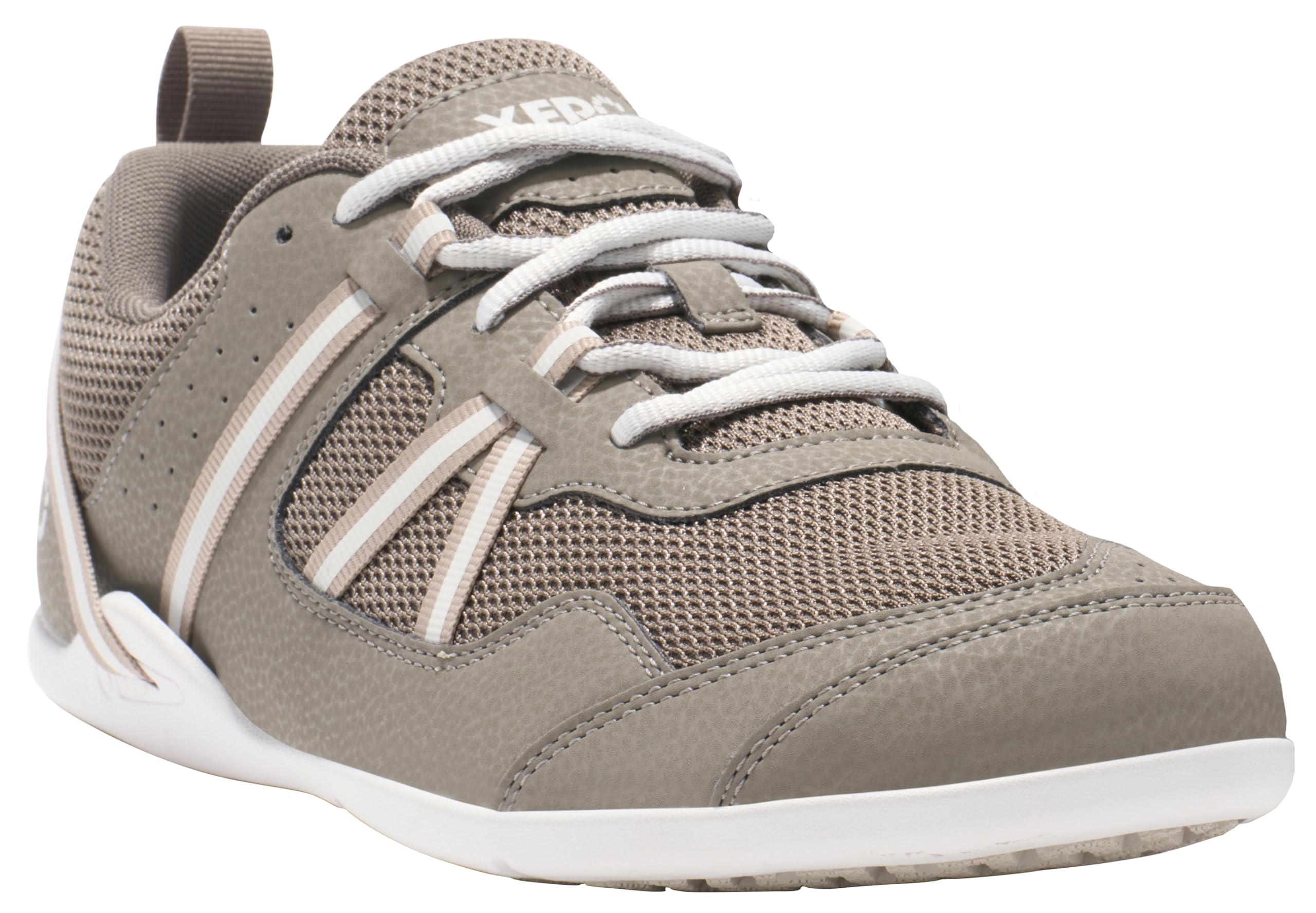
The Xero Prio is the benchmark for a reason. Its zero-drop platform and flexible rubber outsole give you the tactile feedback high arches need to self-correct without forced pronation. The removable 3mm insole lets you dial in ground feel — remove it for maximum sensory input or keep it for a touch of protection on concrete. Reviewers consistently note that the wide toe box resolves bunion pressure and toes feeling cramped, a common issue with high-arched feet that are also wide at the ball.
Multiple users report significant knee pain relief after switching from HOKA or Skechers, citing the Prio’s ability to let the arch load naturally rather than slamming into a cushioned heel. The mesh upper breathes well, and the fit runs true to size according to most feedback, though one reviewer advised going down half a size for a locked-in feel. It’s a capable shoe for weightlifting, house wear, errands, and light gym work.
The main trade-off is sole durability — the outsole wears faster than expected, with one user clocking 1000–1500 miles before needing a replacement, despite a 5000-mile warranty claim. On rocky trails, the thin sole transmits sharp edge sensation that can cause discomfort if your arch is sensitive. But for daily mixed use, this is the most balanced zero-drop shoe on the list.
Why it’s great
- Zero-drop geometry preserves natural arch loading.
- Removable insole allows customization for ground feel.
- Wide toe box eliminates pinky-toe crowding.
Good to know
- Outsole wears faster than the warranty implies.
- Thin sole transmits sharp rock sensation on trails.
2. Hike Footwear HF Stride
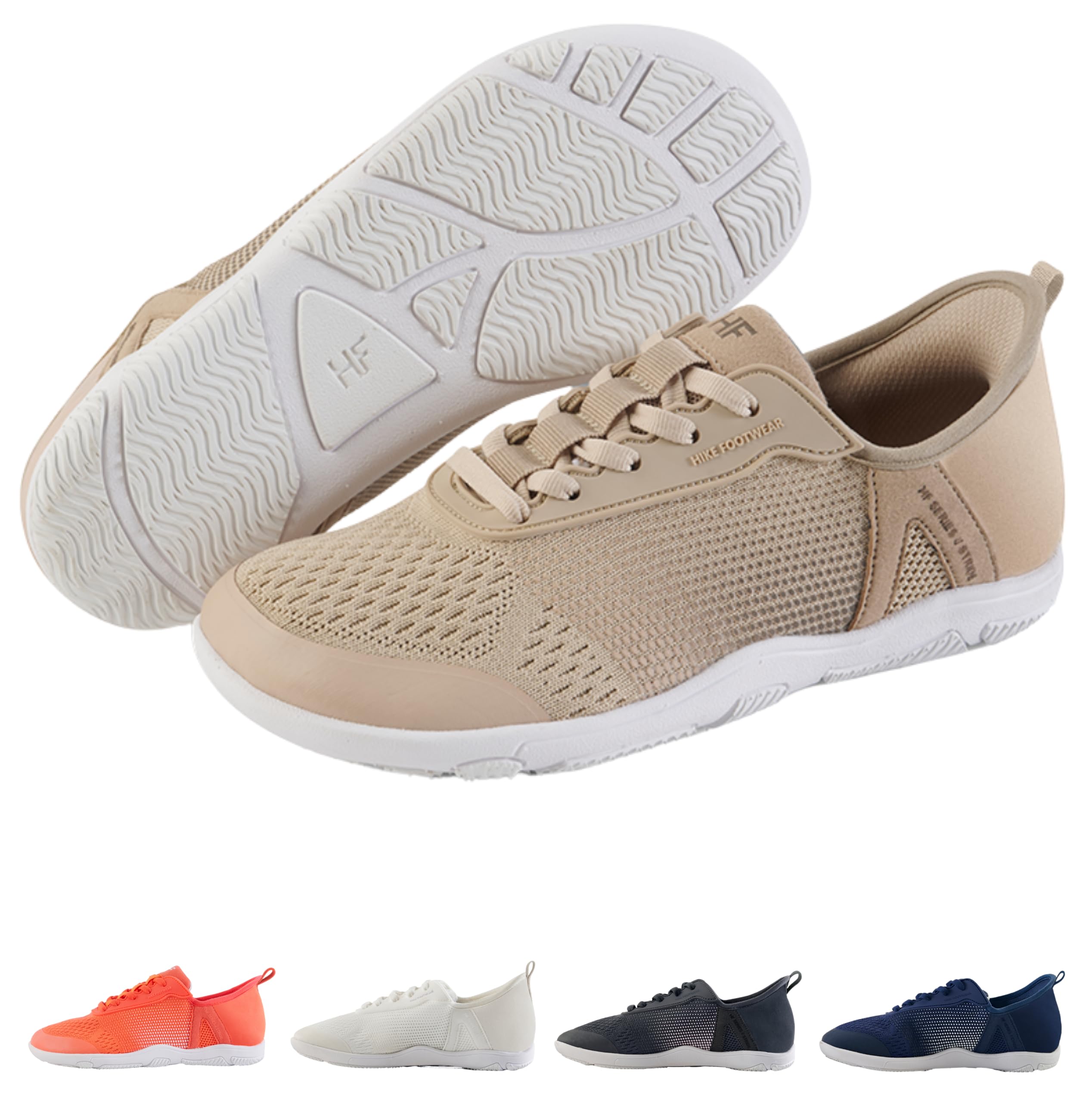
The HF Stride is engineered for effortless wear — literally a slip-on design that requires zero bending. For anyone with high arches who struggles with laces or balance, this shoe offers a wide toe box that lets toes splay naturally while the thin sole provides immediate ground feedback. Multiple senior users report improved balance and reduced dizziness after switching to this model, which directly correlates with the proprioceptive input high arches need to stabilize.
Reviewers highlight the “perfect arch support” — a rare phrase in barefoot circles — suggesting the insole’s gentle contour works for moderately high arches without forcing supination. The shoe’s lightweight construction makes it ideal for indoor walking, errands, and light outdoor surfaces. One 79-year-old user praised the ground feel for allowing better stability, and another noted they wore them for 2.5 hours immediately with no discomfort or pressure points.
The fit runs slightly large, which is easy to address with thicker socks. Traction is sufficient for pavement and hard-packed dirt but not aggressive enough for loose gravel. This is not a trail or gym shoe; it’s a daily companion for people who want natural foot health without the hassle of laces.
Why it’s great
- Slip-on design with zero bending required for use.
- Wide toe box supports natural toe splay.
- Lightweight build enhances balance and proprioception.
Good to know
- Runs slightly large; size down or wear thicker socks.
- Traction insufficient for loose gravel or steep terrain.
3. Hike Footwear Theora Pro
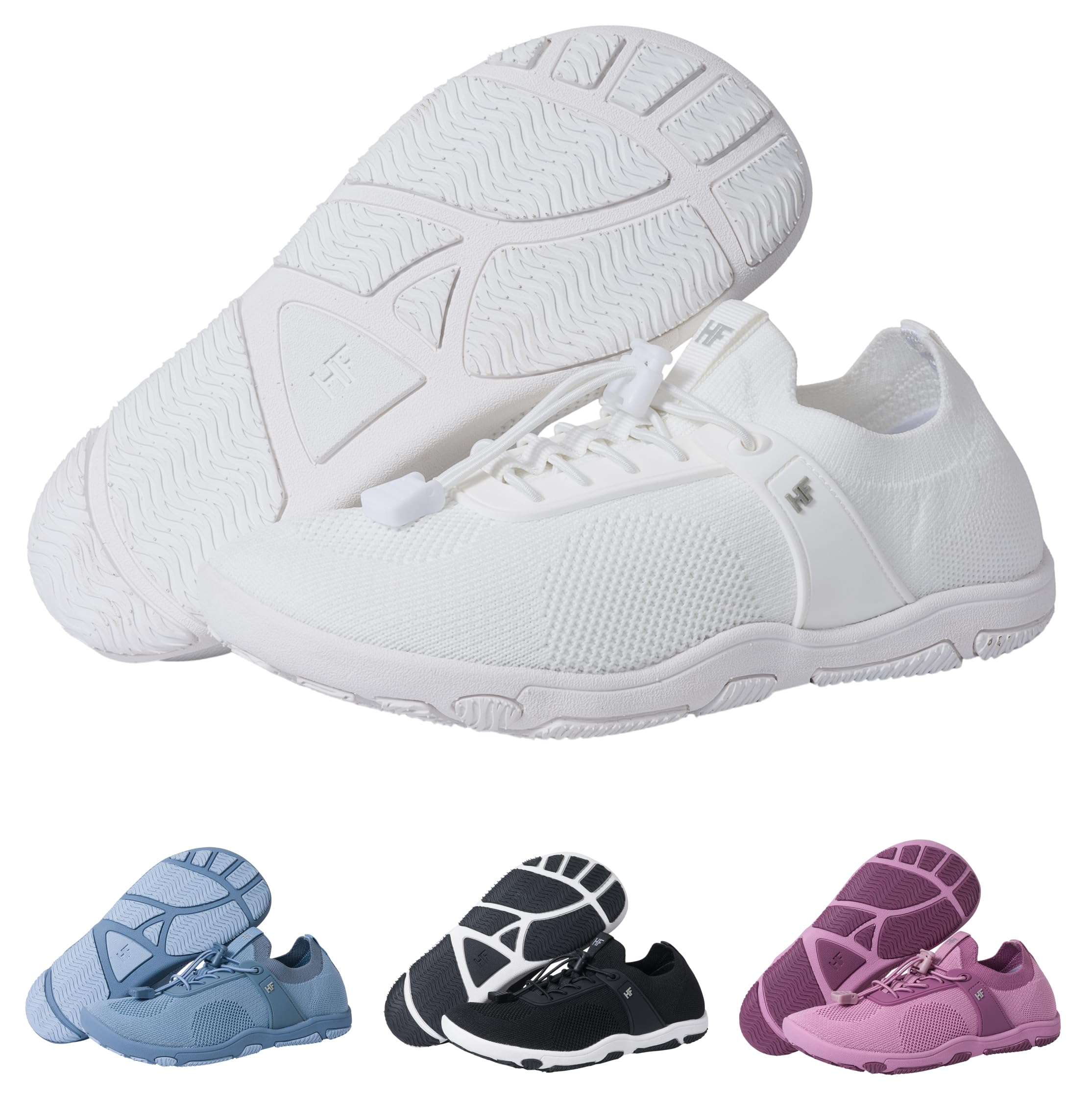
The Theora Pro is specifically designed to accommodate custom orthotics, making it a strong candidate for high-arched feet that need extra arch support without abandoning barefoot principles. The patented slider-lace system eliminates traditional laces while still allowing a one-handed adjust-and-lock mechanism. This is particularly valuable if your arch height changes slightly throughout the day and you need to fine-tune the fit without stopping.
Users consistently describe these as the most comfortable sneakers they’ve ever worn, with one long-term review noting they never felt the need to take them off even after a full day. The roomy toe box prevents the cramped feeling that triggers midfoot tension in high arches. The sole is lightweight and flexible enough for walking but offers a bit more structure than the HF Stride, making it a better all-day option.
The main caution is size inconsistency — different styles from the same brand can run differently. One reviewer found that this style fits true to size while another style ran big. Order from a seller with free returns. The shoe is not designed for technical hiking; its traction and sole stiffness are best suited to pavement, park paths, and gym floors.
Why it’s great
- Slider-lace system allows quick on-the-go adjustment.
- Roomy toe box prevents midfoot cramping.
- Orthotic-friendly design works with custom arch supports.
Good to know
- Size consistency varies across Hike Footwear models.
- Not built for technical or uneven trail terrain.
4. Xero Shoes Women’s Dillon Lace-Up Barefoot Classic
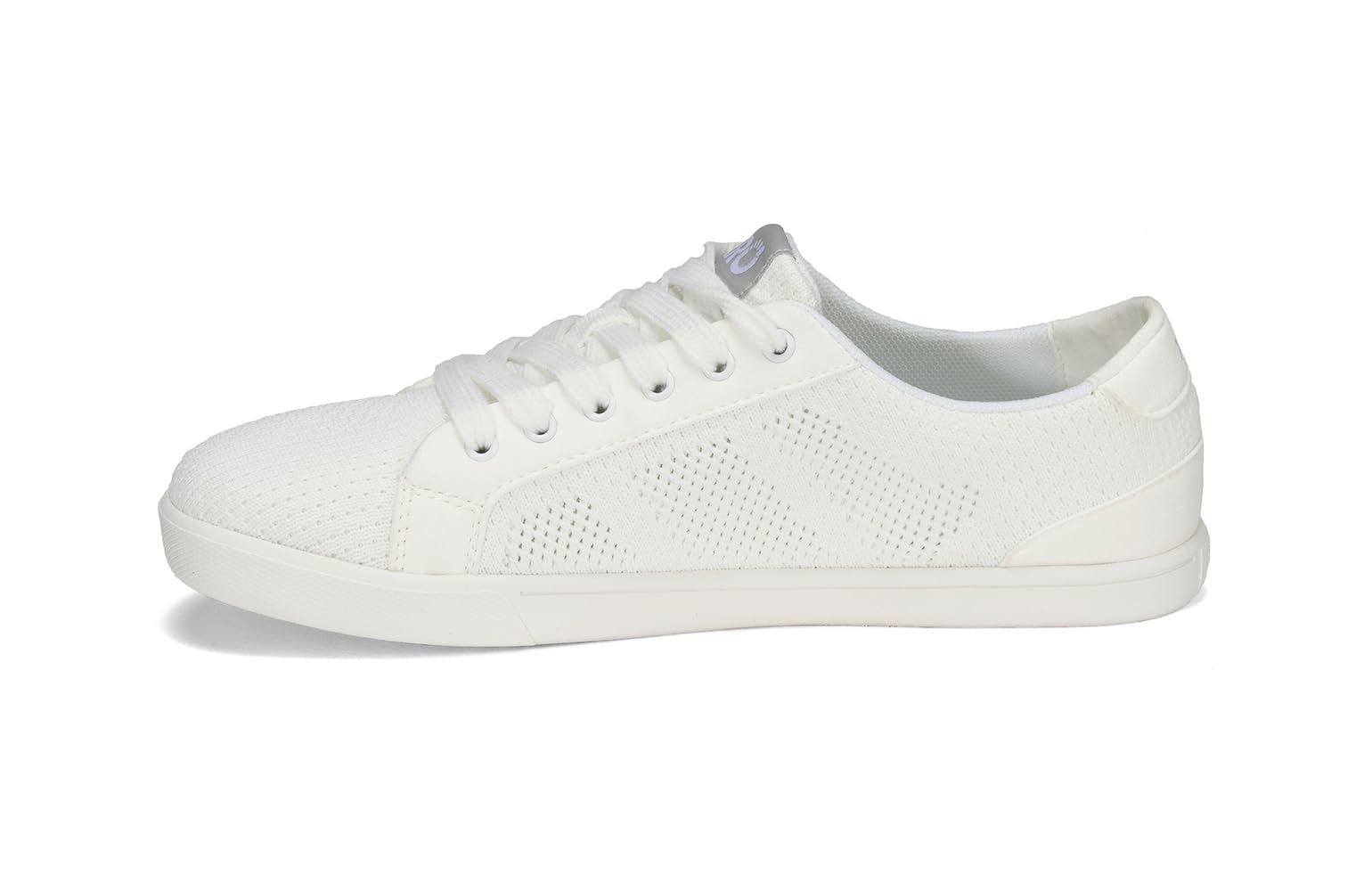
The Dillon is Xero’s answer to a classic lace-up sneaker that doesn’t scream “barefoot.” It delivers the same zero-drop platform as the Prio but in a more refined silhouette that draws compliments. For high-arched feet, the thin sole provides excellent ground feel, and the flat toe bed is a godsend for anyone with hallux rigidus or a fused big toe joint. Users with neuropathy report zero foot pain, which speaks to the even pressure distribution across the arch.
The fit runs true to size for Xero, and multiple reviewers confirm they needed no break-in period. The shoe is warm enough for temperatures as low as 33°F despite the thin sole, making it a viable three-season option. The adjustable laces accommodate medium- and high-volume feet, and the overall construction feels premium for the price tier.
Some users with very wide feet find the toe box a bit narrow for their pinky toes, which is a real concern if your high arches are paired with a wide forefoot. The shoe works best for narrower feet or for sedentary use. While the design is stylish, the thin sole can feel inadequate for prolonged standing on concrete without an inserted insole.
Why it’s great
- Refined aesthetic doesn’t look like a barefoot shoe.
- Flat toe bed works well for hallux rigidus and fused toes.
- Warm enough for cold weather despite thin sole construction.
Good to know
- Toe box may be tight for very wide forefeet.
- Thin sole lacks cushion for all-day concrete standing.
5. Men’s Orthopedic Wide Toe Box Barefoot Shoes
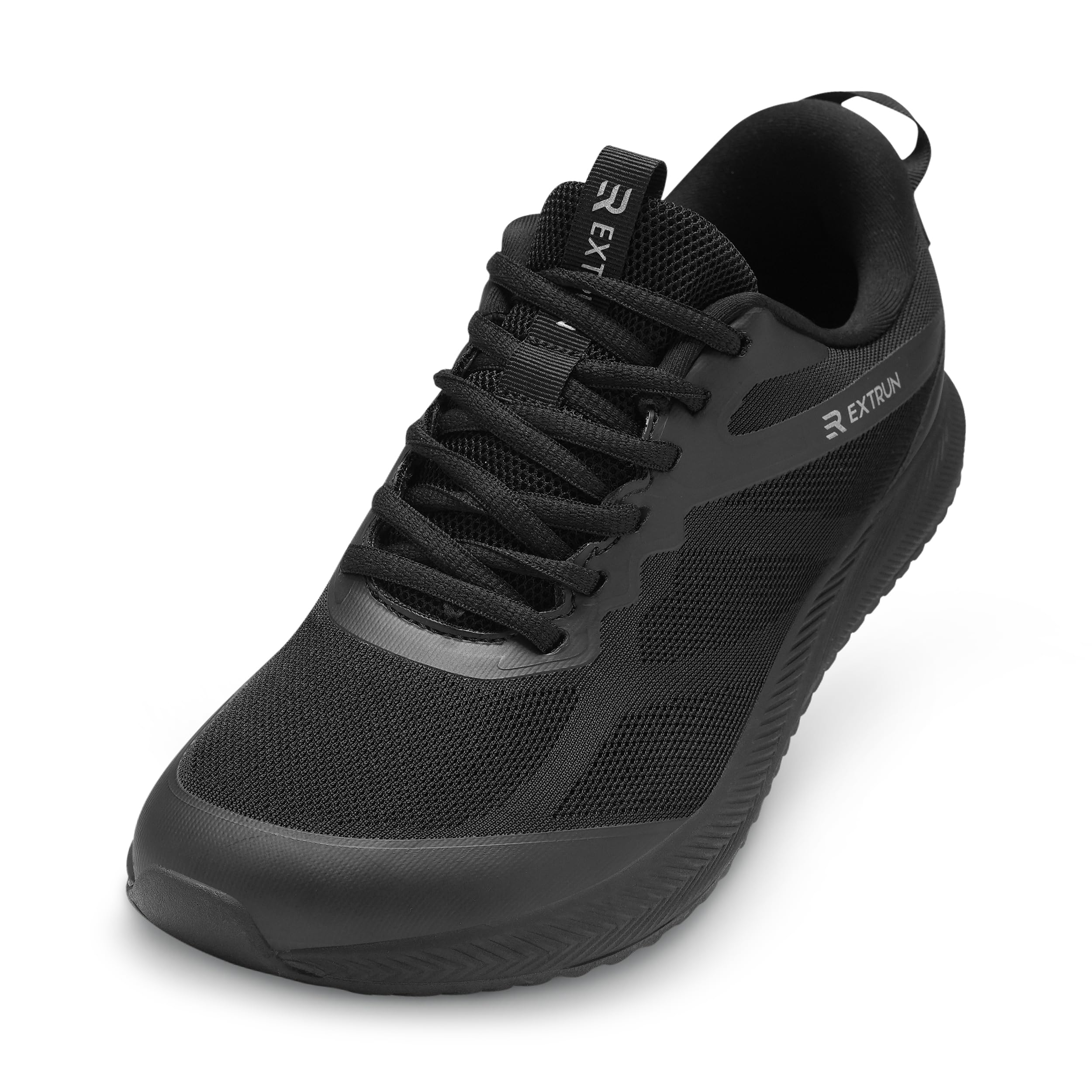
This is the closest thing to a barefoot-style shoe with actual arch support — a rare combination that directly addresses high arches with plantar fasciitis. The shoe ships with a built-in absorption layer plus separate arch supports and gaskets, allowing you to customize the level of midfoot lift. One user’s plantar fasciitis dropped from a pain score of 5–6 to 0 in three days. That kind of rapid response is unusual in minimalist footwear and points to a thoughtful support foundation.
The wide toe box easily accommodates EE-width feet, and the design offers enough room to add custom orthotics without compressing the toes. Reviewers note the shoes are lightweight, breathable, and provide a soft underfoot feel without sacrificing ground feedback. The sporty look avoids the orthopedic stereotype, making them acceptable for casual office wear or walking errands.
The price point is higher than the average barefoot shoe. While durability is unproven long-term, the materials feel substantial. The outsole traction is fine for walking and light tasks but not for hiking. A few users mentioned the design looks “dad-like,” so style-conscious buyers may want to check the available colorways before ordering.
Why it’s great
- Integrated arch support eliminates plantar fasciitis pain quickly.
- Customizable support layers with extra gaskets and insoles.
- Wide toe box fits EE widths comfortably.
Good to know
- High price point for an unknown long-term durability track record.
- Design aesthetic leans toward dad-shoe territory.
6. Belleville Mini-Mil Barefoot Shoes
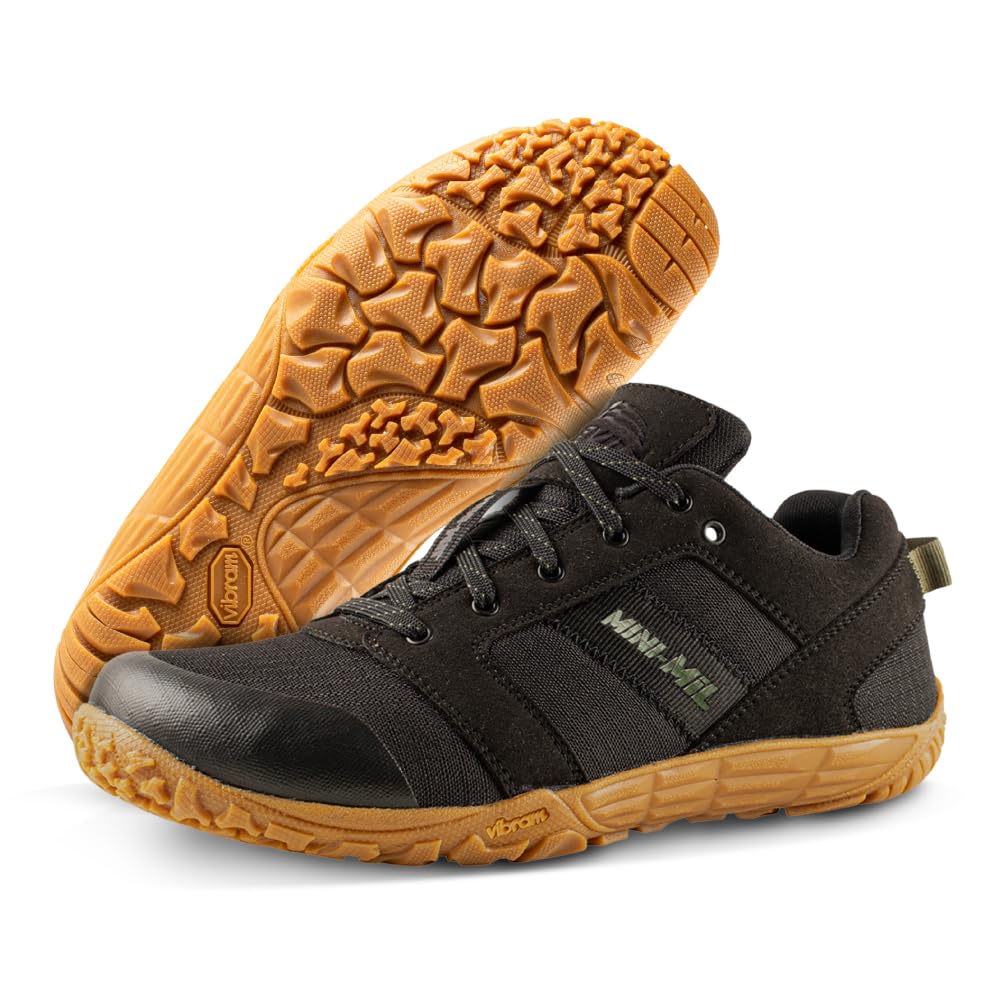
The Mini-Mil is Belleville’s answer to a tactical barefoot shoe — built with a shock-dispersing midsole that offers more protection than the typical thin rubber slab. For high arches, this extra damping reduces the impact force that can travel up the rigid arch structure during hiking or rucking. The wide toe box accommodates fan-shaped feet, and the zero-drop platform keeps your gait natural on uneven terrain.
Users consistently praise the build quality, noting the shoe feels durable enough to last years of heavy use. The flexible outsole provides excellent traction on ice and loose surfaces, and the shoe’s structure is substantially more robust than flimsy fabric barefoot alternatives. One reviewer called it “what shoes should feel like,” highlighting how the wider toe box makes them feel more planted and less squished.
The fit runs large, so measure your foot and order half a size smaller than your usual shoe size. The shoe is also slightly more rigid than the minimalist Belleville boots, and some users report ankle bone rubbing after 12–16 hours of wear. For short to moderate daily use, it’s a solid performer, but for all-day standing shifts, consider a lower-cut alternative or wear padded socks.
Why it’s great
- Shock-dispersing midsole protects rigid high arches on uneven terrain.
- Durable construction expected to last years.
- Excellent traction on ice and loose surfaces.
Good to know
- Runs large; size down half from your regular shoe size.
- Upper can rub ankle bone during extended wear beyond 12 hours.
7. Flux Adapt Graphene XT Barefoot Shoes
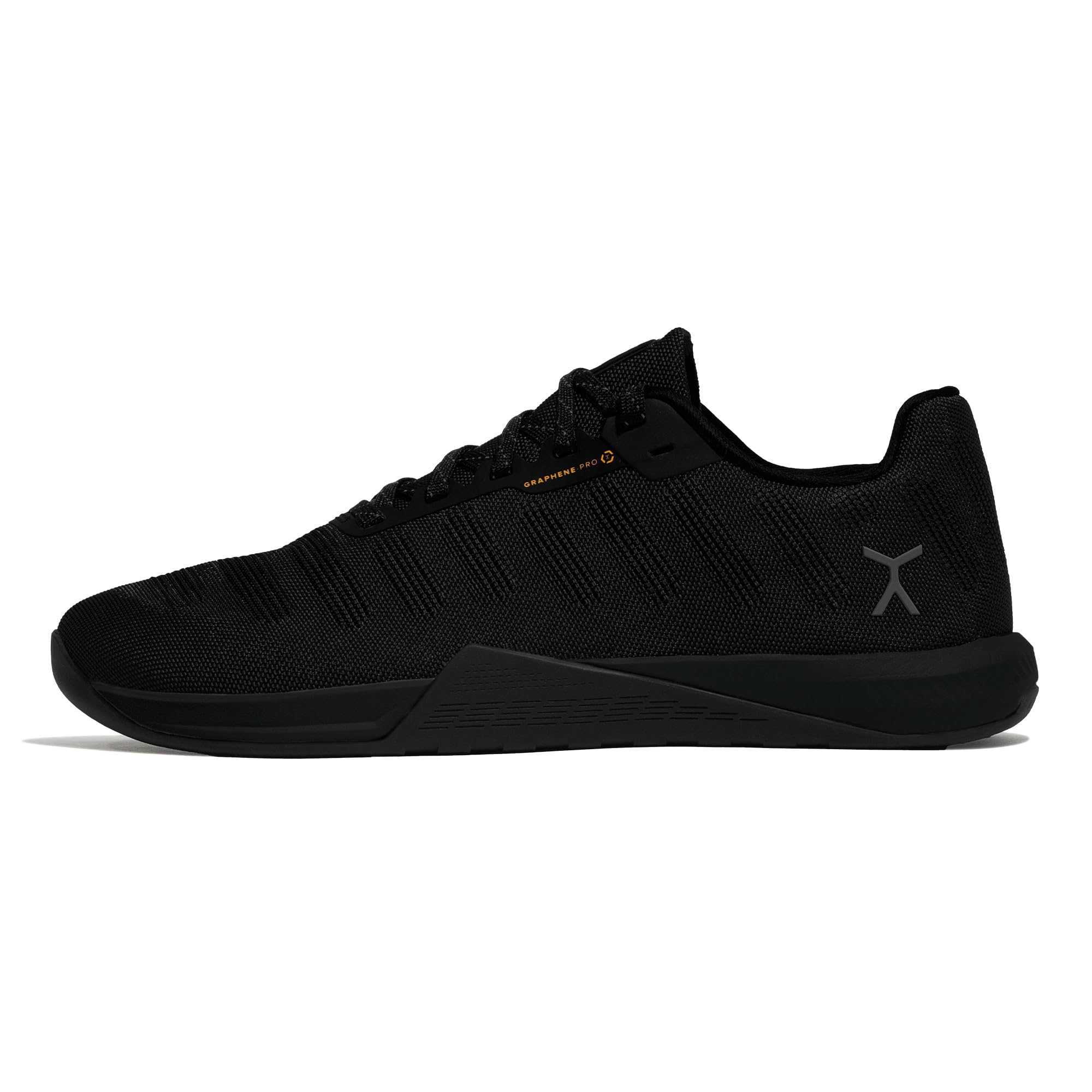
The Flux Adapt Graphene XT is engineered for high-intensity training — CrossFit, HIIT, and Olympic lifting — where high arches need stable ground contact and a locked-in midfoot. The ballistic mesh upper is rugged yet lightweight, and the graphene-reinforced outsole delivers exceptional grip on gym floors. One reviewer who does CrossFit 4–6 times per week reported zero foot pain after six months, which speaks to the shoe’s ability to support a high arch through dynamic lateral and vertical movements.
Users with wide feet praise the fit, noting that the toe box is generous enough for toe splay during squats and lunges. The rubber sole has an ideal thickness — enough bounce for running drills but firm enough for deadlifts. Several reviewers consider this shoe superior to discontinued classics like the New Balance Minimus and VivoBarefoot, citing better materials and more durable construction.
However, the durability is not universal. One user experienced a squeaking midsole within a week and found the graphene outsole nubs prone to breaking off under heavy use. Customer service was unhelpful, suggesting powder or drying rather than a replacement. At this premium tier, that kind of quality variance is a risk. If you get a good pair, it’s outstanding; if not, you’re stuck with a squeaker.
Why it’s great
- Graphene outsole provides excellent grip for dynamic gym movements.
- Wide toe box accommodates toe splay during squats and lunges.
- Zero-drop platform supports natural arch loading during lifts.
Good to know
- Midsole squeaking issue reported within first week of use.
- Graphene outsole nubs can break off under heavy or abrasive use.
FAQ
Can barefoot shoes help fix high arches?
Do I need arch support inserts for high arches in barefoot shoes?
How wide should the toe box be for a high arch?
Final Thoughts: The Verdict
For most users, the barefoot shoes for high arches winner is the Xero Prio because it balances an adjustable ground feel, versatile performance, and a proven track record with high-arched wearers. If you want immediate plantar fasciitis relief with integrated arch support, grab the Men’s Orthopedic Wide Toe Box. And for dedicated gym use, nothing beats the Flux Adapt Graphene XT.