The modern shoe sole is a rubber vault that insulates you from the ground beneath. Barefoot grounding shoes change that — they strip away the engineered padding and reconnect your foot to the surface it was designed to feel. The result is better posture, stronger foot mechanics, and a literal electrical connection to the earth.
I’m Emma — the founder and writer behind Baby Bangs. I’ve spent hundreds of hours cross-referencing sole thickness, stack height, outsole flexibility, and material conductivity claims to find the models that actually deliver on the barefoot grounding promise without sacrificing daily wearability.
This guide cuts through the marketing noise and lands on seven proven models that earn the best barefoot grounding shoes title based on real specs, real durability, and measurable ground-feel.
How To Choose The Best Barefoot Grounding Shoes
Not every thin-soled shoe qualifies as a true grounding shoe. The key differentiators are sole flexibility, zero-drop platform, toe-box anatomy, and material conductivity. Beginners often buy based on looks alone and end up with a shoe that looks barefoot but delivers none of the sensory feedback their feet need to rebuild strength.
Stack Height and Ground Feel
Stack height — the thickness of the sole between your foot and the ground — is the single most important spec. A genuine barefoot grounding shoe should measure between 3mm and 8mm of uncompressed outsole. Anything thicker starts to dampen the tactile signal your foot craves. The thinness forces your arch, ankle, and hip stabilizers to re-engage after years of being lazy inside cushioned shoes.
Zero-Drop Platform
A true barefoot shoe has zero millimeters of heel elevation relative to the forefoot. That drop forces your Achilles and calves to stretch and strengthen naturally. Any heel rise above 4mm shifts your weight forward again, defeating the grounding purpose. Check the manufacturer’s drop spec — if they don’t publish it, the shoe isn’t built for grounding.
Toe-Box Anatomy
Your toes need room to splay on every step. A proper anatomical toe box allows the big toe to align straight ahead and the other toes to spread laterally. Shoes that taper toward the front compress the toes together, which reduces stability and weakens the foot’s natural tripod load distribution. Look for a visibly rounded or foot-shape outline — not a pointed or dramatically tapered one.
Quick Comparison
On smaller screens, swipe sideways to see the full table.
| Model | Category | Best For | Key Spec | Amazon |
|---|---|---|---|---|
| Xero Prio Neo | Mid-Range | All-day training & walking | 5.5mm FeelTrue sole | Amazon |
| Vivobarefoot Primus Lite 3.5 | Mid-Range | Lifting, HIIT & daily wear | 3mm outsole + 2mm insole | Amazon |
| Xero Prio Neo (Men’s) | Mid-Range | Road running & gym sessions | 5.5mm FeelTrue rubber | Amazon |
| Vivobarefoot Primus Lite 3.5 (Men’s) | Mid-Range | Functional training & sprinting | 3mm outsole, zero-drop | Amazon |
| Xero Glenn Leather | Premium | Office & casual dress | Leather upper, 5.5mm sole | Amazon |
| Vivobarefoot Motus Flex | Premium | Cross-training & balance | 3mm base, toggle lace | Amazon |
| Vivobarefoot Magna Forest ESG | Premium | Hiking & rugged trails | Leather/wool, deep grooves | Amazon |
In‑Depth Reviews
1. Xero Shoes Men’s Prio Neo Barefoot Training Shoes
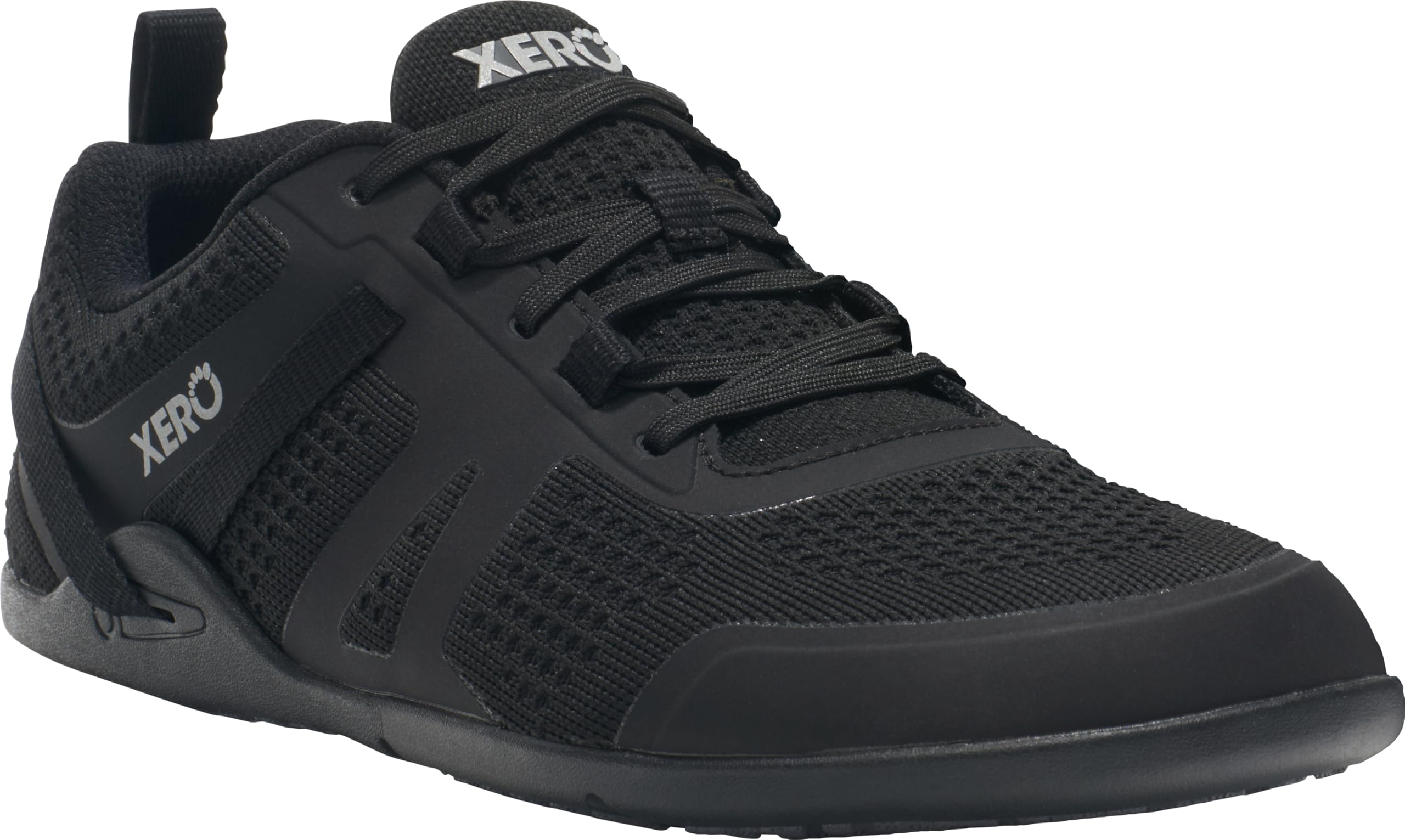
The Prio Neo strikes the hardest balance of value and performance in the grounding shoe category. Its 5.5mm FeelTrue outsole delivers enough tactile feedback to feel pebbles on pavement yet blocks sharp debris well enough for gravel paths. The zero-drop platform is non-negotiable for true grounding, and Xero executes it without any midfoot taper that would crowd the toes.
Reviewers consistently note that this model reduces the adjustment period compared to other minimalist shoes, thanks to a foam insole that pads the transition without canceling ground feel entirely. The upper breathes well in warm weather, and the rubber outsole remains flexible even when new — no break-in stiffness.
After two months of daily wear, the sole showed minimal compression and the lace eyelets held tight. The only majority complaint was a production delay that stretched to nearly a month, so plan ahead if you need them for a specific training cycle. For the money, it’s the most complete grounding trainer you can buy today.
Why it’s great
- Adjustable insole for variable ground feel
- Roomier toe box than most zero-drop trainers
- Breathable mesh upper for warm-weather grounding
Good to know
- Not water-resistant for wet trail grounding
- Some orders experience multi-week shipping delays
2. Xero Shoes Women’s Prio Neo Barefoot Training Shoe
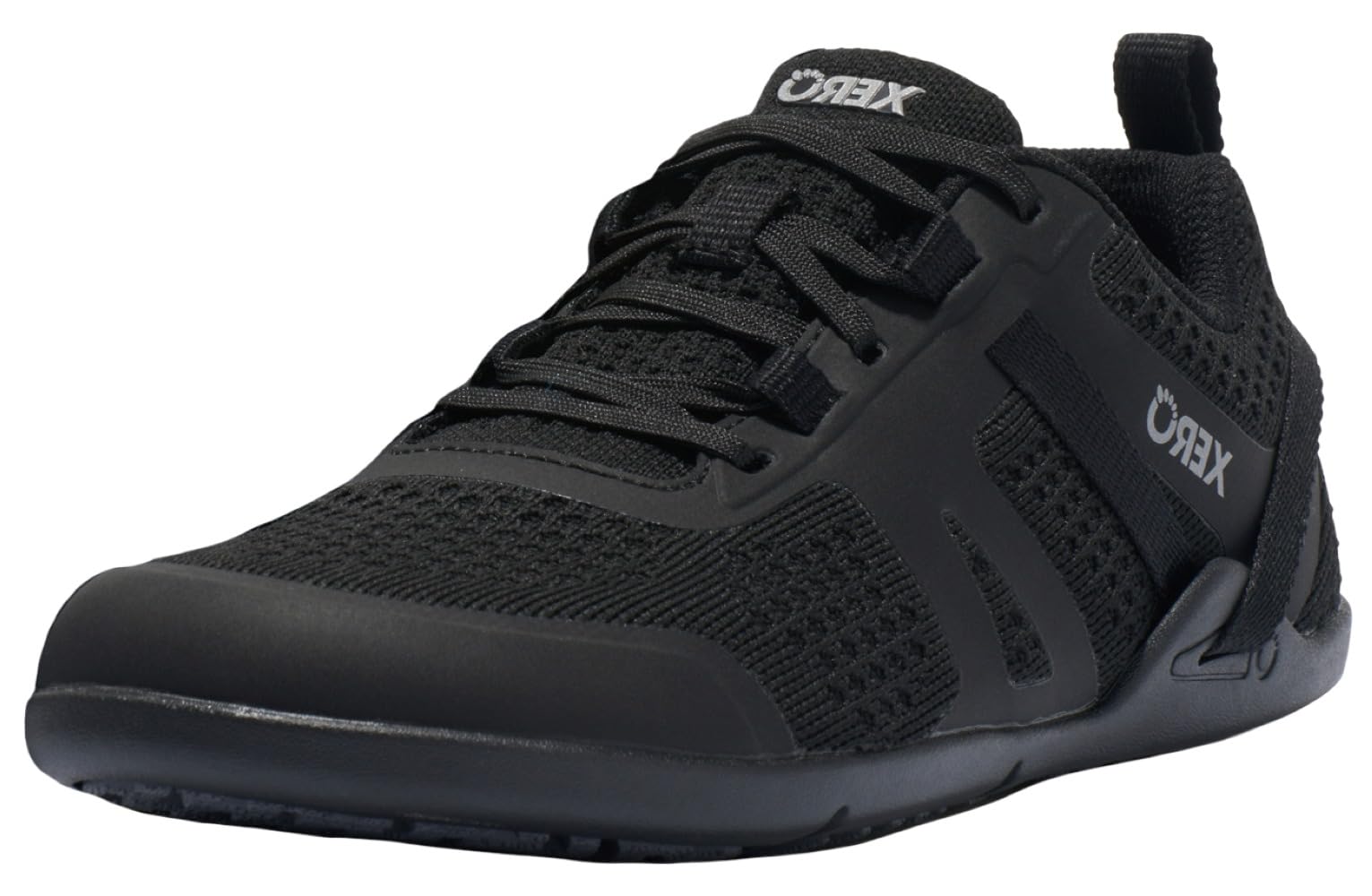
The Women’s Prio Neo mirrors its men’s counterpart in sole construction — that same 5.5mm FeelTrue rubber that lets your foot map the terrain without bruising. The difference is a slightly narrower heel cup and a more tailored upper, though the toe box remains wide enough for natural splay. This is the shoe to grab when you want a genuine grounding experience that doesn’t look like a foot glove.
Transitioning from a conventional stability shoe? Reviewers report calf and knee soreness during the first week as the posterior chain reawakens — a normal sign that the zero-drop platform is working. The removable insole helps you ease into the barefoot feeling: start with it in, then pull it once your foot muscles are ready.
Long-term durability appears solid, with multiple purchasers ordering a second pair after the first held up through daily walks and gym sessions. One tight spot: the plastic eyelet reinforcement can dig into the top of the foot at the flex point during walking, so wear taller socks or loosen the lace pattern across that midfoot zone.
Why it’s great
- Stretchy upper accommodates various foot volumes
- Removable insole for graduated grounding transition
- Excellent heel grip during fast movements
Good to know
- Plastic lace hardware can irritate the top of the foot
- Transition period requires patience and gradual wear
3. Vivobarefoot Women’s Primus Lite 3.5

The Primus Lite 3.5 is the thinnest sole on this list at roughly 3mm of uncompressed outsole, and that sliver of rubber delivers the most unfiltered ground feel you can get outside of going fully barefoot. Weightlifters love this shoe because its flat, zero-drop platform creates a solid connection to the floor during deadlifts and squats. The round toe shape allows the toes to spread naturally under load.
Customer feedback highlights the immediate difference in mind-muscle connection when walking — you feel the contour of every surface, from smooth tile to gravel. That sensory input forces your foot’s intrinsic muscles to work harder, which over time strengthens the arch and improves balance. The upper is lightweight and water-resistant, so morning dew won’t soak through immediately.
Durability is solid for the street and gym, but regular exposure to sharp trail debris could puncture the thin outsole. The black Obsidian color hides dust well and cleans up with a damp cloth. Sizing runs predictably true, though users with very wide feet may want to try them on before committing, as the toebox is round but not extremely bulbous.
Why it’s great
- Ultra-thin 3mm outsole for maximum ground feel
- Flat platform ideal for weightlifting stability
- Water-resistant upper resists light moisture
Good to know
- Too thin for sharp trail debris without foot fatigue
- Not designed for cushioned long-distance running
4. Vivobarefoot Primus Lite 3.5 Men’s
This men’s version of the Primus Lite 3.5 shares the same sub-3.5mm outsole thickness as the women’s, but the men’s lasts run slightly wider through the midfoot. That extra volume makes it a better match for male foot shapes that need room across the metatarsal area without sacrificing heel lock. The vegan upper is seamless on the interior, meaning zero blister hotspots even during sockless summer wear.
Reviewers praise the “sneaky ninja” quietness of the sole — no slap or squeak on hard floors. The outsole grip is aggressive enough for jogging on packed dirt and light trail sections, though extremely sharp rocks can still transmit through. Sizing runs a half-size long for most wearers, so measure your foot on a Brannock device before ordering down a half step.
Long-term users report that the outsole holds up well through a year of mixed training, but the upper can show creasing where the flex points bend. The shoe refuses to retain odor even after heavy use, which speaks to the antimicrobial treatment of the textile lining. For the minimalist purist who wants a true grounding shoe that doesn’t look like a specialty item, this is the pick.
Why it’s great
- Seamless interior eliminates sock blisters
- Quiet outsole for indoor training
- Odor-resistant even without socks
Good to know
- Runs half-size long; size down
- Not recommended for concrete all-day standing
5. Xero Shoes Men’s Glenn Leather Barefoot Dress Casual Shoe
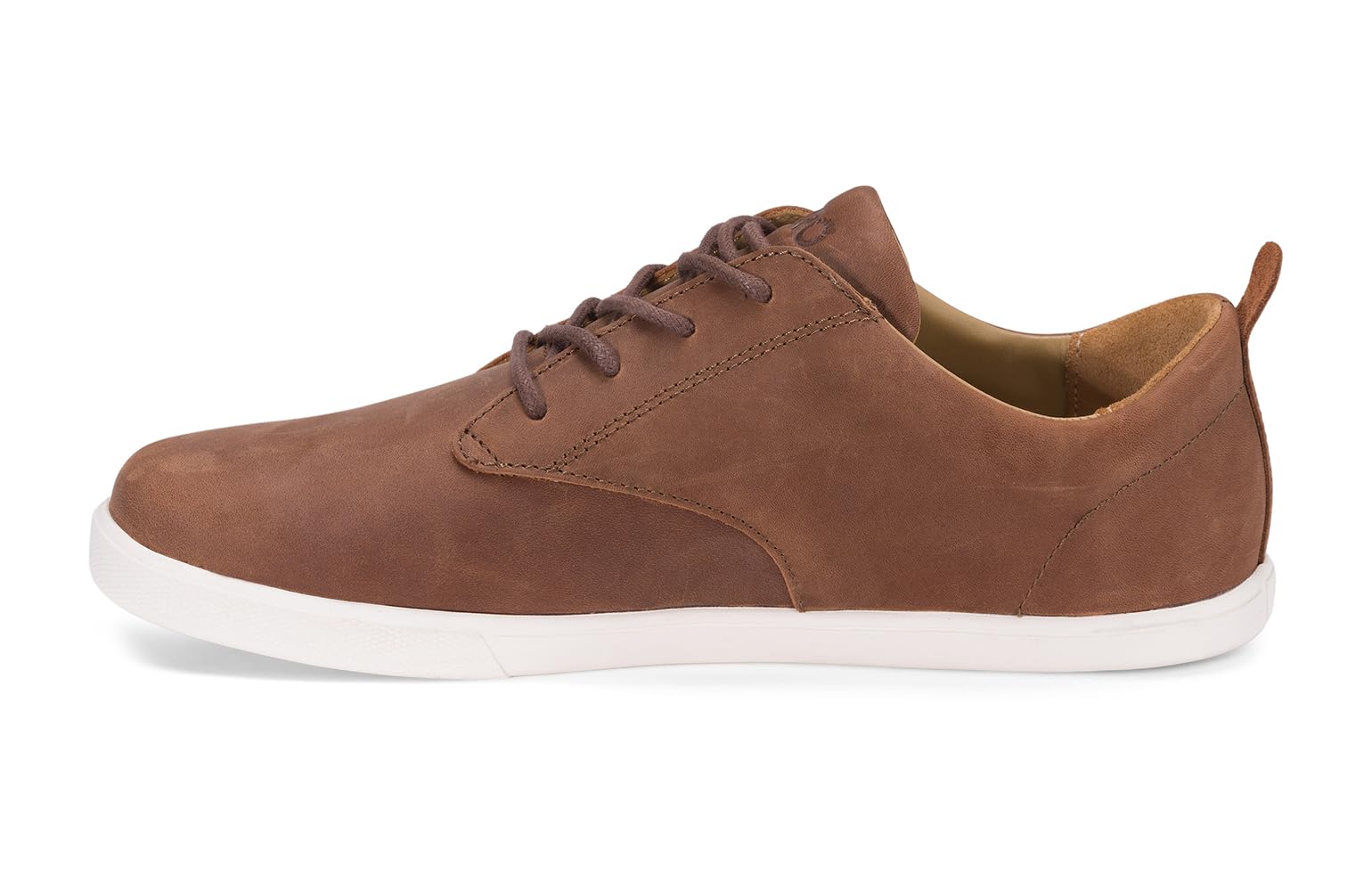
The Glenn is the rare grounding shoe that slips into a business-casual dress code without raising eyebrows. The full-grain leather upper looks polished enough for dinner meetings or office days, yet the 5.5mm FeelTrue sole underneath gives you the same ground connection as the athletic Prio. The outsole is nearly flat with minimal tread, maximizing tactile transmission through leather and rubber.
Leather quality is legitimately high — stain-resistant and capable of developing a nice patina with wear. The volume is generous for a dress shoe, accommodating higher insteps without pressure. However, the heel cup runs slightly long for some, creating a loose heel lock that requires thin socks or a heel pad to fix. Sizing is a unique animal: many reviewers had to order down a full size from their standard athletic shoe.
The biggest known flaw is the heel seam. A minority of wearers report severe Achilles irritation from an internal seam that rubs the raw skin raw even with socks. This appears to be a QC variance rather than a design flaw across all units, but it’s enough that you should try them at home immediately and return if the seam hits your heel wrong.
Why it’s great
- Dress-appropriate leather that doesn’t sacrifice ground feel
- Stain-resistant surface wipes clean easily
- High volume accommodates high instep feet
Good to know
- Inconsistent heel seam can cause Achilles irritation
- Sizing varies significantly; order multiple sizes to test
6. Vivobarefoot Men’s Motus Flex Barefoot Training Shoe
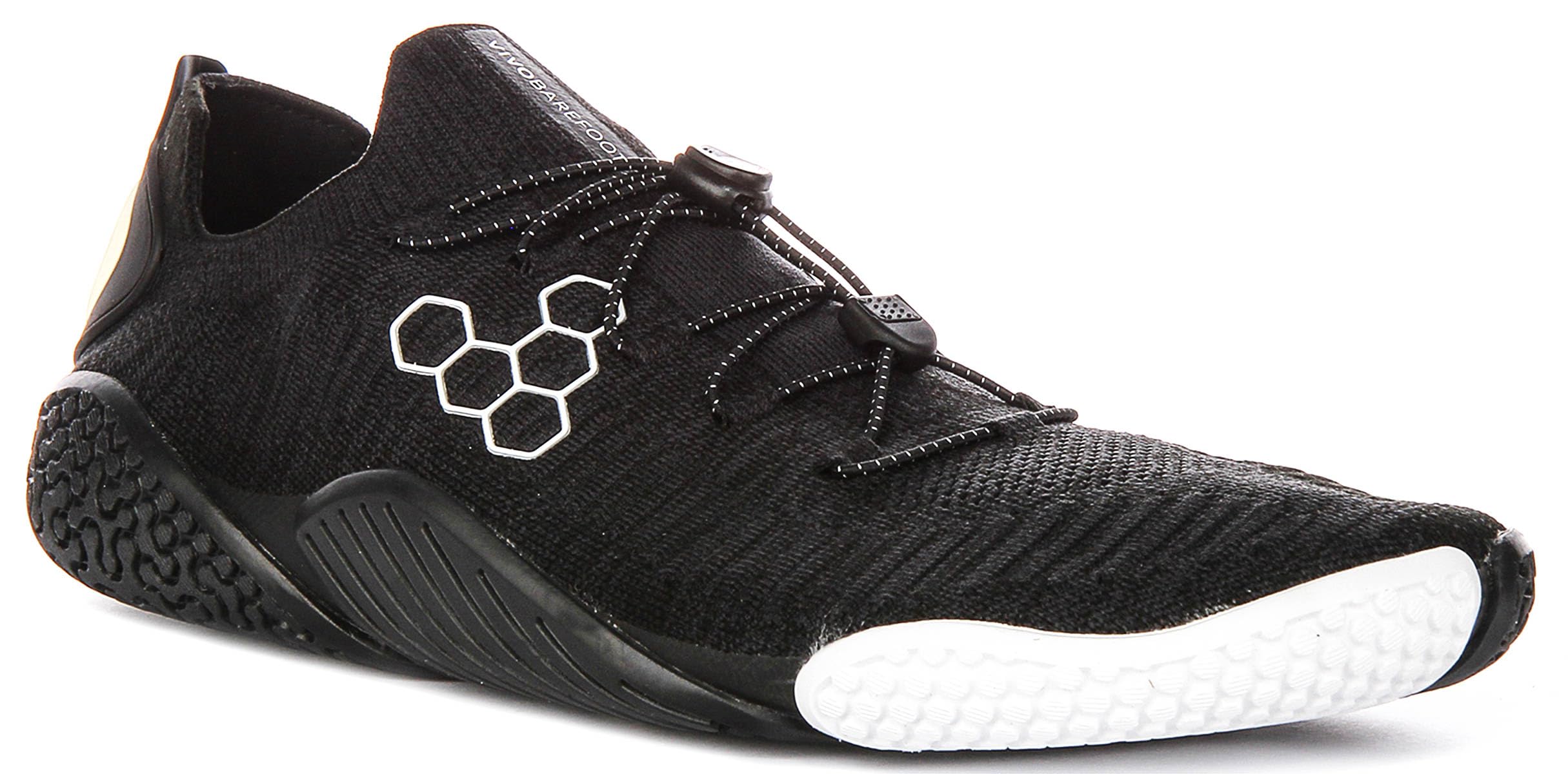
The Motus Flex is built for the athlete who lives in the weight room and wants the proprioceptive advantage of a grounding sole during dynamic movements. The outsole is a thin, flexible rubber base that bends and twists with your foot during lunges, jumps, and balance drills. The toggle lace system is a nice touch — it lets you micro-adjust tension across the midfoot without stopping to retie a bow.
This shoe runs noticeably large, with multiple reviewers reporting that a full size down (US 11 to US 10) was still comfortable with room to spare. The foam insole provides a touch more cushion than the all-barefoot purists want, but it’s removable. Once you pull that insole, you’re standing on roughly 3mm of rubber with maximum sensory feedback.
White is the sharpest color option but picks up dirt fast — not ideal if your training includes outdoor circuits. The materials feel premium and the fit around the heel is secure, but the price lands in premium territory. If you’re a lifter who wants to maintain a grounding connection during dynamic work, this shoe justifies the investment.
Why it’s great
- Flexible outsole moves with the foot during dynamic lifts
- Toggle lace system for quick midfoot adjustments
- Removable insole for purist barefoot feel
Good to know
- Runs large; order a full size down
- White upper gets dirty fast with outdoor use
7. Vivobarefoot Magna Forest ESG Women’s Hiking Boot

The Magna Forest ESG is the only boot in this roundup, and it earns its spot by proving that a grounding sole works at elevation. The sole is thicker than the other Vivobarefoot options here to handle sharp scree and trail roots, but it’s still thin enough to feel the ground profile through the boot sole. The deep outsole grooves provide serious bite on loose dirt and wet rock, matching the grip of traditional hiking boots.
The leather and wool upper is a unique blend that regulates temperature during exertion — warm enough for cool mornings, breathable enough to avoid soaking sweat. The hook-and-eye lacing holds adjustments well but some users report the top hook rubbing against the ankle bone. Pairing them with high wool socks or gaiters solves this immediately.
Sizing is the most debated aspect of this boot. Some users size up a full number to accommodate thick socks and a wide forefoot, while others find their standard size adequate for barefoot-style hiking. The toe box is not exceptionally wide compared to other Vivobarefoot models — if you have truly wide feet, try them on first. The price is the highest on the list, but the materials and build quality justify it for someone who wants a true grounding experience on technical terrain.
Why it’s great
- Leather-and-wool upper manages temperature on varied hikes
- Deep lug outsole grips loose trail surfaces
- Barefoot platform for technical ground feel on trail
Good to know
- Toe box not as wide as other Vivobarefoot models
- Ankle tab can rub; best worn with tall socks
FAQ
How long does the transition period last for barefoot grounding shoes?
Can I wear barefoot grounding shoes on concrete all day?
Do grounding shoes actually improve posture and balance?
Final Thoughts: The Verdict
For most users, the best barefoot grounding shoes winner is the Xero Shoes Men’s Prio Neo because it combines a 5.5mm grounding sole, a genuinely wide toe box, and a removable insole that lets you control the transition pace. If you want the most unfiltered sensory connection to the ground, grab the Vivobarefoot Primus Lite 3.5. And for a dress-ready option that slips into the office without sacrificing zero-drop feel, nothing beats the Xero Glenn Leather.