A backpack that shifts, pinches, or overheats your back turns a scenic ridge into a punishment. The difference between a great trip and a miserable one often comes down to the frame, the hipbelt, and the ventilation woven into the pack you choose. Finding the right one means filtering through weight ratings, suspension designs, and liter capacities that actually match how you move on the trail.
I’m Emma — the founder and writer behind Baby Bangs. I’ve spent years analyzing trail-ready load systems, comparing aluminum frame geometries, and tracking how seam construction holds up under repeated multi-day compression loads.
Below, I break down the models that earn their keep on rocky climbs and wet campsites. This is your straight-to-the-point guide to finding a reliable backpack for hiking and camping without wasting hours scrolling through mixed reviews.
How To Choose The Best Backpack For Hiking And Camping
Picking the wrong pack often leads to chafed shoulders, a sweaty back, or a load that wobbles on uneven terrain. Focusing on three key areas — suspension design, torso fit, and targeted features — prevents those problems before you hit the trailhead.
Suspension and Frame Type
The frame transfers weight from your shoulders to your hips. Internal frames with a rigid aluminum or wire stay provide stability for loads over 25 pounds. A fixed hipbelt works well if your torso length is average, while an adjustable suspension (like Osprey’s AirSpeed or AirScape systems) lets you fine-tune the fit for a more custom carry. Look for a hipbelt with dual-density foam that won’t collapse after the first season.
Capacity and Volume
For a weekend trip, 40 to 50 liters usually holds a sleeping bag, tent, clothes, and food. Multi-day expeditions often require 55 to 70 liters. Oversizing a pack encourages overpacking, which adds unnecessary weight. A compression system helps cinch down a partially full bag so the load stays close to your back rather than sagging outward.
Ventilation and Backpanel Design
A mesh trampoline backpanel (found on the Deuter Futura and Osprey Atmos AG) keeps the pack off your spine, creating an air gap that reduces sweat. Foam-based panels like the AirScape offer a closer carry that feels more stable on technical terrain. Choose based on whether you prioritize airflow or a locked-in feel during scrambles.
Quick Comparison
On smaller screens, swipe sideways to see the full table.
| Model | Category | Best For | Key Spec | Amazon |
|---|---|---|---|---|
| Osprey Atmos AG 65L | Premium | All-day comfort under heavy loads | Anti-Gravity suspension, 4.8 lbs | Amazon |
| Osprey Aether 65L | Premium | Custom torso fit for long hauls | Fit-on-the-Fly hipbelt, 5.0 lbs | Amazon |
| Osprey Kestrel 58L | Premium | Technical terrain with big volume | AirScape backpanel, 4.9 lbs | Amazon |
| Deuter Futura 27L | Mid-Range | Day hikes with maximum back airflow | Aircomfort Sensic mesh, 2.9 lbs | Amazon |
| Osprey Kestrel 48L | Mid-Range | Weekend trips with organized access | Side zip access, 4.4 lbs | Amazon |
| Osprey Rook 50L | Mid-Range | Budget-friendly Osprey quality | AirSpeed adjustable suspension, 3.6 lbs | Amazon |
| Mardingtop 60L | Budget | Entry-level military-style carry | Internal frame, MOLLE system, 60L | Amazon |
In‑Depth Reviews
1. Osprey Atmos AG 65L
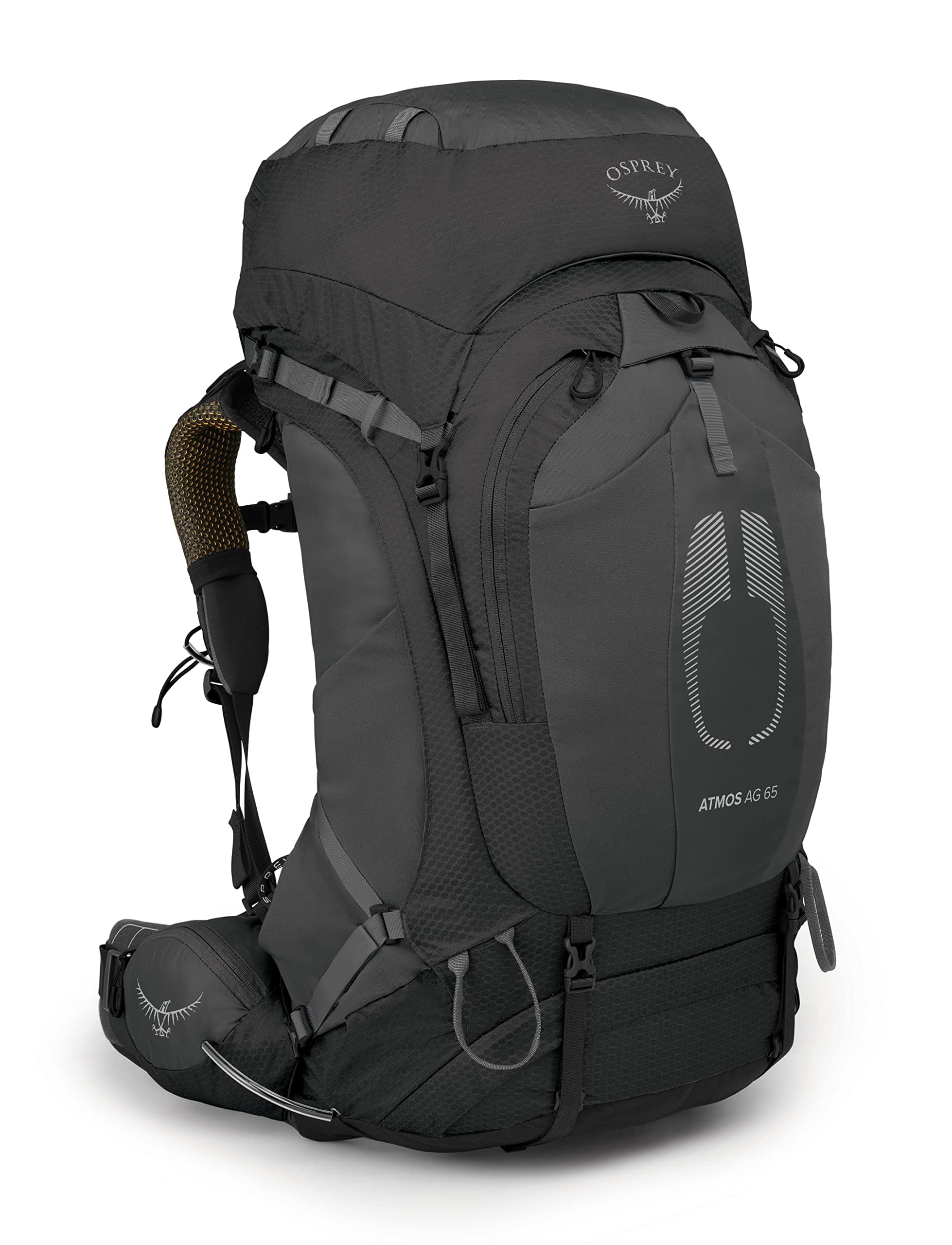
The Anti-Gravity (AG) suspension system uses a continuous mesh that wraps from the lumbar pad up through the shoulder straps, creating a feeling that the load is floating rather than digging in. On the trail, that translates to less shoulder fatigue and a more natural gait, even when the pack hits 40 pounds. The trampoline backpanel also leaves a solid air gap, making it one of the coolest-running packs for warm-weather hikes.
A curved zip on one side panel gives you quick access to gear buried in the middle without having to dig through the top. The floating top lid provides extra lash points for strapping on a sleeping pad, and the integrated rain cover uses PFAS-free DWR. The sleeping bag compartment has a removable divider and dedicated strap system to keep your sleep kit secure and compressed.
One quirk — the pack does not stand upright when loaded, and the waistband zippers require two hands to operate. The harness adjusts easily for different torso lengths, and hikers report zero chafing or sore spots over 10-mile days. For multi-day trips where comfort is non-negotiable, this pack sets the standard.
Why it’s great
- AG suspension makes heavy loads feel lighter and more balanced
- Excellent back ventilation reduces sweat build-up on long climbs
- Side zip access and removable sleeping bag divider add real trail convenience
Good to know
- Won’t stand upright — needs to be leaned against something
- Waistbelt zippers require two hands to open and close
- Heavier than some competitors at 4.8 pounds
2. Osprey Aether 65L
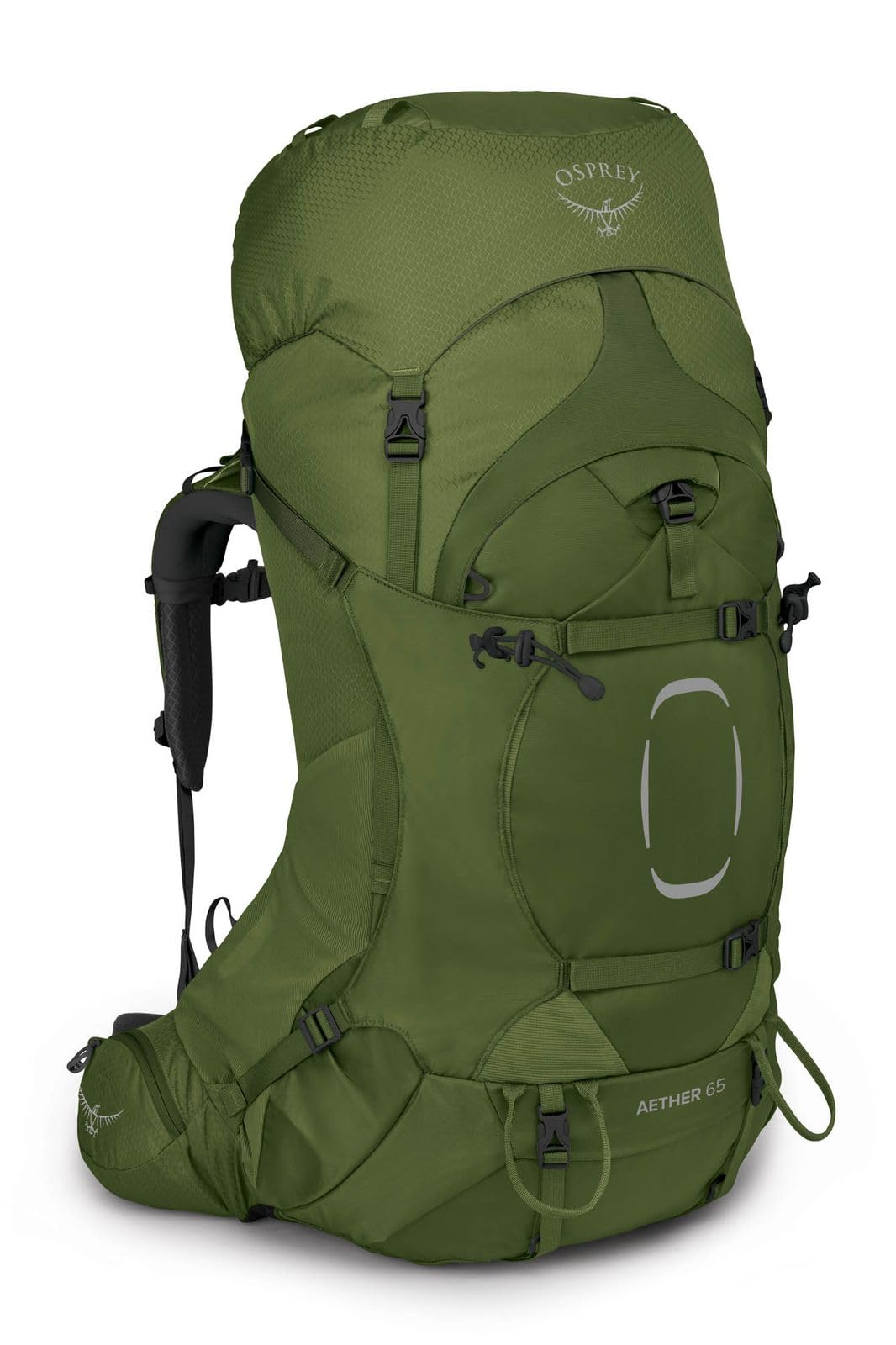
The Aether 65 is engineered for carrying heavier loads — think 45 to 55 pounds — with a stable, close-to-body carry that doesn’t sway on uneven ground. The Fit-on-the-Fly hipbelt and shoulder straps allow you to dial in the fit without tools, which is especially helpful if your torso length falls between standard sizes. The injection-molded AirScape backpanel uses die-cut foam that balances breathability with load transfer.
A full front zippered access panel makes packing and unpacking straightforward, and the removable sleeping bag compartment divider keeps your sleep system separate from the rest of your gear. The floating top lid features both a zippered pocket and lash points for strapping on extra items. The integrated rain cover is included and stows in its own pocket.
At 5.0 pounds, it’s not the lightest option, but the trade-off is a frame that handles weight distribution better than most. Hikers with narrow hips or long torsos report that the adjustable system works well for achieving a locked-in feel. The bottom lacks dedicated daisy chains for attaching gear, but the side compression straps suffice for securing a tent or pad.
Why it’s great
- Fully adjustable hipbelt and shoulder straps for a custom fit
- Full front zip access makes packing and unpacking simple
- Stable carry for heavier loads over technical terrain
Good to know
- Weighs 5.0 pounds — noticeable if you’re counting grams
- No bottom lash loops for extra gear attachment
- Drawstring toggle system can be fiddly to adjust
3. Osprey Kestrel 58L
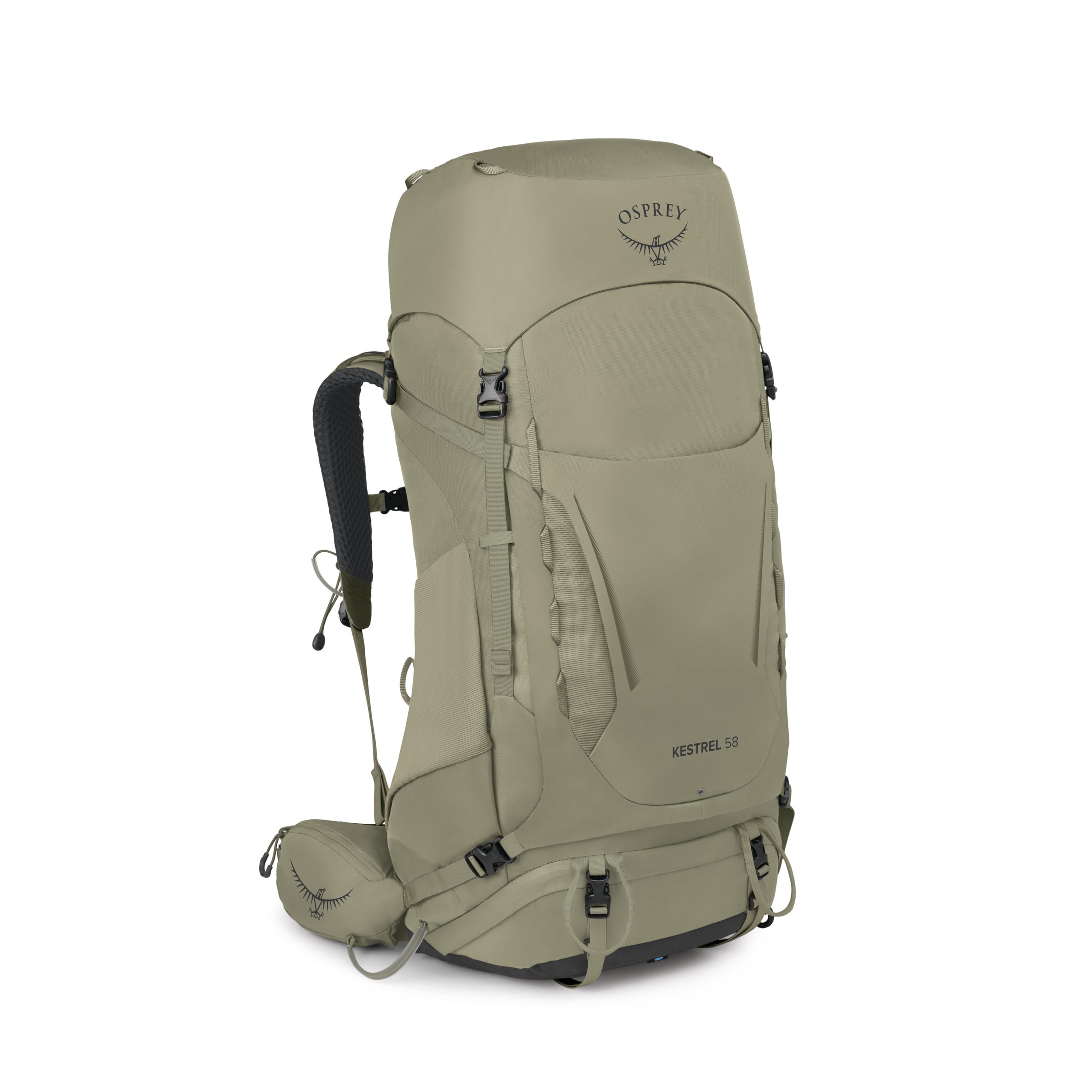
The Kestrel 58 sits at the sweet spot between weekend capacity and multi-day volume. The AirScape backpanel provides a breathable, close-to-body fit that feels stable on rocky descents, and the injection-molded foam does a solid job keeping sweat at bay during summer hikes. The integrated rain cover stores in its own pocket and comes out quickly when the sky opens up.
Side elastic pockets fit water bottles securely, and the side access to the main compartment lets you grab a jacket or snack without unbuckling everything. The front panel features daisy chain attachments that are useful for lashing extra gear when the pack is compressed. The Fit-on-the-Fly hipbelt adjusts easily for different hip shapes and provides good load transfer to the hips.
At 4.9 pounds, it’s not ultralight, but the build quality is rugged — seams hold up better than many budget alternatives. Hikers report comfortable carries at 35 to 40 pounds over 10-mile days. The only compromise is that the backpanel can feel stiff against a thin frame when the load is under 20 pounds.
Why it’s great
- Breathable AirScape backpanel with good load stability
- Side elastic pockets and side zip access for quick gear retrieval
- Daisy chain lash points add versatility for compressing gear
Good to know
- Backpanel can feel firm against a thin or lightly padded torso
- Heavier than some 50-liter competitors at 4.9 pounds
- Bright green rain cover is highly visible — intentional for safety
4. Deuter Futura 27L

The Futura 27 is a daypack designed around ventilation. The Aircomfort Sensic backsystem uses a tensioned mesh stretched over a flexible spring steel frame, creating a generous air gap that reduces perspiration by up to 25 percent compared to foam-based panels. For hikers who run hot or hike in humid conditions, this is a game-changer for staying dry on the trail.
The ActiveFit S-shaped shoulder harness pivots to match the wearer’s natural movement, and the lumbar pads are contoured with 3D modeling that mirrors the shape of the hips. Dual-density Comfort Lock hip fins provide stabilization without restricting motion. The pack includes a detachable waterproof rain cover that fits snugly over the main compartment.
At 27 liters, it’s strictly a day-hike or urban travel pack — not enough volume for overnight camping. The shoulder straps sit closer together than some hikers prefer, which can feel constricting around the neck for broader builds. For fast-and-light day missions where back sweat is your enemy, this is the best option in the list.
Why it’s great
- Mesh trampoline backpanel provides outstanding airflow and cooling
- Pivoting shoulder harness moves naturally with the body
- Detachable rain cover and plenty of external pockets
Good to know
- 27-liter capacity is too small for overnight trips
- Shoulder straps may feel narrow for people with broad shoulders
- Not designed for loads over 15-20 pounds
5. Osprey Kestrel 48L

The Kestrel 48 is a versatile mid-volume pack that works for weekend backpacking trips and can double as a carry-on for travel. The AirScape backpanel provides a stable, close-to-body carry that feels secure on rocky trails, and the integrated rain cover ensures your gear stays dry when storms roll in. The top lid includes a large zippered pocket and under-lid mesh storage with a key clip.
Side elastic pockets are deep enough to hold 1-liter water bottles securely, and the side access zipper to the main compartment is one of the most practical features for grabbing a mid-hike layer. The trekking pole attachment loops are easy to use and keep poles stable without flopping. Compared to the Talon 44, the Kestrel has thicker, more comfortable shoulder straps and a tougher outer fabric.
At 4.4 pounds, it’s slightly heavier than some 48-liter packs, but the trade-off is durability that holds up to repeated seasons of abuse. The daisy chain attachments on the front panel are useful when compressing the pack or lashing on extra gear. Some hikers note that the bright green rain cover is highly visible — intentional for safety in remote areas.
Why it’s great
- Side zip access makes mid-hike gear retrieval fast and easy
- Thicker straps and tougher fabric than the Talon series
- Integrated rain cover and trekking pole loops add trail-ready utility
Good to know
- Heavier than some ultralight options in the same volume class
- No large outer mesh pocket for wet gear or quick-stash items
- Bright rain cover may not appeal to everyone aesthetically
6. Osprey Rook 50L

The Rook 50 brings Osprey’s AirSpeed suspension — a tensioned mesh backpanel with adjustable torso length — into a more accessible price bracket. The mesh creates a solid air gap that keeps the pack off your back, reducing sweat on warm climbs. The LightWire frame transfers load to the hipbelt effectively, taking pressure off the shoulders for a comfortable carry on multi-hour hikes.
An integrated rain cover stows in its own pocket, so you don’t have to remember to pack a separate one. The floating top lid and zippered sleeping bag compartment with a removable divider keep your gear organized. The side compression straps are effective for cinching down a partial load, and the angled water bottle pockets are easy to reach without removing the pack.
At 3.6 pounds, it’s lighter than many packs in the 50-liter class. The main trade-off is the lack of a large outer mesh pocket and no back access panel — you pack through the top. Hikers confirm it handles weekend loads up to 35 pounds comfortably. For the price, it delivers Osprey’s suspension quality without the premium tag.
Why it’s great
- AirSpeed mesh backpanel provides excellent ventilation at a lower price
- Lightweight design at 3.6 pounds for a 50-liter pack
- Integrated rain cover and sleeping bag compartment add real value
Good to know
- No large outer mesh pocket for quick storage of wet gear
- No back-access panel — top-loading only
- Waist strap can feel narrow for some hip shapes
7. Mardingtop 60L
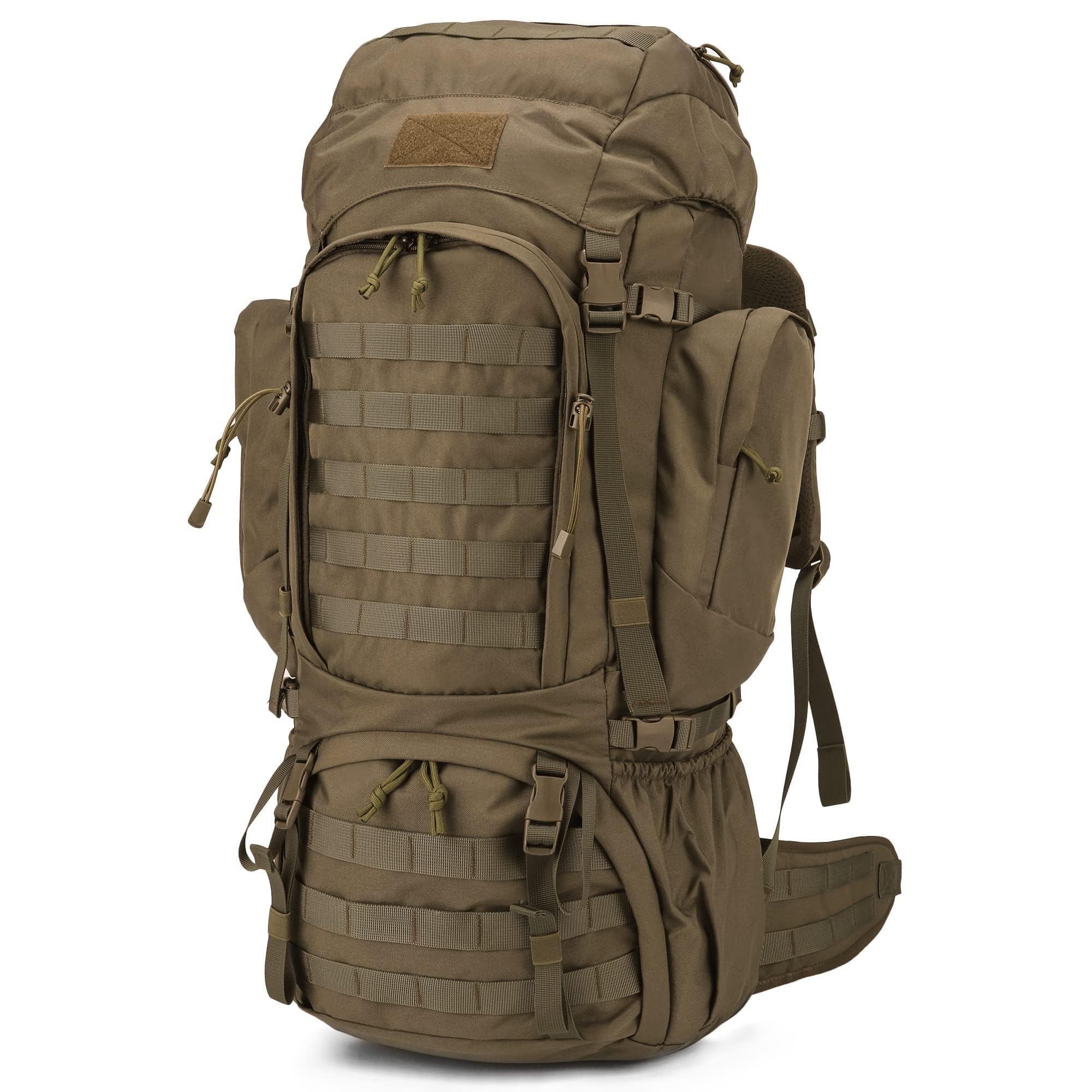
The Mardingtop 60L is a military-style framed backpack designed for budget-conscious hikers who need a large capacity without the premium price. The internal frame helps transfer load to the hips, and the MOLLE webbing on the front and sides offers modular attachment options for pouches, carabiners, or extra gear. YKK zippers on the main compartments add a level of reliability that’s rare at this entry-level tier.
The pack includes a rain cover, though reviewers note it feels cheap and may not hold up to repeated use. Shoulder straps are functional but narrow, and the hipbelt lacks the dense padding found on premium packs — it tends to loosen under heavy loads over 30 pounds. The main compartment is roomy enough for three-day trips, and the multiple pockets keep organization straightforward.
For moderate loads on short trips — think 1 to 3 miles with 20 to 30 pounds — this pack performs adequately. It is not built for long-distance rucking or multi-week expeditions. Beginners looking for an affordable entry point with decent durability will find it a fair starting option, but upgrading to a better hipbelt system makes a noticeable difference on longer hikes.
Why it’s great
- Large 60-liter capacity at a budget-friendly entry point
- YKK zippers and decent stitching for the price tier
- MOLLE webbing adds modular storage options
Good to know
- Hipbelt lacks padding and tends to loosen under heavy loads
- Shoulder straps are narrow and less comfortable for long days
- Included rain cover is fragile and may not last many trips
FAQ
How do I know which torso length fits my body?
Is a 50-liter pack big enough for a 3-day camping trip?
Do I need a rain cover if my pack is water-resistant?
Final Thoughts: The Verdict
For most users, the backpack for hiking and camping winner is the Osprey Atmos AG 65L because the Anti-Gravity suspension makes heavy loads feel significantly lighter while keeping your back cool. If you want a fully adjustable fit for heavier multi-day loads, grab the Osprey Aether 65L. And for day hikes where back ventilation is your top priority, nothing beats the Deuter Futura 27L.