Acne-prone skin exists on a frustrating knife-edge: you need active ingredients to clear breakouts, but the same actives often trigger redness, stinging, and peeling that make your skin look worse before it gets better. Azelaic acid breaks that cycle. It targets P. acnes bacteria, regulates keratin production to keep pores clear, and reduces melanin synthesis to fade post-inflammatory hyperpigmentation — all while soothing the inflammation other acids create.
I’m Emma — the founder and writer behind Baby Bangs. For the past five years, I’ve analyzed hundreds of skincare formulations, cross-referencing ingredient concentrations, pH data, and real-user application feedback to separate marketing fluff from formulations that deliver measurable changes to the skin barrier.
This guide ranks the five most effective serums available right now, focusing on formulations that actually lower redness rather than adding to it. Use these reviews to find the best azelaic acid for acne that matches your skin’s specific tolerance level and daily routine.
How To Choose The Best Azelaic Acid For Acne
Azelaic acid is unique among acne-fighting ingredients because it is classified as a dicarboxylic acid — it is not simply an exfoliant. It works by suppressing bacterial protein synthesis, reducing follicular keratinization that causes comedones, and inhibiting tyrosinase to stop dark marks from forming. To get the most from it, you need to think about the supporting formulation, not just the percentage on the bottle.
Concentration and Texture
Over-the-counter azelaic acid serums typically range from 8% to 10%. Ten percent is the sweet spot for treating acne: it is strong enough to visibly reduce breakouts and fade marks within four to six weeks, yet low enough to be tolerated by most skin types when used daily. The vehicle matters just as much — a gel base absorbs quickly and works well under makeup, while a creamier ampoule provides extra moisture that helps prevent the tight, dry feeling some acids leave behind.
Supporting Ingredients and Skin Fit
Look for formulations that pair azelaic acid with soothing actives like Centella Asiatica (cica), panthenol (pro-vitamin B5), or allantoin. These ingredients lower the risk of the initial stinging sensation that some users report during the first week. If you have sensitive skin or are also using retinoids, a formula that includes hydrating components like hyaluronic acid or glycerin will help maintain barrier function. Avoid formulas with added fragrance, essential oils, or high percentages of alcohol — these will cancel out the calming effect azelaic acid is selected for in the first place.
Quick Comparison
On smaller screens, swipe sideways to see the full table.
| Model | Category | Best For | Key Spec | Amazon |
|---|---|---|---|---|
| SKIN1004 Azelaic Acid 10% Ampoule | K-Beauty Serum | Post-blemish marks & oily skin | 10% + 3X Centella formula | Amazon |
| Peach Slices Redness Relief 10% Serum | Redness Calming | Daily redness & rosacea-prone skin | 10% + Cica + Panthenol | Amazon |
| PURITO Azelaic Acid 10% + Kojic + Tea Tree | Triple-Active | Active breakouts & dark marks | 10% Aza + 10% Tea Tree | Amazon |
| The INKEY List Azelaic Acid 10% Serum | Budget-Friendly | Rosacea heat & general redness | 10% with green tint | Amazon |
| RECIPE Azelaic Acid 10 Soothing Ampoule | Entry-Level | Sensitive skin starting azelaic acid | 10% + Madecassoside | Amazon |
In-Depth Reviews
1. SKIN1004 Azelaic Acid 10% Ampoule
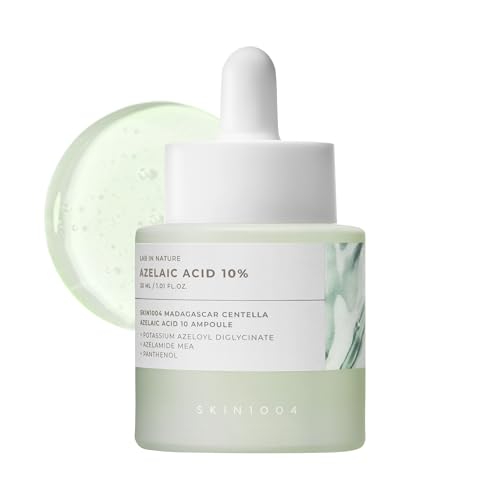
SKIN1004’s ampoule uses a 3X Azelaic Active Formula that combines 10% azelaic acid with a high concentration of Centella Asiatica — a pairing that directly addresses both the bacterial and inflammatory sides of acne. The gel-like consistency absorbs within seconds and leaves a smooth, matte finish that does not interfere with sunscreen layering. Multiple verified reviews confirm visible reductions in post-blemish hyperpigmentation and a noticeable balancing of excess sebum production within the first three weeks of consistent daily use.
The formulation includes Centella Asiatica at a sufficiently high concentration to actively calm the stinging sensation that some users experience during the initial application phase. The ampoule is fragrance-free and alcohol-free, making it appropriate for combination and oily skin types that are sensitive to irritation. Unlike heavier creams, this serum layers well under a moisturizer without pilling, which is essential for morning routines where sunscreen is the final step.
The most common complaint across user feedback is the dropper design — it can be difficult to draw up product when the bottle is low. This is a packaging flaw rather than a formulation issue. A few users with very dry skin found the ampoule insufficiently hydrating on its own and required a richer moisturizer afterward, which is expected given the sebum-balancing focus of this product.
Why it’s great
- Layers cleanly with zero pilling under sunscreen or makeup
- Centella extract actively reduces redness, not just masks it
- Controls shine without stripping the moisture barrier
Good to know
- Dropper can struggle to pick up product when bottle is nearly empty
- Very dry skin types will need to pair with a richer moisturizer
2. Peach Slices Redness Relief 10% Azelaic Acid Serum
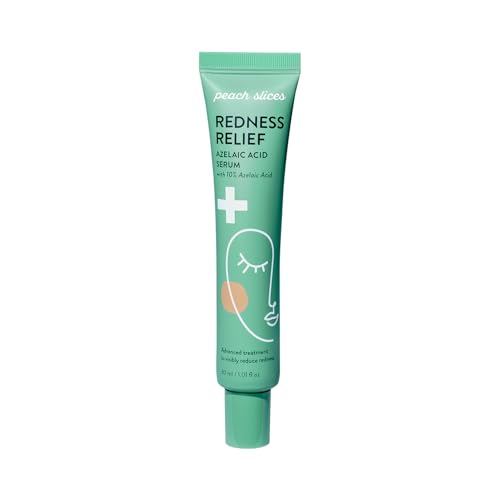
Peach Slices targets a specific pain point: visible redness that persists even after breakouts subside. The 10% azelaic acid is supported by rhodomyrtus leaf extract and cica, two botanicals that reduce the vasodilation responsible for flushed, irritated skin. A subtle universal tint helps the serum visually neutralize red undertones on the skin’s surface, which is a practical advantage for users who prefer not to wear foundation. Multiple users with mild rosacea reported a marked reduction in post-shower redness within the first week of use.
Algae extract and panthenol provide light hydration and skin softening, preventing the tightness that can accompany high-concentration acids. The serum is lightweight enough for daytime wear under moisturizer and SPF. Unlike some gel-based alternatives, this formula does not leave a white cast or sticky residue, which is a common pain point with other azelaic acid products that use silica or dimethicone to improve texture.
A few users with sensitive skin noted a temporary stinging sensation during the first few applications, which subsides as the skin adjusts. Some older users reported that the product sits in fine lines if too much is applied, so the instructions to use sparingly should be followed. The tint may not be noticeable on deeper skin tones, though it also does not leave a chalky finish — it simply blends in.
Why it’s great
- Universal tint actively neutralizes visible redness on lighter skin tones
- Rhodomyrtus leaf extract works synergistically with azelaic acid to calm inflammation
- No white cast — layers transparently under makeup
Good to know
- Can settle into creases if applied too generously on mature skin
- Initial tingling is normal for sensitive skin during first week
3. PURITO Azelaic Acid 10% + Kojic + Tea Tree Facial Serum
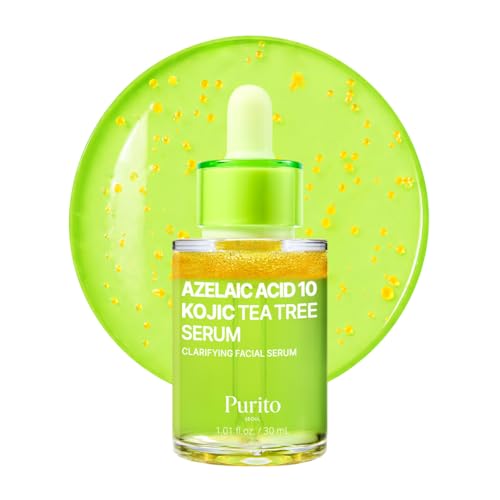
PURITO takes a triple-active approach by pairing 10% azelaic acid with 10% tea tree oil and kojic acid. This combination is unusual because tea tree oil at that concentration is typically sensitizing, but PURITO uses encapsulated tea tree oil capsules that release gradually, reducing the likelihood of immediate irritation. The result is a serum that tackles active breakouts, post-inflammatory hyperpigmentation, and uneven tone simultaneously. Verified reviews from users in their 30s and 40s with hormonal cystic acne reported visible clearing without the drying side effects of benzoyl peroxide or retinol.
The formula is fragrance-free, cruelty-free, and vegan, with a non-greasy finish that suits both AM and PM routines. The kojic acid component is particularly effective for fading the brownish marks left after a pimple heals, and many users noted a visible improvement in skin brightness within two weeks. The texture is slightly thicker than standard water-based serums but spreads easily and absorbs without leaving a film.
Some users with very reactive skin may still experience purging of closed comedones during the first few days — this is a normal reaction to the exfoliating effect of the combined actives. The tea tree scent, while natural, is noticeable and may not appeal to all users. A small number of dry-skin users found the serum insufficiently hydrating and needed to layer a thicker moisturizer on top.
Why it’s great
- Encapsulated tea tree reduces irritation risk compared to standard tea tree formulas
- Kojic acid targets post-acne pigmentation faster than azelaic acid alone
- Effective for hormonal and cystic acne without stripping the skin
Good to know
- Noticeable tea tree fragrance that may not suit sensitive noses
- May cause initial purging of closed comedones in the first week
4. The INKEY List SuperSolutions Azelaic Acid 10% Serum
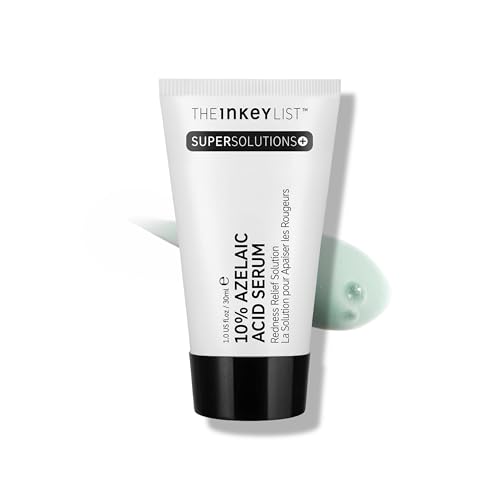
The INKEY List serum is one of the most popular drugstore options for a specific reason: it uses a green-tinted formula that visually counteracts the redness associated with rosacea and acne breakouts. The serum has a thick, gel-like viscosity that stays in place on the skin rather than running into the eyes. Users with rosacea consistently report that the formulation relieves the heat sensation that often accompanies flare-ups, making this a practical choice for those dealing with redness as the primary symptom.
The formula is neutral-scented and does not contain drying alcohols. The thicker texture means a small amount goes a long way, and the 1-ounce tube provides roughly one month of daily use. Reviews from users with combination skin and large pores confirm that the serum helps control new breakouts while healing existing acne scars, and many report smoother, more even texture within a few weeks of consistent application.
The packaging is the main drawback: the tube’s nozzle design, combined with the thick product viscosity, can cause excess serum to dispense when stored cap-down, leading to product waste. Some users also noted that the bottle appears larger than the amount of product inside, which creates an impression of poor value relative to other options. The green tint, while effective at neutralizing redness on lighter skin, may not blend as seamlessly on deeper skin tones.
Why it’s great
- Green tint immediately masks redness without needing foundation
- Thick gel texture stays put and does not drip into the eyes
- Relieves the burning heat sensation common in rosacea flare-ups
Good to know
- Tube dispenses too much product when stored cap-down
- Green tint may not be invisible on deeper skin tones
5. RECIPE Azelaic Acid 10 Soothing Ampoule
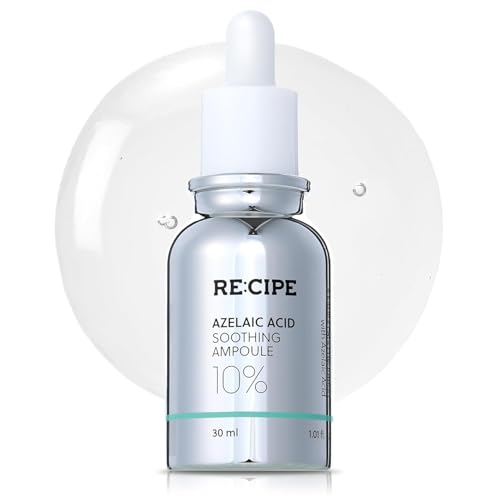
RECIPE’s ampoule is designed specifically for the sensitive, reactive, acne-prone skin that struggles with the tingling of standard azelaic acid formulations. The 10% azelaic acid is supported by Madecassoside — a Centella Asiatica derivative — along with hyaluronic acid, allantoin, and panthenol. This combination prioritizes barrier reinforcement while still delivering the antibacterial and keratolytic effects needed to control breakouts. Verified reviews from users with dermatitis-prone skin confirm that this serum does not trigger the glass-like tightness that some stronger formulas cause.
The texture is noticeably thinner and more watery than competitors, which allows it to absorb within seconds without any greasy or sticky after-feel. The formulation is non-comedogenic and suitable for both daytime and nighttime use. Users report that it layers well under both moisturizer and sunscreen, and the hyaluronic acid component provides enough hydration that dry-skinned users can skip a separate hydrating serum in their morning routine.
The light, watery consistency may not appeal to users who prefer a thicker gel that feels more substantive on the skin. A few users noted that the bottle’s opening could be slightly larger to make dispensing easier, though this is a minor packaging concern. The results are slower compared to the PURITO or SKIN1004 options — users report visible improvements in dark spots and redness after three to four weeks of consistent use, rather than the two-week timeline of the more concentrated formulas.
Why it’s great
- Madecassoside and panthenol actively soothe reactive skin during application
- Water-light texture absorbs instantly with zero residue
- Non-comedogenic formulation safe for barrier-compromised skin
Good to know
- Results appear gradually — patience is needed for visible changes
- Thin texture may feel less substantial than gel-based alternatives
FAQ
Should I use azelaic acid in the morning or at night?
How long does azelaic acid take to work for acne?
Can I use azelaic acid with tretinoin or adapalene?
Does azelaic acid cause purging?
Final Thoughts: The Verdict
For most users, the best azelaic acid for acne is the SKIN1004 Azelaic Acid 10% Ampoule because it balances antibacterial efficacy with Centella Asiatica’s soothing action in a lightweight, sebum-controlling formula that layers cleanly under any routine. If you need active redness neutralization for rosacea-prone skin, grab the Peach Slices Redness Relief Serum. And if you are treating both active breakouts and stubborn post-acne marks on a budget, nothing beats the value of the PURITO Azelaic Acid 10% + Kojic + Tea Tree Serum.