Metatarsalgia turns every step into a sharp, burning reminder that your forefoot is under siege. The wrong shoe amplifies that pain, while the right one acts as a shock-absorbing platform that redistributes pressure away from the metatarsal heads. This guide identifies the specific outsoles, midsole foams, and rocker geometries that give you back pain-free walking and running.
I’m Emma — the founder and writer behind Baby Bangs. I’ve spent years studying the biomechanics of foot pain, analyzing drop heights, stack profiles, and toe-box dimensions to find the shoes that genuinely offload the forefoot rather than just marketing cushioning.
The nine models reviewed below represent the most effective solutions currently available, spanning trail runners to recovery trainers, all selected because they directly address the pressure points that cause metatarsalgia discomfort. This is your complete resource for choosing the best athletic shoes for metatarsalgia, built from real reviews and measurable specs.
How To Choose The Best Athletic Shoes For Metatarsalgia
Metatarsalgia care starts with geometry, not just padding. The wrong shape, even with lots of foam, will concentrate load on the metatarsal heads and worsen symptoms. Three measurable factors separate a therapeutic shoe from a cosmetic one.
Rocker Sole Geometry Is Non-Negotiable
A rigid rocker sole — where the shoe curves upward at the toe — reduces the amount of bending the foot has to do during push-off. This cuts the pressure on the metatarsal heads by a measurable margin. Look for “rocker” or “rocker bottom” in the product description. The Glycerin Max uses a GlideRoll rocker that propels the foot forward without torquing the forefoot.
Stack Height and Midsole Density Matter More Than Total Cushion
Not all cushioning is equal. A high stack height (over 30 mm) with a stable, denser foam like nitrogen-infused EVA provides better pressure dispersion than a soft foam that collapses unevenly. Soft foam can actually create a hammock effect, putting more load on the met heads. The Mizuno Wave Sky 8 uses a wave plate to spread impact laterally rather than vertically.
Toe Box Width and Volume for Orthotics
Metatarsalgia shoes must accommodate metatarsal pads or custom orthotics without compressing the toes. A narrow toe box forces the forefoot into a cramped position, exacerbating pain. Models like the Saucony Echelon 10 and New Balance Fresh Foam X Hierro V9 offer dedicated wide or 4E sizing, giving room for both orthotics and natural toe splay.
Quick Comparison
On smaller screens, swipe sideways to see the full table.
| Model | Category | Best For | Key Spec | Amazon |
|---|---|---|---|---|
| Brooks Glycerin Max | Premium | Heavy cushion + rocker | GlideRoll rocker, 42mm stack | Amazon |
| Saucony Echelon 10 | Premium | Wide fit + orthotics | 4E sizing, flat platform | Amazon |
| Brooks Cascadia 19 | Premium | Trail stability | Wide platform, Vibram outsole | Amazon |
| Vivobarefoot Motus Flex | Premium | Natural forefoot strength | Zero-drop, 4mm stack | Amazon |
| New Balance Hierro V9 | Mid-Range | Trail + heavy runner | Megagrip outsole, 30mm stack | Amazon |
| Mizuno Neo Vista | Mid-Range | Bouncy forefoot relief | High energy return foam | Amazon |
| ASICS GT-2000 14 | Mid-Range | Arch support + stability | LITETRUSS support system | Amazon |
| Brooks Caldera 8 | Mid-Range | Work-day comfort | 32mm stack, splash-proof | Amazon |
| Mizuno Wave Sky 8 | Mid-Range | Plush daily trainer | Wave plate, 36mm stack | Amazon |
In‑Depth Reviews
9. Brooks Men’s Glycerin Max Neutral Running & Walking Shoe

The Glycerin Max is the highest-stack shoe in this lineup, employing a nitrogen-infused DNA Fitted cushion that compresses evenly under the forefoot rather than bottoming out. The GlideRoll rocker mechanically shifts your center of pressure from the metatarsal heads toward the midfoot, which explains why multiple reviewers with chronic forefoot pain reported complete relief after switching from standard trainers. One reviewer noted that standing on concrete for ten-plus hours no longer triggered sharp pain after a one-day break-in period.
The outsole is a dense carbon rubber that has shown zero significant wear after three months of daily use, a durability advantage over softer foams like those used in Hoka models. The toe box runs slightly narrow, which is the single constraint for those with bunions or wide forefeet — but the secure heel hold prevents the foot from sliding forward into the toe box, a common cause of metatarsal aggravation in oversized shoes.
This shoe is built for neutral runners and walkers. If you overpronate heavily, the lack of medial post means you may need to pair it with a firm orthotic. The GlideRoll rocker does the heavy lifting for metatarsalgia relief, making this the most effective single-shoe solution in this guide for pure forefoot offloading.
Why it’s great
- GlideRoll rocker actively unloads metatarsal heads
- Nitrogen-infused foam retains shape over time
- Exceptional durability for daily use on hard surfaces
Good to know
- Toe box is slightly narrow; size up if you wear orthotics
- Not designed for overpronation without additional support
7. Saucony Men’s Echelon 10 Sneaker
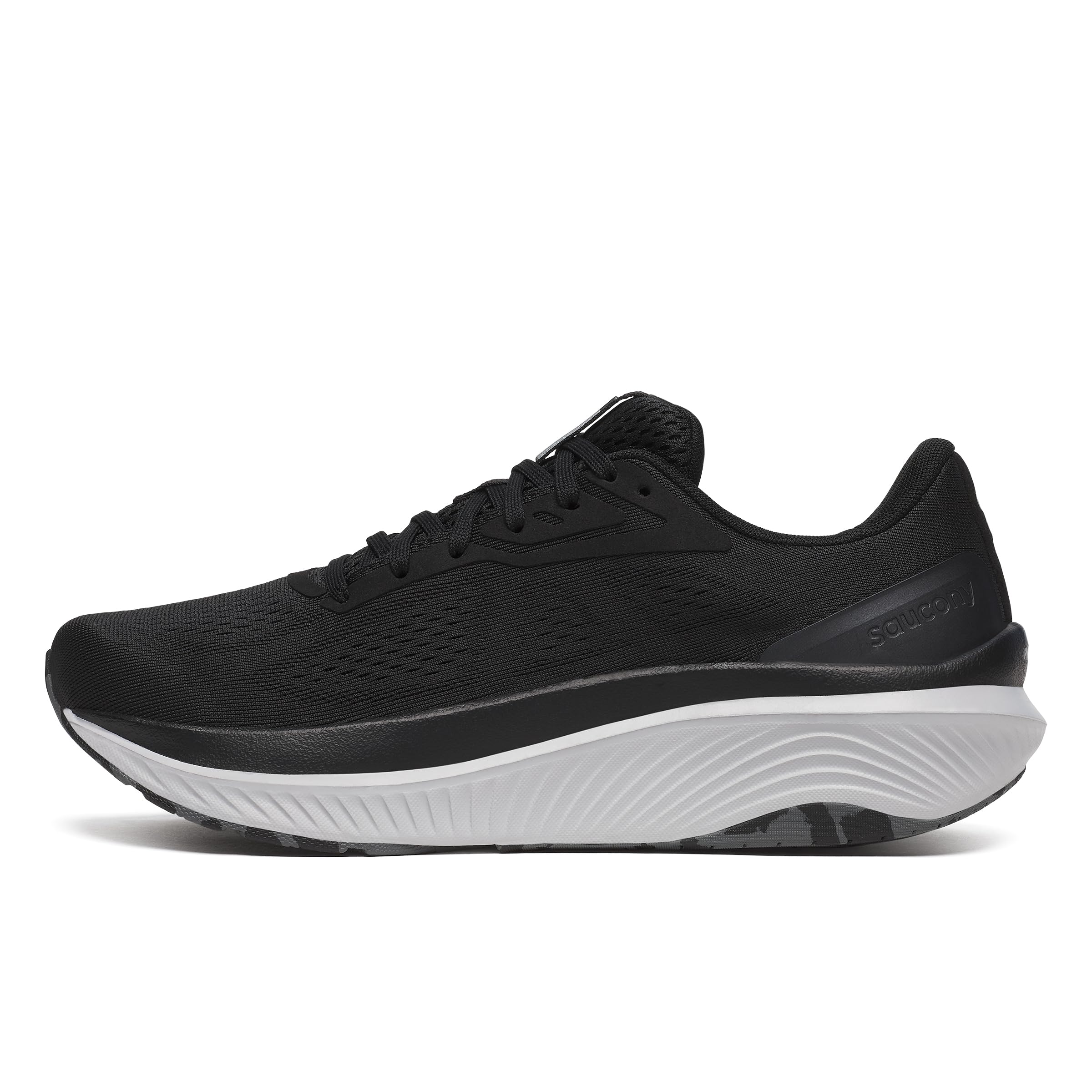
The Echelon 10 is the most orthotic-friendly shoe in this collection, built on a flat, stable platform that accepts metatarsal pads and custom insoles without elevation changes. Multiple long-term buyers (fourth-pair repeats) report that the wide 4E fit accommodates metatarsalgia-specific orthotics perfectly — the foot box remains roomy at the forefoot without the excessive heel slip that often cripples wide shoes.
Saucony uses a soft cushion that reviewers describe as “not too pillow-y,” which is exactly what metatarsalgia patients need — enough give to absorb shock but not so plush that the foot sinks into a pressure-concentrating pocket. The water-repellent mesh upper also adds weather protection for outdoor walkers who can’t afford to have wet shoes stiffen the forefoot.
The flat heel (zero-drop angle) naturally encourages a midfoot strike, which further reduces the load on the metatarsal heads compared to a traditional heel-drop shoe. If you need maximum room for custom orthotics and a stable base that doesn’t aggravate the ball of the foot, this is your pick — though the cushioning is less springy than the Glycerin Max, so pure runners may want more pop.
Why it’s great
- Truly wide 4E sizing with roomy toe box
- Flat platform stabilizes forefoot with orthotics
- Consistent quality across multiple pairs (repeats common)
Good to know
- Cushioning is soft but not springy for faster paces
- Limited color options compared to competitors
6. Brooks Men’s Cascadia 19 Mountain Trail Running Shoe
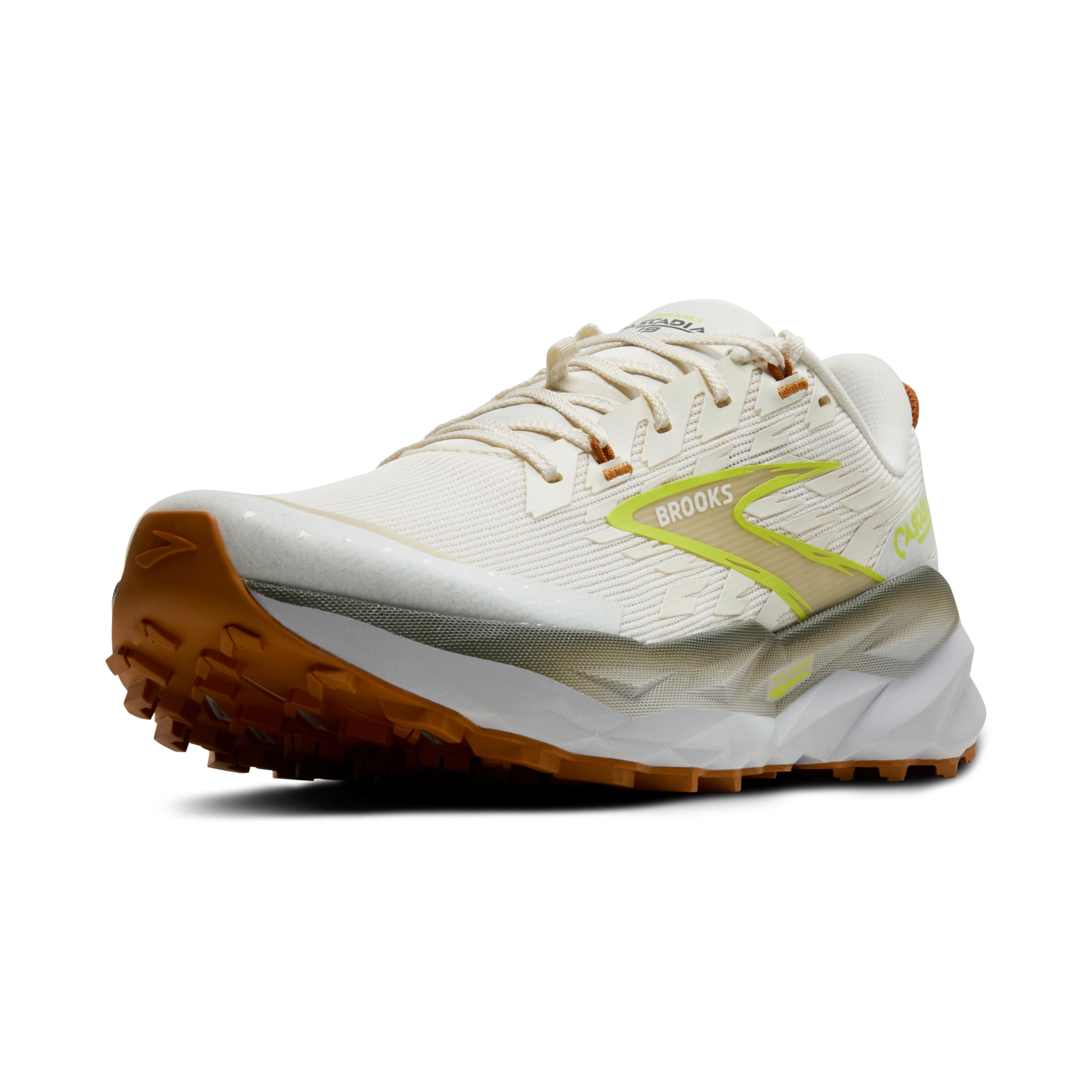
The Cascadia 19 offers a wide enough platform that reviewers completing 50-kilometer trail runs report zero ankle rolling and consistent forefoot stability over rocks and roots. For metatarsalgia sufferers who also tackle uneven terrain, this shoe’s stiff midsole and Vibram outsole prevent the forefoot from flexing aggressively during push-off, which is a primary trigger of metatarsal head irritation.
The cushioning is described as “relentlessly comfortable” by a reviewer who logged 150 miles on SoCal trails without hot spots. Brooks engineered the 19 with a slightly softer heel and a firmer forefoot, which encourages a midfoot strike and reduces the repetitive loading that worsens metatarsalgia on long hikes. The laces, however, have been noted to untie easily on some pairs — a simple double-knot solves it.
This shoe is not ideal for road runners looking for a bouncy ride; the outsole lugs sacrifice smooth pavement feel for trail grip. But if your metatarsalgia flares on uneven ground, the Cascadia 19’s stability and forefoot protection make it the best trail-specific solution here.
Why it’s great
- Wide platform prevents ankle rolling on rough terrain
- Firm forefoot reduces metatarsal flexion during push-off
- Vibram outsole provides excellent traction on loose surfaces
Good to know
- Laces tend to untie; double-knot required
- Less bouncy than road-oriented options like the Glycerin Max
8. Vivobarefoot Men’s Motus Flex Barefoot Training Shoe
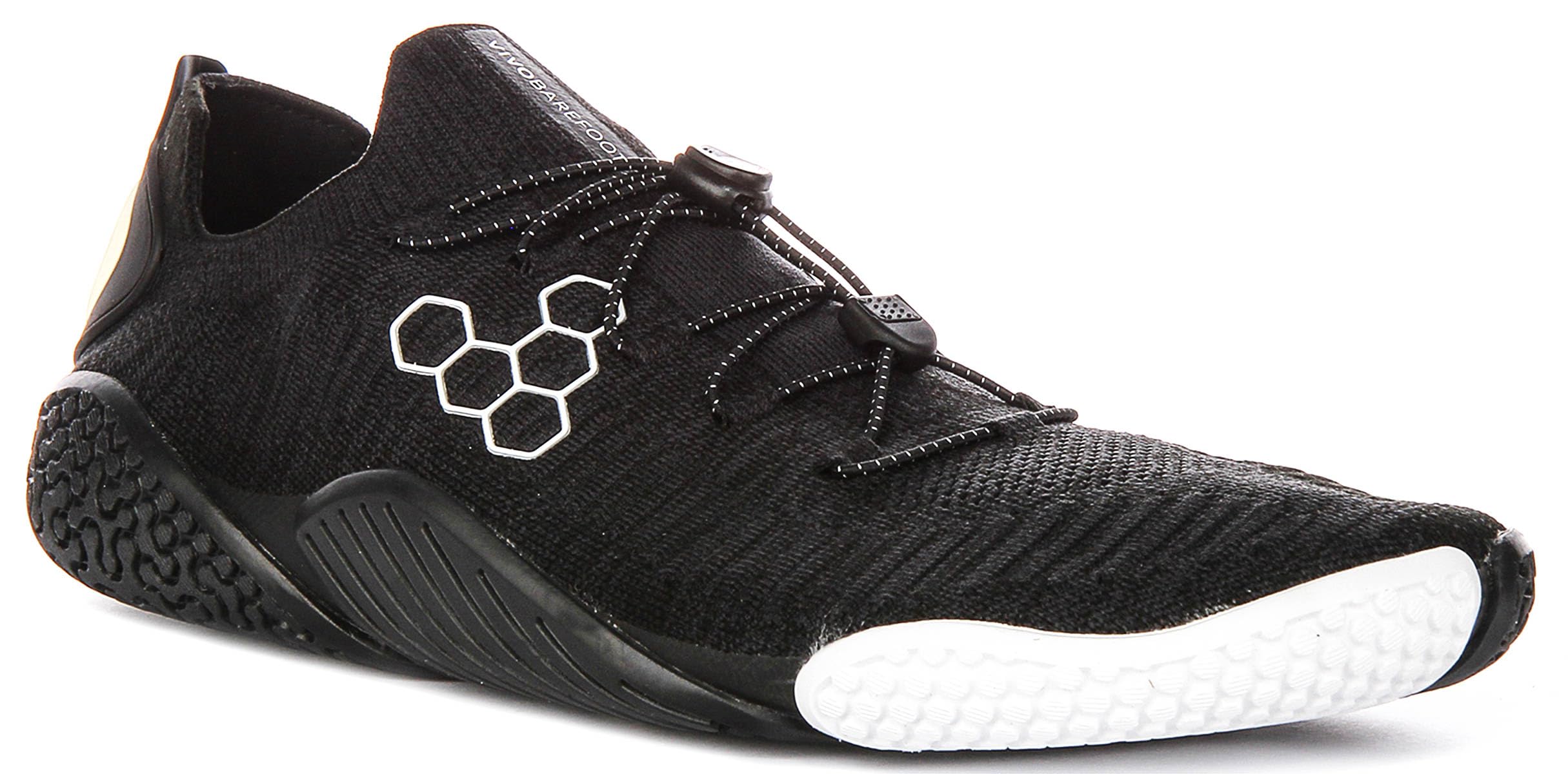
The Motus Flex is a barefoot shoe with a 4-millimeter stack height and zero-drop platform — the direct opposite of the maximalist Glycerin Max. For some metatarsalgia patients, strengthening the intrinsic foot muscles through a barefoot-style shoe can reduce recurrence by improving the foot’s natural shock absorption. Reviewers using it for strength training and mobility work report improved balance and a “true barefoot feel” that lets the metatarsals function freely.
The wide toe box is genuinely spacious, allowing the metatarsal heads to splay naturally during dynamic movement. The outsole is grippy and stable for lifting, which matters for rehab-focused training. The shoe runs large; multiple buyers across different foot shapes reported needing to size down one full size to avoid excess length that could cause bunching at the forefoot.
This is not a shoe for standing all day on concrete or high-mileage running — the lack of cushioning will transfer ground force directly to the metatarsal heads, which can worsen acute pain. It is specifically suited for controlled training environments where foot strengthening is the goal, not shock absorption.
Why it’s great
- Wide toe box allows metatarsal splay during exercise
- Zero-drop platform encourages natural foot mechanics
- Lightweight and grippy for gym-based training
Good to know
- Runs large; size down one full size
- Not suitable for high-impact running or long standing
5. New Balance Men’s Fresh Foam X Hierro V9
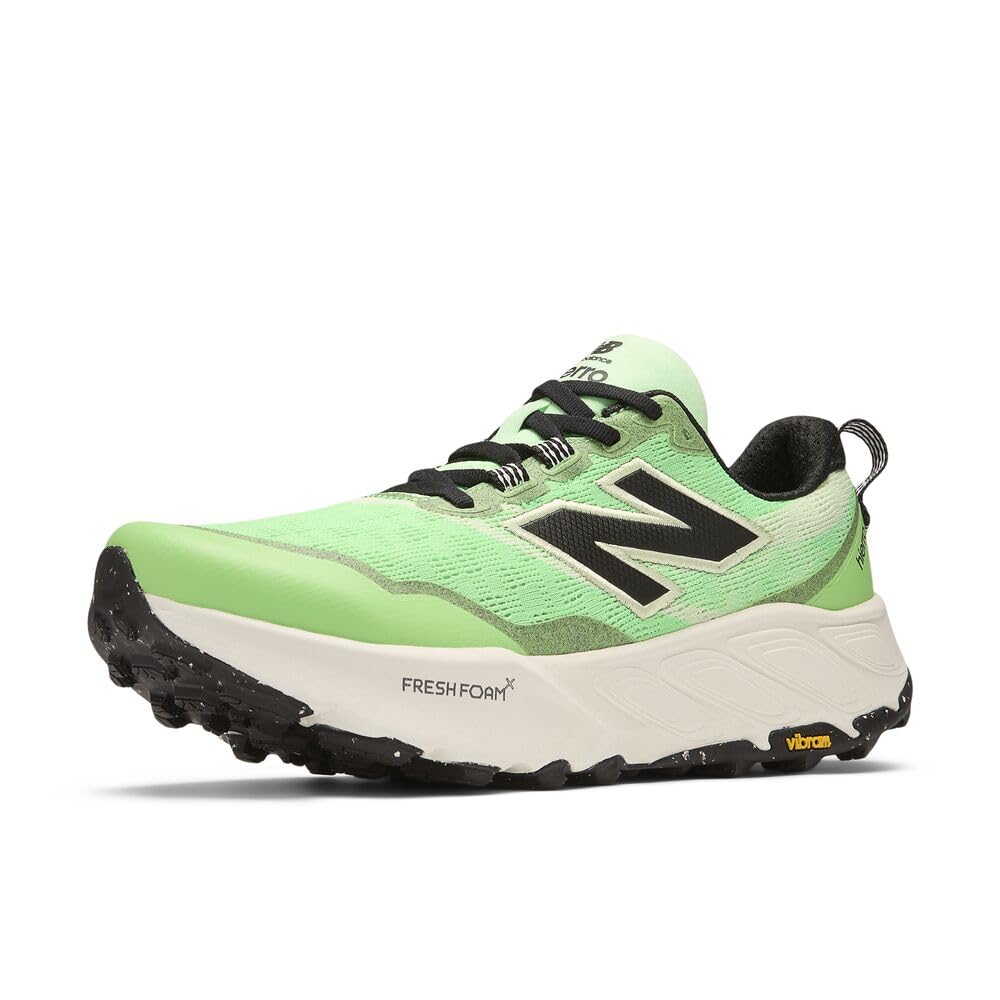
The Hierro V9 uses a Fresh Foam X midsole that reviewers consistently rate as well-cushioned without being overly soft — a critical balance for metatarsalgia since excessive softness can create uneven pressure points. One review from a 320-pound runner reported that the shoe reduced pain while running, suggesting the foam manages to distribute load effectively even under high body weight. The Megagrip outsole has proven itself on slippery trails, with zero reports of slipping.
The fit runs small in the toe box; multiple buyers recommend going half a size up, especially if you use metatarsal pads. The upper is breathable and water-resistant, making this a viable option for wet-weather hikes. The 30-millimeter stack height is mid-range, offering enough cushion for off-road running without feeling unstable.
Durability is a mixed report — one reviewer logged 450 miles before the heels showed wear, while another returned the shoe after three runs due to insufficient sole padding causing foot bruising. This suggests the Hierro V9 works best for runners who land midfoot or forefoot rather than heavy heel strikers.
Why it’s great
- Excellent grip with Vibram Megagrip outsole
- Good cushioning for heavier runners
- Water-resistant, breathable upper
Good to know
- Runs small in the toe box; order half size up
- Heel wear may be an issue for heel strikers
3. Mizuno Men’s Neo Vista

The Neo Vista is the most bouncy shoe in this lineup, with a midsole foam that delivers “lots of energy return,” according to a reviewer who ran a half-marathon one day after purchase. For metatarsalgia patients, this bounce matters because it reduces the ground contact time — the foot spends less time in the loaded push-off phase, which means fewer milliseconds of concentrated pressure on the metatarsal heads.
The toe box is genuinely spacious (“does not slip around”), which combined with the high stack height creates a stable platform that doesn’t cramp the forefoot. Mizuno avoids the ultra-low stack height trend; the Neo Vista sits at a generous 36 millimeters, providing a controlled plushness that doesn’t bottom out. The caveat from one reviewer was that the initial out-of-box feel was not immediately loveable, but after a few runs the shoe broke in to become a top favorite.
This shoe is best for runners who want a lively ride that softens forefoot impact without feeling mushy. If you prefer a firm, ground-connected feel, the bouncy nature may feel unstable. The Neo Vista also runs true to size, so no sizing adjustments needed.
Why it’s great
- Exceptionally bouncy foam reduces push-off loading
- Spacious toe box with no slip
- No break-in period required
Good to know
- Initial feel may not be love at first wear
- Bouncy nature may not suit those who prefer a firm ride
4. ASICS Men’s GT-2000 14 Running Shoes
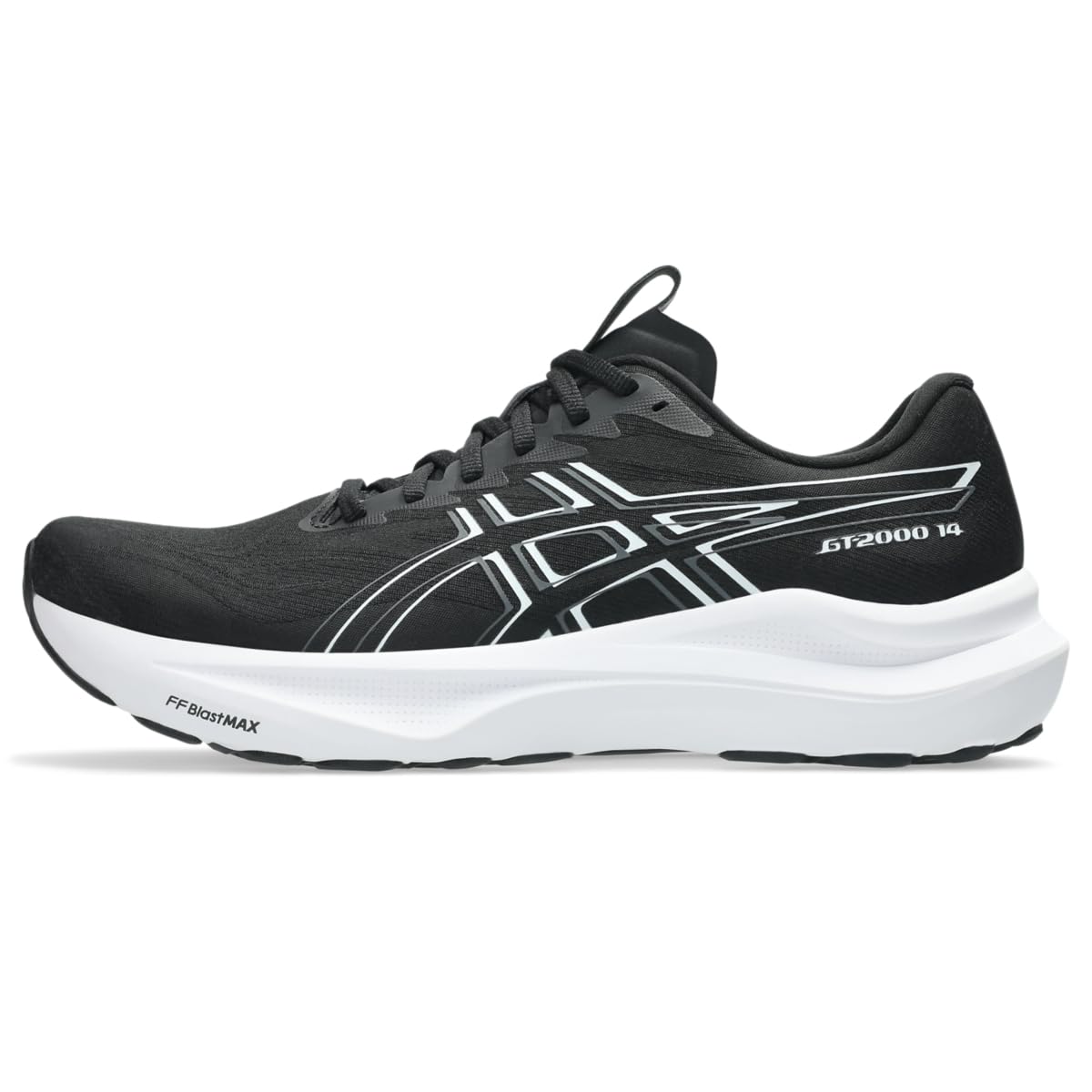
The GT-2000 14 is the stability shoe of the group, using ASICS’ LITETRUSS medial support system to reduce overpronation that can torque the forefoot and aggravate metatarsalgia. Multiple reviewers describe it as the most comfortable shoe they’ve ever worn, citing the thick sole that provides “steady cushion throughout the day” and supports the arch. The shoe runs true to size, with a size 9.5 matching Nike equivalents.
The 14 is a major upgrade over the 13, fixing the narrow toe box that plagued the previous generation. One reviewer specifically mentioned that the 14’s fit and cushioning are “excellent” and that it feels neutral despite its stability features. The foam is dense enough to prevent the hammock effect, maintaining even pressure distribution across the forefoot during the gait cycle.
The only practical complaint is the removal of the heel loop from the 13, which some users found helpful for pulling the shoe on. Otherwise, the GT-2000 14 is a reliable daily trainer that supports the foot without forcing a correction that could shift weight onto the metatarsal heads.
Why it’s great
- LITETRUSS support controls overpronation that torques the forefoot
- True to size fit with good arch support
- Dense midsole prevents uneven pressure points
Good to know
- No heel loop for easier pull-on
- Stability features may feel intrusive for neutral runners
1. Brooks Women’s Caldera 8 Ultra Trail Running Shoe
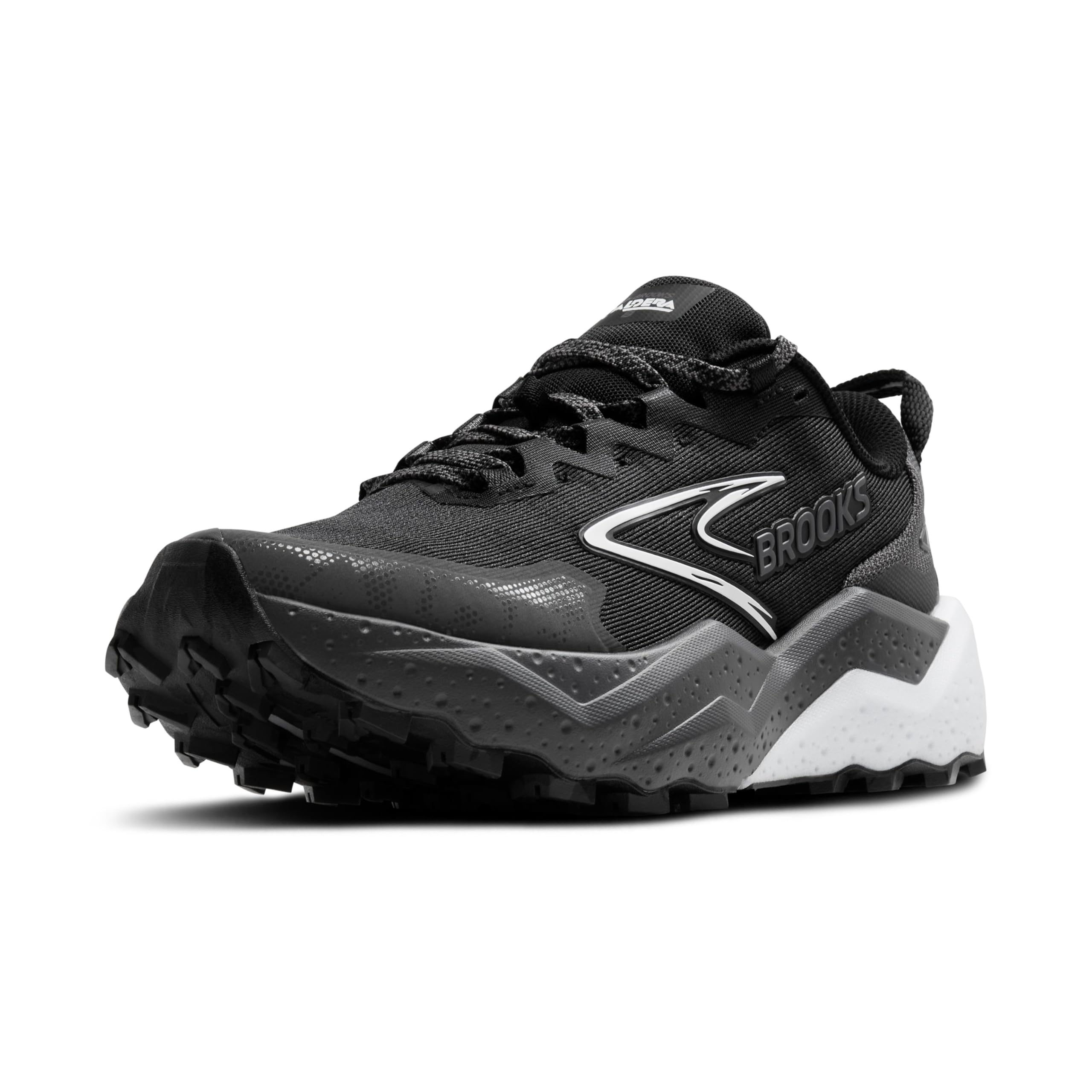
The Caldera 8 is a trail shoe that several reviewers report using eight to ten hours a day on their feet for work, with one stating “feet no longer hurting” after switching. The 32-millimeter stack height delivers consistent cushioning under the forefoot, and the splash-proof upper adds a layer of protection for wet environments. The fit runs wide, described as fitting like a wide shoe with “very supportive sole” and good traction.
The laces are a known issue — they tend to untie on their own, a problem several reviewers noted independently. The shoe also squeaks on smooth indoor floors, which may be annoying for work environments. The cushioning is not the plushest in the lineup; one reviewer noted it “could be better,” suggesting it’s adequate for walking but not for high-impact running.
For metatarsalgia patients who need a shoe that works both for walking on trails and standing for long shifts, the Caldera 8 offers a budget-friendly entry point with reliable forefoot support. The wide fit accommodates metatarsal pads without compression.
Why it’s great
- Wide fit that accommodates metatarsal pads
- Good traction for outdoor work environments
- Splash-proof upper for wet conditions
Good to know
- Laces untie easily; requires double-knot
- Squeaks on smooth indoor floors
2. Mizuno Men’s Wave Sky 8 Running Shoes
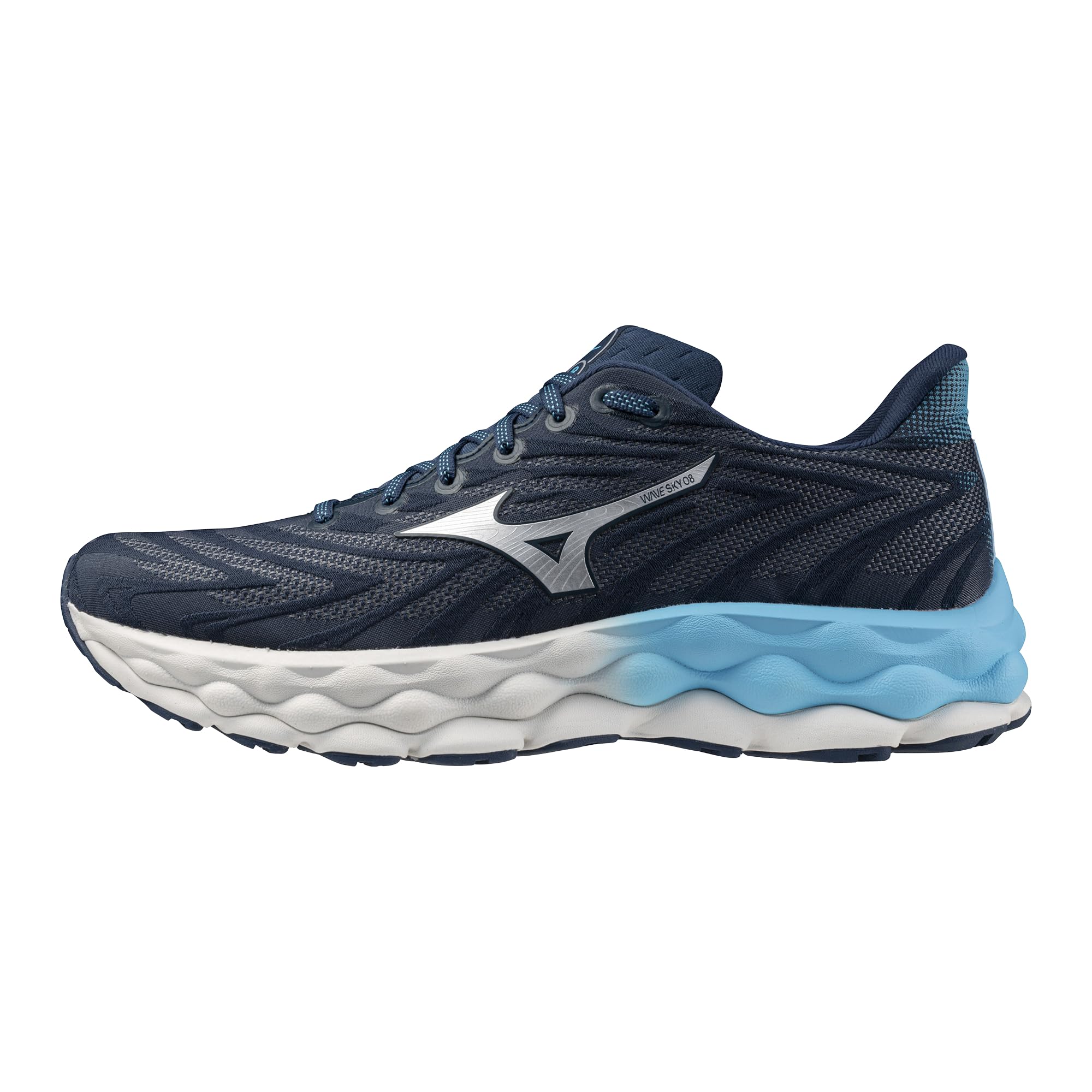
The Wave Sky 8 uses Mizuno’s signature Wave Plate to distribute impact forces horizontally across the midsole, which is a direct advantage for metatarsalgia — instead of a single vertical column of foam compressing under the metatarsal heads, the plate spreads the load across a wider footprint. Reviewers consistently describe the cushioning as “like walking on a cloud” and “heaven for feet.”
One reviewer noted that the shoe lacks support and stability for outdoor training and that the cushioning “bottoms out quickly on pavement” for heavier runners, which suggests it’s best suited for lighter to midweight runners who land midfoot. The high stack height (36 mm) provides ample forefoot protection for road running, but the energy return is softer than the Neo Vista, making it a better recovery-day shoe than a speed trainer.
The fit is true to size with a generous amount of “give” that some runners may find too soft, but for those who want a plush, pain-free ride on pavement, the Wave Sky 8 delivers consistently. It is not designed for trail use, as the outsole lacks aggressive lugs.
Why it’s great
- Wave plate spreads forefoot load horizontally
- Exceptionally plush cushioning for road running
- True to size fit with no break-in required
Good to know
- Cushioning may bottom out for heavier runners
- Lacks lateral stability for trail or uneven surfaces
FAQ
What shoe features directly reduce metatarsal head pressure?
Should I choose a zero-drop shoe for metatarsalgia?
Can I wear my regular orthotics in these shoes?
How does a stability shoe help or hurt metatarsalgia?
What is the difference between metatarsal pads and shoe cushioning for this condition?
Final Thoughts: The Verdict
For most users, the best athletic shoes for metatarsalgia winner is the Brooks Glycerin Max because its GlideRoll rocker and nitrogen-infused cushion actively offload the metatarsal heads during every step, and it has proven durable enough for daily use on concrete. If you need a wide fit for custom orthotics, grab the Saucony Echelon 10. And for trail runners who want forefoot stability without sacrificing traction, nothing beats the Brooks Cascadia 19.