Every stride with compromised knees is a negotiation between keeping momentum and managing discomfort. The wrong pair of athletic shoes can amplify impact forces directly into already-sensitive joints, while the right pair uses strategic stack heights, medial support, and energy-returning foams to dampen that shock before it reaches your patella. This guide is built for anyone whose run, walk, or daily commute comes with a side of knee awareness.
I’m Emma — the founder and writer behind Baby Bangs. After dozens of hours filtering gait-specific specs, foam densities, and drop measurements across three distinct price tiers, the picks here reflect what real buyers with bad knees consistently report working.
Whether you need motion control for overpronation or maximum plushness on long recovery miles, this roundup of the best athletic shoes for bad knees isolates the cushioning, stability, and outsole geometry that actually spares your patellofemoral joint.
How To Choose The Best Athletic Shoes For Bad Knees
Knee pain from running or walking typically stems from one of three sources: impact overload at heel strike, excessive pronation causing tibial rotation, or insufficient cushioning in the midsole. Each pair on this list addresses at least one of those root causes but no single shoe works for every knee pathology. Here are the three specs that separate a knee-sparing shoe from an average trainer.
Midsole Stack Height & Foam Density
A thicker stack height (30 mm or above in the heel) provides more material to absorb ground reaction forces. But thickness alone is worthless if the foam is too soft — overly plush midsoles collapse under load and create joint instability. The best choice for bad knees uses a medium-density foam (PEBA-blend or EVA compound around 40-50 Shore C) that compresses enough to absorb shock but rebounds quickly to keep your stride stable. Avoid shoes that feel like a marshmallow on first step-in; that initial softness often fades fast and offers little support for your patellar tendon.
Dynamic Heel Drop (Ramp Angle)
Heel drop — the height difference between the heel and forefoot — directly readjusts where your foot lands. A drop of 8-10 mm shifts impact from the Achilles toward the quadriceps, which can relieve patellar tendon strain in runners with runner’s knee. A low drop (4-6 mm) puts more load on the calf and IT band, better suited for those with knee pain originating from tight lateral structures. Do not just read the stated drop; look for reviews that mention whether the shoe naturally encourages a midfoot or heel strike pattern.
Plantar Arch Support & Heel Counter Stability
Overpronation is a primary cause of medial knee collapse. A shoe must provide either a medial post or a wider guide rail in the heel-to-midfoot transition to keep the tibia aligned. The heel counter — the rigid cup wrapping your Achilles — should grip firmly without pinching. A stiff counter transmits less torsional load to the knee joint during push-off. If your arches collapse inward when you stand, skip neutral cushioning shoes and look for a structured stability frame from brands like ASICS (Kayano series) or New Balance (Fresh Foam X series).
Quick Comparison
On smaller screens, swipe sideways to see the full table.
| Model | Category | Best For | Key Spec | Amazon |
|---|---|---|---|---|
| ASICS Gel-Kayano 32 | Stability | Overpronation with knee pain | Dynamic DuoMax support system | Amazon |
| New Balance Fresh Foam X More V6 | Max Cushion | Recovery runs & impact absorption | 34 mm fresh foam stack | Amazon |
| ASICS Gel-Cumulus 27 | Neutral Cushion | Daily neutral knee relief | PureGEL + FF Blast foam | Amazon |
| Brooks Glycerin 23 | Plush Neutral | High-mileage cushion lovers | DNA LOFT v3 nitrogen-infused foam | Amazon |
| New Balance Fresh Foam X 860 V14 | Stability | Podiatrist-recommended stability | Medial post + Fresh Foam X | Amazon |
| Saucony Endorphin Pro 4 | Speed Trainer | Race pace with knee stability | PWRRUN PB carbon-infused foam | Amazon |
| Skechers Hands Free Endeavour | Convenience | Slip-on relief for wide feet | Max Cushioning memory foam | Amazon |
| Skechers Max Cushioning Elite 2.0 | Budget Plush | Entry-level knee-friendly daily wear | Ultra Go midsole platform | Amazon |
| Nike ZoomX Invincible Run | Premium Rebound | Maximum energy return on pavement | ZoomX foam + wide heel bevel | Amazon |
In‑Depth Reviews
1. ASICS Women’s Gel-Kayano 32
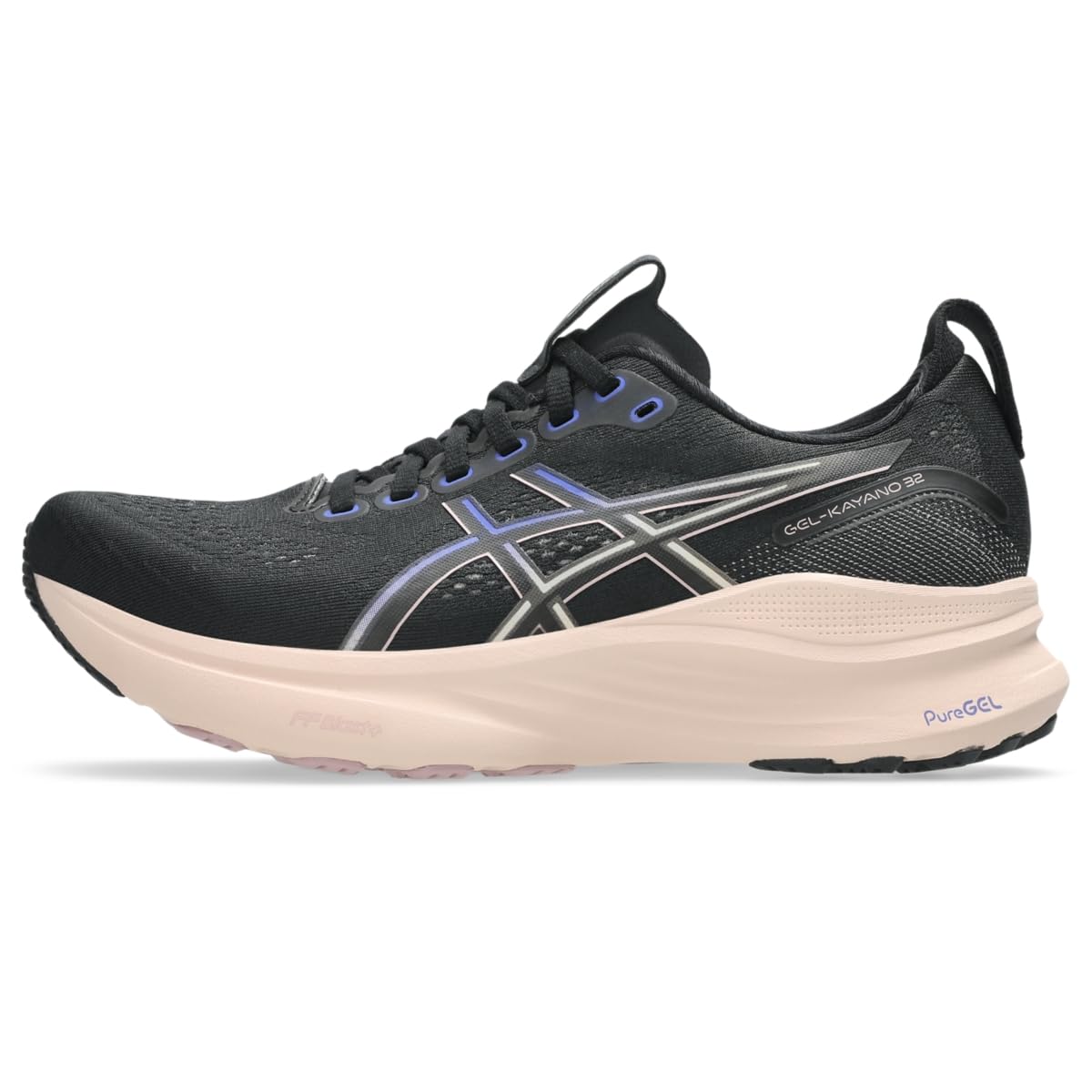
The Gel-Kayano line has anchored stability cushioning for decades, and the 32nd iteration refines its built-in guide rail system without making the ride feel heavy. Real buyers with plantar fasciitis and pronation-driven knee pain report that the arch support is aggressive enough to correct foot rotation during long shifts or runs, yet the gel capsule in the heel still delivers the plush landing Asics loyalists expect. One reviewer noted that heel and SI joint pain disappeared entirely after switching from neutral trainers to this structured model.
The midsole uses a combination of FlyteFoam and PureGEL, giving it a density that feels firm under the arch but forgiving at initial ground contact. This is not a pillow shoe — the foam stacks around 20-24 mm in the heel, which is moderate compared to max-cushion rivals — but the trade-off is noticeable knee alignment. Testers with overpronation specifically called out the snug heel counter and the way the shoe prevents the foot from rolling inward on uphill miles. The toe box is narrow in standard width; wide-footed buyers should size up or choose the 2E option.
Three durability flags emerge from the feedback: the outsole rubber wears faster on heavy heel strikers than some ASICS predecessors, and the insole is thin relative to the price point. Several long-term users supplement with a third-party orthotic. Still, for anyone whose knee pain is linked to collapsed arches or medial knee stress during walking or jogging, this remains the most consistent prescription from both podiatrists and runners in this price range.
Why it’s great
- Gold-standard medial support reduces tibial rotation at push-off
- Heel-toe transition feels stable even during lateral movements
- Multiple colorways and consistent sizing across seasons
Good to know
- Standard width runs narrow for bunions or wide forefeet
- Outsole traction can wear sooner on heavy heel strikers
- Insole offers minimal extra cushioning over the midsole
2. New Balance Women’s Fresh Foam X More V6
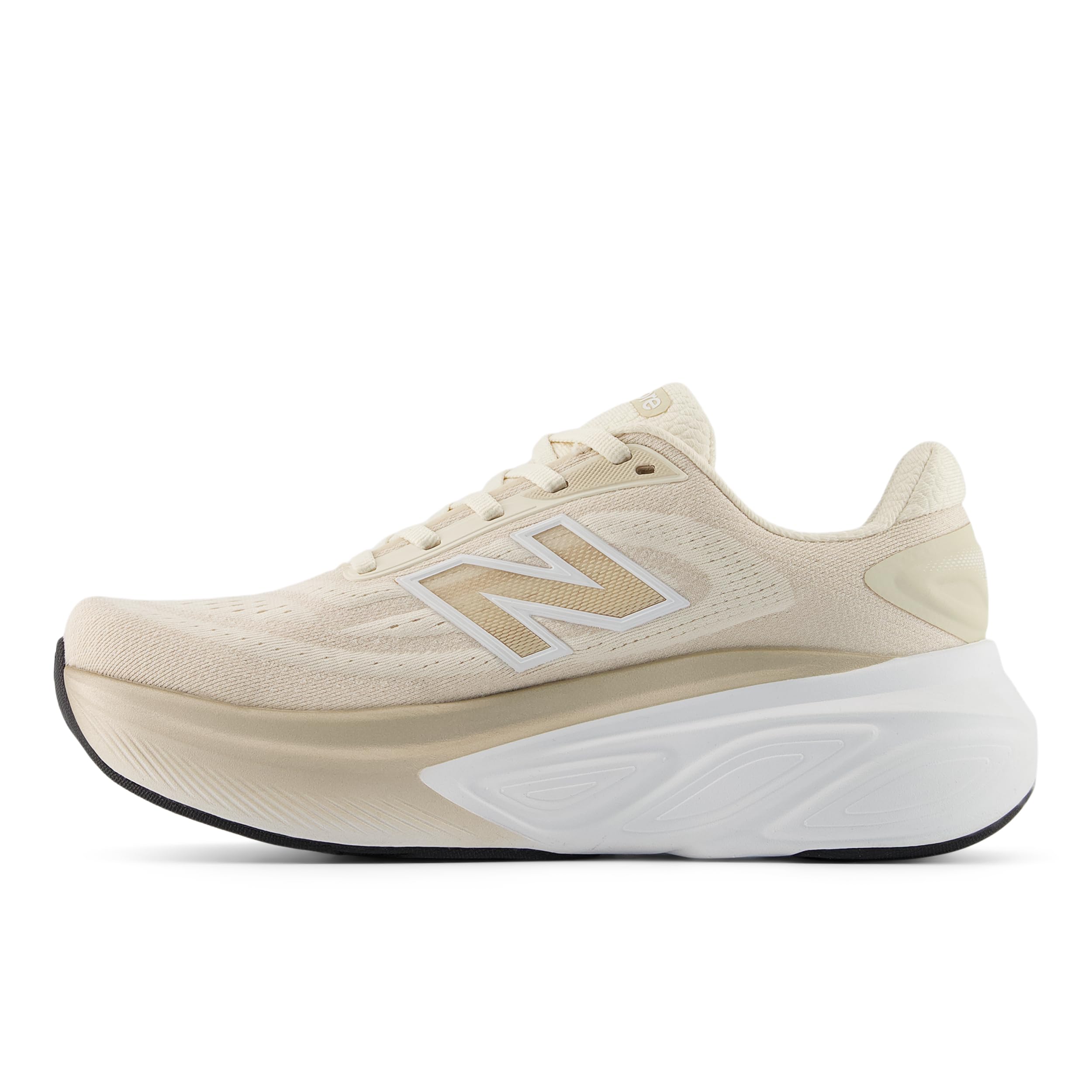
At a 34 mm heel stack, this is the tallest midsole on this list — and the one most likely to save your knees on recovery days. The Fresh Foam X compound uses a nitrogen-infused process that hits a density sweet spot: it compresses deeply at heel strike without bottoming out, giving the wearer a sensation of running on a track with a thick rubber overlay. Real customers with severe spinal issues, knee arthritis, and plantar fasciitis reported up to 90 percent pain reduction compared to their previous shoes.
The wide base is the hidden engineering advantage here. Unlike tall-stack shoes that wobble during side cuts, the More V6 flares outward in the forefoot and heel, creating a platform that feels planted even on uneven pavement. Multiple reviewers with bunions appreciated that the wide-width option (up to 2E) does not pinch. The mesh upper is forgiving, requiring no break-in period. The shoe is not light — it runs about 2 pounds for a women’s pair — but testers on their feet for healthcare shifts said the weight trade-off is invisible because the foam absorbs so much shock.
On the downside, this much cushioning reduces ground feel, which can feel disorienting for runners who prefer a responsive connection to the asphalt. It also sits taller off the ground; some users with a history of ankle sprains felt slightly less stable during quick pivots. The outsole is a solid rubber slab, durable on road surfaces, but it lacks the deep lugs needed for trail use. For pure impact absorption on pavement or a treadmill, few shoes protect the patellofemoral joint as effectively at this price.
Why it’s great
- Exceptional compression depth soaks up vertical impact forces
- Wide base eliminates instability typical of high-stack shoes
- Bunion-friendly mesh upper with no break-in needed
Good to know
- Low ground feel may feel unsteady for trail runners
- Heel rises noticeably above forefoot for some pronators
- Outsole tread is too sparse for mixed-terrain runs
3. ASICS Men’s Gel-Cumulus 27
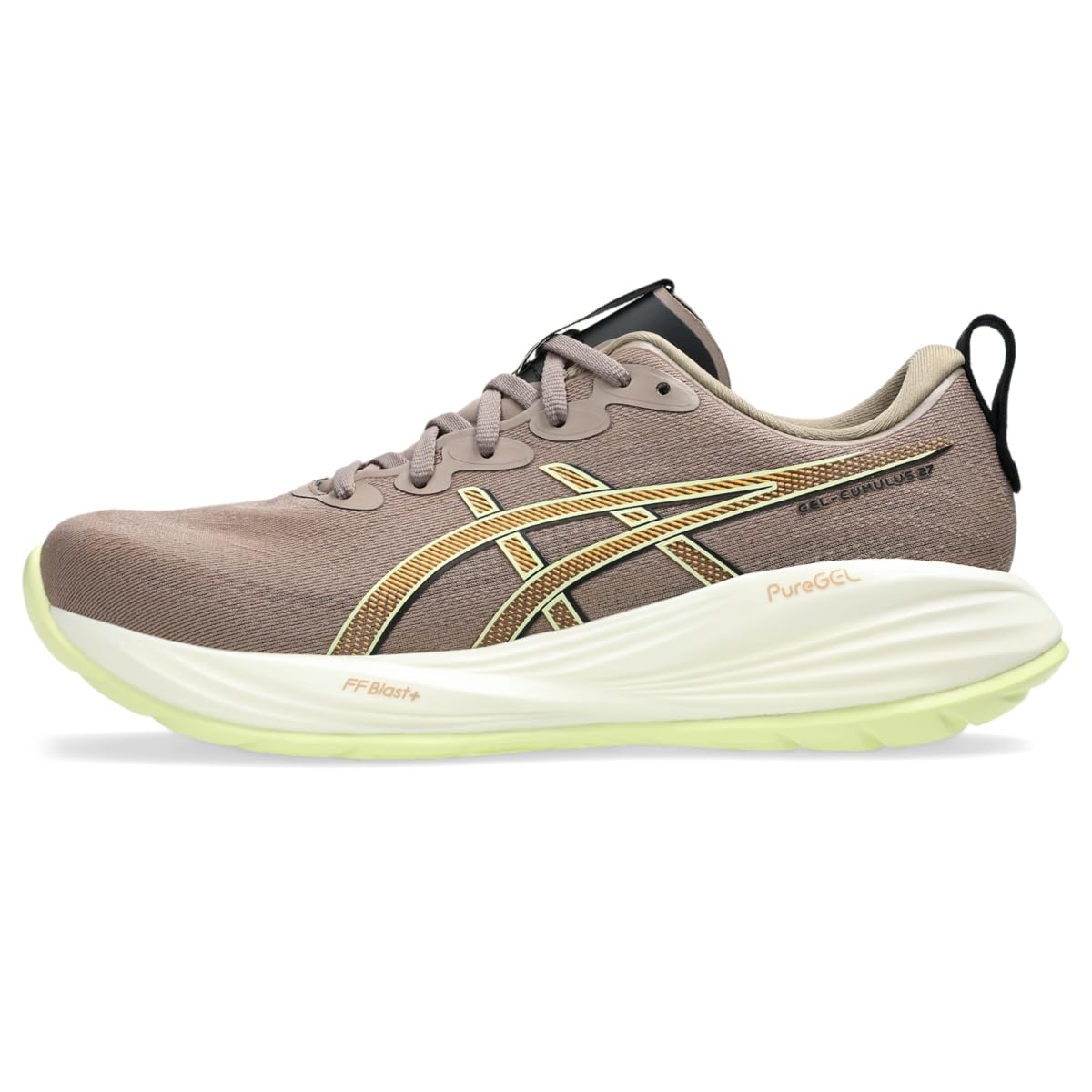
The Gel-Cumulus 27 sits in ASICS’ neutral cushioning category, which makes it a strong second pick for those whose knee pain is not caused by overpronation. Its midsole combines FF Blast Plus Eco foam with a PureGEL rearfoot insert — a combination that delivers a softer landing than the Kayano without sacrificing structural integrity. Real runners described the ride as “soft yet supportive” and noted that the gel absorbs impact on long runs without the shoe feeling dead. One buyer who switched from Hoka said the ASICS offered more width in the forefoot while retaining a smooth heel-toe roll.
The 27th version improved ventilation compared to the 26 — the engineered mesh breathes well even on hot pavement — and the outsole rubber is placed strategically in high-wear zones to extend lifespan. Testers with wide feet were especially pleased with the availability of a 2E width that fits comfortably through the midfoot without causing lace pressure. The heel counter is firm but not aggressive, and the collar padding reduces Achilles irritation. For an everyday trainer that handles everything from a 5K to a standing work shift, this shoe works for neutral gaits looking for reliable joint protection.
A common complaint is lace pressure across the top of the foot. A few buyers noted that the tongue is not padded enough to prevent the laces from digging in, especially during longer wears. The solution is either thicker socks or a runner’s knot. Additionally, while the foam density is good for neutral runners, it lacks the medial posting that some bad-knee users need. If you feel your knees buckle inward when you walk, this shoe will not correct that movement pattern. It is a neutral runner, not a stability device.
Why it’s great
- Excellent balance of softness and responsiveness for daily miles
- Breathable upper with roomy toe box fit for wide feet
- Durable outsole placement resists early wear on high-contact zones
Good to know
- Lace pressure on the tongue can become uncomfortable during long runs
- Not enough medial support for overpronators with knee collapse
- Foam density slightly firmer than the Glycerin 23
4. Brooks Men’s Glycerin 23
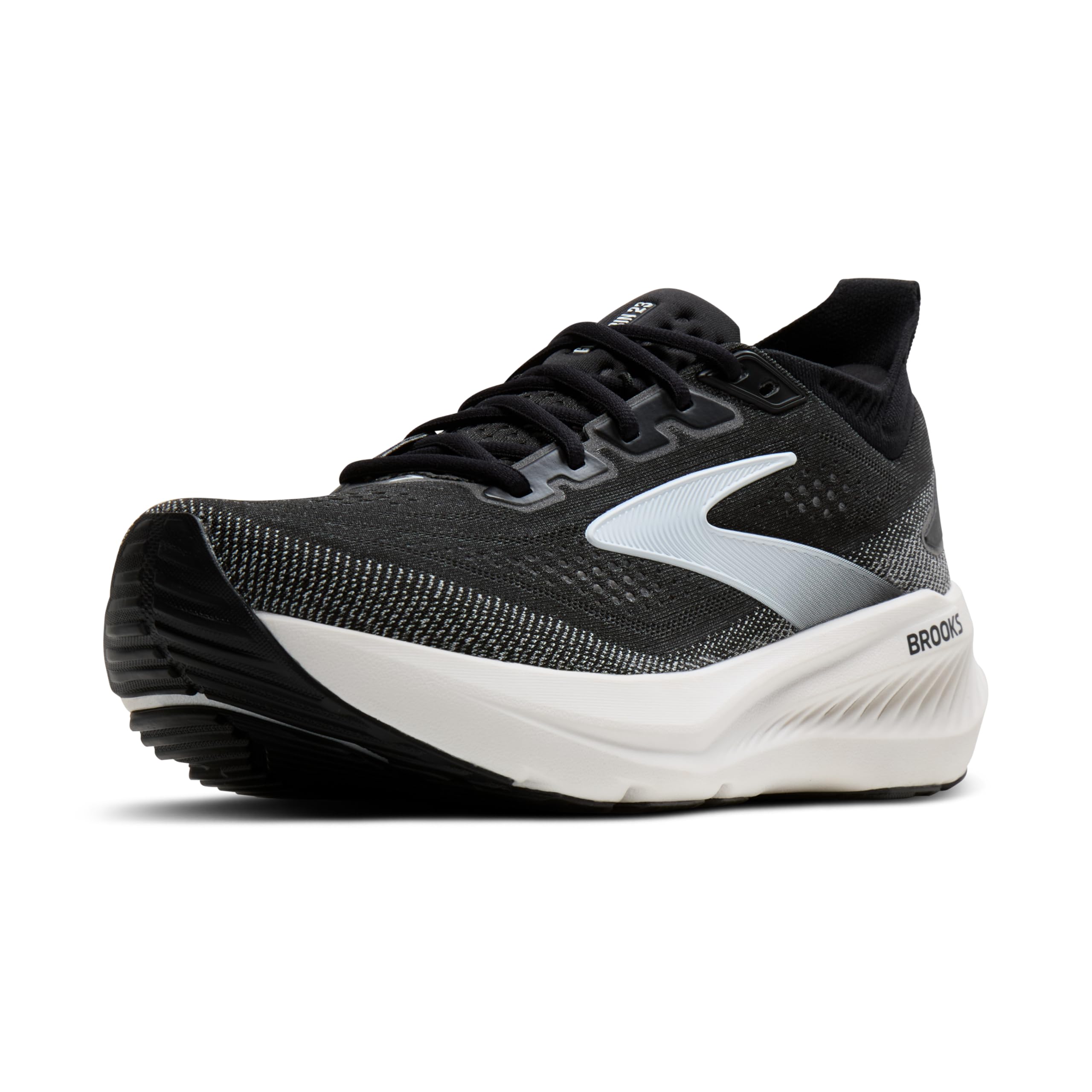
The Glycerin 23 is Brooks’ flagship neutral cushioning cruiser, built for runners who want a luxurious landing on every step without feeling like they are sinking into mud. The DNA LOFT v3 foam is nitrogen-infused, giving it a density that feels more like a firm memory foam than a soft crepe — you get deep impact absorption without that unstable wobble that plagues some high-stack trainers. Reviewers reported that foot fatigue dropped dramatically on runs longer than 8 miles, and the plushness helped with pre-existing knee sensitivity during slower recovery jogs.
The updated upper on version 23 uses a wider toe box than the previous generation, a direct response to feedback about tightness. The heel counter is stiff and structured, helping secure the foot during push-off. The 10 mm heel-toe drop keeps the quadriceps engaged, which several bad-knee runners noted helped with patellar tracking. The insoles are removable and offer decent base cushioning, though some users replaced them with custom orthotics for additional arch support. The outsole is thick and durable — many testers reported seeing minimal wear after 200 miles.
Some runners found the Glycerin 23 too plush for faster intervals. The nitrogen foam is energetic but not snappy, and at around 10.5 oz for a men’s size 9, it is not built for speed work. Additionally, the upper mesh, while soft, can stretch out over time, causing the shoe to feel slightly loose after 4 months of daily use. For those who need a pure stability shoe with a medial post, the Glycerin GTS version is the more appropriate choice. But for neutral-striking runners with sensitive knees, this shoe is a premium workhorse.
Why it’s great
- Nitrogen-infused foam provides a perfect balance of softness and stability
- Wider toe box than prior versions improves comfort for swelling feet
- Outsole rubber shows excellent durability past 200 miles
Good to know
- Too heavy for tempo runs or race-day turnover
- Upper mesh can stretch and cause loose fit over time
- Not enough pronation control for medial knee collapse
5. New Balance Fresh Foam X 860 V14

The 860 is New Balance’s longest-running stability shoe, and the V14 iteration refines its medial post to be less intrusive while still correcting overpronation. Real buyers with plantar fasciitis, post-surgery ankles, and knee alignment issues consistently call out the shoe’s ability to prevent the foot from rolling inward. One podiatrist specifically recommended the 860 for patients whose knee pain stemmed from pronation, and multiple wearers confirmed that their patellar discomfort subsided after switching from neutral shoes to this structured frame.
The Fresh Foam X midsole is not as plush as the More V6, but it is deliberately firmer to provide a stable base for corrective movement. The heel counter is reinforced, and the medial side of the midsole has a subtle density change that guides the foot through a neutral gait path. For a stability shoe, the 860 is relatively lightweight at around 10 oz, making it a practical daily trainer for walking, jogging, and gym sessions. The outsole has a solid rubber tread with deep flex grooves that grip well on dry pavement and mild trails.
The standard insoles are the weakest element — multiple reviewers noted that they are thin and offer minimal arch support, requiring an aftermarket orthotic to maximize the shoe’s potential. The initial break-in period can also feel stiff; the midsole foam takes about 10-15 miles to soften to its true ride. Additionally, the toe box is not particularly wide, and some runners with bunions found the forefoot snug even in the standard D width. For the price, the shoe offers reliable stability, but plan to budget extra for quality insoles.
Why it’s great
- Effective medial post reduces tibial rotation without aggressive stiffness
- Podiatrist-recommended for pronation-driven knee pain
- Outsole grip handles wet pavement and light trails well
Good to know
- Stock insoles are too thin for meaningful arch support
- Initial 10-15 mile break-in period feels stiff underfoot
- Toe box runs narrow for those with bunions or wide forefeet
6. Saucony Men’s Endorphin Pro 4
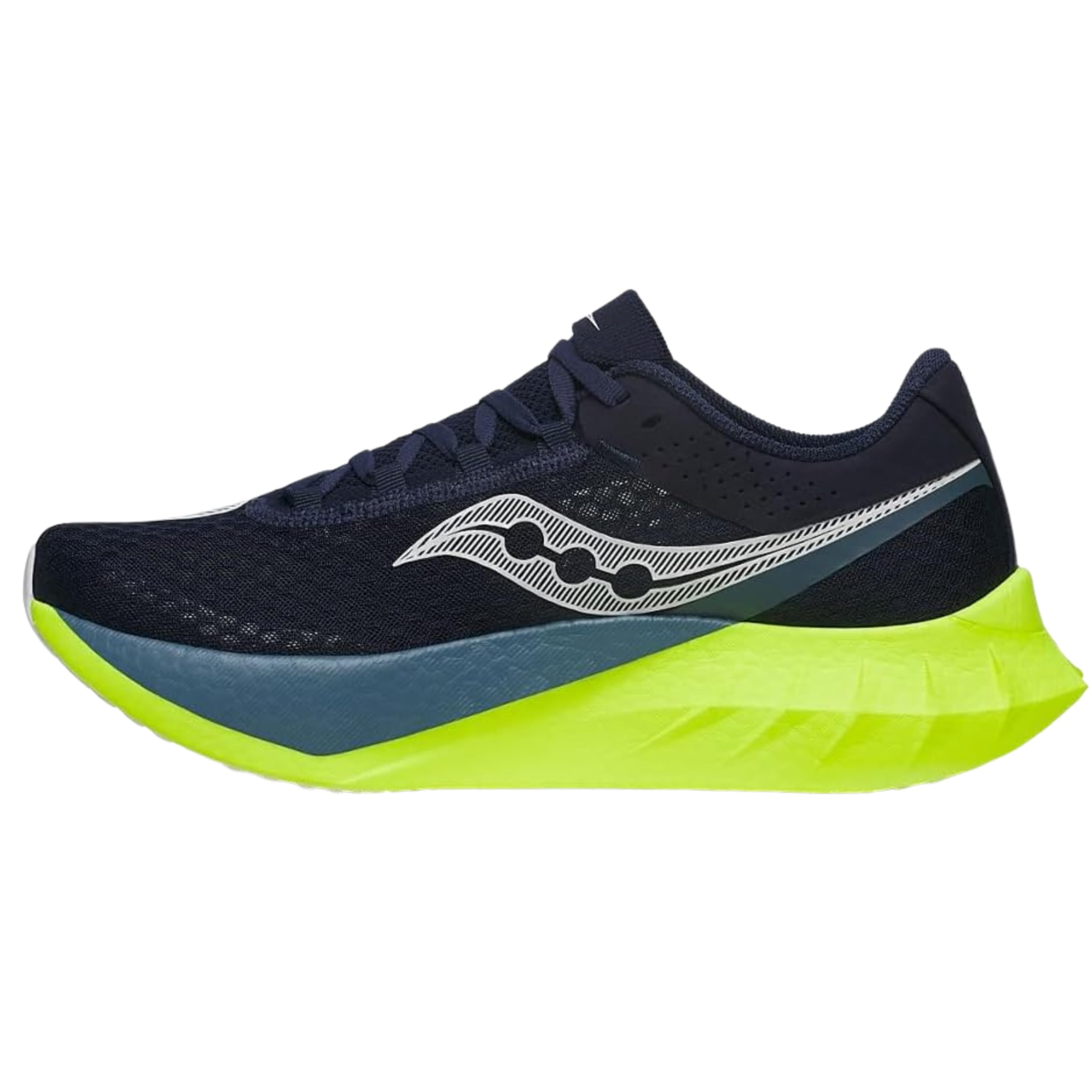
The Endorphin Pro 4 is a carbon-plated racer, but unlike many super-shoes that punish bad knees with stiff plates, Saucony engineered the SpeedRoll rocker geometry to reduce the bending load on the patella. The PWRRUN PB foam (PEBA-based) delivers high energy return while maintaining a forgiving compression underfoot. Runners returning from knee injuries reported that this shoe helped them increase speed without feeling the same jarring impact they experienced in standard trainers. The fit is true to size with a snug midfoot and a more relaxed toe box than the previous version.
The carbon plate is curved to encourage a forward lean, which shifts pressure from the quads to the glutes during toe-off. For runners whose knee pain flares during the push-off phase, this geometry can be a game-changer. The upper is lightweight and breathable, with a gusseted tongue that stays in place. The outsole rubber covers high-wear zones under the heel and forefoot, and users reported that the shoe holds up to about 300-400 miles before noticeable foam degradation — excellent for a super-shoe at this price.
This is not a daily trainer. The aggressive rocker and stiff plate make casual walking or slow jogging feel awkward. Additionally, some heel strikers found that the winged heel tips (Saucony calls them “heel wings”) can erode and separate from the foam after 50-80 miles if the user drags their heel during landing. The two minor issues are the limited color options and the fact that the midsole is less bouncy than the more expensive Endorphin Elite, but for the price, it is the most knee-friendly speed shoe on the market.
Why it’s great
- SpeedRoll rocker reduces patellar strain during toe-off
- PEBA foam offers high energy return with forgiving compression
- True-to-size fit with a secure midfoot lockdown
Good to know
- Not comfortable for slow paces or casual walking
- Heel wing tips are prone to wear on heel-dragging runners
- Limited color options and lower bounce than the Elite model
7. Skechers Men’s Hands Free Slip-ins Max Cushioning Endeavour

For those who want maximum convenience without sacrificing knee-friendly cushioning, the Skechers Hands Free Slip-ins Endeavour delivers a generous 2-inch compression midsole that feels plush from the very first wear. The Max Cushioning platform uses a memory foam insole combined with a thick Ultra Go midsole, creating a soft landing that works especially well for heavier runners or those on their feet for long shifts. Real buyers with bad knees specifically noted that the shoe helped reduce pain during treadmill runs and tarmac jogs, thanks to the forgiving foam.
The slip-on design is surprisingly secure — Skechers uses a heel-pull tab and a flexible collar that expands during entry then shrinks around the foot. The extra-wide fit (available in multiple widths) accommodates swollen feet or those who wear custom orthotics. The upper is a breathable mesh that keeps feet cool in summer conditions. Multiple reviewers praised the shoe for being lightweight and for requiring no bending over to tie laces, which is a genuine benefit for anyone with knee pain that makes bending difficult.
The trade-off is a lack of supportive structure. The Endeavour is very soft — some buyers described it as “not cushy enough for long walking” without adding insoles. The midsole foam, while thick, lacks the density needed to control pronation, so runners with significant overpronation may find their knees rolling inward after longer distances. The outsole grip is adequate for pavement but not for wet surfaces. This is a comfort-first shoe for casual wear or short to medium-distance walking, not a serious stability tool for knee rehabilitation.
Why it’s great
- Genuinely comfortable slip-on entry with no bending required
- Extra wide sizing accommodates custom orthotics and swelling
- Lightweight upper breathes well during warm weather use
Good to know
- Minimal pronation control for those with medial knee collapse
- Foam density too soft for long-distance running without insoles
- Outsole traction below average on wet pavement
8. Skechers Women’s Max Cushioning Elite 2.0 Speed Play

Budget-conscious shoppers do not have to sacrifice knee-friendly cushioning, and the Skechers Max Cushioning Elite 2.0 proves it. The shoe packs a full-length Ultra Go midsole that delivers a cloud-like step-in feel, paired with a thick Ortholite insole that adds an extra layer of impact absorption. Real buyers were enthusiastic about how lightweight the shoe feels — one reviewer said it felt like “a cloud” — and noted that it eliminated the heel pain and joint discomfort they experienced in their previous footwear. For a daily wearer who stands all day or does light jogging, this shoe provides noticeable relief.
The knit upper is stretchy and conforms to the shape of the foot without pressure points. The outsole uses a diamond-shaped tread pattern that provides reasonable grip on dry surfaces. The heel counter is moderate — not as rigid as premium stability shoes but enough to hold the foot in place during casual walks. The cushioning is consistent from the heel to the forefoot, making it suitable for heel strikers who need that initial contact shock absorption. The design is also stylish enough to wear with casual outfits, with multiple color choices that avoid the bulky look of some max-cushion shoes.
The limitations are about longevity and support. The Ultra Go foam compresses faster than denser EVA blends, and several reviewers noted that after 3-4 months of daily wear, the cushioning felt noticeably less bouncy. The shoe also lacks any medial posting or stability frame, meaning it is strictly for neutral gaits. Overpronators or those with significant knee alignment issues will feel the lack of support during longer walks. The outsole rubber is thin in places, and grip on wet surfaces is only average. It is a great entry-level option but not a serious knee therapy shoe.
Why it’s great
- Excellent value for a max-cushion shoe with immediate comfort
- Ultra-lightweight knit upper reduces foot fatigue during long wears
- Ortholite insole provides additional shock absorption out of the box
Good to know
- Midsole foam compresses faster than premium alternatives
- No pronation control for overpronation-related knee pain
- Outsole rubber thin on high-wear zones; grip weak on wet pavement
9. Nike Men’s ZoomX Invincible Run
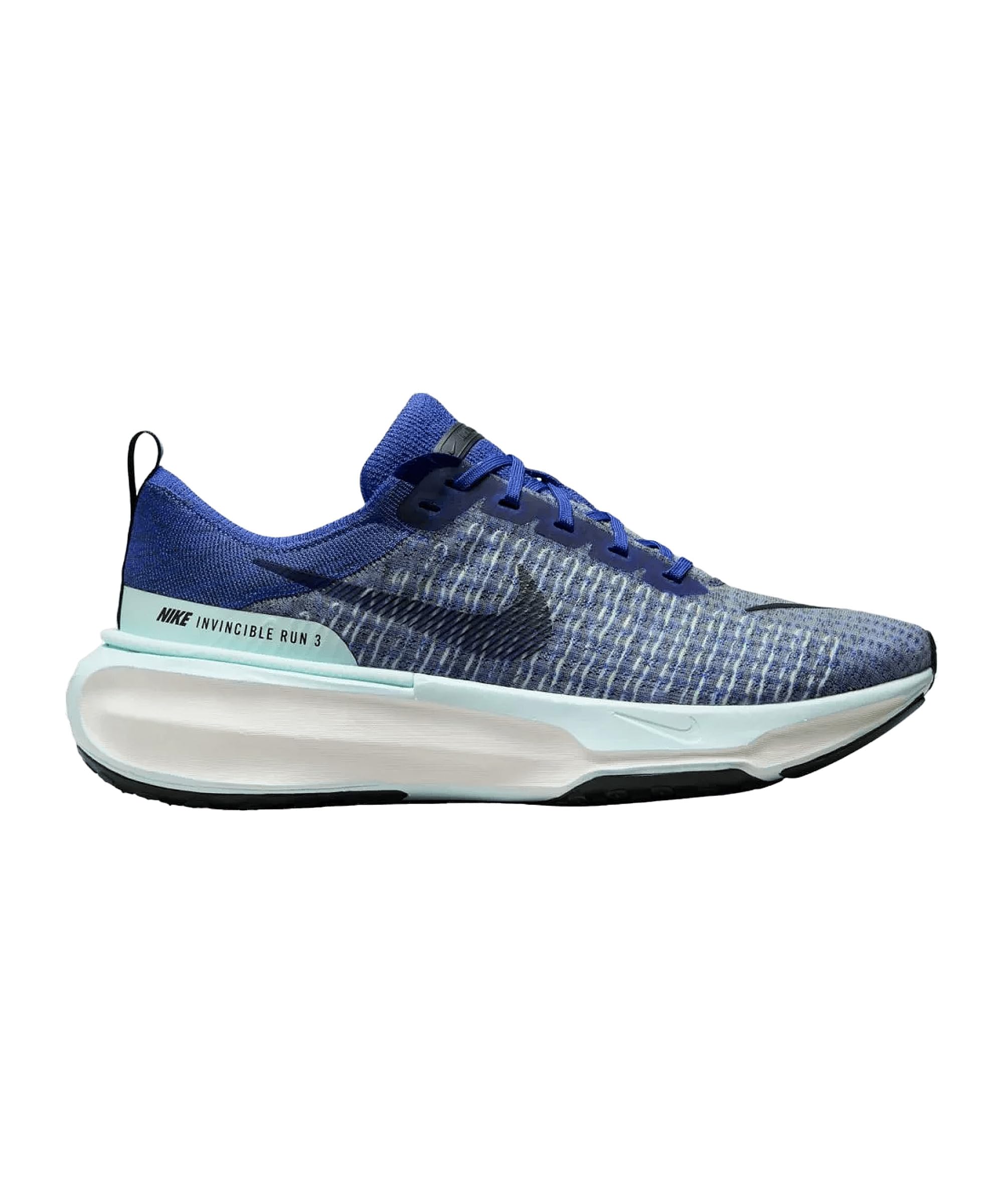
Nike’s ZoomX Invincible Run is built around a massive slab of ZoomX foam — the same material used in the Vaporfly line — but tuned for a much softer, more stable ride. The wide heel bevel and generous toe spring create a natural rocking motion that reduces the amount of quadriceps work required during the gait cycle, which many runners with patellofemoral pain reported as a welcome relief. The foam itself is incredibly resilient, offering high energy return with every stride, making the shoe feel lively even on easy recovery runs.
The upper is a thick, padded mesh that wraps the foot securely without causing hot spots. The heel counter is external and wraps around the Achilles with a soft foam collar, reducing the risk of irritation. The outsole uses a thick rubber that covers the high-wear zones and provides excellent traction on dry pavement. Real buyers compared the ride favorably to Brooks and On Cloud models, noting that the rebound made the shoe feel more energetic than similarly cushioned competitors. The toe box is more accommodating than previous Nike models.
The major durability concern comes from several reports of the ZoomX foam delaminating from the outsole within the first month of use, particularly at the forefoot where the foam is most exposed. Nike’s warranty policy has been inconsistent for these cases, which is a significant risk for a product at this price. The shoe also runs a half-size short for some runners and the ZoomX foam can feel too soft for those who prefer a firmer ride. The high stack height (over 40 mm in the heel) makes it technically illegal for many competitive races, though that is irrelevant for most casual users.
Why it’s great
- ZoomX foam delivers elite-level energy return and impact absorption
- Wide heel bevel promotes a smooth, stable transition from heel to toe
- Plush upper with no irritation points for sensitive feet
Good to know
- Durability concerns with foam delamination in early batches
- Runs a half-size short; requires sizing up for most runners
- Very high stack may feel unstable for users with weak ankles
FAQ
Can a cushioned shoe actually worsen my knee pain?
Should I replace the stock insole with an orthotic?
How often should I replace shoes for knee health?
Are carbon-plated shoes safe for bad knees?
Final Thoughts: The Verdict
For most users, the best athletic shoes for bad knees winner is the ASICS Gel-Kayano 32 because it provides the ideal balance of pronation control and plush cushioning for the widest range of knee pain profiles. If you want maximum impact absorption for recovery runs, grab the New Balance Fresh Foam X More V6. And for a neutral daily trainer that delivers smooth transitions and reliable compression, nothing beats the Brooks Glycerin 23.