Facial redness isn’t just a color problem—it’s a barrier-signal. Whether triggered by rosacea, post-procedure sensitivity, or a reaction to a new serum, that persistent flush indicates your skin’s protective layer is compromised. Finding a formula that calms the inflammation without introducing new irritants is the core challenge in this category.
I’m Emma — the founder and writer behind Baby Bangs. Over the years I’ve analyzed hundreds of skincare formulations, comparing ingredient concentrations, delivery systems, and clinical testing data to separate marketing fluff from real barrier repair.
This guide cuts through the noise to identify the five most effective solutions for reactive skin. After cross-referencing ingredient decks, customer feedback, and dermatological recommendations, we landed on a focused set of anti-redness allies. Here is the definitive list of the best anti-redness face products.
How To Choose The Best Anti-Redness Face Products
Not all redness is the same, and not every soothing ingredient works for every cause. A reactive flush from a compromised moisture barrier requires a different approach than a persistent rosacea flare. Before you buy, understand the three factors that determine whether a product will actually reduce visible redness or just sit on top of the skin.
Identify the Redness Type First
Acute redness from a sunburn, laser treatment, or aggressive exfoliation needs high-concentration panthenol and hyaluronic acid to accelerate barrier repair. Chronic redness from rosacea or general sensitivity demands ingredients that strengthen blood vessel walls and reduce baseline inflammation, such as squalane, ceramides, and specific probiotics. Buying a daily maintenance cream when you need wound-healing foam—or vice versa—is the most common mistake in this category.
Check the Delivery System and Texture
A cream with a heavy wax base may trap heat and worsen redness, while a lightweight foam or gel absorbs quickly and leaves a cooling sensation. For oily or combination sensitive skin, an oil-free cream cleanser is often better tolerated than a rich moisturizer. For dry, flaking redness, a lipid-rich cream with occlusive properties is essential to prevent transepidermal water loss that perpetuates irritation.
Look for Clinical Testing on Redness
Many products claim to be “soothing” without having been tested specifically on redness reduction. The most reliable options cite clinical studies showing visible improvement within days, or hold seals of approval from organizations like the National Eczema Association. Additionally, cross-check the brand’s dermatological heritage—brands built on 178 years of sensitive-skin research typically invest more in safety testing than trend-driven newcomers.
Quick Comparison
On smaller screens, swipe sideways to see the full table.
| Model | Category | Best For | Key Spec | Amazon |
|---|---|---|---|---|
| GPC Panthenol Foam | Acute Relief | Post-procedure & sunburn | 9% Panthenol + Hyaluronic Acid | Amazon |
| PHYSIOGEL Calming Relief | Barrier Repair | Chronic dry redness | Ceramide + Squalane blend | Amazon |
| Cetaphil Redness Set | Daily Defense | Day + night routine | SPF 40 + Licorice extract | Amazon |
| Bioderma Sensibio AR+ | Rosacea Focus | Reactive, sensitive skin | 24h hydration, ophthalmologist-tested | Amazon |
| Clinique Redness Solutions | Gentle Cleanse | Rosacea + makeup removal | Probiotic technology, oil-free | Amazon |
In‑Depth Reviews
1. GPC GREEN PHARM COSMETIC 9% Panthenol Foam
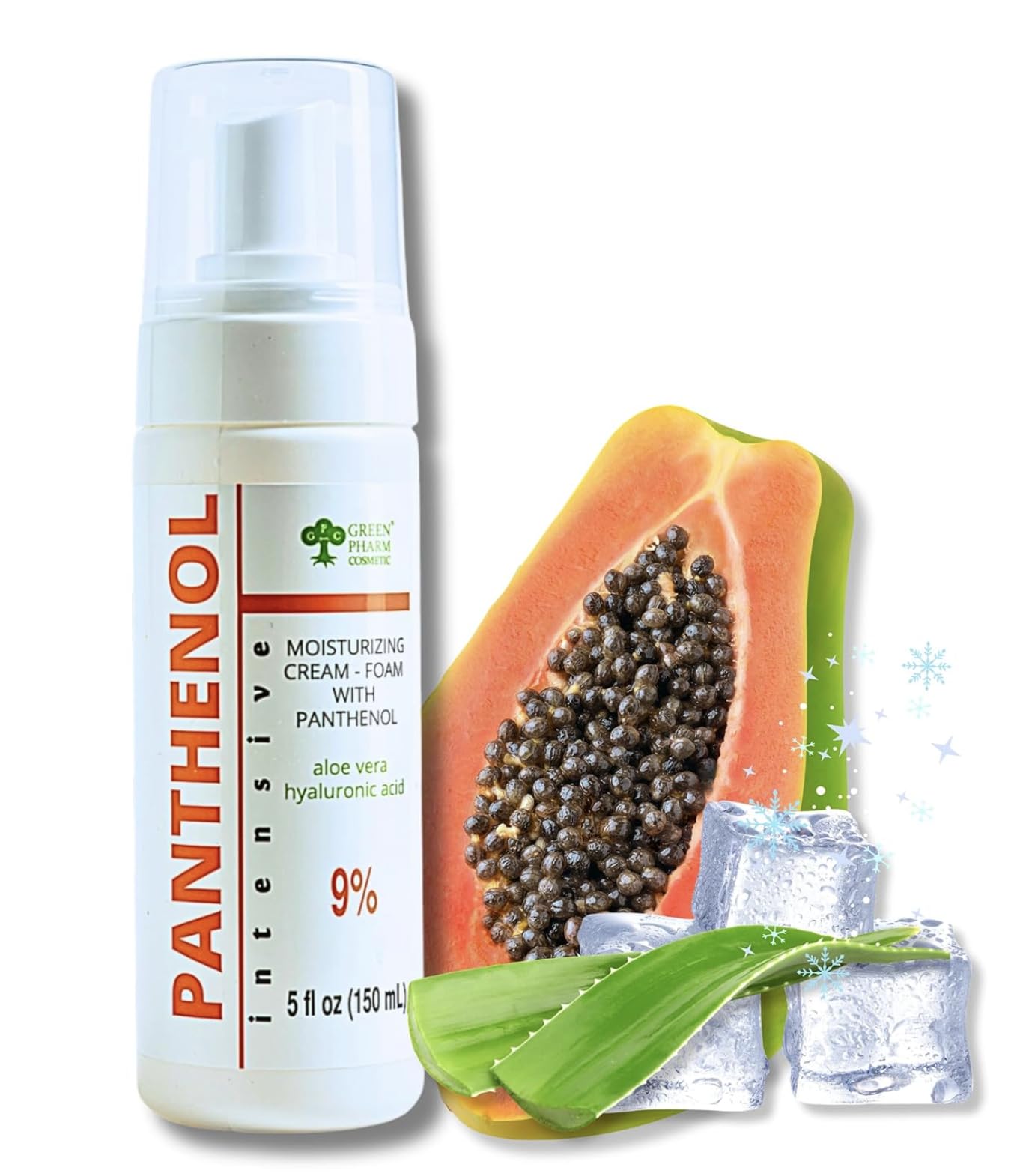
The 9% panthenol concentration in this foam is notably high for a non-prescription product, placing it in the acute-care tier typically reserved for post-procedure recovery. Combined with hyaluronic acid, the formula delivers immediate osmotic relief to overheated or compromised skin, whether from sunburn, a hair transplant, or a bad reaction to a topical. The foam texture is a strategic advantage—it spreads across large areas like the scalp or décolleté without the friction of a cream, and it penetrates the stratum corneum within seconds.
Customer feedback confirms its versatility: users report success on facial sunburn, tattoo aftercare, and even diaper rash for children. The lack of a greasy residue means it layers well under clothing or sleep masks. One reviewer specifically highlighted its effect on minoxidil-dried scalp, which suggests it could serve as a buffer for other irritating topicals without diminishing their efficacy.
While the brand is less familiar to U.S. consumers, the manufacturing origin and clean ingredient list should not disqualify it. The formula is free of common irritants and has earned consistent 5-star ratings for its speed of action. For anyone needing to calm a flare in 24 hours or less, this foam is the strongest first-line tool on this list.
Why it’s great
- Exceptionally high 9% panthenol for deep barrier repair
- Foam format reduces friction on already-sensitive skin
- Safe for all ages, including infants
Good to know
- Unknown brand to some U.S. buyers
- Not a daily maintenance moisturizer—use for acute events
2. PHYSIOGEL Calming Relief Redness Relieving Facial Cream

Physiogel brings 178 years of dermatological heritage to this redness-relieving cream, and the clinical data backs it up: a 3-day visible reduction in redness is supported by real user reports, with 96% noting improved glow and firmness. The formula centers on biomimetic lipids—ceramide, squalane, and lecithin—that structurally reinforce the skin barrier rather than just masking the flush. This makes it a fit for chronic dry, itchy redness caused by over-cleansing or harsh climates.
The National Eczema Association Seal of Acceptance is a meaningful differentiator. It means the formula has passed stringent testing for tolerability on eczematous skin, which translates directly to safety for any redness-prone complexion. Users with perimenopausal dryness and post-laser sensitivity both reported relief, suggesting the lipid complex addresses multiple triggers of barrier dysfunction.
A minority of users saw no change in redness, which typically indicates the formula is better suited for dryness-driven inflammation than for vascular rosacea. The texture is rich but absorbs without greasiness, making it wearable under makeup. For those whose redness comes paired with flaking and tightness, this cream is the most targeted solution on the list.
Why it’s great
- NEA Seal of Acceptance for eczema-safe care
- Clinically shown to reduce redness in 3 days
- Contains three key barrier lipids
Good to know
- Not ideal for vascular rosacea flushing
- Small tube size for the price tier
3. Cetaphil Redness Relieving Set

This dual-kit addresses both daytime and nighttime redness management in one purchase, which streamlines a routine for someone who does not want to hunt for separate products. The daily moisturizer includes a neutral tint and SPF 40, effectively neutralizing redness optically while providing broad-spectrum protection. The night cream relies on licorice extract, allantoin, and caffeine—each with documented anti-inflammatory or vasoconstrictive properties—to calm the skin overnight.
User reports highlight the lightweight, non-comedogenic formula as a major plus. The SPF moisturizer blends well enough to mask imperfections without looking chalky, and several reviewers noted immediate redness reduction upon first application. For those who prioritize sun protection in their redness routine, this set removes the excuse to skip SPF, embedding it directly into the treatment step.
Some users found the night moisturizer underwhelming for severe flushing, and the small 1.7 oz tubes may need monthly replacement with daily use. Still, for the price, having both a tinted SPF and an overnight repair cream creates a complete system that most single-product competitors cannot match. This is the most practical entry point for someone building a dedicated redness routine from scratch.
Why it’s great
- Two-product system covers day and night
- Neutral tint conceals redness while SPF protects
- Licorice extract and allantoin are proven soothers
Good to know
- Small tubes last about one month each
- Night cream may not address severe vascular redness
4. Bioderma Sensibio AR+ Cream

Bioderma’s Sensibio AR+ is a dermatological staple in European clinics, and its reputation is earned through specific formulation choices. The cream claims 24-hour hydration while actively reducing the appearance of redness, and its ophthalmological and dermatological testing ensures safety around the eye area—a common site of rosacea-related irritation. The texture is lightweight enough to function as a makeup base, and users with reactive skin report that it sits comfortably without pilling.
For those managing diagnosed rosacea, this cream has become a recurring recommendation. One reviewer with extreme sensitivity noted it is the only lotion her skin tolerates after breaking out from every other product. The formula appears to strengthen the capillary walls and reduce baseline inflammation rather than simply masking symptoms, which makes it suitable for long-term daily use.
Counterfeit concerns have surfaced for some third-party sellers, so purchasing directly from the manufacturer or a verified retailer is advised. When genuine, the cream absorbs rapidly and delivers visible calm within one to two applications. For anyone who has tried drugstore options without success, the Sensibio AR+ represents the step-up in formulation science that often makes the difference.
Why it’s great
- Dermatologist and ophthalmologist tested for safety
- Provides full-day hydration without greasiness
- Works as a smooth makeup primer for red skin
Good to know
- Small 1.3 oz tube for the premium tier
- Counterfeit risk from unverified sellers on Amazon
5. Clinique Redness Solutions Soothing Cleanser
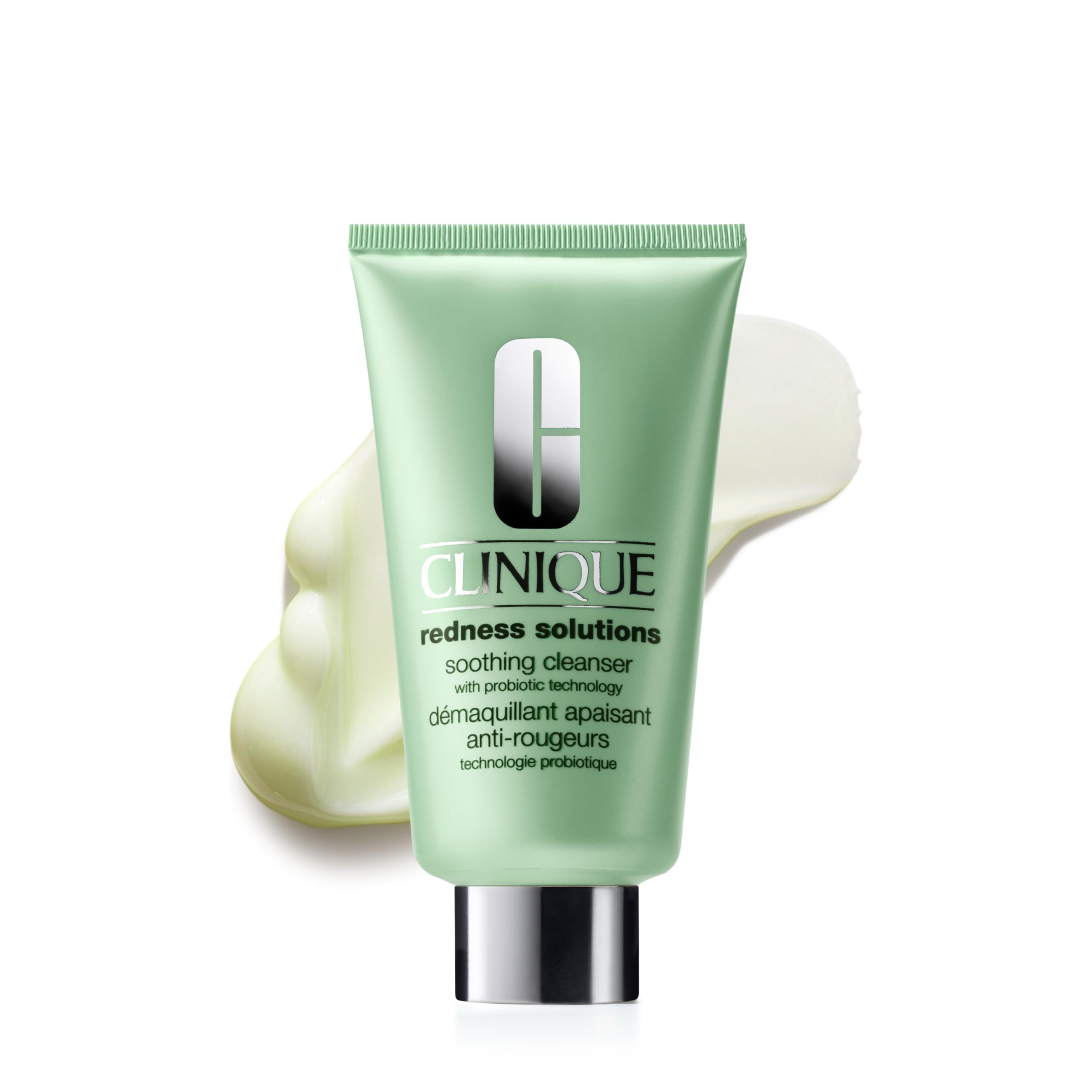
Most redness routines focus on moisturizers and serums, but the cleansing step can either set the stage for calm or strip the barrier further. Clinique’s Redness Solutions Cleanser uses probiotic technology and a cream-based, oil-free formula to remove makeup and impurities without disrupting the skin’s acid mantle. For rosacea patients, a harsh cleanser can undo hours of barrier repair in 30 seconds—this product is engineered to avoid that trap.
Long-term users report six years of reliance on this cleanser to keep severe sun damage and vascular inflammation under control. The formula leaves skin feeling clean but moisturized, without the squeaky sensation that signals over-cleansing. For flare-ups triggered by environmental aggressors, pairing this wash with the matching Clinique redness moisturizer creates a complete protection system.
While it is a cleanser and not a leave-on treatment, its role in a redness protocol is critical. Some users with mild redness may not notice a dramatic difference from the wash alone, but for those with moderate rosacea who also wear makeup or sunscreen, this step eliminates the potential for secondary irritation that undermines every product applied afterward.
Why it’s great
- Probiotic technology supports skin microbiome balance
- Oil-free cream texture cleanses without stripping
- Clinically tested and appropriate for rosacea
Good to know
- Cleanser alone may not reduce existing redness
- Scent-free but some users prefer foam over cream
FAQ
Can I use a high-panthenol foam as a daily moisturizer?
How do I know if my redness is from rosacea or a damaged barrier?
Why do some redness creams cause stinging on my skin?
Final Thoughts: The Verdict
For most users, the best anti-redness face products winner is the GPC Panthenol Foam because it combines the highest concentration of a proven soothe-ingredient with a delivery format that minimizes friction on compromised skin. If you need a daily barrier cream for chronic dry redness, grab the PHYSIOGEL Calming Relief Cream. And for a complete two-step routine that includes sun protection, nothing beats the Cetaphil Redness Relieving Set.