One wrong step on a loose rock, and a sidelined hiking season begins. Ankle injuries are the most common trail mishap, and the right brace can mean the difference between finishing a summit push and hobbling back to the trailhead. A well-designed hiking brace must lock down the joint without turning your boot into a cramped, sweaty prison.
I’m Emma — the founder and writer behind Baby Bangs. I’ve spent years analyzing outdoor rehab gear, testing how various braces hold up under actual trail loads, and cross-referencing hundreds of user experiences to find what truly keeps hikers moving.
After evaluating dozens of models on stability, boot compatibility, and breathability, I’ve built a focused list of the best ankle brace for hiking options that balance protection with real-world trail comfort.
How To Choose The Best Ankle Brace For Hiking
Hiking demands more from an ankle brace than basketball or daily wear. You need lateral stability for uneven surfaces, a profile that slides into a mid-height boot without pressure points, and fabric that vents heat during a steep climb. Ignoring any of these three pillars leads to chafing, blisters, or a brace that shifts mid-stride.
Boot Fit Is Non-Negotiable
A brace that fits your bare foot perfectly can feel like a torture device inside a boot. The construction must be low-profile — look for a total thickness under 2mm at the heel and Achilles region. Wide, bulky side stays that work for volleyball will dig into the ankle collar of most hiking boots and cause hot spots by mile two. The best trail braces use flexible plastic strips or knit compression rather than rigid external hinges.
Stability Architecture for Uneven Terrain
Hiking braces live under dynamic lateral loads: stepping on a angled root, crossing a slanted scree field, descending a steep grade. A figure-8 strap system that mimics athletic taping is the gold standard for preventing inversion sprains. Lace-up designs offer adjustable compression from ankle to shin, which helps proprioception — your brain knowing where your foot is in space — a critical safety net when fatigue sets in.
Moisture and Heat Management
Trail miles generate sweat and heat that can turn any sleeve into a swamp. Braces with visible ventilation grids, open-heel sections, or CoolFlex-style padding allow air exchange that keeps skin dry. Neoprene-heavy designs trap heat and lead to maceration, especially on full-day hikes above 10 miles. Prioritize microfiber or nylon-polyester blends with documented breathability.
Quick Comparison
On smaller screens, swipe sideways to see the full table.
| Model | Category | Best For | Key Spec | Amazon |
|---|---|---|---|---|
| Ultra 360 Lace Up | Lace-Up | Day hikers needing dialed compression | Lace + figure-8 mimic athletic tape | Amazon |
| Med Spec ASO Stabilizer | Lace-Up | Post-sprain recovery on trails | CoolFlex padding + bilateral fit | Amazon |
| McDavid Phantom | Lace-Free | Narrow boots where bulk is the enemy | Rear-entry, 1.2mm low profile | Amazon |
| Fitomo 1.5mm Ultra Thin | Figure-8 | Minimalists who hate bulky gear | 1.5mm microfiber, visible air vents | Amazon |
| ZOELION Auto-Adaptive | Hybrid Strap | Budget-conscious with moderate instability | Auto-adaptive side pads, 600+ micro-vents | Amazon |
| Core FootFlexor AFO | AFO | Drop foot or severe dorsiflexion weakness | Adjustable 4-level dorsiflexion tubing | Amazon |
| Bauerfeind MalleoTrain | Compression Knit | Premium all-day wear with medical-grade knit | Viscoelastic massage pads, German knit | Amazon |
In‑Depth Reviews
1. Ultra 360 Lace Up Ankle Brace
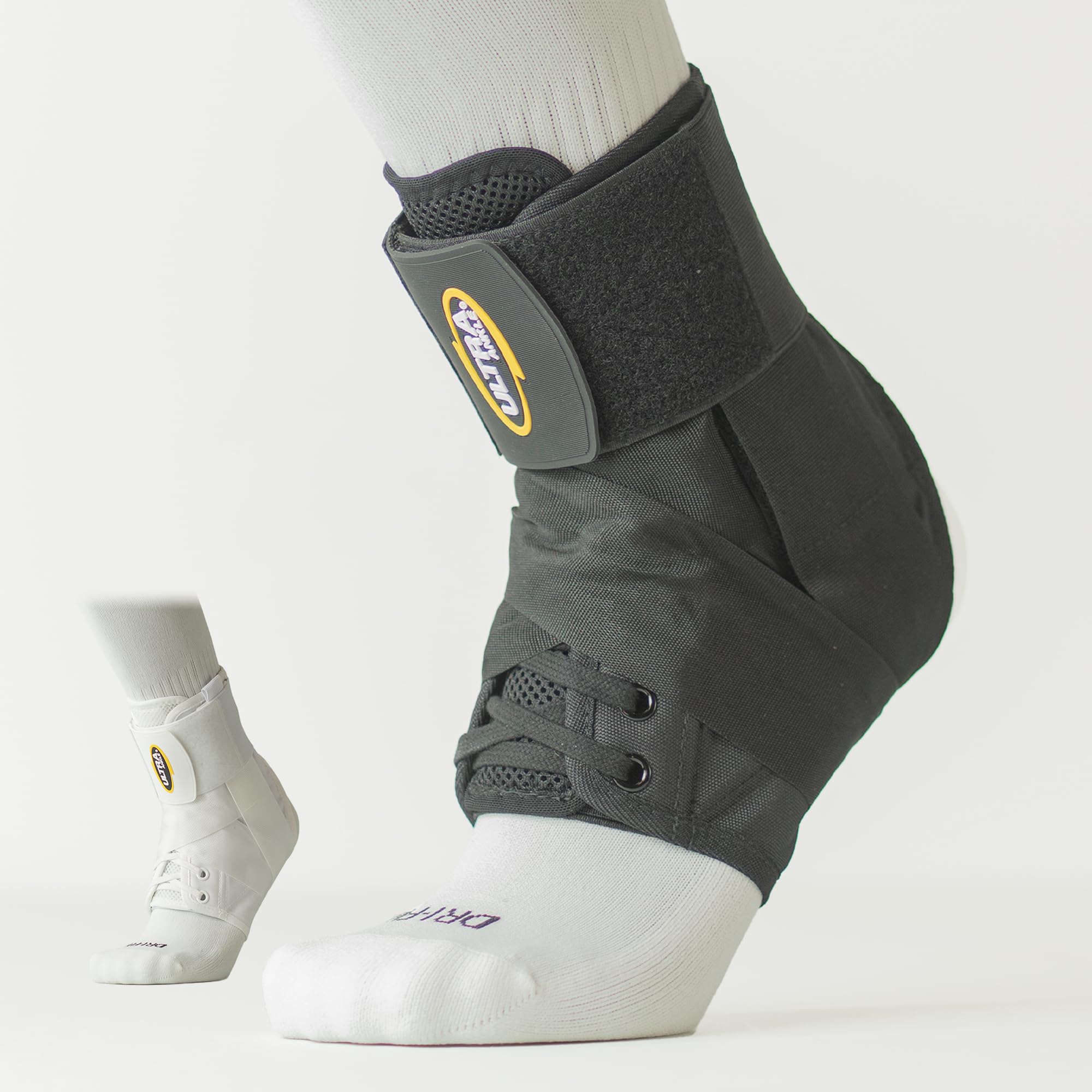
The Ultra 360 replicates the tight, graduated compression of athletic trainer taping through its lace-up chassis and dual figure-8 straps. This combination locks the talus into a neutral position, making it one of the most effective designs for preventing inversion sprains on rocky descents. The slim breathable construction slides into hiking boots and cleats without the pressure points that plague bulkier stabilizers.
Volleyball and basketball players praise its ability to absorb hard landings, but the real test is trail mileage — users report that the lace tension stays consistent for hours, and the loop-and-lock straps don’t loosen even after repeated flexing. The medium size accommodates boot heights up to 6 inches without the top edge digging into the shin.
One caveat: the top strap can feel short for those with wider ankles or thick socks, and achieving the perfect tension balance takes a few tries. But once dialed, this brace offers the most confidence-inspiring stability for the mid-range price tier. It’s the option that says “I’m here to finish the hike.”
Why it’s great
- Professional-grade taping mimic provides reliable lateral stability on loose terrain
- Low profile fits inside almost any hiking boot or trail runner
- Breathable mesh prevents sweat buildup during long ascents
Good to know
- Top strap length can be tight for thicker ankles — measure carefully
- Requires a few wears to find the ideal lace tension
2. Med Spec ASO Ankle Stabilizer
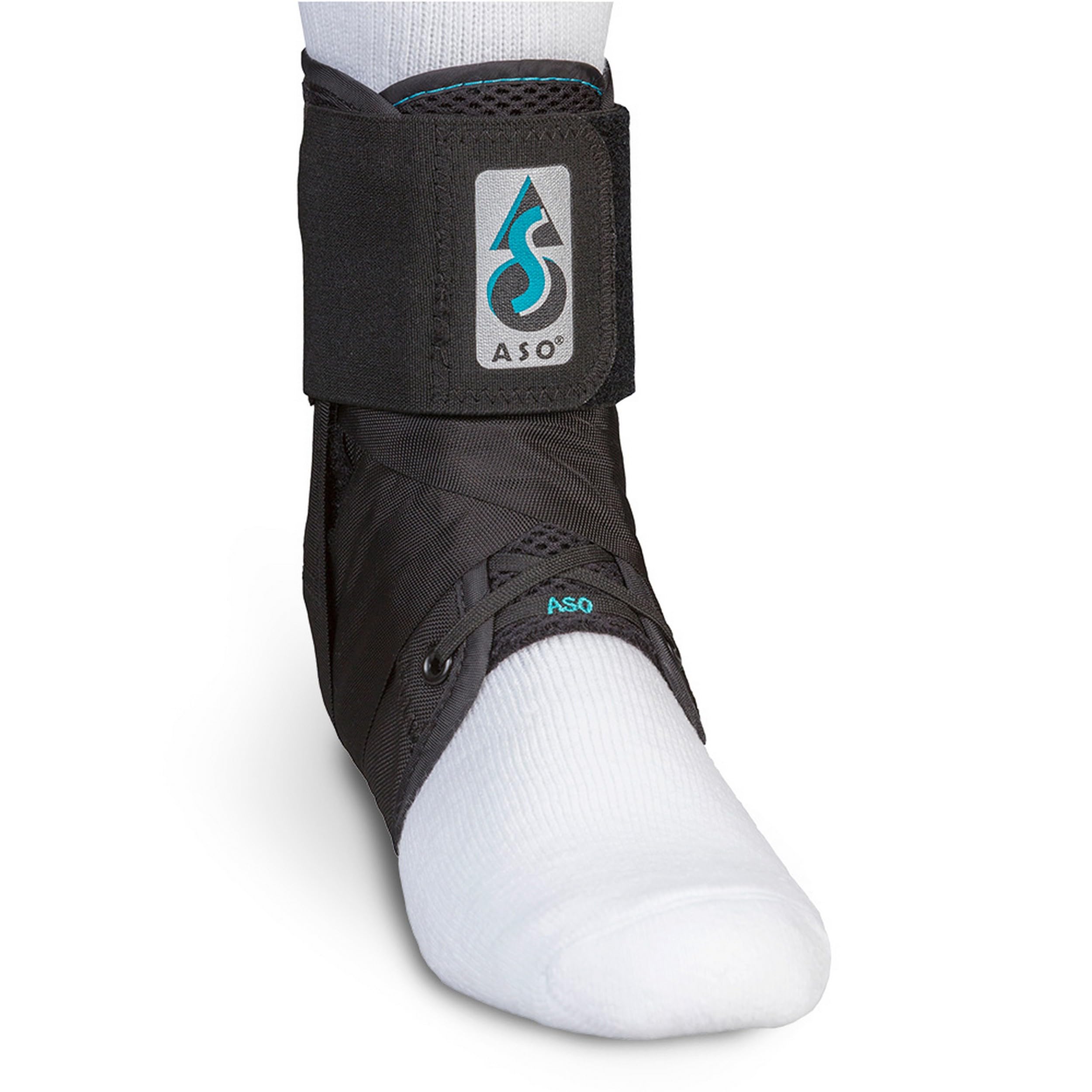
The ASO (Ankle Stabilizer Orthosis) has been a clinical standard for decades, and for good reason: the full lace-up body combined with the elastic figure-8 straps creates a snug, yet adjustable, fit that supports both ligament sprains and peroneal tendon issues. The CoolFlex padding on the tongue resists stretching, which means the compression you set at the start of a 10-mile trail day stays consistent.
Bilateral design fits left or right foot, and the range of sizes covers everyone from teens to large adults. Hikers recovering from a rolled ankle report that the brace significantly reduces the re-injury risk when stepping on unseen roots or loose scree. The lace closure allows micro-adjustments — you can loosen the top two eyelets during a lunch break to relieve pressure without removing the entire brace.
The main drawback is bulk: the heel pad and extra fabric can rub against the back of a boot, and some users have reported the heel material wearing a hole in the counter over several months of heavy use. It works best with mid-height boots that have a bit of extra volume around the ankle.
Why it’s great
- Lace-up compression plus figure-8 straps deliver excellent proprioceptive feedback on trails
- CoolFlex padding resists stretch for consistent all-day pressure
- Bilateral design works on either foot — useful if you have asymmetrical injuries
Good to know
- Heel pad can wear through the interior of tight-fitting boots over time
- Bulkier than lace-free alternatives; measure boot volume before buying
3. McDavid Phantom Ankle Brace
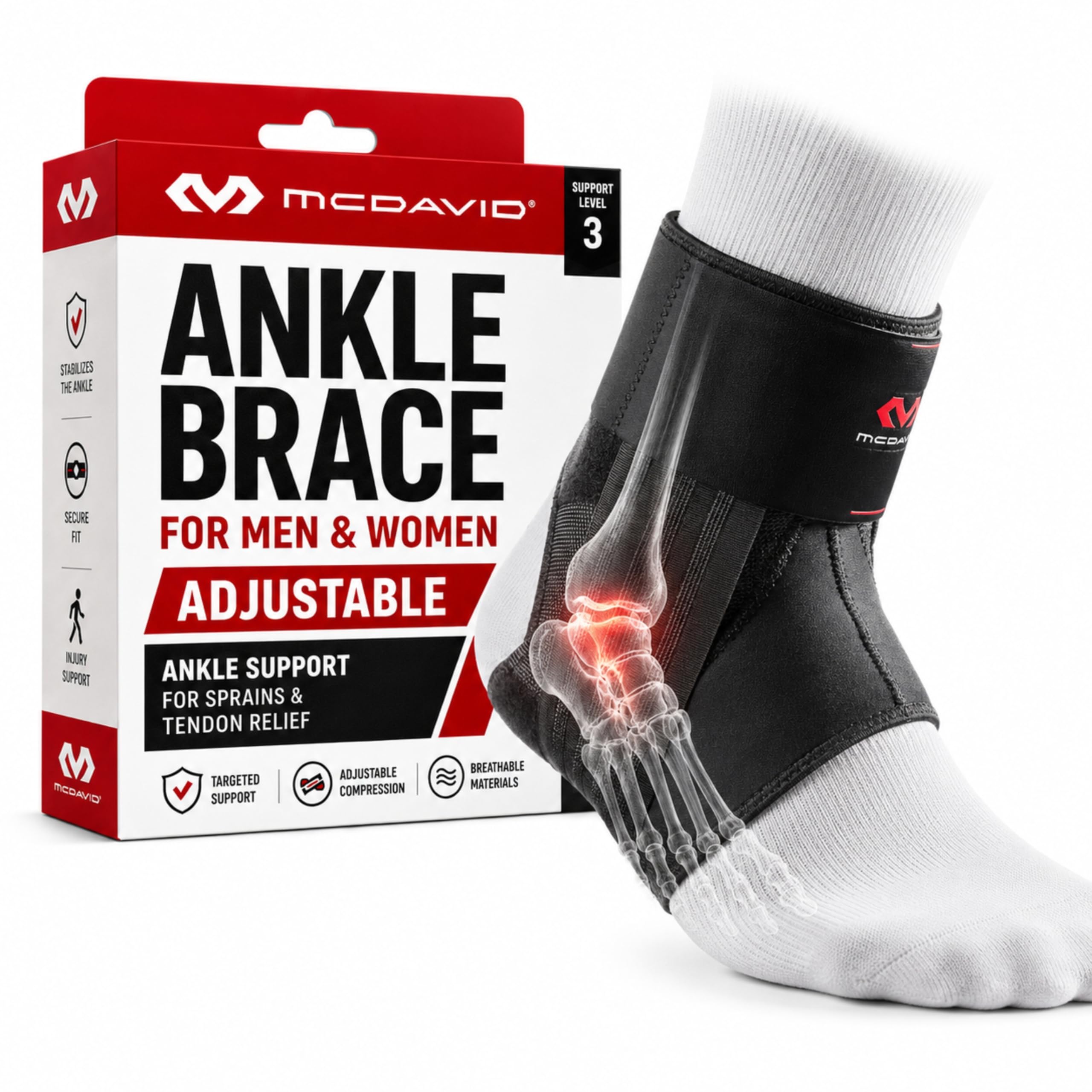
The Phantom is the go-to pick when every millimeter of space inside your boot is precious. Its rear-entry, lace-free design uses a slim sleeve with integrated flexible side stays and non-slip straps that wrap around the heel and instep. At roughly 1.2mm thick at the malleoli, it disappears under socks and leaves zero pressure points along the boot collar.
Hikers with narrow feet or who wear low-volume trail runners will appreciate that this brace doesn’t shift or bunch. The compression is moderate — enough to support mild to moderate instability, but not enough for a fresh Grade 2 sprain. It’s ideal as a prophylactic brace for those with a history of minor rolling who want a barely-there feel.
The most common complaint is longevity: the internal plastic side stays can crack after a couple of months of heavy use, especially if the brace is machine-dried. It also straps around the heel, which may feel odd for the first mile. For slim-boot hikers who prioritize comfort over maximum immobilization, the Phantom is the best fit.
Why it’s great
- Ultra-thin profile fits the tightest hiking boots and trail runners
- Rear-entry design means no laces to loosen mid-hike
- Non-slip straps stay locked during dynamic lateral movements
Good to know
- Plastic side stays can crack after a few months — avoid dryer heat
- Compression level is moderate, not suitable for acute Grade 2+ sprains
4. Fitomo 1.5mm Ultra Thin Ankle Brace
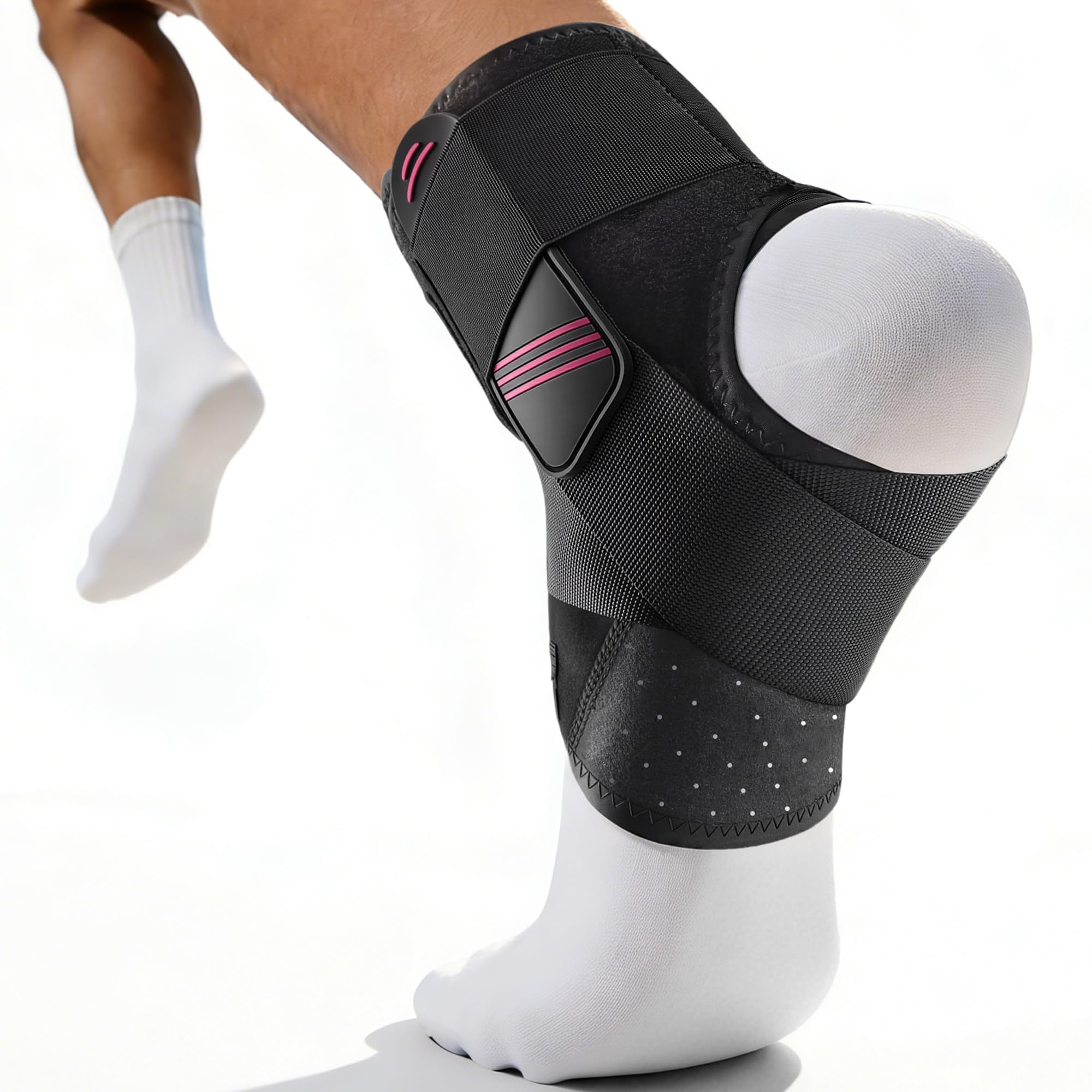
Fitomo shaved the brace profile down to 1.5mm and added a visible ventilation grid that actively dissipates heat. The three-layer system — inner silicone grip, figure-8 stabilizing strap, and flexible support panel — works in concert to provide stability without the weight of traditional braces. For day hikers who dislike any sensation of “wearing a brace,” this is the closest to an invisible solution.
The silicone grip inside the sleeve prevents the brace from riding up or twisting during ascents, a common annoyance with lighter braces. The figure-8 strap applies targeted compression to the anterior talofibular ligament, the most commonly sprained ankle structure. Users with severe arthritis or post-tarsal tunnel surgery report that this brace allows them to go 20,000 steps in a day with significantly less swelling.
The trade-off is that the 1.5mm microfiber has limited durability compared to thicker nylon or neoprene braces. It also offers less rigid protection for those with chronic instability who need hard plastic stays. For the minimalist hiker who wants support without bulk, the Fitomo is a solid entry-level-to-mid-range option.
Why it’s great
- 1.5mm thickness and ventilation grid keep feet cool on hot trails
- Silicone grip eliminates annoying brace migration during long hikes
- Figure-8 system targets the most common sprain mechanism
Good to know
- Microfiber material is less durable against abrasive boot interiors
- Not rigid enough for significant chronic instability
5. ZOELION Auto-Adaptive Ankle Brace
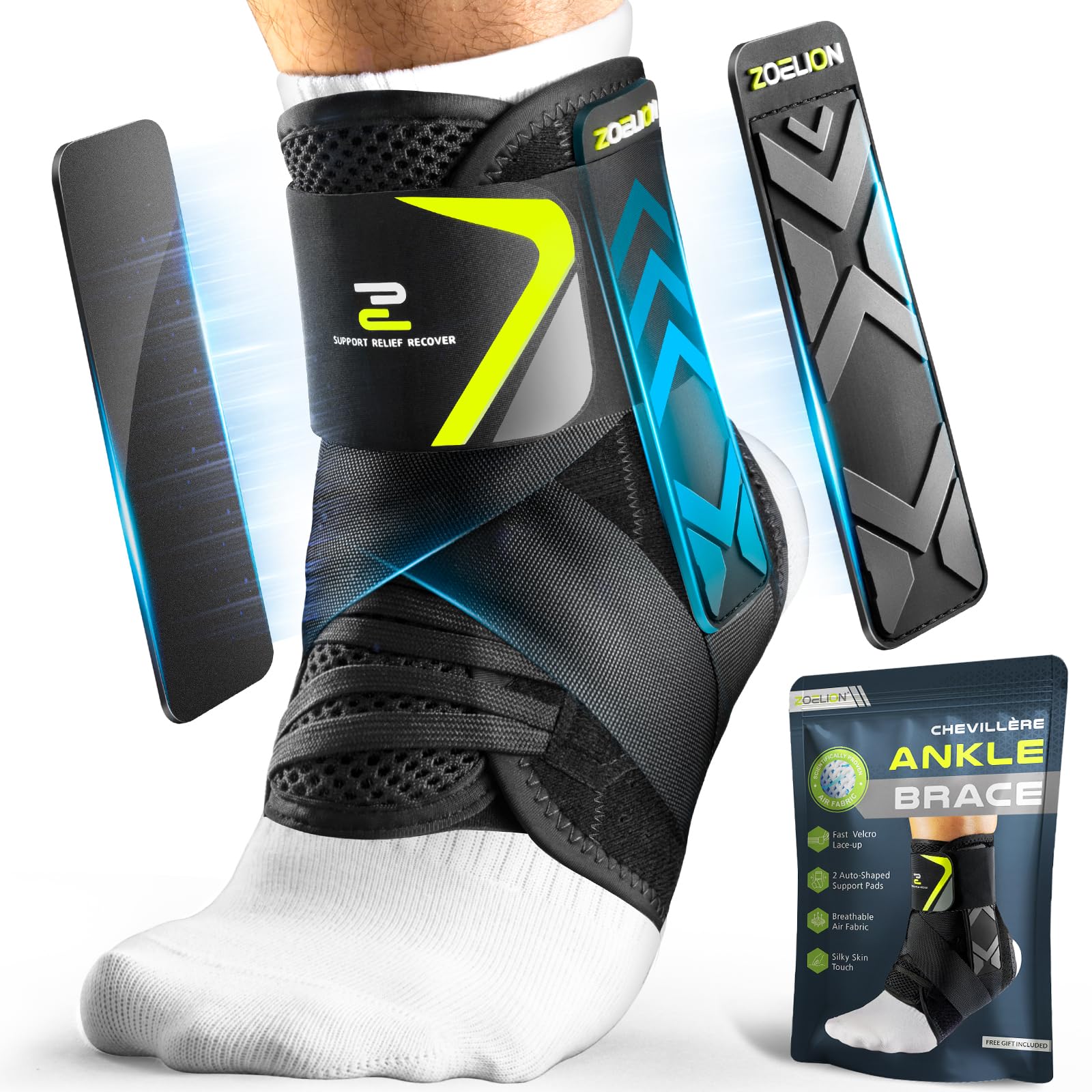
The ZOELION offers a surprising amount of engineering for its budget-friendly price point. The “auto-adaptive” medial and lateral pads are semi-rigid but flexible, designed to self-conform around the malleoli without compressing the bone itself. The triple-lock system — inner wrap, figure-8 straps, wide top closure — creates a secure cradle that rivals more expensive braces in sheer anti-roll capacity.
Over 600 micro-vents perforate the outer layer, and the low-elastic fabric contours from heel to arch, providing mild Achilles support without limiting dorsiflexion. The hook-and-loop quick lace design lets you cinch and release in seconds — helpful for adjusting tension when crossing streams or taking a break. Many users coming from bulky stirrup braces find this one much more comfortable for all-day wear.
Where it loses points is in boot compatibility: the side pads, while adaptive, still add enough girth that some tight-fitting boots feel cramped. The Velcro strips could also be more aggressive — a few users noted that the adhesive loses grip after several weeks of sweaty hikes. For casual day hikes or recovery from a mild sprain, it’s a standout value.
Why it’s great
- Auto-adaptive side pads conform to the ankle bones without painful compression
- Triple-lock system provides impressive anti-roll stability for the price
- Quick hook-and-loop lacing allows fast adjustments on the trail
Good to know
- Side pads add bulk that may not fit in snug boots
- Velcro grip can diminish with repeated exposure to trail sweat and dirt
6. Core FootFlexor Foot Drop Brace

The FootFlexor is a soft Ankle Foot Orthosis (AFO) designed specifically to address drop foot — when the anterior tibialis muscle can’t properly lift the toes during the swing phase of walking. Its flexible tubing system offers four tension levels, allowing hikers to dial in exactly the amount of dorsiflexion lift they need to clear roots and rocks without dragging the toe.
Unlike rigid carbon-fiber AFOs, this brace slips into standard lace-up hiking boots and remains nearly invisible under pants. Users with Charcot-Marie-Tooth disease or post-stroke weakness report that it naturally restores a more symmetrical gait, reducing energy expenditure on long approaches. The tubing is easy to swap or replace, and the brace is assembled in the USA.
This is a niche hiking brace — it won’t help with lateral sprain prevention. The dorsiflexion assistance also requires boots with a clear lace path for the hook attachment. For hikers who need toe clearance and nothing else, the FootFlexor is the most trail-adaptable soft AFO available.
Why it’s great
- Four-level dorsiflexion tubing lets you tune lift for specific trail conditions
- Low profile fits unnoticed under pants and in lace-up boots
- Replacement parts available — extends the usable life significantly
Good to know
- Primarily for drop foot — does not address lateral ankle instability
- Requires boots with a clean lace area for the hook attachment
7. Bauerfeind MalleoTrain Ankle Support

The MalleoTrain is the premium entry in this list, made in Germany from a breathable medical-grade compression knit that feels like a robust sock rather than a brace. Two anatomically contoured viscoelastic pads sit on the medial and lateral malleoli, and during movement they massage the area to reduce swelling and effusion while simultaneously stabilizing the joint. This design excels for hikers dealing with post-traumatic arthritis or chronic low-grade swelling.
The knit is moisture-wicking and machine-washable without losing its shape, and the comfort zone on the instep prevents pressure on the top of the foot — a pain point that many braces ignore. Users recovering from fractures or ligament reconstruction report that the MalleoTrain provides enough support for moderate trails while still allowing natural ankle flexion. The low-profile fit slides into most boots with no added bulk at the heel or collar.
The price is the obvious barrier. It’s also not designed for substantial mechanical immobilization — if you need to prevent a Grade 3 ligament injury, you need a rigid brace. But for daily hiking support with medical-grade compression and proprioceptive enhancement, the MalleoTrain is in a class of its own. FSA and HSA eligible.
Why it’s great
- Medical-grade compression knit provides consistent support that doesn’t loosen during activity
- Viscoelastic pads reduce malleolar swelling while improving joint proprioception
- Machine-washable without losing shape — rare for high-performance braces
Good to know
- Premium pricing — investment piece for serious hikers
- Not designed for heavy immobilization or severe acute sprains
FAQ
Can I wear an ankle brace inside my hiking boots without losing circulation?
How tight should a hiking ankle brace be?
Will a brace prevent me from ever rolling my ankle on the trail?
How do I clean a hiking ankle brace without ruining the support?
Final Thoughts: The Verdict
For most users, the best ankle brace for hiking winner is the Ultra 360 Lace Up Ankle Brace because it offers professional-level taping mimic, boot compatibility, and breathability at a mid-range price that outperforms many higher-cost competitors. If you want the barely-there feel for narrow boots, grab the McDavid Phantom. And for medical-grade compression and swelling reduction over long distances, nothing beats the Bauerfeind MalleoTrain.