High ankle sprains are notoriously slow to heal and easy to re‑injury. Unlike common inversion sprains that damage the lateral ligaments, a high ankle sprain affects the syndesmosis — the tough fibrous tissue connecting your tibia and fibula above the ankle joint. The wrong brace lets the fibula shift, delays recovery, and makes every pivot or cut a gamble. You need a stabiliser that specifically restricts rotational movement at the syndesmosis without locking your entire foot.
I’m Emma — the founder and writer behind Baby Bangs. I’ve spent years analysing medical‑grade support hardware, comparing closure systems, side‑stabiliser rigidity, and real‑world durability data to separate braces that actually protect the syndesmosis from those that merely squeeze the foot.
After researching dozens of models and customer‑reported outcomes, I’ve narrowed the field to the seven most effective options. Whether you need a rigid stabiliser for sport or a discreet sleeve for daily walking, this guide will help you find the right ankle brace for high ankle sprain.
How To Choose The Best Ankle Brace For High Ankle Sprain
Buying a brace for a syndesmosis injury is different from picking a basic ankle sleeve. You need targeted rotation control, adjustable compression, and a fit that stays secure without cutting off circulation. Here are the three non‑negotiable features to evaluate before you buy.
Rotation‑Restricting Closure System
Standard sleeves only provide compression, which does nothing to prevent the fibula from rotating during lateral movement. A brace with figure‑8 straps or a full lace‑up system applies stabilising tension directly around the syndesmosis. The best models combine both—lace‑up for a custom base fit and figure‑8 straps to lock the ankle from rolling outward or inward.
Rigid or Semi‑Rigid Side Stabilisers
Removable side splints made from medical‑grade plastic help resist inversion and eversion forces that strain the syndesmosis. For a high ankle sprain, you want stabilisers that extend high enough to brace the syndesmotic area—ideally reaching up to the lower shin. Some braces offer removable stabilisers so you can dial the rigidity up for sport and down for office wear.
Low‑Profile, Shoe‑Compatible Build
A brace that bulges out of your shoe or forces you into wide‑width trainers is a compliance killer. Look for models with a thin build (some ultra‑thin designs are just 1.5 mm) that fit inside your regular shoes. An open‑heel design preserves natural ankle mobility during walking, while breathable mesh panels prevent sweat buildup during long wear.
Quick Comparison
On smaller screens, swipe sideways to see the full table.
| Model | Category | Best For | Key Spec | Amazon |
|---|---|---|---|---|
| Med Spec ASO Ankle Stabilizer | Mid‑Range | Sports recovery | Figure‑8 strapping | Amazon |
| McDavid 195 Ultralight | Mid‑Range | Sports & daily walking | Figure‑6 strapping | Amazon |
| Bauerfeind MalleoTrain | Premium | Long‑term supportive comfort | Viscoelastic massage pads | Amazon |
| ZOELION Auto‑Adaptive | Mid‑Range | Customisable comfort | Triple‑lock system | Amazon |
| Fitomo Triple‑Lock | Mid‑Range | Versatile everyday protection | Removable side stabilisers | Amazon |
| Fitomo 1.5mm Ultra‑Thin | Budget‑Friendly | Low‑profile shoe fit | 1.5mm Microfiber build | Amazon |
| PowerStep Dynamic Support Sock | Entry‑Level | Mild stability & compression | Stability cage | Amazon |
In‑Depth Reviews
1. Med Spec ASO Ankle Stabilizer
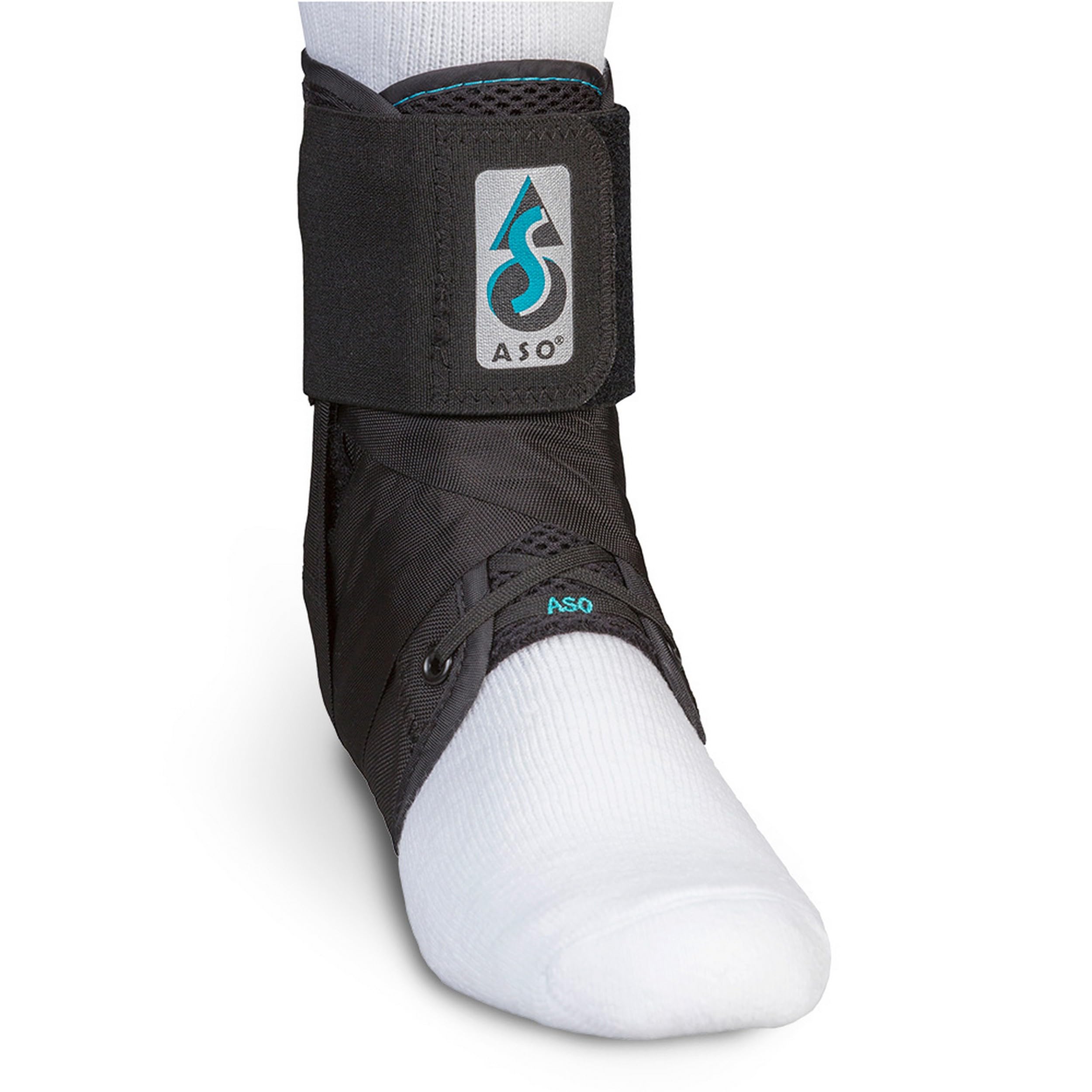
The Med Spec ASO is a classic lace‑up brace with heavy‑duty figure‑8 straps that tightly control syndesmotic rotation. The CoolFlex padding and Durable nylon tongue resist stretching over months of hard sport use, and the bilateral fit works on either foot. It is widely recommended by athletic trainers precisely because the figure‑8 configuration allows you to fine‑tune compression around the high ankle area without cutting into the shin.
Customer reviews confirm the brace is lightweight enough for basketball, volleyball, and running while still providing the stabilisation needed to prevent re‑injury. The only real complaint is that the heel padding can wear a hole in the back of certain trainers over time, but this is a minor trade‑off for the level of support provided.
For a high ankle sprain that needs firm rotational control during active recovery, the ASO delivers a near‑perfect balance of adjustability, breathability, and structural integrity. It fits inside most gym shoes without feeling oversized, and the full lace‑up base gives you tightness control that a slip‑on sleeve simply cannot offer.
Why it’s great
- Figure‑8 straps provide direct syndesmosis compression
- Breathable padding resists stretching after many washes
- Fits inside standard athletic shoes
Good to know
- Heel padding may eventually wear against shoe fabric
- Takes 5–6 minutes to put on correctly the first time
2. McDavid Ankle Brace Ultralight
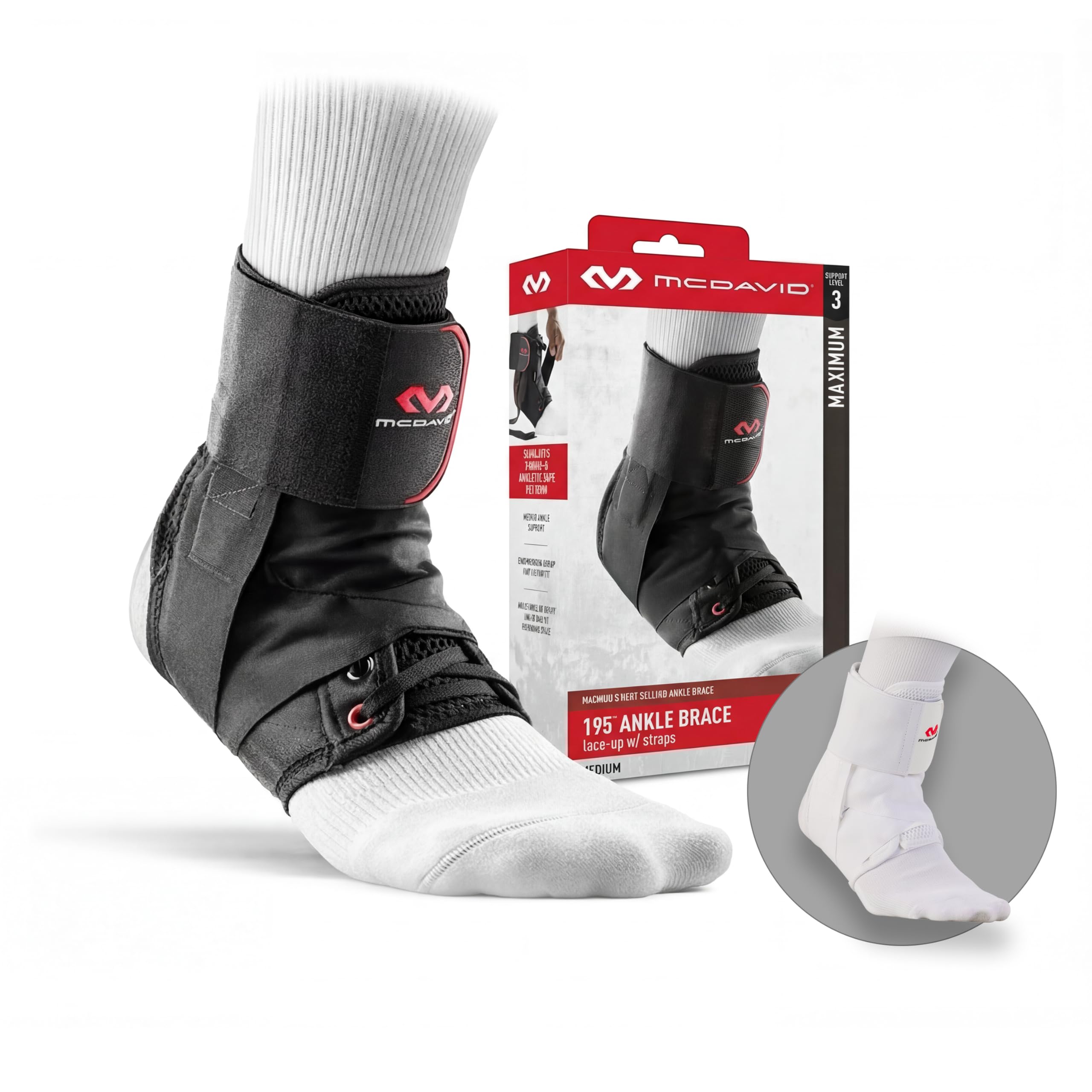
McDavid’s 195 Ultralight uses a unique figure‑6 strapping pattern that simulates athletic tape, making it one of the most rotation‑conscious designs available outside a clinic. The single‑layer polyester fabric keeps the brace nearly weightless while the straps pull the ankle into a neutral position, directly reducing rotational stress at the syndesmosis. An independent study showed athletes wearing the 195 experienced significantly fewer ankle injuries—a strong endorsement for syndesmosis protection.
Users who play weekend basketball or run trails report that the brace stays locked in place without shifting, and they can tighten the figure‑8 straps without removing their shoe. The open‑heel and open‑toe design preserves natural gait mechanics, so you can walk without a limp. Some wearers find the lace‑up base time‑consuming at first, but the reward is a dialled‑in fit that no sleeve can mimic.
This brace works best for people who need mid‑to‑high support during sports or walking but dislike bulky plastic inserts. The compression top strap adds a final layer of stabilisation without pinching the Achilles.
Why it’s great
- Figure‑6 straps mimic athletic tape for syndesmosis control
- Ultralight build does not alter shoe fit
- Straps adjustable without unlacing the shoe
Good to know
- Full lace‑up takes extra seconds to don properly
- May feel snug for very wide feet
3. Bauerfeind MalleoTrain

The Bauerfeind MalleoTrain takes a different approach: instead of straps and laces, it uses a medical‑grade compression knit with two anatomically contoured viscoelastic massage pads that sit directly over the medial and lateral malleoli. These pads apply targeted pressure to stabilise the syndesmosis without restricting ankle flexion. The result is a brace that feels like a firm sock but delivers the rotational resistance needed for high ankle sprain recovery.
Made in Germany, the MalleoTrain is machine‑washable and designed for all‑day wear. Customers recovering from ORIF surgery or chronic instability report that the pads reduce swelling and improve gait symmetry. The pull‑on closure is the easiest to use of any brace here—great for mornings when dexterity is limited by pain.
On the downside, the MalleoTrain does not offer the same extreme rigidity as a lace‑up brace with plastic stabilisers. It is best suited for mild to moderate syndesmosis sprains, post‑bracing transition, or daily compression support when you are past the acute phase.
Why it’s great
- Medical‑grade knit with viscoelastic pads directly targets the malleoli
- Pull‑on design is the easiest to put on and remove
- Breathable, low‑profile, fits in any shoe
Good to know
- Does not provide the same rigid stabilisation as lace‑up braces
- Premium price fits a higher budget tier
4. ZOELION Ankle Brace with Auto‑adaptive Side Pads
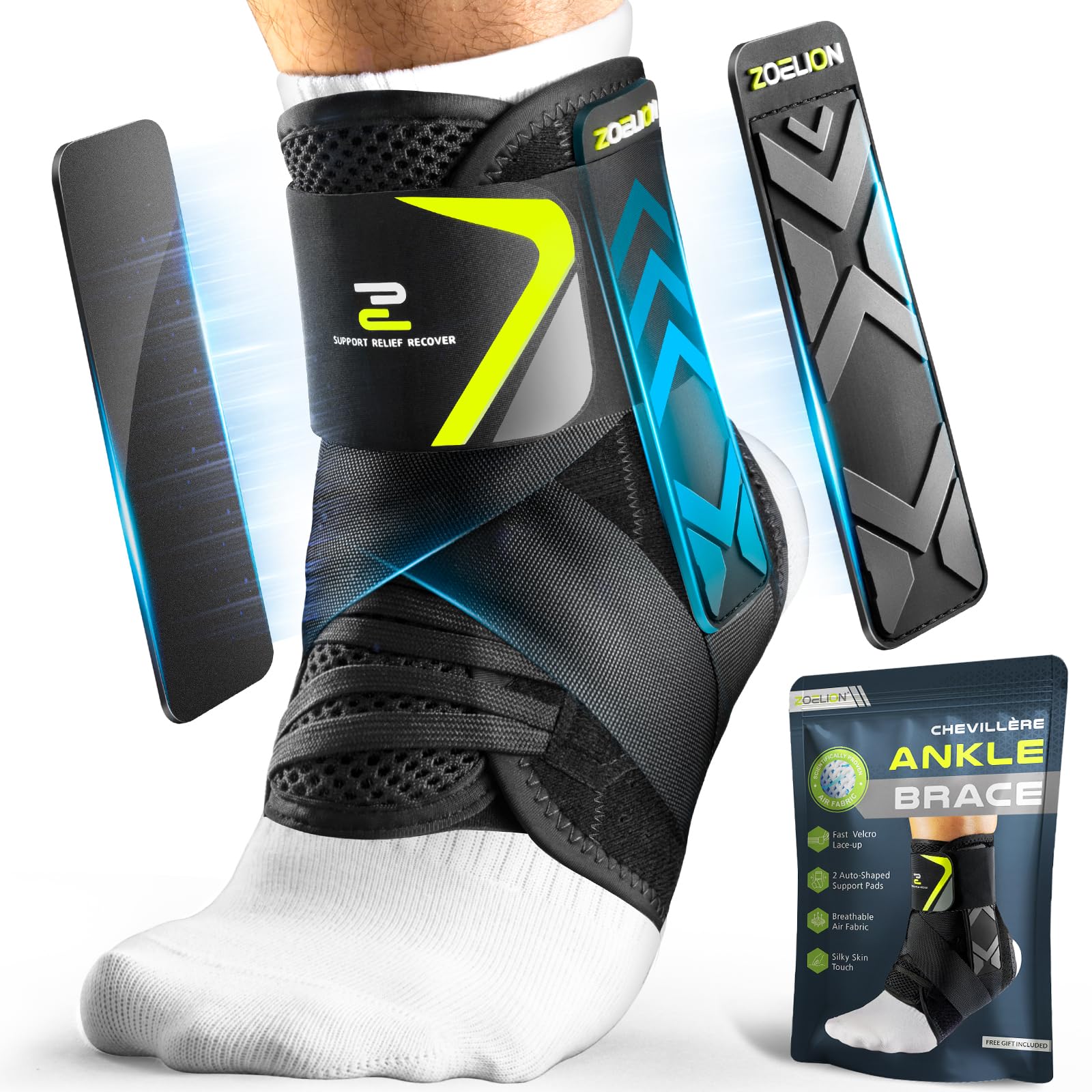
The ZOELION brace introduces a unique auto‑adaptive pad system on the medial and lateral sides. These pads self‑adjust to the shape of the ankle bone, delivering anti‑roll stability without painful pressure points. The triple‑lock system—inner wrap, figure‑8 straps, and a wide top closure—provides layered support that can be dialled tight for sport or loosened for daily walking.
Six hundred micro‑vents keep the foot cool, and the slim fit slides easily into low‑top sneakers. Customers note the hook‑and‑loop fastening is faster than traditional laces and stays secure after many uses. The only minor criticism from reviewers is that the Velcro could be slightly more aggressive for users who prefer maximum tension.
For the price, this brace delivers a surprising level of syndesmosis‑focused engineering. The self‑adapting pads are a genuine innovation that reduces the bulk of traditional stabilisers while maintaining lateral control.
Why it’s great
- Auto‑adaptive side pads provide customised lateral stabilisation
- Triple‑lock system offers adjustable support from mild to firm
- Breathable mesh keeps foot cool during extended wear
Good to know
- Velcro adhesion could be stronger for high‑tension users
- Size up if you have a wide foot or swelling
5. Fitomo Triple‑Lock Ankle Brace
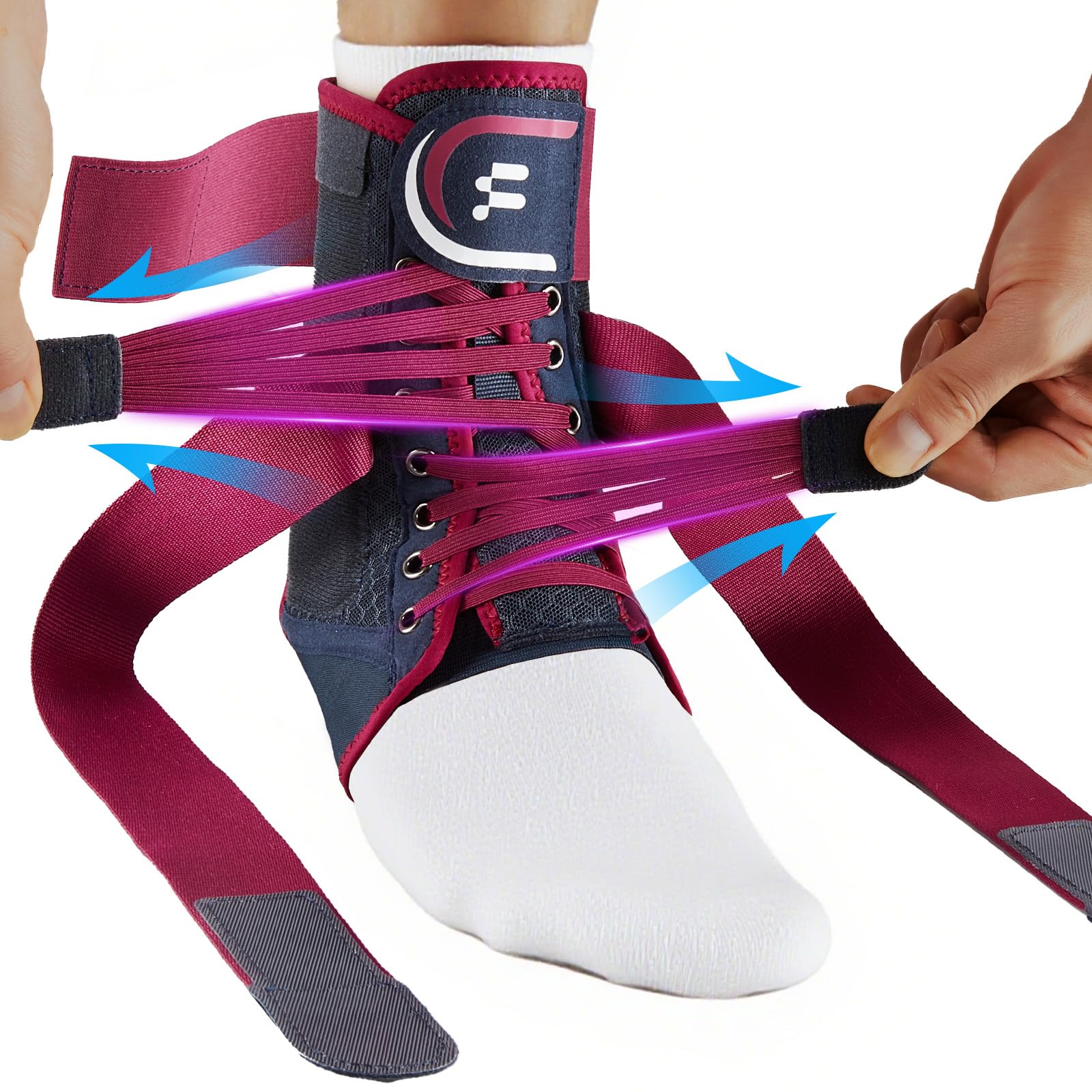
Fitomo’s Triple‑Lock brace combines top strap compression, dual removable side stabilisers, and cross straps to create a layered defence against syndesmotic strain. The removable plastic splints let you adjust rigidity: leave them in for basketball or take them out for a more flexible feel during office hours. The figure‑8 strap system allows you to fine‑tune compression around the high ankle area, targeting the exact spot where syndesmosis pain concentrates.
Reviewers coming from CAM boots praise the brace for providing enough stability to transition confidently to shoes. The design stays secure during athletics without requiring constant readjustment. A few customers noted that the brace can feel slightly warm after long sessions, but the trade‑off for the stabilisation level is worth it.
This brace is a strong choice if you need one device that works across sport, work, and general daily life. The removable stabilisers make it uniquely versatile for changing activity demands.
Why it’s great
- Removable side stabilisers adapt support for sport or daily wear
- Figure‑8 straps provide direct syndesmosis compression
- Stays in place without readjusting during activity
Good to know
- May feel warm during prolonged high‑intensity activity
- Runs true to size; measure carefully
6. Fitomo 1.5mm Ultra‑Thin Ankle Brace
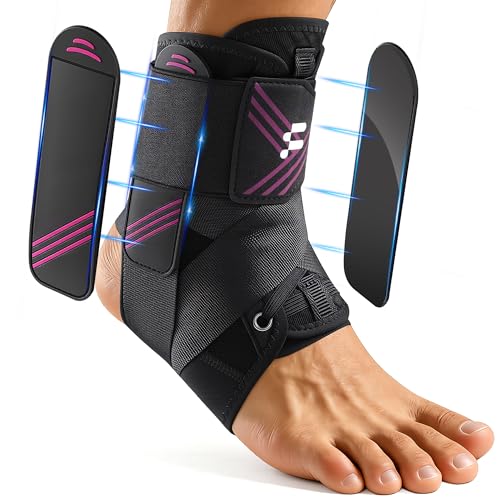
At just 1.5 mm thick, the Fitomo Ultra‑Thin is designed for people who hate the bulky feel of traditional braces. The three‑layer system combines an inner silicone grip, a figure‑8 stabilizing strap, and a flexible support panel that work together to resist syndesmotic rotation. The ventilation grid actively dissipates heat, making this one of the coolest braces to wear through long workdays or in hot weather.
Customers report it fits into slip‑on shoes, dress shoes, and narrow trainers—a major advantage if shoe compatibility has been your frustration. The plastic side supports prevent inversion and eversion while the low‑profile build stays invisible under socks. Some users noted the Velcro’s long‑term durability is unproven, but early reports after weeks of heavy use remain positive.
This brace is ideal for the sub‑acute phase of a high ankle sprain when swelling has subsided but you still need rotational protection during walking and light activity. It won’t match the rigidity of a full lace‑up, but it is the most footwear‑friendly option here.
Why it’s great
- Ultra‑thin build fits into nearly every shoe type
- Visible air vents keep foot dry during all‑day wear
- Three‑layer system provides targeted syndesmosis support
Good to know
- Velcro adhesion durability not yet proven over many months
- Less rigid than lace‑up braces with metal stabilisers
7. PowerStep Dynamic Ankle Support Sock
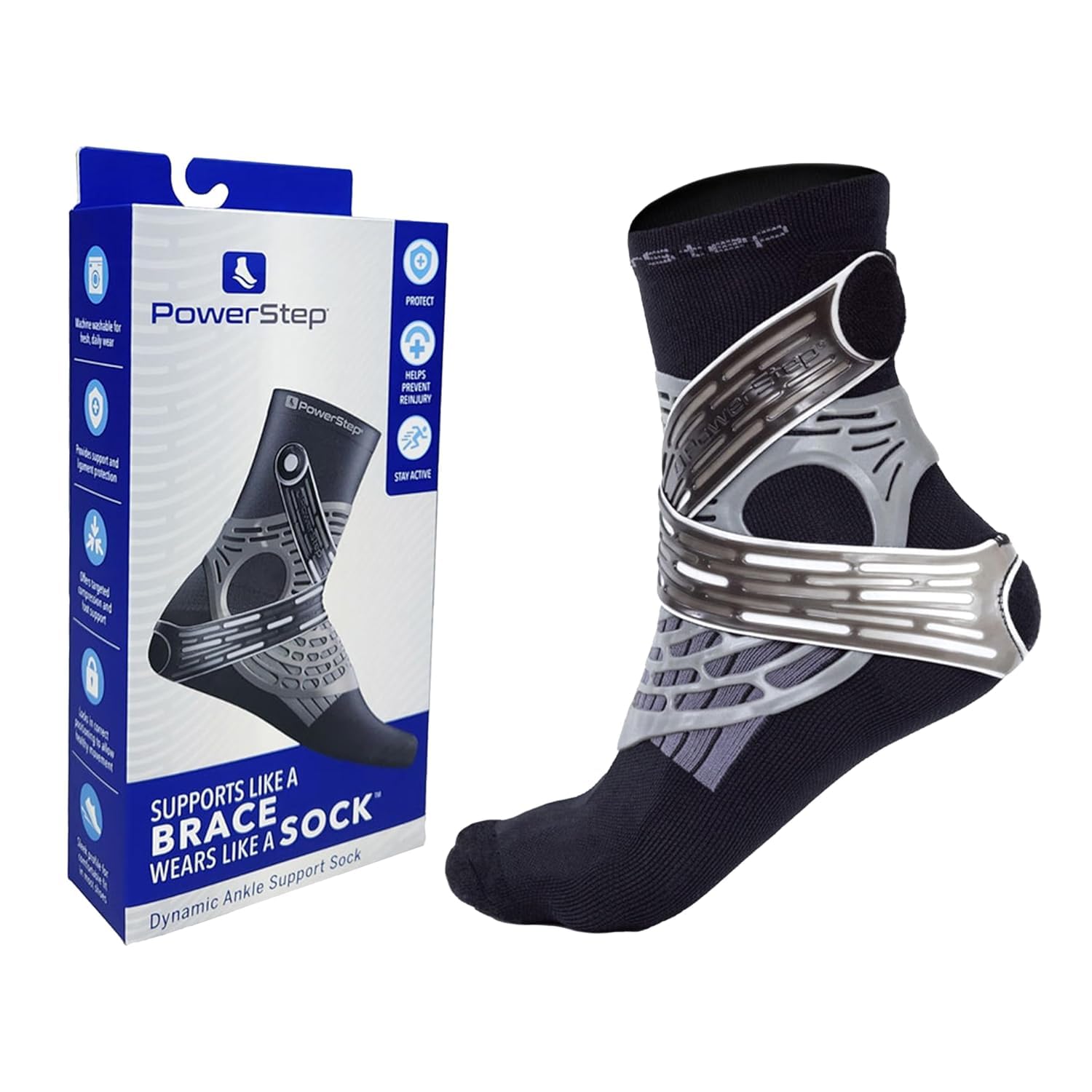
The PowerStep Dynamic Support Sock blurs the line between compression sock and brace. A soft stability cage and cross straps hug the foot, providing mild graduated compression that helps control swelling while the silicone cage resists basic rotational movement. It is the most discreet option—worn like a normal sock under trousers or athletic wear.
Users recovering from mild sprains or needing low‑grade support during daily walking find it comfortable and easy to slip on. However, for a genuine high ankle sprain requiring firm syndesmosis control, this sock is better suited as a transitional support after the acute healing phase, or for very mild injuries that do not need rigid stabilisation.
Sizing is critical here: many customers advise going up at least one size because the compression fit runs small. If you have a narrow foot or are in the late stage of recovery and simply want to prevent re‑injury, this sock is a light, breathable companion. It is not a primary brace for an active syndesmosis sprain.
Why it’s great
- Wears like a sock, offering the most discreet profile
- Stability cage provides mild rotational resistance
- Compression helps control swelling and improve proprioception
Good to know
- Insufficient rigidity for acute high ankle sprains
- Runs small; order one size up for a comfortable fit
FAQ
How is a high ankle sprain brace different from a regular ankle brace?
Can I wear a syndesmosis brace inside regular shoes?
What size should I buy for a high ankle sprain brace?
Final Thoughts: The Verdict
For most users, the ankle brace for high ankle sprain winner is the Med Spec ASO Ankle Stabilizer because its figure‑8 straps provide direct syndesmosis compression and it is widely trusted by athletic trainers for active recovery. If you want the most discreet, shoe‑friendly support for early return to daily life, grab the Fitomo 1.5mm Ultra‑Thin. And for premium, all‑day compression with contoured massage pads, nothing beats the Bauerfeind MalleoTrain.