The jump from a traditional trainer to a carbon-plated shoe is a shift in physics. That rigid plate in the midsole acts as a lever, snapping the foot forward and reducing the energy lost at toe-off. For runners chasing a faster 5k or a more efficient marathon, this isn’t just gear — it’s a measurable mechanical advantage.
I’m Emma — the founder and writer behind Baby Bangs. I spent months cross-referencing stack heights, plate curvatures, foam compounds, and real-runner feedback to isolate the models that actually deliver on their propulsive promise.
Whether you want a super-shoe for race day or a daily trainer that still gives you that forward snap, the right pair changes your stride. This guide filters the noise to help you select from the best carbon plate running shoes available right now.
How To Choose The Best Carbon Plate Running Shoes
Not every carbon plate shoe feels the same. The foam stack height, the curvature of the plate, and the outsole rubber coverage all shape the ride. Picking the wrong spec leads to a shoe that feels stiff at slow paces or unstable on corners.
Plate Curvature and Rocker Geometry
Look at the shoe from the side. A plate with a pronounced rocker (curved from heel to toe) creates a strong forward roll. This is ideal for faster paces and racers. A flatter plate offers a more natural, stable ride that works better for daily training and heel-strikers. The Saucony Endorphin series uses one of the most aggressive rockers on the market.
Stack Height and Heel-Toe Drop
Super shoes often sit above the World Athletics legal limit of 40mm for road racing. A higher stack delivers more foam compression and energy return but raises the center of gravity, which can feel wobbly on uneven terrain. A lower or mid stack (under 36mm) gives more ground feel and stability. The Brooks Hyperion Elite 4 uses a maximum stack with nitrogen-infused foam for a cushioned, trampoline-like feel.
Foam Compound and Energy Return
The plate is the lever, but the foam is the spring. Pebax-based foams (like Saucony’s PWRRUN HG/PB or New Balance’s FuelCell) offer the highest energy return. EVA blends are heavier and less responsive but more durable. If you plan to race in the shoe, prioritize Pebax. If you’re using it for daily training, a durable mid-grade foam with a plate is a better trade-off.
Quick Comparison
On smaller screens, swipe sideways to see the full table.
| Model | Category | Best For | Key Spec | Amazon |
|---|---|---|---|---|
| New Balance FuelCell Supercomp Trainer V3 | Mid-Range | High-mileage training | 47mm stack / FuelCell foam | Amazon |
| ASICS Magic Speed 4 | Mid-Range | Speed workouts & budget racing | Full-length carbon plate | Amazon |
| Saucony Endorphin Pro 4 | Mid-Range | Race day & tempo runs | PWRRUN PB / aggressive rocker | Amazon |
| Brooks Hyperion 3 | Mid-Range | Neutral daily speed | Lightweight / springy ride | Amazon |
| New Balance FuelCell Rebel V5 | Mid-Range | Medium distance daily runs | Mid stack / pebax blend | Amazon |
| Saucony Endorphin Pro 4 (alt color) | Premium | Elite race shoe | PWRRUN HG / SPEEDROLL tech | Amazon |
| Saucony Endorphin Speed 5 (W) | Premium | Training & racing hybrid | Nylon plate / PWRRUN PB | Amazon |
| Brooks Hyperion Elite 4 | Premium | Marathon race day | DNA FLASH v2 / 40mm stack | Amazon |
| Brooks Hyperion Max 3 | Premium | Long run speed | EVA cushion / springy plate | Amazon |
In‑Depth Reviews
1. New Balance FuelCell Supercomp Trainer V3
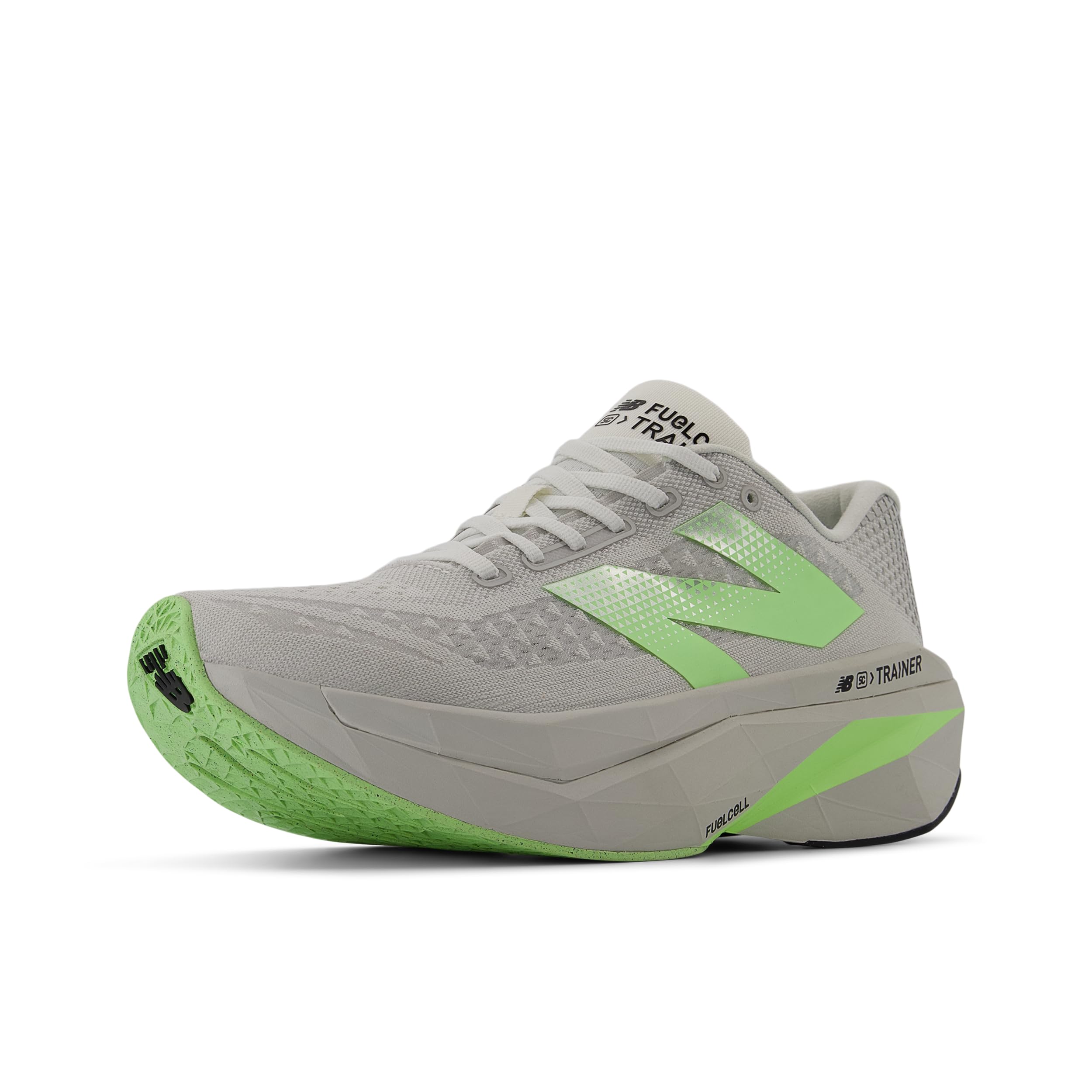
The Supercomp Trainer V3 uses a 47mm stack of FuelCell foam paired with an Energy Arc carbon plate — a combination that delivers massive cushioning without feeling like a boat. The high stack is surprisingly stable thanks to the wide base, and the rocker profile smooths out the transition for heel-strikers and midfoot runners alike.
At roughly 10.5 ounces, it’s not the lightest shoe on this list, but the weight pays off in durability. Multiple reviewers report strong performance on long runs and high-mileage days, with one noting it handled a 245-pound runner comfortably. The upper is breathable mesh with a roomy toe box that accommodates wide feet without needing a wide-specific size.
The only durability concern is a slight heel slippage reported by a few runners due to the slick interior lining. Lacing the top eyelet tightly resolves the issue. For runners who want a plush, daily-driver carbon shoe that doesn’t beat up the legs, this is the most versatile option.
Why it’s great
- Plush FuelCell foam with high energy return
- Stable at slow and fast paces
- Spacious toe box for wide feet
- Durable outsole for high mileage
Good to know
- Runs a half size long for narrow-footed runners
- Heel lining can cause some slippage
- Not the lightest option for racing
2. ASICS Magic Speed 4
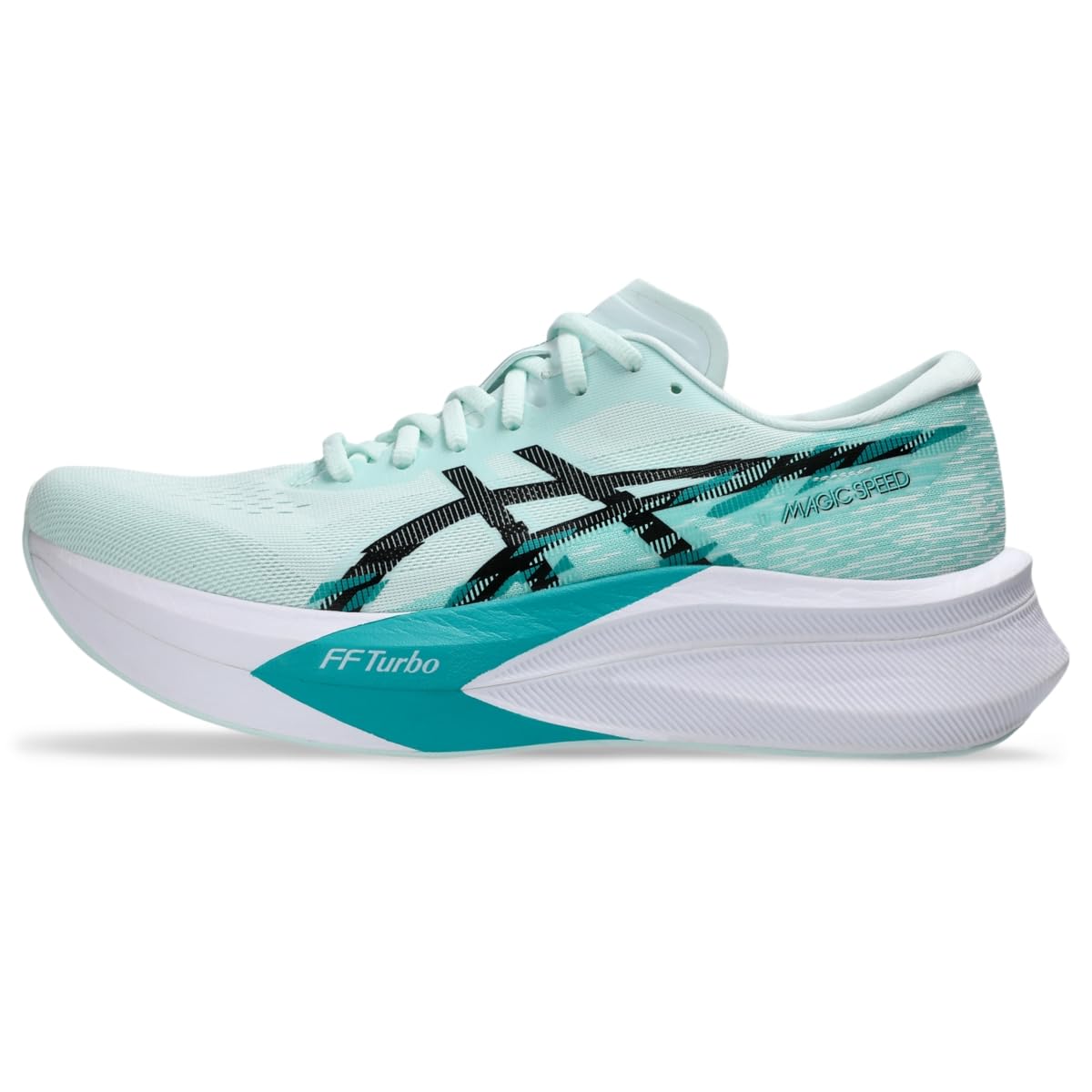
The Magic Speed 4 takes a no-frills approach to speed. ASICS uses a full-length carbon plate paired with a mid-stack foam compound that balances responsiveness with ground feel. It’s not as plush as the Supercomp Trainer, but that’s intentional — this shoe is designed for tempo runs and 5k to half-marathon racing.
Weighing in around 8.6 ounces, it feels light on the foot. The outsole rubber coverage is generous for the weight, which improves durability for runners who use it as a budget racer. One reviewer logged over 200 miles on their first pair and switched back to the Magic Speed 4 after the Superblast caused foot pain.
The upper material can feel baggy in the midfoot for some runners, especially those with narrow feet. It’s available in wide sizes, which helps. This shoe is best for runners who want a stiff, snappy feel for faster efforts without paying premium prices.
Why it’s great
- Snappy, rigid plate for speed workouts
- Lightweight at ~8.6 oz
- Good rubber coverage for durability
- Available in wide sizes
Good to know
- Upper material can feel baggy for narrow feet
- Firmer ride — less forgiving on easy days
- Not as bouncy as Pebax-foam shoes
3. Saucony Endorphin Pro 4
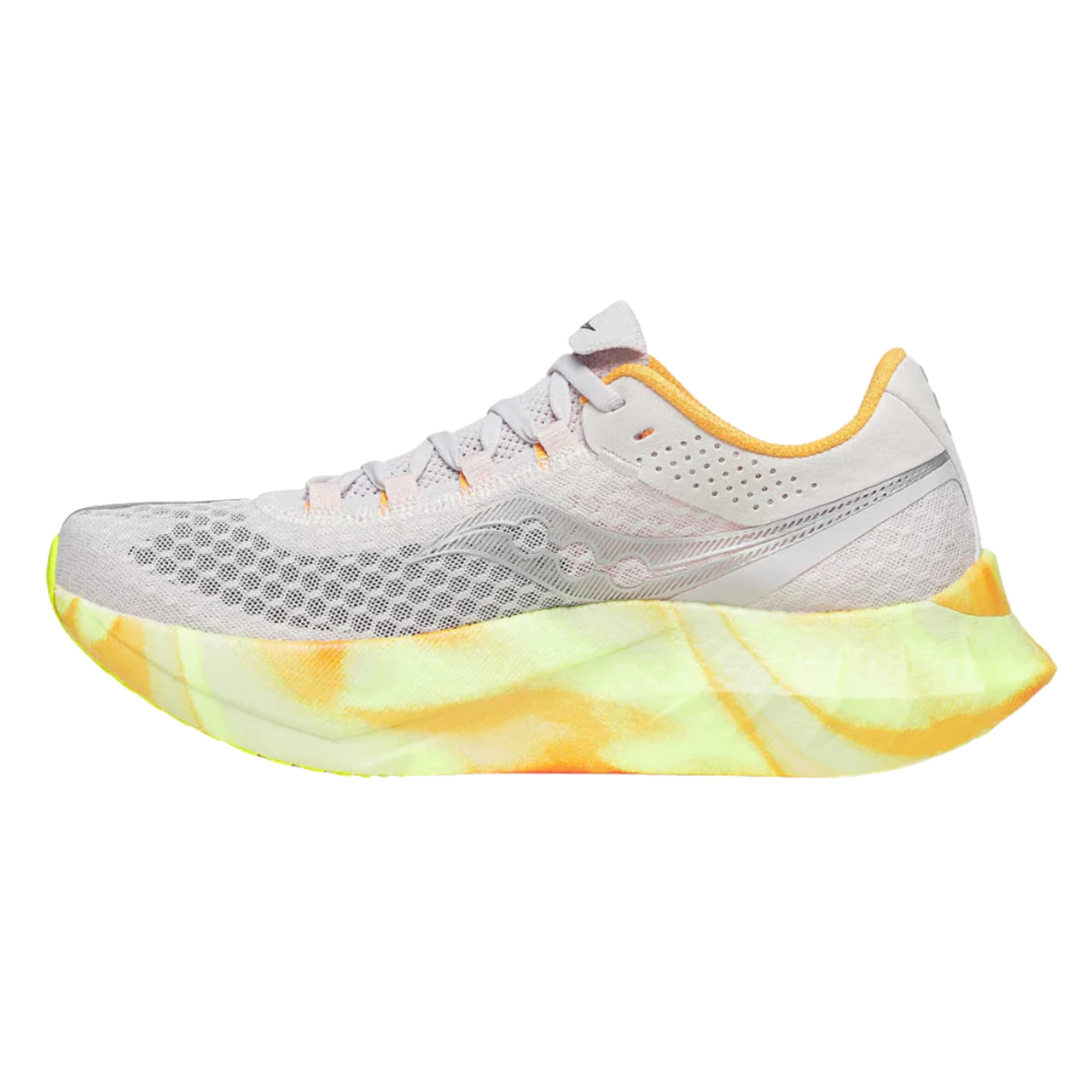
The Endorphin Pro 4 is all about efficiency. The SPEEDROLL rocker combined with a carbon plate and PWRRUN PB foam gives a forward-leaning feel that rewards a midfoot or forefoot strike. This is one of the most aggressive rocker profiles on the market — it wants you to go fast.
Testers note the shoe feels less bouncy than the Endorphin Elite but more durable, with one user getting up to 400 miles before noticeable wear. The fit is true-to-size and secure, with no heel slippage reported. The upper is lightweight and ventilated, which helps during warmer months.
A few users mention that the heel wing tip can erode or peel off after extended use. This doesn’t affect the ride but is a cosmetic issue. For runners who want a dedicated race shoe that also handles weekly tempo sessions, the Pro 4 is a solid choice.
Why it’s great
- Aggressive rocker for fast turnover
- Durable PWRRUN PB foam
- Lightweight and secure fit
- Great for tempo runs and racing
Good to know
- Heel wing tip can peel off over time
- Less forgiving at slower paces
- Not ideal for heel-strikers
4. Brooks Hyperion 3
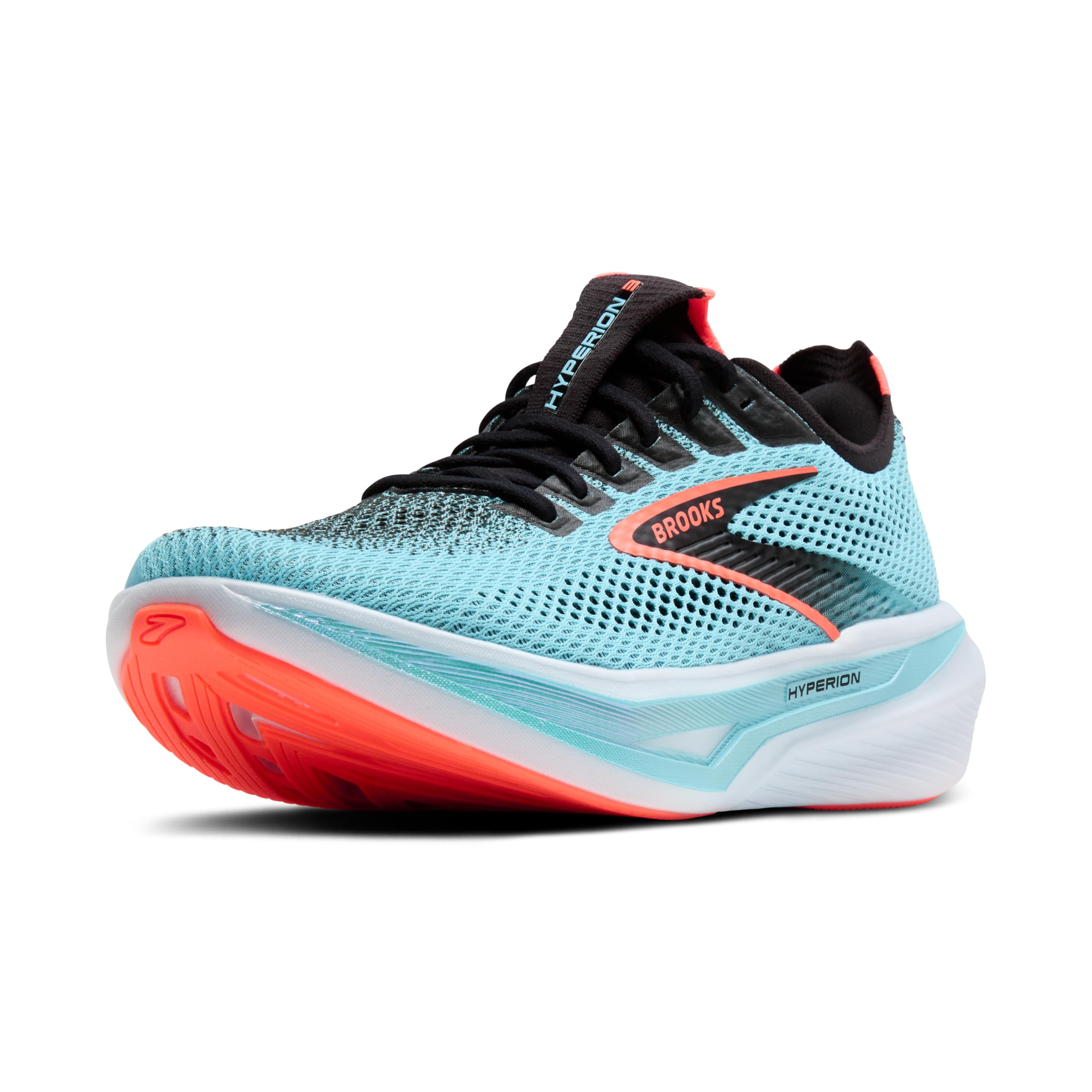
The Hyperion 3 is Brooks’ neutral speed shoe. It uses a nitrogen-infused DNA Flash foam combined with a propulsive plate to create a springy, responsive ride. It’s not as aggressive as the Endorphin Pro 4 — the rocker is more subtle — which makes it a better choice for runners who want speed without feeling locked into a high cadence.
Reviewers praise the comfort and support, with one calling it the best shoe they’ve ever had for bounce and forward propulsion. The shoe weighs about 7.9 ounces, making it one of the lighter options here. The fit is snug in the heel and midfoot, though the toe box can feel a bit narrow for some runners.
The main complaint is that the toe box is narrow for neutral-footed runners. A few users reported foot pain after long casual wear, suggesting the Hyperion 3 is best reserved for running, not all-day walking. It’s a great pick for runners who want a springy, light shoe for daily speed work.
Why it’s great
- Very light at ~7.9 oz
- Springy, responsive ride
- Supportive heel and midfoot fit
- Great for daily speed sessions
Good to know
- Toe box is narrow for some foot shapes
- Not comfortable for all-day wear
- Not as aggressive as dedicated racers
5. New Balance FuelCell Rebel V5
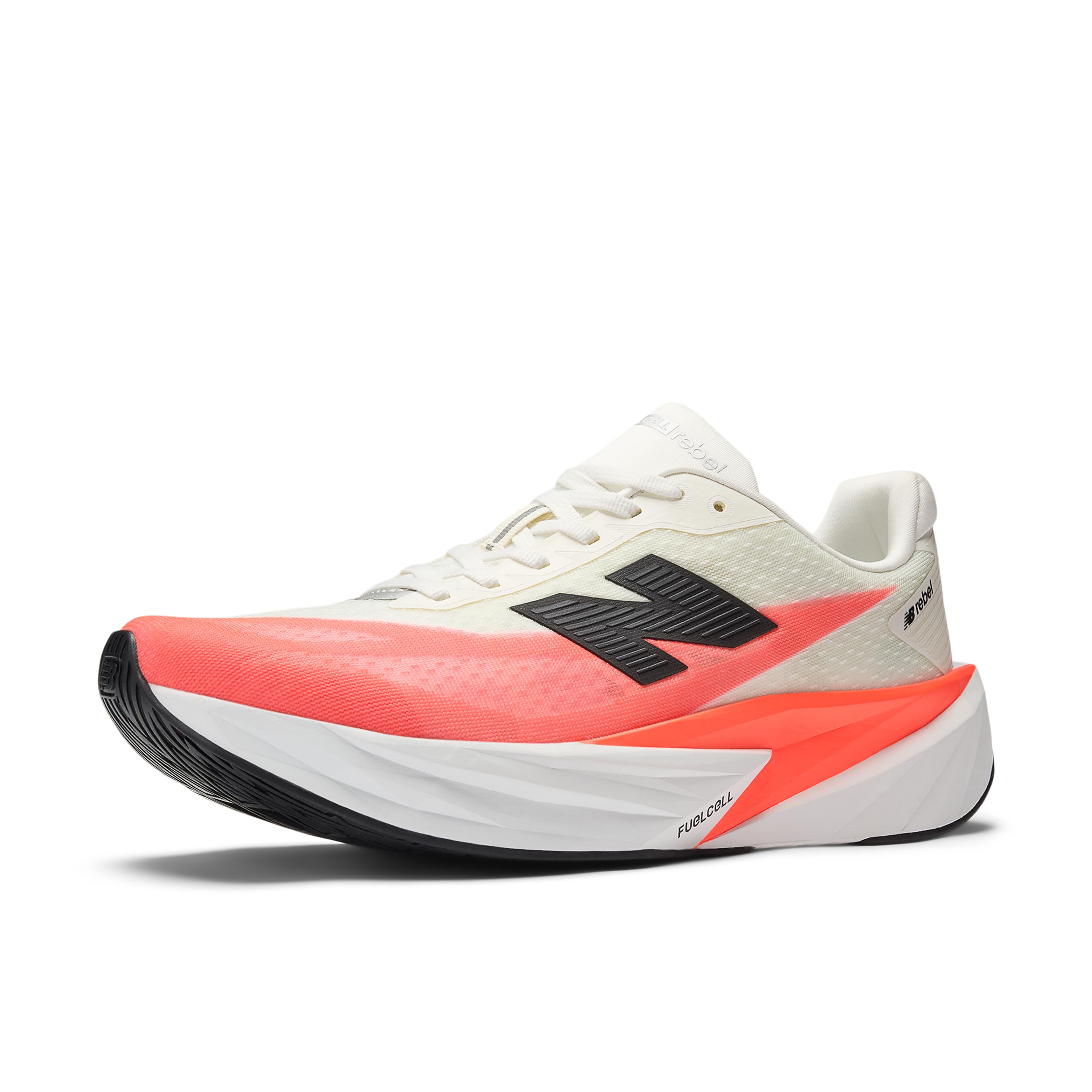
The Rebel V5 is New Balance’s mid-stack daily trainer that uses a pliable plate (not a rigid carbon one) embedded in FuelCell foam. It offers a softer, more forgiving ride than the Supercomp Trainer. The stack is lower at around 36mm, giving better ground feel and stability for medium-distance runs.
Multiple reviewers describe the shoe as lightweight and breathable, with a true-to-size fit that accommodates orthotics. One runner with back and hip issues reported the Rebel V5 eliminated pain after running. The foam leans toward shock absorption rather than aggressive energy return, which makes it a comfortable choice for easy and recovery days.
Durability is the main question mark — some runners note the outsole foam shows wear faster than the Supercomp. The snug tongue also requires a longer break-in period. This shoe is best for runners who want a daily trainer that’s light and cushioned without a stiff plate.
Why it’s great
- Soft, forgiving ride for easy days
- Lightweight and breathable upper
- True to size with orthotic support
- Great for back and hip comfort
Good to know
- Durability may be lower than competitors
- Snug tongue requires break-in
- Not as responsive as rigid carbon plates
6. Saucony Endorphin Pro 4 (Premium)
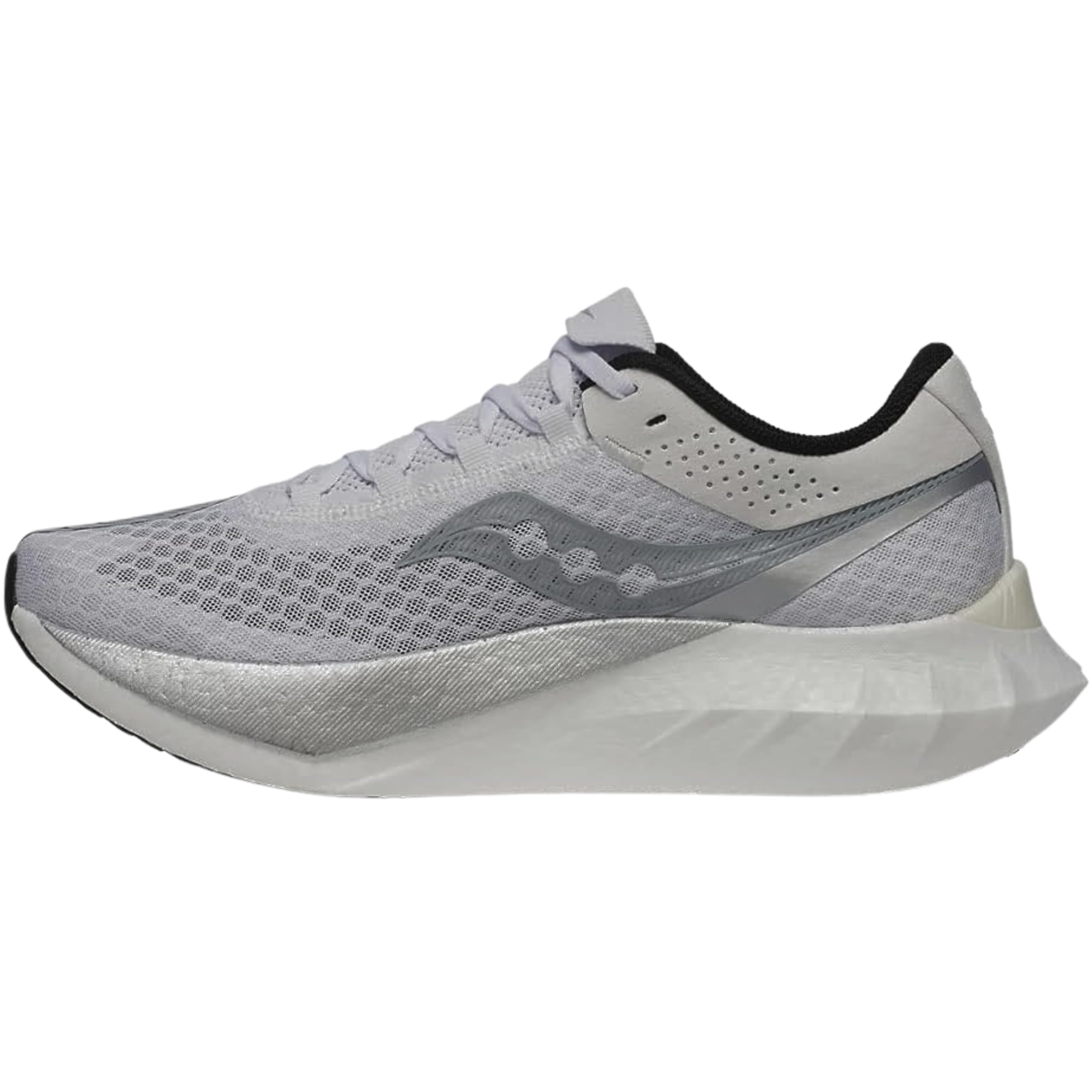
This is the same Endorphin Pro 4 platform but with PWRRUN HG (High Grade) foam — Saucony’s highest energy-return compound. The combination of the aggressive SPEEDROLL rocker and the HG foam makes this one of the most responsive shoes on the market. It’s designed for elite race performance, not casual training.
Testers note the ride is less bouncy than the Endorphin Elite but more stable and durable. The fit is true-to-size with a snug midfoot wrap. One runner reported over 400 miles on a previous version, calling it their go-to daily trainer racer. The outsole rubber extends to key wear zones, improving longevity.
The biggest drawback is the heel wing tip, which can erode over time. Some users also wish for more color options. If you’re looking for a premium race shoe that can handle weekly workouts without disintegrating, this is the strongest option here.
Why it’s great
- Premium PWRRUN HG foam for high energy return
- Stable and durable for a race shoe
- True-to-size fit with secure heel lock
- Can handle 400+ miles
Good to know
- Heel wing tip may peel
- Limited colorways
- Premium price point
7. Saucony Endorphin Speed 5 (W)
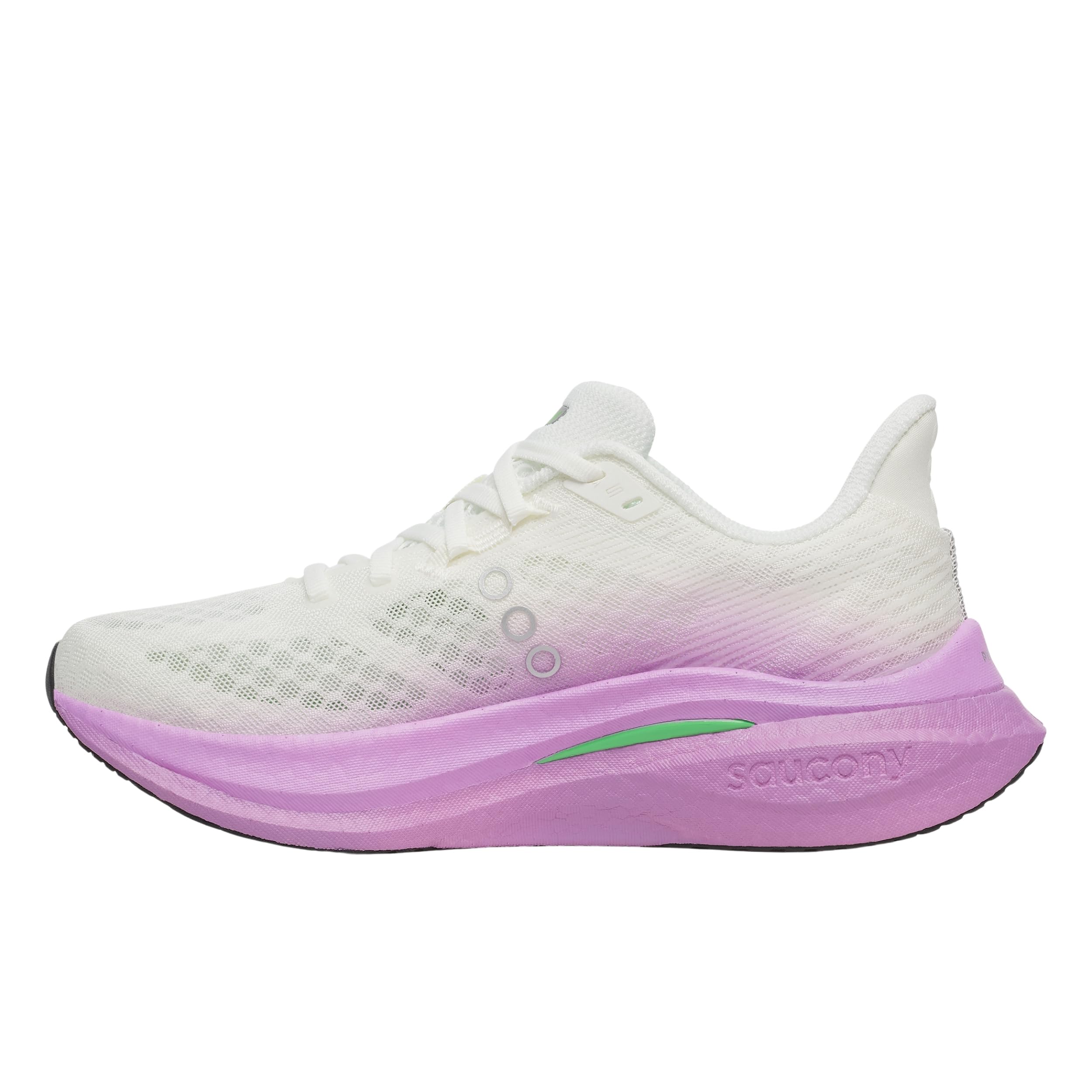
The Endorphin Speed 5 uses a nylon plate instead of carbon, but the PWRRUN PB foam and SPEEDROLL rocker make it feel nearly as responsive as the Pro 4. It’s significantly lighter than the Pro models, weighing around 7.5 ounces. Multiple users describe the ride as like “running on air.”
One reviewer is on their seventh pair of Endorphin Speeds, citing unmatched comfort and weight. The shoe fits true-to-size with a round toe that doesn’t pinch. It’s flexible enough for strength training and conditioning while still providing a fast feel on the road.
The nylon plate doesn’t offer the same snap as a carbon plate at very fast paces (sub-6:00/mile). For runners who want a lightweight daily trainer that doubles for race day without the stiffness of carbon, this is the best pick.
Why it’s great
- Extremely lightweight at ~7.5 oz
- Flexible and comfortable for daily wear
- Excellent PWRRUN PB foam energy return
- Great for training and racing
Good to know
- Nylon plate less stiff than carbon for top-end speed
- Not available in wide sizes for women
- Spring/summer seasonal design
8. Brooks Hyperion Elite 4

The Hyperion Elite 4 is built for one thing: marathon race day. It uses a massive stack of nitrogen-infused DNA FLASH v2 cushioning paired with a carbon plate. The result is a trampoline-like feel that reduces impact while propelling the foot forward. It’s unisex, fitting both men and women in the same design.
Reviewers rave about the comfort, with one calling it “like running on clouds without the Achilles pain.” Another heavy runner said the cushioning made their runs more enjoyable. The shoe is stable for its stack height, making it a strong choice for marathoners who want a forgiving ride over 26.2 miles.
The primary downside is the price — it’s the most expensive shoe here. The upper is also less breathable than some competitors. For dedicated marathoners and half-marathoners who want a max-cushion racer, the Hyperion Elite 4 is the best return on investment.
Why it’s great
- Maximum cushion with trampoline-like bounce
- Excellent for marathon distances
- Stable for a high-stack racer
- Unisex fit works for many foot shapes
Good to know
- Premium price point
- Upper is less ventilated than some rivals
- Best suited for race day, not daily training
9. Brooks Hyperion Max 3
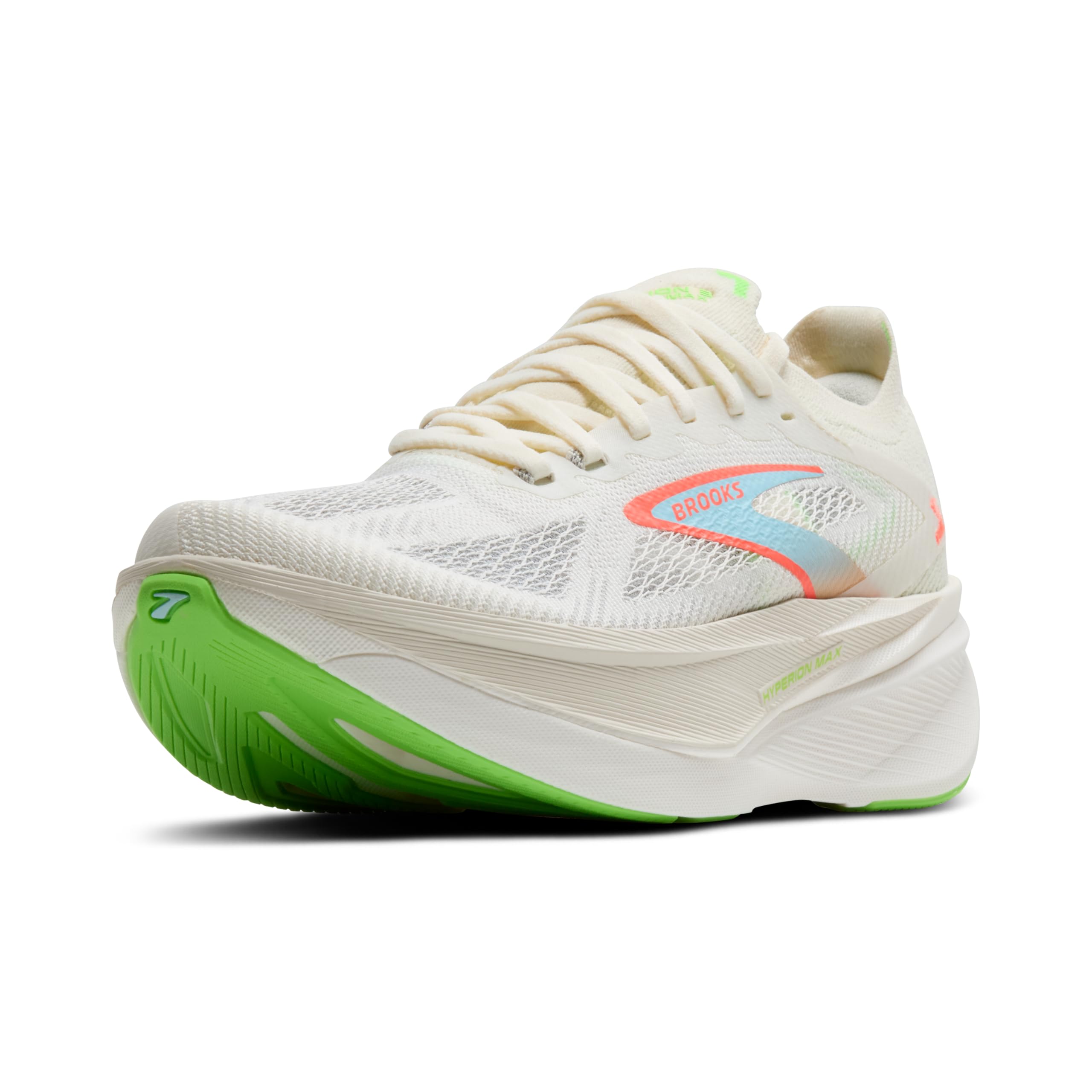
The Hyperion Max 3 is the more forgiving sibling to the Hyperion Elite 4. It uses a carbon plate embedded in an EVA-based foam, giving a springy ride that’s less aggressive than the Elite 4. It’s designed for long runs and easier efforts where you still want a propulsive feel without the stiffness of a full racer.
Reviewers describe it as “very fun and springy,” noting that it works the calves a bit harder due to the rocker profile. The fit is snug and secure, with a lightweight upper. One runner said the shoe is their favorite for outdoor running, praising the smooth, forgiving ride.
The upper is not as premium as the Elite 4, and some users miss the notched laces from the Max 2. The EVA foam is heavier and less responsive than Pebax, which limits its speed potential. This shoe is best for runners who want a daily trainer with a carbon plate that can handle longer distances at moderate paces.
Why it’s great
- Springy, forgiving ride for long runs
- Lightweight and secure fit
- Great for moderate-paced efforts
- Stable for a high-stack shoe
Good to know
- EVA foam is less responsive than Pebax
- Upper material not as premium as Elite 4
- Notched laces from Max 2 missing
FAQ
Will carbon plate shoes make me faster without changing my stride?
Can I wear carbon plate shoes for everyday training?
How long do carbon plate running shoes last?
Final Thoughts: The Verdict
For most users, the best carbon plate running shoes winner is the New Balance FuelCell Supercomp Trainer V3 because it delivers elite-level cushioning and stability for everyday training without sacrificing speed. If you want a dedicated race shoe for marathon day, grab the Brooks Hyperion Elite 4. And for runners who need a light, springy shoe for tempo runs and 5k to half-marathon races, nothing beats the Saucony Endorphin Pro 4.