Burn scars carry a texture and color that generic scar creams are not designed to handle. The deep pigmentation, raised tissue, and sensitivity require a formula that targets collagen remodeling and melanin dispersion simultaneously — not just surface hydration.
I’m Emma — the founder and writer behind Baby Bangs. I’ve spent over a decade analyzing topical formulations, comparing silicone concentrations, and tracking real-world user results across hundreds of burn scar recovery products.
After reviewing the market, these five formulas represent the most effective options for anyone searching for a reliable cream for burn scars that actually addresses both texture and discoloration over time.
How To Choose The Best Cream For Burn Scars
Burn scars are not like surgical or acne scars. The thermal damage often extends deeper into the dermis, causing thicker fibrous tissue and more stubborn pigmentation. A cream that works for a minor cut will not touch a second-degree burn scar. Prioritizing the right active ingredients and application timeline makes the difference between visible improvement and wasted money.
Silicone Content and Barrier Formation
Silicone is the only ingredient clinically proven to flatten and soften hypertrophic burn scars. It creates a semi-occlusive film that hydrates the stratum corneum, reduces collagen production in overactive fibroblasts, and protects the healing tissue from environmental irritation. Look for a cream that lists silicone or dimethicone early in the ingredient deck — this signals a high enough concentration to form a functional barrier.
Growth Factors vs. Basic Emollients
Standard moisturizers like cocoa butter or vitamin E alone lack the signaling proteins needed to instruct scar tissue to remodel. Premium burn scar creams incorporate selective growth factors, which bind to fibroblast receptors and promote organized collagen deposition rather than the chaotic bundles that cause raised scarring. This makes them far more effective for older or deeper burn scars.
Tackling Discoloration: Red, Brown, and White Scars
Burn scars often display erythema (redness), hyperpigmentation (brown), or hypopigmentation (white). Centella asiatica, vitamin C, and lactic acid address pigment imbalance while supporting barrier repair. A formula that only targets texture will leave you with a smooth scar that still stands out due to color mismatch.
Quick Comparison
On smaller screens, swipe sideways to see the full table.
| Model | Category | Best For | Key Spec | Amazon |
|---|---|---|---|---|
| Skinuva Scar Cream | Premium | Old burn scars under 1 inch | Growth Factor + Silicone | Amazon |
| SkinMedica Scar Recovery Gel | Premium | Post-surgical burn recovery | Centella Asiatica + Lactic Acid | Amazon |
| Rejuvaskin RejuvaSil | Mid-Range | Flattening raised burn tissue | Medical-Grade Silicone Gel | Amazon |
| Mederma Skin Care for Scars | Mid-Range | Everyday scar maintenance | Allium Cepa (Onion Extract) | Amazon |
| Bio-Oil Skincare Oil | Budget | Hydrating mild burn marks | Vitamin E + Chamomile Oil | Amazon |
In‑Depth Reviews
1. Skinuva Scar Cream for Face & Body
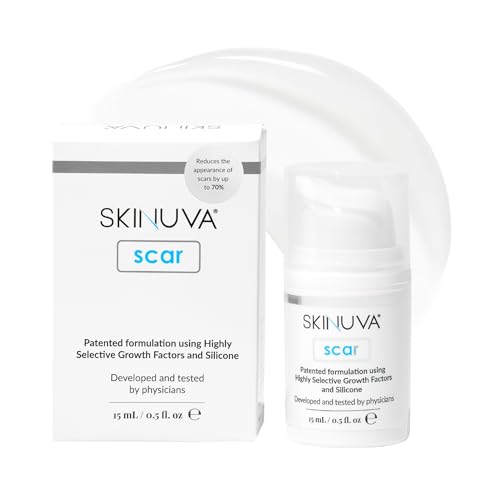
Skinuva is the only cream in this review formulated with selective growth factors — signaling proteins that tell your fibroblasts to deposit collagen in an organized, flat pattern rather than the chaotic bundles typical of burn scars. Developed by a board-certified plastic surgeon, it targets both texture and pigmentation in a single application. One user reported that a three-year-old shingles scar on the forehead almost completely disappeared after six months of consistent use.
The 0.5 oz tube is specifically sized for scars under one inch, making it ideal for localized burn marks from stovetop splatters, curling iron accidents, or small contact burns. The inclusion of hyaluronic acid and centella asiatica provides hydration while the silicone cream layer seals the treatment area. Users applying twice daily for three to six months saw the most dramatic flattening and color normalization.
This is a premium formulation that demands patience. Results are cumulative, not instant. The tube size is small, but the concentration of actives means you are applying less product per session than with a basic moisturizer. It is a targeted therapy for those willing to commit to the full treatment window.
Why it’s great
- Growth factor technology remodels old scar tissue rather than just hydrating it
- Physician-developed with specific burn scar protocols
- Non-greasy formula absorbs without residue under makeup or sunscreen
Good to know
- Small tube (0.5 oz) covers only scars under 1 inch
- Requires 3-6 months of twice-daily application for full effect
2. SkinMedica Scar Recovery Gel

SkinMedica Scar Recovery Gel is a staple in plastic surgery recovery protocols, frequently provided directly by surgeons for post-operative burn and incision care. Its active complex, Centelline, is built around Centella asiatica — a botanical proven to stimulate collagen synthesis and reduce erythema. Multiple reviewers noted its identical formulation to the gel they received from their surgeon’s office, confirming clinical-grade consistency.
The gel texture is lightweight and dries clear, making it suitable for daytime use on visible areas like the face, neck, and hands. The 2 oz bottle provides a generous amount for larger burn areas or for ongoing treatment across multiple scars. Lactic acid in the formulation gently exfoliates to address pigmentation irregularities without disrupting the healing barrier.
Some users begin application as early as one week post-wound closure, which aligns with the manufacturer’s guidance to avoid open wounds but start early in the remodeling phase. The unscented profile works well for sensitive skin that reacts to fragrances. One reviewer who tried cheaper alternatives with no success noted that SkinMeda reduced their surgical burn scar significantly where others failed.
Why it’s great
- Surgeon-recommended formulation used in post-op burn protocols
- Large 2 oz bottle covers extended burn surface area
- Dries clear for discreet application on exposed skin
Good to know
- Higher price point reflects clinical-grade concentration
- Results may plateau after 8-12 weeks of consistent use
3. Rejuvaskin RejuvaSil Silicone Scar Gel
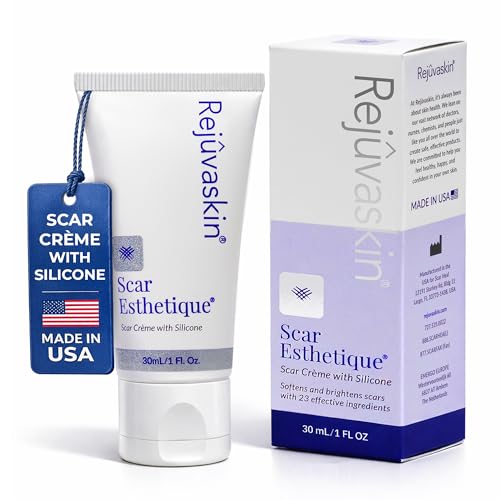
RejuvaSil delivers medical-grade silicone in a gel format that forms a semi-occlusive barrier ideal for flattening raised burn scars. Silicone is the clinically preferred first-line treatment for hypertrophic and keloid scars, and this formulation sticks to the skin without the peeling or tugging issues common with silicone sheets. Users with darker skin tones — who are more prone to keloid formation — reported that this gel prevented new burn marks from becoming raised and helped soften existing ones.
The 30ml tube is compact but concentrated. A thin layer is all that is needed; a single tube can last eight to ten weeks when applied twice daily. The gel is fragrance-free and works on both new and old scars. One user who applied it to a surgical knee scar five weeks post-op noted that neighbors commented on how well the leg had healed, attributing it to consistent RejuvaSil application.
For burn scars that are still healing or prone to thickening, this is the most direct approach without jumping to a premium growth factor product. It lacks the pigment-correcting ingredients of the higher-tier options, so pairing it with a brightening serum may be necessary if discoloration is your primary concern.
Why it’s great
- Medical-grade silicone targets raised burn tissue directly
- Fragrance-free and safe for sensitive, oily, and combination skin
- Long-lasting tube with a thin application layer
Good to know
- Does not contain pigment-lightening actives for brown or red scars
- Larger burn areas may require more than one tube per treatment course
4. Mederma Skin Care for Scars

Mederma is the most widely recognized scar cream on pharmacy shelves, and it holds the distinction of being the number one doctor- and pharmacist-recommended product for scars. Its active ingredient, allium cepa (onion extract), has been studied for its ability to reduce scar redness and improve pliability. For burn scars that are not severely raised, Mederra offers a gentle daily maintenance option that keeps the tissue soft and less visible.
The 1.76 oz tube is a solid mid-range value. Users with C-section burns and hip stretch marks reported measurable fading over several weeks. One reviewer noted that a thick red scar under a child’s eye completely disappeared with consistent use, suggesting that Mederra can handle delicate burn areas on the face. The cream is thicker than gel formats, so it needs a few minutes to absorb fully before layering sunscreen or makeup.
The trade-off is speed. Mederma requires consistent twice-daily application over three to six months to see significant changes. It is not a fast-acting silicone barrier, and its formulation is less occlusive than pure silicone gels. For burn scars that are primarily pigmentation issues with minimal texture, this is a reliable entry point.
Why it’s great
- Most recommended scar cream by doctors and pharmacists
- Effective on both old burn scars and new ones
- Easily accessible at most drugstores and online
Good to know
- Thicker texture takes longer to absorb compared to silicone gels
- Results appear gradually over several months of daily use
5. Bio-Oil Skincare Body Oil Serum

Bio-Oil is a lightweight, non-greasy oil that absorbs quickly into the skin and provides deep hydration — a foundational step for any burn scar recovery routine. It contains vitamin E, chamomile, and lavender oil, which calm irritated skin and support moisture retention. For mild burn marks that are still in the early healing phase, this oil keeps the tissue supple and prevents dryness that could worsen scar visibility.
Users with PCOS-related skin conditions and post-surgical scars reported that consistent use over several weeks helped fade old marks and kept new wounds healing smoothly. The oil is non-comedogenic, meaning it will not clog pores around the burn area, which is important for facial burns. The subtle lavender scent is calming rather than overpowering.
Bio-Oil is not a heavy-duty treatment for raised or hyperpigmented burn scars. It lacks silicone, growth factors, and pigment-correcting actives. What it offers is accessible, daily hydration that supports the skin’s natural repair process. It works best as a complementary product — apply it in the morning and layer a silicone gel at night for a complete protocol.
Why it’s great
- Non-greasy oil absorbs quickly without pore-clogging
- Hydrates skin to reduce scar stiffness and discomfort
- Budget-friendly option for daily maintenance
Good to know
- No silicone barrier to flatten raised burn tissue
- Best used alongside silicone-based creams for deeper scars
FAQ
How soon after a burn should I start applying scar cream?
Can a cream help a burn scar that is several years old?
What ingredient is most important for a raised burn scar?
Should I use a cream or a silicone sheet for burn scars?
Final Thoughts: The Verdict
For most users, the cream for burn scars winner is the Skinuva Scar Cream because its growth factor technology targets old, pigmented burn tissue that basic silicones cannot touch. If you want a surgeon-backed formula for large burn areas, grab the SkinMedica Scar Recovery Gel. And for flattening raised burn scars on a mid-range budget, nothing beats the Rejuvaskin RejuvaSil silicone gel.