The search for a baby formula often feels like decoding a secret language, especially when your little one shows signs of discomfort after a feed. For parents navigating this terrain, the difference often comes down to the specific proteins in the milk, with many discovering that standard A1 beta-casein is the hidden culprit behind gas, fussiness, and digestive upset.
I’m Emma — the founder and writer behind Baby Bangs. I’ve spent thousands of hours analyzing the nutritional profiles, sourcing standards, and ingredient transparency of the infant formula market to find what actually works for developing bellies.
This guide breaks down the top contenders available now, focusing on formulations that prioritize gentle digestion and complete nutrition. Find your best a2 formula for a calmer, happier feeding experience.
How To Choose The Best A2 Formula
Choosing an A2 formula is about more than just the protein type. You are evaluating a complete nutritional system for your infant. Here are the critical factors to weigh before you buy.
Protein Source and Grade
The core of any A2 formula is the milk from cows genetically selected to produce only the A2 beta-casein protein. This milk source is then processed. Look for brands that specify their cows are grass-fed or pasture-raised, as this can influence the quality of the milk fat and the overall fatty acid profile. Organic certification is the gold standard here because it ensures the cows were not treated with growth hormones or antibiotics.
Fat Blend and Absence of Palm Oil
The fat source is crucial for brain development and, paradoxically, for digestion. Some fat blends use palm olein oil, which can bind with calcium in the infant’s gut, leading to harder stools and reduced calcium absorption. Premium A2 formulas often use a proprietary blend of organic oils (coconut, soy, sunflower, or safflower) and A2 whole milk to mimic the fat composition of breast milk, which supports softer stools.
Added Prebiotics and Probiotics
A formula with an A2 protein base is already gentle, but the addition of specific HMOs (Human Milk Oligosaccharides) like 2′-FL or LNnT can take digestive and immune support a step further. These prebiotics feed the beneficial bacteria in the baby’s gut. Some organic A2 formulas also include a patented probiotic strain (like B. lactis) that has been clinically shown to reduce fussiness and support a healthy gut microbiome.
Quick Comparison
On smaller screens, swipe sideways to see the full table.
| Model | Category | Best For | Key Spec | Amazon |
|---|---|---|---|---|
| Happy Baby Organics A2 | Premium | Gentle digestion + organic purity | USDA & EU Organic, Probiotics + Prebiotics | Amazon |
| Baby’s Only A2 Organic | Mid-Range | Clean label A2 with organic fat blend | Made in USA, No Palm Oil, No Corn Syrup | Amazon |
| Mama Bear Sensitivity | Value | Low-lactose for sensitive tummies | 99% Less Lactose, Dual HMOs | Amazon |
| Mama Bear Gentle | Mid-Range | Reduced fussiness & crying | Partially Hydrolyzed Whey, 2′-FL HMO | Amazon |
| Haven Oat Toddler | Plant-Based | Dairy-free, plant-based nutrition | Oat Protein, DHA from Algae, Probiotics | Amazon |
| Similac Go & Grow Sensitive | Mid-Range | Toddlers with lactose sensitivity | 5 HMOs, No Artificial Growth Hormones | Amazon |
| Enfamil A.R. | Specialty | Frequent spit-up & reflux reduction | Added Rice Starch, Probiotics | Amazon |
In‑Depth Reviews
1. Happy Baby Organics Stage 1 A2 Infant Formula

Happy Baby Organics earns the top spot because it marries the gentleness of A2 protein with a patented, clinically studied probiotic and prebiotic blend. The formula is designed to support a gut bacteria profile closer to that of breastfed infants, which is a significant advantage for digestive and immune development during the first year. It’s also the only USDA and EU certified organic option in this lineup, sourced from European farms known for strict animal welfare and agricultural standards.
The fat blend is expertly designed to avoid palm olein oil, using organic oils that promote softer, more regular stools—a key marker of digestive health in formula-fed babies. With DHA at levels found in breast milk, Happy Baby focuses on brain and eye development without relying on synthetic fortifiers. The dry powder mixes effortlessly with no clumping, and parents report it tastes less sweet than dairy-based competitors, making it an easy transition from breastfeeding.
While the 22.9-ounce can is smaller than standard bulk containers, the nutritional density and sourcing justify the premium positioning. The delivery method matters here—purchasing direct from the manufacturer’s auto-ship program avoids the occasional product substitution issues reported with Amazon subscription, ensuring you never run out of this specialized formula.
Why it’s great
- Clinically proven probiotic blend for gut health.
- Dual USDA & EU organic certification ensures premium sourcing.
- Palm-oil free formula supports softer stools.
- Excellent transition from breast milk due to taste profile.
Good to know
- Smaller can size compared to budget options.
- Best bought directly from manufacturer to avoid subscription issues.
- Premium pricing places it at the higher end of the category.
2. Baby’s Only A2 Organic Milk Infant Formula

Baby’s Only positions itself as a transparent, clean-label option for parents who want an A2 formula without the premium price tag. It forgoes corn syrup and palm oil, two common ingredients in cheaper formulas that can disrupt blood sugar balance and cause calcium malabsorption. The proprietary fat blend uses organic oils and A2 milk, creating a fatty acid profile that mimics the natural composition of whole milk.
Manufactured in small batches at a dedicated facility in Ohio, this formula undergoes rigorous third-party testing for purity. Parents report that their infants—including those transitioning from breast milk—tolerate it well with no increase in gas or irregular bowel movements. The simple ingredient list, with no artificial growth hormones or sweeteners, makes it a safe choice for newborns.
One frequent frustration is stock availability; this formula is often out of stock on Amazon and in stores. When in stock, the 21-ounce can is competitively priced for an organic A2 product, offering strong value. If you find it, buy a few cans at a time, as the price is hard to beat for the ingredient quality you are getting.
Why it’s great
- Clean ingredient list: no corn syrup, palm oil, or GMOs.
- Competitive pricing for a USDA organic A2 formula.
- Made in USA in small, tested batches.
- Excellent for transitioning from breast milk to bottle.
Good to know
- Frequently out of stock and can be hard to find.
- Does not contain added probiotics or prebiotics.
- Smaller 21 oz can size may require more frequent purchasing.
3. Mama Bear Sensitivity Premium Infant Formula
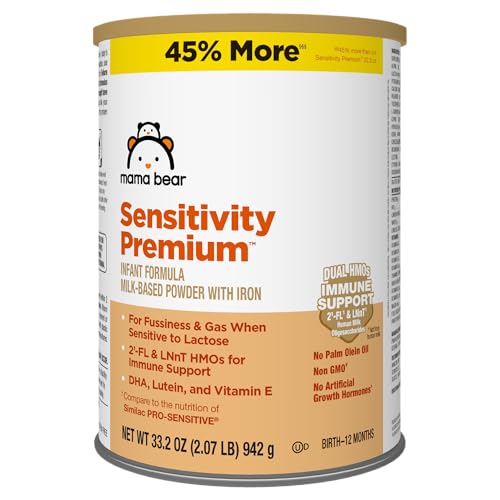
Mama Bear Sensitivity is the budget-friendly heavyweight for addressing lactose sensitivity without sacrificing modern nutrition. By reducing lactose by 99% compared to standard formulas, it directly targets the fussiness and gas that plague babies with lactose malabsorption. The inclusion of dual HMOs (2′-FL and LNnT) puts it on par with premium brands in terms of immune support, feeding the beneficial bacteria in the gut.
Priced far below competitors like Similac Pro-Sensitive, this Amazon brand formula undergoes the same FDA quality standards as the national leaders. It contains DHA, lutein, and vitamin E for brain and eye development, and it excludes palm olein oil to avoid calcium loss. The large 33.2-ounce can provides excellent value, and its SNAP eligibility makes it an accessible choice for families on a budget.
Some users note that while it solves digestive upset, it can contribute to stronger-smelling breath due to the reduced lactose. For families where dairy is suspected but not the sole issue, this is a cost-effective trial before committing to a more expensive A2 or hypoallergenic formulation. The consistent quality makes it a reliable staple that is always in stock.
Why it’s great
- Extremely budget friendly for a dual-HMO formula.
- 99% lactose reduction targets the root cause of gas and fussiness.
- Large 33.2 oz can reduces per-feeding cost.
- Contains DHA and lutein for brain and eye health.
Good to know
- Some reports of bad breath from reduced lactose formula.
- Not an A2 protein formula; uses standard A1 milk protein.
- Lacks the organic certification of premium options.
4. Mama Bear Gentle Premium Baby Formula

Mama Bear Gentle is engineered specifically for the “unhappy baby” trifecta of fussiness, gas, and crying. It uses partially hydrolyzed whey protein, which breaks down the proteins into smaller, easier-to-digest peptides. Combined with a reduced lactose formulation (80% less than standard), this formula aims to calm the digestive tract quickly, making it a direct competitor to Enfamil Gentlease at a fraction of the price.
The inclusion of 2’-FL HMO, vitamin C, vitamin E, and selenium forms the “Gentle Immune Blend 6,” offering a robust immune support package typically found in premium brands. The large 33.2-ounce can features a well-designed internal scoop holder, a detail that parents appreciate for hygiene and convenience. Mixing is smooth, with little to no clumping, even when shaking by hand.
While effective, this is not an A2 protein formula. It relies on reducing the lactose and pre-digesting the protein rather than changing the protein source. For babies who tolerate standard milk protein but struggle with volume or digestion speed, this is an excellent mid-range choice. The savings over Enfamil are substantial, and the quality holds up to rigorous family testing.
Why it’s great
- Significantly cheaper than Enfamil Gentlease with comparable formula.
- Partially hydrolyzed proteins are easier to digest than standard whey.
- Large can size and convenient scoop holder design.
- No clumping issues during mixing.
Good to know
- Not an A2 protein formula; uses standard A1 milk protein.
- Reduced lactose may still cause issues for truly lactose-intolerant babies.
- Lacks organic ingredient certification.
5. Haven Oat Toddler Formula
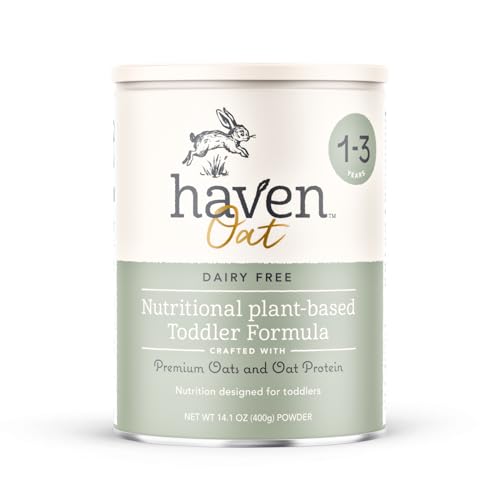
Haven Oat Formula represents a specialized category: a completely dairy-free, plant-based option that uses oat protein. This is the go-to choice for families committed to a vegan diet or for toddlers with a confirmed dairy allergy who cannot tolerate any milk protein, A2 or otherwise. The base is USA-grown oat powder fortified with Scandinavian oat protein, delivering a gentle, hypoallergenic protein source.
The formula includes prebiotics and probiotics for digestive balance, DHA derived from marine algae (sustainable and vegan), and lutein for eye health—all without palm oil, soy oil, or fish oil. It is designed for toddlers aged 1-3 years, meaning it is not a complete sole-source nutrition for infants under 12 months. Parents appreciate the clean ingredient list and the fact that it actually tastes good—a rarity among plant-based milk alternatives.
The primary drawback is the small can size (14.1 oz), which does not last long given toddler serving sizes, and the slightly denser texture that requires a vigorous 15-second shake. It is also a niche product, so availability is limited. For the right family—one avoiding dairy entirely—this is the most thoughtful plant-based option on the market.
Why it’s great
- 100% dairy-free and plant-based for vegan families or allergies.
- Contains probiotics, prebiotics, and algae-derived DHA.
- No palm oil, soy oil, or artificial ingredients.
- Pleasant taste compared to other plant-based formulas.
Good to know
- Designed for toddlers (1-3 years), not for infant sole nutrition.
- Small 14.1 oz can requires frequent repurchasing.
- Denser texture requires longer shaking time.
6. Similac Go & Grow 360 Total Care Sensitive

Similac Go & Grow Sensitive targets the unique needs of toddlers over 12 months who are transitioning from infant formula to a nutritional drink. The formula is built around a 5-HMO blend—the most comprehensive prebiotic profile on this list—aimed at supporting a mature immune system that is still developing. It is designed for toddlers who show signs of lactose sensitivity, reducing gas and stomach upset without sacrificing essential nutrients.
The milk is sourced from cows not treated with artificial growth hormones, and the formula contains no palm olein oil. It includes DHA for continued brain development and lutein for eye health. Toddlers tend to accept the taste readily, and parents report it helps manage picky eating phases by providing a nutritional safety net. The 23.3-ounce can is a reasonable size for an older child who is also eating solid foods.
This is not a sole-source nutrition product; it is a meal supplement. It also contains standard A1 milk proteins, so it’s not ideal for toddlers with a confirmed A1 sensitivity. For the vast majority of toddlers with lactose sensitivity, however, it provides the most advanced prebiotic support available in a mainstream brand.
Why it’s great
- Unique 5-HMO blend for advanced immune support.
- Specifically formulated for toddlers with lactose sensitivity.
- No artificial growth hormones or palm olein oil.
- Good taste helps with picky toddler transitions.
Good to know
- Not a sole-source infant formula; for toddlers only.
- Uses standard A1 milk protein, not A2.
- May not be as cost-effective as mixing with whole milk.
7. Enfamil A.R. Infant Formula
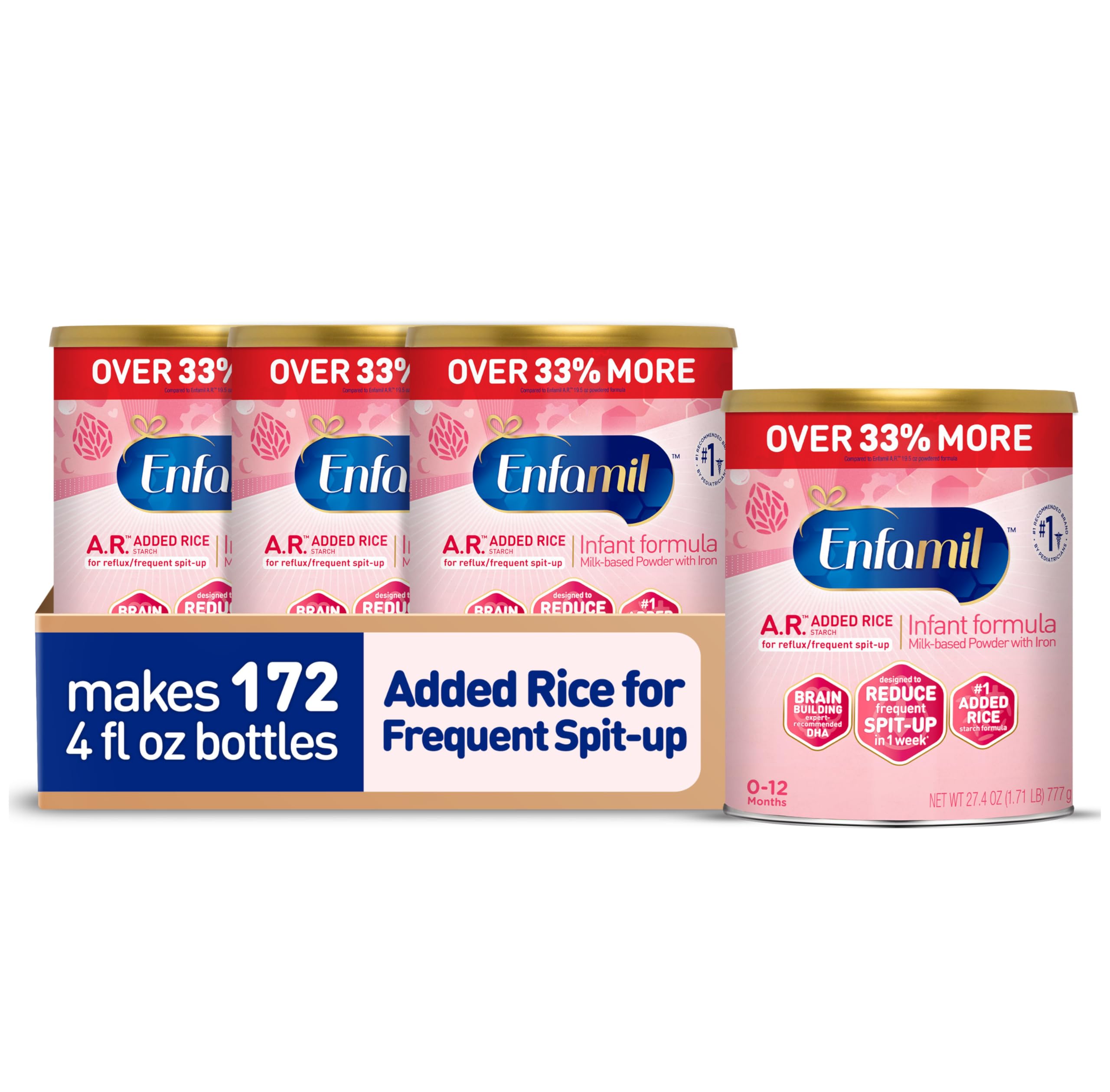
Enfamil A.R. is the specialist of the lineup, clinically proven to reduce frequent spit-up by over 50% in one week. The mechanism is straightforward: the addition of rice starch thickens the formula in the baby’s stomach, making it harder for the contents to reflux back up the esophagus. This follows the American Academy of Pediatrics’ guidelines for managing common reflux in infants, offering a drug-free solution to a messy and uncomfortable problem.
Beyond the anti-reflux feature, the formula includes DHA for brain and eye development and a dual prebiotic blend for digestive and immune health. This pack is a 4-can bulk package (27.4 oz each), which is specifically designed for parents who have found a solution and want to stock up. The formula is SNAP eligible, making this medical-grade solution more accessible despite its higher price bracket.
The main caveat is that it is not an A2 formula—it relies on standard milk protein and the thickening agent. The rice starch can cause slightly firmer stools, so adequate hydration is important. This formula should only be used after consulting with a pediatrician to rule out more serious GI issues. It is a targeted tool, not a general all-day formula.
Why it’s great
- Clinically proven to reduce spit-up by over 50%.
- Pediatrician-recommended for managing common reflux.
- Bulk pack offers better value per ounce for long-term use.
- Includes probiotics and DHA despite its specialty focus.
Good to know
- Not an A2 formula; uses standard A1 milk protein.
- Rice starch may cause firmer stools in some infants.
- Premium pricing for a specialized need.
FAQ
Is A2 formula suitable for babies with a cow’s milk allergy?
Can I switch directly from a standard A1 formula to an A2 formula?
Do I need an organic A2 formula, or is non-organic fine?
Final Thoughts: The Verdict
For most users, the best a2 formula winner is the Happy Baby Organics A2 because it combines the gentle A2 protein with a clinically proven probiotic and prebiotic system for optimal digestive health. If you want a strict USDA organic A2 formula without extra additives, grab the Baby’s Only A2 Organic. And for a budget-friendly way to address lactose sensitivity, nothing beats the value of Mama Bear Sensitivity.