Back pain often starts at your feet. Every step sends a shockwave up your kinetic chain, and if your boots lack the proper arch support or cushioning, your lower back pays the price. The right pair of boots doesn’t just keep your feet warm — it actively aligns your posture and absorbs impact to keep your spine happy.
I’m Emma — the founder and writer behind Baby Bangs. I’ve spent years analyzing the biomechanics of footwear, specifically how heel-to-toe drop, midsole density, and arch contouring affect lower back strain across hundreds of boot models.
To find the best boots for back pain, I focused only on models with proven support systems, orthopedic designs, and verified customer feedback from real users. My goal was simple: find the boots for back pain that actually deliver measurable relief, not just marketing claims.
How To Choose The Best Boots For Back Pain
Choosing a boot for back pain is different from choosing a fashionable boot. You need to prioritize structural support, cushioning consistency, and fit adjustability over style. Here are the three critical specs to evaluate before buying.
Arch Support and Removable Insoles
The insole is your primary defense against back pain. A boot with a deep heel cup and pronounced arch contour prevents overpronation, which twists your tibia and pulls your pelvis out of alignment. Look for boots with removable insoles so you can swap in custom orthotics if needed. Orthofeet and Vionic are standouts here — their insoles are biomechanically graded for support.
Midsole Cushioning and Heel-Toe Drop
The midsole material dictates how much shock your spine absorbs. EVA foam and polyurethane are common, but density varies widely. A higher density foam (40+ Asker C) offers better support for heavy standing and walking, while lower density foam feels plush but bottoms out over time. Aim for a heel-to-toe drop between 10mm and 15mm — this maintains a natural walking gait that reduces lumbar stress.
Fit and Stability Features
A loose boot forces your foot to work harder to stabilize, which fatigues your back muscles. Look for boots with a secure heel lockdown, a wide toe box to avoid jamming your toes, and a firm heel counter. Side zippers help maintain a consistent fit without over-tightening laces. A low, stable wedge heel (under 2 inches) keeps your pelvis neutral and prevents the forward lean that aggravates lower back pain.
Quick Comparison
On smaller screens, swipe sideways to see the full table.
| Model | Category | Best For | Key Spec | Amazon |
|---|---|---|---|---|
| Orthofeet Women’s Siena | Premium | Plantar fasciitis & back pain | Removable orthotic insole | Amazon |
| Vionic Aria Booties | Premium | Daily wear & long shifts | Biomechanical arch support | Amazon |
| Gravity Defyer G-DEFY Sierra | Premium | Hiking & standing all day | VersoShock absorber | Amazon |
| Orthofeet Men’s Ryder | Premium | Neuropathy & wide feet | Dual-zip orthopedic leather | Amazon |
| Naturalizer SOUL Adrian | Mid-Range | Fashionable all-day comfort | Stretch calf fit | Amazon |
| Women’s Orthopedic Wide Snow Boots | Mid-Range | Cold weather & post-surgery | Fleece-lined orthotic | Amazon |
| Propet Waverly | Mid-Range | Custom orthotics & very wide feet | XXW width available | Amazon |
| LifeStride Guest Comfort Bootie | Value | Post-foot surgery relief | Ultra-lightweight wedge sole | Amazon |
| BZees Get Going Boot | Value | Budget-friendly arch support | Washable insole with arch | Amazon |
In‑Depth Reviews
1. Orthofeet Women’s Orthopedic Siena Boot
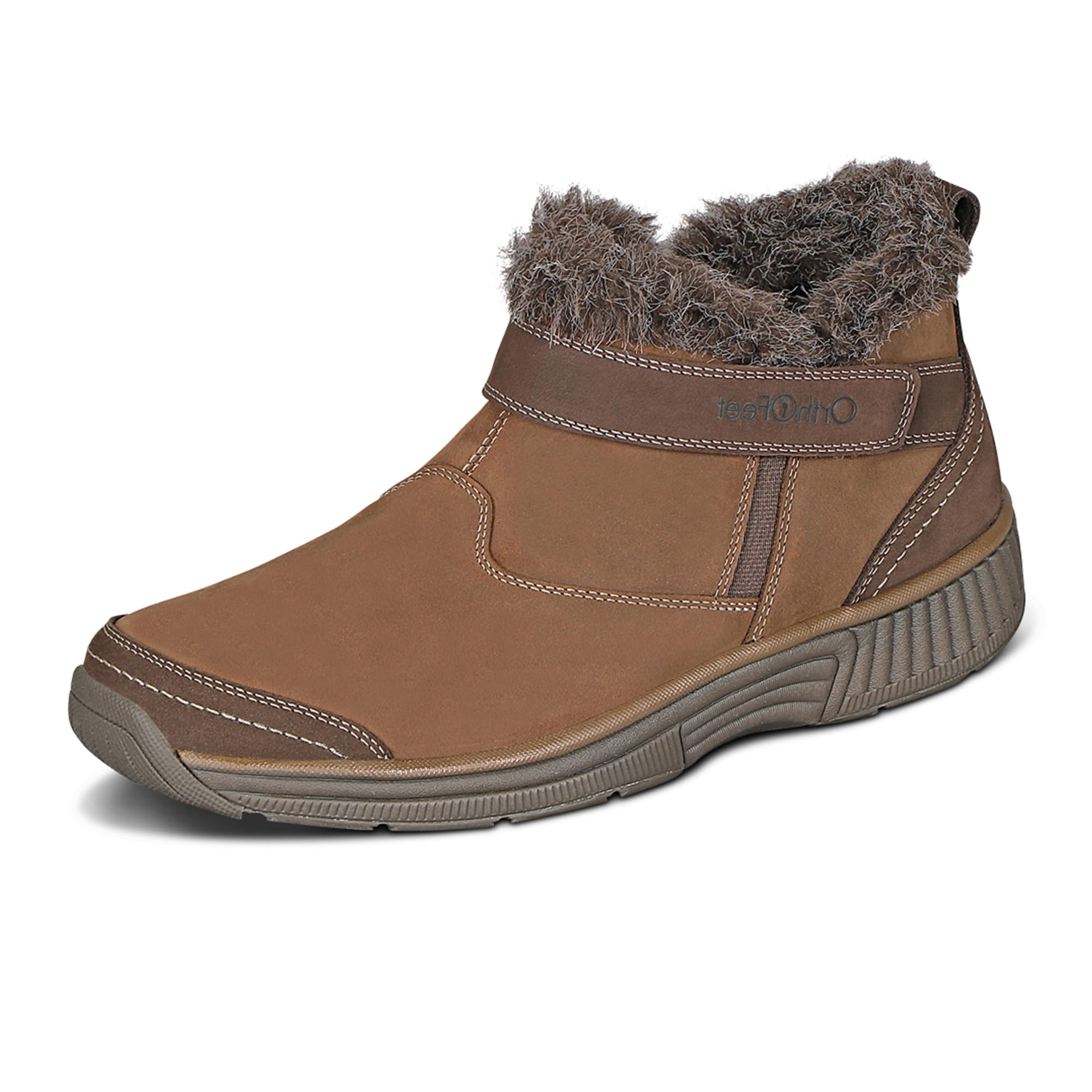
Orthofeet has engineered the Siena with a full-length orthotic insole that provides deep heel cupping and a rigid arch support system — exactly what chronic lower back pain demands. The boot features a water-repellent leather upper and a slip-resistant outsole, making it functional across wet pavement and light snow. The padded collar and tongue lock your heel in place without pinching.
Real users consistently report zero break-in time and immediate relief from plantar fasciitis and general back pain. The wide toe box accommodates custom orthotics if you need more aggressive correction. The non-slip sole provides a stable platform that prevents the micro-adjustments your back would normally make on slick surfaces.
The Siena runs slightly large — order a half size up if you plan to wear thick wool socks. Professional waterproofing treatment is recommended to maintain the leather’s water resistance. At a moderate weight for an orthopedic boot, it remains wearable for full-day use without feeling clunky.
Why it’s great
- Biomechanical arch support works with or without custom orthotics
- Zero break-in period — comfortable from the first wear
- Durable non-slip outsole provides stable footing on ice and snow
Good to know
- Runs about a half size large; consider a smaller size for thin socks
- Stock water resistance benefits from an added waterproofing spray
2. Vionic Aria Booties
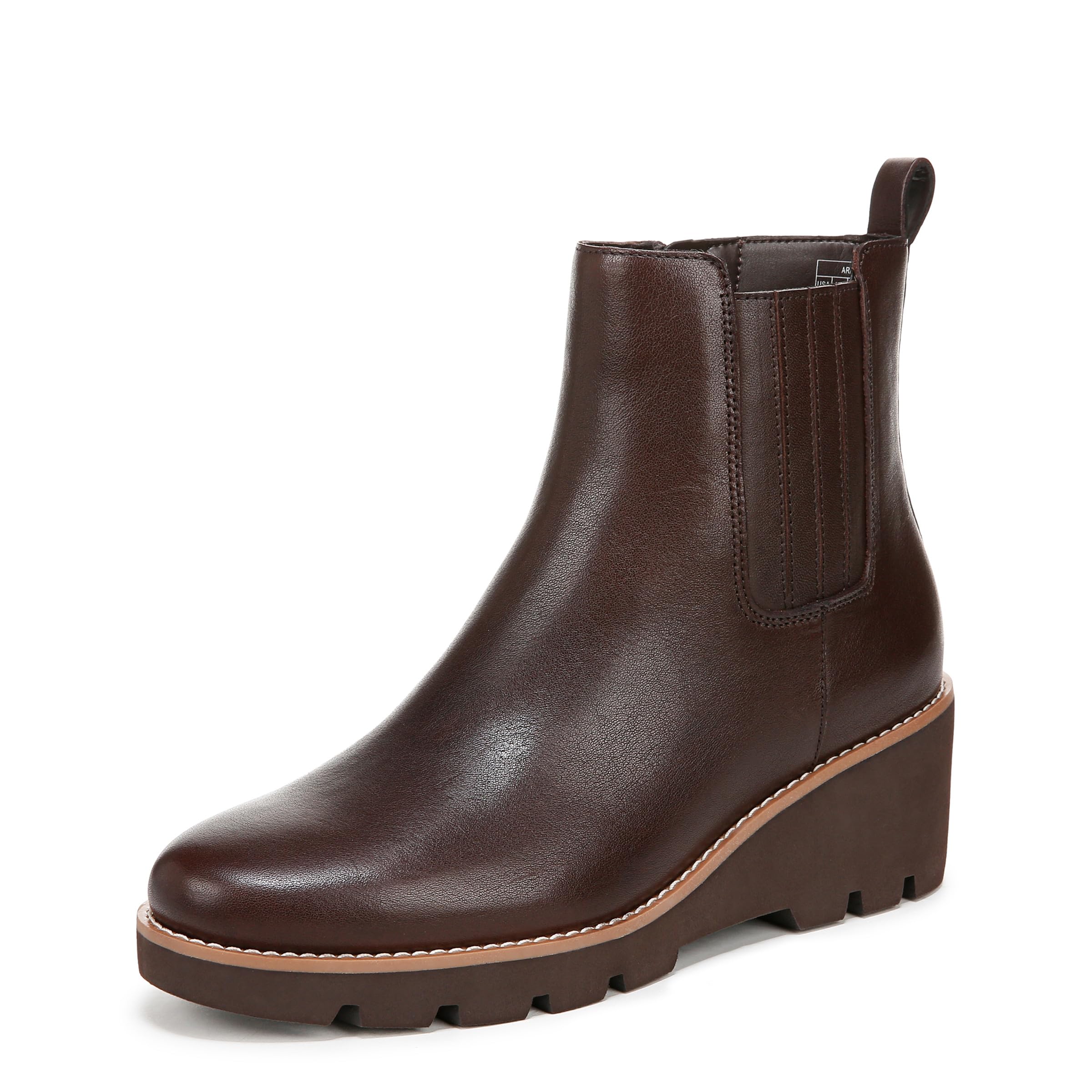
Vionic is known for podiatrist-designed footbeds, and the Aria Booties deliver that signature arch contour inside a sleek, fashionable wedge profile. The lightweight foam midsole softens heel strike impact without sacrificing stability — a rare combination that directly reduces the jolt traveling up to your lower back. The bootie’s wedge height is under 2 inches, keeping your pelvis in a neutral, pain-free position.
Users with 16-hour workdays report that these boots remain comfortable all shift, with no mid-afternoon fatigue. The genuine leather upper and suede options offer dressy versatility, so you can wear them with slacks or jeans without looking orthopedic. The toe box has a refined shape that still respects toe splay.
Vionic recommends sizing down a full size — these run large. The ankle shaft, however, is on the wider side, so if you have very slim ankles, the fit may feel loose. Durability on the foam sole is a mild concern for heavy daily use, but the upper leather holds up well.
Why it’s great
- Podiatrist-certified arch support built into a sleek, stylish silhouette
- Comfortable for 16-hour days with excellent shock absorption
- Versatile enough for work, weekends, and dressier occasions
Good to know
- Runs very large — plan to size down by a full size
- Ankle shaft may feel loose for those with narrower calves
3. Gravity Defyer G-DEFY Sierra Waterproof Men’s Hiking Boot

The G-DEFY Sierra uses patented VersoShock technology — a mechanical spring and foam system in the heel that absorbs vertical impact and returns energy, reducing the stress on your lumbar spine with every step. This boot is built for serious outdoor use: waterproof construction, aggressive tread, and a sturdy ankle collar that prevents rollover. It’s a heavy-duty option for men who need both back support and outdoor durability.
Users with neuropathy and chronic foot pain report immediate relief, with the rocker-bottom sole encouraging a natural gait that reduces heel-strike shock. The three interchangeable insoles let you fine-tune arch height and cushioning independently for each foot — a rare feature that accommodates asymmetrical pain patterns. The boot also works well with lace-attaching AFO braces.
At roughly 5 pounds per pair, the Sierra is heavy and bulky for travel or casual errands. Some users report blistering at the heel before break-in; a heel liner or tape solves this. The rigid construction requires a break-in period of about a week for full comfort.
Why it’s great
- VersoShock spring system drastically reduces heel-strike impact on spine
- Three interchangeable insoles allow fully customized arch support per foot
- Rugged waterproof build handles serious hiking and standing on concrete
Good to know
- Heavy and bulky — not ideal for travel or light activity
- Requires a break-in period to avoid heel blistering
4. Orthofeet Men’s Orthopedic Ryder Boot

The Orthofeet Ryder is built specifically for men with wide feet, neuropathy, or arthritic conditions that make lacing difficult. The dual side zippers allow easy entry and removal, while the extra-depth design accommodates custom orthotics and thick socks. The leather upper is soft yet supportive, and the padded collar prevents heel slip.
Users report immediate foot relief from the structured arch support, which reduces the strain on the lower back caused by flat-footed walking. The slip-resistant sole grips well on polished concrete and carpet alike, making it suitable for warehouse or clinical environments. The boot lasts roughly two years with daily use before zippers start wearing.
The Ryder runs slightly large, which is intentional for orthotic users — if you have narrow feet, this won’t work well without a custom insert. The zipper pulls are the first component to fail, but Orthofeet’s warranty support is responsive. Regular reapplication of waterproofing is recommended for wet conditions.
Why it’s great
- Extra depth and dual zippers make on/off easy for arthritic hands
- Provides immediate arch support relief for lower back compensation
- Compatible with custom orthotics, AFO braces, and thick socks
Good to know
- Zipper pulls are a wear point — may need replacement after a year
- Too wide and bulky for narrow or low-volume feet
5. Naturalizer Women’s SOUL Adrian Boot
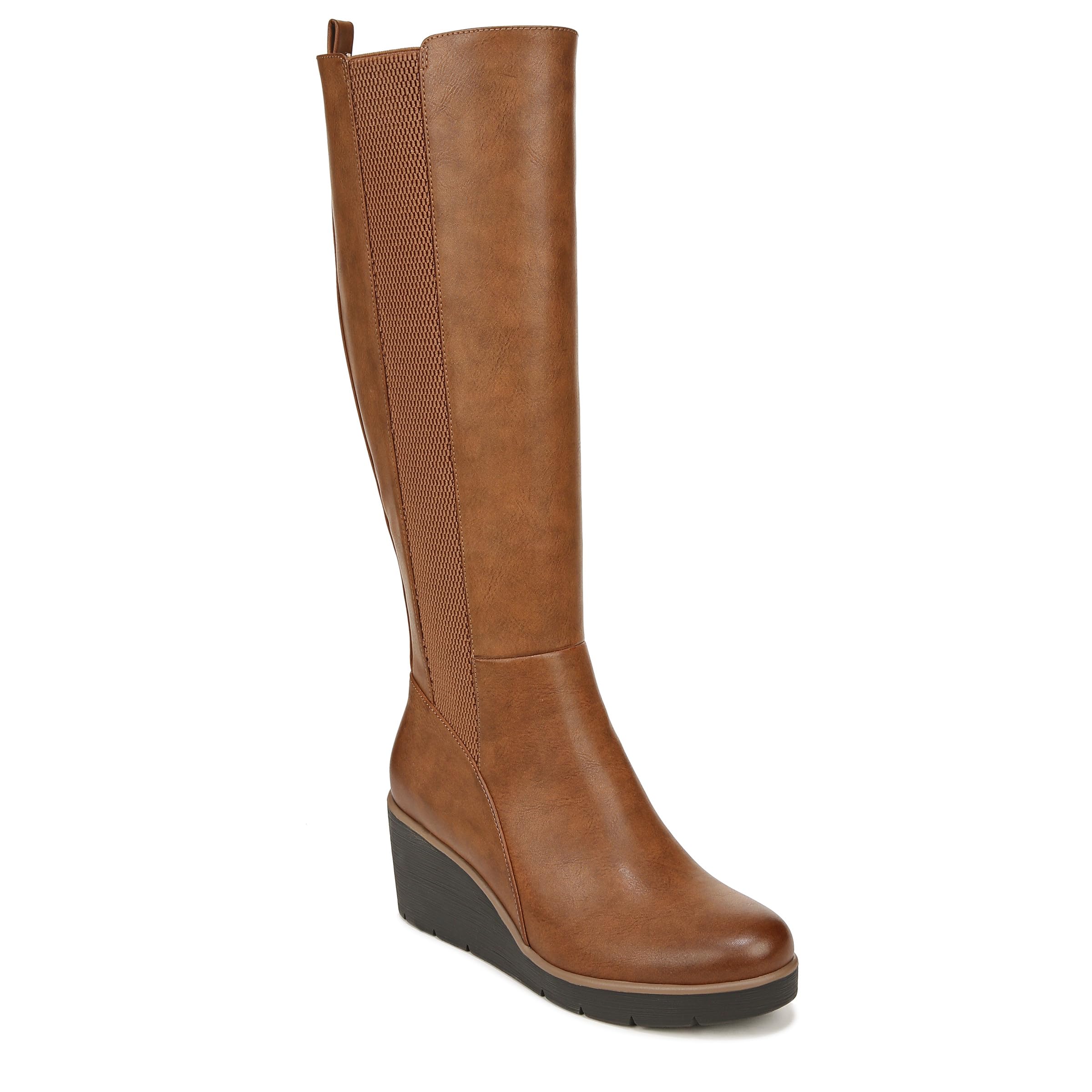
The SOUL line from Naturalizer focuses on comfort without sacrificing aesthetics, and the Adrian Boot delivers a contoured footbed with moderate arch support inside a sleek silhouette. The stretch calf panel accommodates wider calves without gaping, and the block heel offers a stable, low-drop platform that won’t pitch your pelvis forward. It’s a boot designed for all-day wear at the office or on the go.
Users with medical foot issues report that these boots are so comfortable they don’t change into other shoes at work — a strong signal for back pain sufferers who need consistent support. The footbed is cushioned but not overly soft, providing a firm base that prevents the foot from rolling inward. The leather upper feels premium and durable.
Several users note that the boot runs slightly snug in the toe box — ordering a half size up is recommended if you have wide feet or high insteps. A small number of reports mention the boot falling apart after a dozen wears, suggesting variable quality control. For the price, the value is good if you get a durable pair.
Why it’s great
- Contoured footbed provides reliable arch support without bulk
- Stretch calf and block heel combine comfort with fashion-forward design
- Users find them comfortable enough to keep on all day, even with foot conditions
Good to know
- Toe box runs snug — size up half a size for wider feet
- Some quality control inconsistencies reported regarding sole durability
6. Women’s Orthopedic Wide Snow Boots
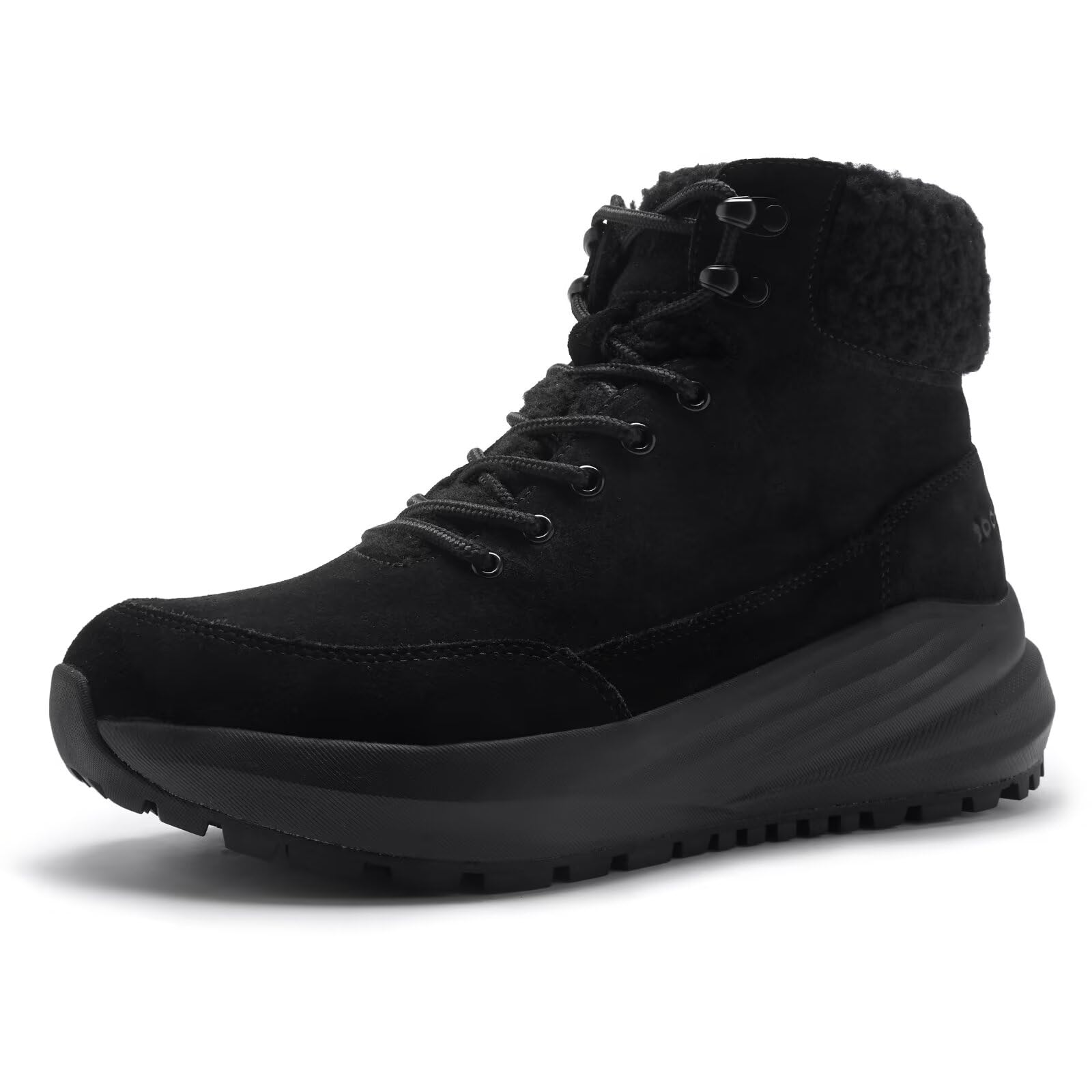
This snow boot combines orthopedic-level arch support with winter-ready insulation, making it a strong pick for anyone who needs back pain relief in cold, wet conditions. The boot features a firm heel stabilizer that locks the foot in place, preventing the supination and pronation that aggravate lower back issues. A fleece lining provides warmth without bulk, and the adjustable laces allow you to dial in the fit.
Post-surgery users report that this boot gave them back their daily mobility — the combination of arch support, a roomy toe box, and a stable sole creates a walking platform that feels secure and pain-free. The boot handles snow and slush well, and the neutral design means it pairs with most winter outfits. Users with high insteps appreciate how easy it is to get on and off.
The boot is new to market, so long-term durability data is limited. The ankle chafing issue can be fixed by tightening the laces appropriately. It runs true to size for most users, though wide sizes are recommended if you plan to wear thick socks.
Why it’s great
- Firm heel stabilizer locks the foot to prevent pain-triggering motion
- Orthopedic arch support works with or without custom inserts
- Warm, fleece-lined interior with a roomy toe box for high arches
Good to know
- New model — limited long-term durability feedback
- Adjustable lacing required to prevent initial ankle rubbing
7. Propet Womens Waverly Boot
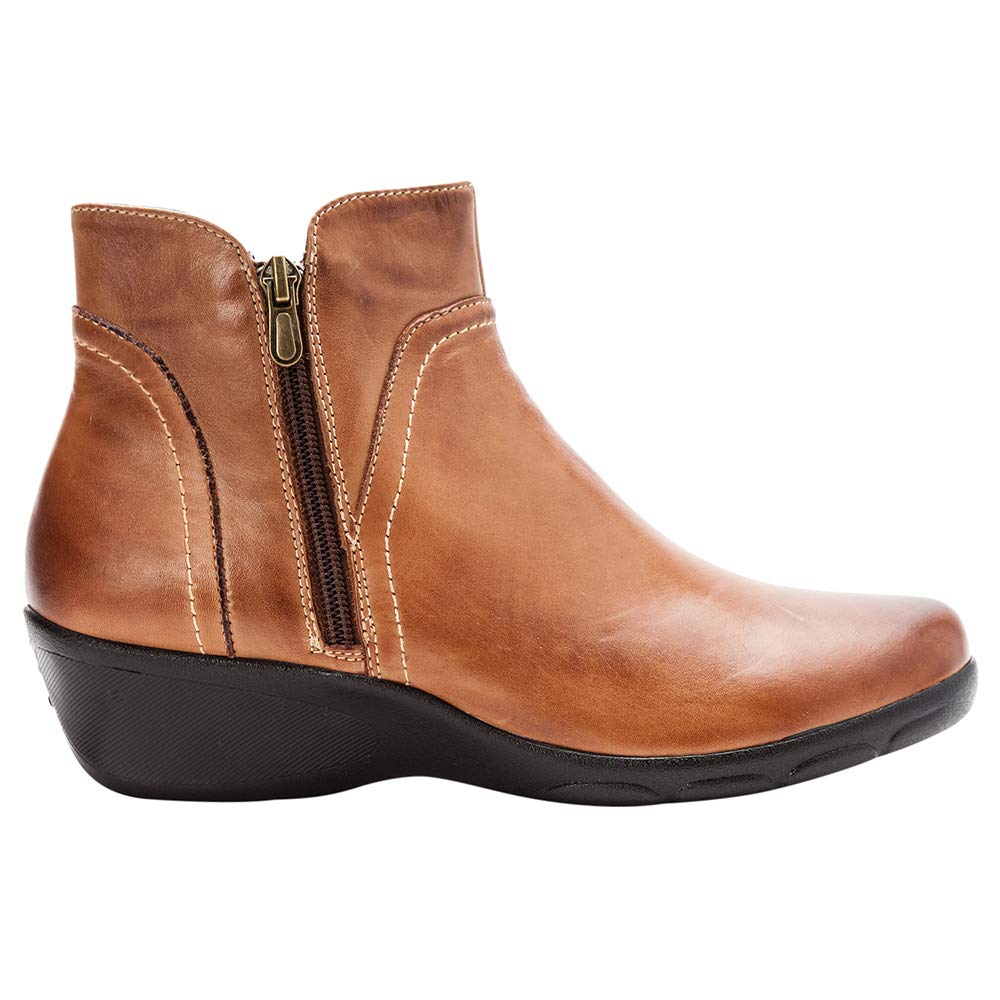
Propet’s Waverly is the go-to choice for buyers with very wide feet who need to fit custom orthotics. Available up to XXW, this genuine leather boot has a spacious toe box that allows toes to splay naturally — critical for maintaining proper gait mechanics. The removable insole can be swapped for a high-support orthotic, and the 1-inch wedge heel keeps the pelvis neutral.
Users with 4X wide feet report that this is the only boot that fits them with both custom insoles and thick socks. The side zippers don’t pinch the ankle, and the leather upper is flexible enough to accommodate high-volume feet. The boot works well for both casual walks and dressier occasions like church or office wear.
Some users note that the boot lacks significant built-in arch support, which is fine if you plan to use your own orthotic but problematic if you rely on the stock insole. The two zippers can feel slightly jangly at first but break in. The boot is not waterproof, so a protective spray is recommended.
Why it’s great
- Exceptional width options up to XXW for very wide feet
- Removable insole accommodates custom orthotics perfectly
- Genuine leather upper is flexible and durable across multiple seasons
Good to know
- Stock insole has minimal arch support — plan to replace with orthotics
- Two side zippers feel stiff initially and are not waterproof
8. LifeStride Guest Comfort Bootie
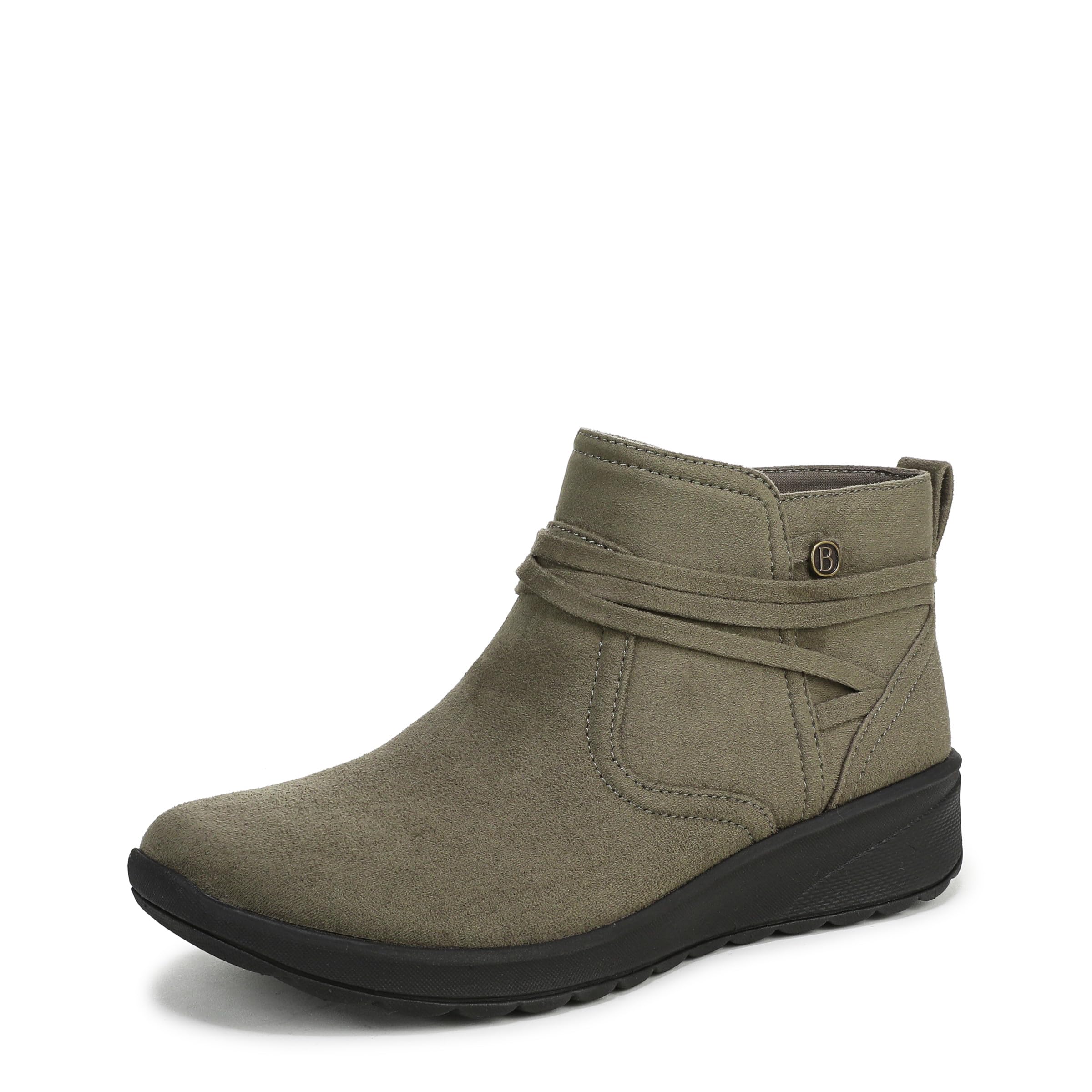
LifeStride’s Guest Comfort Bootie stands out for its near-zero weight and plush cushioning — a lifesaver for anyone recovering from foot surgery or dealing with chronic pain. The boot uses a stretch fabric upper that conforms to the foot without pressure points, and a thick wedge sole that absorbs shock. The wide toe box prevents pinching, and the side zipper makes entry painless.
Multiple users with multiple foot surgeries report zero pain when wearing these boots — a rare claim in the back-pain boot category. The arch support is present but not aggressive, making it a good option for those who find high arches uncomfortable. The boot is extremely lightweight, reducing the fatigue of lifting heavier footwear with each step.
The stretch fabric upper is not water-resistant — a waterproofing spray is essential for wet conditions. The boot is more casual in appearance, so it pairs best with slacks, leggings, or jeans rather than dressy outfits. Some users find the flat sole lacking in arch structure for advanced pronation issues.
Why it’s great
- Extremely lightweight construction minimizes step fatigue
- Generous, non-constricting toe box ideal for post-surgery swelling
- Users with multiple foot surgeries report genuinely zero pain
Good to know
- Stretch fabric is not waterproof without additional treatment
- Arch support is moderate — not enough for severe overpronation
9. BZees Get Going Boot
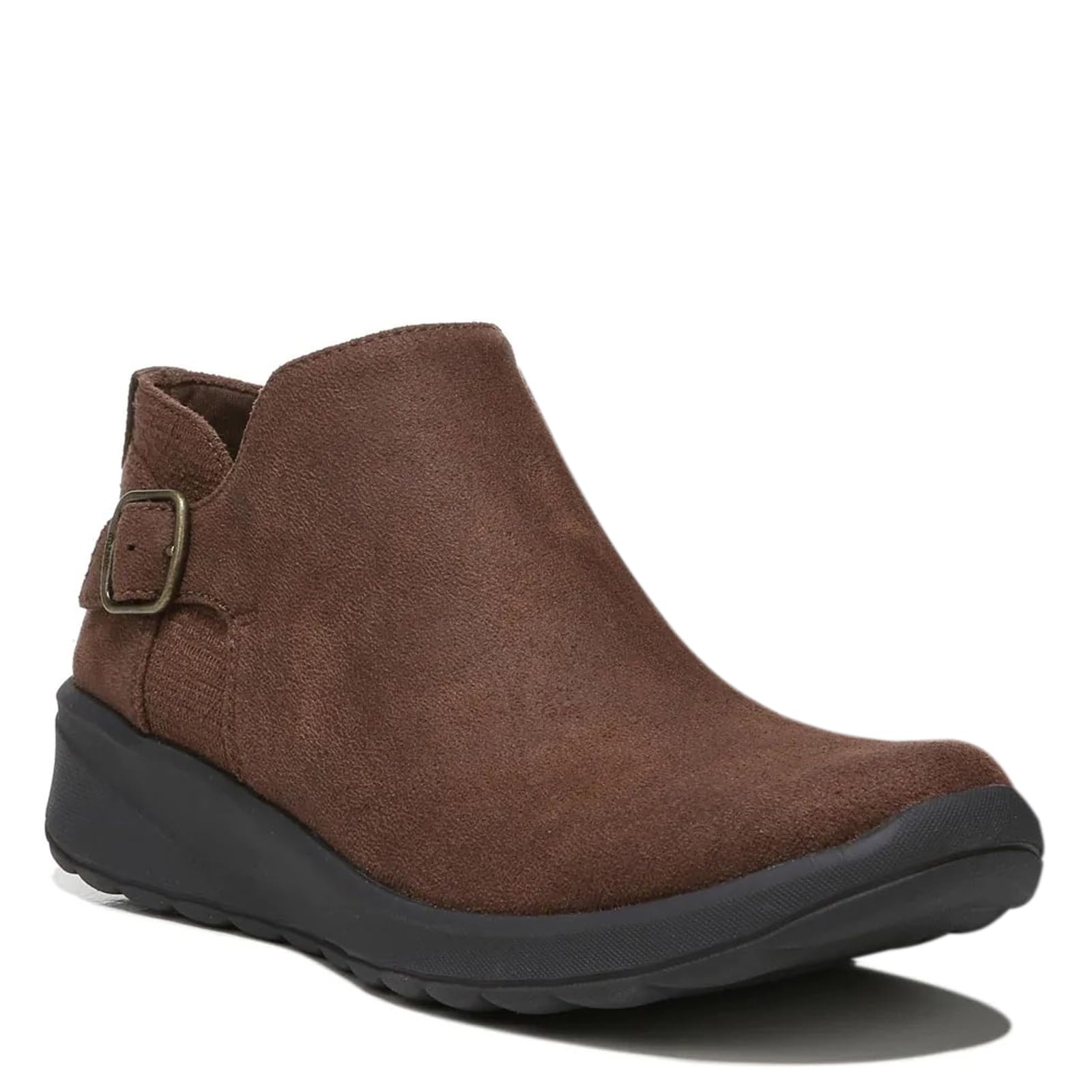
The BZees Get Going Boot offers a surprising amount of arch support for its accessible price point. The insole is removable and washable, featuring a contoured arch design that provides noticeable lift for flat feet. The boot uses a stretchy fabric upper that accommodates bunions and high insteps without pressure, and the side zipper makes it easy to slip on and off.
Users consistently praise the boot for its lightweight feel and all-day comfort, with many buying multiple colors. The arch support works well for moderate pronation, reducing the lower back tension that comes from rolling ankles. The boot is also machine-washable (gentle cycle), which is a practical bonus for daily wear.
These boots run short and narrow — sizing up by half to a full size is recommended, especially for wide feet. They are not warm or waterproof, so they work best as indoor or mild-weather boots. A small minority of users find the arch too high and uncomfortable; for those, the insole can be swapped for a flatter alternative.
Why it’s great
- Removable, washable insole with solid arch contour for the price
- Stretchy upper comfortably accommodates bunions and wide forefeet
- Extremely lightweight and easy to pack for travel or daily errands
Good to know
- Runs short and narrow — definitely size up for a proper fit
- Not insulated or waterproof, best for mild-weather or indoor use
FAQ
Can boots really fix my lower back pain or is it just marketing?
What heel height is best for back pain relief in boots?
How do I know if my boots have enough arch support for my back?
Are heavier boots better for back pain because they feel more stable?
Final Thoughts: The Verdict
For most users, the boots for back pain winner is the Orthofeet Women’s Siena because it combines biomechanical arch support, zero break-in, and a durable non-slip sole in a package that works for both plantar fasciitis and general back pain. If you want a fashion-forward daily driver, grab the Vionic Aria Booties. And for rugged outdoor use with maximum shock absorption, nothing beats the Gravity Defyer G-DEFY Sierra.