Aerobic workouts demand explosive lateral cuts, rapid direction changes, and repetitive impact absorption — yet most shoes sold for the gym are built for straight-line running. The wrong shoe leaves you fighting instability during a grapevine, losing momentum in a power squat, or nursing sore arches after a single class. Finding a shoe with a flat, stable platform, ample midfoot flex, and secure heel lock changes everything about how you move through a step routine or HIIT circuit.
I’m Emma — the founder and writer behind Baby Bangs. I’ve spent years analyzing the construction of cross-training and aerobic footwear, evaluating lateral stiffness, cushion stack heights, and outsole grip patterns to understand why some shoes keep you grounded and others compromise your alignment.
Whether you’re a dedicated group fitness instructor or just refining your home cardio routine, this guide walks through the critical specs that define the best performers. Every pair here was selected for its ability to handle high-rep movement, so you leave the floor feeling confident rather than compromised. This is your manual to picking the best aerobic shoes for your exact training style.
How To Choose The Best Aerobic Shoes
Aerobic movement is multi-planar. Unlike running, you shuffle laterally, pivot on the ball of your foot, and absorb shock through your midfoot rather than your heel. Picking the right shoe means prioritizing stability, flexibility, and a secure fit over plush cushioning alone.
Platform Drop and Lateral Stability
Heel-to-toe drop (measured in millimeters) determines how your foot sits relative to the ground. A drop of 8mm or more tilts you slightly forward — helpful for running but destabilizing during side shuffles. Four millimeters or less (zero-drop is ideal) keeps your foot parallel to the floor, giving you a wider base of support for lateral cuts. Look for a firm heel counter, too; a squishy heel collapses during fast pivots and can lead to rolled ankles.
Midfoot Flexibility and Heel Stiffness
You need a forefoot that bends naturally during lunges and step-ups, but a heel that resists twisting under load. Shoes with a “split” or “flex groove” outsole allow the front of the shoe to move independently, while a rigid heel clip locks your rear foot in place. This combination supports dynamic moves like grapevines and power squats without sacrificing stability during static holds.
Upper Material and Lockdown
Mesh uppers breathe well but can stretch over time, allowing your foot to slide inside the shoe during quick cuts. Woven or knit synthetics with internal cage structures hold the midfoot tighter. Pay close attention to the lacing system — eyelets that extend far down the tongue let you customize tension across your instep. Heel slippage is a dealbreaker for any high-impact routine, so shoes with a padded Achilles collar or a dedicated heel pull-loop score higher for secure lockdown.
Quick Comparison
On smaller screens, swipe sideways to see the full table.
| Model | Category | Best For | Key Spec | Amazon |
|---|---|---|---|---|
| Adidas Everyset Training | Cross-Trainer | HIIT & floor work | Zero-drop, flat stable heel | Amazon |
| Reebok Nanoflex TR 2.0 | Cross-Trainer | Heavy lifting & cardio | Flat sole, wide toe box | Amazon |
| Reebok Nano Gym | Training Shoe | Zumba & gym circuits | Firm arch support, flexible toe | Amazon |
| Under Armour Project Rock 5 | Training Shoe | Weight lifting & HIIT | Stable heel, springy forefoot | Amazon |
| Under Armour Charged Assert 10 | Cushioned Trainer | All-day standing & walking | Good arch support, durable build | Amazon |
| Adidas Astrastar | Lifestyle Trainer | Walking & casual cardio | Cloud foam, wide toe box | Amazon |
| Puma Softride Sera | Cross-Trainer | Light gym & errands | Soft cushion, stylish design | Amazon |
In‑Depth Reviews
1. Adidas Unisex-Adult Everyset Training
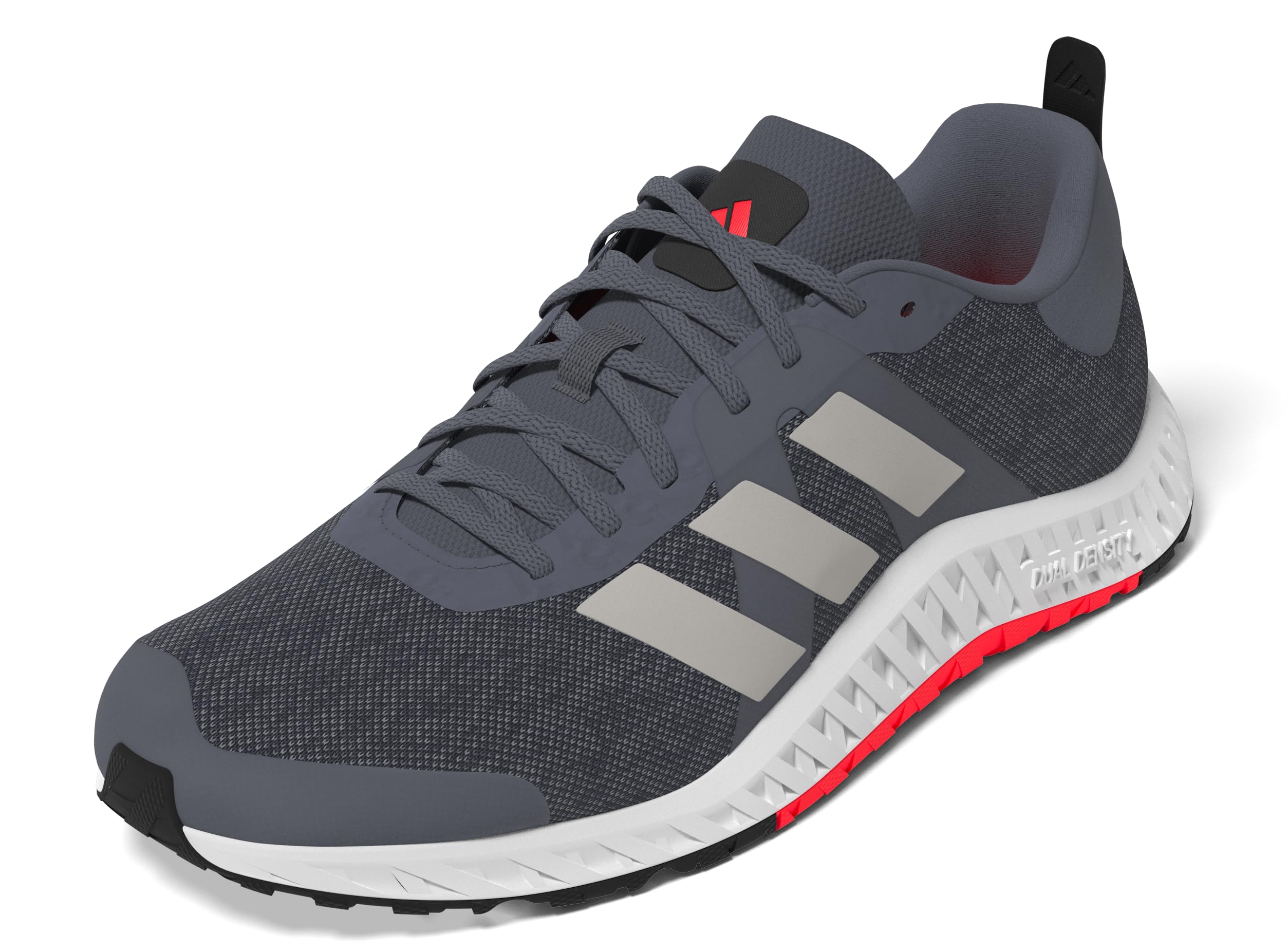
The Adidas Everyset Training shoe delivers a zero-drop platform that keeps your foot parallel to the ground during lateral shuffles and squat holds. Reviewers consistently note the flat, stable heel and flexible forefoot — the rubber outsole doesn’t compress under 300-pound squats, making it a reliable choice for barbell work and explosive floor drills alike. The upper runs narrow, so D-width buyers should order half a size up or consider the wide version.
Multiple users report that the snug midfoot and enhanced arch support reduce foot fatigue during HIIT circuits and Bulgarian split squats. The shoe feels surprisingly light on the foot, yet the stiff heel counter provides enough lateral rigidity to prevent rollovers during quick pivots. It’s not designed for long runs — the firm platform lacks the heel crash pad runners expect — but for studio aerobics and cross-training, it’s nearly perfect.
The synthetic upper is breathable and holds up well under repeated wear, though some reviewers mention that the toe box feels shorter than standard Adidas sizing. If you’re looking for a versatile trainer that excels at both lifting and lateral movement, the Everyset is the strongest all-around performer in this lineup. The color options are subtle and look surprisingly sharp for a gym shoe.
Why it’s great
- Zero-drop platform enhances lateral stability
- Flexible forefoot for lunges and step-ups
- Lightweight feel with firm heel support
Good to know
- Narrow fit — size up for D-width feet
- Stiff heel makes it unsuitable for running
- Snug upper limits casual all-day wear
2. Reebok Nanoflex TR 2.0
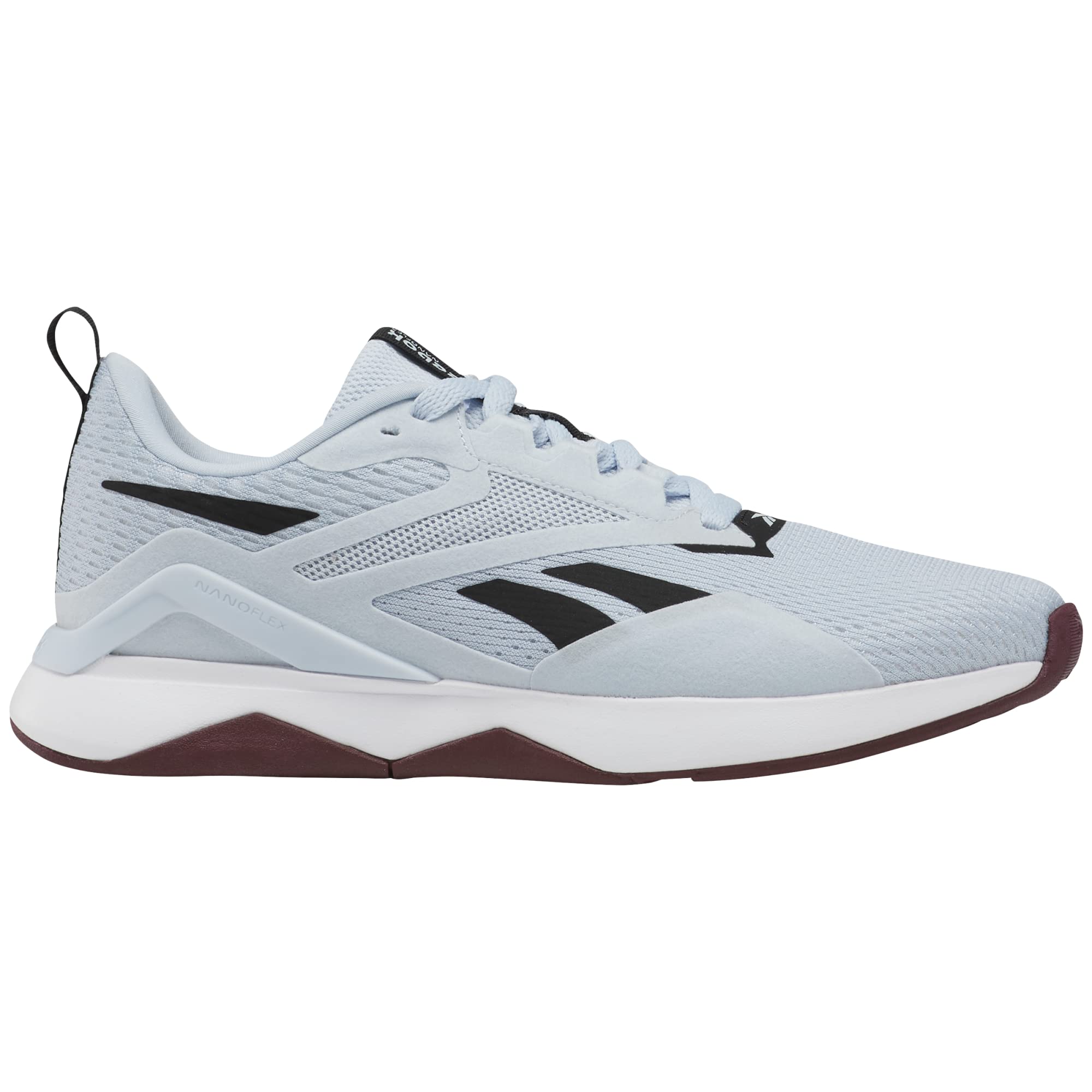
The Nanoflex TR 2.0 borrows its DNA from Reebok’s legendary Nano line, delivering a flat, stable sole that prioritizes heavy lifting and cross-training over cushion running. Owners describe it as fitting like you’ve owned it for two years from day one — the upper molds quickly to the foot thanks to a breathable knit construction that also accommodates wide feet without needing a size bump.
During treadmill warmups and burpee sets, the outsole provides excellent grip without feeling sticky or loud. Reviewers report a two-week break-in period where the midsole softens slightly, but the platform stays firm enough for deadlifts and overhead presses. The moderate padding in the heel is just enough to absorb impact from box jumps without sacrificing ground feel.
Some users note that the Nanoflex is not designed for dedicated running, but as a cross-training shoe for circuits that mix lifting with short cardio bursts, it outperforms many pricier competitors. The wide toe box allows natural splaying during lunges, and the low drop keeps your center of gravity low during lateral movement. It’s a rugged, purpose-built trainer that won’t quit after a few months.
Why it’s great
- Flat, stable platform for heavy lifts
- Wide toe box accommodates natural foot splay
- Breathable knit upper molds quickly
Good to know
- Requires short break-in period
- Not suitable for long-distance running
- Some users need to size up half a size
3. Reebok Nano Gym
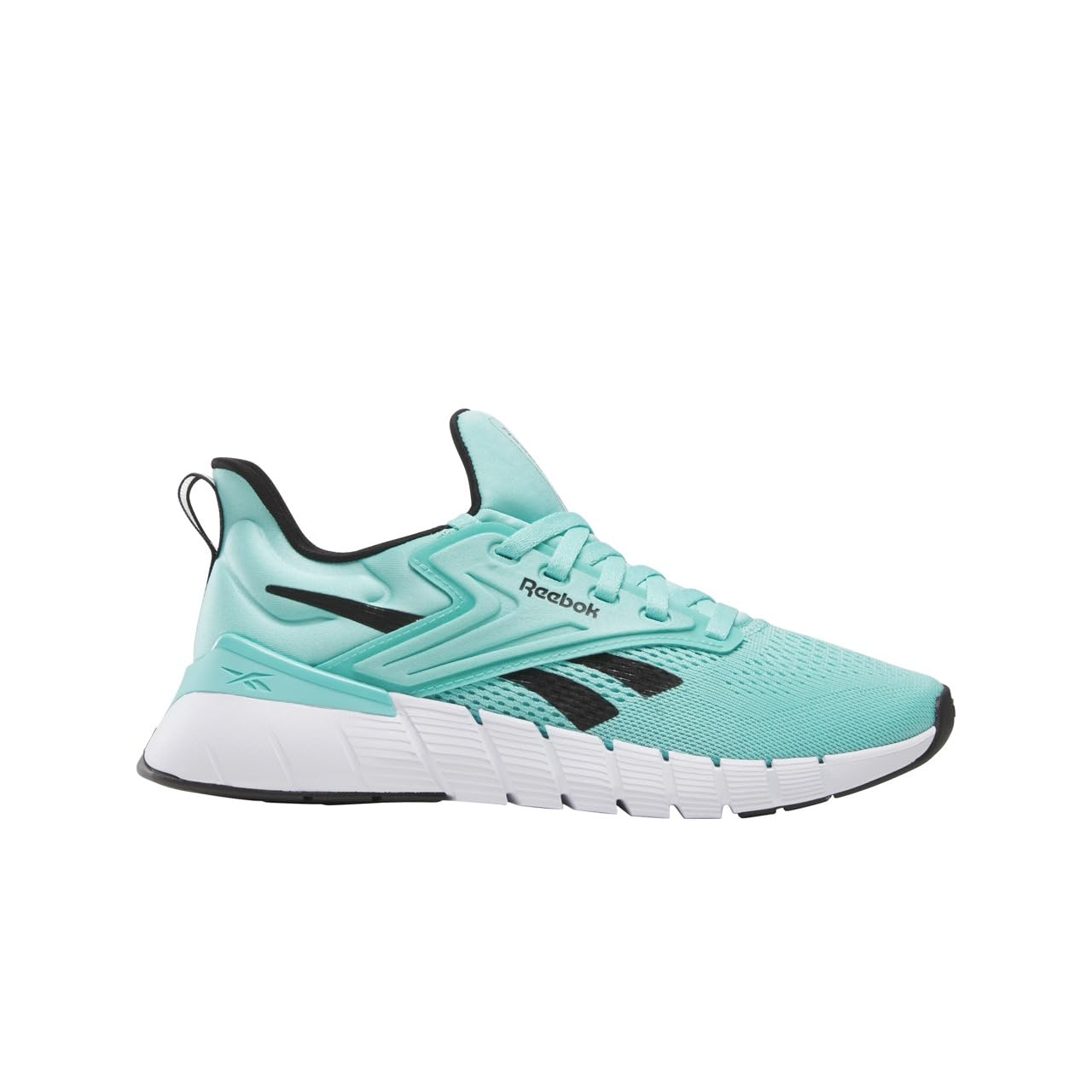
The Reebok Nano Gym is a dedicated training shoe that shines during Zumba, gym circuits, and light weight workouts. The firm arch support stands out — reviewers note it provides a stable base for quick pivots without flexing under load. The toe area is flexible enough for lunges and step-ups, while the stiff back ankle collar prevents heel slip during rapid direction changes.
At 30,000 steps a day, one reviewer reports the Nano Gym holds up impressively well without losing its structural integrity. The one-piece upper lacks a traditional tongue, which some users find snug across the top of the foot — sizing up half a size is a common recommendation. The lightweight build makes it easy to wear for extended class sessions without feeling weighted down.
This is not a running shoe, but for the demands of an aerobic class — grapevines, box steps, and lateral shuffles — the Nano Gym delivers a secure, grounded feel. The color options are clean and the overall aesthetic leans toward minimal and sporty. It’s a focused performer that knows its lane and executes well within it.
Why it’s great
- Firm arch support for lateral stability
- Lightweight and flexible forefoot
- Stiff heel collar prevents slippage
Good to know
- One-piece upper fits snugly — size up
- Not intended for running
- Cushioning is moderate, not plush
4. Under Armour Women’s Project Rock Blood Sweat Respect 5
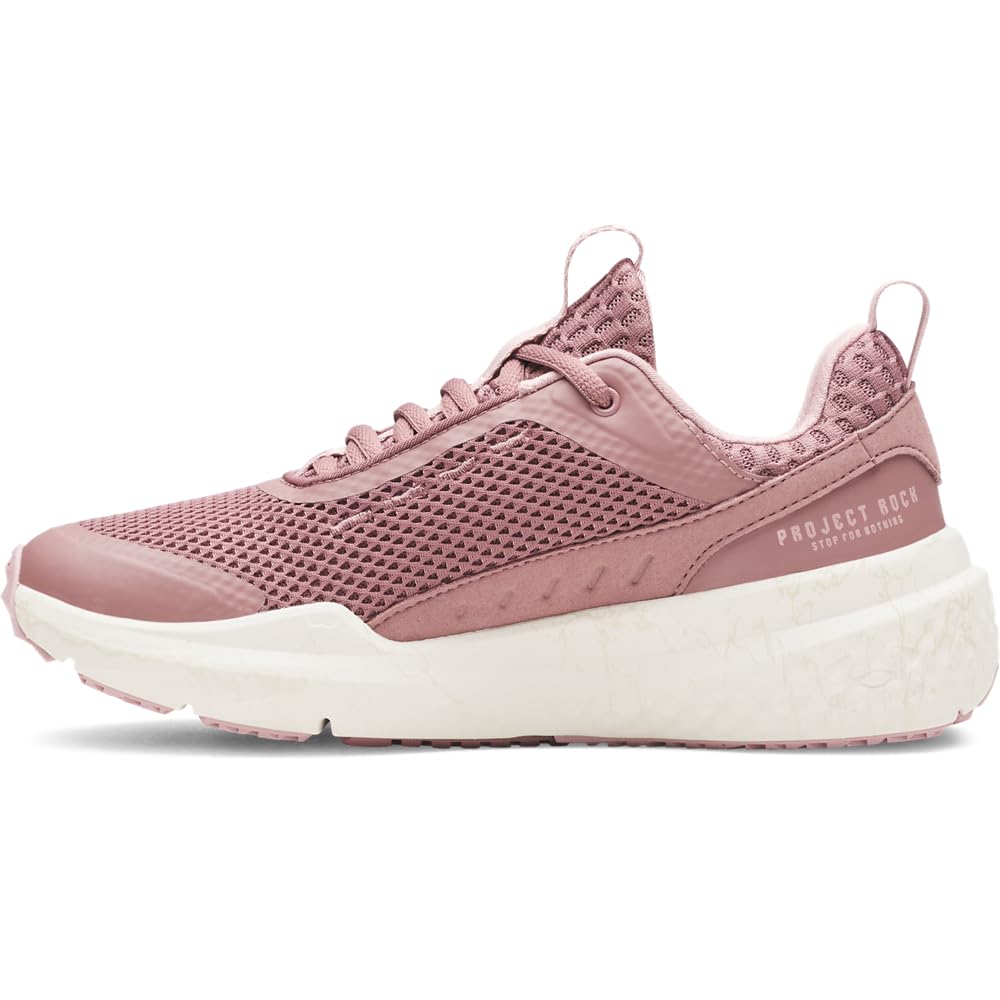
The Project Rock 5 strikes a unique balance between stable lifting and springy HIIT performance. The heel is firm enough for weight training — reviewers praise its lack of over-cushioning — yet the forefoot has enough bounce to feel responsive during jump squats and burpees. The roomy toe box is a standout feature; multiple users with wider feet report no cramping even during long sessions.
Short laces that stay tied and a clean colorway that hides dirt well are small but appreciated details. One reviewer calls it “like walking on clouds, but super stable” — a rare combination in cross-training footwear. The shoe runs true to size according to most feedback, and the beige options match workout gear without looking bulky.
For those who do a mix of weightlifting and high-intensity cardio in a single session, the Project Rock 5 eliminates the need to switch shoes mid-workout. It’s not as flat as a dedicated lifting shoe, but the midsole doesn’t compress unevenly under load. If you want one pair that handles everything from deadlifts to tuck jumps, this is a strong contender.
Why it’s great
- Stable heel for lifting with springy forefoot
- Roomy toe box accommodates wider feet
- True-to-size fit and easy-to-clean color
Good to know
- Not as flat as dedicated lifting shoes
- Cushioning level may be too firm for runners
- Short laces may not suit high-volume lacing
5. Under Armour Men’s Charged Assert 10 Shoes
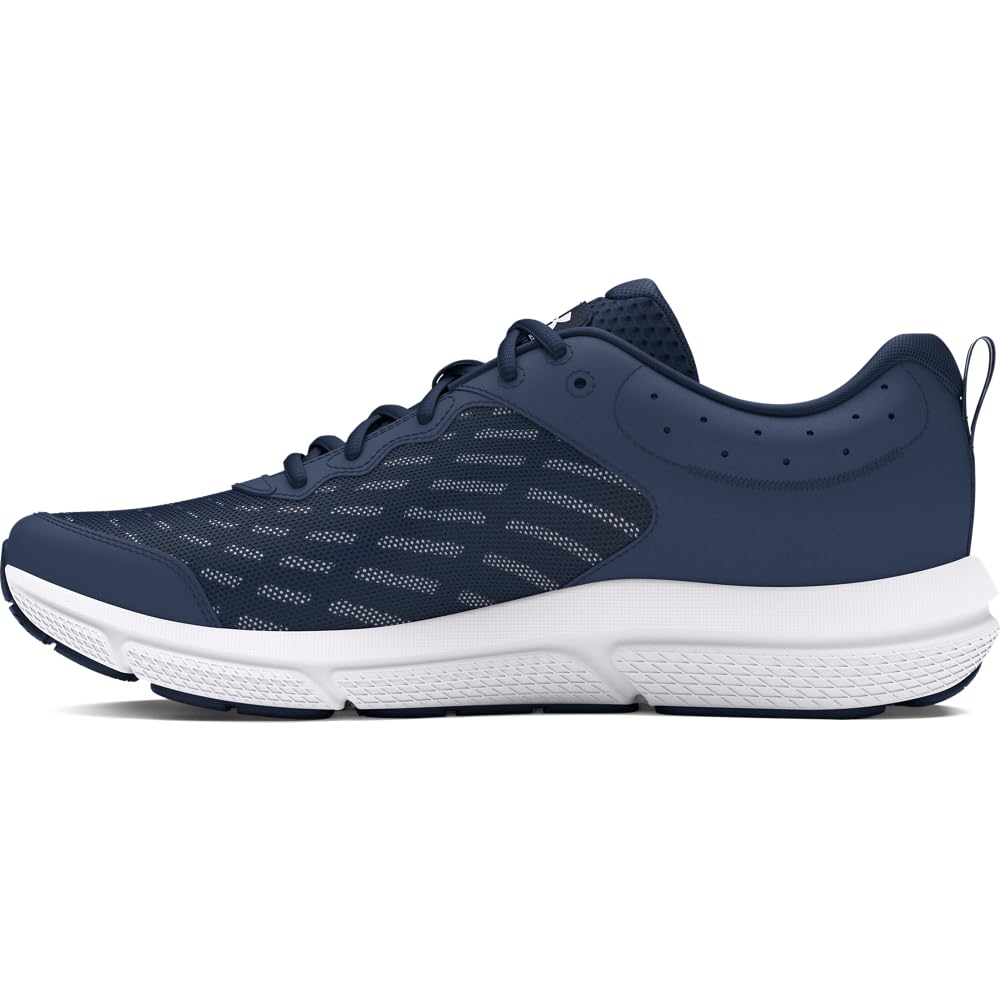
The Charged Assert 10 is the most cushion-heavy shoe on this list, making it a solid choice for those who stand all day or have plantar fasciitis. Reviewers with 30-year gym backgrounds note the toe box is generous for a men’s wide size, and the arch support is noticeably better than many cushioned trainers. The “Charged” midsole delivers a plush ride without feeling marshmallowy — a balance that works well for walking and light cardio.
One reviewer uses them for fishing in wet conditions and reports no sole separation after months of boat use, pointing to durable construction and quick-drying materials. The outsole provides good traction on slick surfaces, and the heel collar fits securely without causing blisters. However, the mesh material shows dirt quickly and is difficult to clean thoroughly without machine washing.
For aerobic use, the high stack height means less ground feel than zero-drop options, so lateral cuts don’t feel as planted. But if your routine includes more walking or elliptical work than explosive pivots, the Charged Assert 10 offers reliable comfort at a very accessible price. It’s a workhorse shoe that prioritizes foot fatigue reduction over agility.
Why it’s great
- Excellent arch support for plantar relief
- Plush cushioning for all-day standing
- Durable build with good traction
Good to know
- Higher stack reduces lateral stability
- Upper material attracts dirt and is hard to clean
- Not designed for explosive lateral movement
6. Adidas Womens Astrastar
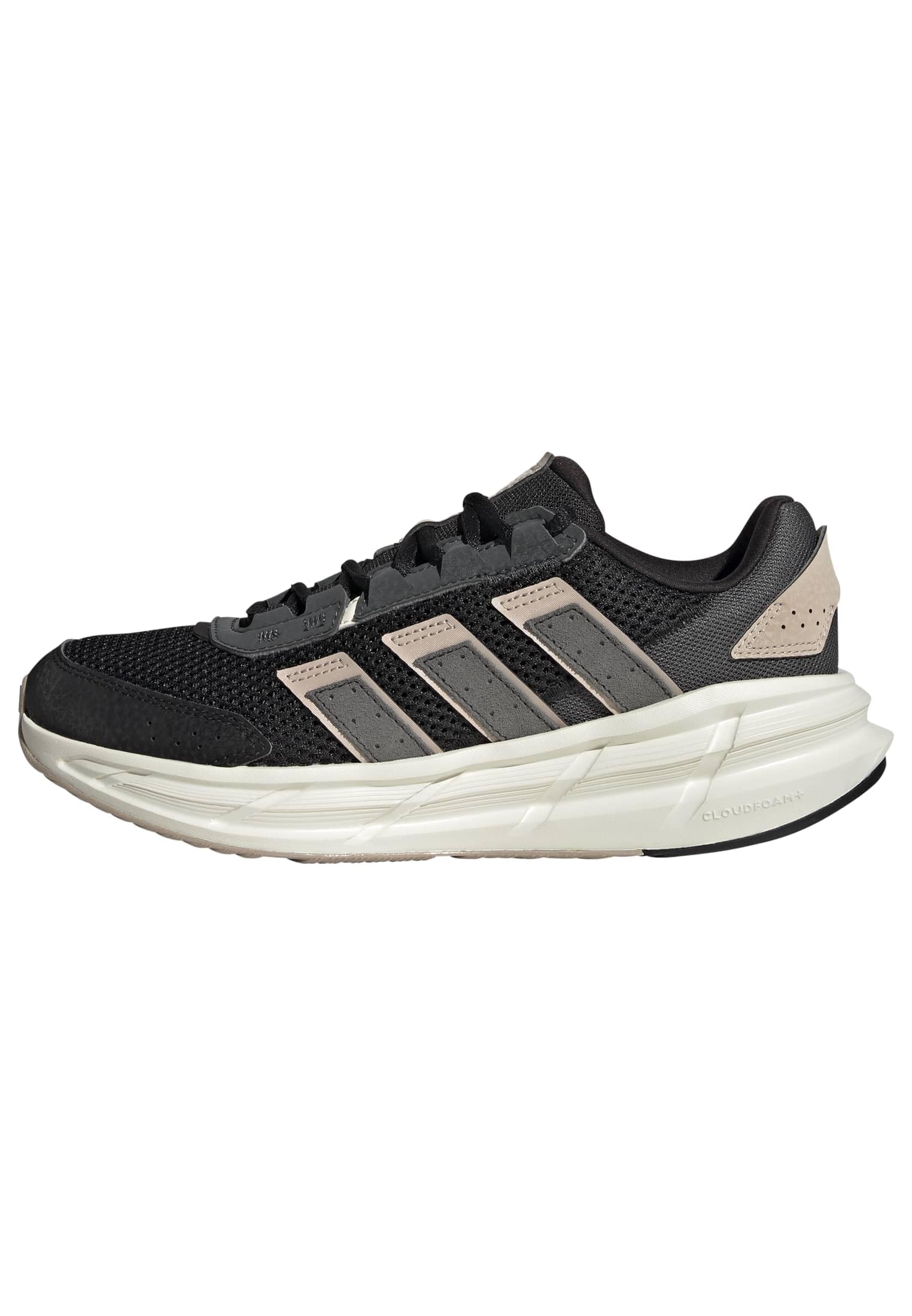
The Adidas Astrastar leans into lifestyle comfort with a thick cloud foam midsole that provides noticeable height and a soft step. Reviewers praise the wide toe box — it accommodates longer toes without crowding — and the overall comfort for walking and casual running. The foam pad inside is generous, and one reviewer received a sample of the padding attached to the tag, an unusual but appreciated touch.
That said, the back of the sole sticks out noticeably in a way that mimics Hoka-style thick soles, which some users find visually divisive. After prolonged standing, a few reviewers report foot fatigue — the soft foam lacks the firm support needed for all-day wear in healthcare or retail settings. The shoes run about half a size large, so ordering down may be necessary for a snug fit.
For light aerobic activity like walking laps or low-impact step classes, the Astrastar delivers a cushioned, stylish ride. It’s not built for HIIT or heavy lifting, but as a casual trainer for daily movement, it offers good value. The color options are contemporary and pair well with athleisure outfits.
Why it’s great
- Plush cloud foam for soft landing
- Wide toe box for natural toe splay
- Stylish design with height increase
Good to know
- Soft foam may cause fatigue on long standing
- Runs half a size large
- Back sole protrusion not for everyone
7. Puma Women’s Softride Sera Cross Training Shoes
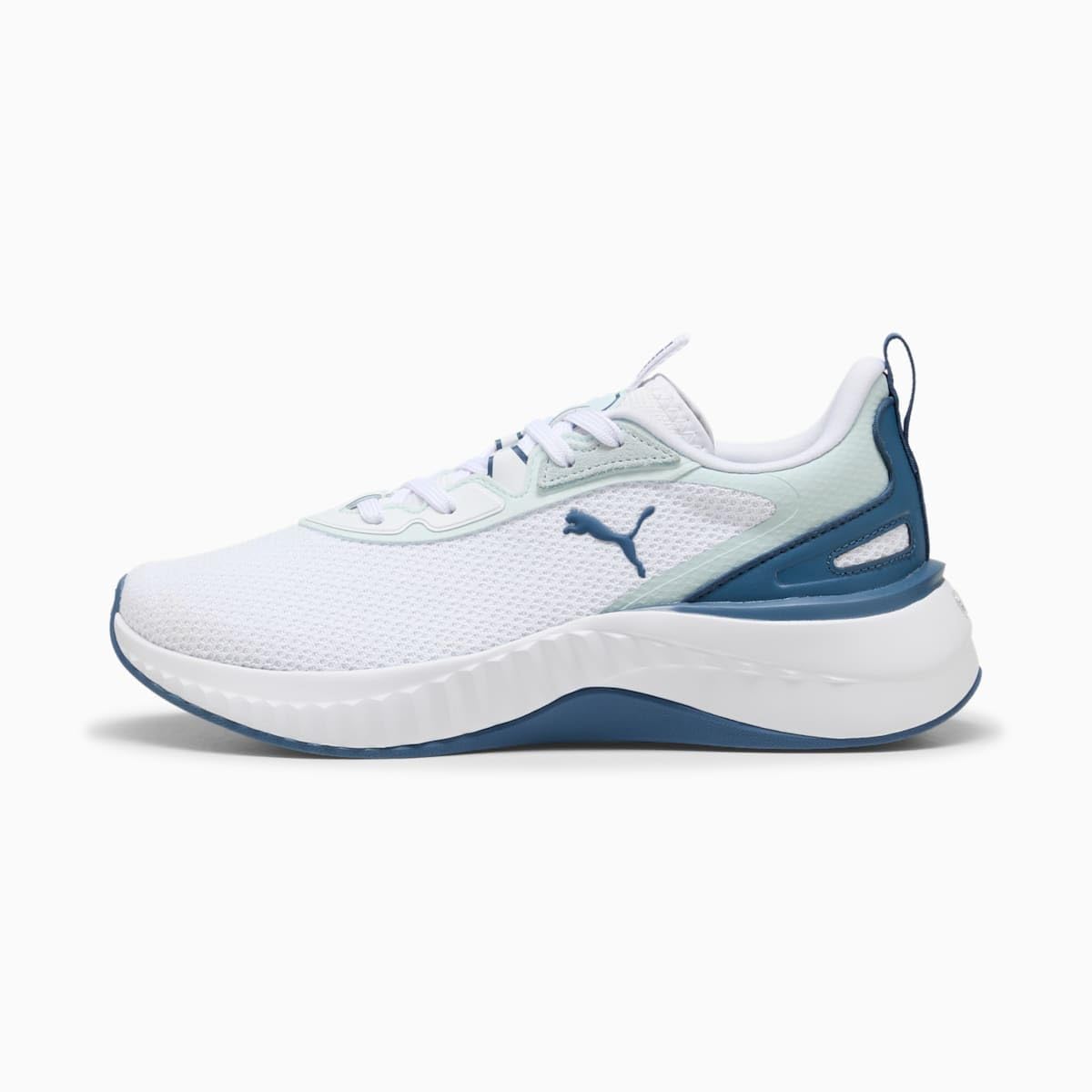
The Puma Softride Sera is a soft-cushion trainer best suited for light gym sessions and errands rather than high-impact aerobics. Reviewers consistently mention the comfort and attractive design, with several noting they add aftermarket insoles for extra arch support. The shoe runs about half a size small, so sizing up is common among buyers.
One reviewer specifically warns that this is not adequate for healthcare workers who stand all day — the cushioning is plush but lacks the structural support needed for prolonged standing or long walks. For occasional runs during workouts, the Softride Sera provides decent shock absorption, but it’s not a dedicated running shoe. The outsole grip is sufficient for gym floors and pavement.
If your aerobic routine is limited to light walking, shopping, or the occasional low-impact class, the Softride Sera delivers a budget-friendly, visually appealing option. It won’t hold up to the demands of a rigorous step aerobics class, but for casual use, it’s a perfectly comfortable choice. The design is modern and fits well with everyday wear.
Why it’s great
- Plush cushioning for casual wear
- Attractive design and color options
- Good shock absorption for light exercise
Good to know
- Not supportive enough for long standing
- Runs half a size small
- Not intended for high-impact aerobics
FAQ
Can I use running shoes for step aerobics?
How do I know if a shoe has enough arch support for aerobic exercise?
How often should I replace my aerobic training shoes?
Final Thoughts: The Verdict
For most users, the best aerobic shoes winner is the Adidas Everyset Training because its zero-drop platform, flexible forefoot, and firm heel provide the ideal balance for lateral movement and floor work. If you want a shoe purpose-built for heavy lifting and cross-training with a wide, accommodating toe box, grab the Reebok Nanoflex TR 2.0. And for a hybrid that handles both HIIT and weight training without sacrificing step stability, nothing beats the Under Armour Project Rock 5.