A crumbly cookie or a dense, gritty cake is the signal that an almond flour swap went wrong. The difference between a pastry that shines and one that sinks often comes down to the grind, the source, and the freshness of the flour you choose. Finding the right bag for your specific bake—whether that’s a delicate French frangipane or a sturdy keto bread—requires knowing which specs actually matter.
I’m Emma — the founder and writer behind Baby Bangs. I’ve spent years analyzing market trends and dissecting the technical specifications of various almond flours to understand exactly how grind size, blanching methods, and packaging affect baking performance.
This guide separates the exceptional from the average by examining texture, sourcing, and freshness markers. After thorough research, I’ve identified the best almond flour for baking that delivers consistent results every time.
How To Choose The Best Almond Flour For Baking
Selecting an almond flour for baking requires more than just picking the cheapest bag. The texture of your final bake—from macarons to pie crusts—is directly tied to the quality of the almond flour you start with. Here are the critical factors to evaluate.
Grind Size and Texture
The fineness of the grind determines how well the flour integrates into batters and doughs. A super-fine, consistently sifted flour creates a smoother crumb and a more tender bake. Coarser grinds, often labeled as almond meal, can lead to a gritty texture and cause cookies to spread thin. For delicate pastries like macarons, an extra-fine, blanched flour is non-negotiable.
Blanched vs. Unblanched
Blanched almond flour has had the brown skins removed via a heat and steam process, resulting in a lighter color and a neutral, slightly sweet flavor. This is the standard for most baking applications because it produces a more uniform crumb and doesn’t introduce bitter notes. Unblanched almond meal retains the skins, which adds flecks, a denser texture, and a more robust, nutty flavor—fine for rustic breads but problematic for light cakes or pastries.
Sourcing and Freshness
Almond flour is high in natural oils, which means it can go rancid faster than wheat flour. Look for brands that source from California almonds, as they often have a fresher supply chain. Pay attention to packaging—resealable bags or sealed pouches help preserve freshness. A noticeably stale or musty smell upon opening is a clear sign the almond flour has oxidized and will negatively impact the taste of your baked goods.
Quick Comparison
On smaller screens, swipe sideways to see the full table.
| Model | Category | Best For | Key Spec | Amazon |
|---|---|---|---|---|
| Blue Diamond Almonds | Finely Sifted | Keto baking, macarons | Super-fine, consistent texture | Amazon |
| Mandelin Grower Direct | Premium | Pastry, chefs | Marble-mill stone ground | Amazon |
| 365 Whole Foods Market | Mid-Range | Pancakes, cookies | 100% California almonds | Amazon |
| Yupik | Value | Almond butter, sauces | Coarser texture | Amazon |
| Pure Original Ingredients | Pure Ingredient | Low-carb baking | Additive-free, fresh taste | Amazon |
In‑Depth Reviews
1. Blue Diamond Almonds, Almond Flour, Gluten Free, Blanched, Finely Sifted, 1 Lb
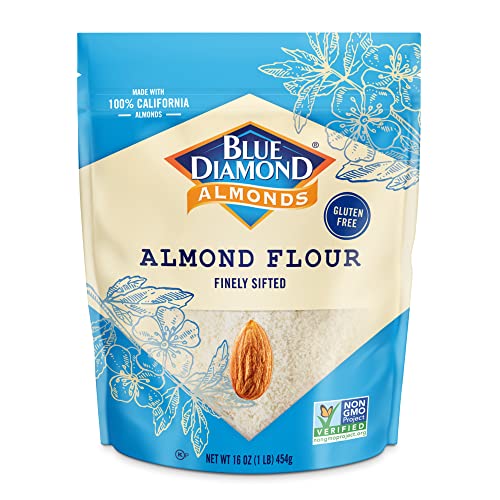
The Blue Diamond Almond Flour stands out for its remarkably consistent, super-fine texture. This flour is blanched and finely sifted, which means it integrates into batters without clumping and produces a light, tender crumb ideal for keto mug cakes, pumpkin pies, and delicate French macarons. Its neutral flavor blends seamlessly into both sweet and savory baked goods.
Customers consistently praise its superiority over other brands, noting its smooth texture and mild scent. Multiple reviewers have repurchased it over a dozen times, citing its reliability for gluten-free baking. The resealable bag is a practical touch that helps maintain freshness between uses, though the bag size is on the smaller side for heavy users.
This is a premium choice for bakers who prioritize texture and consistency above all else. If you’ve ever struggled with gritty cookies or dense cakes, switching to this finely sifted flour will noticeably improve your results. It’s a proven workhorse for low-carb and gluten-free kitchens alike.
Why it’s great
- Exceptionally fine, consistent texture ideal for delicate bakes
- Blanched for a lighter color and neutral flavor
- Resealable packaging for freshness
Good to know
- Smaller 1-pound bag may require frequent repurchasing for heavy bakers
- Higher moisture content can cause faster spoilage if not stored properly
2. Mandelin Grower Direct Pure Blanched Almond Flour 2 lb, Extra Fine

Mandelin sets itself apart by growing, grinding, and packing its almonds directly from a family-owned California facility since 1994. The flour is produced using traditional marble mill stones, which yields a very fine, consistent powder that bakes exceptionally well. This brand is frequently chosen by top pastry chefs for its reliability in professional applications.
The steam pasteurization process removes the skins gently, preserving a clean almond flavor. It’s also versatile enough to make excellent almond milk, offering a cost-effective alternative to buying whole almonds.
If you value a farm-to-table approach and want a flour that performs at a professional level, Mandelin is a strong contender. The only downside noted is potential shipping delays for east coast residents, as it ships from California. For those who prioritize freshness and direct sourcing, this is a top-tier pick.
Why it’s great
- Extra-fine, stone-ground texture perfect for pastries and cakes
- Directly sourced from family-owned California farm
- Versatile for baking, almond milk, and more
Good to know
- Shipping from California may take longer for east coast buyers
- Some users found the packaging could be more secure during transit
3. 365 by Whole Foods Market, Almond Flour, 32 Ounce
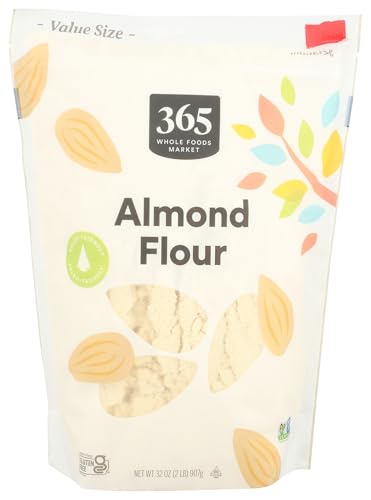
For bakers looking for a reliable, everyday almond flour without a premium price tag, the 365 by Whole Foods Market option delivers. Made from 100% California-grown almonds, this is a finely ground flour that handles well in a variety of recipes, from pancakes and cookies to breads. The 32-ounce bag provides solid volume for frequent bakers.
Customer feedback highlights its excellent performance in paleo-friendly cooking, particularly for almond-flour pancakes. One reviewer even used it to create an authentic French frangipane for the traditional galette des rois, noting that the texture was ideal for the delicate pastry filling. It’s a versatile flour that won’t break the bank.
While it doesn’t boast the ultra-fine grind of the Blue Diamond or Mandelin options, it is more than adequate for most home baking needs. If you’re transitioning to gluten-free baking or just need a large, affordable bag for routine recipes, this is a smart, no-fuss choice.
Why it’s great
- Large 32-ounce bag for the price point
- Made from 100% California almonds
- Reliable texture for pancakes, cookies, and frangipane
Good to know
- Not as finely sifted as premium brands, may affect macarons
- Packaging is not resealable, so transfer to an airtight container
4. Yupik Blanched Almond Flour 2.2 lb

The Yupik Almond Flour is a solid value option for those who need a larger quantity for non-delicate applications. This is a blanched flour with no added salt, oil, or sugar, making it a clean ingredient for any kitchen. Reviewers note that it works well for making homemade almond butter in a food processor and for general low-carb baking.
Some users have pointed out a coarser texture compared to other flours, which causes cookies to spread thin and can feel slightly gritty in smooth mixtures like ice cream. It is fresh and not stale, a common issue with other brands. For recipes where texture is forgiving, such as meatballs, crusts, or almond butter, this is a very capable and cost-effective option.
If your primary use for almond flour is bulk applications where the final texture isn’t critical, Yupik offers great value. However, for fine pastries or macarons where a smooth crumb is essential, you will want to reach for a more finely sifted brand.
Why it’s great
- Good value for the 2.2 lb quantity
- Fresh, non-stale quality
- Clean ingredient list with no additives
Good to know
- Coarser texture may cause cookies to spread thin
- Not suitable for fine pastries like macarons
5. Pure Original Ingredients Almond Flour (2 lb) Blanched Almonds, Extra Fine
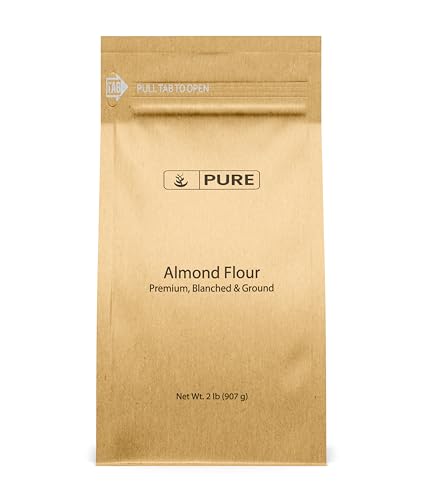
Pure Original Ingredients focuses on a single promise: a clean, additive-free product. This almond flour is made from blanched almonds and packed in Utah, USA. It is designed for use as a thickening agent in sauces, shakes, and soups, as well as for baking cookies, pie crusts, and breads. Users sensitive to grains and seeds have found it particularly gentle on the stomach.
Customer reviews highlight the fluffy, light texture and fresh taste, which is a standout for those who have experienced rancid flour from other brands. One reviewer with grain sensitivities noted that the flour worked perfectly for a variety of keto baked goods without causing any digestive issues. It is reported to be high in protein and free of microplastics.
This is a great choice for health-conscious bakers who want a pure, re-sealed product. It performs well in both baking and savory applications. Just note that the extra fine grind might be too delicate for very wet batters if not handled carefully, and its organic status is not always explicitly clear from the vendor’s marketing.
Why it’s great
- Fluffy, light texture with a fresh taste
- Pure ingredients with no additives or microplastics
- Well-suited for grain-sensitive diets
Good to know
- Organic certification is not clearly stated
- Extra fine grind can sometimes clump in very wet batters
FAQ
What is the difference between almond flour and almond meal for baking?
How should I store almond flour to keep it fresh?
Can I substitute almond flour 1:1 for wheat flour in any recipe?
Final Thoughts: The Verdict
For most users, the best almond flour for baking winner is the Blue Diamond Almonds Finely Sifted Flour because it delivers the most consistent, clump-free texture for a wide range of recipes, from keto cakes to classic pastries. If you want a premium, farm-direct option with an ultra-fine stone-ground finish, grab the Mandelin Grower Direct Flour. And for an affordable everyday staple for pancakes and cookies, nothing beats the value of the 365 by Whole Foods Market Almond Flour.