A fresh tattoo is an open wound, and how you treat it in the first few weeks determines whether your art heals crisp and vibrant or fades into a blurry, itchy mess. The wrong aftercare choice—heavy petroleum, scented lotions, or just neglect—can ruin an expensive piece of custom work. Every seasoned collector and shop owner will tell you the same thing: your aftercare routine matters as much as the needle work itself.
I’m Emma — the founder and writer behind Baby Bangs. I’ve spent years analyzing skin recovery formulations, cross-referencing ingredient safety profiles, and tracking real-world healing outcomes reported by thousands of tattoo enthusiasts across every major artist forum.
The goal is simple: find the tattoo aftercare that promotes rapid healing without compromising the vivid lines and dense color saturation your artist spent hours achieving.
How To Choose The Best Tattoo Aftercare
Picking an aftercare product is about understanding your skin’s reaction and the tattoo’s stage. The market splits into two camps: petroleum-based occlusives that seal the wound completely, and breathable plant-based formulas that hydrate without suffocation. Here is what to check before you buy.
Breathability Over Suffocation
Thick, petroleum-heavy ointments trap bacteria and can trigger “over-moisturizing,” which drowns the ink and causes blowouts. Look for formulas labeled breathable, non-comedogenic, or designed for tattoo use. Ingredients like Shea Butter, Coconut Oil, and Sunflower Oil allow the skin to exchange oxygen while locking in the moisture a healing tattoo desperately needs.
Fragrance-Free Is Non-Negotiable
Essential oils and synthetic fragrances are common irritants during the open-wound phase. A product that smells like vacation might feel nice on healed skin, but on a fresh sleeve, it can cause burning, redness, and a prolonged healing timeline. Stick with unscented or naturally mild formulas for the first 14 days. Healed tattoos can tolerate a lot more, but the initial healing window demands fragrance-free protection.
Check the Petrolatum Label
Petrolatum (Vaseline) has been a tattoo aftercare staple for decades, but many artists have moved away from it. The concern is that it suffocates the skin and can trap lint, dust, and bacteria against the fresh wound. If you prefer a traditional thick barrier, ensure it is applied in the thinnest possible layer. Modern plant-based glides and balms achieve similar protection without the suffocation risk.
Quick Comparison
On smaller screens, swipe sideways to see the full table.
| Model | Category | Best For | Key Spec | Amazon |
|---|---|---|---|---|
| Stories & Ink Aftercare Cream | Premium | Fragrance-Free Sensitive Healing | Panthenol + Bisabolol formula | Amazon |
| Hustle Butter Balm Stick | Mid-Range | On-The-Go Touch-Ups | 1.6 oz stick format, mess-free | Amazon |
| Mad Rabbit Pro Glide | Mid-Range | Artist Glide & Initial Aftercare | Vegan, no petroletum | Amazon |
| Aquaphor Healing Ointment | Budget | Multi-Purpose Dry Skin | 7 oz tube, water-free formula | Amazon |
| Tattoo Care Kit (Cream + Soap) | Budget | Start-To-Finish Aftercare Set | 6.7 fl oz each, soap + cream | Amazon |
In‑Depth Reviews
1. Stories & Ink Tattoo Care Aftercare Cream
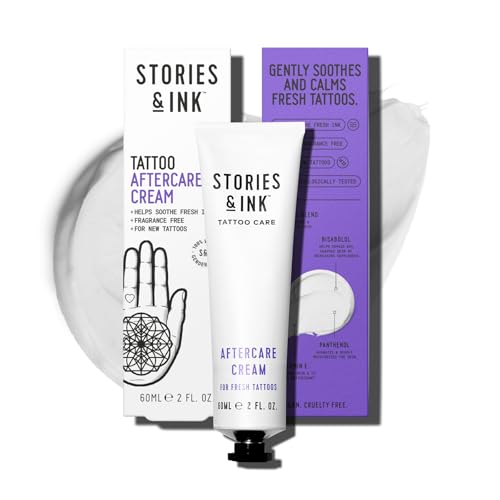
Stories & Ink sits at the premium end of the aftercare spectrum for good reason. The formula centers on Panthenol (a form of Vitamin B5) and Bisabolol, two ingredients clinically shown to calm the intense itch that plagues weeks two and three of healing. Multiple reviewers report that this cream cut their healing time in half compared to heavy petroleum options, with zero stinging on application even over a fresh piece of linework.
The texture is thick but rubs in cleanly, leaving no greasy residue on clothing. Because it is completely fragrance-free and dermatologically patch-tested, it is ideal for sensitive skin areas like the ribs, inner arm, or neck where irritation tends to flare worst. Users note that a small pea-sized amount covers a large area, making the 60 mL tube last far longer than the initial healing window.
The only downside is a slightly sticky feel during the first few minutes after application, and a mild “weird” scent that some describe as medicinal. Neither affects performance, but the stickiness may bother those who prefer a fully dry finish. For the fastest, most comfortable healing reported across the board, this is the choice for anyone who wants to avoid the suffocation risk of traditional ointments.
Why it’s great
- Fragrance-free and dermatologically tested for sensitive skin
- Panthenol and Bisabolol actively reduce the healing itch
- Light enough to avoid staining bedsheets or clothing
Good to know
- Feels slightly tacky for the first few minutes after application
- Higher initial cost per ounce compared to drugstore alternatives
2. Hustle Butter Tattoo Aftercare Balm Stick

Hustle Butter has been a staple in tattoo studios for years, and the stick format solves the biggest complaint about tub-based aftercare: messy fingers. The balm glides on cleanly and targets only the tattoo itself, making it excellent for touch-ups during the day when you cannot wash hands properly. The signature tropical fragrance is mild and fades quickly, but it is present, so sensitive types should test a small area first.
The formula is naturally derived, petroleum-free, and vegan, built around Shea Butter, Coconut Oil, and Sunflower Extract. These ingredients hydrate without suffocating, and the stick format makes it TSA-friendly for travel. Reviewers frequently mention that the balm revives older tattoos, not just fresh ones, giving a hydration boost that makes colors pop again on even years-old ink. The scent is described as pleasant and “like vacation” by most users, which is a plus for those whose skin tolerates it.
A small number of users report a grainy texture on the stick surface, especially in the first unit purchased. This appears to be a batch-level quality issue rather than a formula problem, and replacements typically fix it. The stick also leaves a slightly greasy feel initially, though it absorbs within a few minutes. For on-the-go care without unscrewing a jar, this is the top format in the category.
Why it’s great
- Compact stick format allows mess-free application anywhere
- Petroleum-free, vegan, and naturally derived to let skin breathe
- Works well on both fresh and healed tattoos for color revival
Good to know
- Contains a mild tropical fragrance that may irritate sensitive skin
- Occasional graininess reported in the stick texture
3. Mad Rabbit Pro Glide Tattoo Ointment

Mad Rabbit is one of the fastest-growing names in tattoo aftercare, and the Pro Glide formulation is built for both the artist’s needlework and the immediate post-session care. The texture is smoother than Vaseline, and artists report switching from traditional petroleum glides because this formula reduces drag on the needle without gumming up the machine. It works as a lubricant during the tattoo session and transitions directly into aftercare once the piece is wrapped.
The ingredient profile is clean: Sunflower oil locks in moisture, Shea butter conditions the healthy skin barrier, Cocoa butter nourishes deeply, and Lavender oil provides a calming effect. The lavender scent is present but not overpowering, and most users describe it as pleasant. The formula absorbs faster than petroleum alternatives, meaning less greasy residue on furniture and clothing post-session. It is also widely recommended by tattoo artists to their clients as a direct replacement for Aquaphor.
On the downside, the lavender oil can be a trigger for those with essential oil sensitivities. A very small number of buyers found it caused redness on their specific skin type. The jar format also requires clean hands to scoop, which can be less hygienic than a squeeze tube during the healing process. For a clean, vegan glide that doubles as aftercare, Mad Rabbit is a strong mid-range option that outperforms traditional drugstore staples.
Why it’s great
- Performs as both a tattoo glide and a post-session aftercare balm
- 100% clean formula with no petroletum or synthetic fillers
- Absorbs faster and less greasy than traditional ointments
Good to know
- Contains lavender essential oil that may irritate sensitive skin
- Jar format requires clean hands to avoid contaminating the product
4. Aquaphor Healing Ointment Advanced Therapy
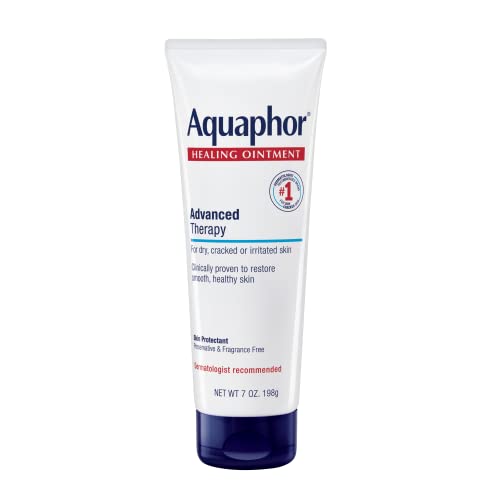
Aquaphor is the budget standard that has been used by tattoo artists and dermatologists for decades. The 7 oz tube delivers a huge amount of product for its cost, and because you only need a pea-sized dab per application, it lasts through multiple tattoos. The water-free formula creates a protective seal over the wound, allowing oxygen to flow while blocking out bacteria and debris. This is the classic “thin layer” approach that has healed millions of tattoos.
The ointment is unscented and extremely effective for dry, cracked skin in general. It works beautifully as a hand cream, foot healer, and lip balm, making the large tube a multi-purpose household staple beyond just tattoo care. For the budget-conscious buyer or someone who likes to keep a single versatile product, this is the safety pick. Licensed cosmetologists and reviewers confirm it handles the full healing cycle without irritation when applied correctly.
The main trade-off is that Aquaphor is petroleum-based. While it is safe for tattoos when used in a thin layer, many modern artists now prefer breathable alternatives. It feels greasy, can stain clothes if overapplied, and traps lint or dust if the area is not kept clean. For maximum healing speed with less risk of clogged pores, a plant-based option is generally better. But for sheer reliability and value, Aquaphor remains a solid fallback.
Why it’s great
- Massive value with 7 oz of product that lasts through multiple tattoos
- Proven protective barrier that allows oxygen flow to the wound
- Multi-purpose use for dry skin, hands, and lips beyond tattoo care
Good to know
- Petroleum-based formula can feel greasy and trap lint on fresh tattoos
- Thicker texture requires careful thin-layer application to avoid suffocation
5. Tattoo Care Aftercare Kit (Cream + Soap)
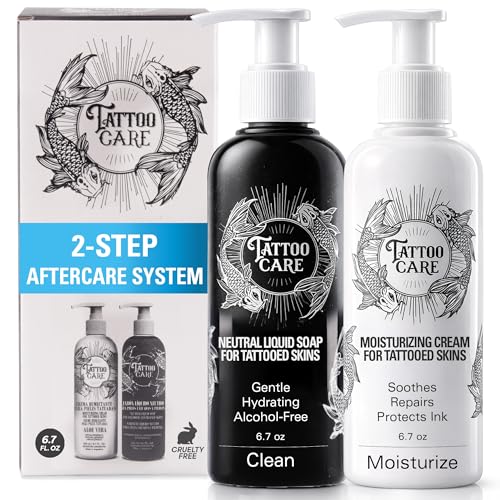
This kit delivers a full two-step aftercare system: a gentle soap for washing and a cream for moisturizing, both in generous 6.7 fl oz bottles. The formula uses Propolis, Vitamins A and E, and a blend of natural oils and Shea Butter. The idea is to create a complete routine from one purchase, and for the price, you get enough product to handle large pieces or multiple sessions without running out.
The soap is pH-balanced and non-stripping, critical for keeping the wound clean without drying out the surrounding skin. The cream absorbs nicely and leaves no greasy residue, and users consistently mention that it has a pleasant, mild scent. For someone getting their first tattoo and unsure which products to combine, this eliminates the guesswork of picking a separate cleanser and moisturizer that might not work together.
The main drawback is that the formula is not as specialized as the premium single-product options. It is a good, solid entry-level system, but experienced collectors might prefer the fragrance-free precision of a product like Stories & Ink or the artist-tested reputation of Hustle Butter. The packaging is also a bit bulky for travel. For an easy, affordable start-to-finish solution, this kit handles the basics effectively.
Why it’s great
- All-in-one kit with soap and cream for a complete aftercare routine
- Generous 6.7 oz bottles provide weeks of supply for large tattoos
- Formulated with Propolis and Vitamins A & E for skin repair
Good to know
- Not fragrance-free, which may irritate extremely sensitive skin
- Bulkier bottles less convenient for carrying on the go
FAQ
When should I switch from a thick ointment to a lighter lotion during tattoo healing?
Can I use coconut oil from the grocery store as tattoo aftercare?
Final Thoughts: The Verdict
For most users, the tattoo aftercare winner is the Stories & Ink Aftercare Cream because its fragrance-free, Panthenol-rich formula actively reduces the healing itch while allowing the skin to breathe, which is exactly what new ink needs. If you want mess-free portability for touch-ups throughout the day, grab the Hustle Butter Balm Stick. And for the budget-conscious buyer who wants a reliable multi-purpose tube that heals hands and feet too, nothing beats the Aquaphor Healing Ointment.