Your daily run doesn’t need a premium price tag, but it does demand a shoe that protects your joints and holds up to the pavement. The challenge is cutting through the noise of marketing jargon to find a pair that delivers real midsole cushioning, a secure heel fit, and a durable outsole without breaking your budget.
I’m Emma — the founder and writer behind Baby Bangs. I’ve spent years comparing the foam densities, outsole rubber compounds, and mesh durability of dozens of entry-level and mid-range running shoes to separate the long-haulers from the foot-sore duds.
After filtering hundreds of real-user wear tests, these seven models stand out as the most reliable budget running shoes for men that balance proper support with a wallet-friendly price.
How To Choose The Best Budget Running Shoes For Men
The right budget running shoe isn’t the one with the flashiest colorway — it’s the one that nails midsole foam density, outsole grip pattern, and a locked-in heel design. At lower price points, brands cut costs by using cheaper foam that flattens within months. Your priority is finding a shoe that protects your stride first and looks good second.
Midsole Foam: The Cushion That Actually Absorbs Impact
The foam compound between your foot and the road determines how much shock reaches your knees. EVA foam is standard at this price tier, but density matters. A firmer EVA (around 0.25 g/cm³) offers better energy return and lasts longer than a pillowy-soft budget foam that compresses permanently after 150 miles. Look for shoes that clearly state their midsole tech — Charged, Dream, or DynaSoft — rather than vague “cushioned” labels.
Outsole Rubber: Where the Shoe Meets the Pavement
Full-length rubber outsoles add weight but dramatically extend the shoe’s lifespan. Many budget models use exposed foam in the midfoot to save costs, which wears down fast on asphalt. A good budget shoe will have dense carbon rubber in the heel strike zone and blown rubber in the forefoot for traction. Check the tread pattern for deep, directional flex grooves — shallow patterns indicate a walking shoe, not a runner.
Heel Counter and Upper Construction
A semi-rigid external heel counter locks your heel in place and prevents slippage inside the shoe during toe-off. The upper should use a dual-layer mesh: a breathable outer layer for ventilation and a stiffer internal mesh for structure. Avoid shoes with flimsy, single-layer mesh that stretches out after a few runs. A padded collar and tongue also help prevent lace bite during longer sessions.
Quick Comparison
On smaller screens, swipe sideways to see the full table.
| Model | Category | Best For | Key Spec | Amazon |
|---|---|---|---|---|
| Under Armour Infinite | Premium | Daily high-mileage runners | UA HOVR foam midsole | Amazon |
| New Balance Tektrel V1 | Premium | Mixed trail and pavement runs | DynaSoft midsole compound | Amazon |
| ASICS Gel-Excite 11 | Premium | Narrow-footed runners | Rearfoot GEL cushioning unit | Amazon |
| adidas Questar 3 | Mid-Range | Zero break-in daily trainers | Cloudfoam midsole | Amazon |
| Under Armour Pursuit 4 | Mid-Range | Budget-conscious runners | Charged foam midsole | Amazon |
| Adidas Ultradream DNA | Mid-Range | Breathable summer runs | Lightweight sock-like upper | Amazon |
| Reebok Energen Run 4 | Budget | Entry-level joggers | High-rebound EVA foam | Amazon |
In‑Depth Reviews
1. Under Armour Infinite
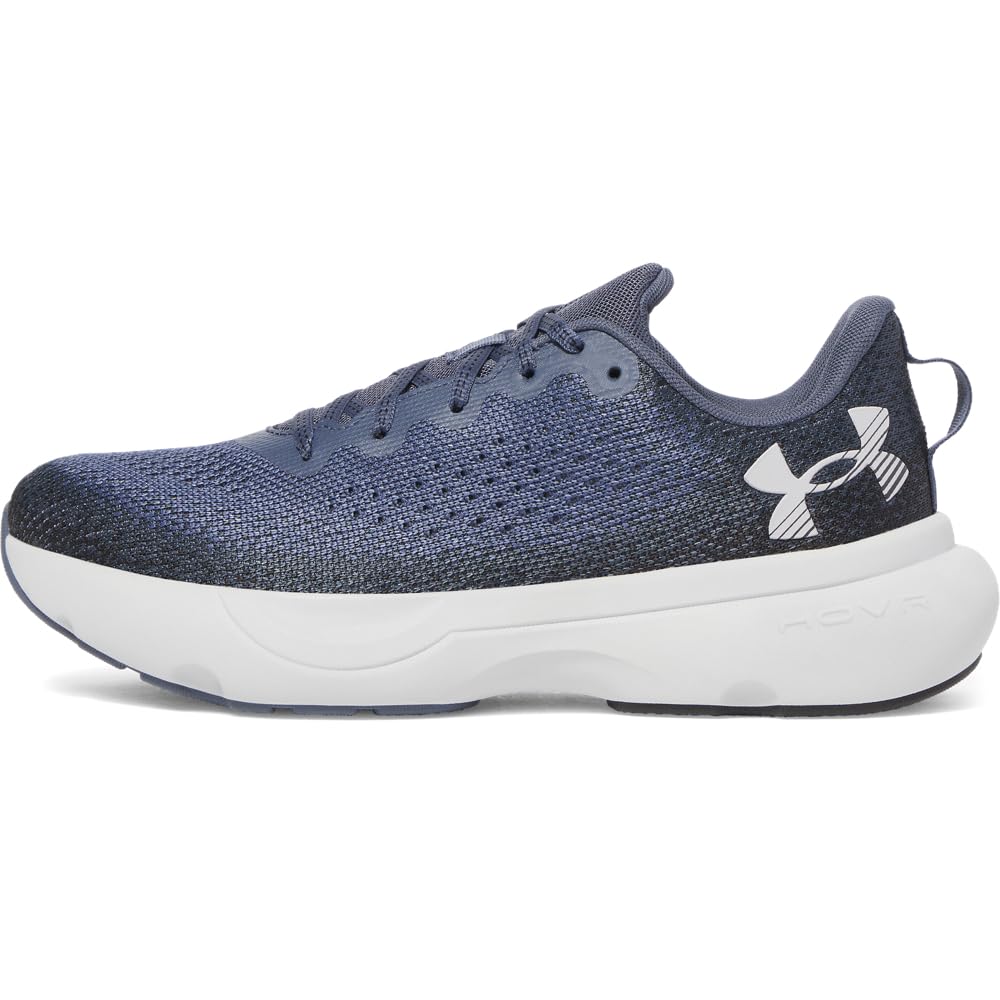
The Under Armour Infinite uses the brand’s HOVR foam — a dense, energy-returning compound that feels noticeably more responsive than standard EVA at this tier. Multiple users report logging hundreds of walking and running miles on a single pair, with the cushioning staying consistent past the 400-mile mark. The woven upper is durable enough to resist scuffs from daily wear yet pliable enough to move with foot swelling on long runs.
The outsole uses a solid rubber grid that grips asphalt and treadmill belts without excessive noise, and the semi-bootie construction reduces tongue shift. At 6’3″ and 250 lbs, one reviewer found the midsole supportive enough for high-impact use without bottoming out. The gray colorway stays neutral for casual wear, extending its utility beyond pure running.
The trade-off is weight — this isn’t a speed-day shoe. The heavier build prioritizes durability and protection over featherlight feel, making it better suited for easy-paced daily training than tempo intervals. If you want a shoe that lasts through seasons of consistent road miles, this is the pick.
Why it’s great
- HOVR foam maintains cushioning density for hundreds of miles
- Durable woven upper resists tearing and cleans easily with a cloth
- Supportive midsole handles heavier runners without collapsing
Good to know
- Heavier than true tempo or racing shoes
- Not ideal for narrow feet due to roomy toe box
2. New Balance Dynasoft Tektrel V1

The Dynasoft midsole in the Tektrel V1 strikes a rare balance for budget trail shoes: soft enough for pavement transitions but firm enough to protect against sharp rocks on dirt paths. One reviewer logged 7 to 11 miles of daily walking for eight months and reported no midsole compression or outsole delamination — a testament to the compound’s longevity. The suede and mesh upper adds structural rigidity that standard mesh lacks on uneven terrain.
The outsole features deep, multi-directional lugs that bite into loose gravel and wet grass, yet the flat heel profile keeps it stable on hard-packed trails. The shoe runs slightly small, so ordering half a size up ensures your toes don’t jam forward on descents. The sporty design transitions easily from trailhead to casual wear without looking clunky.
The DynaSoft foam, while durable, doesn’t provide the same plush step-in feel as pure road foams like HOVR. It’s a firmer ride that rewards good running form rather than masking it. If your runs mix pavement with packed dirt and you value longevity over pillow-soft landings, this is your shoe.
Why it’s great
- DynaSoft foam retains shape after hundreds of daily miles
- Aggressive outsole lugs provide solid grip on loose surfaces
- Suede overlays add upper durability without excess weight
Good to know
- Firmer feel than pure road-running shoes
- Runs half a size small for some users
3. ASICS Gel-Excite 11
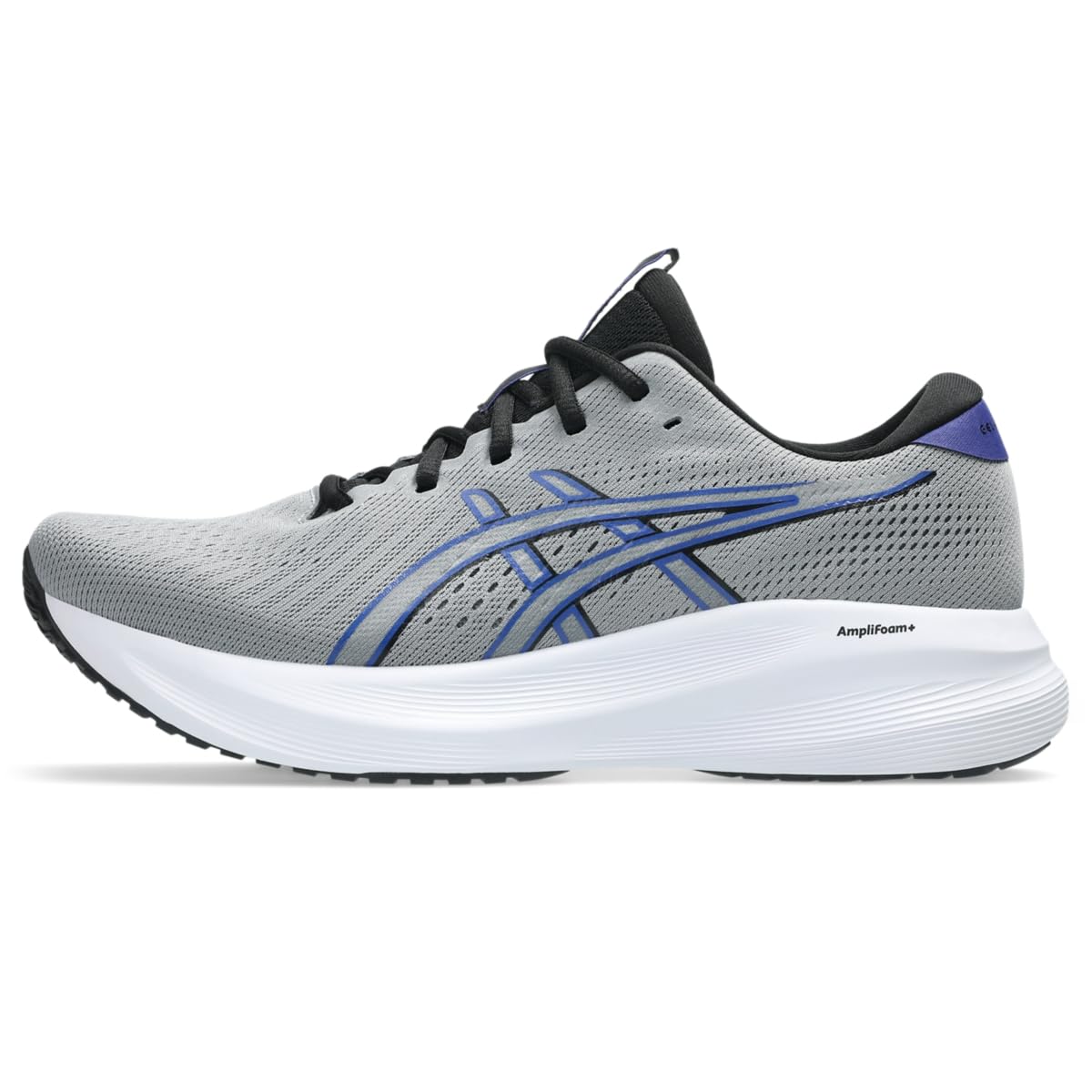
The Gel-Excite 11 is the entry point into ASICS’ renowned GEL cushioning system, placing a visible silicone-based gel unit in the rearfoot to absorb heel-strike impact. Multiple reviewers note that the shoe fits true to size for narrow to medium feet, with a snug heel counter that eliminates slippage. The Amplifoam midsole works alongside the GEL unit to deliver a ride that’s soft on landing yet stable during toe-off.
The engineered mesh upper allows air to flow freely during hot-weather runs, and the stitched overlays prevent lateral stretch during sharp turns. One reviewer’s husband, who typically wears orthotic supports, found these comfortable enough without his inserts — a strong indicator of the stock arch support. The thick rubber outsole section under the heel provides reliable traction on asphalt without adding noticeable weight.
The narrower toe box is the main limitation for runners with wider feet. If your forefoot spreads naturally on impact, you’ll want to size up or look for ASICS’ wide-fit variants. For medium-footed runners seeking a dependable daily trainer with proven rearfoot protection, the Gel-Excite 11 is a safe bet.
Why it’s great
- Visible rearfoot GEL unit delivers targeted heel-strike absorption
- Snug heel fit reduces slippage on long runs
- Quality stock arch support reduces need for orthotics
Good to know
- Narrow toe box limits wide-foot comfort
- Delivery delays reported by some buyers
4. adidas Questar 3
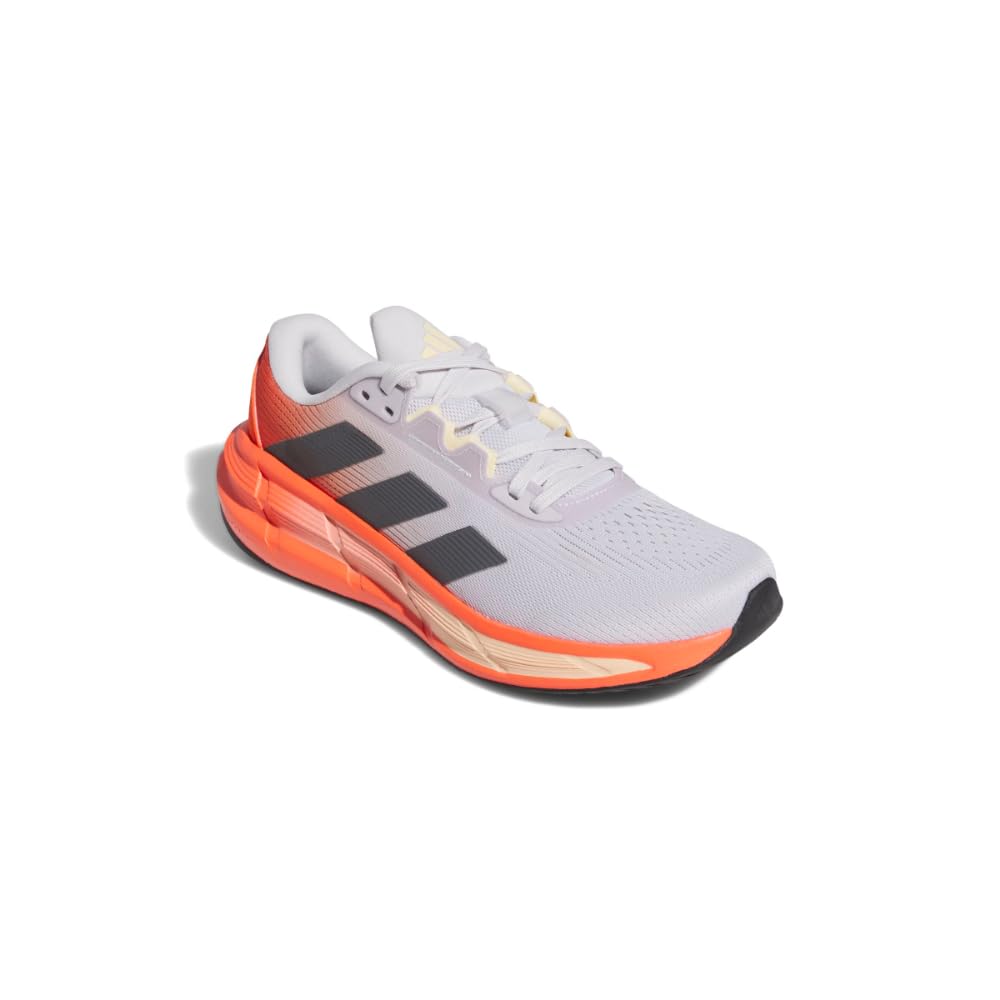
The Questar 3 uses adidas’ Cloudfoam midsole — a plush EVA blend that feels soft from the first step with zero break-in period required. Reviewers consistently mention comfort straight out of the box, a rarity at this price level. The soft cushioning makes these ideal for easy-paced jogs and long walks, where the foam’s compression set won’t be as noticeable as during high-intensity intervals.
The synthetic upper and padded collar provide a snug, structured fit, though multiple users report the shoe runs a full size small — particularly in the toe box. Going up one full size resolves the issue for most. The solid rubber outsole offers reliable traction on pavement and treadmill belts, and the clean Dash Grey colorway works as a casual lifestyle sneaker post-run.
The Cloudfoam compound is heavier than higher-tier adidas foams, and one reviewer noted it felt a couple of ounces denser than expected. For short-to-moderate distances (3 to 6 miles), the weight isn’t a dealbreaker. If you prioritize immediate, sock-like comfort over ultralight construction, the Questar 3 delivers.
Why it’s great
- Cloudfoam midsole requires no break-in period
- Padded collar and tongue prevent lace bite
- Stylish design doubles as casual everyday sneaker
Good to know
- Runs a full size small; order one size up
- Heavier than comparable road shoes in this list
5. Under Armour Charged Pursuit 4
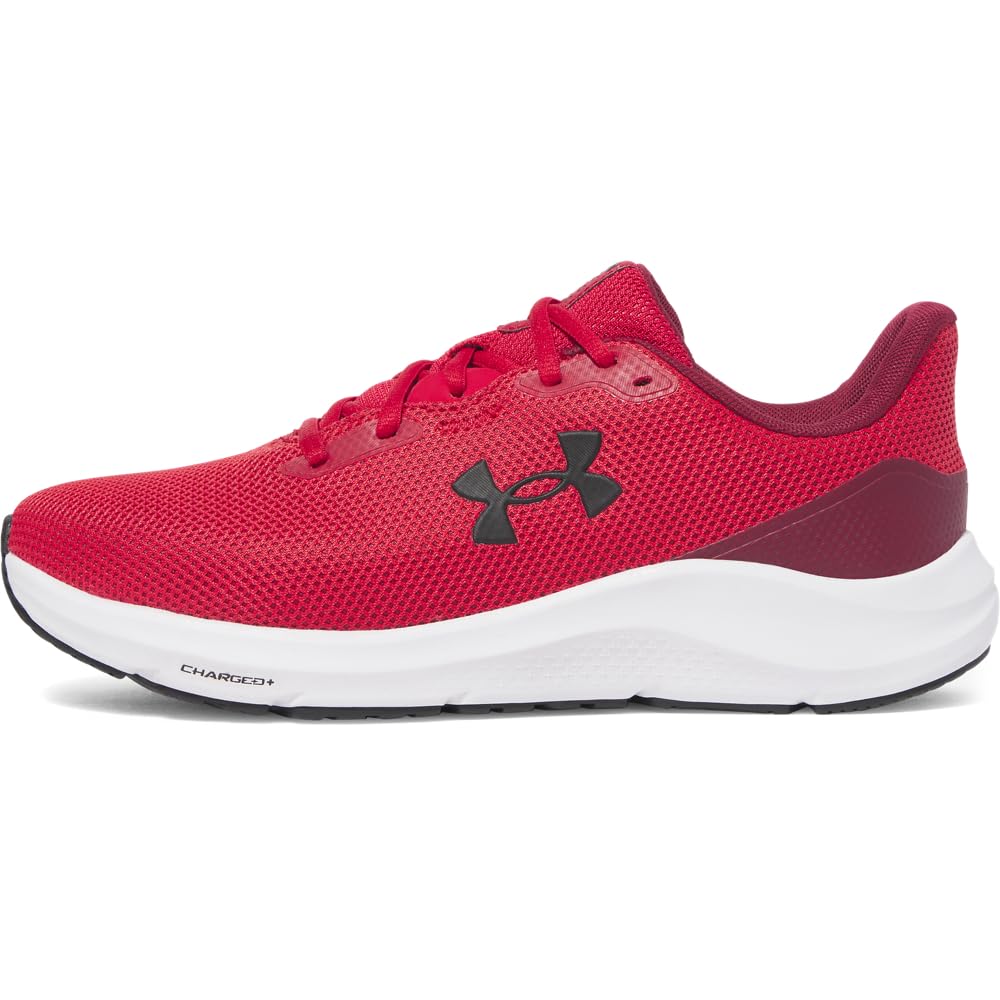
Under Armour’s Charged Pursuit 4 brings the brand’s Charged foam — a compression-molded EVA that’s firmer than Cloudfoam but more energy-returning than basic entry-level foams. Reviewers praise the fit and quality, noting the shoe runs true to size with a comfortable upper that doesn’t rub the Achilles. The outsole’s flex grooves allow for a natural toe-off motion that feels less clunky than other heavy trainers at this tier.
The design includes a slightly raised heel counter that locks the foot in place, and the lace-up closure offers secure midfoot lockdown. One reviewer mentioned the shoe squeaks loudly on smooth indoor floors — an issue related to the rubber compound gripping polished surfaces. The red and cardinal colorway is vivid and visible on early morning runs, adding a safety element.
The foam, while durable for daily training, is firm enough that runners accustomed to plush landings may find it unforgiving on longer runs beyond 8 miles. The squeaking issue is common enough across reviews to be a genuine consideration if you plan to use them on gym floors. For shorter road runs and budget-conscious training, the Pursuit 4 offers solid value with genuine performance foam.
Why it’s great
- Charged foam midsole offers responsive energy return for the price
- Secure heel counter prevents slippage during toe-off
- Bold color options improve visibility in low light
Good to know
- Prone to squeaking on smooth indoor surfaces
- Firm ride may feel harsh on runs over 8 miles
6. Adidas Ultradream DNA
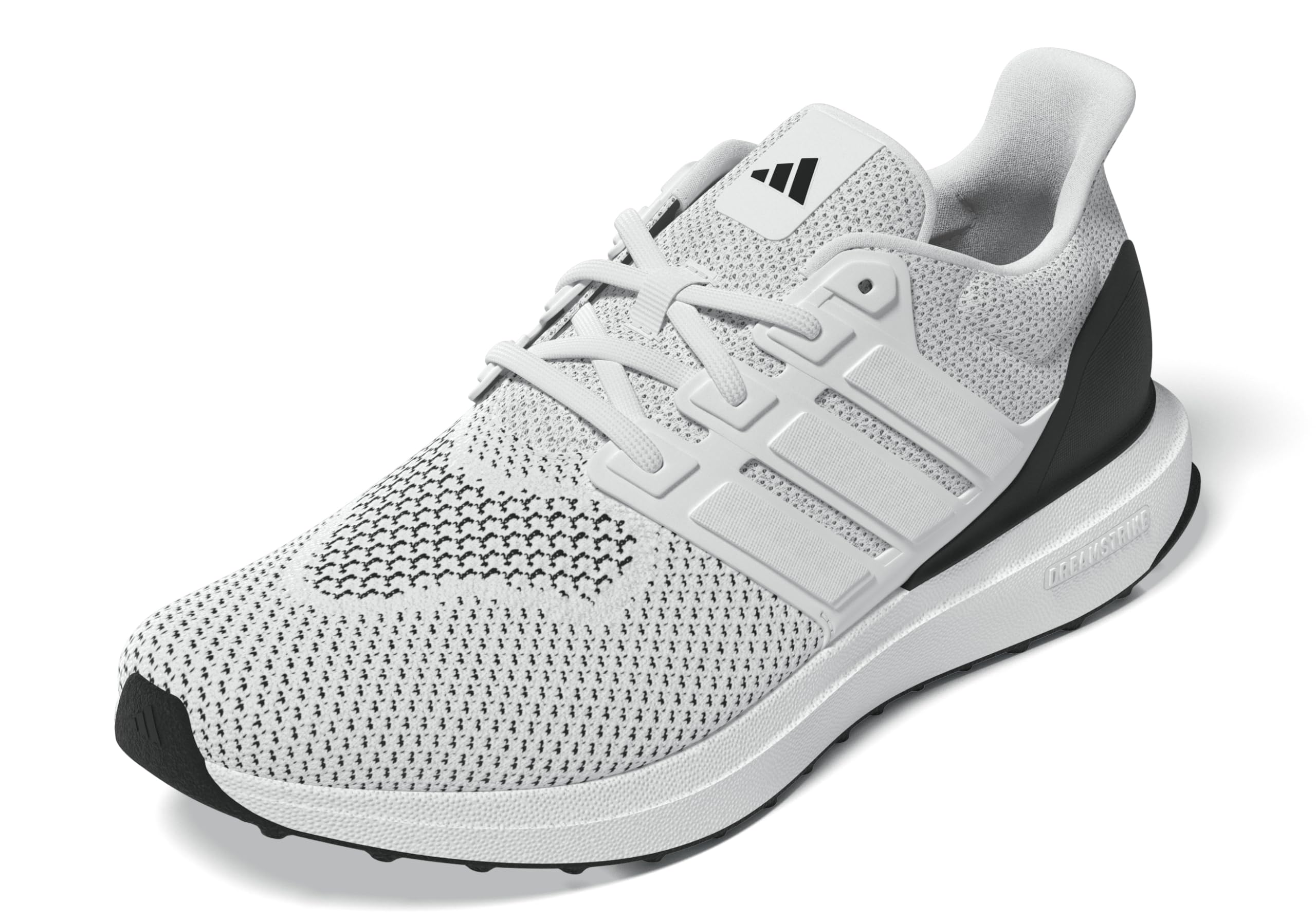
The Ultradream DNA uses a stretchy, sock-like knit upper that wraps the foot with minimal internal seams — reducing the chance of hot spots on warm-weather runs. Reviewers with narrow feet report a snug, supportive fit that keeps the foot from sliding laterally inside the shoe. The outsole uses a lightweight rubber compound that provides adequate grip on dry pavement but wears noticeably faster than denser outsoles on this list.
The midsole foam is soft and forgiving, making these comfortable for all-day wear as commuter shoes rather than dedicated training platforms. Several reviewers noted that after 1.5 years of moderate use, the foam still held up, though the outsole showed visible wear. The black and gray knit upper is easy to clean and blends into casual outfits.
The stretchy upper lacks the rigid structural support of a traditional mesh-and-overlay build, so runners who need lateral stability for cutting or uneven terrain should look elsewhere. The outsole durability is the main trade-off for the lightweight, breathable feel. If you run primarily on well-maintained roads or treadmills and prioritize foot ventilation, the Ultradream DNA is a smart summer pick.
Why it’s great
- Sock-like knit upper provides excellent breathability in warm weather
- Snug fit works well for narrow to medium feet
- Soft foam comfortable for all-day casual wear
Good to know
- Outsole rubber wears faster than denser competitors
- Stretchy upper lacks lateral support for aggressive cuts
7. Reebok Energen Run 4
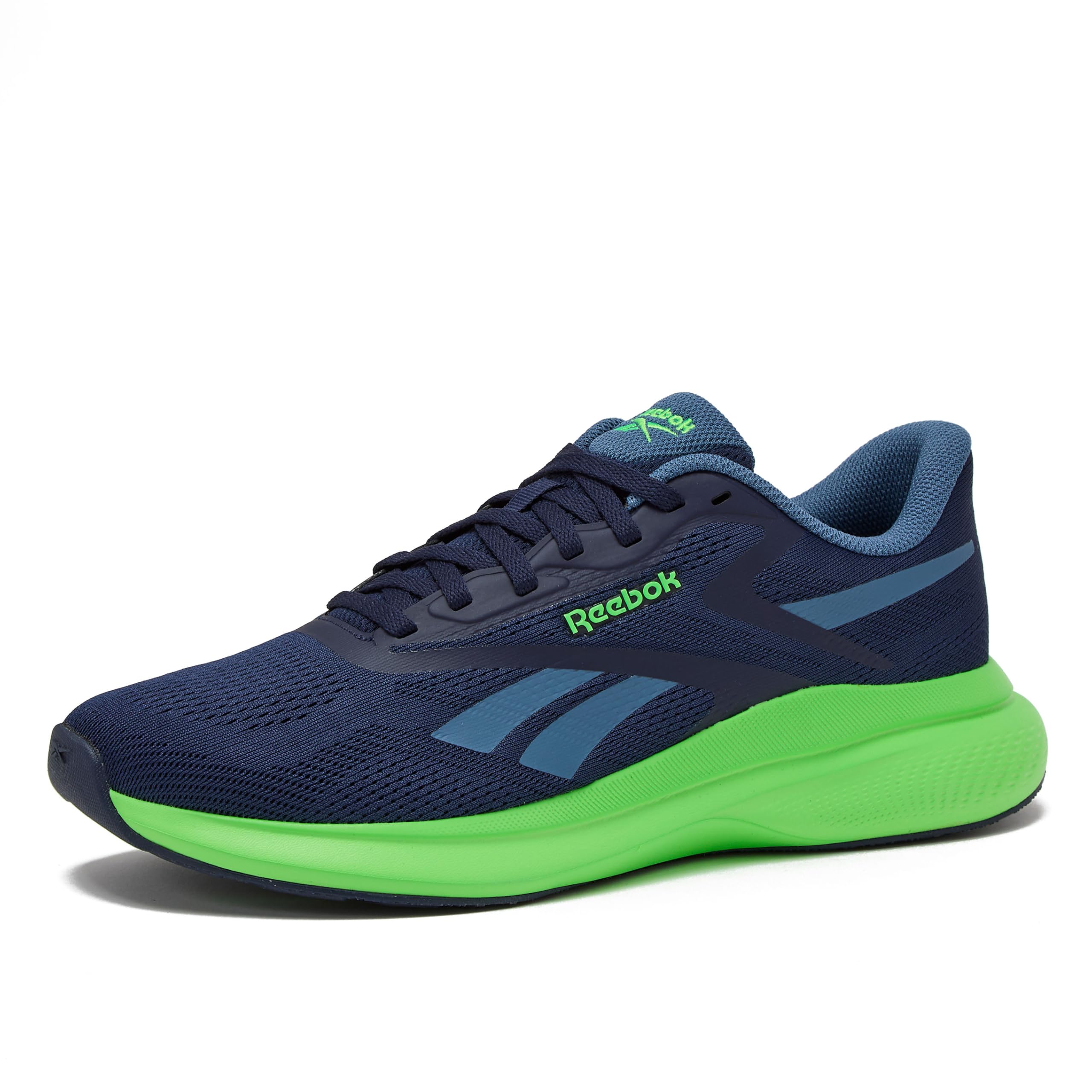
The Energen Run 4 is the lightest shoe in this roundup, using a high-rebound EVA foam midsole that keeps the overall weight down while still providing noticeable cushion. Reviewers consistently report the shoe feels comfortable straight out of the box with no break-in needed. The mesh upper is thin and breathable, making it a good option for runners in warmer climates who prioritize ventilation over structure.
The outsole uses a segmented rubber layout that saves weight while still protecting the foam in high-wear zones. One reviewer noted the shoe runs half a size large compared to standard US sizing, so sizing down is recommended. The clean design and multiple color options make it easy to dress up or down for casual wear beyond running.
The lightweight build comes with a durability compromise — the thin mesh and exposed foam sections won’t survive the same mileage as heavier, rubber-covered trainers. It’s best suited for beginners running 2 to 4 miles per session or as a gym cross-training shoe. For the price, it’s a solid entry point for someone testing whether running fits into their routine.
Why it’s great
- Ultralight construction reduces fatigue on shorter runs
- High-rebound EVA provides immediate step-in comfort
- Breathable mesh keeps feet cool in warm weather
Good to know
- Runs half a size large; consider sizing down
- Thin outsole and mesh limit long-term durability
FAQ
How many miles can I expect from budget running shoes before the cushioning flattens?
Should I buy running shoes half a size larger for daily training?
Can I use budget running shoes for trail running or only pavement?
Final Thoughts: The Verdict
For most users, the budget running shoes for men winner is the Under Armour Infinite because its HOVR foam delivers the longest midsole lifespan and most consistent cushioning of any shoe at this tier. If you want a trail-capable shoe that handles mixed surfaces without sacrificing daily comfort, grab the New Balance Dynasoft Tektrel V1. And for the absolute lowest barrier to entry with a trusted brand name, nothing beats the Reebok Energen Run 4 for lightweight, no-fuss running.