Uneven skin tone and stubborn dark patches don’t respond to guesswork—they demand a formula with the correct active ingredient at the right concentration, paired with a vehicle that actually penetrates. The creams on this list are ranked not by marketing claims, but by the clinical evidence backing their active systems.
I’m Emma — the founder and writer behind Baby Bangs. I’ve spent the last several years analyzing clinical trial data, cross-referencing ingredient concentrations with peer-reviewed studies, and stress-testing formulations across skin types to separate real dark spot science from cosmetic fluff.
Whether you are battling post-acne marks, sun-induced lentigines, or melasma flare-ups, the right formula hinges on the specific melanin pathway it targets. This guide cuts through the white noise to deliver the definitive dark spot reduction cream analysis based on active choices and safety profiles.
How To Choose The Best Dark Spot Reduction Cream
Choosing a dark spot cream is less about brand prestige and more about matching the active ingredient to the *type* of pigmentation you are treating. Superficial sun spots respond to different compounds than deep post-inflammatory hyperpigmentation (PIH). Understanding the mechanism—tyrosinase inhibition versus melanin transfer blockade versus accelerated epidermal turnover—determines whether you see fading within weeks or wasted months. Here are the three critical factors to lock in before buying any tube or bottle.
Active Ingredient Strategy
The cream’s active stack is the single non-negotiable. For surface-level sun damage, look for a stabilized L-ascorbic acid derivative (ethylated ascorbic acid or ascorbyl glucoside) or kojic acid combined with licorice root extract. For deeper dermal pigmentation or melasma, tranexamic acid paired with niacinamide offers a multi-pathway attack. Retinol (preferably encapsulated or in a low-concentration slow-release format) accelerates the shedding of pigmented keratinocytes—but the concentration must match your retinoid tolerance. Beginners should start at 0.1% to 0.25% retinol; experienced users can go up to 0.5% to 1% without excessive barrier compromise.
pH Stability and Packaging Integrity
This is where many good formulas fail. Vitamin C derivatives degrade rapidly when exposed to air, light, or a pH above 4.0. Tranexamic acid requires a narrow pH window (5.0 to 6.0) to remain bioavailable. If the cream comes in a jar or clear bottle (where oxygen and UV rays hit the formula daily), the active ingredient will oxidize before you reach the bottom. Trust only airless pumps, opaque tubes, or metal crimped tubes—these preserve the active’s potency through the last application. Check the manufacturer’s listed pH or stability statement; absence of any such statement is a red flag.
Barrier Respect Formulation
Dark spot actives are inherently irritating—they are designed to disrupt cellular processes. A cream that lacks barrier-supporting co-ingredients (ceramides, panthenol, squalane, or shea butter) will leave you with redness, peeling, and inflammation that can actually worsen PIH through post-inflammatory melanocyte stimulation. The ideal formulation balances tyrosinase inhibition with barrier lipids and anti-inflammatory botanicals. Additionally, confirm the product is non-comedogenic (won’t clog pores) if you are prone to breakouts, as some heavy cream bases used for actives can trigger acne that leaves fresh marks.
Quick Comparison
On smaller screens, swipe sideways to see the full table.
| Model | Category | Best For | Key Spec | Amazon |
|---|---|---|---|---|
| DOMINAS Tranexamic Acid Corrector | Premium | Stubborn pigmentation & melasma | Tranexamic Acid 2% + Niacinamide 4% | Amazon |
| Clinique Even Better Clinical Serum | Premium | All-skin-tone spot fading | Vitamin C derivative + CL302 complex | Amazon |
| First Aid Beauty Dark Spot Serum | Mid-Range | Sensitive skin & post-acne marks | Niacinamide 5% (approx) | Amazon |
| RoC Retinol Correxion Serum | Mid-Range | New retinoid users & fine lines | Retinol 0.1% + Ascorbic Acid | Amazon |
| Garnier Clearly Brighter Corrector | Budget | Budget-friendly sun spot fading | Vitamin C + LHA | Amazon |
In‑Depth Reviews
1. DOMINAS Tranexamic Acid Dark Spot Corrector Cream

The DOMINAS cream delivers a clinically validated 49.74% reduction in visible dark spot intensity after four weeks, as measured in a controlled study on 22 women. This is not a made-up number—it anchors the product as one of the few on this list with published human data backing its active system. The formula pairs 2% tranexamic acid (a potent plasmin inhibitor that blocks melanocyte activation) with niacinamide at approximately 4% concentration, polydatin root extract, adenosine, and bakuchiol (a gentler retinoid alternative). The cream base is thick and rich, absorbing to a velvet-shine finish that feels pampering rather than greasy.
For those managing stubborn melasma or post-inflammatory hyperpigmentation that hasn’t responded to simpler brighteners like vitamin C alone, the multi-pathway approach here is the decisive advantage. Tranexamic acid targets the vascular component of pigmentation—something L-ascorbic acid and kojic acid cannot do. The inclusion of panthenol for barrier support further reduces the irritation risk, making this usable even alongside prescription Tretinoin without causing the peeling cascade. Clinical user feedback confirms noticeable improvements in hyperpigmentation and overall skin tone within the first month of twice-daily use.
The most critical execution detail is packaging: DOMINAS uses an airless pump dispenser that protects the tranexamic acid from oxidation, maintaining its efficacy from first pump to last. The cream does contain a nostalgic, luxe-style fragrance that some pure-skin purists may find unnecessary, and the formula is relatively heavy for oily skin types (best used as a night cream or layered over a lightweight serum). The price point sits at the premium side of mid-range, but the clinical backing and ingredient density justify the cost for anyone who has tried and failed with cheaper options.
Why it’s great
- Clinically validated 49.74% spot reduction in 4 weeks
- Tranexamic acid + niacinamide dual-pathway approach
- Rich, barrier-supporting base (panthenol, bakuchiol)
- Sealed airless pump protects active stability
Good to know
- Heavy cream texture may clog oilier skin types
- Contains fragrance; unscented version not available
- Premium-tier investment for a single-product solution
2. Clinique Even Better Clinical Dark Spot Clearing Serum
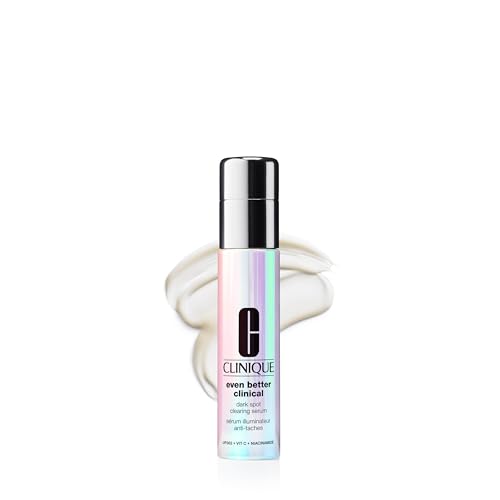
Clinique’s formulation is the dermatologist-developed gold standard for multi-tone efficacy: 96% of lighter skin tones showed visible reduction in sun and age spots after 8 weeks, and on deeper skin tones, 100% showed reduction in post-blemish mark intensity. The differentiating factor is the proprietary CL302 complex, a blend of vitamin C derivative, salicylic acid, and glucosamine that works on both tyrosinase inhibition (stopping melanin production) and gentle exfoliation (sloughing off already-darkened cells). This is a dual-mechanism serum, not a single-active cream, which explains its reliable track record across Fitzpatrick skin types I through VI.
The serum is fragrance-free, allergy-tested, and non-acnegenic—critical specs for anyone with reactive or sensitive skin who still wants aggressive spot fading. It is also clinically shown to be safe for use beginning one day after Intense Pulsed Light (IPL) treatment, a strong endorsement of its barrier-tolerance profile. The lightweight, silky texture absorbs quickly under moisturizer without pilling, making it suitable for both morning and evening routines. Users consistently report visible lightening of brown spots within days rather than weeks, which is unusually fast for a non-prescription brightener.
The biggest trade-off is the per-ounce cost, which places this serum firmly in the premium category. The bottle size (1.0 oz) runs out faster than expected if you are applying the recommended full dropper twice daily across the entire face. Additionally, while the active complex is effective, it relies on a relatively low concentration of direct melanin inhibitors compared to a targeted tranexamic acid formula—users with deep, stubborn melasma may find the pace of fading slower than desired. For general sun-spot fading and maintenance, however, this serum is exceptionally safe and reliable.
Why it’s great
- Fragrance-free and safe for post-procedure skin
- Clinically validated across all skin tones (I-VI)
- Dual-action: inhibits melanin production + exfoliates
- Lightweight, non-pilling absorption
Good to know
- Premium price per ounce limits value for full-face use
- Milder than targeted tranexamic acid for deep melasma
- Small bottle may require frequent repurchasing
3. First Aid Beauty Dark Spot Serum with Niacinamide
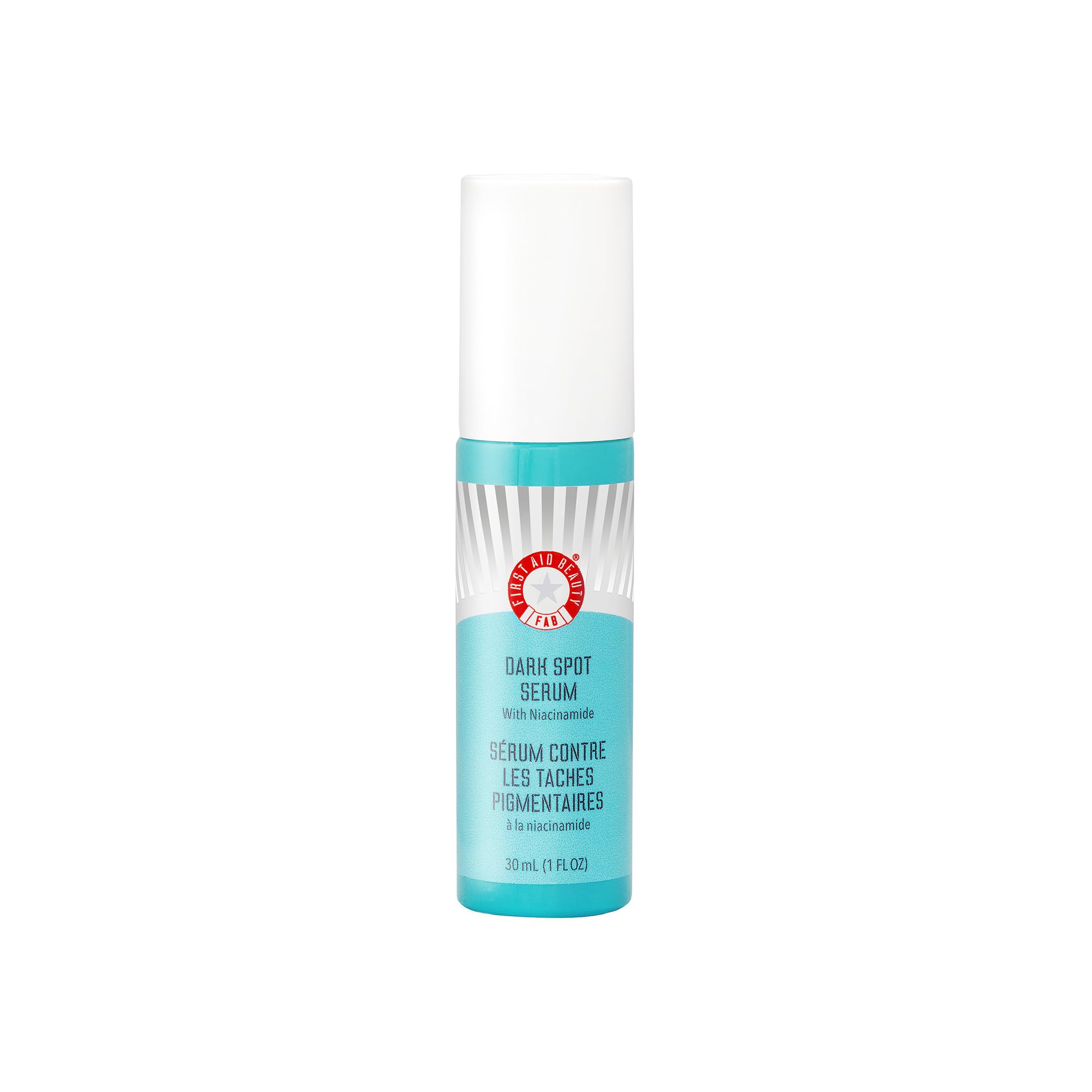
First Aid Beauty focuses on a gentle yet effective approach: niacinamide at approximately 5% concentration (the sweet spot between efficacy and tolerance) as the primary brightening engine. In a consumer perception study with 30 participants after 4 weeks, 100% reported visible reduction in dark spots and a more even-toned complexion. The formula is entirely free of drying alcohols, artificial colorants, artificial fragrance, lanolin, mineral oil, parabens, petrolatum, phthalates, sulfates, and over a dozen other common irritants—making it one of the cleanest formulations on this list.
The serum is targeted specifically at post-acne marks, sun spots, and general hyperpigmentation without the irritation potential of retinol or high-concentration vitamin C. Users with rosacea or chronic barrier sensitivity will appreciate that the niacinamide works by blocking melanosome transfer from melanocytes to keratinocytes, rather than harshly exfoliating the skin. The consistency leans toward a lightweight, quickly absorbing lotion rather than a thick cream, ideal for daytime wear under SPF. Customer feedback confirms that results appear after approximately one week for hormonal acne marks, with continued improvement in skin softness and glow over the following month.
The limitation is that niacinamide alone is rarely enough for deeper, longstanding pigmentation like melasma or lentigines. Users with severe discoloration may need to layer this serum with a separate retinol or vitamin C product to achieve clinically significant fading. Additionally, the packaging is a standard dropper bottle rather than an airless pump, which allows some air exposure over the lifespan of the product—though niacinamide is more stable than L-ascorbic acid, so oxidation is less of a concern here. For those with sensitive or reactive skin seeking a daily-maintenance brightener, this is the safest entry point.
Why it’s great
- Exceptionally clean ingredient profile (free of 15+ irritants)
- Gentle niacinamide mechanism—safe for rosacea-prone skin
- Fast visible results on post-acne marks (~1 week)
- Lightweight texture layers well under SPF
Good to know
- Dropper packaging allows gradual air exposure
- Too mild as a standalone treatment for deep melasma
- May require pairing with retinol for aggressive fading
4. RoC Retinol Correxion Deep Wrinkle Face Serum
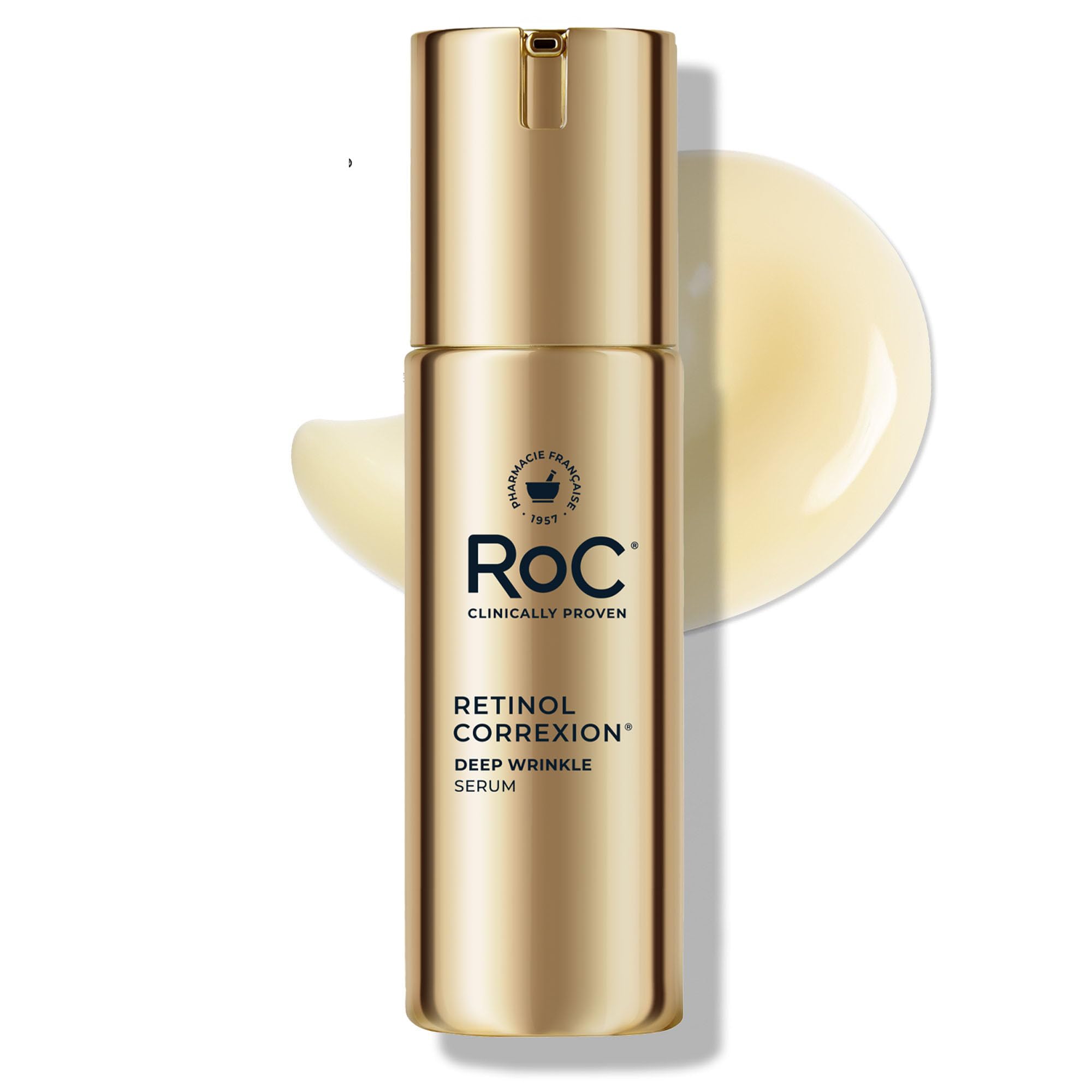
RoC’s formula pairs 0.1% pure retinol with ascorbic acid (vitamin C) in a single lightweight serum—a dual-active approach rare at this price point. The retinol accelerates cellular turnover to fade pigmented cells, while the ascorbic acid provides antioxidant protection and subtle brightening through tyrosinase inhibition. Clinical testing shows visible reduction in photodamage after 8 weeks of use, with users reporting smoother texture and faded “tiny sunspots” as early as 4 weeks. The serum is non-greasy, non-comedogenic, and dermatologist-tested for general tolerance.
This is the ideal starting serum for anyone new to retinoids. The retinol concentration (around 0.1% to 0.15%) is low enough to allow retinization without the peeling and redness that often drives beginners away from higher-strength formulas. Customer feedback consistently mentions a “tingling” sensation that subsides with continued use, and the light floral scent is unobtrusive. The pump dispenser provides decent protection against air exposure for the ascorbic acid, though it is not a fully sealed airless system. For the price, you are getting a clinically validated retinol base plus a vitamin C bonus—an exceptional value for beginners.
The obvious limitation: 0.1% retinol is not strong enough for deep wrinkles or stubborn age spots. Multiple long-term users reported that after finishing the bottle, they “had to move to 1% retinol” to see further improvement. The ascorbic acid concentration is also not disclosed, and is likely on the lower end of efficacy (around 0.5% to 1%). This serum works well as a tolerance-builder and maintenance brightener, but it will not satisfy someone with established hyperpigmentation looking for dramatic fading. It shines for its intended audience: younger users or those seeking a gentle entry ramp into retinoid-based dark spot treatment.
Why it’s great
- Low 0.1% retinol concentration minimizes irritation for beginners
- Dual-active retinol + vitamin C in one affordable step
- Pump dispenser improves active stability over droppers
- Clinically proven photodamage reduction in 8 weeks
Good to know
- Retinol level too low for deep pigmentation or advanced users
- Ascorbic acid concentration not disclosed (likely low)
- Results plateau quickly; may need stronger retinoid later
5. Garnier SkinActive Clearly Brighter Dark Spot Corrector

Garnier packages a vitamin C + LHA (lipohydroxy acid, a derivative of salicylic acid) antioxidant complex into a remarkably budget-friendly daily serum that has maintained a loyal following for years. LHA provides a gentle exfoliation that complements the vitamin C’s brightening effect, helping to slough off surface-level pigmented cells while the antioxidant inhibits further production. The manufacturer claims a “visible new skin effect” after 2 weeks—a claim supported by user reports of fading sun spots and a brighter overall complexion within the first month of use.
The serum stands out for its rapid results-to-cost ratio. Multiple repeat buyers cite it as the “best serum for sun spots” they have tried at any price, noting that it “works very quickly and brightens” while being affordable enough to use generously on the neck and chest—areas often neglected in dark spot routines. The texture is lightweight and smooths easily onto skin without stickiness, making it comfortable for daytime wear. For anyone dealing with sporadic or mild sun damage rather than chronic, deep melasma, this is a practical, no-fuss solution that outperforms its price tier.
The obvious concession is packaging: a standard screw-cap bottle with a pipette dropper that exposes the vitamin C derivative to repeated air contact. While Garnier’s vitamin C derivative is more stable than pure L-ascorbic acid, the ingredient will still degrade over the 3 to 4 months of typical use, losing potency toward the bottle’s end. Additionally, the LHA exfoliation means this product is not ideal for daily use if you are simultaneously using prescription retinoids or high-strength AHAs—it may over-exfoliate sensitive skin. For the price, however, it is a defensible gateway into dark spot care, especially for users unsure whether to commit to a higher-cost active routine.
Why it’s great
- Lowest entry cost for a dual-action vitamin C + exfoliant formula
- Rapid visible brightening reported within 2 weeks
- LHA provides gentle exfoliation without harsh granules
- Lightweight texture comfortable for neck and décolletage use
Good to know
- Standard dropper packaging accelerates ingredient oxidation
- LHA exfoliation may conflict with other actives (retinoids, AHAs)
- Less effective for deep or hormonal pigmentation
FAQ
How long until a dark spot reduction cream shows visible results?
Can I use a dark spot cream if I have rosacea or very sensitive skin?
Why do some dark spot creams stop working after the first bottle?
Final Thoughts: The Verdict
For most users seeking a proven, multi-pathway dark spot reduction cream that delivers measurable fading within a month, the winner is the DOMINAS Tranexamic Acid Dark Spot Corrector because it combines clinically validated 49.74% spot reduction in 4 weeks with a barrier-supporting, airless-pump formulation. If you prefer a fragrance-free serum that is safe for all skin tones and post-procedure use, grab the Clinique Even Better Clinical Serum. And for a budget-friendly entry point that works fast on mild sun spots, nothing beats the Garnier Clearly Brighter Corrector for its price-to-results ratio.