A sore, reddened bottom from incontinence or extended bed rest creates more than discomfort — it brings a daily cycle of stinging cleanups, sleep loss, and fear of infection. The right barrier cream stops that cycle by sealing moisture out so the skin can actually heal underneath.
I’m Emma — the founder and writer behind Baby Bangs. I filter out the marketing fluff by cross-referencing clinical protocols, ingredient safety databases, and real caregiver feedback to find the creams that actually hold up against urine, moisture, and friction.
Whether you need a thick zinc paste for deep rash protection or a non-greasy lotion for daily upkeep, this guide highlights the very best cream for elderly sore bottom to restore comfort and dignity fast.
How To Choose The Best Cream For Elderly Sore Bottom
Selecting the right cream comes down to the severity of the irritation, the type of incontinence, and the texture that works best for your care routine. A thin lotion won’t hold up against heavy wetness, while an overly thick paste can be tough to remove. Here’s what matters most.
Barrier Strength: Dimethicone vs. Zinc Oxide
Dimethicone-based creams form a clear, breathable film that seals out wetness without leaving white residue. These are ideal for mild redness and daily prevention. Zinc oxide pastes offer a thicker, opaque barrier that adheres to broken or eroded skin, making them the go-to for moderate to severe rashes. The trade-off is that zinc oxide requires more effort to wipe off completely.
Texture and Residue
A cream that feels greasy on the skin can trap heat and worsen irritation. Look for formulations that absorb well yet still create a lasting barrier. Petrolatum-based ointments like Aquaphor excel here because they moisturize while allowing oxygen flow. On the other end, paste-style products like Critic-Aid Skin Paste are designed to stick firmly to raw areas and should be patted on, not rubbed in.
Application Format: Cream, Paste, or Cloth
Traditional creams and pastes give you full control over how much product to apply. Barrier cream cloths, however, combine cleansing and protection into a single step — reducing friction from wiping and re-application. For caregivers managing frequent changes, cloths can save significant time and improve dignity by minimizing handling.
Quick Comparison
On smaller screens, swipe sideways to see the full table.
| Model | Category | Best For | Key Spec | Amazon |
|---|---|---|---|---|
| Comfort Shield Barrier Cream Cloths | Cloth | One-step clean & protect | Dimethicone 3% per cloth | Amazon |
| Coloplast Critic-Aid Skin Paste | Paste | Severe rash & eroded skin | Zinc oxide 40% paste | Amazon |
| Critic-Aid Clear Moisture Barrier | Ointment | Daily moisture barrier | Dimethicone 5% clear formula | Amazon |
| Aquaphor Healing Ointment | Ointment | Dry cracked skin healing | Petrolatum 41% base | Amazon |
| Medline Remedy Phytoplex | Cream | Non-greasy daily moisture | Breathable, no mineral oil | Amazon |
In‑Depth Reviews
1. Comfort Shield Barrier Cream Cloths

Each thick, ultra-soft cloth delivers a pre-measured dose of dimethicone barrier cream right as you clean, replacing the messy multi-step process of wiping then applying ointment. This single-step system is trusted by nurses nationwide for incontinence care because it cuts down on friction while sealing out wetness immediately.
The dimethicone layer goes on clear — no white paste to rub in or smear — and stays intact through multiple changes. The cloths themselves are durable enough for thorough cleaning without tearing, and the solution feels soothing even on the most sensitive, reddened skin.
While the value per cloth is higher than buying a tube of cream separately, the time saved and the reduced skin trauma during changes make these a smart investment for heavy-care situations. The resealable package keeps unused cloths clean and moist.
Why it’s great
- One-step clean and protect reduces friction on sore skin
- Durable cloths hold up without shredding during use
Good to know
- Premium cost per cloth compared to standalone creams
- Dimethicone may not be heavy enough for deep, eroded rashes
2. Coloplast Critic-Aid Skin Paste

This is the heavy artillery for a sore bottom. With 40% zinc oxide, Critic-Aid Skin Paste forms a thick, adherent barrier that clings to both intact and broken skin, making it the top choice for existing rashes that need rapid healing. Caregivers report that it clears moderate to severe diaper rash within one to two days.
The paste is CHG compatible, which matters in clinical settings where you need to combine treatments. It stays put under moisture and does not wash away during changes, so you do not have to reapply constantly. Application is best done by patting rather than rubbing to avoid further irritation.
Because the texture is very thick, removal demands a bit more care and a good cleanser. Users also note that a small amount goes far — a single tube lasts significantly longer than standard creams because you use much less per application.
Why it’s great
- High zinc oxide concentration for rapid rash healing
- Extremely economical — a little goes a long way
Good to know
- Thick texture requires careful patting; not good for rubbing
- Removal can be labor-intensive after heavy applications
3. Critic-Aid Clear Moisture Barrier Ointment

If you need a transparent, non-staining barrier that works for both prevention and mild irritation, this dimethicone ointment from Coloplast delivers. It creates a clear film that seals out moisture while letting you monitor skin color changes without wiping product away. Users report visible improvement within the first two applications.
The tube format makes dispensing easy and hygienic, and the ointment spreads thinly so a single tube lasts a long time. It is also straightforward to remove with gentle cleansing, which reduces the friction cycle that aggravates raw skin.
One limitation is that the clear formula is not designed for already-broken or highly eroded skin — in those cases, the zinc oxide paste version (Product 2) is a better match. But for daily barrier maintenance, this is the most user-friendly option available.
Why it’s great
- Clear formula lets you inspect skin without removing product
- Easy to apply and very easy to remove
Good to know
- Not heavy enough for severe or bleeding rashes
- May not last through heavy wetness episodes
4. Aquaphor Healing Ointment Advanced Therapy
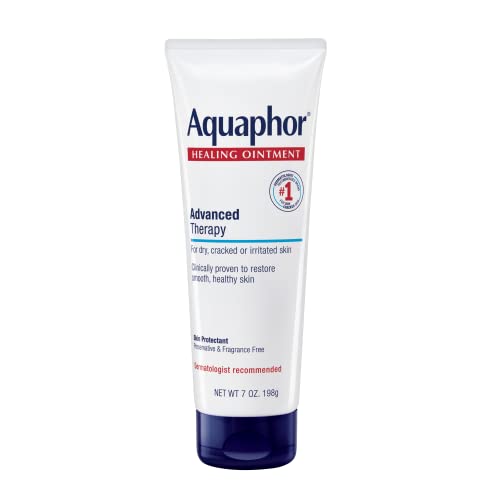
Aquaphor is a water-free ointment that relies on petrolatum to create a protective barrier while still allowing oxygen to reach the skin surface. This makes it distinct from occlusive pastes — it supports the natural healing environment rather than suffocating the area. It is excellent for dry, cracked skin that needs deep moisture restoration.
Although it is not marketed specifically for incontinence care, its performance on elderly hands, heels, and dry patches earns it a spot here. Users with compromised skin from extended bed rest find it softens calloused areas and prevents new cracking. The 7-ounce tube provides generous value for full-body use.
The main downside for incontinence application is that the ointment can feel sticky and transfer to linens or pads. It also lacks the targeted rash-healing zinc oxide that creams specifically formulated for the bottom provide. Use it as a companion moisturizer rather than the primary barrier during changes.
Why it’s great
- Breathable barrier supports natural skin healing
- Excellent for dry, cracked skin on hands and heels
Good to know
- Can feel greasy and transfer to clothing or bed sheets
- Lacks the specific zinc oxide barrier needed for rash treatment
5. Medline Remedy Phytoplex Nourishing Skin Cream
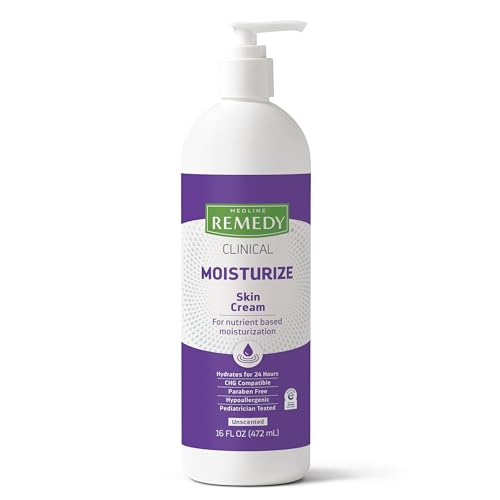
Used in hospitals and rehab facilities across the country, this cream is designed to restore the skin’s natural moisture barrier without using mineral oil or petrochemicals. It absorbs readily into the skin with zero greasy residue, which makes it an ideal daily moisturizer for elderly individuals who need hydration but hate the sticky feeling of ointments.
The blend of safflower oleosomes and carrageenan provides natural emollience, while the lack of fragrance makes it safe for those with multiple allergies or chemical sensitivities. It goes on thick but dries down cleanly, so it will not interfere with incontinence pads or briefs.
The trade-off is that Phytoplex is a nourishing cream, not a moisture barrier — it does not contain dimethicone or zinc oxide, so it will not protect against urine wetness on its own. For an elderly person with a sore bottom, pair it with a barrier product from this list for the best results.
Why it’s great
- Non-greasy formula absorbs quickly with no sticky residue
- Trusted by hospitals for sensitive and allergy-prone skin
Good to know
- Not a barrier cream — cannot replace dimethicone or zinc oxide
- Thick consistency absorbs slowly; needs patience
FAQ
Can I use baby diaper cream on elderly skin for sore bottom care?
How often should I reapply the barrier cream during the day?
What is the difference between breathable cream and occlusive paste for incontinence care?
Final Thoughts: The Verdict
For most users, the cream for elderly sore bottom winner is the Comfort Shield Barrier Cream Cloths because it eliminates friction during cleanups while protecting skin instantly — the single-biggest daily pain point for caregivers. If you need a heavy-duty paste to heal an active rash fast, grab the Coloplast Critic-Aid Skin Paste. And for gentle daily hydration without adding more steps to your routine, nothing beats the Medline Remedy Phytoplex.