Finding a cream that soothes without stinging or clogging pores is the core challenge.
I’m Emma — the founder and writer behind Baby Bangs. I spend my days analyzing ingredient decks, comparing ceramide concentrations, and cross-referencing customer reactions to find formulas that genuinely calm reactive, redness-prone skin without adding to the irritation.
After evaluating dozens of contenders for barrier repair, sensitivity testing, and long-term redness reduction, I narrowed the field to five proven formulas. This guide to the best cream for redness on face breaks down what actually works for reactive, rosacea-prone, and sensitized skin types.
How To Choose The Best Cream For Redness On Face
Not every moisturizer is safe for reactive skin. A formula that works for normal-to-dry skin can trigger flushing, breakouts, or a stinging sensation on sensitized skin. The goal is a cream that strengthens the barrier without adding irritants.
Check the Ingredient Shortlist: Ceramides, Niacinamide, and Calming Botanicals
Ceramides (specifically types 1, 3, and 6-II) mimic the skin’s natural lipids and are non-negotiable for barrier repair. Niacinamide helps fade post-inflammatory redness and supports moisture retention. Snail mucin and oat extracts can soothe immediate irritation. Avoid anything with denatured alcohol, essential oils, or synthetic fragrance — these are the most common triggers for face redness.
Texture and Absorption: Lightweight vs. Rich
Redness-prone skin can be both oily and dehydrated. A gel-cream (like snail mucin formulas) is ideal if you break out easily. A richer cream (like those with shea butter or petrolatum alternatives) works better for dry, flaking rosacea-prone skin. Test the feel: the cream should absorb within 60 seconds without leaving a greasy slick or a tight, dry finish.
Third-Party Verification and Skin Type Testing
Look for the National Eczema Association Seal or dermatologist testing on sensitive skin. Many brands claim “for sensitive skin,” but fewer submit to clinical testing on reactivity. A fragrance-free, non-comedogenic label is the bare minimum — a dedicated barrier-repair or redness-focused claim backed by ingredient science is better.
Quick Comparison
On smaller screens, swipe sideways to see the full table.
| Model | Category | Best For | Key Spec | Amazon |
|---|---|---|---|---|
| Paula’s Choice CALM Rescue & Repair | Premium | Rosacea & eczema-prone skin | 2 oz with antioxidant & emollient blend | Amazon |
| Tower 28 SOS Recovery Face Cream | Mid-Range | Instant soothing & barrier repair | Four types of hyaluronic acid | Amazon |
| La Roche-Posay Toleriane Double Repair | Mid-Range | 48-hour hydration & microbiome balance | Ceramide-3 with prebiotic action | Amazon |
| COSRX Snail Mucin 92% Face Moisturizer | Mid-Range | Lightweight glow + irritation calm | 92% snail secretion filtrate | Amazon |
| CeraVe Moisturizing Cream | Budget | Dry skin & daily body/face hydration | 19 oz with three essential ceramides | Amazon |
In‑Depth Reviews
1. Paula’s Choice CALM Rescue & Repair Moisturizer
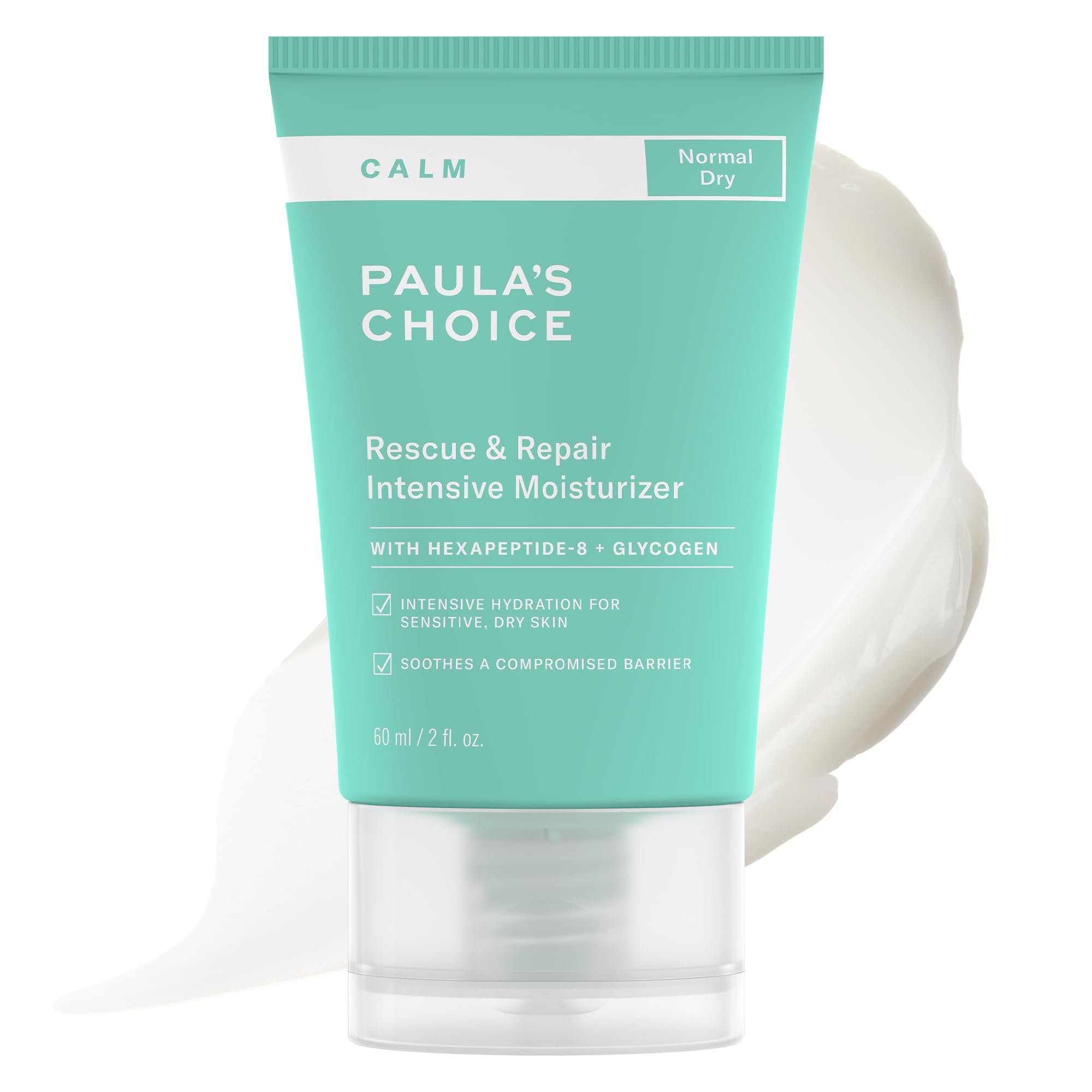
This tube delivers a science-backed blend of antioxidants and emollients specifically formulated for rosacea-prone and eczema-prone skin. The texture is rich but not suffocating — it dries down with a subtle glow rather than a greasy sheen, making it wearable both day and night. Many users report that it is the only moisturizer that does not trigger breakouts on oily, hormonal, reactive skin.
What sets Paula’s Choice apart is the focus on microbiome support alongside barrier repair. The formula includes calming ingredients that address the underlying causes of facial redness rather than just masking it. It is fragrance-free, paraben-free, and contains no essential oils — a clean deck for the most sensitive complexions.
The biggest practical complaint is the tube design. The product is thick, and squeezing the last quarter out requires effort, which can be frustrating for those with hand strength limitations. A small amount goes a long way, so the 2-ounce tube lasts roughly two months of twice-daily use.
Why it’s great
- Specifically targets rosacea and eczema-prone redness
- Antioxidant-rich formula supports long-term barrier resilience
- Non-comedogenic — safe for acne-prone sensitive skin
Good to know
- Thick cream can be difficult to dispense from tube
- Not ideal for those who prefer a fast-absorbing gel texture
2. Tower 28 SOS Recovery Face Cream
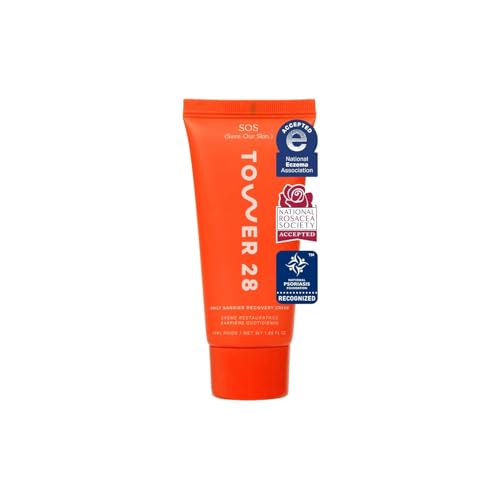
Tower 28 built this cream around the concept of “safe for sensitive skin” — and it delivers. The formula combines four types of hyaluronic acid with ceramides to provide deep hydration without any sting or grease. Users with eczema and rosacea report that it visibly reduces redness and improves skin texture within the first two weeks of consistent use.
The texture is deceptively rich in the jar but feels lightweight on the face. It absorbs quickly enough to wear under makeup without pilling, and a pea-sized amount covers the entire face. Dermatologist and ophthalmologist testing adds a layer of trust for those who have reacted to other “gentle” creams.
Some users note that the redness relief fades after about a month of use, suggesting the formula may not sustain long-term results for severe rosacea. The jar packaging is not ideal for preserving active ingredients compared to an airless pump, but the cream itself is well-formulated for daily barrier maintenance.
Why it’s great
- Instant soothing with no stinging sensation
- Four types of hyaluronic acid for layered hydration
- Dermatologist and ophthalmologist-tested
Good to know
- Redness relief may plateau after several weeks
- Jar packaging exposes formula to air each use
3. La Roche-Posay Toleriane Double Repair Face Moisturizer

La Roche-Posay’s Toleriane Double Repair is a workhorse moisturizer that combines prebiotic action with Ceramide-3 and niacinamide. The prebiotic component supports a balanced microbiome, which is crucial for reactive skin types that flush easily. The lightweight cream texture absorbs rapidly and layers cleanly under sunscreen or foundation.
The formula is fragrance-free and non-comedogenic, and it delivers 48-hour moisture according to the brand’s testing. Many users with sensitive, combination skin find it reduces redness without clogging pores. It also works well as a base for tretinoin or other active treatments because it does not interfere with absorption.
For very dry or severely compromised barriers, this cream may not be rich enough alone. Some users also report pilling when layered over certain serums. The bottle packaging requires occasional lid cleaning to prevent product buildup around the nozzle.
Why it’s great
- Prebiotic action supports microbiome health
- 48-hour moisture lock with non-greasy feel
- Works well under makeup and sunscreen
Good to know
- May not be hydrating enough for severely dry skin
- Can pill with certain silicone-based serums
4. COSRX Snail Mucin 92% Face Moisturizer

K-beauty enthusiasts have long trusted snail mucin for calming irritation, and COSRX’s 92% formula is the gold standard. The lightweight gel-cream texture glides onto the skin and absorbs almost immediately, leaving a plump, dewy finish. It is excellent for those whose redness is paired with post-acne marks or uneven texture.
The snail secretion filtrate contains naturally occurring glycolic acid, collagen, and allantoin — a combination that gently exfoliates while hydrating. This makes it a multi-tasker: it calms redness in the short term and improves skin tone over weeks. The formula is hypoallergenic, dermatologist-tested, and cruelty-free.
Some users with extremely sensitive skin report a mild stinging sensation upon first application, though this usually subsides after a few uses. The tacky initial feel dries down within 60 seconds, and the jar lasts a surprisingly long time because a very small amount covers the entire face.
Why it’s great
- Lightweight gel texture works for oily and combination redness
- 92% snail mucin provides gentle exfoliation and hydration
- Helps fade post-inflammatory redness and scars
Good to know
- Initial mild stinging possible for ultra-sensitive skin
- Tacky feel before fully drying down
5. CeraVe Moisturizing Cream

CeraVe’s flagship cream is a dermatologist-recommended staple for a reason. It contains three essential ceramides (1, 3, and 6-II) paired with hyaluronic acid in a rich, velvety base that locks in moisture for 24 hours. It holds the National Eczema Association Seal of Acceptance and is fragrance-free, paraben-free, and non-comedogenic.
This cream is thick and heavy — it is designed for dry skin on both the face and body. For redness specifically, it works by reinforcing the moisture barrier, which reduces the tight, flaky feeling that often accompanies flare-ups. Users on Accutane or strong retinoids report that it prevents peeling and cracking.
The 19-ounce tub is enormous and takes many months to finish, which can feel wasteful if you only need a face cream. The rich texture may also feel too heavy for oily or combination skin, and it can sit on the skin rather than fully absorbing if applied too generously.
Why it’s great
- Three essential ceramides directly support barrier repair
- NEA Seal of Acceptance — safe for eczema-prone skin
- Exceptional value per ounce for multi-use hydration
Good to know
- Very thick texture may feel heavy on oily zones
- Large tub is not travel-friendly and takes months to finish
FAQ
Can a cream really fix facial redness or is it just cosmetic?
Should I avoid SPF in a moisturizer if I have redness-prone skin?
Why does my cream sting when my face is red?
Final Thoughts: The Verdict
For most users, the best cream for redness on face is the Paula’s Choice CALM Rescue & Repair Moisturizer because it specifically targets rosacea-prone and eczema-prone skin with a science-backed blend of antioxidants and barrier-supporting ingredients. If you prefer a lightweight gel texture that fades post-acne redness, grab the COSRX Snail Mucin 92% Face Moisturizer. And for an affordable, dermatologist-recommended barrier booster that works on both face and body, nothing beats the CeraVe Moisturizing Cream.