The right compression socks do more than squeeze your calves — they actively reduce muscle oscillation during impact, which translates directly to less micro-tearing in your soleus and gastrocnemius after a long run. That targeted pressure gradient is the difference between a recovery that takes two days and one that takes two hours.
I’m Emma — the founder and writer behind Baby Bangs. I’ve spent the last several years analyzing the mechanical properties of graduated compression knits, specifically how varying denier counts and yarn blends affect venous return in endurance athletes.
This guide isolates the five most effective models based on their actual compression profiles, fabric durability, and moisture management — not marketing claims. If you want my direct verdict on the best compression socks for athletes, keep reading to see each model tested against real use cases.
How To Choose The Best Compression Socks For Athletes
Athletic compression socks are not the same as medical-grade support stockings. The key difference lies in the pressure gradient: the most effective athletic models deliver 15-20 mmHg or 20-30 mmHg, with the highest compression at the ankle and a gradual reduction up the calf. That gradient actively assists venous return, reducing blood pooling during repetitive impact.
Graduated Compression Profile
Look for a measurable mmHg rating printed on the packaging. A 15-20 mmHg range works for daily training and travel recovery, while 20-30 mmHg is better for post-race recovery or athletes prone to shin splints. Uniform compression (often found in cheap generics) does not provide the same circulatory benefit and can actually restrict movement.
Fabric Blend and Moisture Management
Merino wool blends are the gold standard for athletes because they regulate temperature and pull sweat away from the skin faster than nylon or polyester alone. A sock that stays wet against the foot increases blister risk and reduces compression effectiveness as the fibers stretch when saturated. Look for at least 30% merino or a high-performance synthetic like Coolmax.
Seamless Toe Construction
A bulky seam at the toe is the most common cause of irritation during long runs or hikes. Seamless toe boxes use a linking process that creates a flat, nearly invisible connection. This prevents the friction that leads to hot spots and black toenails, especially during descents or lateral movement.
Quick Comparison
On smaller screens, swipe sideways to see the full table.
| Model | Category | Best For | Key Spec | Amazon |
|---|---|---|---|---|
| Feetures Compression Knee High | Mid-Range | Travel & hiking recovery | 15-20 mmHg graduated | Amazon |
| Sockwell Women’s Micro Grade | Mid-Range | Nursing & all-day standing | Merino wool blend | Amazon |
| Sockwell Men’s Pulse OTC Firm | Premium | Post-injury & firm support | 20-30 mmHg firm | Amazon |
| Sockwell Men’s Sportster | Premium | Running & shin splints | 15-20 mmHg, seamless toe | Amazon |
| Sockwell Women’s Free Fly | Mid-Range | Cycling & golf | Moderate compression | Amazon |
In‑Depth Reviews
1. Sockwell Men’s Sportster Graduated Compression Socks
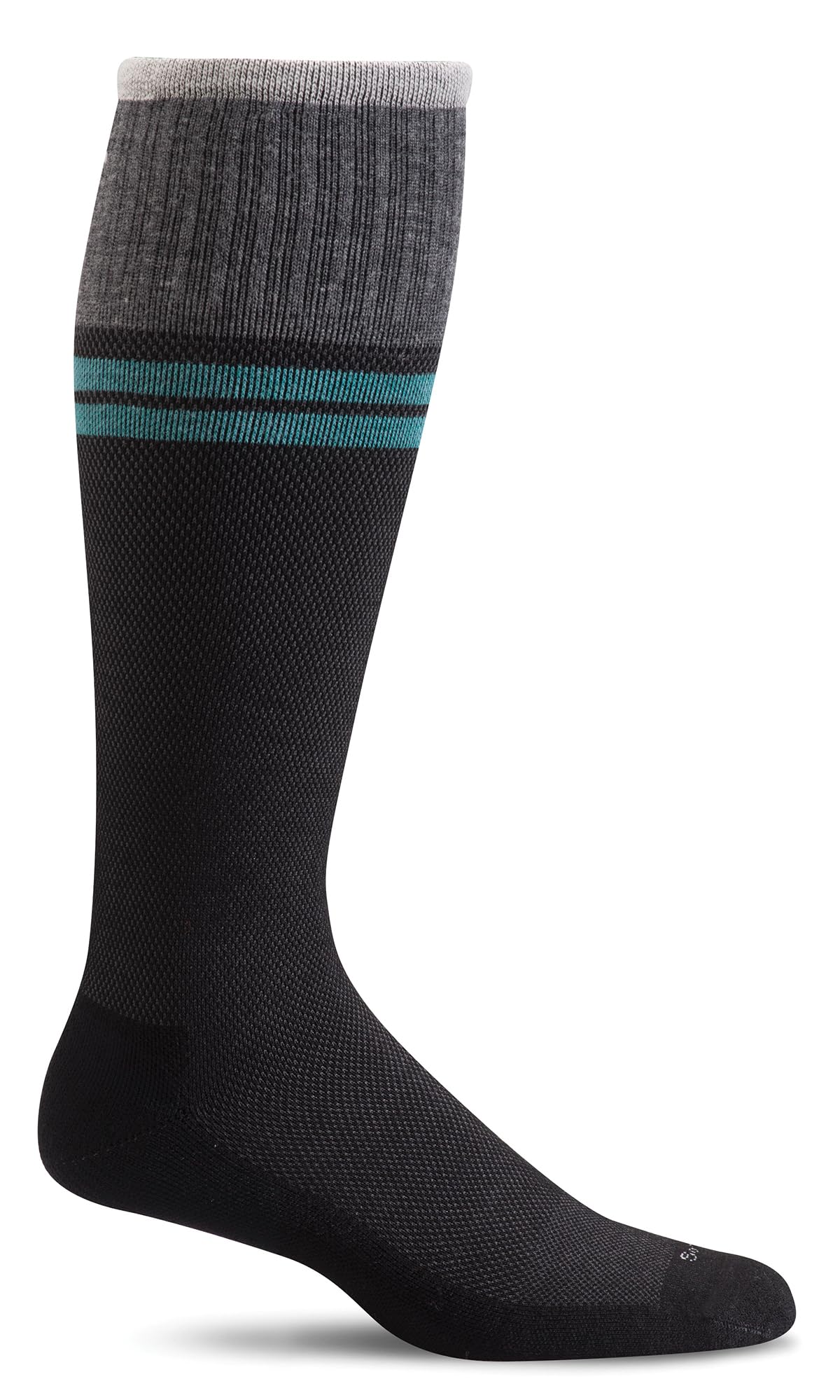
The Sportster uses a 15-20 mmHg graduated profile that specifically targets shin splint prevention — a common pain point for runners and jump-sport athletes. The merino wool blend keeps feet cool even during summer miles, while the seamless toe construction eliminates the friction point where blisters typically form.
The over-calf rise provides full coverage for the gastrocnemius, which reduces muscle vibration on impact. Users report that the compression holds up well through repeated wash cycles, and the wool fibers retain their shape better than pure synthetic competitors. The XXL sizing runs small for wider feet, so measure your calf circumference carefully.
For the athlete who logs serious weekly mileage, the Sportster delivers a balance of firm support and breathability that justifies the investment. It is the most versatile model for multi-sport use, from road running to hiking.
Why it’s great
- Merino blend breathes better than polyester-only socks
- Seamless toe prevents hot spots on long runs
- Graduated pressure reduces shin splint discomfort
Good to know
- XXL may be too small for size 12 wide feet
- Premium price point compared to basic models
2. Sockwell Men’s Pulse OTC Firm Graduated Compression Sock
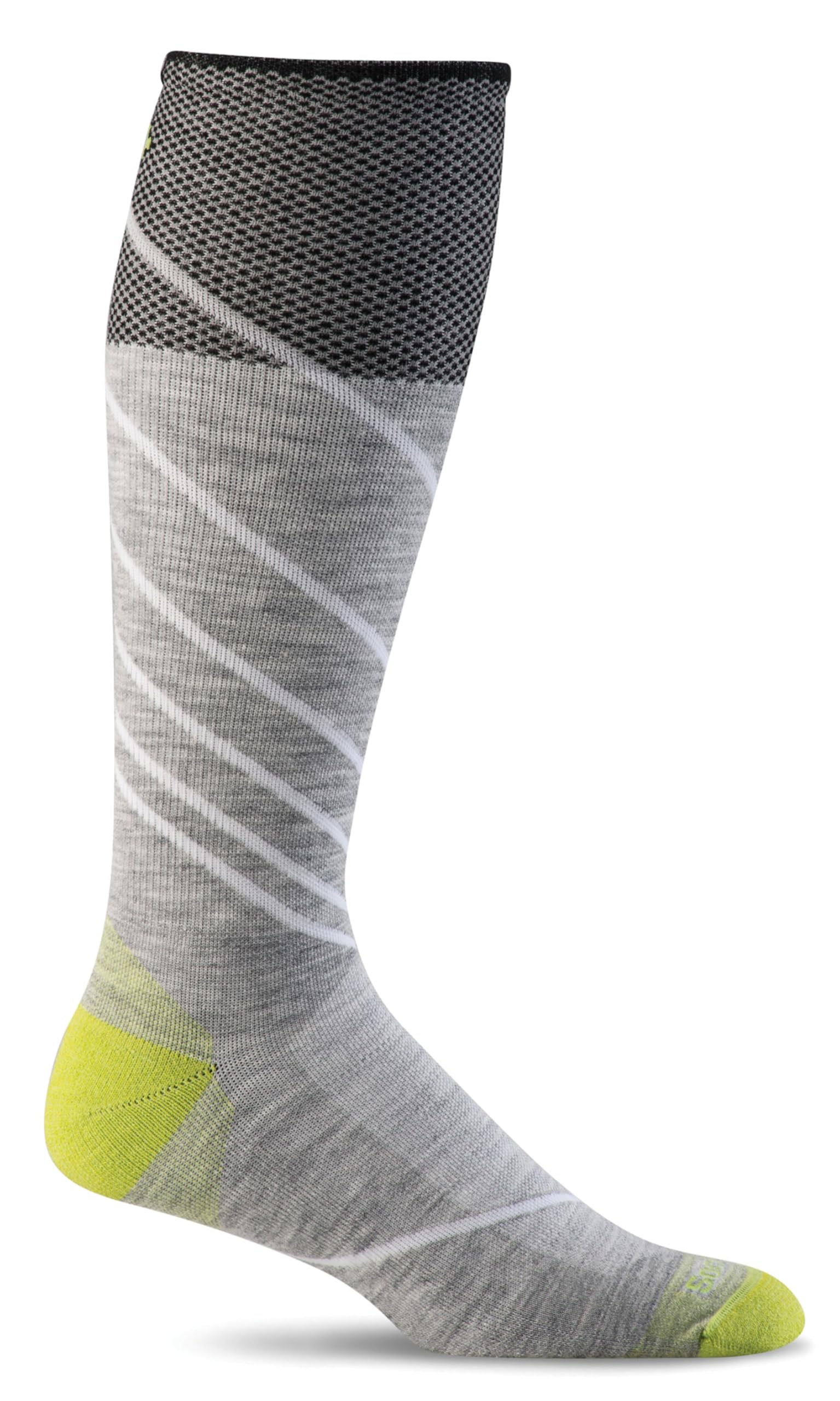
The Pulse delivers 20-30 mmHg of graduated compression, making it the best option for athletes recovering from lower-leg injuries or those who need maximum venous return after intense workouts. The merino wool thickness creates a plush feel against the skin while still wicking moisture effectively — a rare combo in the firm-compression category.
Users with size 12W feet report that the calf fit is generous compared to other firm socks, and the wool construction prevents the overheating issue common with cheap polyester alternatives. The gradual pressure taper from ankle to knee maintains comfort even during 12-hour wear sessions.
The primary trade-off is longevity: some users note that internal seams can loosen after months of regular use, leading to indentations on the leg. However, for athletes prioritizing compression strength above all else, the Pulse delivers measurable results for post-spinal surgery recovery and chronic swelling.
Why it’s great
- Firm 20-30 mmHg ideal for post-injury support
- Wool blend keeps feet cooler than synthetic firm socks
- Generous calf fit for larger leg circumferences
Good to know
- Seam durability may fade after several months
- Higher price than mid-range graduated models
3. Feetures Compression Knee High Socks

Feetures built these socks around a lightweight graduated compression profile that targets ankle and calf swelling without leaving deep indentations. The knit is noticeably thinner than the Sockwell wool models, which makes them a strong choice for warm-weather hiking or flights where breathability is the priority.
The fit runs slim — multiple verified buyers with slender legs report a perfect fit, while users with athletic calves found them uncomfortably tight. The compression is on the lighter end of the graduated spectrum, so if you need firm support for recovery, this model may feel insufficient.
For the athlete who travels frequently or wants a barely-there compression feel during light activity, the Feetures delivers a clean, low-profile experience. The lightweight construction also means they dry faster after a hand wash, which is convenient for multi-day trips.
Why it’s great
- Lightweight knit breathes well in heat
- Graduated compression prevents deep indentation marks
- Fast-drying material ideal for travel
Good to know
- Too tight for larger calves or muscular legs
- Compression may feel too light for recovery use
4. Sockwell Women’s Micro Grade
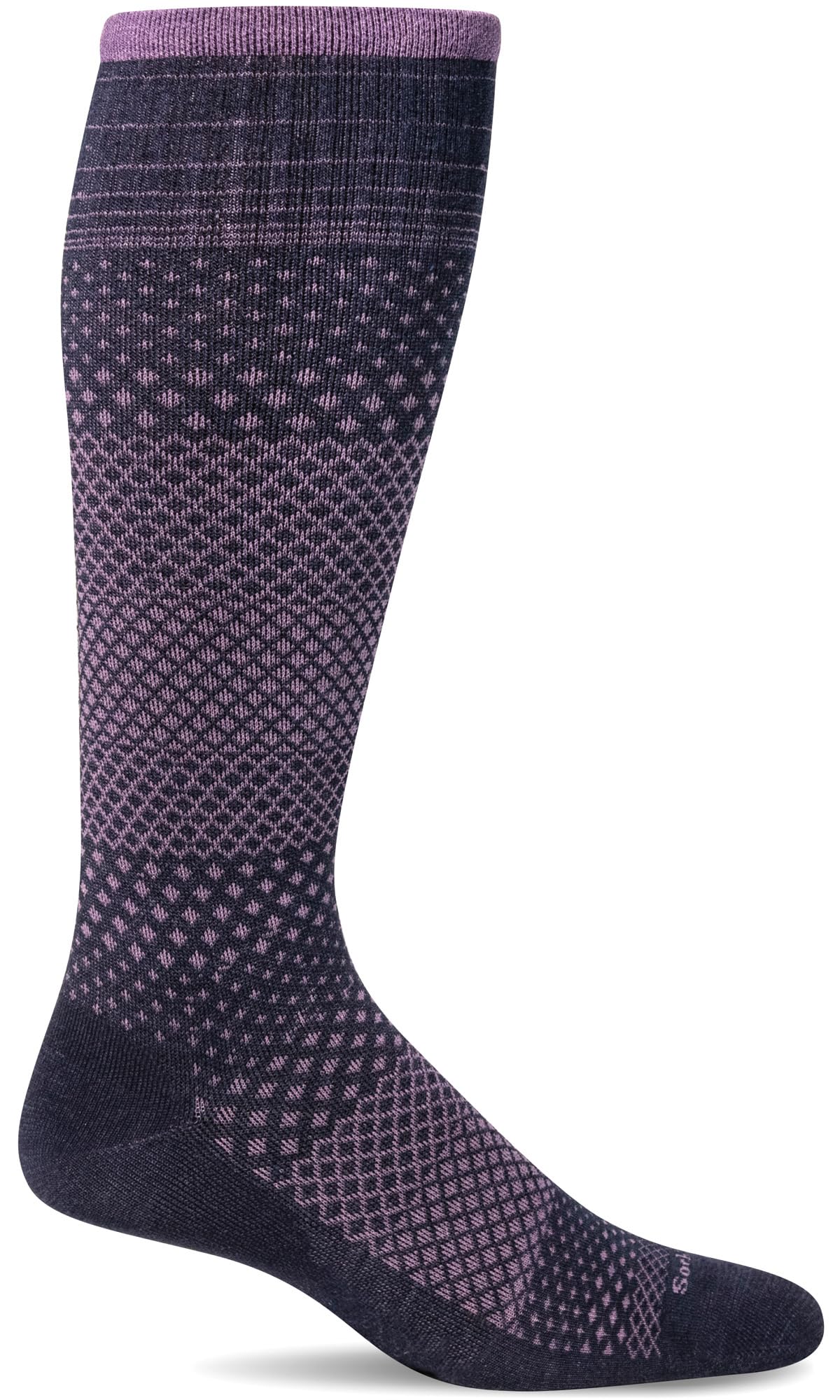
The Micro Grade uses a fine-gauge merino wool knit that feels softer against the skin than standard athletic compression socks, making it a top pick for athletes who wear compression for 10+ hours at a time. The fabric wicks moisture effectively during high-sweat activities like hiking and nursing shifts.
Multiple compression strengths are available, allowing you to dial in the exact pressure you need. The seamless toe and wide color selection reduce the utilitarian look of traditional compression socks, which matters if you wear them visibly with shorts or cropped pants.
For the female athlete who values both performance and appearance, the Micro Grade delivers reliable graduated compression without sacrificing style. The wool construction also adds natural odor resistance, which is a practical benefit for multi-day use.
Why it’s great
- Merino wool regulates temperature during long wear
- Multiple compression levels available (light to firm)
- Expressive patterns reduce the medical-sock look
Good to know
- Wool thickness may feel warm in extreme heat
- Premium price reflects the specialty knit
5. Sockwell Women’s Free Fly Moderate Graduated Compression Sock

The Free Fly offers a moderate graduated compression profile that sits between light and firm, making it a practical daily companion for athletes who cycle, golf, or walk long distances. The merino wool blend is the same quality as the other Sockwell models, providing consistent moisture management and temperature regulation.
The fit is true to size, and multiple buyers reported buying additional pairs after the first wear. The compression is noticeable but not restrictive, which helps with blood circulation during 8-hour shifts or extended hikes without causing fatigue.
For the athlete who wants a reliable mid-range compression sock that doesn’t demand a specific activity focus, the Free Fly is a solid entry point. The hummingbird pattern adds a touch of personality while the knit construction holds up to repeated wash cycles.
Why it’s great
- Moderate compression suits cycling and walking
- Wool blend prevents overheating during active use
- True-to-size fit reduces guesswork
Good to know
- Not firm enough for post-injury recovery
- Limited color options compared to Micro Grade
FAQ
When should I choose 20-30 mmHg instead of 15-20 mmHg for athletic use?
Can I wear compression socks during a marathon or half-marathon?
Final Thoughts: The Verdict
For most athletes, the best compression socks for athletes winner is the Sockwell Men’s Sportster because it combines graduated 15-20 mmHg support with a breathable merino blend and seamless toe — a rare trifecta for multi-sport use. If you need firm recovery compression for post-injury management, grab the Sockwell Men’s Pulse OTC Firm. And for lightweight breathability during travel or warm-weather hiking, nothing beats the Feetures Compression Knee High.