A cross training shoe is the one piece of gear that has to pull double duty — handle the lateral cut of a box jump and the rigid platform of a deadlift without forcing you to swap sneakers mid-workout. Find the wrong pair, and you get heel slip during a squat or a toe box that crushes your forefoot during burpees. The right pair disappears under your foot and lets you focus on the rep.
I’m Emma — the founder and writer behind Baby Bangs. I’ve spent years digging into the foam density, heel stack height, and outsole rubber patterns that separate a true hybrid trainer from a marketing claim.
After combing through thousands of verified reviews and comparing midsole firmness, toe box width, and lateral stability on real gym floors, this guide breaks down the best cross training shoes across every price tier so you can match your workout style to the right build.
How To Choose The Best Cross Training Shoes
A cross training shoe is a compromise by design — it has to offer enough stability for a heavy squat but enough flexibility for a sprint. The biggest mistake buyers make is grabbing a running shoe for the gym, which introduces a raised heel that rocks under a loaded barbell. Instead, focus on the specific demands of your workout mix.
Platform Height and Firmness
Look for a low, dense midsole — typically under 20mm of stack height. A high, cushioned heel creates instability during squats and deadlifts because your foot compresses unevenly. A firm EVA or PU midsole transfers force directly into the floor rather than absorbing it.
Toe Box Shape
During lateral drills and box jumps, your toes splay for balance. A tapered toe box crushes that natural spread, leading to hot spots and poor control. Wider brands like ALTRA prioritize foot splay, while others like Reebok offer a moderate fit. If you have flat feet or wide feet, toe box width is often the deciding factor.
Outsole Traction
The rubber compound needs to grip a rubber gym floor without leaving marks. Look for multi-directional tread patterns — herringbone or chevron shapes provide bite during side shuffles and agility work. Smooth soles slip on plyo boxes and during dynamic warm-ups.
Lateral Support
Training involves sudden direction changes. A shoe with a wide base and rigid heel counter prevents your foot from rolling over during side lunges or shuttle runs. Flexible mesh uppers alone don’t provide enough containment — you need reinforced side panels or a stitched-on overlay.
Quick Comparison
On smaller screens, swipe sideways to see the full table.
| Model | Category | Best For | Key Spec | Amazon |
|---|---|---|---|---|
| Reebok Nano X5 | Premium | HIIT, heavy lifting, cardio | Flat, firm platform | Amazon |
| ALTRA Solstice XT 3 | Premium | Wide feet, CrossFit, daily gym | Large toe box | Amazon |
| Under Armour TriBase Reign 6 | Mid-Range | CrossFit, lifting, short runs | Wide toe box, UA TriBase | Amazon |
| Reebok Nano Gym | Mid-Range | Zumba, light weights, studio | Light & flexible build | Amazon |
| New Balance 608 V5 | Budget | Long standing shifts, casual wear | ABZORB cushioning | Amazon |
In‑Depth Reviews
1. Reebok Nano X5

The Nano X5 hits the sweet spot for anyone who mixes heavy compound lifts with high-intensity cardio. The flat, firm platform provides exactly the rigid connection you need for deadlifts and squats, while the tread pattern offers enough bite for treadmill work and box jumps. Reviewers emphasize its stability during lateral movement — a direct result of the wide base and reinforced heel counter.
Arch support lands in the moderate-to-high range, making it a strong match for those with high arches who previously relied on separate insoles. The toe box is slightly narrower than the previous generation, so if you have wide feet, order a half size up. Several users report minor heel slip that resolves after a short break-in period. At this tier, you get premium build quality and a genuine hybrid sole that doesn’t compromise on either lifting or running.
Durability reports are positive — consistent gym use over several months shows minimal tread wear and no outsole separation. It runs slightly small, so ordering a half size larger than your usual training shoe is common. If you can only own one gym shoe and your sessions alternate between barbells and burpees, the Nano X5 is the safest bet.
Why it’s great
- Excellent stability for heavy squats and deadlifts
- Works well for HIIT and treadmill cardio
- Great arch support for high arches
Good to know
- Runs a half size small
- Toe box is slightly narrow for wide feet
2. ALTRA Solstice XT 3

ALTRA’s signature feature — a generously wide toe box — is what sets the Solstice XT 3 apart. During lateral drills, box jumps, and heavy carries, your toes can splay naturally, which improves balance and reduces hot spots. The midsole is thicker and heavier than prior versions, which reduces ground feel but adds long-lasting comfort for longer gym sessions. Reviewers who wear toe spacers or have wide feet consistently call this the most accommodating trainer they’ve tried.
The platform is stable enough for weight training, though the thicker sole imparts a slight softness that heavier lifters might notice during maximal squats. For CrossFit-style circuits mixing sprints, jumps, and moderate lifting, this shoe hits a comfortable middle ground. Several users report the shoe holds up well after two months of frequent use — no excessive tread wear or midsole collapse.
One downside: the XT 3 is not ideal for outdoor running due to its weight and lack of ground feel. It also fits a half size small, so order up. The build quality feels premium out of the box, with sturdy overlays and a well-stitched upper. If foot splay and all-day gym comfort are your priorities, this is your shoe.
Why it’s great
- Wide toe box allows natural toe splay
- Excellent build quality and comfort
- Durable for consistent CrossFit use
Good to know
- Heavier than alternatives
- Not ideal for long outdoor runs
- Runs a half size small
3. Under Armour Men’s TriBase Reign 6
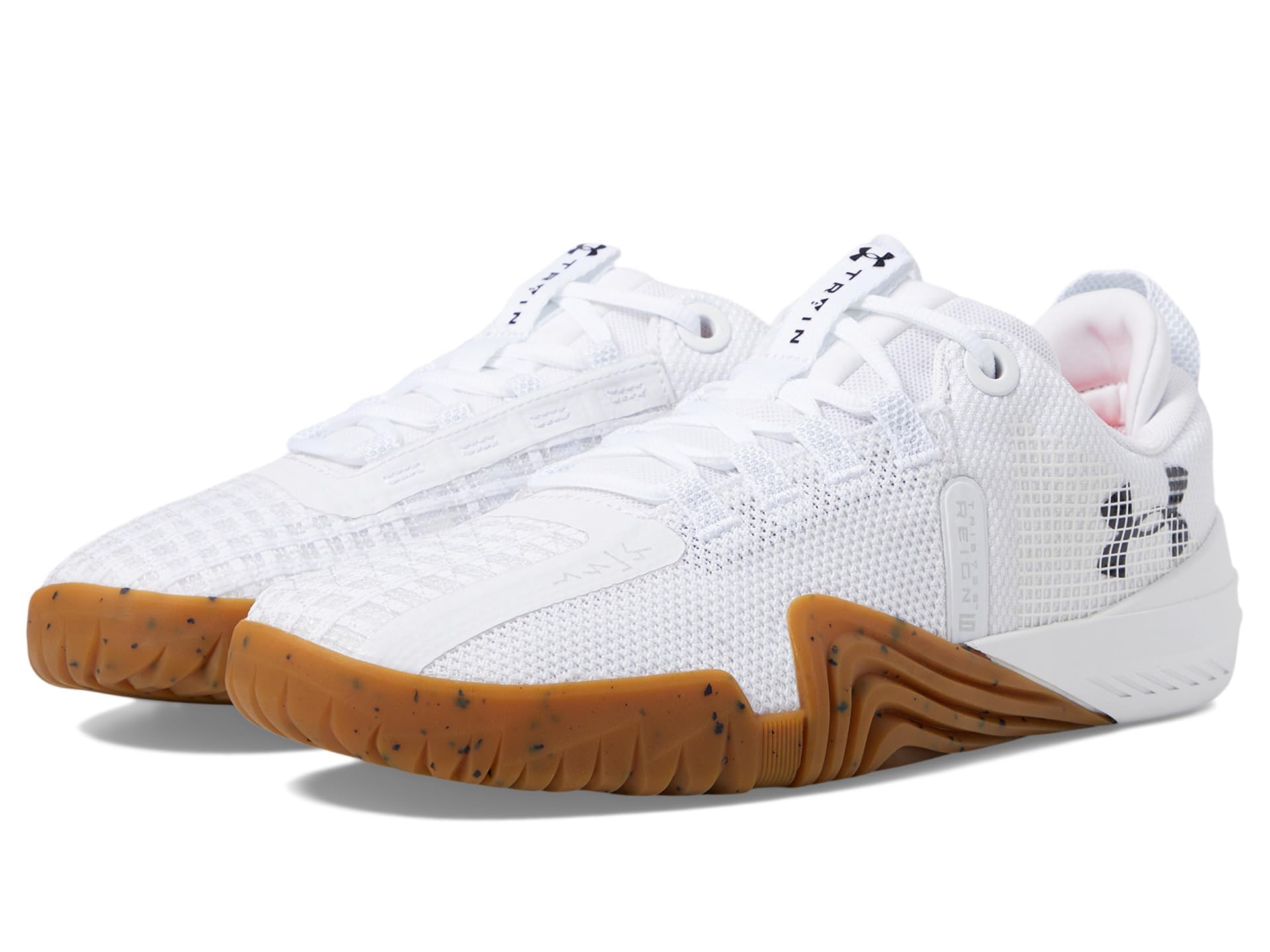
The TriBase Reign 6 occupies the mid-range tier with a build that punches above its weight. The UA TriBase outsole uses a wide, low-to-the-ground platform that delivers impressive stability for squats and deadlifts. What sets it apart is the combination of a wide toe box and flexible upper that allows for a natural, uncompressed forefoot during lateral movement — something usually reserved for more expensive trainers.
Reviewers with flat feet describe this shoe as a game-changer. The low arch support works well for neutral or flat foot structures, eliminating the arch ache that can come from over-cushioned shoes. It’s also light enough for short treadmill runs and incline walking, though it’s not designed for long-distance running. The midsole is initially stiff but breaks in nicely after a few sessions.
One catch: the sizing runs small. Most users advise ordering a half to full size up, especially if you have wide feet. Durability is solid for the price point, with the outsole showing minimal wear over several months of CrossFit-style training. If you want a premium-feeling trainer without the premium price, the TriBase Reign 6 is the strongest argument in this category.
Why it’s great
- Excellent stability for lifting
- Wide toe box accommodates flat feet
- Lightweight and breathable upper
Good to know
- Runs a half to full size small
- Not suited for long-distance running
- Low arch support may not suit high arches
4. Reebok Nano Gym
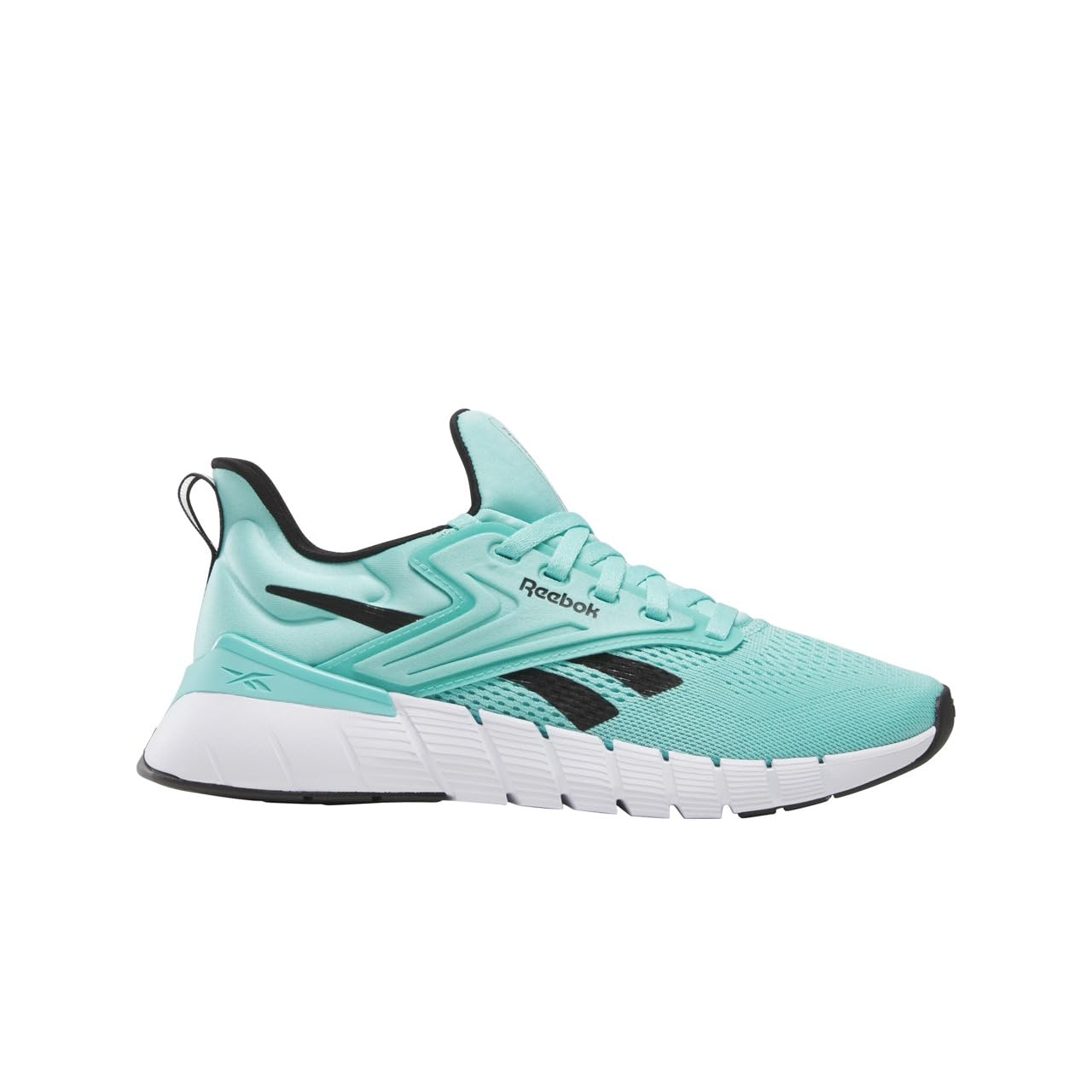
The Reebok Nano Gym is the lighter, more flexible sibling in the Nano family, purpose-built for studio-style training like Zumba, light weight circuits, and general fitness classes. Its construction uses a one-piece design without a separate tongue, which reduces bulk and weight but can feel snug across the top of the foot for those with high insteps. The firm arch support is a standout for this tier — it provides a stable bridge during lateral movements without needing extra insoles.
Reviewers emphasize the true-to-size fit relative to US sizing, though a single-piece upper means there’s no tongue to adjust. If your foot volume is on the higher side, consider going up by half a size. The outsole offers solid grip on rubber gym floors, and the lightweight build makes it a good companion for classes where you’re changing direction frequently. It is not designed for heavy barbell work — the midsole is too flexible to provide a rigid platform for squats over 200 lbs.
Durability is acceptable for studio use, with users reporting 6-plus months of regular wear before noticeable breakdown. It’s a focused tool rather than a do-everything shoe. Buy it if your training is dominated by dance-cardio, light weights, and dynamic movement; look elsewhere if your week includes heavy deadlifts.
Why it’s great
- Lightweight and flexible for studio workouts
- Firm arch support for lateral movement
- True to size for most foot shapes
Good to know
- Not stable enough for heavy lifting
- Snug fit across top for high-volume feet
- One-piece upper limits adjustability
5. New Balance Men’s 608 V5 Casual Comfort Cross Trainer
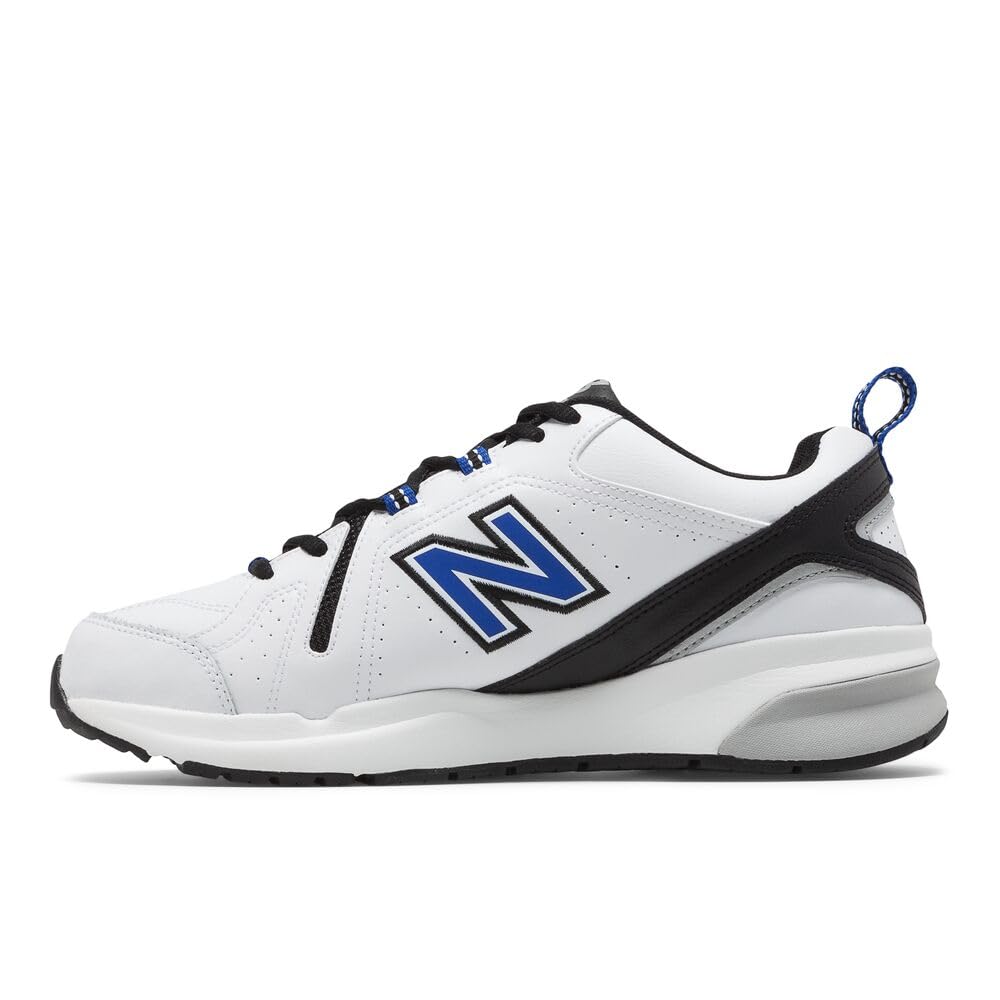
The New Balance 608 V5 is not a traditional cross training shoe — it lacks the flat, rigid platform needed for heavy lifting — but it earns a spot for the specific scenario of long-duration standing and casual gym use. The ABZORB midsole provides substantial cushioning that holds up during 14-hour shifts on concrete floors, and the leather upper is easy to clean and maintains its shape over time. Reviewers in healthcare, hospitality, and service industries consistently call it the “gold standard” for support during standing work.
Where it falls short for serious training is the bulkier silhouette and softer midsole. Weightlifters will find the heel compresses under load, and the wider base can feel clumsy during lateral drills. However, for the user who wants a durable, comfortable shoe for light walking, gym warm-ups, and all-day wear, the 608 delivers outsized value. The outsole offers decent traction on gym floors, and the shoe accommodates AFO braces with ease, as noted by several users.
The most common durability complaint involves sudden sole separation after a year of heavy use — the tread and midsole separate within weeks once the adhesive begins to fail. At the budget tier, this trade-off is worth noting. If your primary demands are step count and standing time rather than barbell stability, this is a dependable entry-level shoe.
Why it’s great
- Exceptional comfort for long periods of standing
- Durable, easy-to-clean leather upper
- Good arch support for flat feet
Good to know
- Too cushioned for heavy lifting
- Bulkier than purpose-built trainers
- Potential for sole separation after a year
FAQ
Can I use running shoes for cross training?
What does a wide toe box do for weightlifting?
How often should I replace my cross training shoes?
Final Thoughts: The Verdict
For most users, the cross training shoes winner is the Reebok Nano X5 because it delivers the most balanced platform for both heavy lifting and high-intensity cardio without sacrificing stability. If you need a wide toe box that lets your toes breathe during lateral work, grab the ALTRA Solstice XT 3. And for the budget-conscious user who wants a versatile trainer that handles CrossFit-style workouts without breaking the bank, nothing beats the Under Armour TriBase Reign 6.