Choosing the right iron supplement when you’re battling anemia isn’t just about picking the highest milligram count—it’s about finding a form your body will actually absorb without punishing your digestive system. The wrong choice can leave you nauseated, constipated, and no better off than when you started.
I’m Emma — the founder and writer behind Baby Bangs. I’ve spent years analyzing supplement formulations, digging into clinical research on iron bioavailability, and comparing how different chelates and delivery systems affect real-world absorption rates.
After sorting through the options, these are the five most effective and stomach-friendly formulas on the market. This is the definitive guide to finding the best iron tablets for anemia that actually work without the misery.
How To Choose The Best Iron Tablets For Anemia
Not all iron is created equal. Your body recognizes different molecular forms of iron with vastly different efficiency, and picking the wrong one can mean weeks of stomach cramps without a meaningful ferritin bump. Here’s what actually matters when you’re shopping for anemia support.
Elemental Iron Content vs. Total Salt Weight
Many labels boast a large milligram number, but that’s often the weight of the entire iron salt compound (ferrous fumarate, ferrous sulfate, etc.), not the usable elemental iron inside. A 300mg ferrous fumarate tablet only delivers about 100mg of elemental iron. For mild anemia, 18–26mg of elemental iron per serving is usually enough; for moderate to severe deficiency, you may need up to 100mg. Check the supplement facts panel carefully.
The Iron Form Determines Your Comfort
Ferrous sulfate is the cheapest and most common form, but it’s also the most likely to cause nausea, constipation, and that metallic aftertaste. Iron bisglycinate (chelated) and heme iron (animal-derived) are far gentler and have higher bioavailability—meaning you absorb more with a smaller dose. If you’ve tried iron before and hated the side effects, look for bisglycinate or heme iron on the label.
Vitamin C Is Your Absorption Partner
Non-heme iron absorption is notoriously finicky—tannins in tea and coffee block it, while vitamin C significantly enhances uptake. The best formulas include ascorbic acid or acerola cherry extract alongside the iron. Without it, you may need to take your tablet with a glass of orange juice, which is one more thing to remember daily.
Delivery Matters: Capsules vs. Tablets vs. Liquids
Tablets are convenient and shelf-stable, but some people with sensitive stomachs tolerate liquids or capsules better. Liquid iron absorbs quickly and is easy to dose for kids or the elderly, but it can stain teeth. Capsules are often easier to swallow and may have fewer binders than pressed tablets.
Quick Comparison
On smaller screens, swipe sideways to see the full table.
| Model | Category | Best For | Key Spec | Amazon |
|---|---|---|---|---|
| MegaFood Blood Builder | Tablet | Clinical effectiveness without side effects | 26mg elemental iron + B12 + folate | Amazon |
| Hemeboost Heme Iron | Tablet | Highest absorption, pregnancy-safe | 11.6mg heme iron polypeptide | Amazon |
| Pink Stork Iron with Vitamin C | Capsule | Gentle daily maintenance for women | 18mg iron bisglycinate + vitamin C | Amazon |
| Pharmaris Ferofit | Tablet | High-dose value for deficiency | 100mg elemental (ferrous fumarate) | Amazon |
| Mother’s Promise Liquid Iron | Liquid | Family-friendly, USDA Organic | Ferrochel chelate + organic vitamin C | Amazon |
In‑Depth Reviews
1. MegaFood Blood Builder Iron Supplement

MegaFood Blood Builder is the rare supplement that delivers on its most ambitious claim: increasing iron levels without causing constipation. An 8-week clinical trial backs the formulation, which delivers 26mg of elemental iron alongside 25mg of vitamin C to help with absorption. Users consistently report their ferritin levels rising after consistent use—one reviewer saw ferritin jump from 13 to 26 ng/mL and total iron from 61 to 182 mcg/dL over four months.
The formula also includes folic acid and vitamin B12, supporting red blood cell production in a way that plain iron tablets don’t. This makes it especially useful for menstruating women, vegans, vegetarians, and recent blood donors who need more than just iron. The tablet can be taken on an empty stomach without the usual nausea that accompanies ferrous sulfate products, which is a significant advantage for anyone with morning routines or sensitive digestion.
Sourced from real food (beetroot provides the base), it’s non-GMO Project verified and vegan. The only trade-off is the price point, which sits above basic drugstore ferrous sulfate options—but for a formula this complete and gentle, the value is clear for anyone serious about correcting anemia without suffering.
Why it’s great
- Clinically shown to raise iron without constipation
- Includes B12, folate, and vitamin C in one tablet
- Gentle enough for empty-stomach use
Good to know
- Premium price compared to basic iron salts
- Not suitable for children
2. Hemeboost Heme Iron

Hemeboost uses heme iron polypeptide, which is the same form of iron found in meat and animal products—your body absorbs it via a completely separate pathway than non-heme plant iron. This means you can take it with meals (even with coffee or tea) without worrying about absorption blockers, and it’s far less likely to cause the constipation and stomach cramping associated with ferrous salts. The 11.6mg of elemental iron comes from a 232mg heme iron polypeptide tablet.
Reviewers consistently mention two things: it’s the only supplement that shows a noticeable difference in bloodwork, and the energy boost is real but gradual—typically appearing after about two weeks. It’s also explicitly safe for pregnant and breastfeeding women, which is a huge plus for anyone navigating prenatal anemia. The tablets are small and easy to swallow, and users who work irregular shifts or have poor diets report feeling significantly less sluggish after starting it.
Being lactose-free, allergen-free, and GMP and Halal certified makes it a clean choice for anyone with dietary restrictions. The heme formulation does come at a higher cost per milligram compared to non-heme options, but for people who have tried everything else and still couldn’t tolerate the side effects, this is the end of the road.
Why it’s great
- Highest bioavailability iron form available
- Zero constipation or nausea reported
- Safe for pregnancy and breastfeeding
Good to know
- Higher cost per dose than non-heme options
- Energy boost takes about 2 weeks to feel
3. Pink Stork Iron for Women
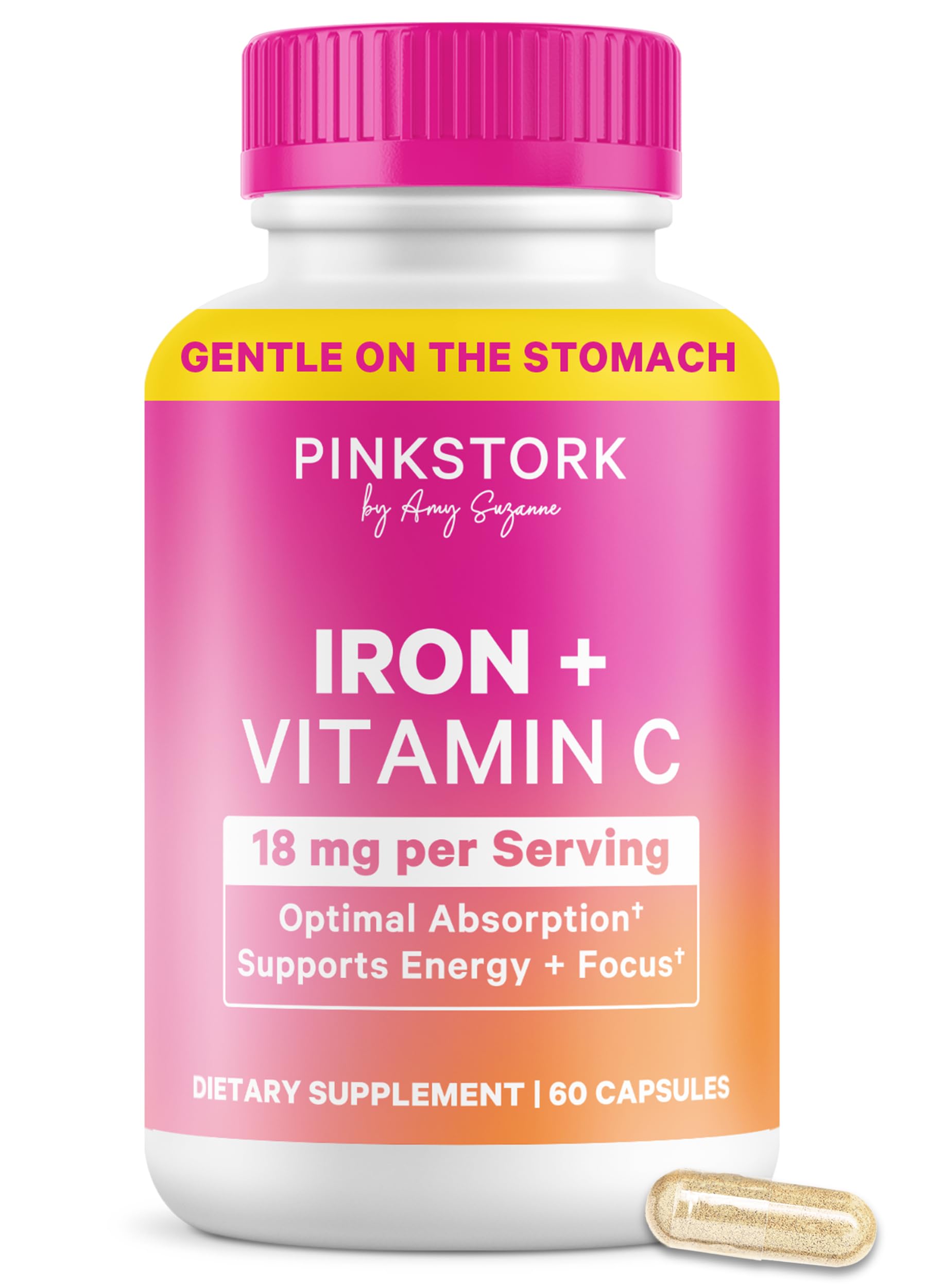
Pink Stork deliberately targets women’s lifecycle iron needs—menstruation, pregnancy, postpartum, and perimenopause—with a gentle 18mg dose of iron bisglycinate. That’s the chelated form that bypasses many of the digestive side effects that make women dread iron supplementation. Each capsule also packs 50mg of vitamin C from organic acerola fruit extract, which dramatically improves non-heme iron absorption without requiring you to drink citrus juice.
Customer feedback is remarkably consistent: women who could not tolerate standard ferrous sulfate tablets (even water gave one reviewer heartburn) had zero issues with Pink Stork. One user’s iron levels rose from 10 to 11.7 g/dL in one month while taking two capsules daily. It’s a tasteless, easy-to-swallow capsule that fits neatly into any supplement organizer, making it ideal for busy routines where complicated regimens just don’t stick.
The 60-capsule bottle provides a two-month supply at a reasonable per-serving cost. Because the formula is designed around maintenance rather than acute deficiency correction, it’s best suited for women whose iron runs slightly low rather than severely anemic patients who need rapid, high-dose correction. The women-owned brand also prioritizes clean ingredients—no gluten, dairy, soy, or GMOs.
Why it’s great
- Extremely gentle on sensitive stomachs
- Built-in vitamin C from real acerola fruit
- Perfect for pregnancy and postpartum
Good to know
- Dose is low for severe anemia cases
- Not suitable for men or children
4. Pharmaris Ferofit
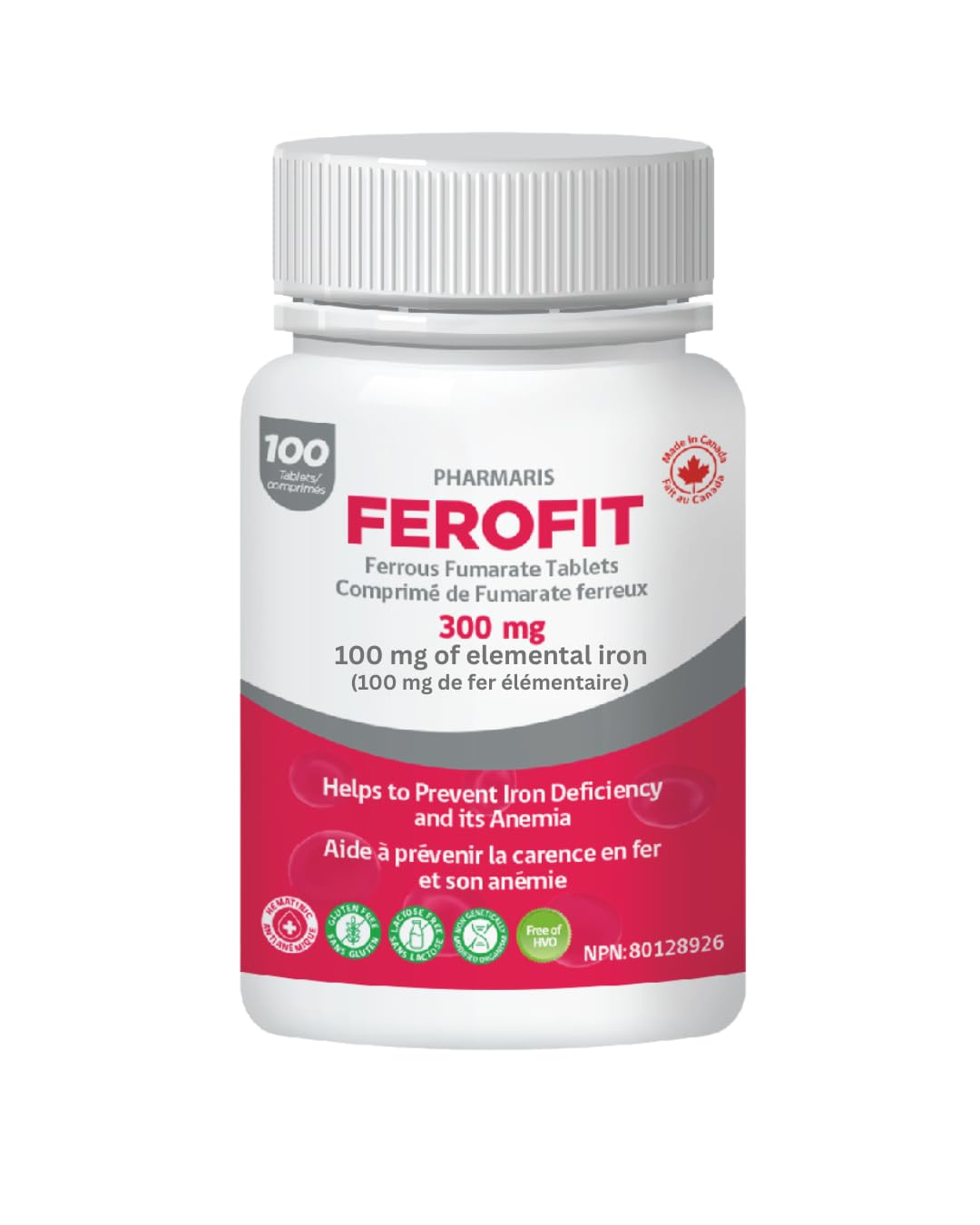
Pharmaris Ferofit takes the straightforward approach: 300mg of ferrous fumarate delivering 100mg of elemental iron per tablet, with a 100-count bottle that lasts over three months at one tablet per day. This is the highest elemental iron dose in our roundup, making it a serious option for those with diagnosed iron deficiency anemia who need rapid replenishment. The formula is free of common additives and unnecessary fillers, and the tablets are small enough to swallow easily.
Ferrous fumarate is a well-studied salt form with solid bioavailability, though it’s not as gentle on the stomach as bisglycinate or heme iron. Most users report no issues, but if you have a history of GI sensitivity, you’ll want to take this with food. Customer feedback is overwhelmingly positive—users describe it as an affordable way to boost intake that “got the job done” without frills or hassle.
The dosing flexibility is notable: the instructions suggest 1-2 tablets daily with food, so you can adjust from a maintenance dose up to a therapeutic dose depending on your doctor’s guidance. The low cost per tablet makes this the value champion of the group, but the trade-off is that you don’t get the extra absorption enhancers (vitamin C, B12, folate) that the premium blends include. Take it with a vitamin C source for best results.
Why it’s great
- 100mg elemental iron per tablet for deficiency
- 3-month supply at very low cost
- Minimal ingredient list, no fillers
Good to know
- Ferrous fumarate can cause GI upset
- No added vitamin C or B vitamins
5. Mother’s Promise Organic Liquid Iron
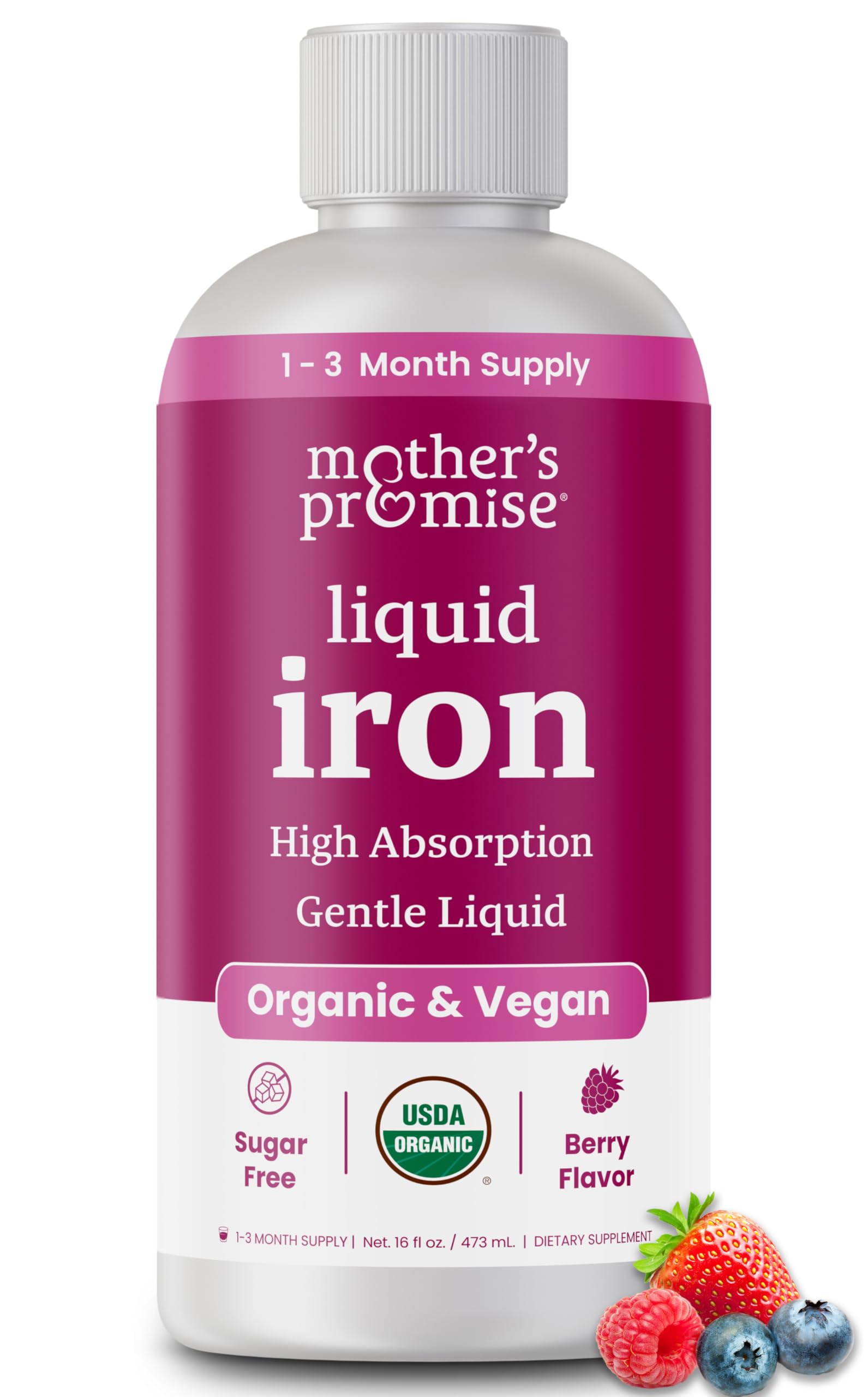
Mother’s Promise is the only liquid iron in this roundup, and it earns its spot with a USDA Organic certification and a sugar-free natural berry flavor that makes it palatable for both kids and adults. It uses Ferrochel iron bisglycinate—a patented chelated form known for high absorption and digestive comfort—paired with organic acerola cherry for vitamin C. The liquid delivers iron quickly to the bloodstream, which some users prefer over waiting for tablets to break down.
Customer results are dramatic: one reviewer saw ferritin rise from 47 to 58 ng/mL in just four days (taking one tablespoon daily), with increased energy and reduced shortness of breath reported. Another user with mild anemia restored normal energy in three days without any nausea or constipation—a common complaint with liquid iron supplements. Being vegan, non-GMO, gluten-free, dairy-free, and allergen-free, it accommodates nearly every dietary restriction.
The main downsides are taste sensitivity (a small minority report the berry flavor triggers nausea, particularly during first-trimester pregnancy) and the need to refrigerate after opening. The liquid format also carries a slightly higher per-serving cost than tablets, and you’ll need to be careful to rinse your mouth after taking it to avoid temporary tooth staining. For families looking for one iron that everyone can use, though, this is the most versatile option.
Why it’s great
- USDA Organic with patented Ferrochel chelate
- Rapid ferritin increases reported
- Safe for the whole family
Good to know
- Liquid must be refrigerated after opening
- Some users dislike the berry taste
FAQ
How much elemental iron do I need per day for mild anemia?
What is the difference between heme and non-heme iron?
Can I take iron tablets at the same time as thyroid medication or antibiotics?
Final Thoughts: The Verdict
For most users, the best iron tablets for anemia winner is the MegaFood Blood Builder because it combines clinical proof of efficacy with a gentle, non-constipating formula that includes B12 and folate. If you want the highest possible absorption rate with zero stomach issues, grab the Hemeboost Heme Iron. And for a budget-friendly, high-dose option that works for severe deficiency, nothing beats the straightforward value of Pharmaris Ferofit.