Dry, brittle strands that snap at the first brushstroke—that’s the battle cry of dehydrated hair. A proper Japanese hair mask flips the script, flooding each shaft with concentrated ingredients like honey, rice extract, and argan oil that Western conditioners rarely deliver in therapeutic doses.
I’m Emma — the founder and writer behind Baby Bangs. I’ve spent years comparing the bioavailability of botanical extracts in salon-grade versus drugstore formulations to separate genuine repair from temporary slip.
After combing through the chemistry and real-world performance of five leading options, here is my definitive breakdown of the absolute best japanese hair mask for dry hair on the market right now.
How To Choose The Best Japanese Hair Mask For Dry Hair
Not all masks labeled “Japanese” deliver the intricate layer-by-layer hydration philosophy the category is known for. You’re looking for a formula that balances humectants, emollients, and occlusives in a specific ratio—too heavy and it sits on top; too light and it evaporates before your next wash.
Ingredient sourcing matters most
Authentic Japanese hair masks rely on fermented rice water, silk hydrolysates, honey, and botanical oils (camellia, argan) rather than synthetic silicones that give temporary slip. Check the ingredient deck for hydrolyzed silk, royal jelly, or propolis near the top—these indicate genuine Japanese-inspired formulation rather than marketing.
Match the treatment to your damage pattern
Color-treated, high-porosity dry hair needs a protein-rich mask (collagen, wheat amino acids) to rebuild the cortex. Naturally dry, low-porosity hair responds better to oil-based masks with honey and hyaluronic acid that don’t overload protein. A mask that works for your friend’s bleached blonde may leave your virgin hair feeling straw-like.
Leave-in time and rinse temperature
Japanese hair treatments typically recommend 5–10 minutes under a shower cap with body heat activation. Cool-rinsing after the mask seals the cuticle and locks in the nutrient coating. If a brand says “leave on for 2 minutes,” it’s likely a superficial conditioner, not a true repair mask.
Quick Comparison
On smaller screens, swipe sideways to see the full table.
| Model | Category | Best For | Key Spec | Amazon |
|---|---|---|---|---|
| & Honey Deep Moist Treatment 2.0 | Premium | Deep hydration & frizz control | Honey coating technology + argan oil | Amazon |
| shu uemura ultimate reset extreme repair mask | Premium | Very damaged, bleached hair | Japanese rice extract + 10-min treatment | Amazon |
| Hi-Pro-Pac Intense Protein Treatment Masque | Mid-Range | Protein repair & split end prevention | Collagen + wheat amino acids (2-pack) | Amazon |
| Kitsch Moisturizing Hair Mask | Value | Coconut oil deep conditioning | 10 oz coconut oil + cuticle-sealing | Amazon |
| Bablabear Hair Mask | Entry | Dry/frizzy hair moisture boost | 500ml large volume formula | Amazon |
In‑Depth Reviews
1. & Honey Deep Moist Treatment 2.0

The & Honey Deep Moist Treatment 2.0 stands apart with its proprietary honey coating technology—a method that seals a protective layer of nutrients (royal jelly, propolis, argan oil) around each strand rather than just depositing them on top. This is the closest you’ll get to a salon-grade Japanese treatment at home, and the 14.88-ounce bottle delivers weeks of weekly deep conditioning.
On dry, frizzy hair, the difference shows after one use: strands feel heavier with moisture, not greasy. The inclusion of hyaluronic acid and hydrolyzed silk gives it a dual humectant-protein profile that works for both color-treated and natural hair with high porosity. The lavender honey scent is subtle enough to wear without perfume clash.
For those whose Japanese hair mask for dry hair must deliver both instant slip and lasting repair, this is the benchmark. The only caveat: it’s too rich for fine, low-porosity hair unless you rinse thoroughly with cool water.
Why it’s great
- Honey coating seals moisture for multiple days
- Free from sulfates, mineral oil, parabens, silicones
- Works on damaged, dry, and chemically treated hair
Good to know
- Premium tier requires a higher upfront investment
- May weigh down fine hair if used too frequently
2. shu uemura art of hair ultimate reset extreme repair hair mask
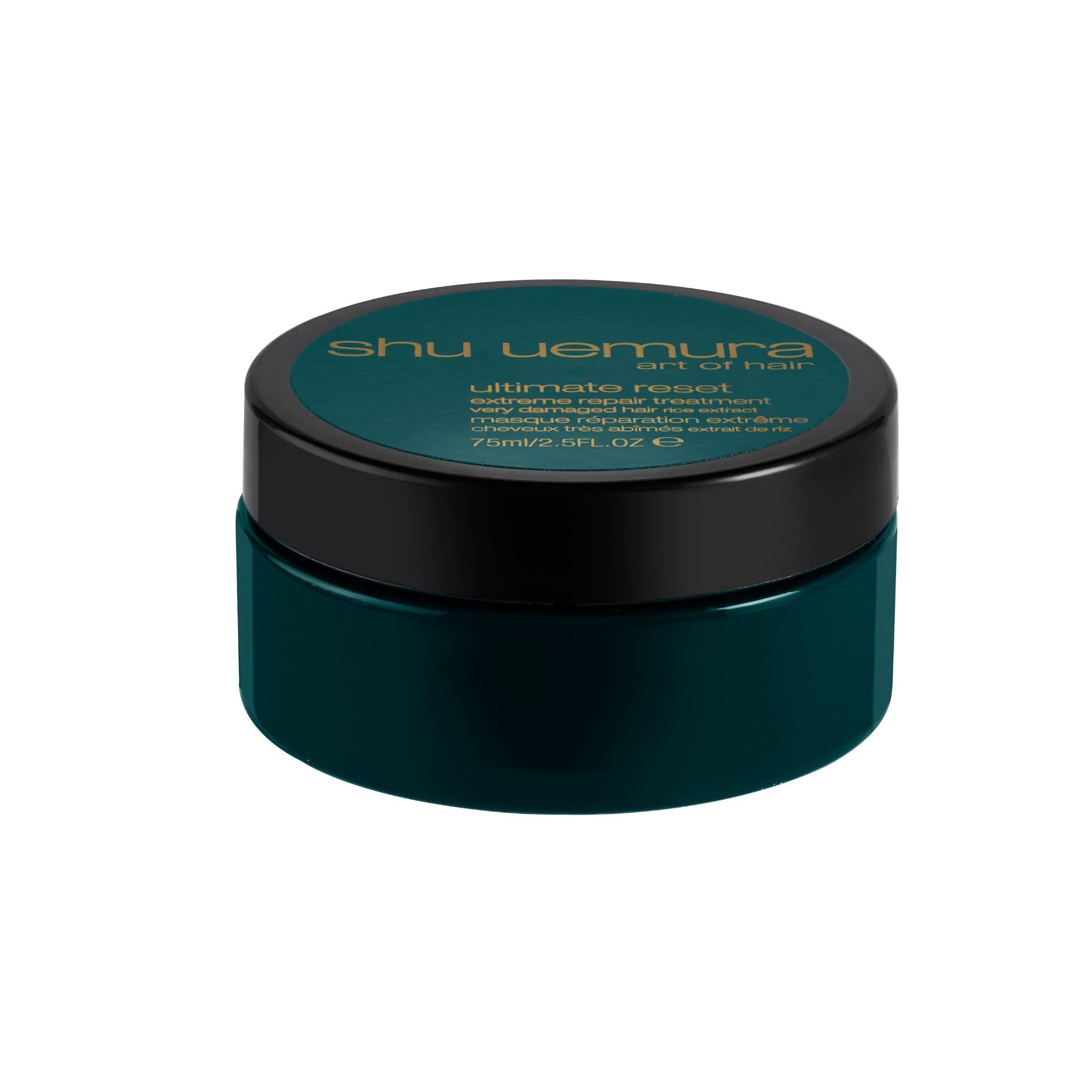
If your hair has been through bleach, multiple highlights, or constant 450°F flat ironing, this shu uemura mask is the nuclear option. Its hero ingredient—Japanese rice extract—is rich in minerals, antioxidants, and vitamins B and E, targeting split ends and breakage at the cortex rather than just smoothing the cuticle.
The formula requires 5–10 minutes of leave-in time (with the brand’s twist-section technique for deeper penetration), and the fragrance notes of peach, jasmine, and sandalwood make the wait feel like a spa treatment. Users with very damaged hair report significant reduction in breakage after three applications.
The 2.5-ounce jar is compact—this is a concentrated treatment, not a bulk conditioner. It’s best suited for those who want professional-grade results and are willing to pay for the rice-extract technology that few other masks offer.
Why it’s great
- Japanese rice extract repairs and reduces split ends
- Detangles even severely bleached hair
- Paraben-free, color-safe, and nourishing
Good to know
- Small jar size (2.5 oz) for the premium tier
- Longer leave-in time required for full effect
3. Hi-Pro-Pac Hair Mask – Extremely Damaged Hair Repair (2-Pack)

The Hi-Pro-Pac Intense Protein Treatment Masque is a two-pack of 8-ounce jars designed specifically for hair that’s beyond dry—think brittle, snapping, split-end heavy. It relies on collagen and wheat amino acids to rebuild the hair’s protein matrix, which is often the underlying cause of moisture loss in over-processed hair.
With a quick 2–5 minute leave-in time, it fits easily into a busy shower routine. Users with curly, coily, and color-treated hair report that it strengthens strands without leaving a waxy residue. The cream formula is thick enough to coat every strand but rinses clean without needing a separate clarifying wash.
At a mid-range price for a two-pack, this is the most cost-effective option for anyone whose dry hair is protein-deficient. Just be aware that overusing protein masks can cause stiffness—rotate this with a moisturizing mask every other week.
Why it’s great
- Collagen and wheat amino acids fortify damaged strands
- Two jars for one price—great value
- Works on natural, color-treated, straight, and curly hair
Good to know
- Protein-heavy; needs moisture rotation to avoid stiffness
- Not ideal for low-porosity hair that doesn’t need protein
4. Kitsch Moisturizing Hair Mask for Damaged Hair – Coconut Oil
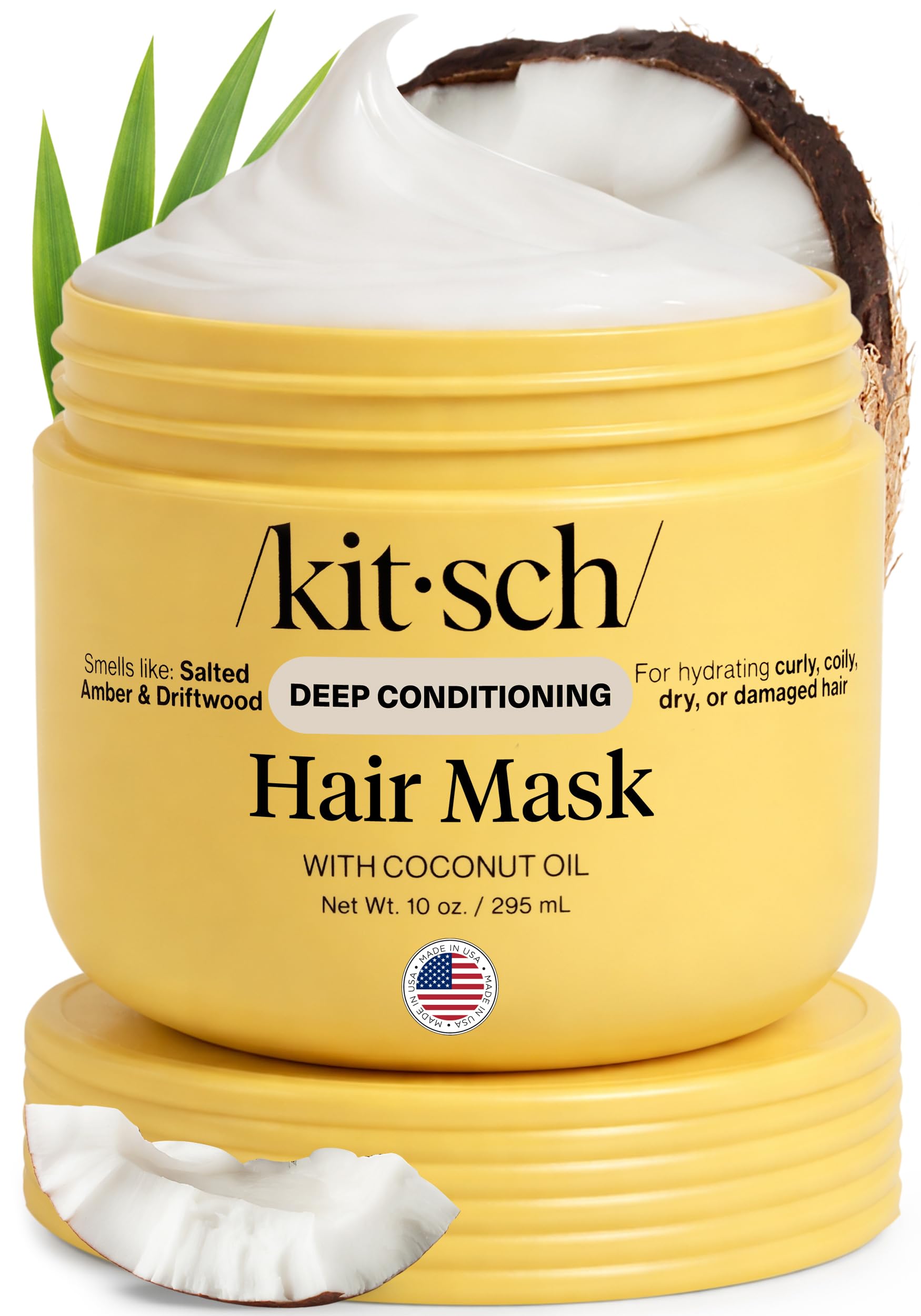
Kitsch brings a straightforward coconut oil deep conditioner that earns its spot for simplicity and effectiveness. The formula seals the cuticle to lock in moisture, which directly tackles frizz and flyaways—a common complaint among dry-hair sufferers. It’s versatile enough for curly, coily, straight, and wavy textures, and safe for color and keratin-treated hair.
What sets this apart from basic drugstore masks is the cuticle-sealing technology that reduces protein loss over repeated use. The 10-ounce jar gives generous volume for weekly treatments, and the in-shower or pre-wash flexibility makes it easy to incorporate.
This is the pick for someone who wants a reliable, no-fuss entry point into Japanese-inspired hair care without hunting for exotic ingredients. The coconut oil base is universal but may feel heavy on fine hair if applied too close to the roots.
Why it’s great
- Seals cuticles to lock in moisture and reduce frizz
- Safe for color and keratin-treated hair
- Versatile for all hair types including curly and coily
Good to know
- Coconut oil can be heavy for fine hair near roots
- Lacks the protein component for severe breakage repair
5. Bablabear Hair Mask for Damaged Hair – 500ml
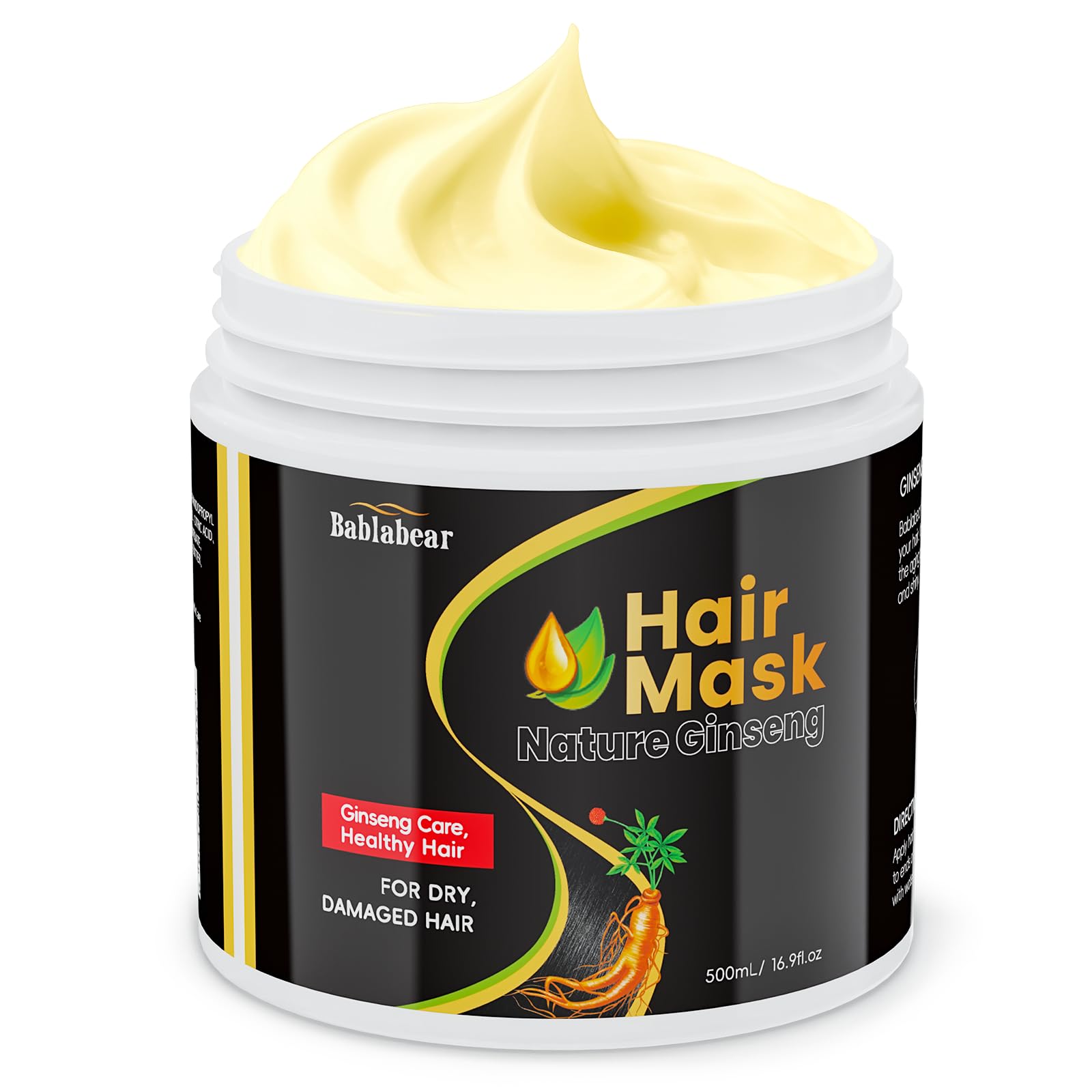
The Bablabear Hair Mask offers a massive 500ml tub at an entry-level price point, making it the most economical choice for those who mask frequently or have very long, thick hair. It’s formulated as a deep conditioner for dry, frizzy hair, with a focus on moisturizing and adding shine without heavy silicones.
While the ingredient transparency is less detailed than the premium Japanese options, the sheer volume and affordable price make it a low-risk trial for anyone new to hair masks. Users with curly hair report that it helps with manageability and reduces tangles. The formula is best used as a weekly moisture boost rather than a protein repair treatment.
This is a solid entry point if you’re on a tight budget or want to test whether a hair mask fits into your routine before committing to a premium option. It doesn’t offer the sophisticated repair technology of & Honey or shu uemura, but it reliably softens and detangles.
Why it’s great
- Large 500ml tub for frequent or heavy use
- Helps detangle and add shine to dry, frizzy hair
- Budget-friendly entry into hair masks
Good to know
- Limited ingredient transparency versus premium options
- Not designed for protein repair of severely damaged hair
FAQ
Can I use a Japanese hair mask on color-treated hair every week?
How long should I leave a Japanese hair mask on for best results?
What’s the difference between Japanese and Korean hair masks for dry hair?
Final Thoughts: The Verdict
For most users, the best japanese hair mask for dry hair winner is the & Honey Deep Moist Treatment 2.0 because its honey coating technology delivers the deepest, longest-lasting moisture without silicones or sulfates. If you have very damaged bleached hair, grab the shu uemura ultimate reset mask for its rice-extract repair power. And for budget-conscious shoppers who need protein rebuilding, nothing beats the Hi-Pro-Pac 2-Pack.