That dull, astringent dust from a generic tea bag is not what Japan’s centuries-old tea culture has to offer. Real Japanese green tea — whether a deeply steamed Fukamushi Sencha or a stone-ground ceremonial matcha — delivers a sweet vegetal aroma, a velvety umami mouthfeel, and none of the bitter bite that turns people away.
I’m Emma — the founder and writer behind Baby Bangs. I’ve spent years studying the nuances of Japanese tea production, from the shade-growing techniques in Uji to the cultivar-specific flavor profiles of Saemidori and Yabukita leaves that define this category.
This guide separates genuine quality from flavored imposters so you can confidently source a japanese green tea that delivers authentic sweetness, proper steaming depth, and the correct loose-leaf or ceremonial powder format for your daily ritual.
How To Choose The Best Japanese Green Tea
The Japanese green tea aisle can feel overwhelming with terms like Sencha, Matcha, Fukamushi, and first harvest. Each name signals a different production method that directly affects flavor, caffeine content, and preparation. Focus on three key factors to find your ideal match.
Steaming Depth and Leaf Format
Standard steaming (Asamushi) produces a bright, grassy cup with moderate astringency, while deep steaming (Fukamushi) breaks down the leaf structure for a sweeter, fuller-bodied liquor with less bitterness. Loose-leaf formats give you control over water temperature and steep time. Powdered matcha requires a whisk to suspend the entire leaf, delivering a creamier texture and more concentrated antioxidants per serving.
Harvest Timing and Cultivar
First-flush (first harvest) leaves are harvested in early spring and contain higher concentrations of L-theanine, the amino acid responsible for umami sweetness and a calming effect. Later harvests lean more toward astringent catechins. Cultivars like Saemidori and Yabukita each bring distinct flavor notes — Saemidori is particularly prized for its natural sweetness and lacks the harshness of older varietals.
Origin and Certification
Tea from Uji in Kyoto or Kagoshima Prefecture carries strict regional quality standards. Organic certifications such as USDA Organic ensure no synthetic pesticides were used during cultivation. For matcha specifically, ceremonial grade means the powder passed through fine granite milling and exhibits a vibrant jade color with no dull yellow tones — indicators of low-quality leaves or stems in the grind.
Quick Comparison
On smaller screens, swipe sideways to see the full table.
| Model | Category | Best For | Key Spec | Amazon |
|---|---|---|---|---|
| Sugimoto Sencha Fukamushi | Fukamushi Sencha | Daily sipping with umami depth | Deep-steamed (Fukamushi) 3.5 oz | Amazon |
| Matcha Moon Pure Zen | Ceremonial Matcha | Traditional whisked matcha ritual | USDA Organic, Uji Kyoto 30g tin | Amazon |
| Harney & Sons Japanese Sencha | Standard Sencha | Everyday medium-bodied cup | 8 oz loose leaf, Shizuoka province | Amazon |
| Organic Saemidori Sencha | First Harvest Sencha | Premium single-cultivar tasting | First harvest Saemidori 100g bag | Amazon |
| DoMatcha Organic Ceremonial | Ceremonial Matcha | Antioxidant-rich smooth matcha | 1 oz tin, 25 servings | Amazon |
In‑Depth Reviews
1. Sugimoto Tea Japanese Sencha Fukamushi Green Tea Loose Leaf 3.5 oz
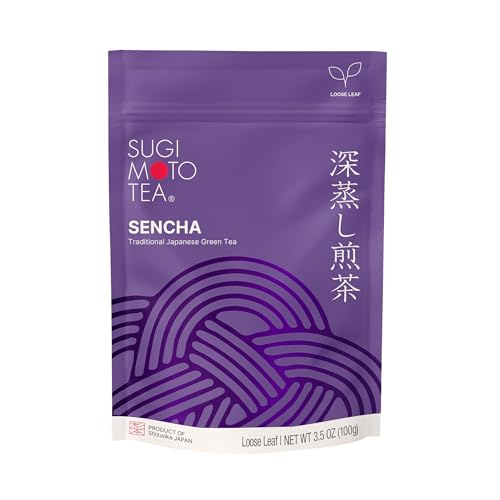
The Sugimoto Sencha uses a Fukamushi (deep-steaming) process that breaks down the leaf fibers more than standard steaming, resulting in a full-bodied liquor with a creamy mouthfeel and a lingering umami finish. The 3.5-ounce resealable zip pouch keeps the delicate leaves fresh across multiple brewing sessions, and the loose-leaf format gives you precise control over water temperature — aim for 160–170°F to avoid extracting bitter tannins.
This Sencha performs equally well hot or as a cold brew. For iced preparation, steep a double portion in cool water overnight in the refrigerator; the deep-steamed particles infuse quickly without developing the harsh edge typical of cheaper leaf grades. The sweet vegetal aroma fills the cup without any of the grassy bite that turns beginners away from green tea.
This bag contains enough volume for roughly 25–30 servings, depending on your leaf-to-water ratio, making it an economical daily driver that does not sacrifice quality. The family behind Sugimoto has been sourcing from Shizuoka for generations, so the authenticity of the Fukamushi technique is built into every batch.
Why it’s great
- Deep-steamed Fukamushi process delivers sweet, smooth mouthfeel without bitterness
- Resealable zip pouch preserves volatile aromatics after opening
- Versatile for both hot and cold brew preparation methods
Good to know
- Loose-leaf format requires a strainer or infuser for brewing
- Only 3.5 ounces — heavy daily drinkers may reorder frequently
2. Matcha Moon Pure Zen Ceremonial Grade Matcha Powder

Matcha Moon Pure Zen is a USDA Organic ceremonial-grade matcha sourced from Uji, Kyoto — the region universally recognized for producing Japan’s most refined stone-ground tea. The 30-gram tin contains first-harvest leaves that are shade-grown for three weeks before harvest, boosting chlorophyll and L-theanine levels to produce that signature sweet, non-bitter flavor profile with a silky, foamable consistency when whisked.
When you open the tin, the powder should appear a vibrant jade green without any brown or yellow undertones — those would indicate the inclusion of stems or older leaves, disqualifying it from true ceremonial grade. Matcha Moon passes this visual check cleanly, and the 30-gram tin provides approximately 15–20 traditional bowls of matcha when using the standard 1.5–2 gram serving per bowl.
This matcha is certified gluten-free, vegan, and sugar-free, making it appropriate for dietary restrictions. The sealed canister protects the powder from light and air, which are the two fastest enemies of matcha freshness. For best results, sift the powder through a fine strainer before whisking to eliminate any clumps that form during storage.
Why it’s great
- USDA Organic certification guarantees no synthetic pesticides
- First-harvest Uji leaves deliver natural sweetness and umami richness
- Sealed tin protects against light and moisture degradation
Good to know
- 30g tin is smaller than culinary matcha bags — strictly for whisked tea, not baking
- Requires a bamboo whisk (chasen) to achieve proper frothy texture
3. Harney & Sons Japanese Sencha Tea 8 oz Loose Leaf

Harney & Sons sources a blend of mid-season Sencha leaves from the Central Shizuoka Province and blends them with a family supplier in Tokyo who has been trading tea for generations. The result is a medium-bodied cup with pleasant spinachy notes, light roast undertones from the steaming process, and a clean finish that avoids the heavy grassiness of cheaper Sencha grades.
At 8 ounces, this is the largest quantity in the lineup — roughly 80–100 servings depending on your preferred strength. The loose-leaf format fills a standard tea canister and works well in a mesh infuser or a traditional kyusu teapot. Steep for 1–3 minutes in water just off the boil (around 175°F) to pull out the vegetal notes without overwhelming the cup with astringency.
The blend uses mid-season leaves, which means you lose some of the ultra-sweet first-harvest character, but you gain a more forgiving leaf that still delivers the proper Japanese green tea experience at a volume that makes it a practical pantry staple. The caffeine content is medium — less than coffee but enough to provide a focused, non-jittery lift through the afternoon.
Why it’s great
- 8-ounce bulk format provides excellent value for regular consumption
- Blend from established Tokyo trading family ensures consistent flavor batch to batch
- Spinachy, slightly roasted flavor profile works well for both hot and iced tea
Good to know
- Mid-season leaves lack the intense umami of first-harvest single cultivars
- Canister is not resealable — transfer to an airtight container after opening
4. Organic Japanese Sencha First Harvest Saemidori Cultivar 100g
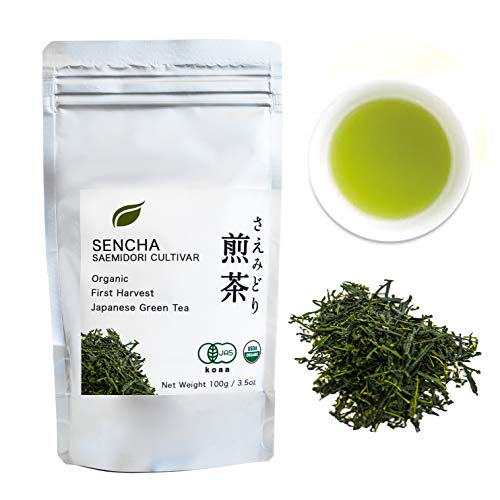
This loose-leaf Sencha from Matcha Konomi uses the Saemidori cultivar — a variety bred specifically for its high L-theanine content and resistance to developing astringent flavors during steaming. The harvest comes from Kagoshima Prefecture in southern Japan, where volcanic soil and warm climate create ideal growing conditions for first-flush leaves.
The 3.5-ounce bag (100 grams) is smaller than the Harney & Sons offering but targets a different audience: the tea enthusiast who wants to taste the specific expression of a single cultivar rather than a blended house profile. Saemidori is known for producing a liquor that is naturally sweet with notes of steamed vegetables and a round, almost buttery texture — noticeably different from the sharper Yabukita that dominates most commercial Sencha blends.
Because these are first-harvest leaves, they require gentler brewing. Use water at 158–165°F and a steep time of 60–90 seconds for the first infusion. The leaves can be resteeped two to three times, each infusion revealing slightly different flavor layers as the leaf unfurls. Keep the bag sealed between uses and store in a cool, dark cabinet away from strong odors.
Why it’s great
- Saemidori cultivar produces naturally elevated umami and sweetness without bitterness
- First-harvest from Kagoshima ensures peak amino acid content
- Capable of multiple resteeps with evolving flavor complexity
Good to know
- Small 100g bag — price per serving is higher than mid-season blends
- Requires precise low-temperature brewing to avoid scalding delicate leaves
5. DoMatcha Organic Ceremonial Matcha Powder 1 oz

DoMatcha’s certified organic ceremonial matcha comes in a 1-ounce tin (28 grams) that offers approximately 25 servings — roughly a month of daily matcha for the average drinker. The powder is sourced from traditional Japanese tea gardens and stone-ground to the fine particle size required for ceremonial use, meaning it will whisk into a smooth, frothy suspension without graininess.
Organic certification here matters for matcha in particular: because you consume the entire ground leaf rather than steeping and discarding it, any pesticide residue present on the leaf is ingested directly. DoMatcha’s organic sourcing eliminates that concern while delivering the antioxidant content (catechins and L-theanine) that matcha drinkers value for sustained energy without the coffee crash.
The flavor profile leans toward the savory umami side with a clean finish that does not linger with grassy notes. One-ounce tins are sized for freshness — once opened, matcha begins degrading within four to six weeks, so the smaller format ensures you finish the tin before the color dulls and the aroma fades. Store it in the refrigerator after opening if your consumption pace is slow.
Why it’s great
- Organic certification removes pesticide concerns for whole-leaf consumption
- Fine stone-ground texture whisks into smooth, clump-free foam
- Small 1 oz format keeps matcha fresh through the use window
Good to know
- 1 oz tin is the smallest quantity in this guide — heavy users may prefer larger formats
- Refrigeration recommended after opening to slow color and aroma degradation
FAQ
What water temperature should I use for Japanese green tea to avoid bitterness?
How do I tell if a matcha powder is true ceremonial grade?
Can Japanese green tea be brewed cold for iced tea?
Final Thoughts: The Verdict
For most users, the japanese green tea winner is the Sugimoto Sencha Fukamushi because its deep-steamed profile delivers that signature umami sweetness while forgiving slight temperature mistakes — making it the best entry point for both new and experienced drinkers. If you want a whisked matcha ceremony with genuine Uji provenance, grab the Matcha Moon Pure Zen. And for a budget-friendly bulk option that still delivers authentic Shizuoka character, nothing beats the Harney & Sons Japanese Sencha.