Finding a moisturizer that exfoliates without stripping your moisture barrier feels like chasing a skincare unicorn. Lactic acid, an alpha hydroxy acid (AHA), offers gentle surface renewal and hydration, but the wrong formula leaves skin red, tight, or irritated. The goal is a daily cream that dissolves dead skin cells while keeping your complexion plump and comfortable.
I’m Emma — the founder and writer behind Baby Bangs. I’ve spent years analyzing ingredient lists, concentration levels, and pH stability across hundreds of skincare formulations to separate effective products from overhyped options.
This guide breaks down the top-performing formulas that deliver visible texture refinement and lasting moisture. Use it to confidently choose a lactic acid moisturizer that matches your skin’s needs without guesswork.
How To Choose The Best Lactic Acid Moisturizer
A good lactic acid moisturizer gently resurfaces skin while maintaining hydration. Get the concentration wrong or neglect pH, and you compromise results. Here’s what matters most when scanning the label.
Concentration and pH Balance
Effective exfoliation with lactic acid requires a pH between 3.5 and 4.5. At this acidity, the AHA can cleave the bonds holding dead cells to the surface. Formulas below 5% offer mild softening for beginners. Mid-range formulas between 5% and 10% deliver visible texture improvement without overwhelming sensitive skin. Anything above 10% is a peel-strength product, not a daily moisturizer.
Supporting Ingredients for Barrier Health
Because lactic acid accelerates cell turnover, your moisturizer must include barrier-repairing components. Look for ceramides to reinforce lipid layers, niacinamide to calm inflammation, and hyaluronic acid to replenish hydration. A formula that only exfoliates without supporting the moisture barrier will eventually cause dryness and irritation.
Quick Comparison
On smaller screens, swipe sideways to see the full table.
| Model | Category | Best For | Key Spec | Amazon |
|---|---|---|---|---|
| Clinique Moisture Surge Active Glow | Serum-Moisturizer Hybrid | Brightening & hydration boost | 5% Lactic Acid + Vitamin C | Amazon |
| L’Oreal Paris Revitalift Triple Power | Anti-Aging Cream | Wrinkle reduction & firming | Pro-Retinol + Hyaluronic Acid | Amazon |
| La Roche-Posay Toleriane Double Repair | Barrier Support Cream | Calming sensitive, reactive skin | Ceramide + Niacinamide | Amazon |
| Dr.nineteen PoreXsome CollaBooster | Pore-Tightening Cream | Pore refinement & firmness | Poly Lactic Acid + Ceramides | Amazon |
| Prequel Skin Multi-Acid Milk Peel | Leave-On Exfoliant | Intensive resurfacing (not daily) | 15% Glycolic + Lactic Blend | Amazon |
In‑Depth Reviews
1. Clinique Moisture Surge Active Glow Serum
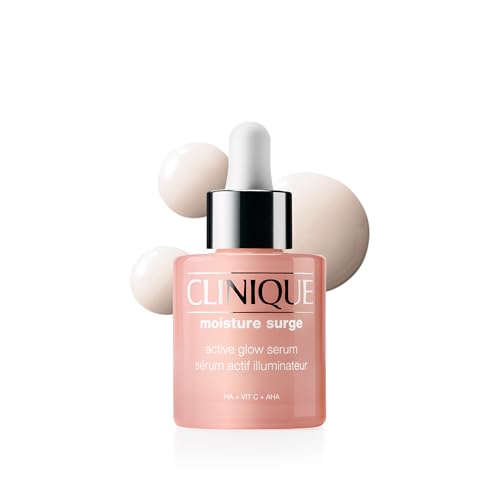
This hybrid serum-moisturizer combines 5% lactic acid with vitamin C and hyaluronic acid for a brightening, exfoliating layer that sinks in fast. The lactic acid concentration is high enough to noticeably smooth texture but low enough for most skin types to tolerate as a daily step. Vitamin C helps fade discoloration, while hyaluronic acid ensures plumpness remains intact after exfoliation.
The lightweight gel-cream texture layers cleanly under sunscreen or makeup without pilling. It’s oil-free, making it a strong option for combination and oily-normal skin that wants glow without grease. The 5% lactic acid level sits in the sweet spot for a leave-on product — exfoliating enough to refine pores and soften fine lines without the sting often associated with higher AHA percentages.
Because it’s a serum format rather than a heavy cream, those with very dry or dehydrated skin may need a richer occlusive layer on top, especially during colder months. Still, for someone seeking a daily brightening exfoliant that multitasks, this is the most balanced formula of the group.
Why it’s great
- 5% lactic acid effectively resurfaces without irritation
- Vitamin C boosts brightness and fights dullness
- Oil-free and lightweight for oily to normal skin
Good to know
- May require an additional heavier moisturizer for dry skin
- Comes in a smaller bottle than standard creams
2. L’Oreal Paris Revitalift Triple Power Moisturizer

This fragrance-free cream combines pro-retinol, hyaluronic acid, and vitamin C to address wrinkles, firmness, and brightness in one jar. While lactic acid is not the star exfoliant here, the pro-retinol promotes cell turnover in a complementary way. It’s a solid choice for those who want anti-aging benefits alongside daily hydration and are already comfortable with retinoids.
The texture is rich but absorbs quickly without a greasy finish. L’Oreal states that after one week, wrinkles appear reduced and skin looks firmer. The formula is dermatologist-tested, non-comedogenic, and suitable for sensitive skin. The absence of fragrance reduces the risk of irritation for those who react to synthetic scents.
Because this product relies on retinol rather than direct lactic acid exfoliation, it is best for users who prefer a slower, retinoid-driven renewal process. If you specifically want lactic acid’s immediate surface-smoothing effect, you would need to layer this with a dedicated AHA step. For general anti-aging hydration at a value price point, this cream delivers consistent results.
Why it’s great
- Pro-retinol targets deeper wrinkle repair over time
- Fragrance-free and non-comedogenic formula
- Absorbs quickly and layers well under makeup
Good to know
- Does not contain direct lactic acid for surface exfoliation
- Retinol requires gradual introduction for beginners
3. La Roche-Posay Toleriane Double Repair Moisturizer

This fragrance-free moisturizer is built around barrier repair with ceramide-3 and niacinamide. It does not contain lactic acid itself, making it an ideal companion moisturizer to use on nights when you apply a separate AHA serum. The ceramide complex reinforces the lipid barrier that lactic acid can temporarily weaken, preventing moisture loss and irritation.
The texture is a lightweight cream that leaves a dewy finish without heaviness. Niacinamide helps calm redness and regulate oil production, which pairs well with exfoliating routines. La Roche-Posay’s prebiotic thermal water adds a soothing element that reduces the chance of stinging when skin is in a post-exfoliation state.
This is not a standalone exfoliating product. Its role is to protect and hydrate while lactic acid does its job. If you are layering a lactic acid serum underneath, this moisturizer will lock everything in without interfering with the acid’s pH or performance. For sensitive or reactive skin types, this is the smartest base or follow-up layer.
Why it’s great
- Ceramides reinforce barrier during AHA exfoliation
- Niacinamide calms redness and regulates sebum
- Fragrance-free and suitable for very sensitive skin
Good to know
- Contains no exfoliating acids on its own
- Dewy finish may feel too rich for oily skin in humid climates
4. Dr.nineteen PoreXsome CollaBooster Cream
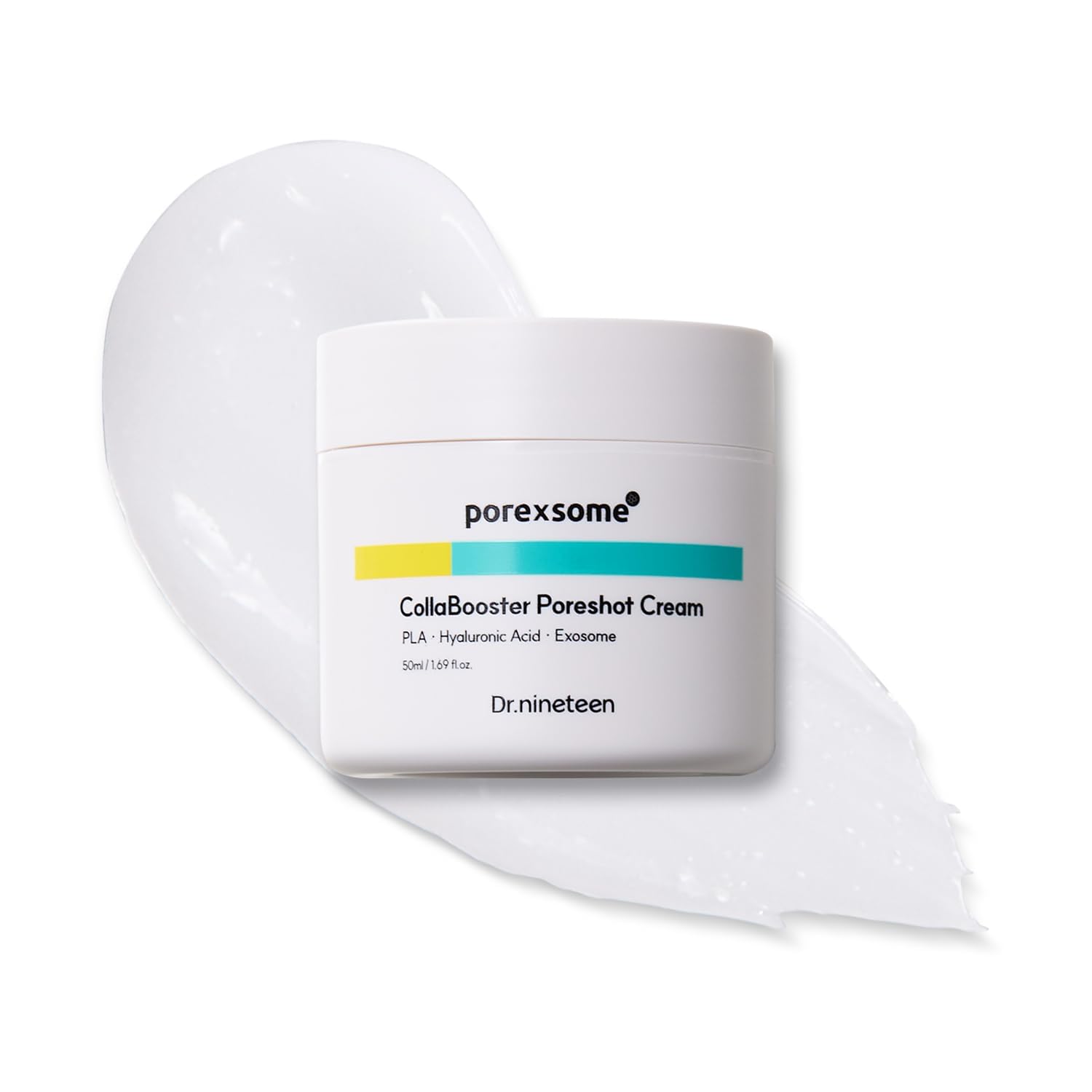
This Korean skincare cream uses poly lactic acid (PLA), a type of lactic acid-derived polymer, paired with 12 types of hyaluronic acid and ceramides. Unlike free lactic acid, PLA offers a slower, sustained exfoliation that targets pore tightening and collagen support without the immediate tingling. The addition of ceramides ensures the moisture barrier stays intact during the renewal process.
The texture is a rich cream that spreads smoothly and absorbs with a velvety finish. It is formulated specifically for pore appearance and firmness, making it a targeted option for those whose primary concern is visible pore size rather than overall texture. The 12-HA complex provides multi-depth hydration — from surface-level plumping to deeper moisture retention.
Because the exfoliation rate is lower than standard lactic acid creams, results appear gradually over several weeks. Users looking for immediate surface smoothness may prefer a traditional lactic acid formula. This cream suits those who want long-term pore refinement and barrier support in a single step.
Why it’s great
- Poly lactic acid offers gentle, sustained exfoliation
- 12 HA types provide deep, layered hydration
- Ceramides support barrier during acid activity
Good to know
- Results take longer to appear compared to free lactic acid
- Rich texture may not suit very oily skin types
5. Prequel Skin Multi-Acid Milk Peel

This peel combines 15% glycolic acid with phytic, malic, mandelic, and lactic acids along with enzymes for a high-strength resurfacing solution. The lactic acid component contributes hydration and gentle keratolytic action, balancing glycolic acid’s aggressive penetration. The milk-based base with squalane keeps the skin moisturized during exfoliation, reducing the tightness common with strong acid blends.
It is a leave-on liquid, not a rinse-off mask, so the acids remain active on the skin. Because of the 15% total AHA concentration, this is not a daily product. Prequel recommends starting with one to two applications per week, monitoring tolerance closely. Fragrance-free and pH-stabilized, it targets fine lines, uneven tone, and texture in four weeks of consistent use.
This peel is best for experienced acid users with resilient skin. Beginners or those with compromised barriers should patch-test first and consider a lower-strength lactic acid moisturizer for daily use. If you want the most aggressive exfoliation in this list and have built up AHA tolerance, this delivers professional-level refinement.
Why it’s great
- High 15% AHA concentration for deep resurfacing
- Squalane and milk base prevent drying during exfoliation
- Multi-acid blend targets texture, tone, and fine lines
Good to know
- Not suitable for daily use or sensitive skin
- Requires careful patch testing before regular application
FAQ
Can I use a lactic acid moisturizer every day?
Should I apply lactic acid moisturizer in the morning or at night?
Can I layer a lactic acid moisturizer with vitamin C serum?
Final Thoughts: The Verdict
For most users, the lactic acid moisturizer winner is the Clinique Moisture Surge Active Glow because its 5% lactic acid concentration provides effective daily exfoliation without irritation, and the added vitamin C brightens skin in one lightweight step. If you need a barrier-repairing base to layer under a separate AHA serum, the La Roche-Posay Toleriane Double Repair delivers ceramide-rich protection. And for experienced users wanting aggressive weekly resurfacing, nothing beats the Prequel Skin Multi-Acid Milk Peel.