Melasma is stubborn. Unlike a surface pimple or general dullness, this form of hyperpigmentation sits deep in the dermal layers, driven by hormonal shifts and UV exposure. A generic brightening cream won’t touch it. You need a targeted arsenal of specific depigmenting agents delivered in a layered, barrier-respecting routine — and the K-beauty industry builds its entire pigmentation-correcting philosophy around exactly this.
I’m Emma — the founder and writer behind Baby Bangs. I’ve spent over a decade analyzing ingredient patents, formulation science, and clinical trial data from Korean cosmeceutical labs to separate real pigment-fighting technology from marketing fluff.
This guide breaks down five carefully selected serums and creams that combine tranexamic acid, niacinamide, arbutin, kojic acid, and stabilized vitamin C. Whether treating a fresh pregnancy mask or a decade-old stubborn patch, finding the right korean skincare for melasma requires understanding delivery systems and ingredient synergy — not just buzzwords.
How To Choose The Best Korean Skincare For Melasma
Melasma is driven by melanocytes overproducing pigment in response to estrogen and UV. The wrong routine can irritate the barrier and worsen the pigmentation through post-inflammatory rebound. Look for formulations that pair a melanin-production inhibitor with a gentle turnover accelerator, always backed by a delivery system that ensures ingredient penetration without stripping.
Prioritize Tranexamic Acid and Arbutin
Tranexamic acid (TXA) blocks the plasmin pathway that triggers melanocyte activity — it attacks melasma at its hormonal root. Arbutin, a glycosylated hydroquinone alternative, inhibits tyrosinase more gently. The most effective products combine both (like TOSOWOONG’s 4% TXA + 7% arbutin cream) or pair TXA with niacinamide to interrupt multiple pigment pathways simultaneously.
Check the Delivery Vehicle
Water-based vitamin C oxidizes within weeks, rendering it useless. For melasma, a waterless airless-pump formula (like the Pure Vitamin C Serum in this list) preserves L-ascorbic acid potency long enough to actually block melanin synthesis. Cream-based TXA formulations create longer contact time, making them superior for overnight pigment correction compared to watery essences that evaporate fast.
Exfoliation Must Be Gentle
Melasma-prone skin is often reactive. Products that include a low-percentage AHA (5% or under) alongside pigment inhibitors create controlled desquamation without barrier damage. The DOMINAS serum integrates 5% AHA directly into the TXA formula — this saves you a separate exfoliation step and reduces the risk of over-exfoliating in pursuit of faster results.
Quick Comparison
On smaller screens, swipe sideways to see the full table.
| Model | Category | Best For | Key Spec | Amazon |
|---|---|---|---|---|
| DOMINAS 10% TXA Serum | Premium Serum | Deep melasma + texture | 10% TXA + 5% AHA + 5% Niacinamide | Amazon |
| Pure Vitamin C Serum | Premium Serum | Morning brightening + firming | 10.5% waterless L-ascorbic acid | Amazon |
| TOSOWOONG Arbutin + TXA Cream | Mid-Range Cream | Overnight spot correction | 7% Arbutin + 4% TXA + Glutathione | Amazon |
| Good Molecules Discoloration Serum | Budget Serum | General hyperpigmentation | 3% TXA + 4% Niacinamide | Amazon |
| Kojic Acid Essence Serum | Budget Essence | Radiance + mild spots | Kojic Acid + Ceramide + HA | Amazon |
In‑Depth Reviews
1. DOMINAS 10% Tranexamic Acid Serum (Hyper P-Toning)
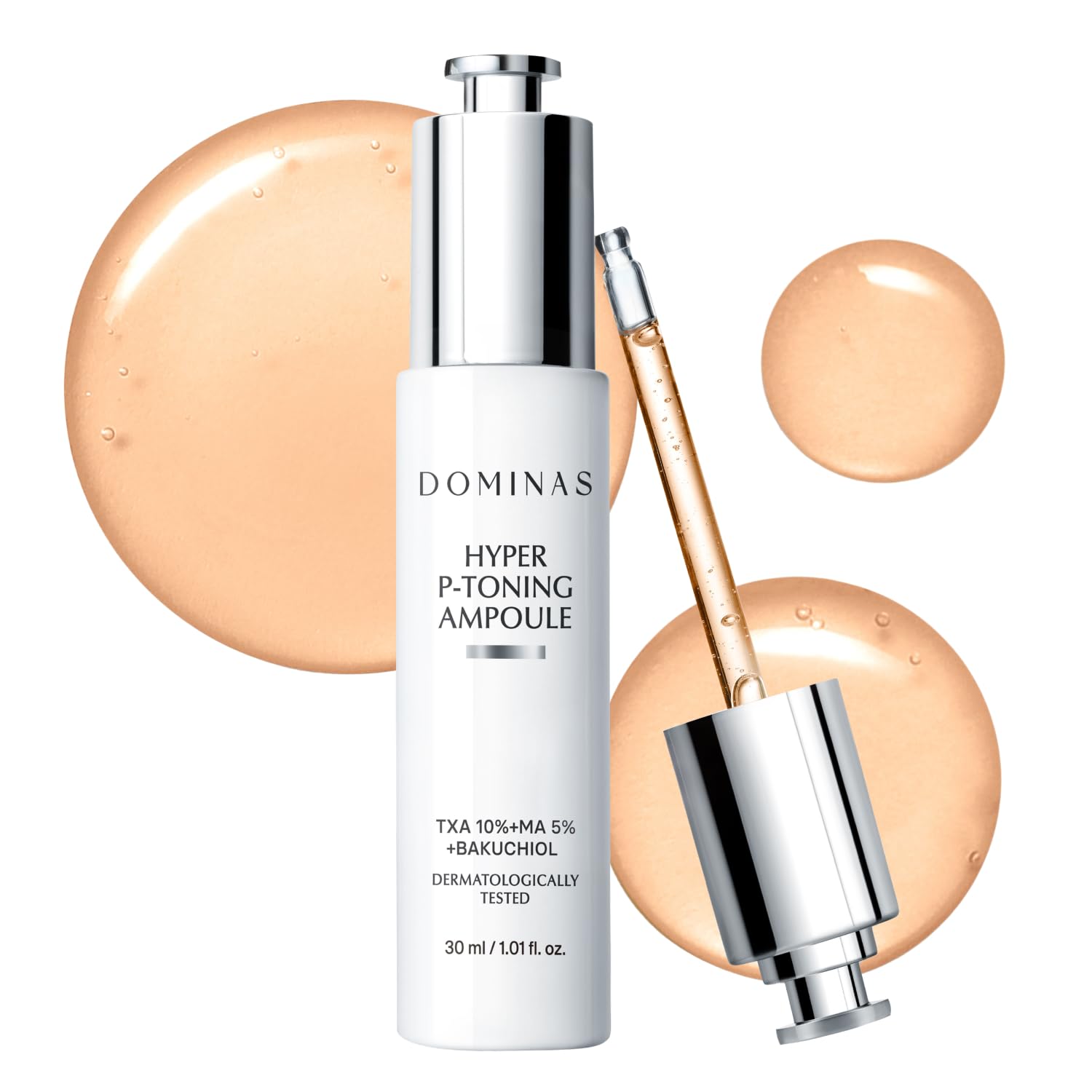
DOMINAS packs 10% tranexamic acid — the highest TXA concentration in this roundup — directly into a single serum. For melasma that resists lower-strength formulas, this is the heavy artillery. The addition of 5% glycolic AHA creates controlled chemical exfoliation that helps the TXA penetrate deeper into the dermal pigment deposits where melasma lives.
The 5% niacinamide component works on a separate pigment pathway, blocking melanosome transfer while the TXA suppresses the plasmin trigger. This triple-mechanism approach means you’re attacking melasma from three angles in one bottle, which reduces the number of products you need to layer. The texture is a lightweight gel-serum that absorbs fully without pilling under moisturizer.
Because the AHA is present, users with very sensitive or reactive skin should start at every-other-night application. The serum is unscented and free of drying alcohols, which is critical when your barrier is already managing exfoliation. For deep, hormonal-driven melasma patches, this formula delivers the most aggressive yet controlled correction available at this tier.
Why it’s great
- Highest TXA concentration (10%) directly targets dermal melasma
- Built-in 5% AHA eliminates the need for a separate exfoliating step
- Triple pathway attack (TXA + AHA + Niacinamide) maximizes pigment disruption
Good to know
- AHA may cause initial purging for sensitive skin types
- Not suitable for morning use if you also use other acids
2. Pure Vitamin C Serum (10.5% Waterless)
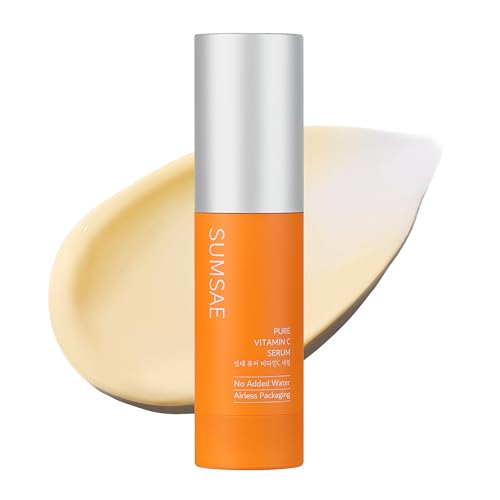
Vitamin C is a frontline melanogenesis inhibitor, but most serums oxidize into brown sludge before they reach your bathroom. This Korean formula solves that with a propanediol base — zero water means L-ascorbic acid remains chemically stable for months. The 10.5% concentration sits in the sweet spot: strong enough to fade pigment, gentle enough to use every morning.
The triple-barrier delivery system uses lipid-coated droplets suspended in an oil-gel matrix. This slows oxidation during storage and also creates a gradual release profile on the skin — the vitamin C doesn’t flash-evaporate but sinks in over minutes. Adenosine and beta-glucan are added to reinforce barrier repair, because melasma-prone skin often has underlying barrier weakness that makes it worse.
For melasma, this works best as your daytime antioxidant layer under sunscreen. The waterless texture feels like a silky oil that dries matte, which sits well under makeup. The airless pump is not a gimmick — it mechanically prevents air from reaching the remaining product, so the last drop is as potent as the first. Pairing this with a night-time TXA serum covers the full 24-hour pigment-inhibition cycle.
Why it’s great
- Waterless formula prevents vitamin C oxidation for long-term potency
- Triple-barrier delivery creates gradual absorption into dermal layers
- Airless pump preserves stability from first to last use
Good to know
- Higher price point per fluid ounce compared to water-based serums
- Oil-gel texture may feel heavy on very oily skin types
3. TOSOWOONG Arbutin 7% + Tranexamic Acid 4% Cream
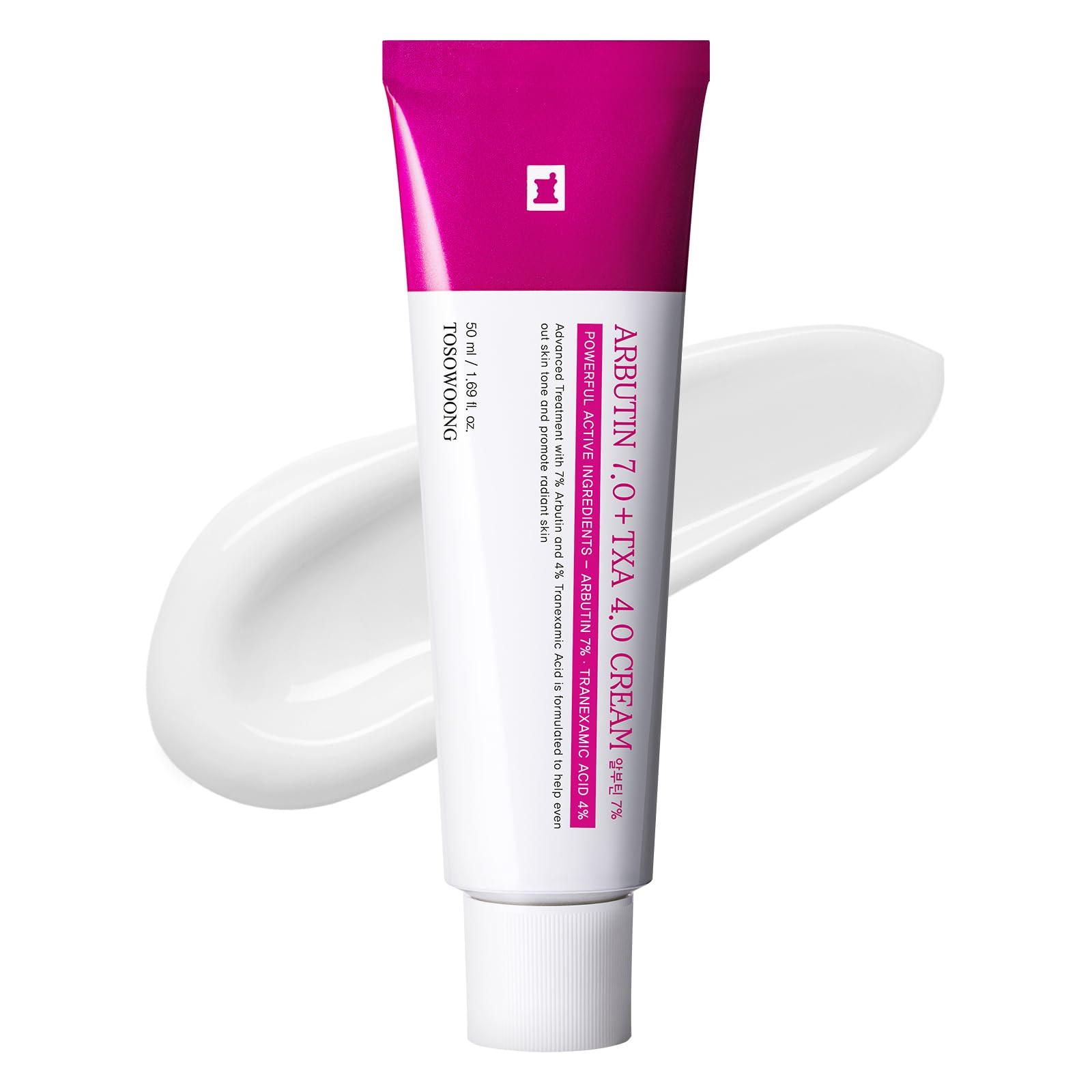
Where serums are thin and fast-absorbing, this cream format provides extended contact time — critical for melasma because pigment inhibitors need sustained presence to downregulate melanocyte activity. TOSOWOONG delivers 70,000 ppm arbutin (7%) alongside 40,000 ppm tranexamic acid (4%), creating a dual-action cream that stays on the skin overnight without migrating into your pillow.
The addition of glutathione boosts the antioxidant defense, supporting TXA in scavenging free radicals that trigger melanocytes. Niacinamide rounds out the formulation at a concentration that supports barrier lipid synthesis, which prevents the irritation that often follows aggressive pigment treatments. The texture is rich enough for normal to dry skin but non-comedogenic for combination types.
Because this is a cream rather than a serum, it works best as your final treatment step before sleeping. Layer it after a lighter TXA or vitamin C serum, or use it standalone on nights when you want to minimize routine steps. The 50ml jar lasts two to three months with daily use, making the cost per application very accessible for a premium-ingredient cream.
Why it’s great
- Cream format provides long contact time for deeper TXA/arbutin penetration
- High-concentration arbutin (7%) matches clinical efficacy studies
- Glutathione and niacinamide add antioxidant and barrier support
Good to know
- Thick texture may not suit very oily or acne-prone skin
- Jar packaging exposes product to air with each open use
4. Good Molecules Discoloration Correcting Serum
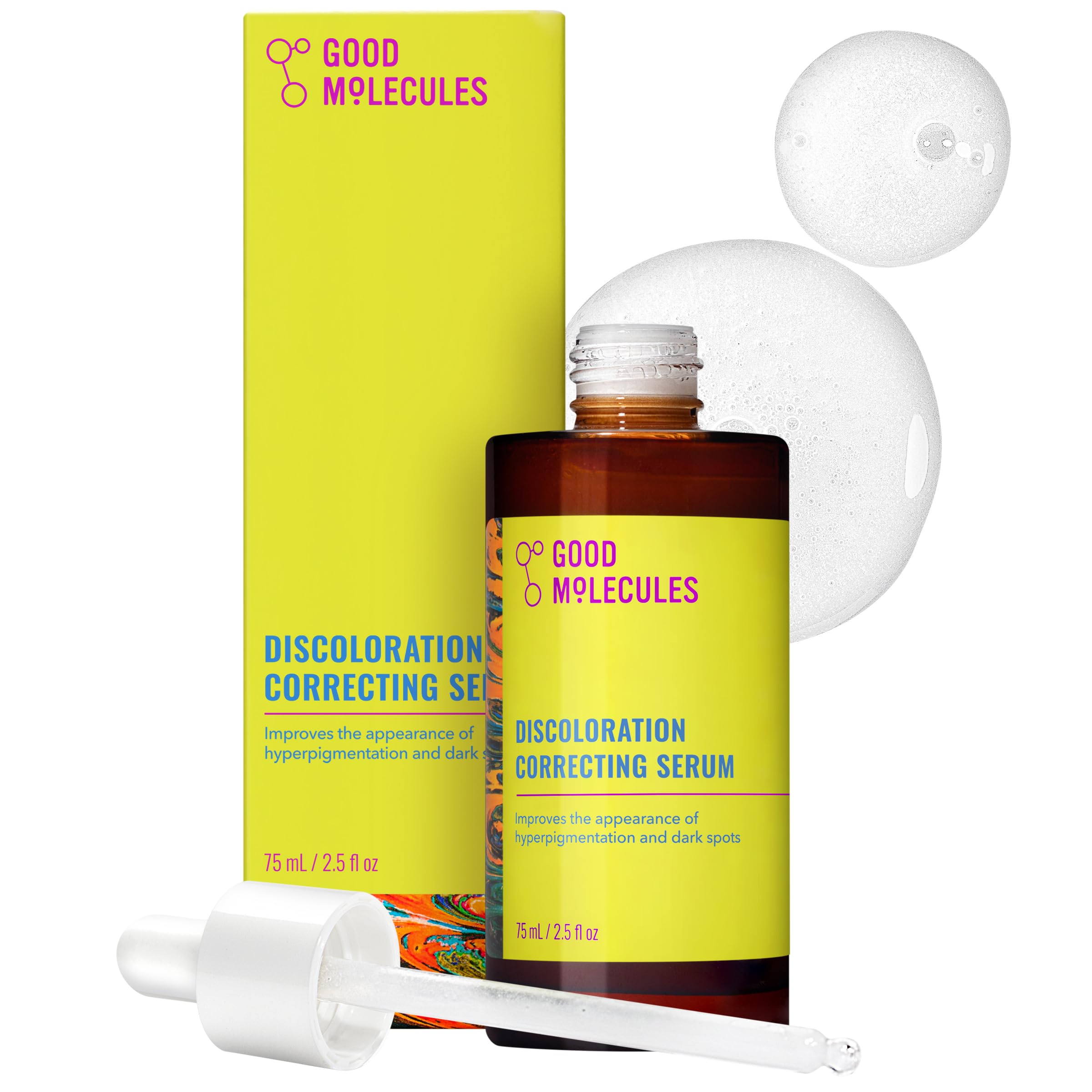
Good Molecules enters the melasma conversation with a no-frills 3% tranexamic acid and 4% niacinamide serum that punches above its tier. The TXA concentration is modest compared to the 10% DOMINAS option, but for early-stage melasma or maintenance after a stronger course of treatment, this provides enough pigment suppression without overloading the skin with acids.
This serum is pH-balanced at 5.5, vegan, and free of fragrance, alcohol, PEGs, and mineral oils. It’s designed for twice-daily use — morning and night — which is important because consistent daily application of TXA is what delivers compound results over eight to twelve weeks. The texture is a lightweight water-gel that layers seamlessly under moisturizer and sunscreen without pilling.
The trade-off is speed. Users with deep, well-established melasma patches may find the 3% TXA concentration too low to produce visible fading within the first month. For maintenance or mild post-inflammatory hyperpigmentation, the price point makes it a sustainable long-term option that won’t irritate the barrier over months of continuous use.
Why it’s great
- Budget-friendly entry point for daily TXA treatment
- Fragrance-free and alcohol-free minimizes irritation risk
- Twice-daily format supports consistent pigment suppression routine
Good to know
- 3% TXA may be insufficient for deep, hormonal melasma
- Slower visible results compared to higher-concentration formulas
5. Kojic Acid Essence Serum with Ceramide and Hyaluronic Acid
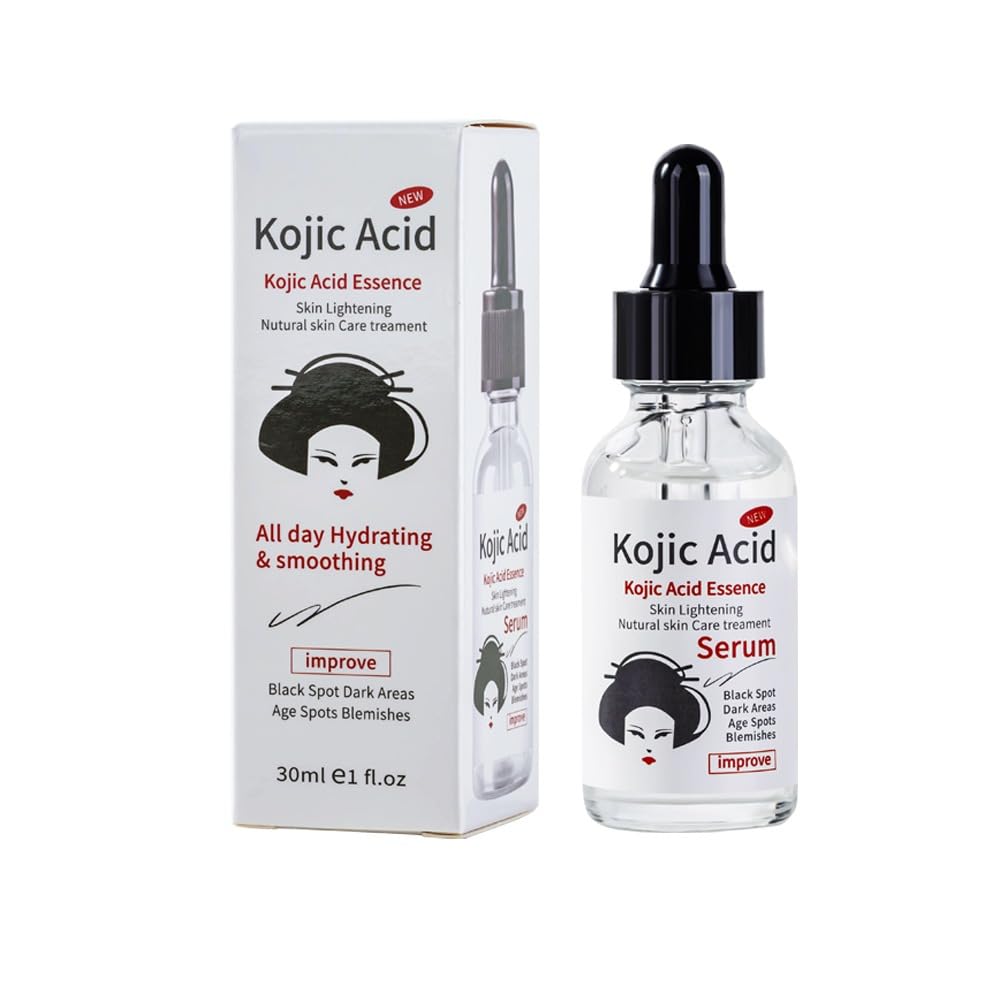
Kojic acid is a tyrosinase inhibitor derived from fungal fermentation, and it works through a different biochemical pathway than TXA or arbutin. This serum centers its pigment-fighting power on kojic acid, then backs it with ceramides and hyaluronic acid to maintain hydration and barrier integrity. For melasma that co-presents with dehydration or barrier sensitivity, this is the gentler option.
The essence format is thinner than a cream but more nourishing than a watery toner. It spreads easily and absorbs quickly, making it suitable for layering under heavier treatments. The addition of ceramide NP and hyaluronic acid means you’re supporting barrier repair while fading pigment — this dual function is especially useful if your melasma flared during pregnancy or while on hormonal birth control, when skin barrier function is often compromised.
Kojic acid is less potent than TXA for deep dermal melasma, so this product works best for mild-to-moderate hyperpigmentation or as a complementary step in a broader routine. Pair it with a TXA serum at night if you have stubborn patches. The unscented formula and absence of drying alcohols make it safe for sensitive skin, but the brightening results require patience over several months of consistent use.
Why it’s great
- Kojic acid provides a gentle tyrosinase inhibition alternative to TXA
- Ceramides and hyaluronic acid support barrier function simultaneously
- Light essence texture layers easily under sunscreen and makeup
Good to know
- Less effective than TXA for deep, hormonal melasma patches
- Results may take 3 to 4 months of daily use to become visible
FAQ
Can Korean skincare for melasma actually remove deep dermal pigment?
Should I apply pigment serum before or after moisturizer?
How long does Korean melasma treatment take to show visible results?
Final Thoughts: The Verdict
For most users, the korean skincare for melasma winner is the DOMINAS 10% Tranexamic Acid Serum because it combines the highest drug-level TXA concentration with built-in AHA exfoliation, attacking dermal pigment through three separate mechanisms in a single bottle. If you want a stabilized morning antioxidant that protects against UV-triggered pigment formation, grab the Pure Vitamin C Serum (10.5% Waterless). And for overnight maintenance with a cream base that supports barrier repair, nothing beats the TOSOWOONG Arbutin 7% + Tranexamic Acid 4% Cream.