Rough, bumpy skin on your arms, legs, or back isn’t something you need to scrub into submission. The science-backed shortcut is chemical exfoliation with a well-formulated lotion that dissolves the dead-cell glue holding rough patches together. The best lactic acid lotion works while you sleep, delivering visible smoothness without the redness of a physical scrub.
I’m Emma — the founder and writer behind Baby Bangs. I’ve spent hundreds of hours cross-referencing dermatology literature with consumer feedback to identify which AHA formulations actually deliver measurable texture improvements without irritation.
After analyzing the ingredient profiles, concentration levels, and real-world results of dozens of options, I’ve narrowed the field to the five that earn a spot in any rotation. This review covers the best lactic acid lotion choices for dry skin, keratosis pilaris, and all-over glow.
How To Choose The Best Lactic Acid Lotion
Lactic acid is an alpha hydroxy acid (AHA) derived from milk. It gently dissolves the intercellular bonds holding dead skin cells to the surface, revealing softer, more even-toned skin underneath. But not all lactic acid lotions are equal—concentration, pH, and supporting ingredients determine whether you get glow or irritation.
Concentration and pH matter more than the label
Effective exfoliation typically begins around 5% lactic acid. Lotions labeled 10% or 12% work faster but require a pH between 3.5 and 4.5 to function properly. Lotions with a higher pH may claim the ingredient but deliver minimal exfoliation. Always check that the formula is pH-balanced for chemical exfoliation.
Supporting ingredients prevent moisture loss
AHAs strip the barrier if not paired with humectants and emollients. Look for squalane, ceramides, glycerin, or niacinamide in the formula. These ingredients counter the drying tendency of lactic acid and maintain a healthy barrier through repeated use. A lotion that exfoliates without hydrating is a short-term fix at best.
Delivery vehicle determines absorption
Body serums with a watery texture absorb quickly but may not spread evenly over large areas. Traditional lotions with a creamier base cover more surface area with fewer pumps. Decide whether you need targeted application (serum for elbows and knees) or full-body coverage (lotion for arms, legs, and back) before choosing a format.
Quick Comparison
On smaller screens, swipe sideways to see the full table.
| Model | Category | Best For | Key Spec | Amazon |
|---|---|---|---|---|
| AmLactin Daily Moisturizing Lotion | Premium | Rough, dry skin all-over | 12% Lactic Acid | Amazon |
| Topicals Slather Exfoliating Body Serum | Premium | KP and bumpy texture | Retinol + AHAs + Urea | Amazon |
| medicube Body Peel Shot | Mid-Range | Dull, uneven-looking body skin | BHA + LHA + PHA blend | Amazon |
| Mario Badescu AHA Body Lotion | Mid-Range | Daily gentle exfoliation | Glycolic Acid + Niacinamide | Amazon |
| MEDIX 10% Glycolic + Lactic Gel | Budget-Friendly | Targeted spot treatment | 10% Glycolic + Lactic blend | Amazon |
In‑Depth Reviews
1. AmLactin Daily Moisturizing Lotion

AmLactin’s 12% lactic acid formula is the closest thing to a dermatological gold standard for rough, dry body skin. The concentration is high enough to produce visible results in two to three applications without the sting that lower-pH AHAs often cause. I categorize this as the top pick because it delivers reliable, repeatable texture improvements across skin types—dry, normal, and even the stubborn keratosis pilaris patches that resist gentler formulas.
The 20-ounce bottle is generous compared to the 5- or 6-ounce alternatives on this list. One pump covers a full forearm, and the lotion absorbs in about 30 seconds without leaving a tacky film. The fragrance-free base is a plus for anyone who reacts to synthetic scents, though the lactic acid itself has a faint sour-milk odor that fades within a minute.
Where most body lotions stop at moisturizing, AmLactin actively restructures the surface layer. Regular use keeps elbows, knees, and shins consistently smooth even through dry winter months. The only catch is that the 12% concentration may cause mild tingling on broken or freshly shaved skin, so patch-testing is smart.
Why it’s great
- High 12% lactic acid for fast, visible results
- Large 20-ounce bottle offers extended use
- Fragrance-free and gentle enough for daily application
Good to know
- Slight sour-milk scent during the first minute
- May tingle on freshly shaved or irritated skin
- Packaging redesign may vary color/label from prior versions
2. Topicals Slather Exfoliating Body Serum

Topicals Slather is engineered for the specific texture problems that standard lotions ignore: keratosis pilaris, strawberry skin, and flakiness linked to chronic skin conditions. The formula combines retinol, squalane, urea, and multiple AHAs (including lactic acid) into a milky serum that spreads thinly but covers large areas efficiently. One squirt runs from shoulder to wrist, which is unusual for a 5-ounce bottle.
The retinol component sets Slather apart from single-acid alternatives. Retinol accelerates cell turnover deeper than surface exfoliation alone, which means bumps that resist lactic acid alone often soften after two weeks of Slather. Urea adds a second layer of keratin-dissolving power while the squalane locks moisture in without clogging pores.
The fragrance-free formula is a necessity for sensitive skin, but the trade-off is that the texture is thinner than a traditional lotion. It works best on damp skin after a shower, where it glides easily. Users with extremely dry patches on elbows or knees may need a second layer or a heavier cream on top during cold months.
Why it’s great
- Retinol and urea target KP and bumps directly
- Milky texture spreads far with minimal product
- Scientifically formulated with clinical backing
Good to know
- Thinner consistency requires damp skin for best spread
- Retinol may cause initial dryness if used too frequently
- 5-ounce bottle is small compared to lotion alternatives
3. medicube Body Peel Shot
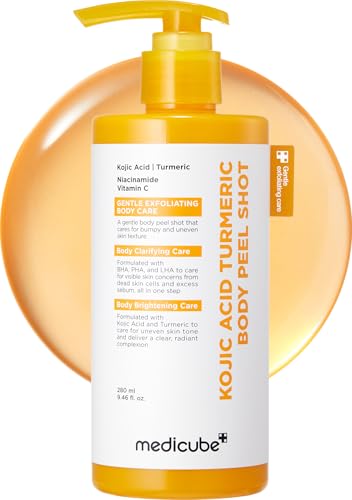
Medicube flips the script by pairing exfoliation with brightening agents—kojic acid and turmeric—rather than relying solely on AHAs to refine tone. The formula uses BHA, LHA, and PHA to lift dead cells and sebum, while the kojic acid works on discoloration and uneven tone. This makes it a strong choice for people whose primary concern is dark patches on elbows, knees, or knuckles rather than just texture.
The watery body serum texture absorbs almost instantly, which is ideal for warm-weather use or layering under sunscreen. Hyaluronic acid and ceramides keep the barrier intact, and the non-comedogenic label means it won’t trigger breakouts on the chest or back. The 9.46-ounce bottle is mid-range in size but lasts because the thin serum spreads easily.
The inclusion of turmeric gives the formula a light golden tint during application, though it rinses off cleanly and doesn’t stain clothes or sheets. Users accustomed to thick lactic acid lotions may find the serum texture less satisfying initially, but the fast absorption is a practical win for morning routines.
Why it’s great
- Brightening ingredients target discoloration and tone
- Fast-absorbing, non-greasy serum texture
- Ceramides and HA support barrier health
Good to know
- No direct lactic acid; uses BHA/LHA/PHA blend instead
- Watery formula may not feel hydrating enough alone
- Turmeric tint can be surprising on first application
4. Mario Badescu AHA Body Lotion With Glycolic Acid
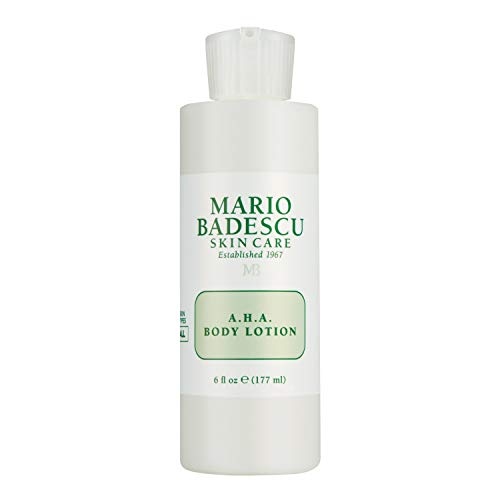
Mario Badescu’s AHA Body Lotion uses glycolic acid as the primary exfoliant rather than lactic acid, but the supporting ingredients—niacinamide and squalane—deliver the kind of barrier support that makes the formula wearable for daily use. Glycolic acid has a smaller molecular size than lactic acid, so it penetrates faster. This lotion balances that speed with emollient-heavy base to prevent over-drying.
The lightweight, non-greasy slip is ideal for warmer months or for anyone who hates the tacky residue some AHA lotions leave behind. Niacinamide brightens the skin over time while squalane mimics the skin’s natural sebum, making this a strong candidate for combination skin that wants exfoliation without stripping the moisture barrier.
The 6-ounce bottle is smaller than the AmLactin or Topicals options, and the glycolic acid concentration isn’t specified on the label, which makes it harder to gauge potency. Users transitioning from physical scrubs will find the gentle chemical action a smooth upgrade, but those with heavy KP may want a higher-acid formula.
Why it’s great
- Silky, non-greasy texture absorbs quickly
- Niacinamide brightens while squalane hydrates
- Gentle enough for daily use on most skin types
Good to know
- Glycolic acid concentration is not disclosed
- 6-ounce bottle is smaller than competitors
- May not be strong enough for stubborn KP patches
5. MEDIX 10% Glycolic Acid + Lactic Acid Leave-On Exfoliating Gel

MEDIX combines two heavy hitters—10% glycolic acid and lactic acid—into a leave-on gel format that acts more like a treatment than a daily lotion. The dual-acid approach targets texture, uneven tone, and fine lines simultaneously. For users with stubborn areas of dead-skin buildup on elbows, knees, or heels, this gel delivers a concentrated punch that watery serums or lotions may not.
The gel format is a double-edged sword. It stays put on the area you apply it to without running, which makes it excellent for spot treatment. But the 1.7-ounce bottle is small enough that covering both arms and legs in one session would deplete it quickly. I recommend reserving this for problem zones rather than full-body use.
New users should expect a warm tingling sensation for the first few minutes. The 10% glycolic concentration is near the professional peel range, so starting with two applications per week and gradually increasing is the safe path. This is not a beginner-friendly product, but for someone who has plateaued with 5% lotions, MEDIX can break through the texture ceiling.
Why it’s great
- High 10% dual-acid concentration for tough texture
- Gel format clings to specific areas without dripping
- Effective on fine lines, KP, and hardened dead skin
Good to know
- Small 1.7-ounce bottle limits full-body use
- Significant tingling on sensitive or freshly washed skin
- Requires gradual introduction to avoid irritation
FAQ
Can I use lactic acid lotion on my face?
How often should I apply a lactic acid body lotion?
Does lactic acid help with keratosis pilaris bumps?
Should I apply lactic acid lotion before or after shower?
Final Thoughts: The Verdict
For most users, the best lactic acid lotion winner is the AmLactin Daily Moisturizing Lotion because its 12% concentration, large bottle, and dermatologist backing offer reliable texture improvement without gimmicks. If you want a targeted KP fix, grab the Topicals Slather. And for brightening discolored elbows and knees, nothing beats the medicube Body Peel Shot.