That spongy running shoe sole robs you of stability under a heavy barbell. Every rep on squats, deadlifts, or overhead presses becomes a battle against your own footwear as the midsole compresses and your foot shifts. A proper lifting shoe replaces that instability with a solid, flat platform that transfers force directly from your foot to the floor.
I’m Emma — the founder and writer behind Baby Bangs. I’ve spent thousands of hours analyzing the construction metrics, heel-toe drops, and outsole compounds that separate serious lifting footwear from cross-training sneakers.
After combing through nine contenders spanning barefoot-minimalist to dedicated Olympic lifters, this guide breaks down the strongest candidates for the best lifting shoes for women market based on platform stability, heel elevation, and build quality.
How To Choose The Best Lifting Shoes For Women
Selecting the right lifting shoe comes down to understanding your primary movement style and your individual foot mechanics. The wrong shoe can limit depth on your squat or cause lateral roll during a heavy clean.
Heel Drop and Stack Height
The heel-toe drop — measured in millimeters — determines your ankle angle at the bottom of a squat. A flat shoe (zero to 4mm drop) keeps your ankle close to its natural position, ideal for deadlifts and Olympic lifting. A higher drop (15mm to 22mm) mimics the effect of wearing lifting wedges, helping lifters with limited ankle mobility reach parallel depth without tilting their torso forward.
Platform Width and Outsole Material
A wide, flat platform increases your base of support, reducing the chance of wobbling under a loaded barbell. Look for rubber outsoles with a tread pattern that grips gym flooring without being too aggressive to walk on between sets. Leather or synthetic uppers should wrap the midfoot securely without pinching the toes.
Toe Box Shape and Closure System
Women’s feet tend to have a narrower heel and wider forefoot compared to men’s. A toe box that allows natural toe splay improves balance. Velcro straps or a combination of laces and a strap provide extra midfoot lockdown, which is critical for explosive lifts like the snatch or clean and jerk.
Quick Comparison
On smaller screens, swipe sideways to see the full table.
| Model | Category | Best For | Key Spec | Amazon |
|---|---|---|---|---|
| Reebok Legacy Lifter III | Premium | Olympic weightlifting with a raised heel | 19mm heel drop | Amazon |
| adidas Dropset 4 Power Trainer | Premium | Hybrid training — lifting plus short cardio | 6mm heel drop | Amazon |
| Reebok Nano X5 | Mid-range | Cross-training with moderate lifting volume | 4mm heel drop | Amazon |
| adidas Powerlift 5 | Mid-range | Weightlifting with a raised heel | 18mm heel drop | Amazon |
| INOV8 F-LITE Alpha G 300 | Mid-range | Grip-intensive functional fitness | 3mm heel drop | Amazon |
| Xero Shoes Prio Neo | Mid-range | Barefoot-minimalist for deadlifts and squats | Zero drop flat sole | Amazon |
| Mizuno Wave Legacy Training | Mid-range | General gym cross-training | 8mm heel drop | Amazon |
| Adidas Dropset 3 Trainer | Entry-level | Budget-friendly floor work and light lifting | 6mm heel drop | Amazon |
| Nike Flex Train | Entry-level | Versatile gym shoe for beginners | 8mm heel drop | Amazon |
In‑Depth Reviews
1. Reebok Legacy Lifter III
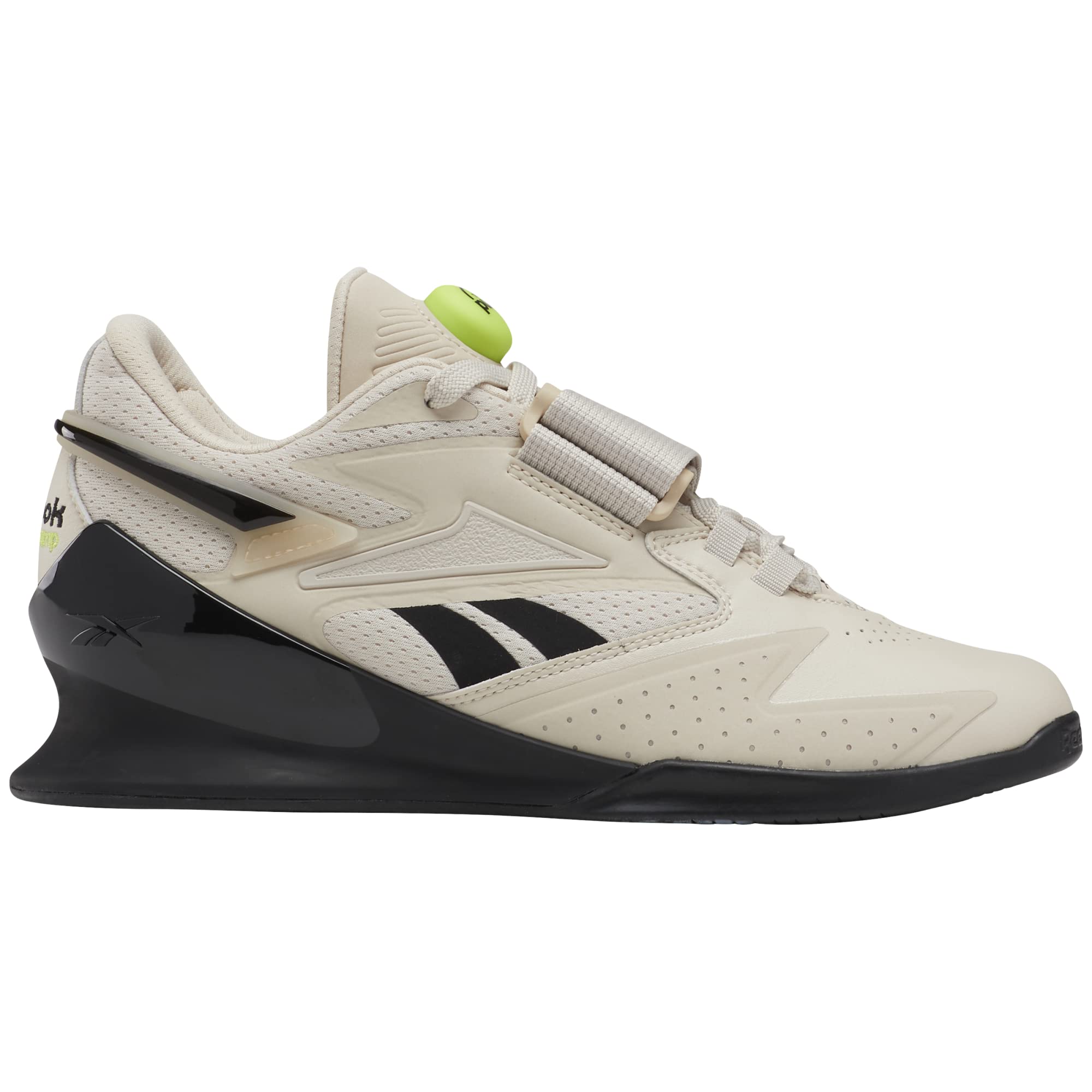
The Legacy Lifter III delivers the highest heel-toe drop on this list at 19mm, purpose-built for Olympic weightlifting. The elevated heel reduces the ankle dorsiflexion required to hit full depth on squats, making it an excellent choice for lifters with limited mobility who still want to compete in clean and jerk or snatch work. A wide TPU outsole provides a stable base across the entire foot, while two adjustable Velcro straps secure the midfoot and forefoot independently.
The leather upper conforms over time without stretching out too much, and the padded tongue prevents lace bite under heavy loads. The outsole uses rubber compound with aggressive tread that grips smooth gym platforms well but feels firm when walking. At roughly 3 pounds per shoe, these are on the heavier side — not ideal for running or dynamic class work.
The raised heel also shifts your center of gravity slightly forward, which is beneficial for vertical torso positioning on squats but can feel awkward during deadlift setups. If you train primarily for powerlifting movements and own a separate pair of flat deadlift slippers, the Legacy Lifter III earns its spot as the top contender for dedicated weightlifting.
Why it’s great
- Sturdy, wide platform provides exceptional lateral stability for heavy squats
- 19mm heel drop improves squat depth for lifters with restricted ankle mobility
- Dual straps lock the foot securely with no heel slip
Good to know
- Heavier build makes running or agility drills uncomfortable
- Premium price point; best for dedicated weightlifters
2. adidas Dropset 4 Power Trainer
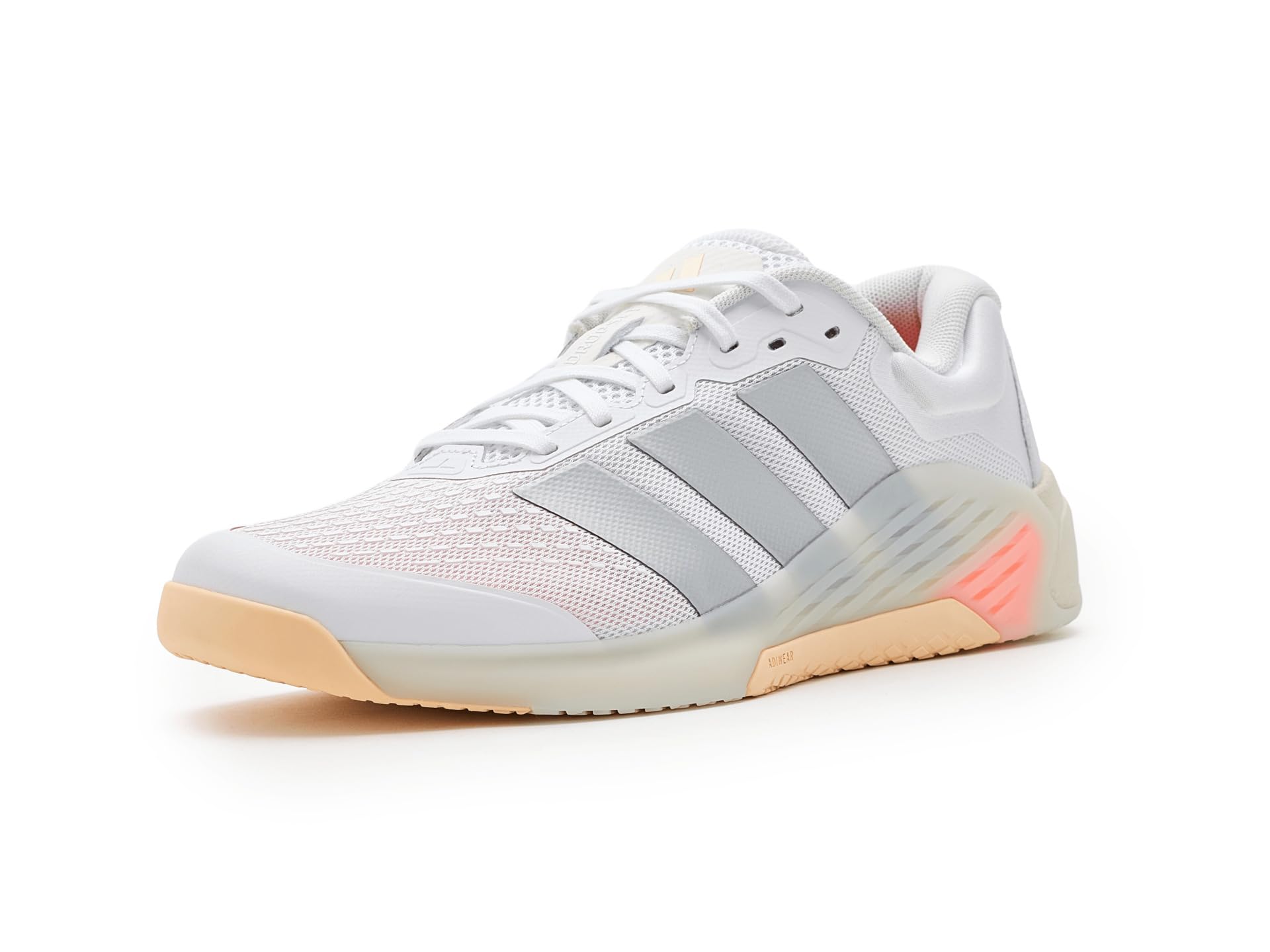
The Dropset 4 Power Trainer hits a sweet spot with a 6mm drop — enough support for moderate lifting without making you feel tilted forward when transitioning to box jumps or burpees. The mesh upper is reinforced with synthetic overlays that prevent stretch under tension, and the lacing system extends far enough down the toe box to accommodate varying instep heights.
The outsole features a rubber wrap that extends up the sidewall, which adds durability during lateral movements like side shuffles or battle rope work. The heel cup has a molded TPU stabilizer that reduces heel slip during squat variations. At 2.5 pounds per shoe, it feels light enough for circuit training without sacrificing the rigidity you want under a loaded barbell.
The foam midsole is denser than a typical running shoe but still compresses slightly under very heavy loads — if your squat max is above 200 pounds, you may prefer a dedicated lifter with a firmer heel. For most women doing mixed training sessions with both strength and metabolic work, the Dropset 4 provides the best compromise between stability and versatility.
Why it’s great
- Balanced 6mm drop works for both lifting and light cardio
- Lateral outsole wrap improves durability for agility drills
- Breathable mesh upper prevents excessive sweating during long sessions
Good to know
- Midsole foam compresses slightly under maximal loads
- Toe box could be slightly wider for lifters who prefer natural toe splay
3. Reebok Nano X5
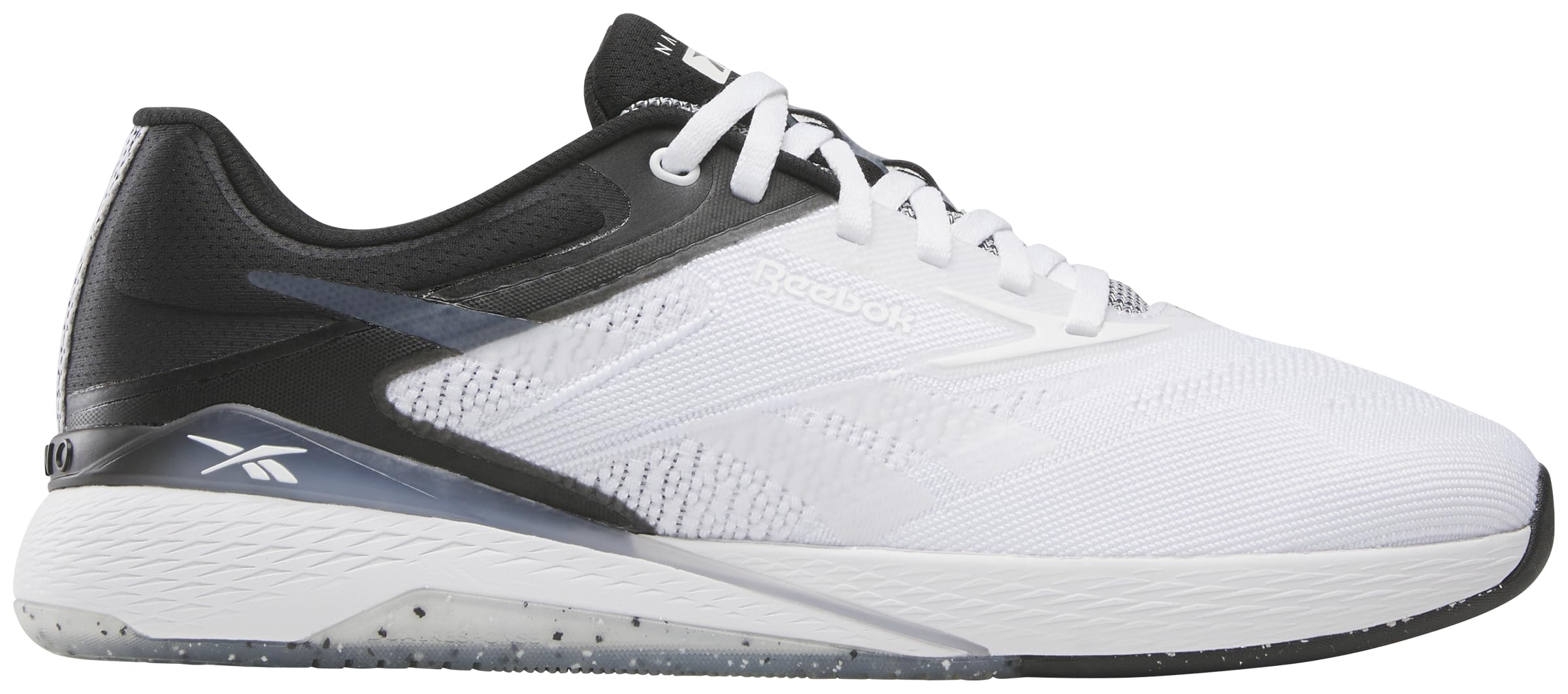
The Nano X5 steps away from previous Nano generations with a 4mm heel drop that offers a flatter platform for deadlifts and clean pulls while still allowing enough heel cushion for short runs. The upper is constructed from a flexible knit material with a reinforced toe cap that resists abrasion from burpees and rope climbs. The heel counter uses a plastic insert that locks the rearfoot down without being rigid enough to cause blisters.
The outsole rubber pattern is designed to grip smooth concrete gym floors during box jumps and sprints, but the tread depth is shallow enough to avoid catching on rubber flooring transitions. For women who do CrossFit or class-based training with moderate lifting volume, the Nano X5 is built to endure heavy daily use.
The toe box is wider than the Dropset 4, which helps with toe splay during squats but may feel loose for lifters with very narrow feet. If you have a foot shape that falls between standard and wide, the Nano X5 accommodates that middle ground better than most cross-training shoes.
Why it’s great
- Durable knit upper with reinforced toe resists heavy wear
- Wide toe box accommodates natural foot splay
- Flat 4mm drop ideal for deadlift and pull-up bar work
Good to know
- Midsole foam compresses under very heavy squat loads
- Not recommended for lifters needing significant ankle mobility assistance
4. adidas Powerlift 5
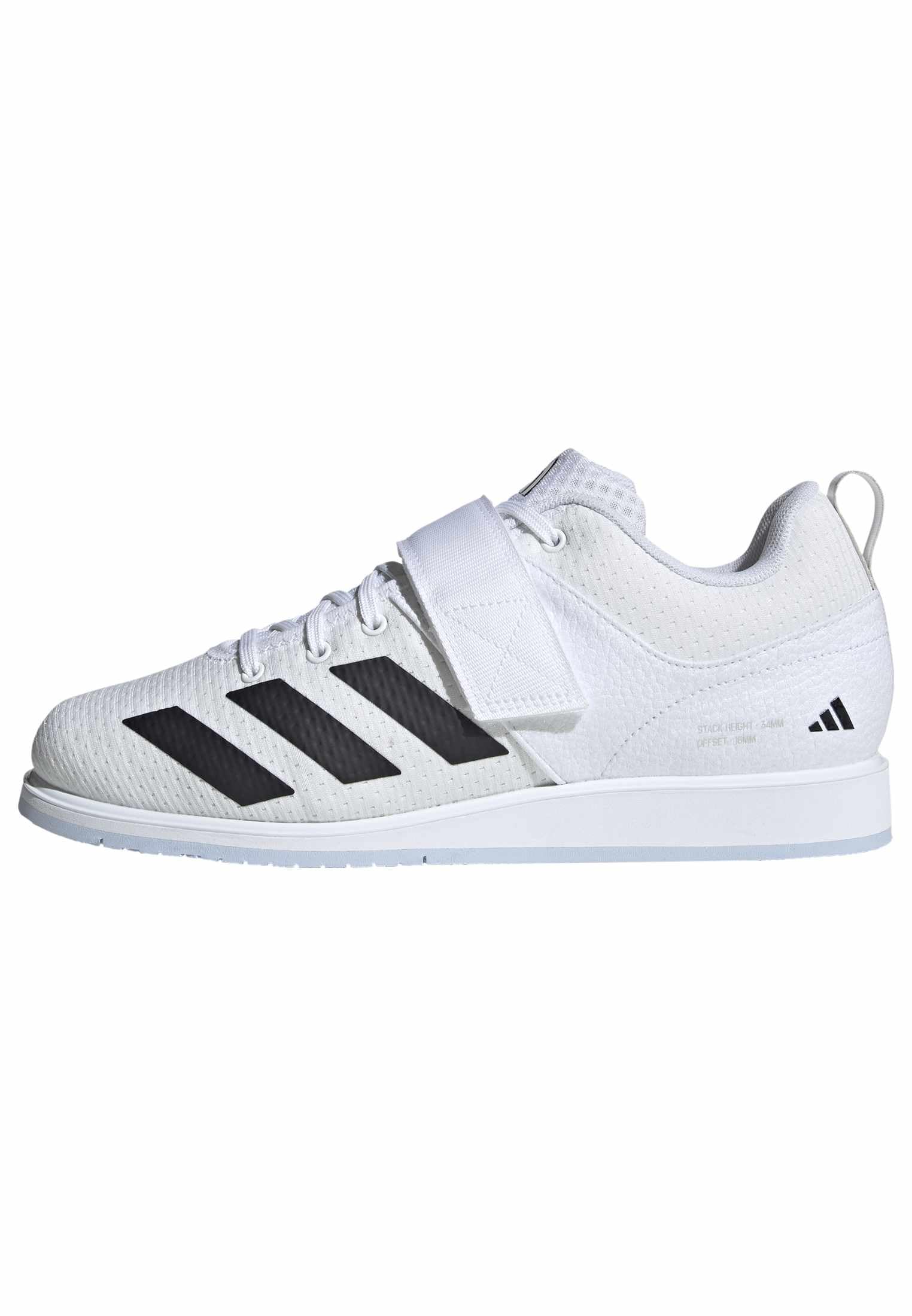
The Powerlift 5 offers an 18mm heel drop at a more moderate price than the Legacy Lifter III, making it the most accessible entry into raised-heel weightlifting shoes without going budget. The synthetic leather upper provides a snug, non-stretch fit that locks the midfoot, while a single adjustable Velcro strap across the midfoot replaces the dual-strap system of the more expensive Lifter. The heel cup is reinforced with a rigid plastic cup, and the outsole uses a grippy rubber compound that holds on smooth platform surfaces.
The platform width is slightly narrower than the Legacy Lifter, which may require more precise foot placement during squats. The toe box is lower volume, so lifters with thicker forefoot padding may want to size up a half step. At 2.3 pounds per shoe, the Powerlift 5 is lighter than the Lifter but still provides the firm, non-compressible heel that dedicated weightlifters need.
The single-strap design is simpler to adjust between sets but provides less distinct midfoot and forefoot lockdown than dual-strap systems. For women primarily training Olympic lifts or powerlifting who want a raised heel without paying for top-tier features, the Powerlift 5 delivers reliable performance at a stronger value.
Why it’s great
- 18mm drop provides excellent squat depth assistance
- Non-compressible heel ensures consistent force transfer
- Lighter than premium lifters, reducing leg fatigue during long training sessions
Good to know
- Narrower platform than the Legacy Lifter series
- Single strap may not suit all foot shapes for full lockdown
5. INOV8 F-LITE Alpha G 300

The F-LITE Alpha G 300 uses a 3mm drop and a sticky rubber outsole compound developed for outdoor grip, making it one of the best options for functional fitness athletes who train on rough gym floors or even outside. The mesh upper is lightweight with strategic overlays that prevent stretch, and the heel cup uses an external TPU cage that locks the heel without causing pressure points. The toe box is wider than average, which allows natural foot expansion under heavy loads.
The midsole is firmer than most cross-trainers, with a rope-guard material wrapping the midfoot to reduce wear during rope climbs. The outsole pattern features deep multidirectional lugs that dig into rubber gym flooring and even grass, making the Alpha G 300 a solid choice for outdoor circuit workouts. At 2.4 pounds per shoe, it sits in the middle of the weight range — not as light as a running shoe but not as heavy as a dedicated lifter.
The low drop and flexible sole may not provide enough support for lifters who need a raised heel for squat depth. If your mobility is already good and you want a shoe that grips even through sweat and chalk, the Alpha G 300 excels in conditions where other shoes lose traction.
Why it’s great
- Outstanding grip on smooth and rough surfaces
- Rope-guard wrapping protects midfoot during rope climbs
- Wide toe box allows natural foot splay under load
Good to know
- 3mm drop offers no ankle mobility assistance
- Flexible sole may feel unstable for lifters used to rigid platforms
6. Xero Shoes Prio Neo
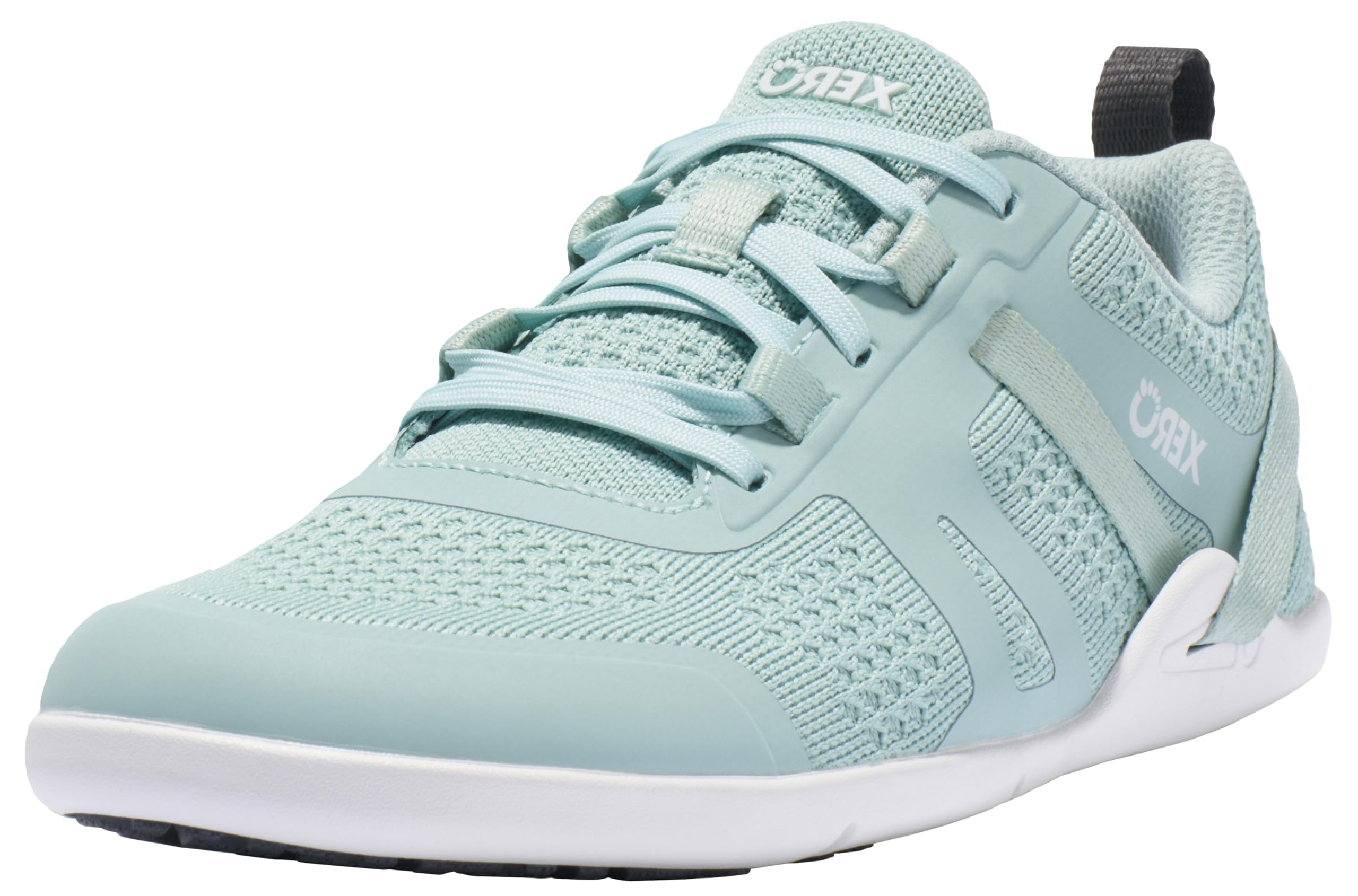
The Prio Neo from Xero Shoes is a zero-drop, barefoot-style trainer with a flexible sole and a toe box wide enough to let your toes spread fully during squats and deadlifts. The upper is made from a knit material with a set of five independent closure straps that allow you to tension the shoe differently across the forefoot, midfoot, and heel. The sole has a 5.5mm thickness with lugs for basic traction, but the overall feel is minimal — you will feel every contour of the gym floor.
The Prio Neo weighs only 1.5 pounds per shoe, making it the lightest on this list, and the zero-drop platform forces your feet to work harder to stabilize, which can strengthen foot muscles over time. The outsole rubber is fairly thin, so durability on abrasive surfaces like concrete or astroturf may be limited compared to thicker-soled training shoes. The knit upper stretches slightly during heavy lateral movements, which may not suit lifters who want maximum midfoot lockdown.
This shoe works best for deadlifts, pull-up bar work, and other movements where you want maximum ground feel. If you need a raised heel for squat depth or want padding for box jumps, the Prio Neo will not provide either. Transitioning from cushioned shoes to barefoot trainers should be gradual to avoid foot fatigue.
Why it’s great
- Zero-drop platform strengthens foot muscles over time
- Exceptional ground feel for deadlift and squat stability
- Wide toe box accommodates natural foot anatomy
Good to know
- Thin outsole wears faster on rough gym surfaces
- Knit upper may stretch during intensive lateral movement
7. Mizuno Wave Legacy Training
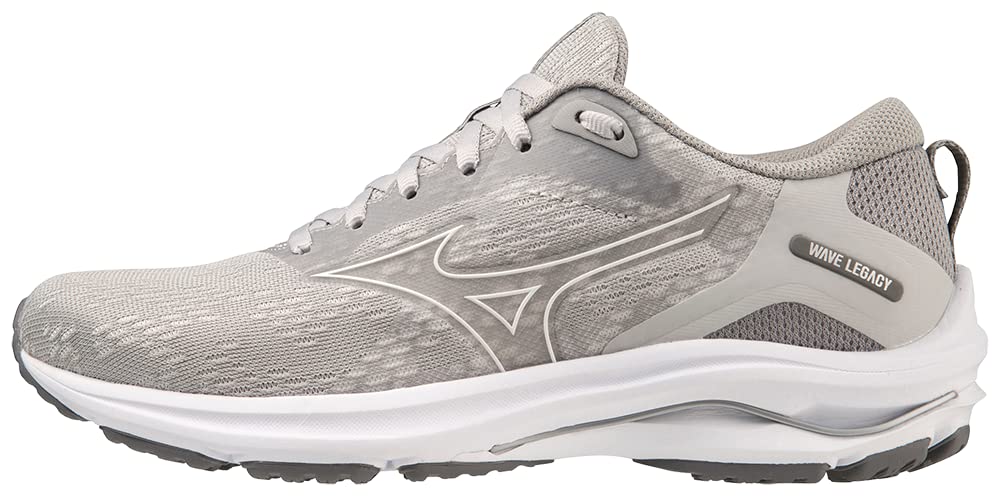
The Mizuno Wave Legacy Training shoe brings an 8mm drop with a comfortable foam midsole that makes it more suitable for general gym use than specialized lifting. The upper features a traditional mesh construction with a padded heel collar that reduces blister risk, and the lacing system includes a traditional eyelet row that provides a customizable fit for different foot volumes. The outsole uses a durable rubber compound with a mild tread pattern that works well on carpeted gym floors but can feel slick on very smooth platforms.
The midsole has noticeable cushioning compared to the firmer options on this list, which makes it more comfortable for standing around between sets but causes slight instability under heavy loads above 150 pounds. The heel counter is moderately stiff, providing decent heel lock but not the solid cup you get from dedicated lifters. At 2.2 pounds per shoe, it sits comfortably mid-weight range, making it a good daily gym shoe for women who lift moderate weights and also do other gym activities.
The Wave Legacy Training is not designed for maximal lifts — the foam compresses noticeably during heavy squat attempts. For casual gym-goers or women just starting their lifting journey, this shoe offers a cushioned, forgiving experience that works across multiple activities without the rigid feel of a dedicated lifting shoe.
Why it’s great
- Comfortable padded midsole for all-day gym wear
- Traditional mesh upper breathes well during extended sessions
- Versatile 8mm drop works for light lifting and general gym work
Good to know
- Foam midsole compresses under heavy squat loads
- Outsole traction can slip on very smooth gym platforms
8. Adidas Dropset 3 Trainer
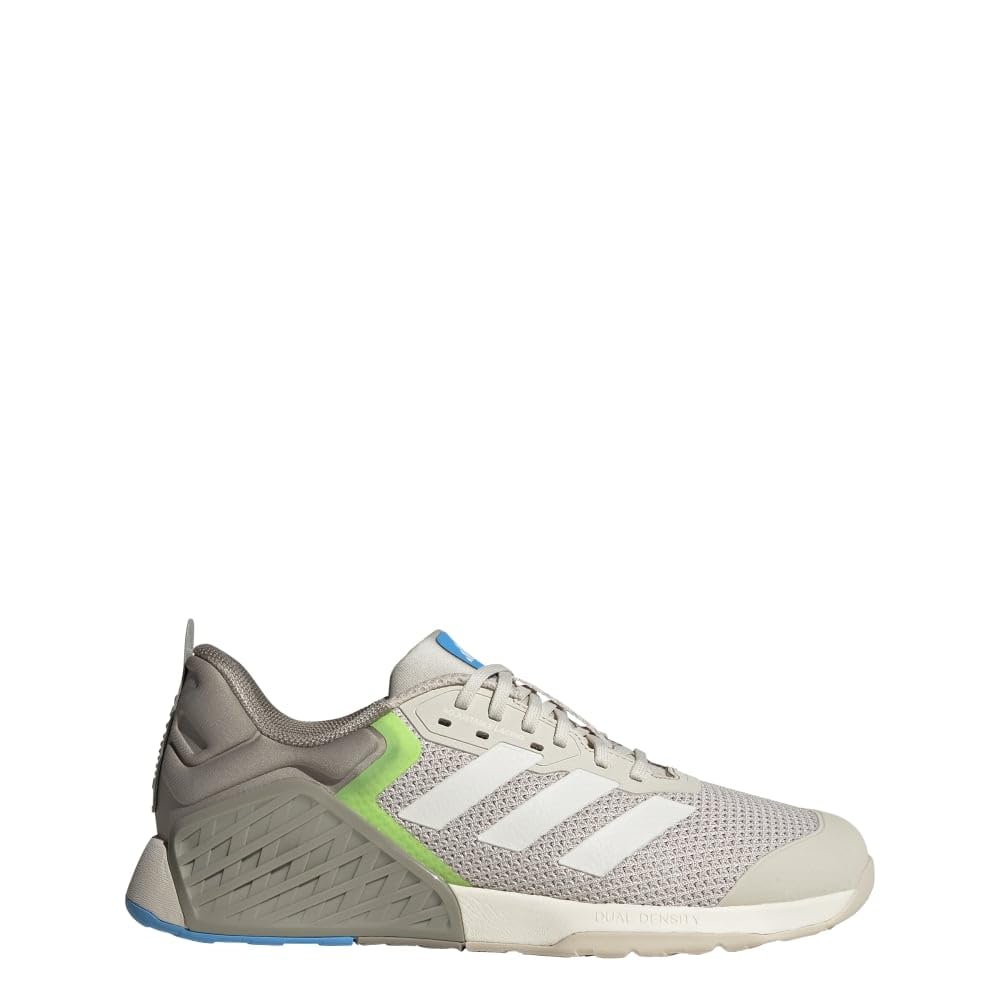
The Dropset 3 from Adidas offers a 6mm drop with a synthetic upper that holds its shape without the stretch of knit materials. The outsole uses a pneumatic rubber pattern that provides adequate grip on dry surfaces, and the heel counter is reinforced with a plastic stabilizer that reduces heel movement during squat and lunge variations. The midsole is firm but not rock-hard, providing a good balance for women who do a mix of lifting and light cardio.
The toe box is moderately wide — not as generous as the Nano X5 but not as narrow as the Powerlift 5. The lacing system extends into the toe box fairly low, allowing you to adjust the fit across the metatarsal heads. At 2.2 pounds per shoe, the Dropset 3 is lightweight enough for quick transitions between exercises, and the synthetic material is easy to wipe clean after a sweaty session.
The firmness of the midsole is adequate for moderate lifting but begins to feel soft under loads above 165 pounds. If you are newer to lifting and want a reliable, affordable shoe that works across most gym movements without breaking the bank, the Dropset 3 is a solid entry point that you will not outgrow quickly.
Why it’s great
- Sturdy synthetic upper resists stretching over time
- Lightweight design works for quick circuit transitions
- Firm midsole offers good stability for moderate loads
Good to know
- Midsole feels soft under heavy squat loads above 165 pounds
- Toe box not wide enough for lifters who prefer natural splay
9. Nike Flex Train
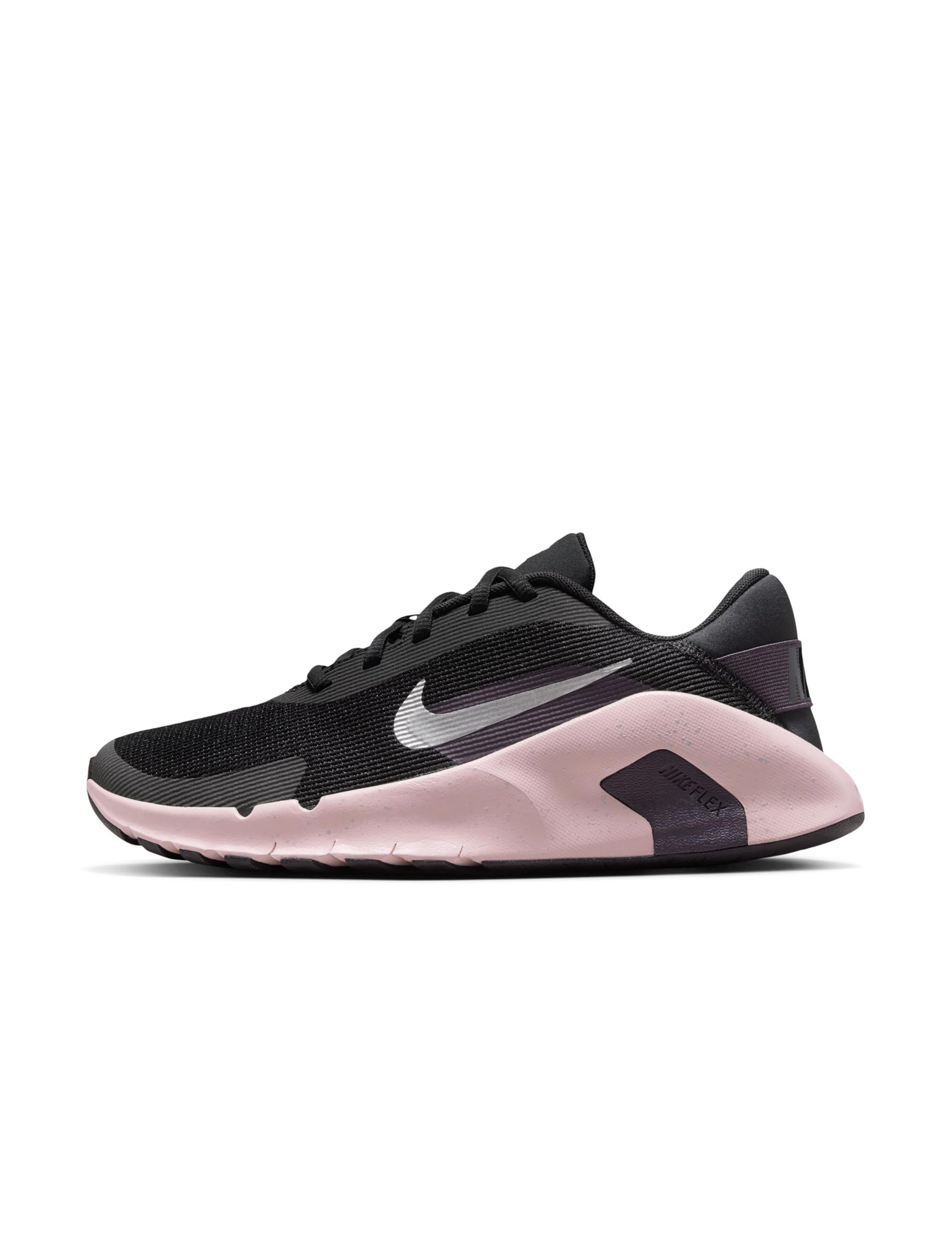
The Nike Flex Train is a versatile gym shoe with an 8mm drop and flex grooves cut into the outsole that allow the shoe to bend more naturally during walking or dynamic movements. The upper combines mesh and synthetic overlays that provide some structure without becoming rigid, and the traditional lace closure gives you fine control over fit across the instep. The heel counter is moderately padded, reducing blister risk during extended wear.
The midsole uses a foam compound that prioritizes comfort over stability — it compresses noticeably under loads above 135 pounds, which limits its utility for heavy squats or deadlifts. The outsole tread pattern is designed for general gym use and performs adequately on rubber floors but lacks the aggressive grip of the INOV8 or the Reebok options. At 2 pounds per shoe, the Flex Train is one of the lighter options, making it easy to wear through a full gym session without foot fatigue.
The Flex Train works best for new lifters who are still building their routine and need a shoe that handles light-to-moderate weight across multiple activities without committing to a dedicated lifting shoe. If you are still experimenting with your training style and want a shoe that works for light lifting, stretching, and light cardio, the Flex Train provides that flexibility at an accessible entry-level price point.
Why it’s great
- Light and flexible for all-around gym comfort
- Traditional lace system provides easy, adjustable fit
- Good breathability for extended wear
Good to know
- Foam midsole compresses under moderate-to-heavy loads
- Outsole lacks the grip of dedicated lifting shoes
FAQ
Can I wear running shoes for lifting weights?
Should I get a flat shoe or a raised heel shoe for squatting?
How do I know if a lifting shoe fits correctly?
Can I use lifting shoes for deadlifts?
Final Thoughts: The Verdict
For most women looking for the best lifting shoes for women for Olympic weightlifting and deep squat work, the winner is the Reebok Legacy Lifter III because its 19mm heel drop and wide platform provide the greatest stability for heavy loads. If you want a hybrid that handles both lifting and circuit training without feeling clunky, grab the adidas Dropset 4 Power Trainer. And for barefoot-style deadlift work with maximum ground feel, nothing beats the Xero Shoes Prio Neo.