A lightweight insulated jacket should disappear on your body while trapping enough heat to let you leave the bulky puffy at home. The problem is the market is flooded with jackets that feel like paper or pack like a brick — neither works when you need consistent warmth during active cold-weather days, morning commutes, or shoulder-season treks.
I’m Emma — the founder and writer behind Baby Bangs. I’ve spent years breaking down insulation ratings, shell fabrics, and fill weights to find the jackets that deliver genuine warmth without the unnecessary heft.
Whether you are layering under a hardshell for a summit push or wearing one coat from the car to the office, finding the right lightweight insulated jacket means balancing fill type, fabric durability, and packability against your specific activity and climate.
How To Choose The Best Lightweight Insulated Jacket
Selecting your jacket starts with two questions: how wet is your environment, and how hard will you work in it. The wrong insulation choice for your specific scenario turns a good jacket into a cold, clammy mistake.
Down or Synthetic Insulation — Match the Fill to Your Conditions
Down offers the best warmth-to-weight ratio but collapses when wet. If you face drizzle, high-exertion sweat, or high humidity, a premium 800-fill down jacket with a water-resistant shell can work — but synthetic insulation like the 50/50 blend in The North Face Aconcagua retains warmth when damp and dries faster. For strictly dry cold, go with down. For variable wet conditions, lean into a hybrid or pure synthetic fill.
Shell Fabric Weight and Denier — The Durability Trade-Off
A 10-denier face fabric packs tiny but snags easily against rock or brush. A 20D to 30D nylon or polyester face, like what you find on mid-range Columbia models, strikes a better balance for everyday wear. Look for a DWR (durable water repellent) finish at minimum. For full wet-weather use, a waterproof membrane adds wind and rain protection but increases weight and reduces breathability.
Fit, Hood Design, and Zoned Insulation
A helmet-compatible hood with a wire brim is overkill for casual use. For climbing or mountaineering, you want a hood that cinches tight. For daily wear, a standard hood with adjusters is fine. Zoned insulation places heavier fill on the torso and lighter insulation or stretch fleece panels in the arms and sides — this matters if you plan to scramble, hike, or climb with the jacket on. A regular fit provides room for a mid-layer; a slim fit works as a standalone piece in mild cold.
Quick Comparison
On smaller screens, swipe sideways to see the full table.
| Model | Category | Best For | Key Spec | Amazon |
|---|---|---|---|---|
| Arc’teryx Cerium Hoody | Premium Down | Ultralight alpine performance | 850-fill goose down, 11.68 oz | Amazon |
| Rab Electron Pro | Premium Down | Climbing & mountaineering | 800-fill Nikwax down, 1.16 lbs | Amazon |
| Rab Valiance Down Jacket | Waterproof Down | Wet-weather expeditions | Pertex Shield, 800-fill down | Amazon |
| North Face Aconcagua 3 (Men’s) | Hybrid Down/Synthetic | Versatile winter daily wear | 600-fill down + synthetic blend | Amazon |
| North Face Aconcagua 3 (Women’s) | Hybrid Down/Synthetic | Wind-resistant daily insulation | 50/50 down-synthetic, DWR finish | Amazon |
| Columbia Powder Lite II (Men’s) | Budget Synthetic | Cold-weather commutes | Synthetic down, quilted design | Amazon |
| Columbia Powder Lite II (Women’s) | Budget Synthetic | Everyday layering piece | Synthetic down, water-resistant | Amazon |
In‑Depth Reviews
1. Arc’teryx Cerium Hoody
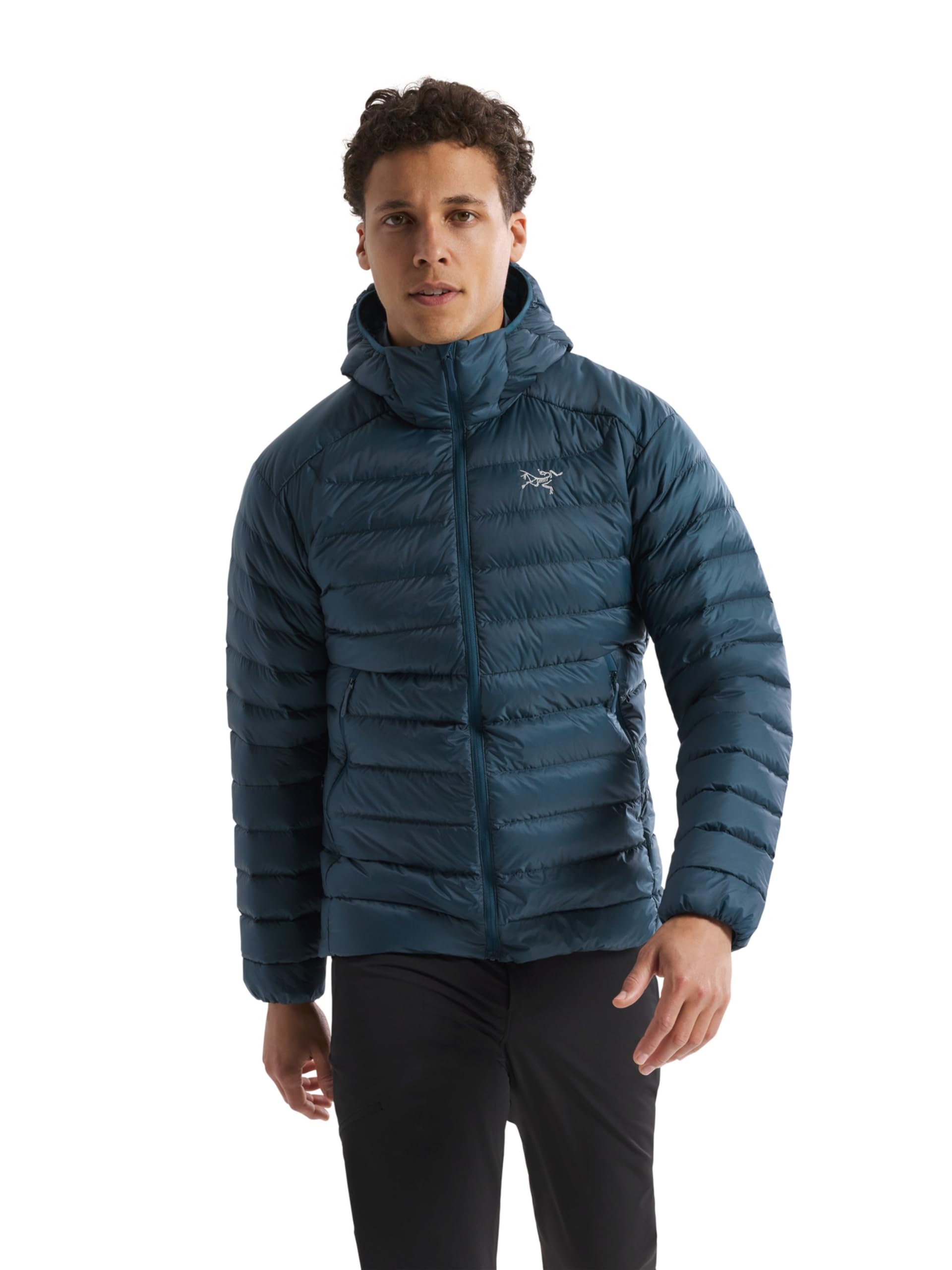
The Arc’teryx Cerium Hoody sits at the apex of ultralight down insulation with an 850-fill goose down core and Coreloft synthetic insulation in the cuffs, collar, and underarms — strategic zones most prone to moisture. The jacket weighs just over 11 ounces, making it one of the lightest fully featured insulated hoodies you can buy. The 10-denier Arato face fabric packs down smaller than a water bottle, but you must treat it with care around sharp gear and zippers.
The trim fit layers cleanly under a hardshell without bunching, and the down mapping ensures no cold spots across the torso. The helmet-compatible hood lacks a wire brim, which keeps weight down but limits face shield adjustment in gusty conditions. Active climbers and fast-packers who prioritize pack weight over brute durability will find the Cerium unmatched.
Its premium price reflects both the fill quality and the precision patterning, but the trade-off is a lower denier shell that won’t survive heavy bushwhacking or daily abrasion on backpacks. For alpine missions where every gram counts, the Cerium Hoody is the standard.
Why it’s great
- Exceptional 850-fill down for maximum warmth per gram
- Synthetic insulation in moisture-prone areas
- Sub-12-ounce weight packs extremely small
Good to know
- 10-denier shell is prone to snagging
- Trim fit may require sizing up for bulky mid-layers
2. Rab Electron Pro 800-Fill Down Hooded Jacket
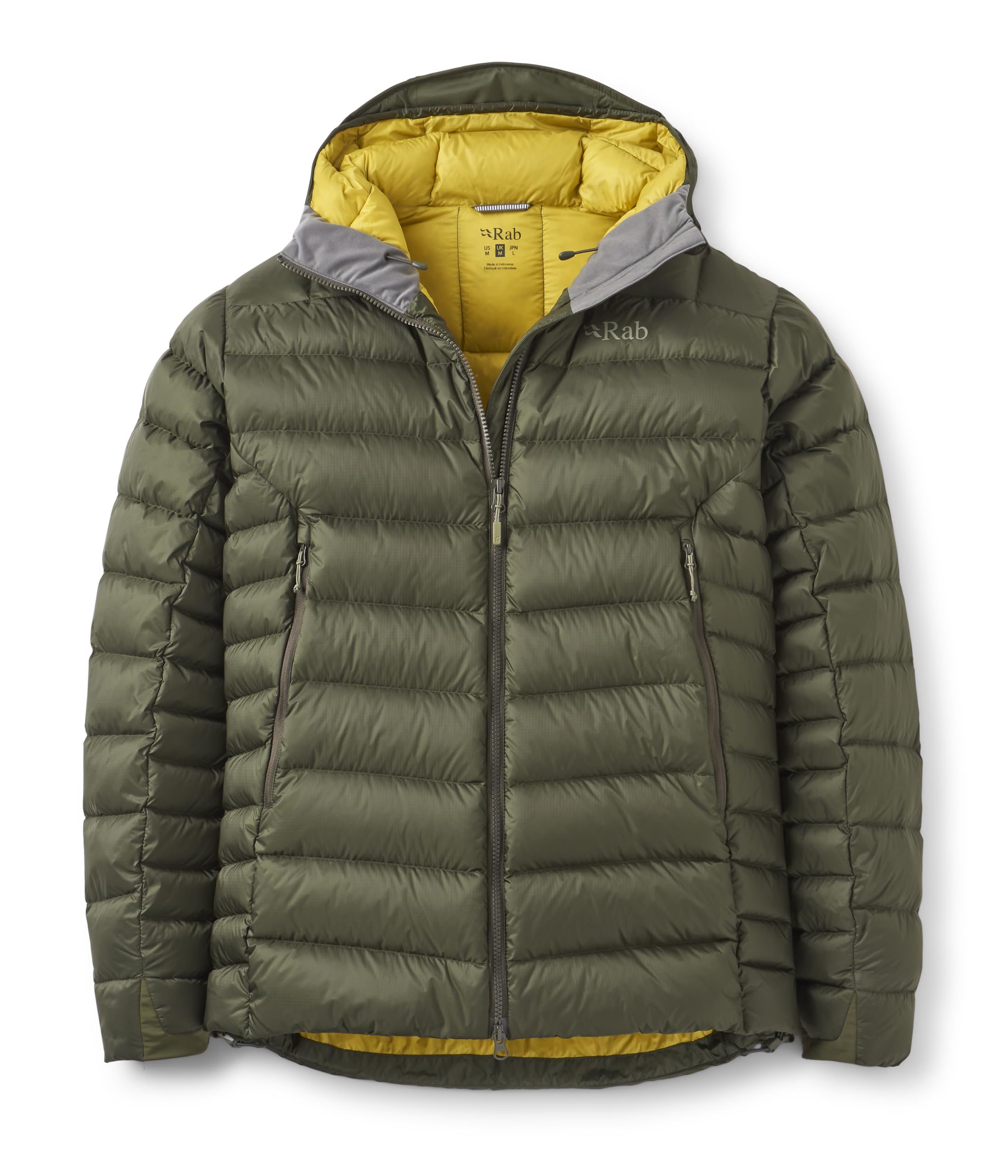
The Rab Electron Pro uses 800-fill European goose down treated with Nikwax hydrophobic technology, meaning the down resists moisture absorption far longer than untreated fills. This is the jacket for climbers and mountaineers who face mixed conditions where a stray cloudburst or wet rope can soak a standard down jacket. The Pertex Quantum outer fabric uses a 20-denier weave that offers better tear resistance than ultralight shells while still packing down to a respectable size.
Rab zones the insulation with heavier fill on the core and lighter synthetic sheet insulation in the side panels and underarms. This design vents heat during high-output climbing while keeping the torso warm during belays. The helmet-compatible hood adjusts with a single pull cord and the hem drawcord seals out drafts without adding hardware bulk. The jacket weighs 1.16 pounds — heavier than the Cerium but noticeably tougher.
For anyone who routinely carries a pack with a hip belt, the hem sits high enough to avoid interference. The lack of hand pockets is a deliberate weight-saving choice, but some users miss them for daily use. If you need a durable technical down jacket that survives real abuse, the Electron Pro delivers.
Why it’s great
- Hydrophobic down treatment retains loft when damp
- 20-denier shell balances durability and weight
- Zoned insulation for climbing-specific heat management
Good to know
- No hand pockets may frustrate casual users
- Not fully waterproof in sustained rain
3. Rab Valiance Down Jacket
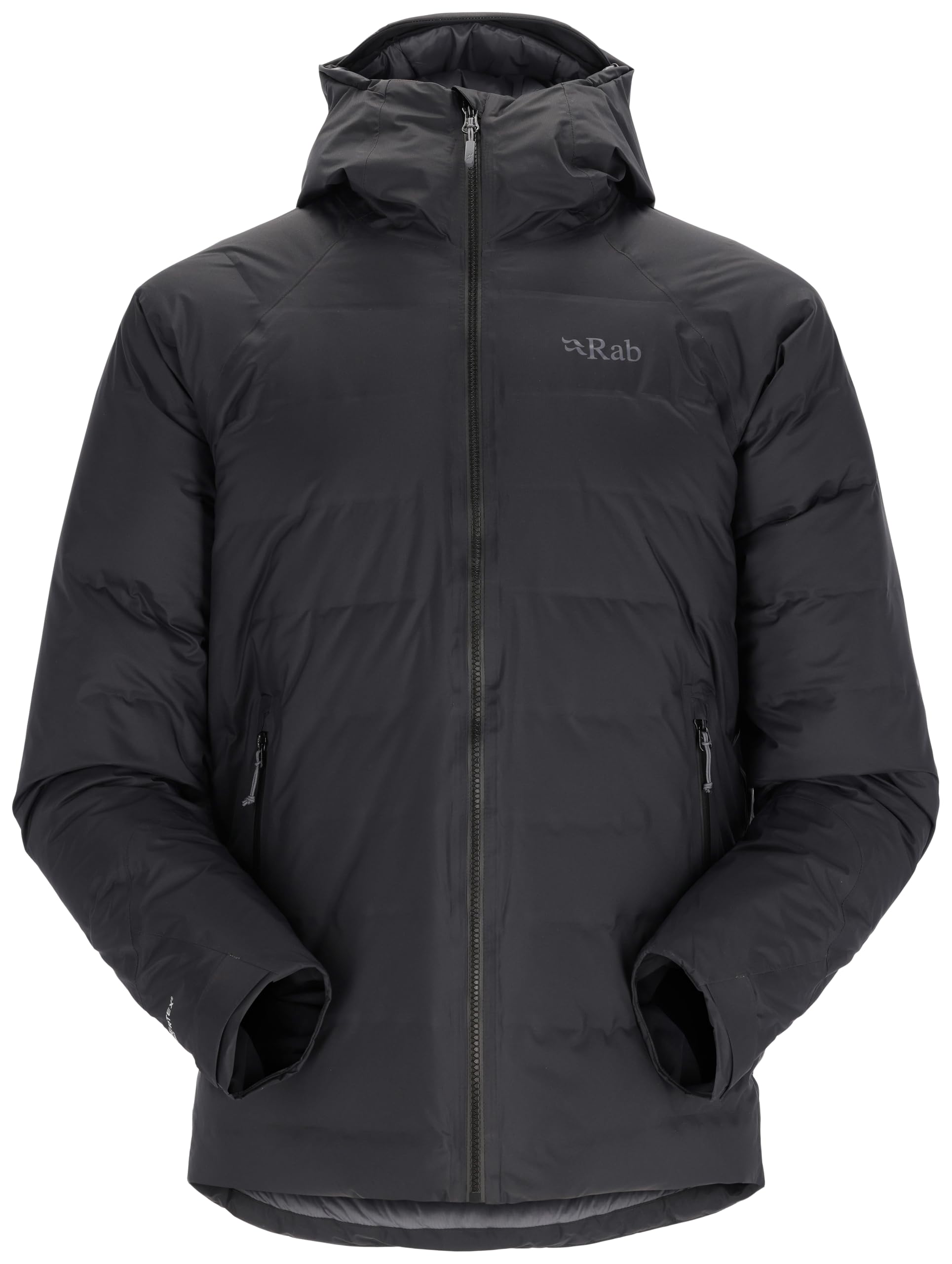
The Rab Valiance is a waterproof down jacket — a rare category that combines a fully taped Pertex Shield membrane with 800-fill Nikwax hydrophobic down. This means it can stand alone as a shell and insulator in persistent rain or wet snow without needing a separate rain jacket over it. The shell uses a 30-denier fabric that feels substantial enough for bushwhacking and rock contact, and the jacket tips the scales at 1.44 pounds, making it the heaviest option here but also the most weather-proof.
Rab kept the down fill high-loft on the body and used synthetic fill in the hood, collar, and cuffs to handle moisture from breath and precipitation in those areas. The adjustable hood fits over a climbing helmet and the hem sits high for harness compatibility. For mountaineering trips where weather turns suddenly, the Valiance eliminates the need to carry a separate shell layer.
The trade-off is clear: less packable than non-waterproof down jackets and warmer than most people need for casual errands. If you operate in wet alpine environments and want one jacket for insulation and rain protection, the Valiance is purpose-built.
Why it’s great
- Fully waterproof Pertex Shield membrane
- Hydrophobic down retains warmth when wet
- Eliminates need for separate shell layer
Good to know
- Bulkier pack size than non-waterproof down jackets
- Heavier than dedicated mid-layers
4. The North Face Men’s Aconcagua 3 Hooded Jacket
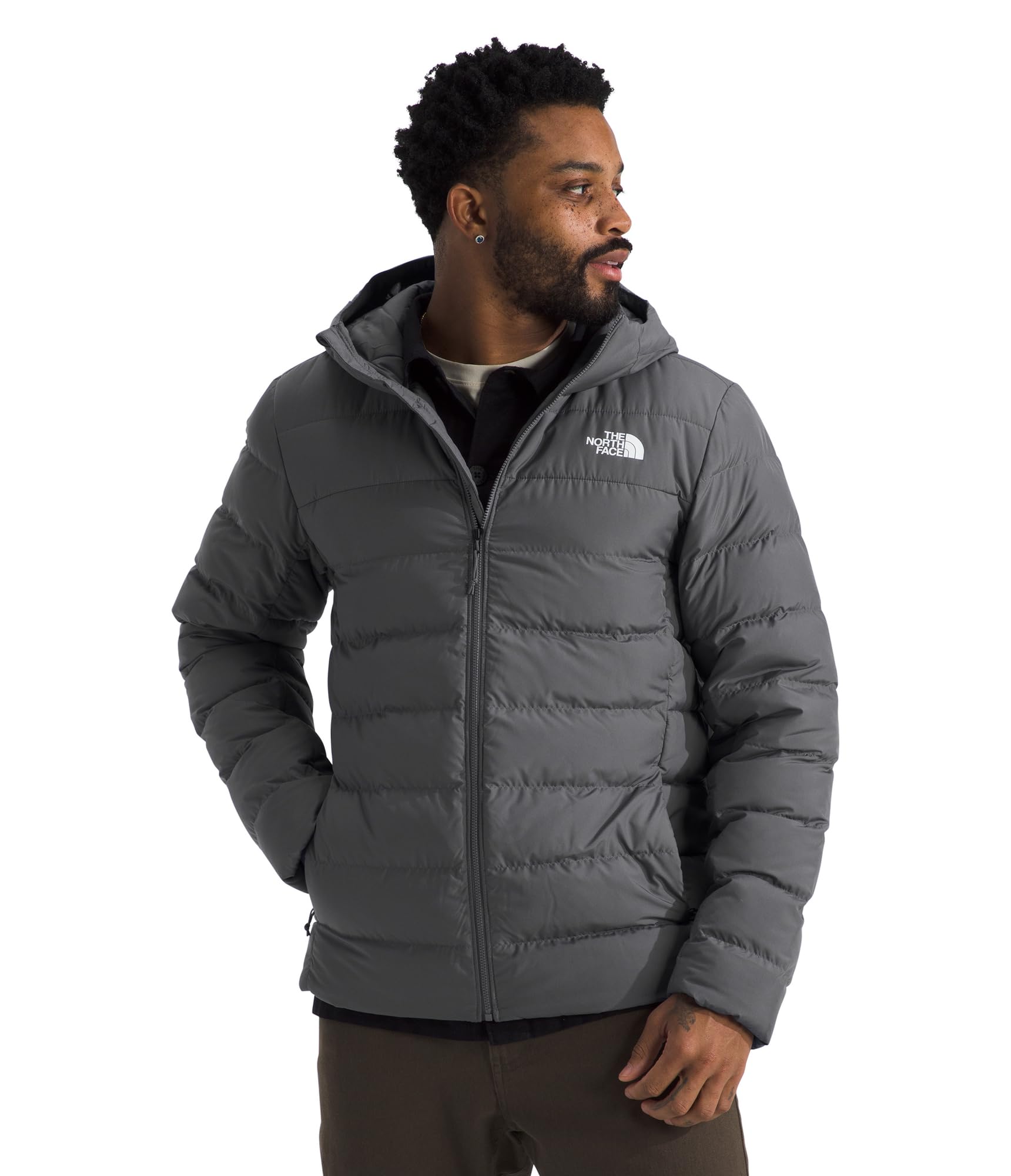
The North Face Aconcagua 3 uses a 50/50 blend of 600-fill recycled down and recycled polyester sheet insulation. This hybrid approach gives you the warmth and loft of down where you need it—on the torso—while synthetic sheet insulation in the arms and hood maintains insulation when damp. The WindWall fabric blocks wind effectively and the non-PFC DWR finish sheds light precipitation, making it a strong option for everyday cold-weather wear in variable conditions.
The three-piece hood adjusts with a single cinch cord and fits comfortably over a beanie but not a helmet. The zoned synthetic sheet insulation in the arms allows freer movement compared to a full puffy, which matters when you are driving, walking a dog, or working outside. The standard fit leaves room for a fleece or light sweater beneath without swimming in fabric.
This jacket is not designed for backcountry deep cold or mountaineering—the 600-fill down lacks the loft of premium fills for static cold, and the synthetic sheets add weight without matching the packability of pure down. For the commuter or casual hiker who needs one jacket that handles 20–40°F days with occasional wet snow, the Aconcagua 3 is hard to beat.
Why it’s great
- Hybrid down-synthetic blend handles damp conditions
- WindWall fabric blocks strong gusts
- Zoned arm insulation improves range of motion
Good to know
- 600-fill down is less lofty than premium fills
- DWR finish is water-resistant, not waterproof
5. The North Face Women’s Aconcagua 3 Jacket

This women’s-specific Aconcagua 3 mirrors the men’s version in construction — 50% 600-fill recycled down blended with 50% recycled polyester sheet insulation — but the patterning is adapted for a woman’s fit through the chest and hips. The recycled down and 100% recycled body fabric earn The North Face’s “Exploration Without Compromise” sustainability badge, a meaningful consideration for buyers weighing environmental impact alongside performance.
The WindWall fabric reduces wind penetration significantly, and the non-PFC DWR treatment beads up light rain and snow. The band collar design on this specific version lacks a hood, which appeals to those who layer under a separate shell or prefer a cleaner silhouette under a winter coat. Zoned synthetic insulation in the arms keeps the sleeves from feeling stiff or restrictive.
As with the men’s version, this jacket is best suited for cold, dry days or intermittent wet conditions where you are not working up a heavy sweat. Below 20°F or in sustained rain, you would want a heavier shell over it. For mild winter commutes, hiking, or daily errands, the Aconcagua 3 provides reliable warmth at a reasonable weight.
Why it’s great
- Recycled down and body fabric reduce environmental footprint
- WindWall fabric blocks wind effectively
- Women’s-specific fit through chest and hips
Good to know
- No hood option on this version
- Not suitable for hard rain or deep cold below 20°F
6. Columbia Women’s Powder Lite II Hooded Jacket
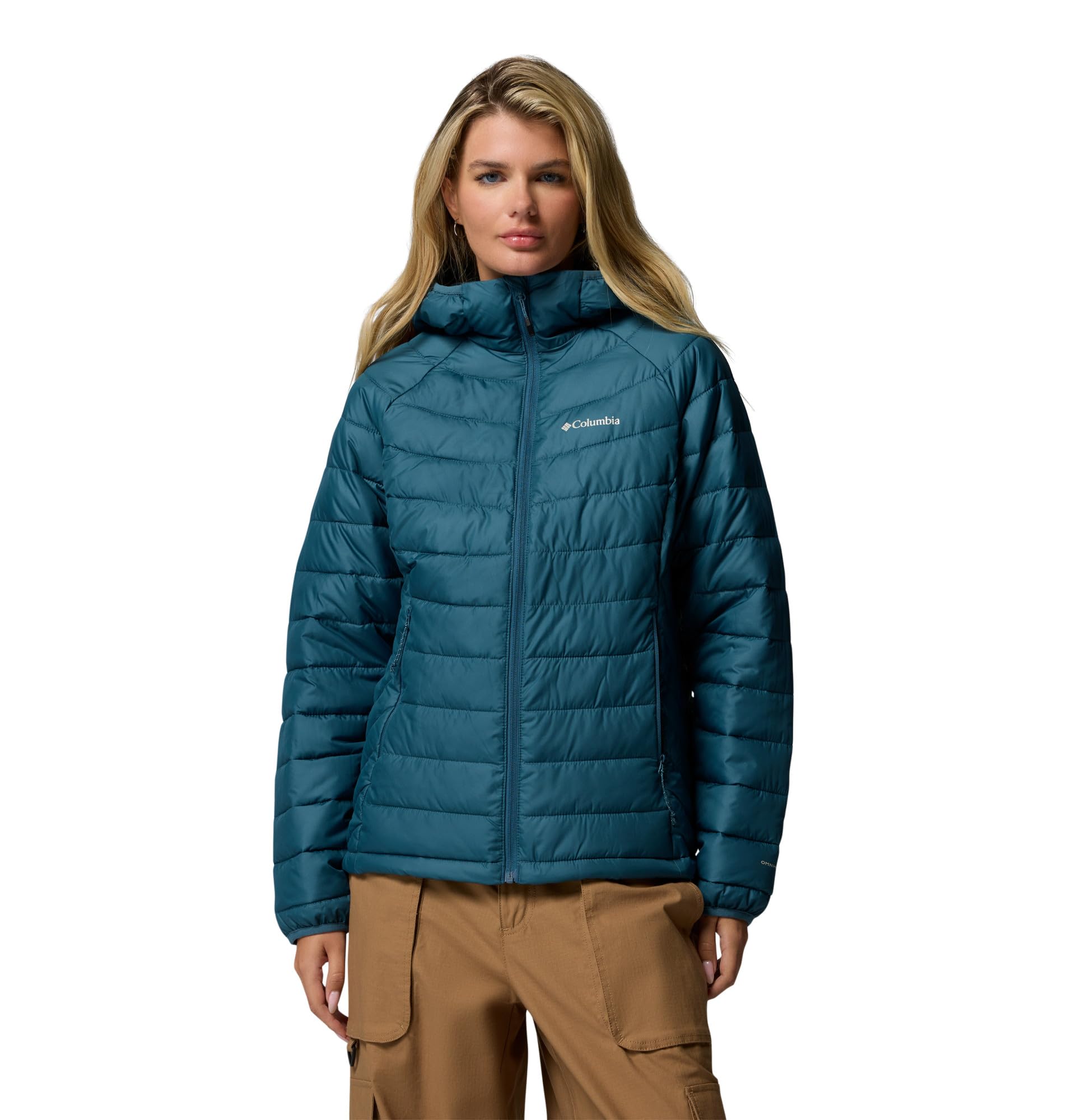
The Columbia Powder Lite II is a synthetic insulated jacket built around Columbia’s Thermarator insulation — a polyester hollow-fiber filling designed to mimic down’s loft without its vulnerability to moisture. The shell carries a water-resistant finish that handles light snow and drizzle, and the quilted baffling keeps the synthetic fill evenly distributed. At this entry-level tier, you get functional warmth without worrying about ruining an expensive down jacket in wet conditions.
The hood is helmet-friendly in size but lacks adjusters, so it can feel loose in wind without a hat underneath. Zippered hand pockets are lined with fleece for hand warmth, and the elastic cuffs seal out drafts. The fit runs slightly boxy to accommodate a mid-layer, but the jacket is not designed for high-output movement — the synthetic fill does not breathe as well as down, so you may overheat during strenuous hiking.
This jacket is ideal for campus walks, bus stops, and casual cold-weather errands where the priority is staying dry and warm on a budget. The synthetic insulation will pack down but not as small as down, and its lifespan is shorter, but for the price it is a capable performer.
Why it’s great
- Water-resistant shell protects synthetic fill in wet conditions
- Fleece-lined hand pockets add warmth
- Budget-friendly entry point for reliable winter insulation
Good to know
- Hood lacks adjusters and fits loose
- Synthetic insulation will lose loft faster than down
7. Columbia Men’s Powder Lite II Jacket
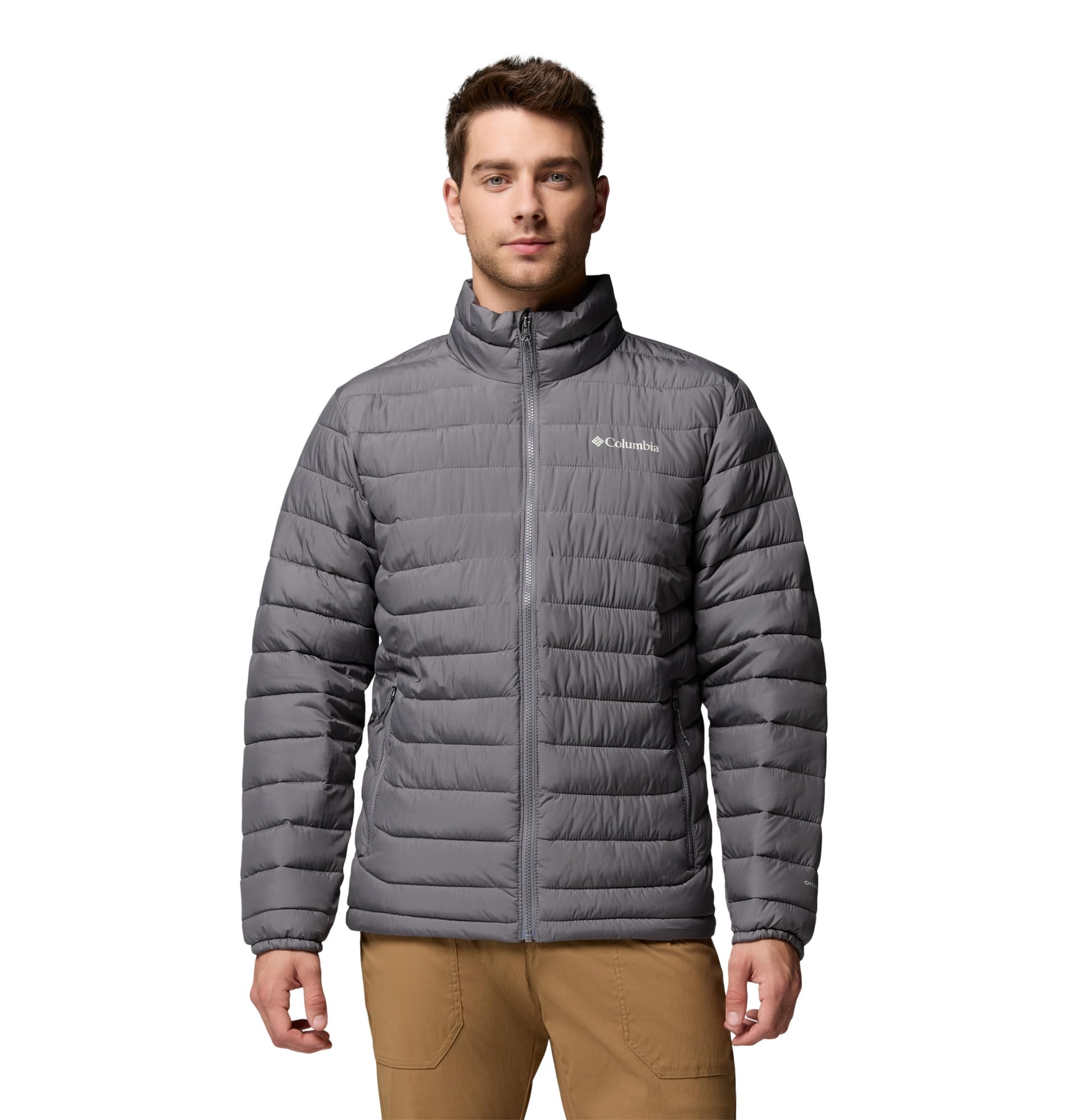
The men’s version of the Columbia Powder Lite II shares the same Thermarator synthetic insulation and water-resistant shell as the women’s model, but with a different fit profile. The jacket uses a quilted baffle pattern to prevent the synthetic fill from shifting, and the polyester shell holds up well against daily abrasion from backpack straps and car seats. It is noticeably less expensive than down alternatives, making it an accessible choice for those who need a functional cold-weather layer without a premium investment.
Elastic cuffs and a drawcord hem seal out drafts effectively. The zippered pockets — two hand pockets and a left-chest security pocket — are lined with fleece for quick hand warming. The jacket does not include a hood, so you will need a separate hat or a hooded shell for head coverage. The synthetic fill performs reliably in damp conditions, retaining most of its loft even when wet.
Keep in mind that synthetic insulation compresses over time and loses its thermal efficiency faster than down. This jacket works best for casual, moderate-cold use down to about 30°F with a fleece underneath. If your winter routine includes significant time outdoors in wet, cold weather, this jacket provides solid performance at a low entry cost.
Why it’s great
- Affordable synthetic insulation that handles damp conditions
- Durable polyester shell resists daily wear
- Fleece-lined pockets for quick hand warming
Good to know
- No hood for head coverage
- Synthetic fill compresses over time with repeated packing
FAQ
How do I know if I need down or synthetic insulation?
Is a lightweight insulated jacket warm enough for winter?
What does fill power mean in a down jacket?
Can I wear a lightweight insulated jacket as an outer layer in rain?
Final Thoughts: The Verdict
For most users, the lightweight insulated jacket winner is the The North Face Men’s Aconcagua 3 because its hybrid down-synthetic blend handles damp conditions that ruin pure down, while the WindWall fabric and zoned insulation make it versatile for daily wear and active use. If you want ultralight alpine performance, grab the Arc’teryx Cerium Hoody. And for full waterproof protection in wet mountaineering, nothing beats the Rab Valiance Down Jacket.