Leg day isn’t just about the routine; it’s about the connection between your feet and the floor. The wrong pair of shoes can turn a solid squat into a wobble, robbing you of power and stability when you need it most. A suitable shoe for leg day provides a solid, non-compressible platform that allows you to drive through your heels and maintain perfect alignment under load.
I’m Emma — the founder and writer behind Baby Bangs. I’ve spent years digging into the biomechanics of strength training footwear, analyzing outsole rigidity, heel lift heights, and heel-to-toe drops across dozens of models to separate real performance from marketing hype.
For lifting, a flexible, cushioned running shoe is the enemy of stable squats. Instead, you need a shoe built for rigidity and ground contact. That’s why finding the right pair of leg day shoes is the single smartest gear decision you can make for your lower body training.
How To Choose The Best Leg Day Shoes
Choosing a shoe for leg day boils down to understanding how your foot interacts with the ground under a heavy bar. Forget arch support and plush foam for a minute. For squats and deadlifts, you want a sole that doesn’t compress and a heel height that works with your ankle mobility.
Heel Lift vs. Zero Drop
A weightlifting shoe has a raised heel — typically between 0.6 inches to 0.75 inches — made of dense wood or plastic. This elevated heel reduces the amount of ankle dorsiflexion needed to reach depth in a squat. If your ankle mobility is limited, a raised heel shoe like the adidas Adipower III or Powerlift 5 allows you to sit upright in the hole. A zero-drop shoe like the Nordic Lifting or the Xero Shoes Prio Neo gives you a flat plane, which is ideal for deadlifting because it keeps your weight centered over your mid-foot.
Sole Hardness and Stability
Compressible soles from running shoes absorb force and create energy loss at the bottom of a squat. Leg day shoes should have a rigid, dense sole — often wood, hard rubber, or high-density plastic. You want the sole to feel like it’s part of the floor, not like a mattress under your foot. If you can flex the shoe in half with one hand, it’s too soft for serious leg work.
Lockdown and Fit
A shoe that moves on your foot is a liability under load. Look for models with an additional strap — either a Velcro instep strap or a midfoot wrap — that can cinch your foot down. This prevents your foot from sliding forward inside the shoe when you descend into a squat, keeping your weight distribution stable.
Quick Comparison
On smaller screens, swipe sideways to see the full table.
| Model | Category | Best For | Key Spec | Amazon |
|---|---|---|---|---|
| Nordic Lifting VENJA | Flat Sole | Deadlifts & general training | 0.6in Raised Heel | Amazon |
| Generic Powerlifting Shoe | Flat Sole | Budget-conscious lifters | 0.6in Raised Heel | Amazon |
| adidas Powerlift 5 | Raised Heel | Olympic lifting & squats | 0.6in Hylomer Heel | Amazon |
| Xero Shoes Prio Neo | Zero Drop | Barefoot-style deadlifting | Zero Heel to Toe Drop | Amazon |
| UA TriBase Reign 6 | Hybrid | Cross-training & lifting | TriBase Outsole | Amazon |
| adidas Powerlift 5 (Premium) | Raised Heel | Dedicated weightlifters | 0.6in Hylomer Heel | Amazon |
| adidas Adipower III | Raised Heel | Serious lifters & competitions | High-Density Midsole | Amazon |
In‑Depth Reviews
1. adidas Adipower Weightlifting III
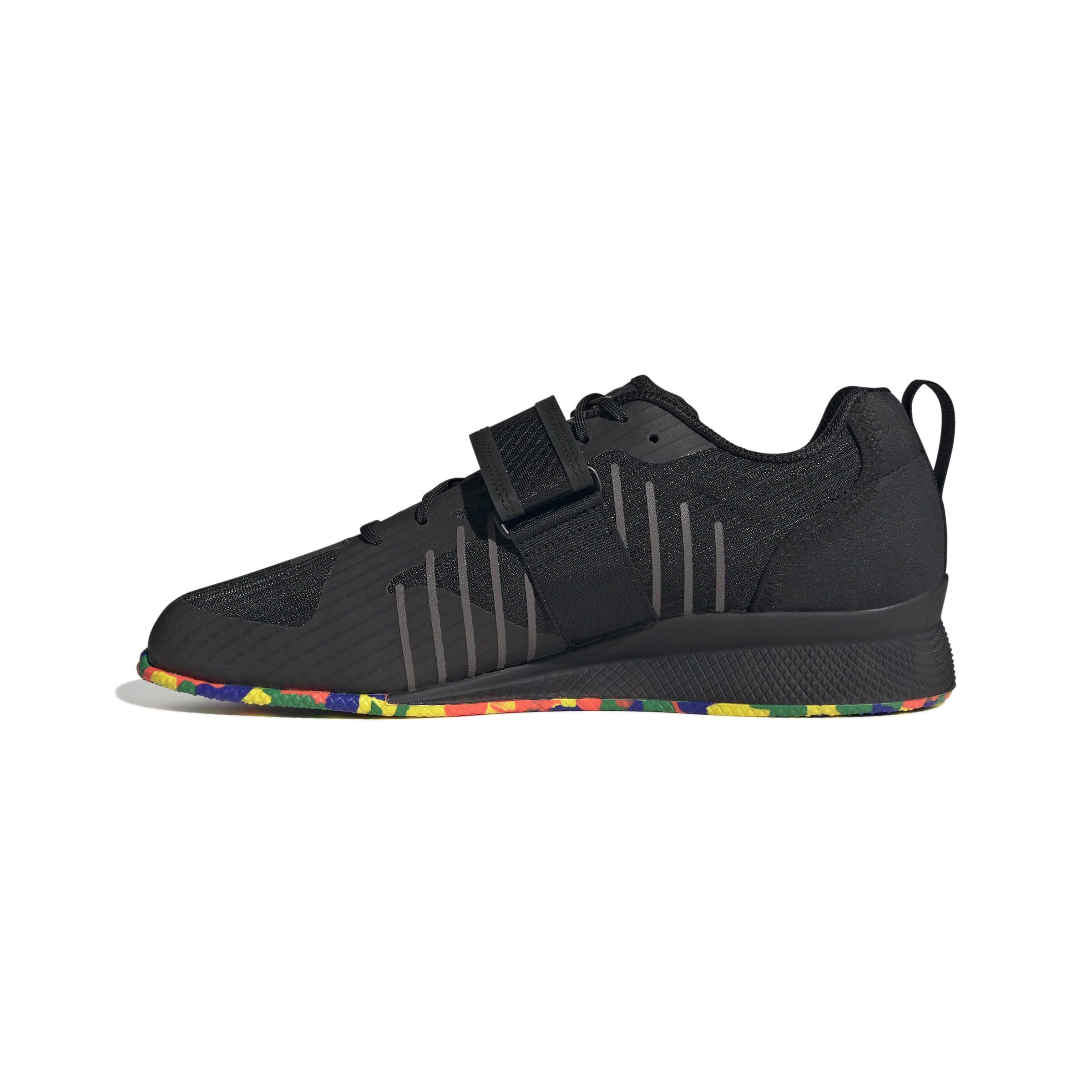
The adidas Adipower III is the benchmark for serious weightlifting shoes. Its high-density midsole provides zero compression under heavy loads, which means every watt of force you generate goes directly into the bar. The rubber outsole has a low profile that keeps your feet glued to the platform, and the durable canvas upper combined with a hook-and-loop instep strap delivers a locked-down fit that prevents heel slip on the descent.
Built with at least 20% recycled content, this shoe is also a thoughtful choice for the environmentally conscious lifter. The slightly elevated heel helps lifters with limited ankle mobility achieve a deeper, more upright squat position without compromising stability. The lacing system combined with the top strap lets you customize the pressure across your midfoot — a key feature for those who like a snug fit without cutting off circulation.
On deadlifts, the raised heel might feel unnatural compared to a flat sole, but for squats, overhead presses, and clean variations, the Adipower III offers unmatched stability. The toe box is snug but not cramped, and the overall build quality suggests this shoe will outlast several lifting cycles. It’s a premium tool for lifters who take their mechanics seriously.
Why it’s great
- Rigid, non-compressible high-density midsole for absolute stability
- Locked-down fit with canvas upper and Velcro instep strap
- Sleek, low-profile rubber outsole provides excellent grip
Good to know
- Premium price point; not for budget buyers
- Raised heel may not suit deadlift specialists
2. adidas Powerlift 5 (Premium)
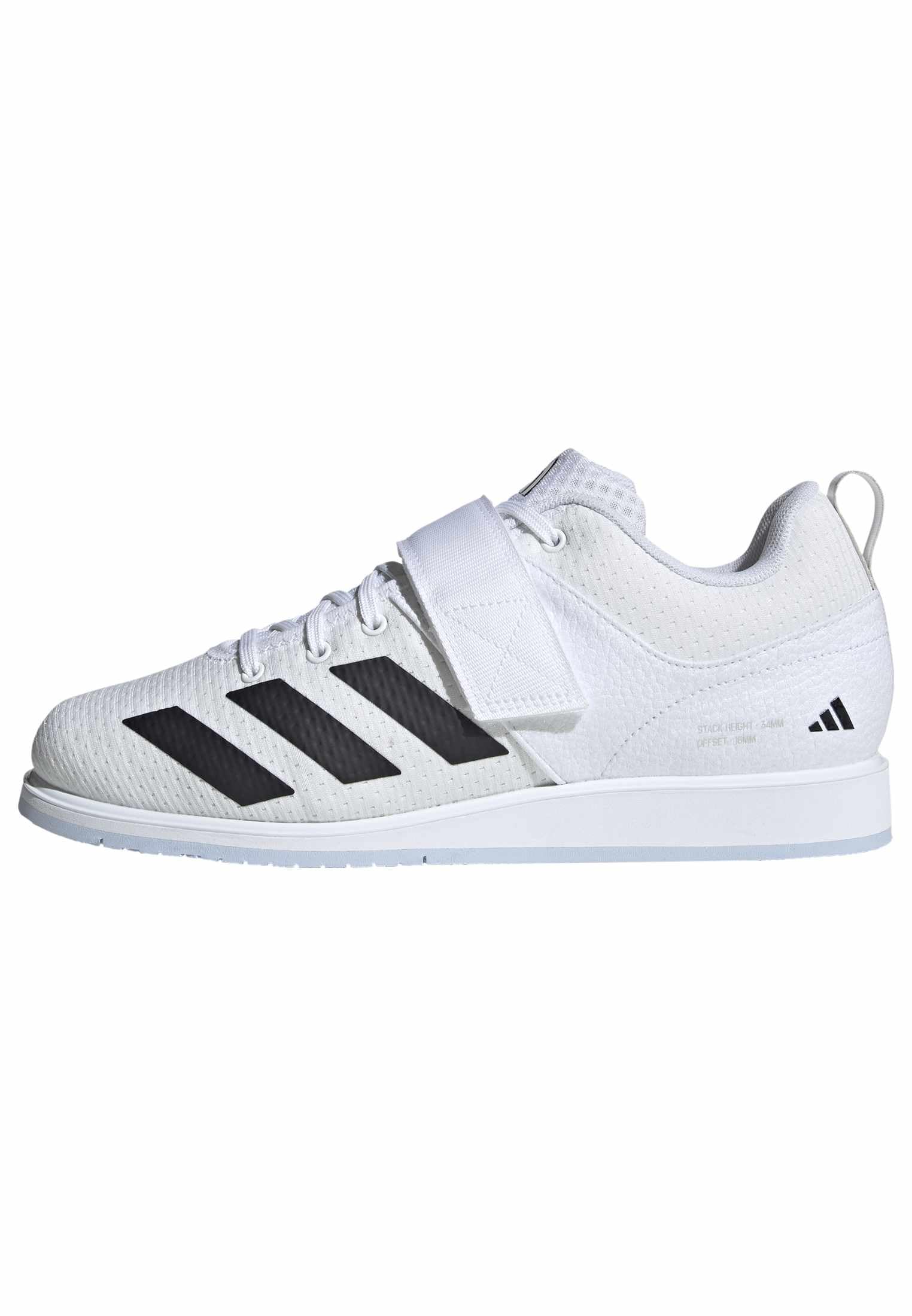
The adidas Powerlift 5 is a direct descendant of the Adipower line, offering a similar raised heel and Hylomer sole that resists compression under heavy loads. It provides the same stable platform for squats, overhead presses, and Olympic lifts, but at a slightly more accessible price point compared to the flagship Adipower III. The shoe comes in a unisex sizing, so it works for both men and women looking for a dedicated lifting shoe.
The Hylomer material is a high-density rubber that doesn’t squish or deform, which is critical for maintaining a solid base during heavy squats. The upper is a synthetic material with a sturdy lace system and a strap that wraps over the top of the foot. The heel height sits at about 0.6 inches, which is standard for weightlifting shoes, giving you the ankle mobility advantage without feeling like you’re on a wedge.
A notable detail is the textured rubber outsole that provides excellent traction on gym mats and platforms. The fit runs true to size for most lifters, though those with wide feet might find the toe box a bit snug. For dedicated lifters who want a proven, stable shoe for squats but don’t need the absolute top-of-the-line model, the Powerlift 5 is a strong pick.
Why it’s great
- Non-compressible Hylomer heel for stable squats
- Durable synthetic upper with secure lacing and strap
- Classic weightlifting shoe design at a mid-range price
Good to know
- Toe box may be narrow for wide-footed lifters
- Raised heel not ideal for conventional deadlifting
3. Nordic Lifting VENJA Weightlifting Shoes

The Nordic Lifting VENJA is a budget-friendly shoe that brings real weightlifting features to the table. It has a raised heel (about 0.6 inches) made from a dense rubber compound, giving you the ankle mobility advantage of a premium lifting shoe without the cost. The outsole features a grip pattern designed to keep you planted on the platform, and the shoe includes a Velcro strap across the midfoot for a secure fit.
For its price point, the shoe performs admirably on squats and overhead lifts. The heel provides enough lift to help lifters with poor ankle mobility hit depth, and the rubber sole doesn’t compress noticeably under moderate loads. The upper is made from a synthetic leather material that feels sturdy, and the lace system combined with the strap locks the foot in place reasonably well.
The fit is slightly roomier than the adidas models, which might be an advantage for lifters with wider feet. However, the material isn’t as breathable as canvas or mesh, and the build quality doesn’t feel as premium as the higher-end options. For the lifter on a budget who still wants a dedicated shoe for leg day, the VENJA is a solid entry point that won’t fail you on the squat rack.
Why it’s great
- Affordable price with a real raised heel
- Velcro strap provides secure midfoot lockdown
- Roomier fit works for wider feet
Good to know
- Synthetic leather upper is less breathable
- Build quality doesn’t match premium models
4. Xero Shoes Prio Neo Barefoot Training Shoes
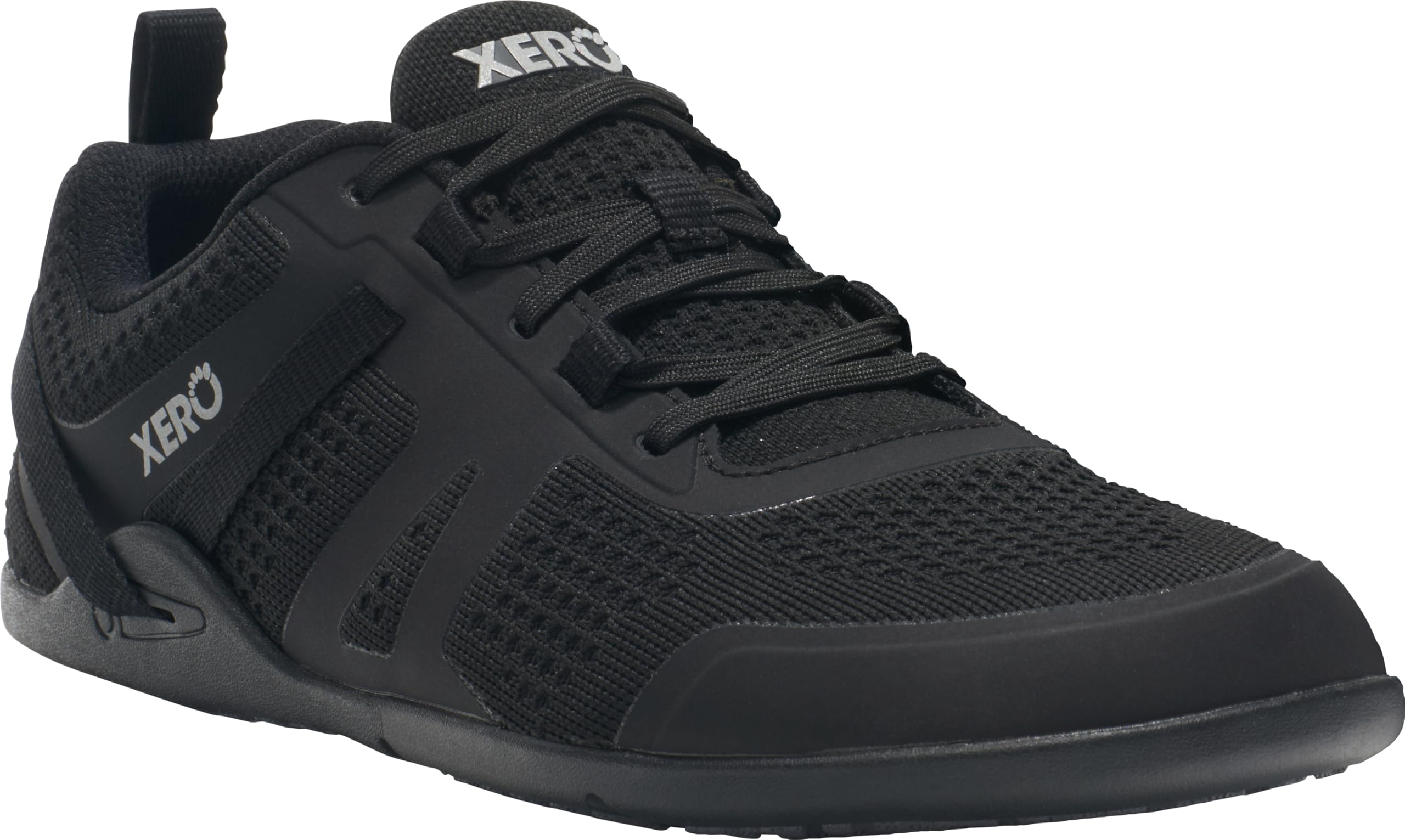
The Xero Shoes Prio Neo is a zero-drop, minimal-cushion shoe designed for lifters who want a barefoot feel. With a zero heel-to-toe drop and a thin, flexible sole, this shoe allows you to feel the ground beneath your feet, which is a huge advantage for deadlifts where you want to grip the floor with your toes. The minimal cushioning means there’s nothing between you and the platform, giving you maximum proprioception.
The upper is a breathable mesh material that conforms to the foot, and the lace-up closure lets you dial in the fit. The wide toe box is a standout feature — it allows your toes to splay naturally, which can improve balance and force transfer during heavy pulls. The outsole is a thin rubber that offers decent grip without adding bulk or height.
For squatting, the zero-drop nature means you need good ankle mobility to reach depth with a flat back. If you already have solid ankle range, the Prio Neo can work for squats, but it’s not ideal for lifters who rely on a heel lift. It’s best suited for deadlift-dominant workouts, warm-ups, and any training where ground feel and stability matter more than ankle assistance.
Why it’s great
- Zero drop and thin sole for excellent ground feel
- Wide toe box allows natural toe splay
- Breathable mesh upper for ventilation
Good to know
- Requires good ankle mobility for squats
- Not ideal for lifters who need a raised heel
5. Under Armour TriBase Reign 6
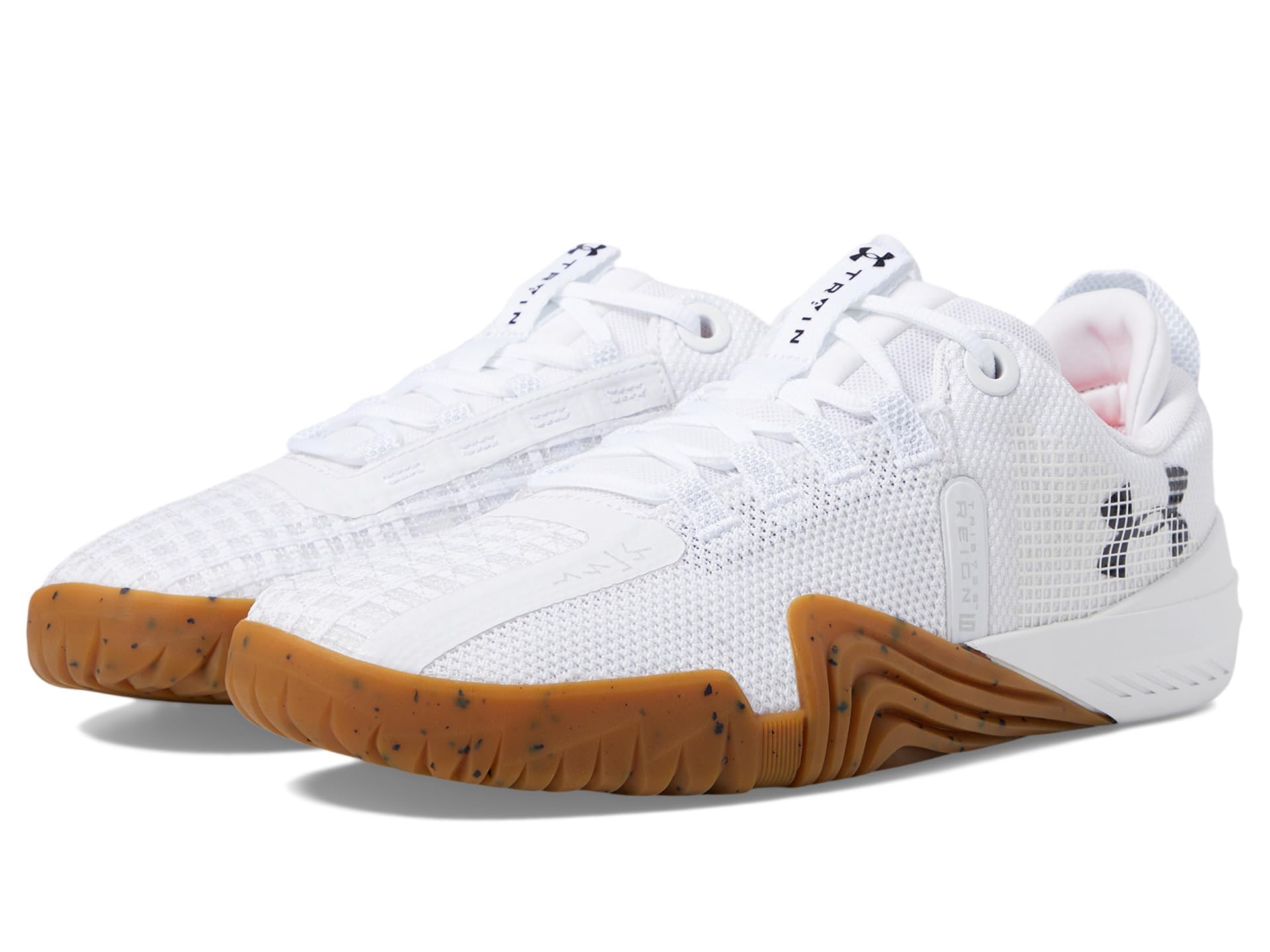
The Under Armour TriBase Reign 6 is a cross-training shoe that bridges the gap between running and lifting. Its standout feature is the TriBase outsole, which is designed to provide three points of ground contact for enhanced stability during lifts. The sole is made from a dense rubber that resists compression better than a typical running shoe, making it a capable companion for squats and deadlifts.
The upper is built from a breathable mesh with strategic overlays for support, and the lace system is paired with an internal heel counter to lock your foot in place. The shoe has a low heel-to-toe drop (around 4mm), which gives it a more natural feel than a typical trainer but still offers some cushion for jumping and agility work. It’s ideal for lifters who do a mix of strength, HIIT, and conditioning in the same session.
One trade-off is that the TriBase Reign 6 doesn’t have the same level of rigidity as a dedicated weightlifting shoe like the Adipower III. On maximal squats, you might feel a tiny bit of sole compression, but for most lifters doing moderate to heavy work, it’s more than stable enough. It’s a versatile shoe that lets you move from the squat rack to the box jump without changing footwear.
Why it’s great
- TriBase outsole offers good stability for lifting
- Low drop suitable for both lifting and conditioning
- Breathable upper with secure lockdown
Good to know
- Not as rigid as dedicated weightlifting shoes
- May compress slightly under max loads
6. Generic Powerlifting Shoe
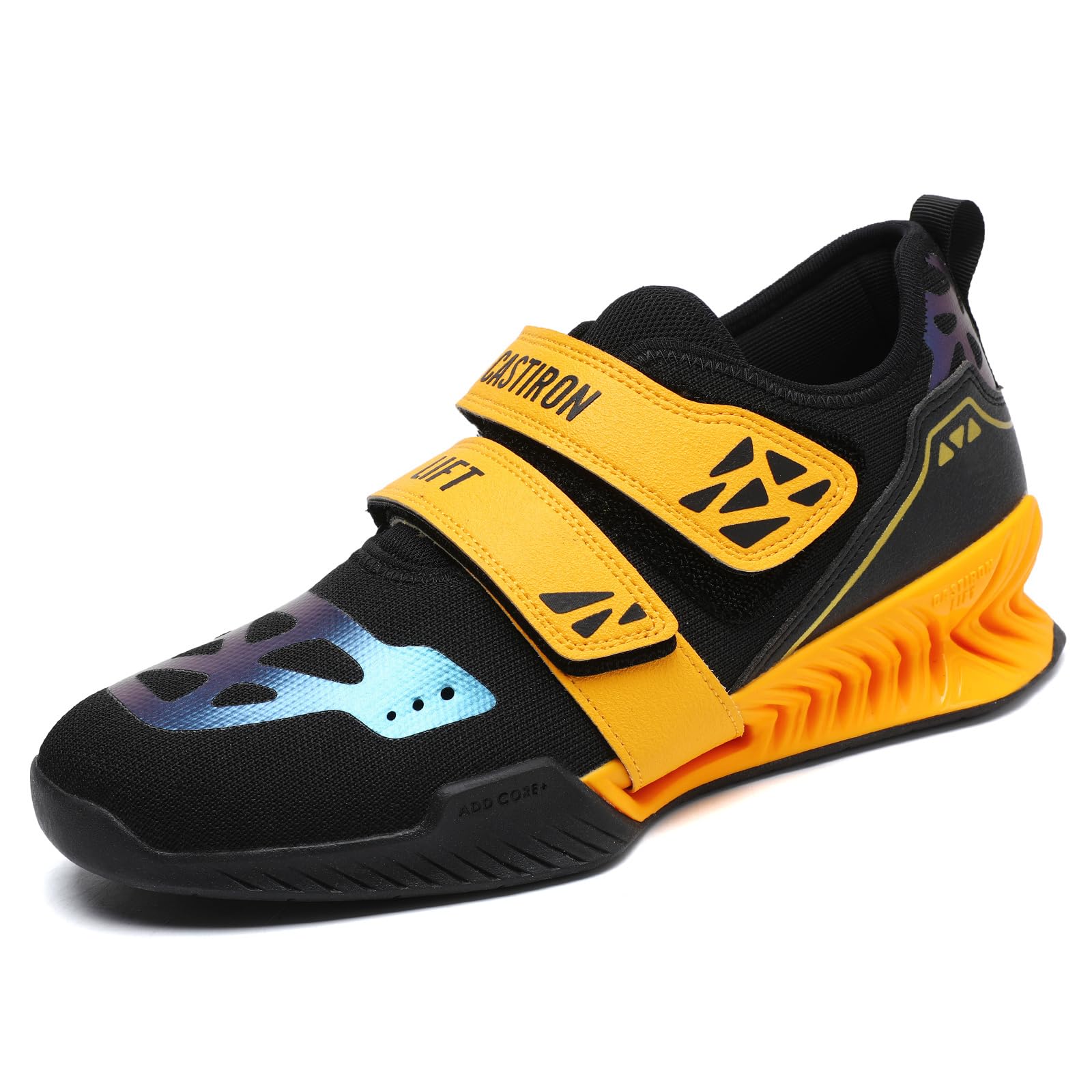
This generic powerlifting shoe is an entry-level option that mimics the form factor of more expensive models. It features a raised heel of roughly 0.6 inches, a rubber outsole with some grip, and a lace-up closure with a Velcro strap over the top. The design is straightforward, and it’s available in a variety of sizes for both men and women, making it a functional starter shoe for anyone new to weightlifting.
The build quality is functional but not luxurious. The synthetic upper feels less durable than the adidas models, and the rubber sole, while non-compressible for most loads, may show wear faster under heavy, repeated use. The toe box is reasonably spacious, which is a plus for comfort, but the overall fit isn’t as precise or secure as more expensive options.
For the lifter who just wants to try a raised heel shoe without a big investment, this model delivers the basic biomechanical benefit. It will help you squat deeper and more upright, but it won’t last as long or feel as refined as a mid-range or premium model. It’s a practical tool for getting your feet wet in dedicated lifting footwear.
Why it’s great
- Entry-level price for a raised heel shoe
- Functional design with lace-up and strap closure
- Available in multiple sizes for men and women
Good to know
- Build quality is lower than premium models
- Durability may be a concern for heavy use
7. adidas Powerlift 5 (Mid-Range)
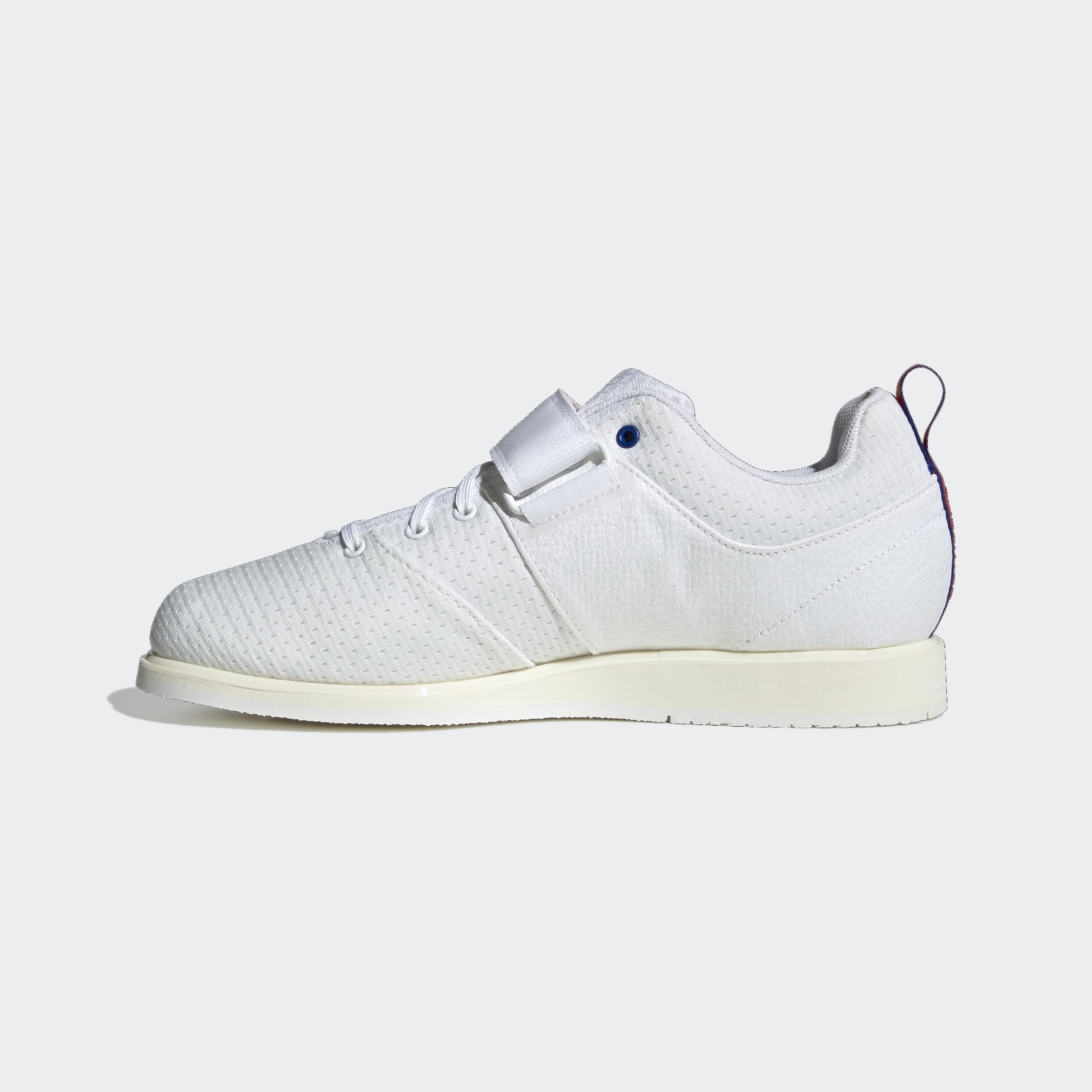
The adidas Powerlift 5 appears again in a slightly different offering, essentially the same shoe design but at a more accessible price tier. It shares the same Hylomer raised heel and durable build as its premium counterpart, providing a stable platform for squats, presses, and Olympic lifts. This version is often sold with minimal packaging differences, making it a smart grab for the budget-conscious weightlifter.
The synthetic upper is sturdy and holds up well against sweat and daily gym wear. The hook-and-loop strap over the laces gives you that extra midfoot cinch that helps keep your foot planted during heavy squats. The heel height is standard for the category, and the outsole patterns offer good traction on chalky platforms.
If you catch this version at a lower price, it’s essentially the same shoe as the more expensive Powerlift 5 listing. The main difference may be in colorway or packaging. For lifters who want the adidas quality and raised heel without paying extra for a top-tier status model, this is an excellent value find that should perform identically in the rack.
Why it’s great
- Same Hylomer heel as the premium version
- Sturdy synthetic upper and secure strap closure
- Excellent value if purchased at the lower price point
Good to know
- Toe box may feel snug for wide feet
- Color and packaging may vary
FAQ
Can I deadlift in a raised heel weightlifting shoe?
What is the difference between a Powerlift and an Adipower from adidas?
Do I need a special shoe for leg day if I only do squats?
Final Thoughts: The Verdict
For most users, the leg day shoes winner is the adidas Adipower Weightlifting III because it offers the most rigid platform and secure fit for serious squats and Olympic lifts. If you want a dedicated raised heel for squat depth at a lower price, grab the adidas Powerlift 5 (Premium). And for deadlift specialists who want ground feel and toe splay, nothing beats the Xero Shoes Prio Neo.