There’s a specific moment in a long run—around mile ten—where the conversation between your feet and the pavement stops being optional. The wrong shoe turns that conversation into an argument you can’t win, creating hot spots that compound into blisters and a midsole that feels like cardboard by the time you hit the half-marathon mark. The right shoe, on the other hand, absorbs each stride without complaint, maintaining its bounce and support lap after lap, letting your mind drift into the rhythm of the road.
I’m Emma — the founder and writer behind Baby Bangs. I’ve spent years digging through foam compound data, stack height changes between model years, and runner reports to separate the shoes that genuinely protect your legs from those that just look the part.
The distinction between a casual weekly jogger shoe and a true endurance companion lies in how the midsole manages energy return under sustained load and how the upper handles swelling feet over two hours. This guide covers the best long run shoes that earn a permanent spot in your rotation.
How To Choose The Best Long Run Shoes
Selecting a shoe for long runs requires a different lens than choosing a racing flat or a daily trainer. Endurance efforts demand cushioning that doesn’t bottom out after repeated heel strikes, an upper that accommodates the natural swelling of your feet over distance, and a sole pattern that grips reliably through the final sweaty miles. Here are the critical factors that separate a solid long-run partner from a shoe that leaves you limping.
Midsole Foam and Stack Height
Long runs compress your midsole repeatedly for over an hour. Budget-friendly foams often lose their rebound after 50 miles, turning your plush ride into a flat slab. Look for premium foams like Pebax-based blends or supercritical nitrogen-infused materials that maintain their energy return for longer sessions. Stack height above 32 millimeters typically offers enough cushion for road marathons without sacrificing ground feel entirely.
Upper Fit and Toe Box Volume
Your feet expand about half a size during a two-hour run. A narrow toe box or non-stretch mesh will create pressure points that escalate into black toenails or blisters. Shoes that use engineered mesh with targeted stretch zones allow your foot to splay naturally while staying locked at the heel. Always test the fit with the socks you plan to wear on race day.
Heel-to-Toe Drop and Stability
The drop—the difference in height between the heel and the forefoot—alters how your body absorbs impact. Shoes with an 8-12 millimeter drop shift load toward the heel, which suits runners who strike rear-first. Lower drops around 4-6 millimeters encourage a midfoot strike but demand more from your calves and Achilles during long efforts. Pick a drop that matches your natural gait to avoid unnecessary compensation injuries.
Quick Comparison
On smaller screens, swipe sideways to see the full table.
| Model | Category | Best For | Key Spec | Amazon |
|---|---|---|---|---|
| ASICS Gel-Nimbus 28 | Premium | Maximum cushion long runs | 41.5mm stack, FF Blast+ Eco foam | Amazon |
| ASICS SUPERBLAST 2 | Premium | Bouncy, high-rebound miles | Turbo Glide foam, 45mm heel | Amazon |
| Hoka Bondi 9 | Premium | Plush comfort, recovery runs | Meta-Rocker geometry, wide base | Amazon |
| Brooks Glycerin 23 (W) | Mid-Range | Soft neutral training | DNA LOFT v3 cushioning | Amazon |
| Saucony Endorphin Pro 4 | Premium | Long tempo and race efforts | PWRRUN HG/Pebax, carbon plate | Amazon |
| Mizuno Wave Inspire 21 | Mid-Range | Mild stability, daily long miles | Wave plate, 12mm drop, 10.2oz | Amazon |
| NB FuelCell Rebel V5 (M) | Mid-Range | Lightweight uptempo long runs | FuelCell foam, 6mm drop | Amazon |
| ASICS Gel-Cumulus 27 (W) | Value | Budget-friendly daily training | PureGEL, 10mm drop | Amazon |
| NB FuelCell Rebel V4 (W) | Value | Responsive training for less | FuelCell foam, 6mm drop | Amazon |
In‑Depth Reviews
1. ASICS Men’s Gel-Nimbus 28 Running Shoes
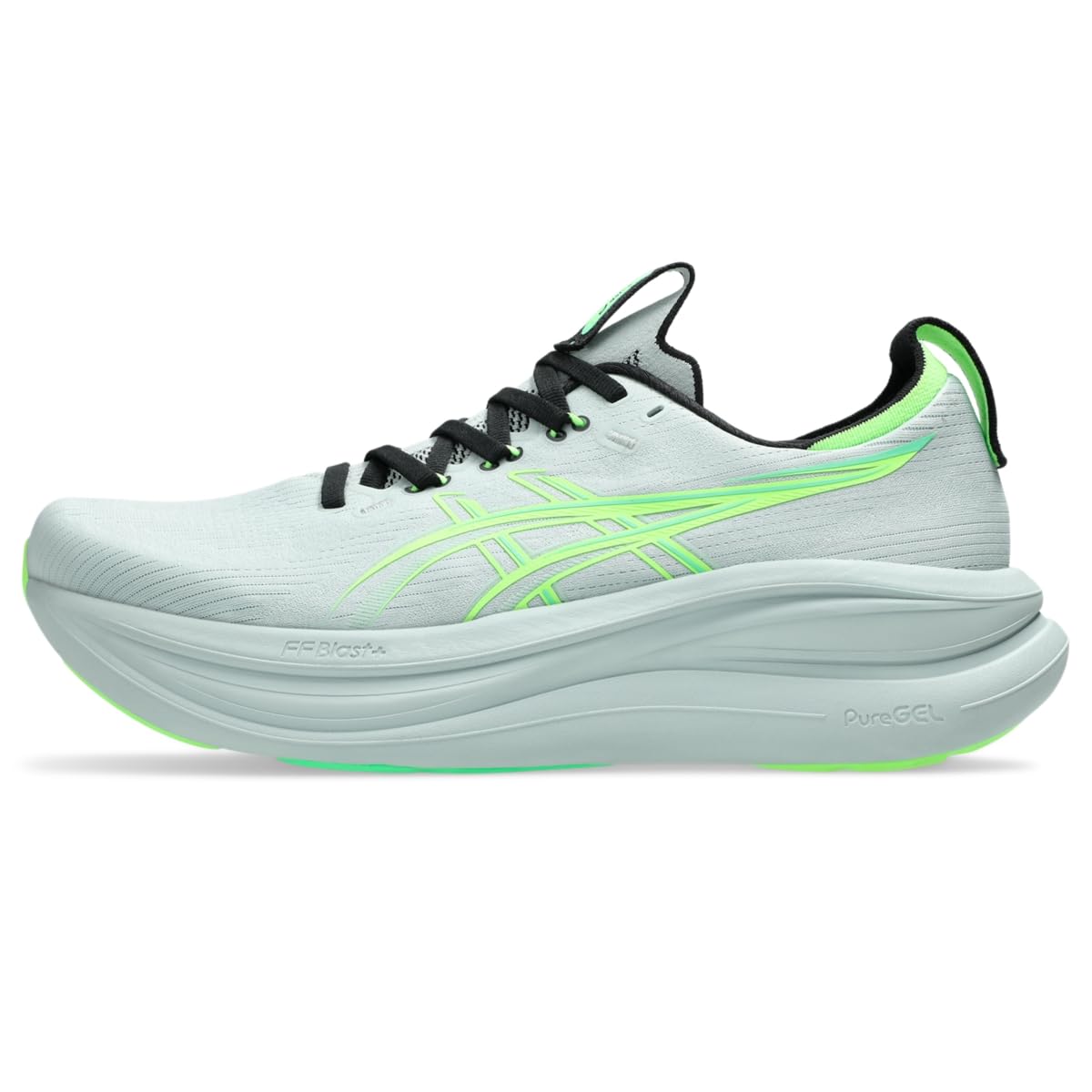
The Gel-Nimbus 28 represents ASICS’ full-tilt commitment to plush, long-haul comfort. It stacks an impressive 41.5 millimeters of FF Blast+ Eco foam beneath your foot, a material that manages to stay lively through the entire 18-mile training run without that dreaded dead-spot feeling. The updated PureGEL pods in the heel soften landing impact further, making this a clear choice for runners who prioritize protection over ground feel.
The engineered knit upper accommodates swelling feet gracefully, with a heel counter that hugs securely without digging in. The outsole features generous AHAR rubber coverage on the high-wear zones, so you won’t see bald spots after 200 miles. The weight lands on the heavier side for a training shoe, but the trade-off is a noticeably smoother transition from heel strike to toe-off over long distances.
Testers consistently praise the Nimbus line for its ability to handle back-to-back long runs without accumulating fatigue. The main consideration is that the generous cushioning reduces ground feedback, which some runners find mushy for faster-paced work. If your Sunday long run is followed by a recovery shuffle, this shoe delivers the forgiving platform your legs need.
Why it’s great
- Exceptional heel-to-toe transition smoothness over many miles
- Upper material stretches without losing lockdown
- Generous outsole rubber for extended durability
Good to know
- Heavier build compared to daily trainers
- Limited ground feel for technical trails
2. ASICS Unisex SUPERBLAST 2 Running Shoes
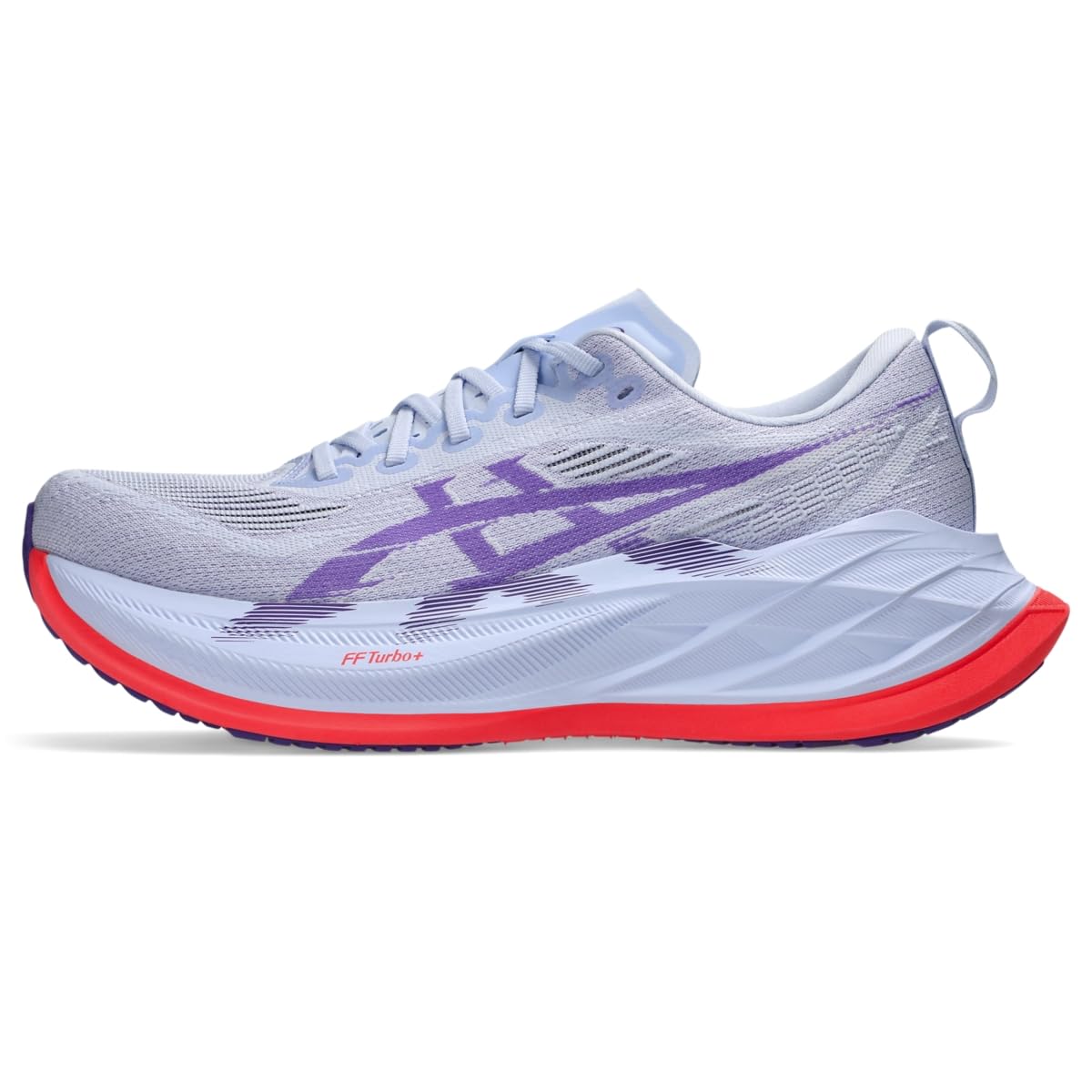
The SUPERBLAST 2 is the shoe ASICS built to bridge the gap between cushioned daily training and the springy response of a super-shoe. Its Turbo Glide foam—a nitrogen-infused compound—delivers a pop that feels almost unnatural at the start of a run and maintains that liveliness through mile twelve and beyond. The 45-millimeter heel stack places it firmly in max-cushion territory, but the foam’s rebound keeps the ride feeling fast rather than squishy.
The upper features a lightweight, breathable mesh that ventilates well in warm conditions, though the fit runs slightly snug for wide-footed runners. The outsole uses a thin strip of rubber to save weight, which is a trade-off that prioritizes speed over long-term durability. For runs where you want to push the pace without sacrificing comfort, this shoe strikes an elusive balance.
Where the SUPERBLAST 2 excels is turning a long tempo run into something resembling a fun day. The combination of high stack and energetic foam reduces the sense of accumulated fatigue that usually sets in by the final miles. It is not the right choice for runners who require a structured stable platform, but for neutral-striding runners seeking a luxurious-yet-fast feel, it is a standout in this category.
Why it’s great
- Highly energetic foam that resists compression over distance
- Very breathable upper for warm weather runs
- Ideal for mixing long, steady miles with faster segments
Good to know
- Snug toe box may not suit wider feet
- Outsole rubber coverage is light for its price tier
3. Hoka Men’s Bondi 9

The Bondi 9 is Hoka’s thickest, plushest training shoe, engineered for runners who want to feel like they’re running on marshmallows for every mile of a half-marathon. The oversized midsole uses a softer, more compliant foam than the brand’s other daily trainers, with a pronounced Meta-Rocker that encourages a smooth rolling motion from landing through to push-off. This geometry reduces the effort required to transition weight forward, which becomes a real asset during the back half of a long run.
The platform is notably wide, providing a stable base that inspires confidence even for runners who don’t consider themselves heel-strikers. The upper uses a plush, padded heel collar and a roomy toe box that gives your toes room to spread when they swell in the final miles. The main drawback is the substantial weight and the feeling of being lifted far off the ground, which some runners find disconnecting from the road surface.
Testers note that the Bondi 9 feels best at slower, conversational paces where its rocker and abundant cushioning can do their job uninterrupted. It is less effective for surges or quick changes of pace. If your long run is strictly about time on feet and recovery, the Bondi 9 provides the ultimate shock-absorption experience.
Why it’s great
- Most forgiving landing platform available
- Wide base adds stability for a max-cushion shoe
- Rocker design smooths out transitions over distance
Good to know
- Heavier than most premium trainers
- Less responsive for faster-paced running
4. Brooks Women’s Glycerin 23 Neutral Running Shoe
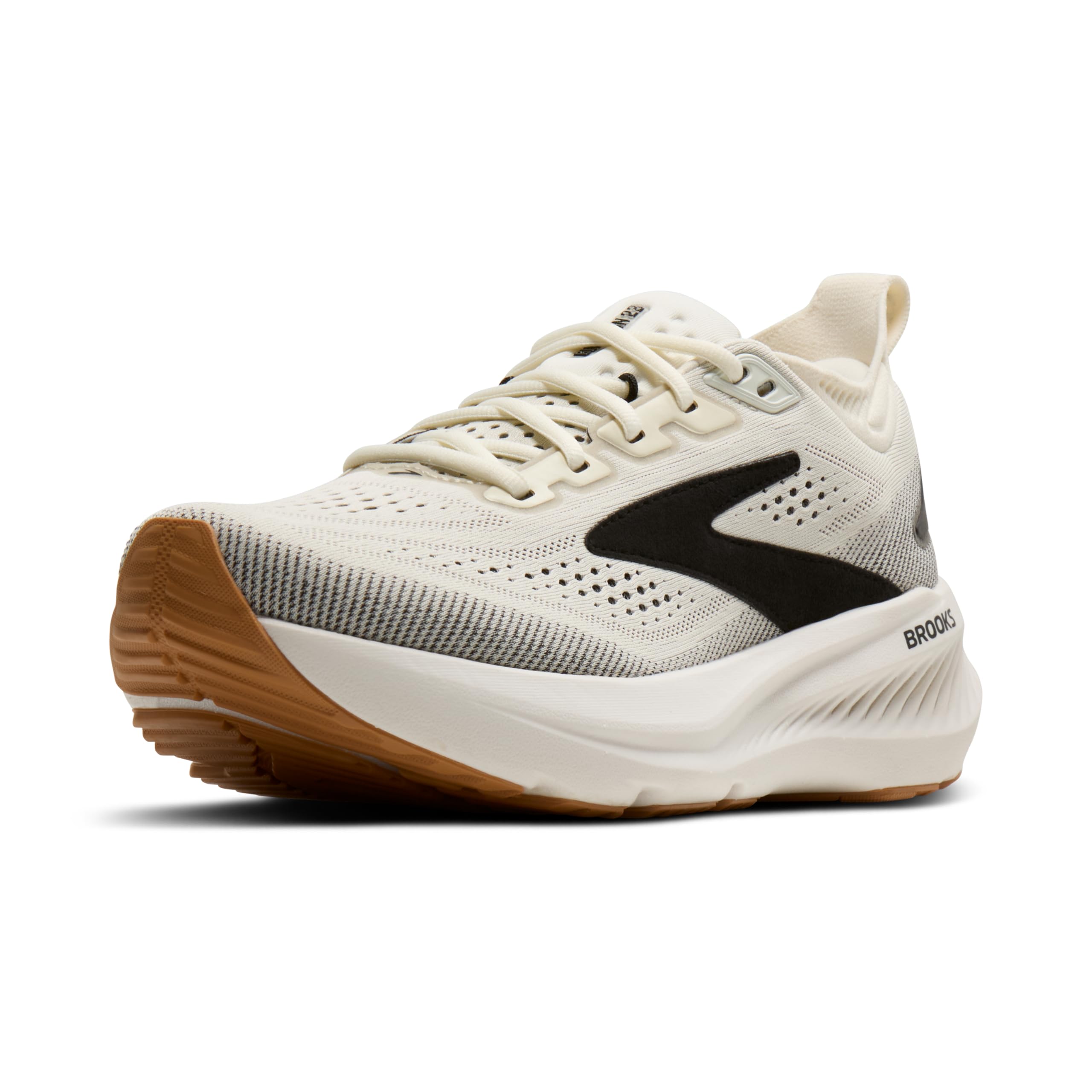
The Glycerin 23 continues Brooks’ legacy of providing a supremely soft neutral ride without sacrificing structure. The DNA LOFT v3 foam is a nitrogen-infused compound that delivers a plush sensation underfoot but resists packing out quickly, maintaining its cushioned character over the lifespan of the shoe. The upper uses a padded, stretchable knit that feels glove-like on the foot, with sufficient volume to accommodate moderate swelling on long efforts.
The outsole incorporates strategic rubber zones that balance durability with weight savings, holding up well through repeated long runs on pavement. The heel-to-toe drop sits at 10 millimeters, which will feel familiar to runners transitioning from other traditional daily trainers. Testers appreciate the secure, non-irritating heel fit, a common complaint in softer shoes where the foot can shift inside the upper.
The Glycerin 23 is best suited for steady, endurance-length runs where comfort is the highest priority. It is not a shoe for speed work or for runners who prefer a more responsive, ground-connected feel. For the neutral runner who wants a reliable, soft ride for 10+ mile runs, this shoe delivers consistency that few competitors match.
Why it’s great
- Premium nitrogen-infused foam with good longevity
- Knit upper provides a secure, stretchy fit for swelling feet
- Excellent heel lockdown comfort
Good to know
- Soft feel reduces ground feedback
- Not well-suited for speed workouts
5. Saucony Men’s Endorphin Pro 4 Sneaker
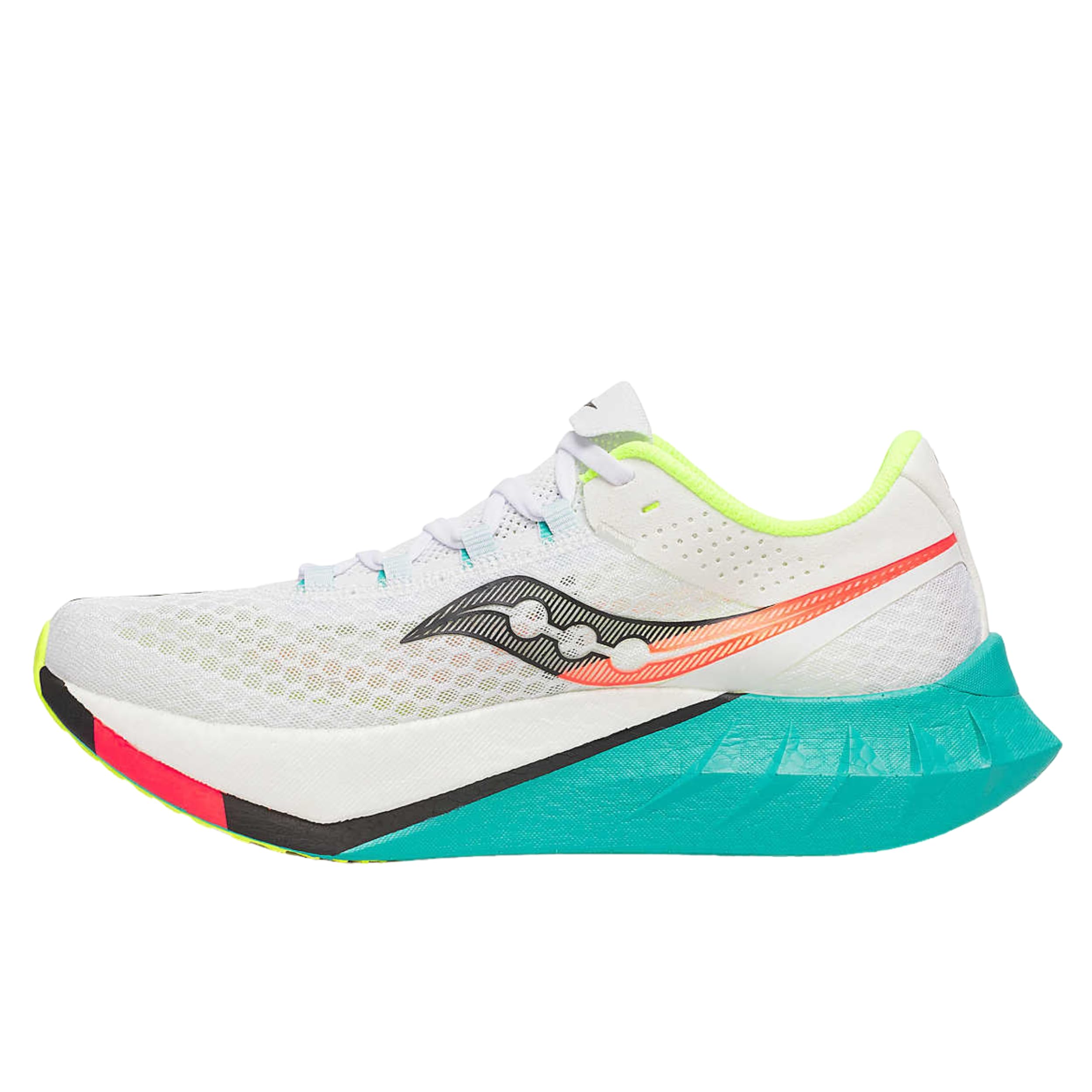
The Endorphin Pro 4 is Saucony’s top-tier competition shoe, designed for long race days and faster training efforts where every second counts. It pairs a full-length carbon plate with a PWRRUN HG/Pebax foam blend that provides exceptional energy return, rebounding powerfully on each toe-off. The SpeedRoll geometry works with the plate to create a forward-tipping sensation that reduces the energy cost of maintaining pace over longer distances.
The upper uses a thin, race-oriented mesh that prioritizes weight savings over plush comfort, though the fit is secure and holds the foot in place during fast transitions. The outsole is minimalist, using only essential rubber to keep weight low, which means durability is a secondary concern compared to top-end performance. This is a shoe built for purpose: running fast for a long time.
For the runner focused on marathon PRs or long race-pace efforts, the Endorphin Pro 4 delivers a noticeable assist. The combination of plate and foam creates a propulsive feel that can help sustain a faster rhythm on tired legs. It is less appropriate for easy recovery days or for runners who need substantial cushioning for comfort over speed.
Why it’s great
- Carbon plate delivers strong propulsive feel
- Lightweight race upper with secure hold
- Excellent energy return for sustained fast paces
Good to know
- Minimal cushioning for easy or recovery runs
- Outsole durability is limited
6. Mizuno Men’s Men’s Wave Inspire 21 Running Shoe
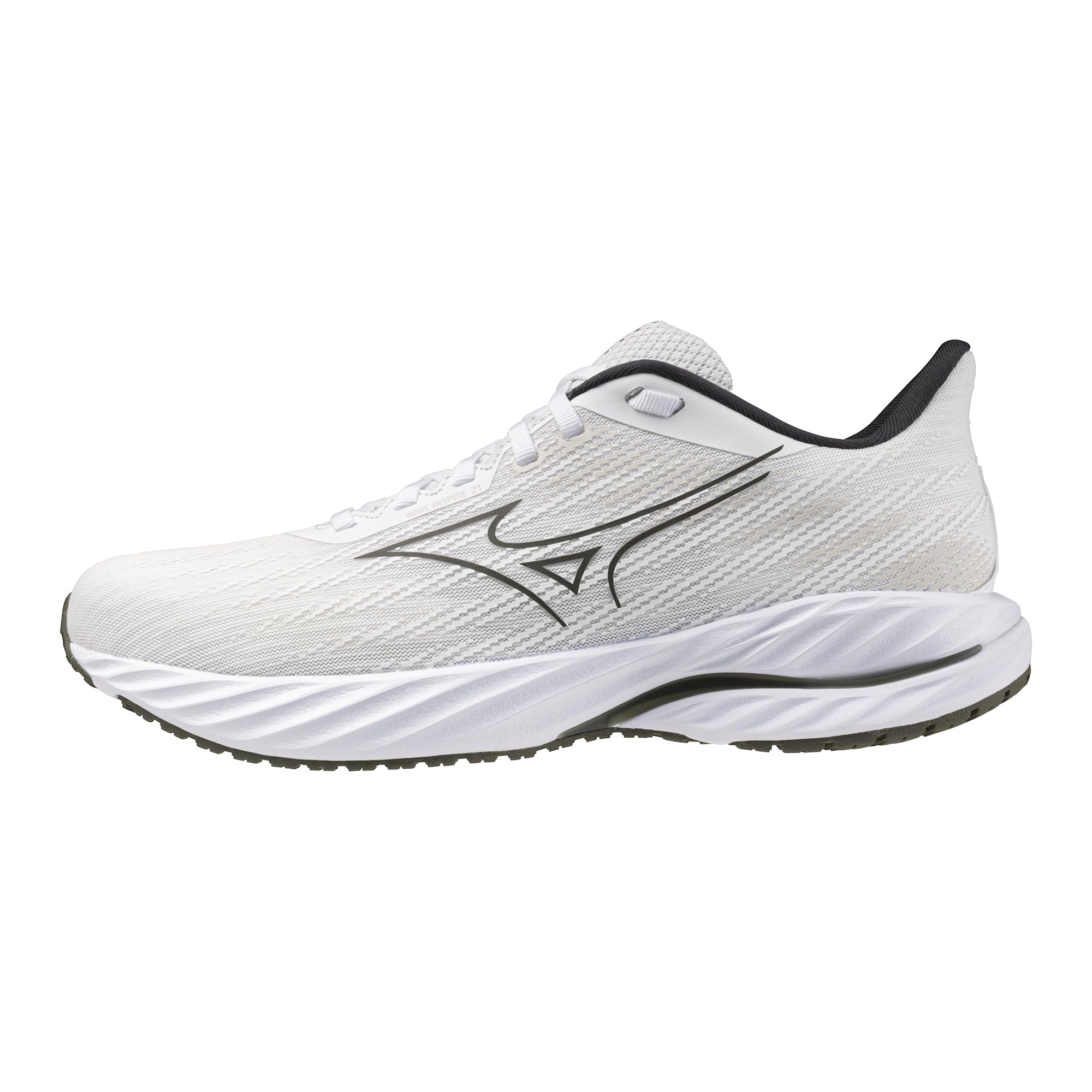
The Wave Inspire 21 offers a structured ride for runners who need mild stability support without a heavy or clunky platform. Mizuno’s signature Wave plate—a corrugated plastic shank embedded in the midsole—provides both a stable landing and a smooth transition from heel to toe. The shoe uses a combination of foams, with a softer layer on top for comfort and a firmer base for durability and responsiveness.
The upper employs a well-ventilated mesh with subtle overlays that hold the foot in place without creating pressure points. The heel counter is supportive but not stiff, and the toe box offers enough width for natural toe splay. The outsole features thick blown rubber that stands up to significant mileage without excessive wear, making this a durable option for daily long runs.
Testers note that the Wave Inspire 21 works best for runners with mild overpronation or those who prefer a more stable, connected feel than max-cushion shoes provide. It is not a heavy stability shoe like a dedicated motion-control model, but it provides enough guidance for runners who want a touch of structure without the weight penalty of a full medial post.
Why it’s great
- Wave plate offers smooth, stable transitions
- Durable outsole with good road grip
- Well-ventilated upper for warm runs
Good to know
- Not enough stability for severe overpronation
- Midsole feels firmer than max-cushion trainers
7. New Balance Men’s FuelCell Rebel V5
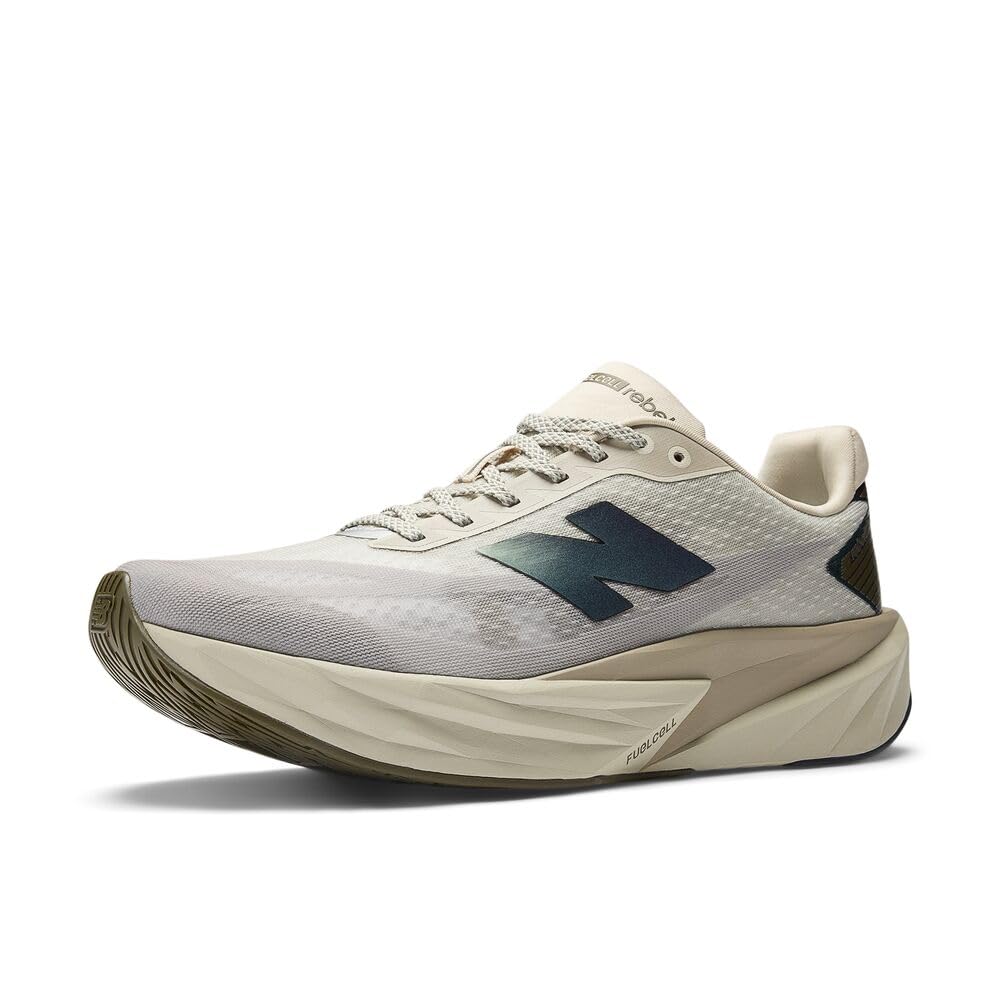
The FuelCell Rebel V5 is New Balance’s lightweight, responsive daily trainer that feels at home during uptempo long runs where you want a shoe that disappears on your foot. The FuelCell foam uses a nitrogen-injected process that creates a lively, springy sensation without the heavy weight of stacked cushioning. The 6-millimeter drop encourages a more natural midfoot strike, which pairs well with a faster cadence over distance.
The upper is a single-layer engineered mesh that breathes exceptionally well and has just enough structure to hold the foot in place during cornering. The midsole does not have a rigid plate, so the flexibility is high, allowing the foot to move naturally. The outsole rubber is minimal but placed strategically under the forefoot and heel to cover high-wear zones, weighing down the shoe very little.
Runner feedback consistently highlights the Rebel’s ability to make long runs feel easier than they should. The combination of low weight and energetic foam reduces the sensation of plodding through the final miles. The trade-off is that the cushioning is not as deep as max-cushion shoes, so it may not be the best choice for runners who need significant impact protection for very long or recovery runs.
Why it’s great
- Lightweight build reduces fatigue over distance
- Springy, responsive foam for uptempo efforts
- Breathable upper that dries quickly
Good to know
- Cushioning depth is lower than max-stack shoes
- Minimal outsole rubber covers less surface area
8. ASICS Women’s Gel-Cumulus 27 Running Shoes
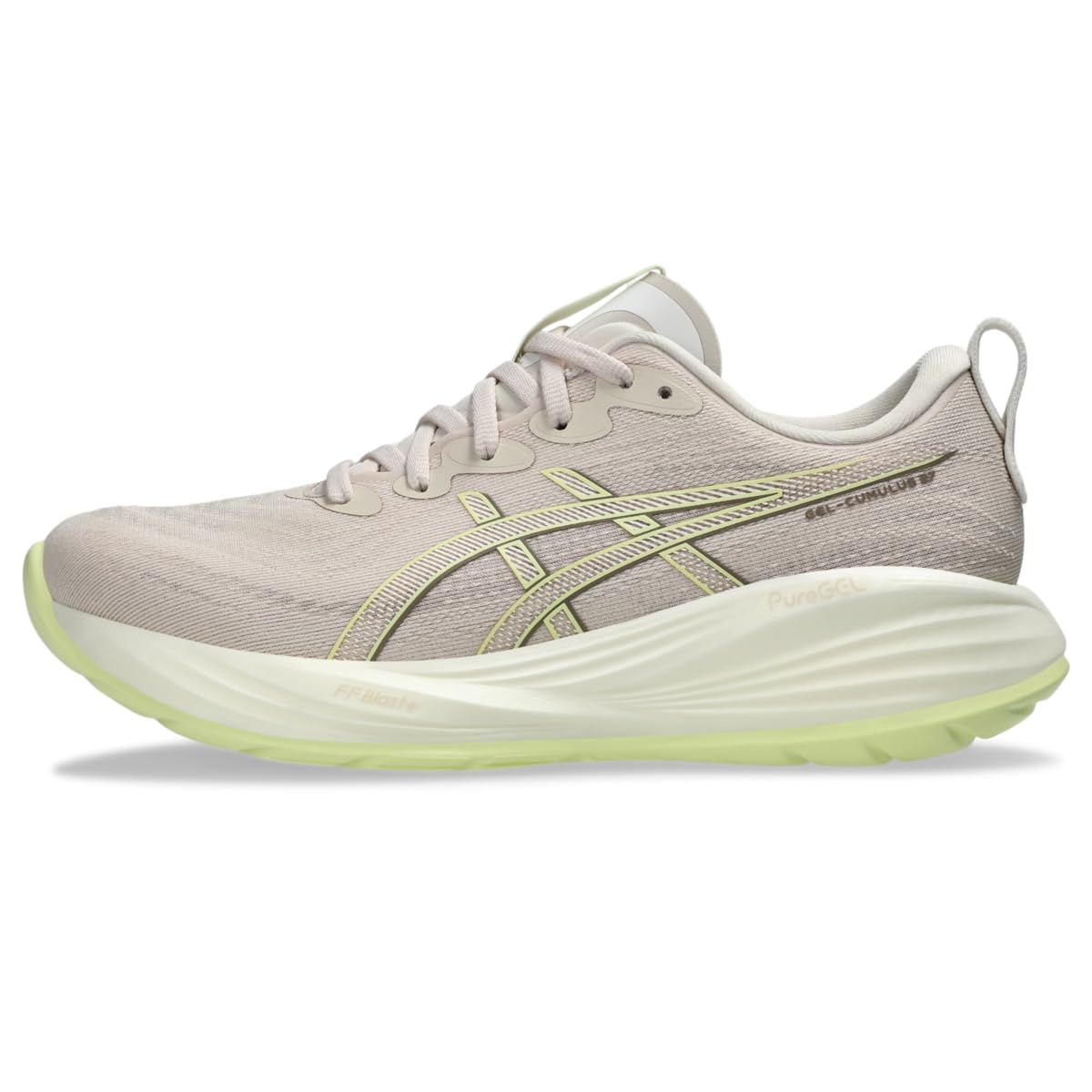
The Gel-Cumulus 27 is ASICS’ neutral workhorse trainer that delivers reliable cushioning at a lower entry point without cutting corners on essential features. The midsole combines FF Blast foam with PureGEL technology in the rearfoot, creating a ride that softens impact effectively for long runs at a steady effort. The 10-millimeter drop suits heel-strikers well, providing a smooth transition zone under the heel.
The upper uses a jacquard mesh that offers good breathability and a secure fit, with moderate padding around the heel collar and tongue. The outsole features generous AHAR rubber coverage, ensuring that the shoe holds up well against road wear over many training cycles. The weight is average for a daily trainer, leaning slightly toward the higher end of the mid-range spectrum.
Testers find the Cumulus 27 to be a dependable, no-surprises long run shoe. It does not deliver the bouncy, energetic feel of premium super-foams, but it provides consistent, comfortable cushioning that keeps you moving mile after mile. It is an excellent choice for runners who want a solid, affordable shoe for their long-run rotation without sacrificing build quality or fit.
Why it’s great
- Durable outsole with solid road grip
- Reliable, consistent cushioning for daily use
- PureGEL technology adds good heel impact protection
Good to know
- Foam lacks the energy return of higher-end blends
- Slightly heavier than premium daily trainers
9. New Balance Women’s FuelCell Rebel V4
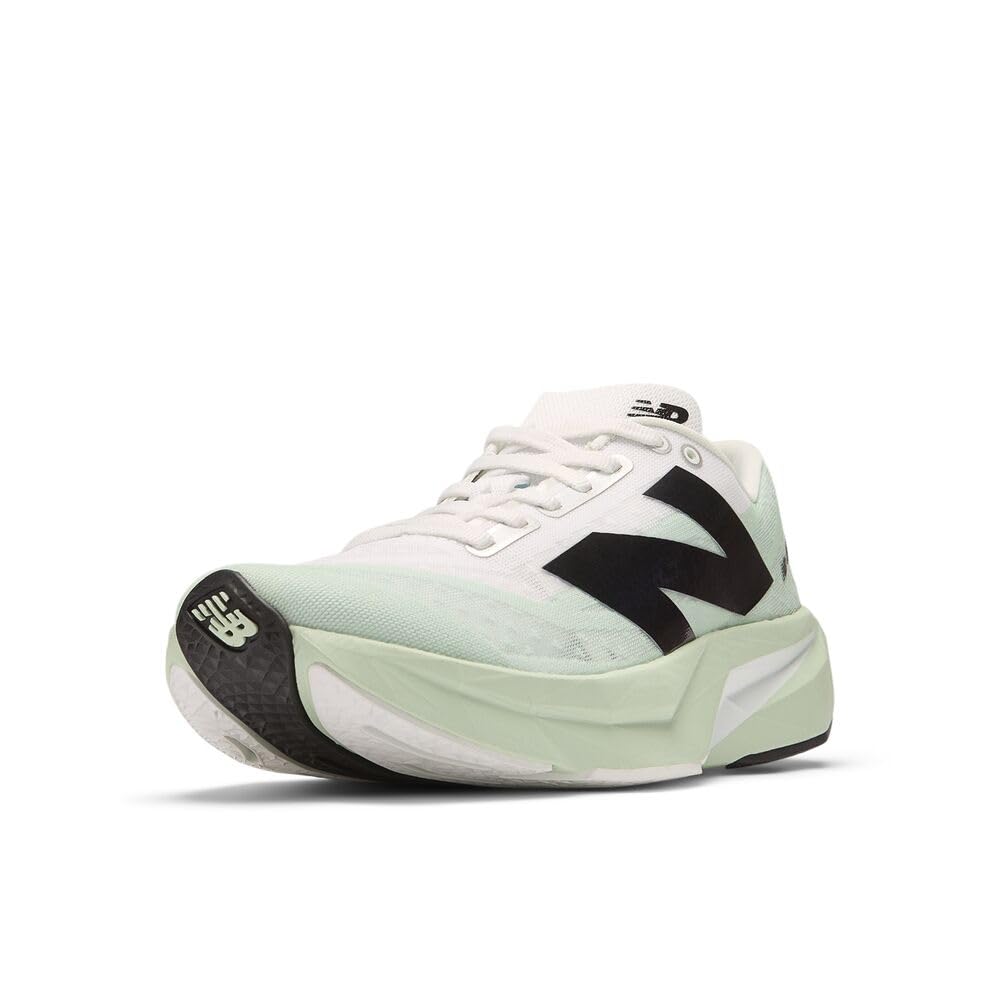
The FuelCell Rebel V4 brings New Balance’s responsive FuelCell foam to a wallet-friendly price point without sacrificing the lively, bouncy feel that makes the Rebel line popular. The 6-millimeter drop and lightweight design encourage a quicker stride, making this shoe a solid option for runners who want to mix tempo segments into their long runs without switching shoes. The foam compound retains a decent amount of pop even as the miles add up.
The upper features a simple, functional mesh that breathes well and fits true to size, with minimal structure that reduces irritating seams. The outsole is thin and uses rubber placement only under essential zones, which keeps the weight low but reduces long-term durability potential for high-mileage runners. The midsole stack is moderate compared to max-cushion shoes, offering good protection without a heavy feel.
Runner impressions highlight the Rebel V4’s ability to make a training run feel snappier and more engaging, even on days when motivation is low. The trade-off is that the cushioning depth may not be sufficient for very heavy runners or for those logging ultra-distance miles regularly. For the runner seeking a responsive, lightweight trainer for their moderate long-run rotation, this is a compelling entry point.
Why it’s great
- Responsive foam at a lower price
- Lightweight, comfortable fit
- Encourages a faster stride on long runs
Good to know
- Outsole durability is limited for high mileage
- Moderate stack height, not for max-cushion seekers
FAQ
How many miles can I expect from a pair of long run shoes?
Should I choose a shoe with a 6mm drop or a 10mm drop for long runs?
Do I need a stability shoe for long runs if I don’t overpronate severely?
Should I buy a half size larger for long runs?
Final Thoughts: The Verdict
For most users, the best long run shoes winner is the ASICS Gel-Nimbus 28 because it combines industry-leading stack height with a durable, swelling-friendly upper and a smooth heel-to-toe transition that reduces fatigue over many miles. If you want a more energetic, fast-feeling ride for tempo-paced long runs, grab the ASICS SUPERBLAST 2. And for ultimate plushness on recovery days and slow long runs, nothing beats the Hoka Bondi 9.