A gritty scrub can feel satisfying, but on the delicate skin of your face, it often does more harm than good. Korean exfoliators, especially the gel and chemical varieties, work differently—they dissolve dead cells without the abrasive friction, leaving your skin smooth, bright, and calm.
I’m Emma — the founder and writer behind Baby Bangs. I’ve spent years analyzing Korean and K-beauty adjacent formulations, focusing on ingredient concentrations, pH balance, and how exfoliating textures interact with different skin types to deliver real results without irritation.
The market is filled with options that claim to resurface, but only a few actually respect your barrier. This guide breaks down the top contenders to help you find the absolute best korean exfoliator for face that matches your skin’s needs and your personal comfort with active ingredients.
How To Choose The Best Korean Exfoliator For Face
Not all exfoliators are created equal, and the Korean skincare philosophy prioritizes barrier health above all else. You want efficient cell turnover without redness or tightness, which means matching the exfoliant type, acid strength, and formula base to your specific concerns.
Peeling Gel vs. Acid Toner vs. Acid Peel
A peeling gel uses cellulose or natural fibers to ball up and roll away dead skin—this is zero-acid and ideal for sensitive or dry skin. Acid toners (AHA/BHA) are leave-on liquids that chemically dissolve intercellular bonds. Acid peels, like a 15% glycolic solution, are stronger, clinical-strength formulas meant for experienced users who can tolerate higher concentrations.
BHA vs. AHA vs. PHA
BHA (salicylic acid) is oil-soluble and travels deep into pores to clear blackheads and congestion—great for oily or acne-prone skin. AHA (glycolic, lactic, mandelic) is water-soluble and works on the skin’s surface, smoothing texture and fading hyperpigmentation. PHA (gluconolactone) is a gentler AHA ideal for sensitive or compromised barriers.
Soothing and Hydrating Additives
Exfoliation strips the surface, so the best formulas rebalance with calming agents. Look for Centella Asiatica (CICA), hyaluronic acid, ceramides, and vitamin C in the formula—these ingredients reduce the risk of post-exfoliation irritation and support moisture retention.
Quick Comparison
On smaller screens, swipe sideways to see the full table.
| Model | Category | Best For | Key Spec | Amazon |
|---|---|---|---|---|
| PLANTIFIQUE Glycolic Acid Pads | Multi-Acid Pad | Daily renewal & sensitive skin | 60 pads with CICA + Niacinamide | Amazon |
| Prequel Multi-Acid Milk Peel | Clinical Peel | Experienced users, texture repair | 15% Glycolic + Lactic + Enzymes | Amazon |
| Paula’s Choice 2% BHA Liquid | Leave-On BHA | Oily, blackhead-prone skin | 2% Salicylic Acid, Fragrance-Free | Amazon |
| Dr. G Brightening Peeling Gel | Gel Exfoliator | Dry, sensitive, low tolerance | AHA-free, Hyaluronic + Ceramides | Amazon |
| Pyunkang Yul Peeling Gel | Gel Exfoliator | Zero-irritation, all skin types | Papaya extract, EWG grade ingredients | Amazon |
In‑Depth Reviews
1. PLANTIFIQUE Korean Glycolic Acid Toner Pads 60 Pcs
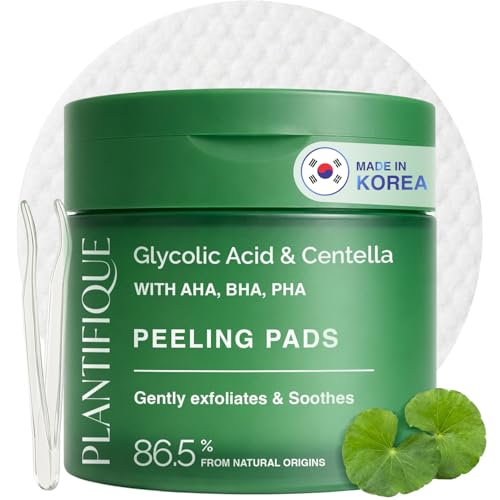
This is the most versatile entry in the lineup. The pads combine glycolic acid, betaine salicylate (a gentler BHA), and PHA in a single step, making them suitable for anyone who wants controlled exfoliation without guessing the ratio. Each pad is saturated just enough to sweep across the face without dripping, and the inclusion of CICA and hyaluronic acid keeps the experience hydrating rather than stripping.
The refillable container is a thoughtful touch—you buy the jar once and can purchase refill packets afterward, reducing plastic waste. The pads also come with hygienic tongs, which matter when you’re dipping into the jar multiple times a week. For most skin types, this is the easiest way to integrate a regular chemical exfoliation habit.
If you have a very sensitive barrier or are new to acids, start slowly at twice per week. The multi-acid approach means it’s effective, but overuse on compromised skin can lead to stinging. The pH is balanced for efficacy without being overly aggressive.
Why it’s great
- Blend of AHA, BHA, and PHA covers all exfoliation needs
- CICA and niacinamide soothes and brightens concurrently
- Refillable packaging reduces waste
Good to know
- Not a rinse-off; leaves a slight residue if over-saturated
- Acid concentration may be too mild for severe texture issues
2. Prequel Skin Multi-Acid Milk Peel

This is not for beginners, full stop. Prequel packs 15% glycolic acid alongside lactic, malic, mandelic, and phytic acids plus fruit enzymes—a potent resurfacing cocktail. The formulation saves itself with a milk base plus squalane and protective botanicals that keep the skin plump rather than crispy post-use. Clinical testing shows visible improvement in radiance, pore appearance, and dark spots within four weeks.
The leave-on application (no rinsing) is convenient but demands caution. You shake the bottle, dispense a few drops, and pat onto skin. Because it stays on, the acids continue working throughout the night. Users with resilient, well-established acid tolerance will see dramatic smoothing. Anyone with reactive redness should patch test on the jawline first.
Fragrance-free and pH-stabilized, this is a dermatologist-developed formula that prioritizes results over comfort. It is the strongest option in this list and should be used no more than twice a week, potentially less during winter or retinoid use.
Why it’s great
- Highest acid concentration for serious texture correction
- Enzyme blend adds extra exfoliating power
- Leaves skin hydrated despite high AHA content
Good to know
- Too strong for sensitive or newly-retinized skin
- Requires strict damp-skin application to avoid irritation
3. Paula’s Choice SKIN PERFECTING 2% BHA Liquid Exfoliant
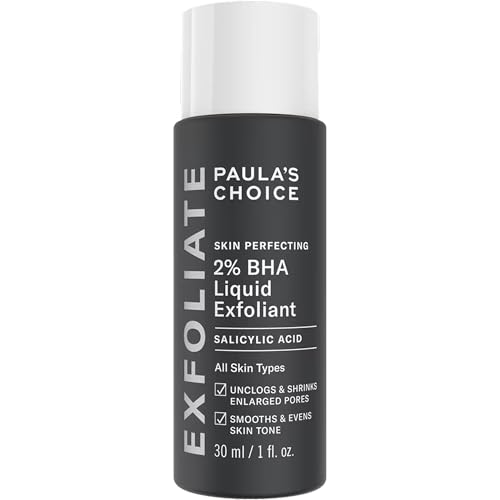
While not strictly a Korean brand, Paula’s Choice BHA has become a staple in the K-beauty inspired routine because of its precise, non-abrasive mechanism. The 2% salicylic acid formulation is a leave-on liquid that sinks into pores to dissolve sebum and dead skin from the inside out. This makes it the single most effective option on the list for blackhead-prone, oily, or congested skin.
It is fragrance-free and uses a water-like texture that absorbs within minutes. Because it stays on the skin, it provides sustained exfoliation throughout the day or night. Many users pair it with a hydrating toner and a moisturizer to balance the oil-control effect. The key differentiator here is that BHA is the only acid that works inside the pore rather than just on the surface.
Dry or dehydrated skin types should proceed with caution—BHA can be drying when used daily. Stick to every other day and always follow with a ceramide-rich moisturizer. The bottle is small but extremely concentrated; a few drops cover the whole face.
Why it’s great
- Oil-soluble BHA penetrates deep into clogged pores
- Fragrance-free and non-abrasive formula
- Proven track record for reducing blackheads
Good to know
- Not a Korean formulation (manufactured in the US)
- Can feel drying on already dehydrated skin
4. Dr. G Brightening Peeling Gel
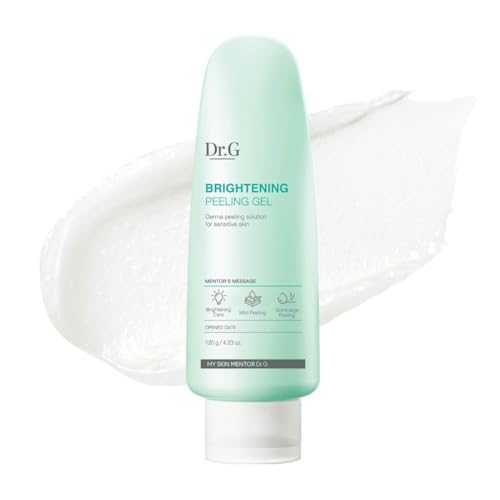
Dr. G represents the classic Korean peeling gel format—a clear gel that you massage onto dry skin until it forms small balls of dead skin and cellulose. There are no AHAs or BHAs here, so you get physical exfoliation without the abrasion of microbeads or granules. The result is an immediate smoothness that you can feel right after rinsing.
The formula adds hyaluronic acid, ceramides, and vitamin C, so the skin feels hydrated and slightly brighter after use. This is the safest option for anyone with active inflammation, rosacea, or a compromised moisture barrier who still wants to remove flakiness. Use it once or twice per week as a pre-moisturizer step.
The main trade-off is that peeling gels do not address deep congestion or texture the way acids do. You are sloughing surface cells, not remodeling the deeper layers. For maintenance and smoothness, this is excellent. For acne scars or fine lines, you will need a complementary acid product.
Why it’s great
- Zero acid makes it safe for sensitive or compromised skin
- Hydrating ingredients leave skin soft post-exfoliation
- Immediate visible balling of dead skin confirms results
Good to know
- Does not treat blackheads or acne deep in the pore
- Cellulose balls can feel messy if not rinsed thoroughly
5. Pyunkang Yul Peeling Gel
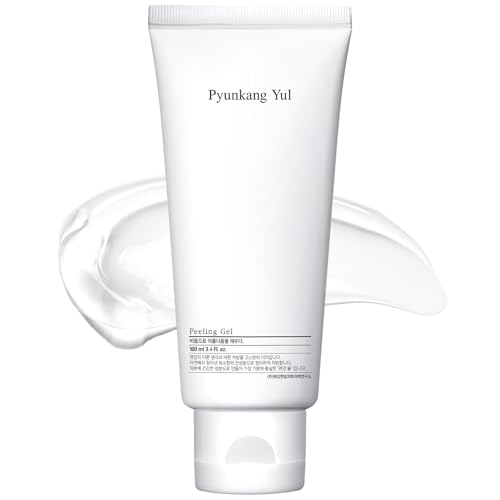
Pyunkang Yul comes from a Korean Eastern Medicine Clinic background, and this gel reflects that heritage—it relies on papaya fruit extract and citric acid (natural AHA) rather than synthetic cellulose for its peeling action. It is dermatologically tested and certified as zero-irritation, with every ingredient rated safe by the EWG scale.
The gel glides on smoothly and begins to pill gently as you massage. It contains Scutellaria Baicalensis root extract and licorice to brighten the skin, plus hyaluronic acid and Centella Asiatica to calm and hydrate. This is an excellent option for anyone who wants a gel exfoliator but prefers enzymatically derived actives over synthetic acids.
It is slightly gentler than the Dr. G option because the papaya enzymes are milder than the cellulose friction, making this the absolute best choice for hypersensitive skin. The trade-off is that the immediate smoothness is less dramatic than the Dr. G gel. For daily maintenance on very reactive skin, this is a winner.
Why it’s great
- EWG green-grade ingredients with zero irritation rating
- Papaya enzyme provides gentle enzymatic exfoliation
- Licorice and Centella boost brightness and soothing
Good to know
- Less immediate physical pill effect than cellulose gels
- Not powerful enough for stubborn blackheads
FAQ
How often should I use a Korean peeling gel vs. an acid toner?
Can I use a Korean exfoliator if I have rosacea or active acne?
Do I need to rinse off a chemical exfoliant or can I leave it on?
What should I apply after exfoliating my face?
Final Thoughts: The Verdict
For most users, the best korean exfoliator for face winner is the PLANTIFIQUE Glycolic Acid Pads because they deliver a balanced multi-acid approach with hydrating soothers, making them suitable for a wide range of skin types and experience levels. If you want clinical-level resurfacing for stubborn texture and dark spots, grab the Prequel Multi-Acid Milk Peel. And for zero-acid gentle maintenance on sensitive or reactive skin, nothing beats the Pyunkang Yul Peeling Gel.