A frigid chairlift ride can turn a perfect powder day into a shivering misery in minutes. The wrong base layer traps sweat, chills your core, and leaves you counting runs instead of crushing them. Finding base layers that manage moisture while locking in heat without adding bulk is the single most important gear choice you can make before stepping into bindings.
I’m Emma — the founder and writer behind Baby Bangs. I’ve spent countless hours comparing merino micron counts, fabric weights, and seam construction to identify which base layers actually perform under a shell on the mountain.
Whether you prioritize lightweight breathability or heavy-duty insulation, this guide breaks down the top performing models to help you find the best leggings for skiing that match your riding style and local conditions.
How To Choose The Best Leggings For Skiing
Choosing a ski base layer starts with understanding that not all “thermal leggings” are built for the same conditions. Air temperature, activity level, and your shell’s breathability all dictate the ideal fabric weight and material composition. Skiing generates significant internal heat, so the fabric must wick moisture away from the skin rapidly to prevent evaporative cooling during rest periods on the lift.
Fabric Weight & Material
Lightweight (150-200 gsm) base layers suit high-output spring skiing or warm days where you want minimal insulation. Midweight (200-280 gsm) is the standard for most resort days, offering warmth without restricting movement. Heavyweight (280 gsm+) is reserved for sub-zero days at exposed mountains, but demands a roomier shell to avoid bunching. Merino wool is the gold standard for its natural temperature regulation and odor resistance, while synthetic blends dry faster and cost less.
Seam Construction & Fit
Flatlock seams are non-negotiable for skiing — they sit flush against the skin and eliminate the chafing that traditional overlock seams cause during hours of hip flexion and knee bending. A gusseted crotch adds range of motion for deep squat positions during carving or hiking. The fit should be snug but not compressive; a too-tight leg restricts blood flow and accelerates fatigue.
Key Specs to Verify
Check the fabric composition percentage — a 100% merino label means you get the full benefit, but it requires more delicate care. Blends with nylon or spandex add durability and stretch but may reduce breathability. Also look at the waistband design: a wide, non-roll elastic band stays put under a bib or high-waisted shell pant without creating pressure points.
Quick Comparison
On smaller screens, swipe sideways to see the full table.
| Model | Category | Best For | Key Spec | Amazon |
|---|---|---|---|---|
| Smartwool Classic Thermal Merino Base Layer Bottom | Midweight | All-day resort comfort | 250 gsm merino wool | Amazon |
| Helly-Hansen LIFA Merino Midweight Graphic Base Layer Pants | Midweight | Moisture management in variable temps | LIFA fiber + merino blend | Amazon |
| MERIWOOL Womens Base Layer 100% Merino Wool Heavyweight 400g | Heavyweight | Extreme cold temps | 400 gsm wool weight | Amazon |
| Icebreaker Merino 175 Everyday Thermal Leggings | Lightweight | High-output spring skiing | 175 gsm merino jersey knit | Amazon |
| DANISH ENDURANCE Merino Wool Leggings Women | Midweight | Budget-friendly daily use | Merino wool blend | Amazon |
| Midweight Merino Wool Base Layer Women Set | Midweight Set | Top and bottom matching set | Complete thermal set | Amazon |
| Helly Hansen Legendary Insulated Ski Pants Women | Insulated Shell | Standalone snow pants | PrimaLoft insulation | Amazon |
In‑Depth Reviews
1. Smartwool Women’s Classic Thermal Merino Base Layer Bottom

Smartwool’s 250 gsm midweight merino has become the benchmark for resort skiing base layers, and this bottom delivers the warmth-to-breathability ratio that keeps you comfortable through a full day of laps. The 100% merino fabric (excluding trims) naturally regulates temperature, so you won’t overheat during a bootpack and then freeze when the chairlift slows. Flatlock seams sit completely flush against the skin, eliminating the friction points that ruin long days on the mountain. The fabric has a soft hand feel and a bit of natural stretch that follows the body without sagging after multiple wears.
This model uses responsibly sourced merino that resists odors remarkably well, meaning you can wear it multiple days on a ski trip without the synthetic stink. The wide waistband stays put under high-waisted ski pants and doesn’t create a pressure ridge, even after a full day of bending into a tuck position. The gusseted crotch construction provides unrestricted mobility for aggressive carving, deep squats, and the occasional yard sale recovery. The 250 gsm weight hits the sweet spot for most resort environments — substantial enough for sub-freezing mornings yet breathable enough for afternoon sun.
While Smartwool’s sizing runs slightly fitted — which is exactly what you want for a base layer — some users report that the leg length can be a bit short for taller frames (over 5’8″). The merino requires gentle washing on cold and air drying to prevent shrinkage, a small maintenance trade-off for the natural performance benefits. Over time, the fabric may pill slightly in high-friction areas like the inner thigh, but this does not affect thermal performance.
Why it’s great
- Perfect 250 gsm midweight warmth for resort skiing across a wide temperature range.
- Flatlock seams and gusseted crotch eliminate chafing during high-motion activities.
- Natural odor resistance allows multi-day use between washes.
Good to know
- Leg length may run slightly short for taller women.
- Requires cold wash and air dry to maintain fabric integrity.
- Inner thigh area may show light pilling over extended use.
2. Helly-Hansen Women’s LIFA Merino Midweight Graphic Base Layer Pants

Helly-Hansen’s patented LIFA technology combines a hydrophobic polypropylene layer against the skin with a merino wool outer layer to deliver exceptional moisture transfer during high-output skiing. This dual-layer construction pulls sweat away from the body faster than pure merino, making it a superior choice for skiers who run hot or hike laps in the backcountry. The midweight build offers enough insulation for typical resort days while maintaining a sleek profile that layers easily under any shell pant without adding bulk. Flatlock seams run throughout the garment to prevent chafing, and the fabric has a smooth, almost silky hand feel against the skin.
The LIFA merino blend dries significantly faster than 100% merino, which is a real advantage when you’re skiing consecutive days and need the base layer to be ready by the next morning. The waistband is wide and non-rolling, staying secure under bibs or high-ride pants. The gusseted crotch provides full range of motion for dynamic movements, and the leg openings are snug enough to stay tucked into boot liners without bunching. The graphic design is subtle enough to not be distracting but adds a bit of visual interest if you strip down in the lodge.
Because the LIFA layer is synthetic, this base layer does not offer the same natural odor resistance as pure merino — expect to wash it more frequently during multi-day trips. The fit runs true to size but is intended to be snug (a compressive base layer feel) which some skiers prefer but others find restrictive. The outer merino layer is still delicate and benefits from gentle care to prevent pilling, though the LIFA inner core holds its structure well over time.
Why it’s great
- LIFA inner layer wicks moisture faster than pure merino for high-output skiers.
- Dries quickly between days — ready for back-to-back morning lifts.
- Snug, non-bulky fit layers effortlessly under any shell pant.
Good to know
- Not as odor-resistant as 100% merino; requires more frequent washing.
- Compression-like fit may feel too tight for skiers preferring relaxed base layers.
- Merino outer layer still needs delicate wash care.
3. MERIWOOL Womens Base Layer 100% Merino Wool Heavyweight 400g Thermal Pants Leggings for Women
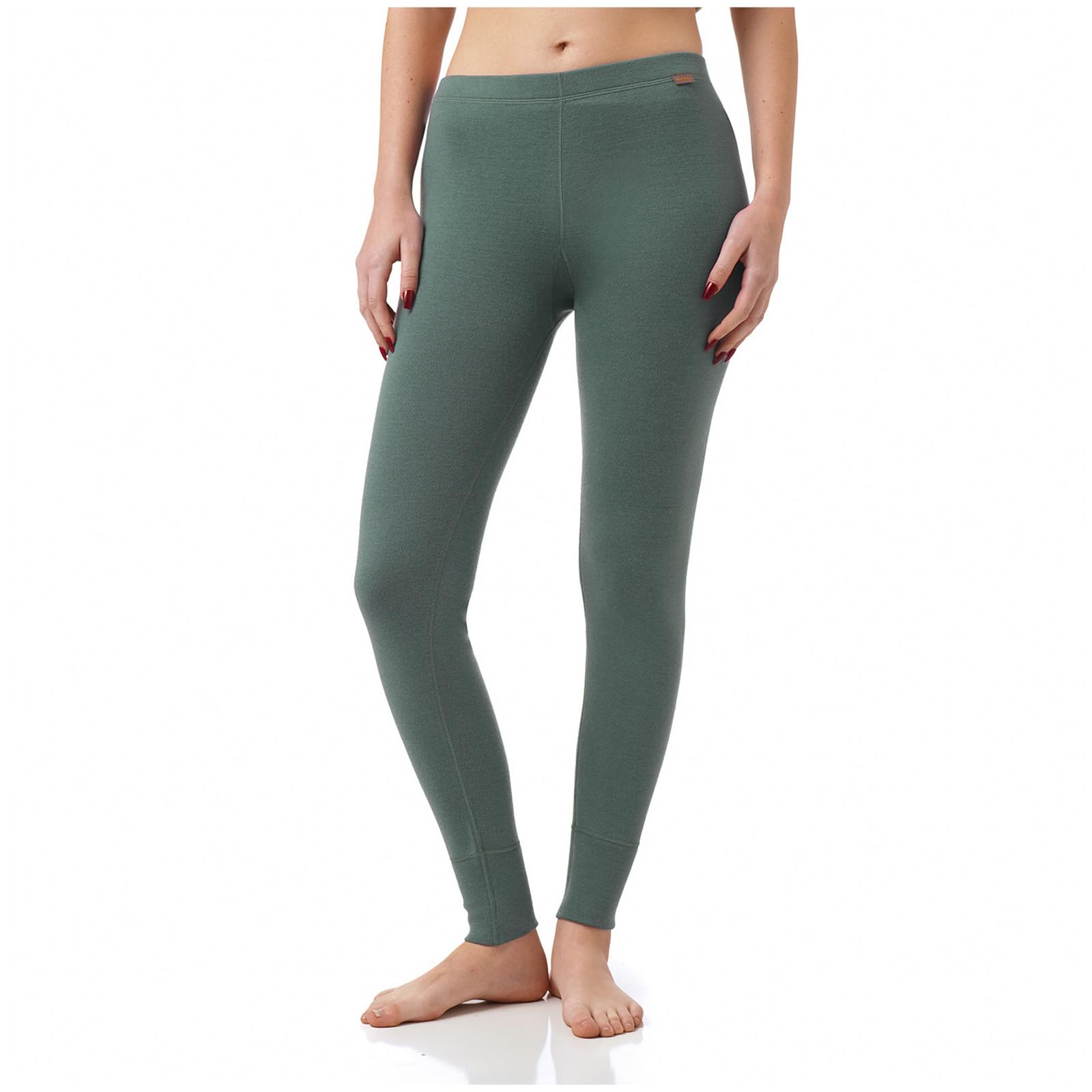
At 400 gsm, this is the heaviest merino base layer on this list, purpose-built for extreme cold conditions where standard midweights leave you shivering. The 100% merino construction delivers uncompromising natural insulation, trapping body heat effectively even when the thermometer dips well below zero Fahrenheit. This is the base layer you reach for on deep winter days at exposed mountains like Mount Washington or during storm cycles where wind chill is a serious factor. Despite the heavy weight, the fabric has a soft hand feel and does not feel scratchy, thanks to the fine micron merino wool used in construction.
The fit is designed to be snug without being compressive, accommodating the thicker fabric without restricting movement. The waistband is wide and elastic, staying in place under bibs or high-waisted pants without digging in. The leg length tends to run generous, which is a plus for taller skiers who struggle with base layers that ride up. Because this is 100% merino, you get full natural odor and moisture management, and the fabric can be worn multiple days without developing a sour smell — a real perk for hut trips or extended ski vacations.
The heavyweight nature means this layer takes up more space under a shell pant — you will need a shell with a relaxed or snowboard-style fit to avoid feeling constrained. It also takes longer to dry than lighter weights, so plan accordingly if you need to wash between days. The price point is higher than midweight options, but for skiers who regularly face severe cold, the warmth-per-dollar ratio is excellent.
Why it’s great
- Unmatched 400 gsm weight for extreme cold — keeps you warm below zero.
- 100% merino provides superior odor resistance for multi-day use.
- Generous leg length accommodates taller frames.
Good to know
- Takes up noticeable space — needs a roomier shell pant.
- Slower drying time compared to midweight or synthetic blends.
- Premium price point reflects the heavy fabric quantity.
4. Icebreaker Women’s Merino 175 Everyday Thermal Leggings
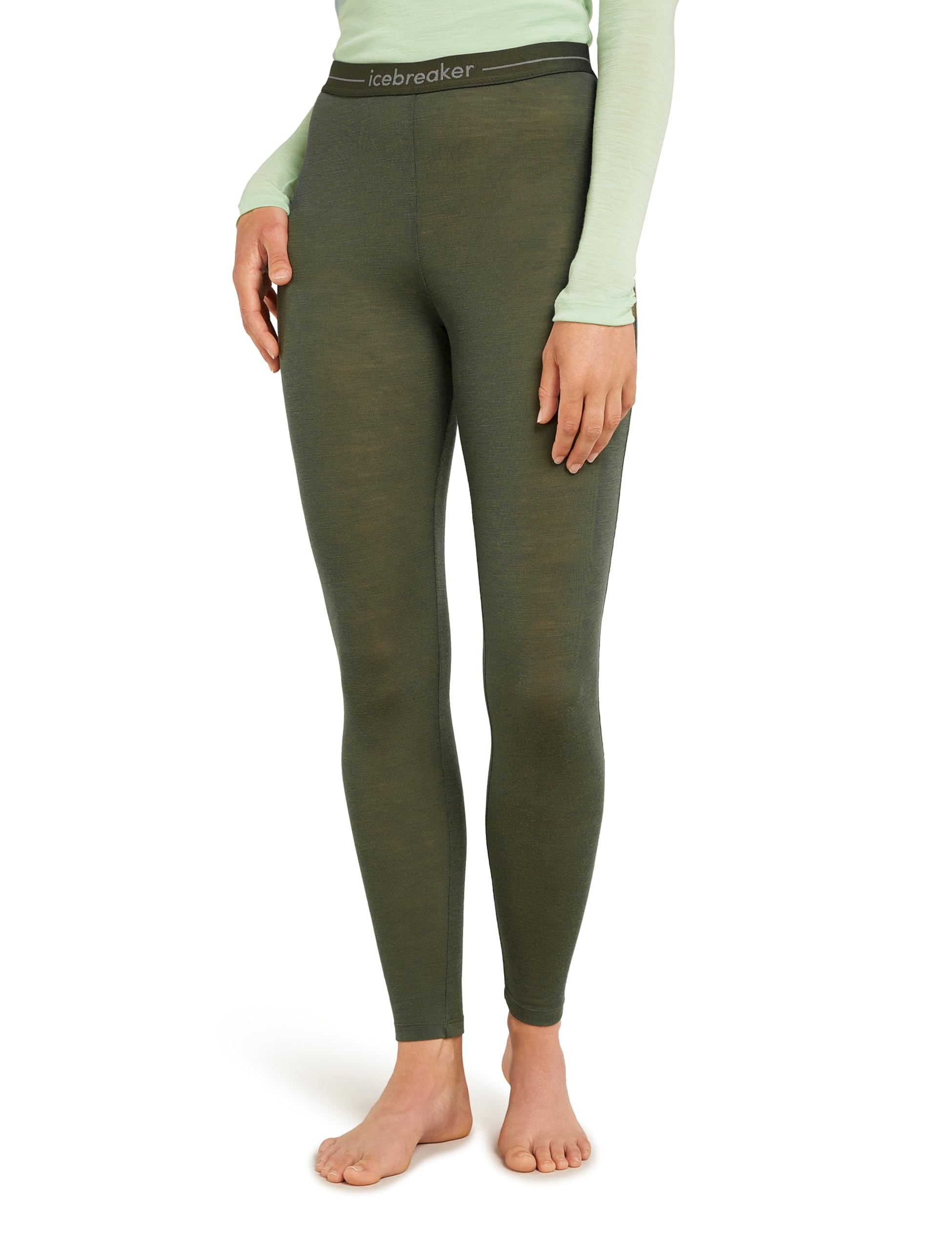
Icebreaker’s 175 gsm lightweight merino leggings are the go-to choice for spring skiing, warm resort days, or high-exertion touring where you need minimal insulation and maximum breathability. The 100% merino jersey knit fabric is exceptionally soft against the skin and allows for excellent airflow, preventing overheating during bootpacks or aggressive carving. This is not the base layer for sub-zero chairlift rides, but for bluebird days in the 20s and 30s Fahrenheit, it provides just enough warmth without causing you to sweat through your shell.
The fabric treated with Icebreaker’s Face finish adds durability to the high-contact areas without sacrificing the merino’s natural stretch and recovery. The waistband is low-profile and stays flat under pants, and the leg cuffs sit neatly without rolling up inside boot liners. The slim fit is designed for layering, and the lightweight nature means it virtually disappears under any shell pant, regardless of fit. Odor resistance is excellent for a 100% merino product, making this a solid choice for multi-day trips where laundry access is limited.
The 175 gsm weight is simply not enough for cold days — if you ski in temperatures below 20°F, you will need to pair these with a midweight top or wear a thicker shell. The lightweight fabric is also more delicate than heavier options and may show wear faster if subjected to rough treatment or frequent washing in warm water. Some users report the waistband can feel slightly loose if you are between sizes, so consider sizing down for a snugger fit that prevents any sliding during activity.
Why it’s great
- Lightweight 175 gsm merino ideal for warm days and high-output touring.
- Soft jersey knit with Face finish for added durability in wear zones.
- Nearly invisible under any shell pant — no bulk whatsoever.
Good to know
- Too thin for cold resort days below 20°F without additional layers.
- Delicate fabric requires careful wash care to avoid damage.
- Waistband may be loose for some body types; sizing down can help.
5. DANISH ENDURANCE Merino Wool Leggings Women, Women’s Thermal Underwear Bottom, Base Layer Women’s Leggings for Winter
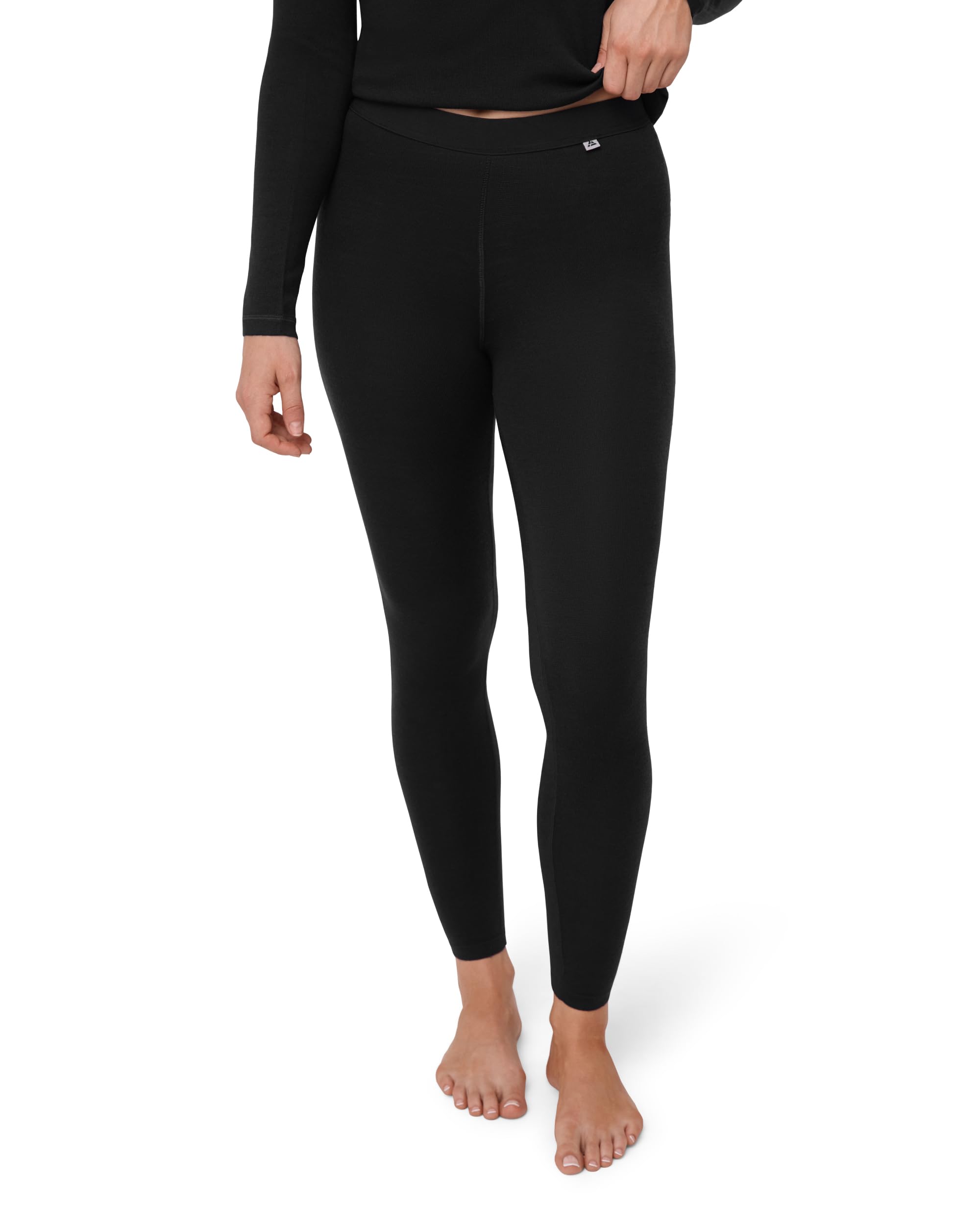
Danish Endurance brings a merino wool blend to the entry-level price point without cutting critical features like flatlock seams and a wide waistband. The fabric composition mixes merino with synthetic fibers (typically nylon and spandex) to increase durability and stretch while keeping the garment affordable — a smart compromise for skiers who want wool’s temperature regulation but need a base layer that survives frequent washes. The midweight build sits comfortably between 200-240 gsm, making it suitable for most resort conditions from late fall through early spring.
The flatlock seams are well-executed and sit flush, reducing chafing risk during long days. The waistband is elastic and wide enough to stay put without digging into the waist, and the gusseted crotch provides good mobility for skiing movements. The blend fabric dries faster than pure merino, which is handy for multi-day trips where quick turnaround matters. The price point makes this an accessible option for skiers building their gear kit on a budget, or for those who want a dedicated base layer for each day of a trip without spending premium money.
The merino content is lower than 100% options, so odor resistance is reduced compared to pure wool base layers — expect to wash these after each use if you are sensitive to smell. The synthetic components may also feel slightly less warm against the skin than a higher-gram pure merino fabric. Some users note that the fit runs slightly large, so you may want to size down for a snug base layer fit that functions optimally under a shell.
Why it’s great
- Merino blend offers wool warmth with added synthetic durability and faster drying.
- Flatlock seams and gusseted crotch at a budget-friendly price point.
- Midweight versatility works across a wide range of resort conditions.
Good to know
- Lower merino content reduces natural odor resistance compared to 100% wool.
- Synthetic components can feel slightly less warm than high-gram pure merino.
- Fit runs a bit large; consider sizing down for ideal base layer compression.
6. Midweight Merino Wool Base Layer Women Set, Moisture Wicking Warm Women’s Thermals Top and Bottom for Ski Snowboard

This midweight merino wool set delivers a complete top-and-bottom base layer system at a single purchase price, making it a convenient option for skiers who need both pieces without the hassle of matching separate items. The fabric uses a merino wool blend that provides natural temperature regulation and moisture wicking, suitable for the majority of resort skiing days. The bottom portion features a fitted silhouette with flatlock seams and a wide elastic waistband designed to stay in place during movement. The midweight build (approximately 200-240 gsm) offers enough insulation for typical winter conditions without feeling bulky under a shell.
Having a coordinated set means the top and bottom are designed to work together in terms of fabric stretch, thickness, and seam placement — this reduces the chance of one piece feeling restrictive while the other is too loose. The top has a crew neck design with long sleeves and thumbholes, which helps keep the sleeves in place when layering under a jacket. The moisture wicking performance is solid for low-to-moderate output skiing, and the flatlock seams do a good job preventing chafing during extended wear. The set format is also ideal for gift-giving or for skiers who are outfitting a new kit from scratch.
The merino content in this blend is lower than premium options, which means odor resistance is not as robust as 100% merino sets. The fit tends to be true to size but runs slightly relaxed rather than compressive, which may not suit skiers who prefer a more performance-oriented snug layer. The fabric quality at this price point is decent but may show signs of wear (pilling or seam fraying) faster than higher-end competitors. The set also includes a top that not every skier needs, especially if you already own a favorite base layer top.
Why it’s great
- Complete top and bottom set at a single convenient purchase price.
- Midweight merino blend works well across typical resort temperature ranges.
- Flatlock seams and thumbholes on the top enhance layering comfort.
Good to know
- Lower merino content means reduced odor resistance vs pure wool options.
- Relaxed fit may not provide the snug compression some skiers prefer.
- Fabric may show pilling faster than higher-end merino base layers.
7. Helly Hansen Legendary Insulated Ski Pants for Women – Waterproof, Windproof, Breathable Snow Trousers w/PrimaLoft Insulation
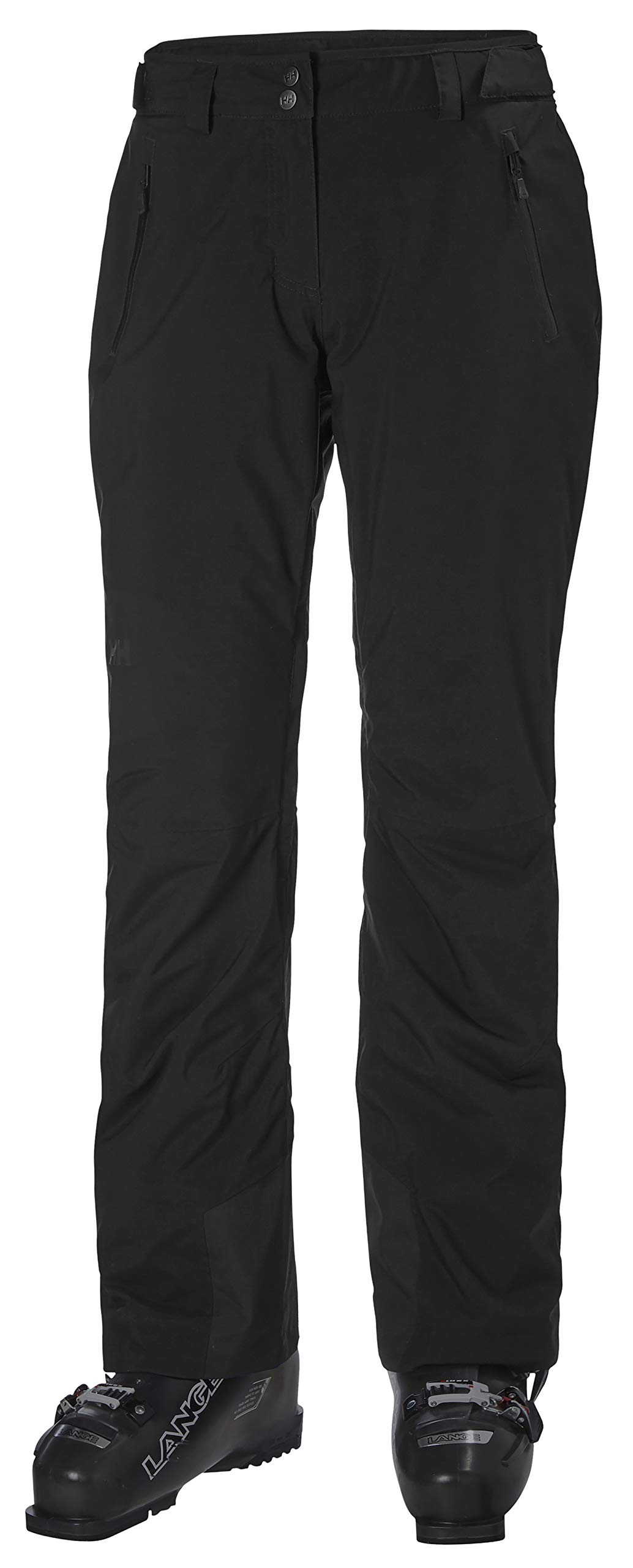
The Helly Hansen Legendary Insulated Ski Pants are a standalone shell-and-insulation solution rather than a traditional base layer legging. These pants feature HELLY TECH PERFORMANCE Construction, delivering reliable waterproof and windproof protection while remaining breathable enough to manage moisture from a lightweight base layer underneath. The PrimaLoft insulation provides substantial warmth without the excessive loft of a heavy puffy, making these suitable for skiers who want an all-in-one lower body solution without the layering complexity. The adjustable waist allows for a customizable fit, and thigh ventilation zippers offer temperature control during high-output runs.
The pants are designed for serious resort skiing with features that matter on the mountain: a DWR finish for bead-up water resistance, reinforced cuffs to protect against ski edges, and zippered pockets for essentials. The BLUESIGN certification reflects Helly Hansen’s commitment to sustainable manufacturing, which matters for eco-conscious skiers. The medium-stretch fabric provides enough give for dynamic movements without feeling restrictive, and the regular fit accommodates a thin base layer underneath without being too baggy. The thigh vents are generous and easy to operate with gloves on, allowing you to dump heat quickly on warm spring days.
These pants are not a base layer — they replace the need for a separate shell pant and insulation layer, which means you still need a proper base layer underneath. The medium weight insulation is not sufficient for extreme cold temperatures (below 10°F) without a heavier base layer or additional mid layer. The non-stretchable fabric construction (100% polyester) means there is no inherent stretch, so the articulated knees do the work of providing mobility. Some users report the waist can feel snug against a thick mid layer, so consider sizing up if you plan to layer heavily underneath.
Why it’s great
- HELLY TECH PERFORMANCE offers reliable waterproof and windproof protection.
- PrimaLoft insulation provides substantial warmth in a single garment.
- Thigh zippers and adjustable waist add functional versatility on the mountain.
Good to know
- This is an insulated shell, not a base layer — still requires a base underneath.
- Medium weight insulation may not be enough for extreme cold without additional layering.
- Non-stretch fabric relies on articulated knees for mobility; waist may feel snug with thick layers.
FAQ
Can I wear cotton leggings for skiing?
What weight base layer should I choose for 20°F skiing?
Final Thoughts: The Verdict
For most skiers, the best leggings for skiing is the Smartwool Classic Thermal Merino Base Layer Bottom because its 250 gsm weight and flatlock seams deliver the ideal balance of warmth, comfort, and durability for the majority of resort days. If you run hot and need fast moisture transfer, grab the Helly-Hansen LIFA Merino. And for deep cold days where warmth is the only priority, nothing beats the MERIWOOL 400g Heavyweight.