Finding a protein bar that delivers true lemon flavor—bright, tangy, not a whisper of artificial candy—without a frustrating protein-aftertaste or a hidden sugar bomb is harder than it sounds. Most bars in this aisle lean heavy on chocolate or peanut butter, leaving lemon lovers with slim pickings that often sacrifice macros for flavor.
I’m Emma — the founder and writer behind Baby Bangs. Across dozens of reviews, I’ve analyzed how each bar handles the core tension: keeping a clean ingredient deck while delivering a genuinely satisfying citrus note and enough protein to actually matter.
The goal here is simple: recommend the best lemon protein bars that balance protein content, sugar management, and real lemon taste without gimmicks.
How To Choose The Best Lemon Protein Bars
The lemon protein bar category requires a specific filter. You aren’t just looking for any protein bar; you want one where the citrus note cuts through the usual chocolate and nut butter monotony without tasting like a cleaning product. The three factors below separate the genuinely refreshing bars from the mislabeled ones.
Protein Source and Texture
Whey-based bars (like the think! and Pure Protein entries) typically deliver a smoother, less gritty chew and allow a cleaner lemon flavor to shine because the protein itself is neutral in taste. Plant-based options often use pea or brown rice protein, which can introduce a savory undertone that clashes with the intended bright citrus. For a true lemon hit, whey isolates or blends generally work better, but if you need plant-based, look for bars that use organic brown rice syrup or natural lemon oil to mask the earthy notes.
Sweeteners: The Hidden Saboteur of Citrus
Lemons are naturally tart, so manufacturers need a sweetener to balance that bite. The trap is bars leaning on erythritol or stevia, which can leave a cooling aftertaste or a lingering bitterness that overpowers the lemon. Quest bars use erythritol heavily for their low-carb profile, which works for macros but can produce a throat-cooling sensation that clashes with the lemon cake flavor. If you want a purely natural taste without that cooling effect, seek bars sweetened with monk fruit or allulose, or ones that simply don’t need heavy sugar substitutes because they use real fruit enzymes.
Fiber and Net Carb Profile
Many lemon-flavored bars are marketed as keto-friendly, which means they replace sugar with fiber and sugar alcohols. The type of fiber matters: chicory root fiber (inulin) can cause gas in higher doses, while tapioca fiber is gentler. For a daily snack, a bar with 10g+ of fiber might be too aggressive for your gut if you aren’t accustomed to it. If you prioritize digestive comfort alongside lemon flavor, a moderate fiber bar (around 3-5g) with a clean protein base is often the better daily choice.
Quick Comparison
On smaller screens, swipe sideways to see the full table.
| Model | Category | Best For | Key Spec | Amazon |
|---|---|---|---|---|
| GoMacro MacroBar Lemon + Lemon | Plant-Based | Organic whole-food snack | 2.3 oz bar, 10g protein, organic | Amazon |
| ALOHA Lemon Cashew | Plant-Based | Low sugar, paleo-friendly | 14g protein, 4g sugar, no stevia | Amazon |
| think! Lemon Delight | Whey Blend | Highest protein, zero sugar | 20g protein, 0g sugar, gluten free | Amazon |
| Quest Lemon Cake | Whey Isolate | Keto dieters, low carb | 21g protein, 1g net carb, erythritol | Amazon |
| Pure Protein Variety Pack | Whey Blend | Budget-friendly multipack | 20g protein, 1.76 oz per bar | Amazon |
In‑Depth Reviews
1. think! Lemon Delight
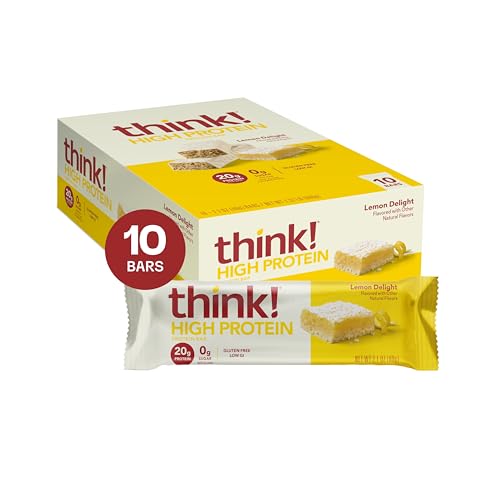
The think! Lemon Delight is the benchmark for what a lemon protein bar should achieve. It packs a full 20 grams of protein per 2.1-ounce bar without relying on sugar alcohols or artificial sweeteners to make the lemon flavor palatable. The base is a whey protein blend, which gives it a soft, chewy texture rather than the chalky or hard consistency typical of many high-protein bars. The lemon flavor here is genuinely tangy, supported by small almond pieces and a thin yogurt-style coating that brightens the citrus without turning cloying.
Nutritionally, this bar is a standout for those managing their sugar intake. It lists zero grams of sugar, but the sweetness comes from a mix of polydextrose and maltitol, which are sugar alcohols, unlike the erythritol-heavy formulas found in competing bars. For most people, this means a mild sweetness that doesn’t overpower the lemon or leave a cold aftertaste. The bar also holds up well as a meal replacement when paired with fruit, as the protein and fiber (9g) provide lasting satiety through the afternoon.
The only real tradeoff is the 190-calorie count, which is moderate for a 20g protein bar, and the inclusion of palm kernel oil in the coating, which some users prefer to avoid. But for the nutritional trifecta — high protein, zero sugar, and a genuinely pleasant lemon flavor — this bar remains the top-tier choice for daily use.
Why it’s great
- Full 20g protein without artificial sugars
- Genuine lemon flavor with almond crunch
- Zero sugar and gluten-free
Good to know
- Contains maltitol, which can cause mild bloating for sensitive stomachs
- Coating uses palm kernel oil
2. Quest Lemon Cake

The Quest Lemon Cake bar is engineered for those living the keto lifestyle or anyone needing extreme carb control. With 21 grams of protein and only 1 gram of net carbs, it fits a strict macro plan that other lemon bars simply cannot match. The bar uses a whey protein isolate base, which keeps the texture dense and fudgy rather than dry, and the “lemon cake” flavor comes through as a sweet, dessert-like profile that tastes like a healthier lemon loaf. The primary sweetener is erythritol, providing the bulk of the sweetness while keeping blood sugar impact minimal.
The texture here is distinct from the think! bar — it is chewier and slightly denser, which some users compare to a baked good. The lemon flavor is less tangy and more sweet-cake, which makes it a satisfying treat for those who miss desserts on a low-carb diet. The fiber content (19g total, mostly from chicory root) is exceptionally high, contributing to that low net carb count but also potentially causing digestive discomfort for people not used to high-fiber bars. The bar contains no artificial colors or flavors, and the lemon taste is clean, without the chemical bite found in some other citrus fitness bars.
The main point of hesitation is the erythritol cooling effect. After the first few bites, many users report a slight cold sensation on the tongue that persists, which can clash with the cake flavor expectation. For anyone strictly counting net carbs, this is a non-issue, but if you prioritize a purely natural taste over macro perfection, this may not be your daily driver.
Why it’s great
- Extremely low net carbs for keto compatibility
- Dense, cake-like texture without sugar
- High protein-to-calorie ratio
Good to know
- Erythritol can leave an unpleasant cooling aftertaste
- High chicory root fiber may cause gas for some users
3. GoMacro MacroBar Lemon + Lemon
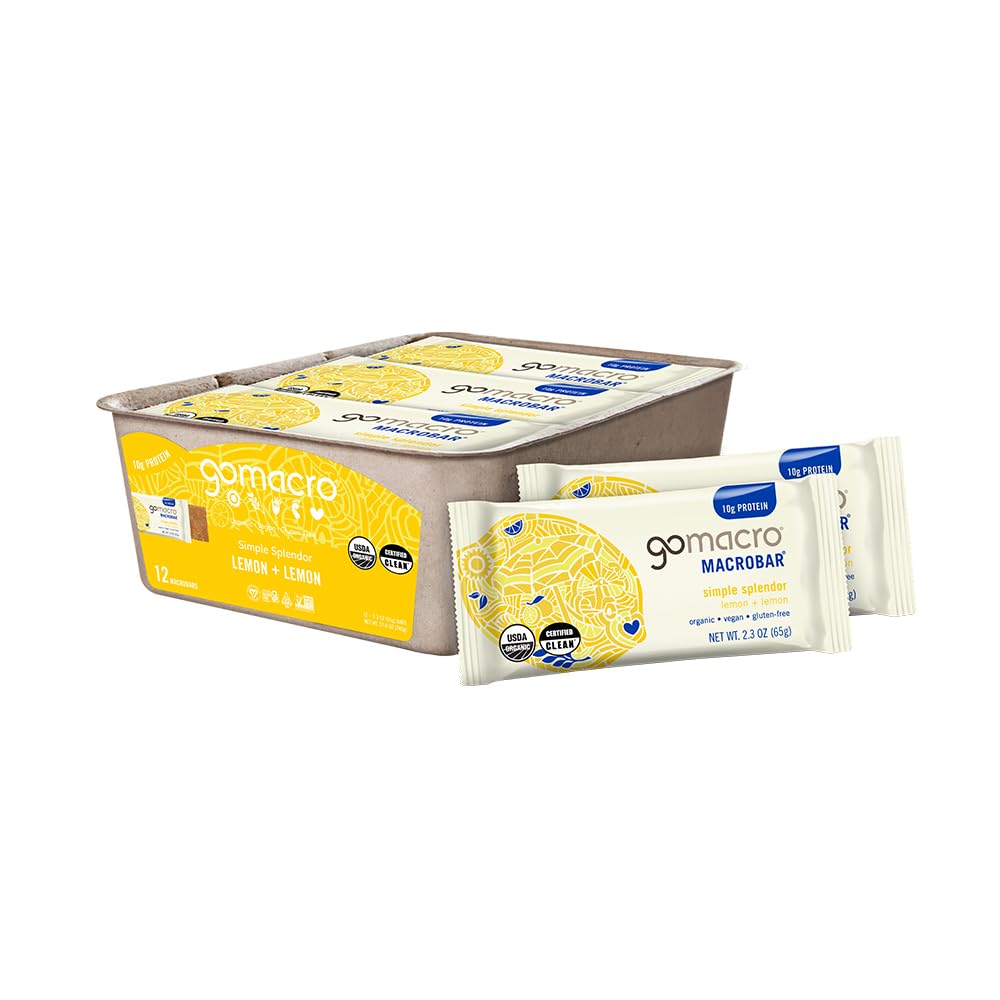
The GoMacro MacroBar Lemon + Lemon is the bar for the organic-focused buyer. It is USDA Organic, vegan, gluten-free, and made entirely from plant-based protein (sprouted brown rice protein and pea protein). The flavor is built on a base of organic lemon juice and lemon oil, which gives it a bright, fresh-citrus taste that is noticeably lighter and more natural than the heavily processed flavors of whey-based competitors. At 10 grams of protein per 2.3-ounce bar, it is lower in protein than the think! or Quest options, but the tradeoff is an ingredient list that reads like a kitchen pantry, free from sugar alcohols or isolated fibers.
The texture is soft and slightly sticky, closer to a granola bar than a protein bar. It is sweetened with organic brown rice syrup and organic agave nectar, which means it contains 8g of sugar per bar — higher than the other options here, but the sugar comes from whole food sources rather than syrups designed purely for sweetness. The lemon flavor is the star, with a gentle tartness that hits immediately and fades into a mild nuttiness from the almond butter base. This bar works best as a morning snack or pre-workout fuel rather than a post-workout recovery option, given its moderate protein load.
The calories sit at 260 per bar, which is higher than any other bar on this list due to the generous nut butter and grain content. For those who follow a whole food diet and want a bar that feels like a real snack rather than a pharmaceutical product, the GoMacro delivers. It just won’t satisfy someone looking for 20g of protein in a compact package.
Why it’s great
- USDA Organic and fully plant-based
- Real lemon juice for a bright, natural flavor
- No isolated fibers, sugar alcohols, or artificial sweeteners
Good to know
- Only 10g protein per bar
- Higher in sugar (8g) and calories (260)
4. ALOHA Lemon Cashew

The ALOHA Lemon Cashew bar fills a specific gap in the plant-based protein market: a bar that is low in sugar (4g), uses no stevia or erythritol, and still delivers a clean, nutty-lemon flavor. Most vegan bars that avoid sugar alcohols end up tasting like sweetened dirt, but ALOHA manages this through a clever base of organic cashew butter and organic pumpkin seeds, which provide a creamy, fatty texture that carries the lemon oil and vanilla extract. The protein comes from a blend of organic pea and brown rice proteins, totaling 14 grams per bar, which is a solid middle ground for plant-based options.
The sweetness level is subtle — this is not a “dessert” bar. The 4g of sugar come from organic coconut sugar and monk fruit extract, which provides a gentle sweetness without the throat-cooling effect of stevia. The lemon flavor is present but mellow, playing a supporting role to the cashew butter rather than dominating. The texture is softer and slightly crumbly compared to the dense chew of whey-based bars, but it holds together well in a bag or desk drawer without melting. This is a bar that tastes like real food, with a subtle lemon aroma rather than a punch of artificial citrus.
The bar is also paleo-friendly and verified non-GMO. At 34g of net carbs (with 6g fiber and 4g added sugar), it is not ideal for strict keto dieters, but it excels as a clean, daily snack for anyone who prioritizes ingredient purity above all else. The only downside is the price point, which sits at the premium end of the spectrum, and the texture can be a bit dry if not consumed with water.
Why it’s great
- No stevia, no erythritol — monk fruit sweetened
- Real cashew butter base for a rich, natural mouthfeel
- Certified organic and paleo-friendly
Good to know
- Texture can be dry and crumbly on its own
- Higher carbohydrate content not ideal for keto
5. Pure Protein Variety Pack

The Pure Protein Variety Pack is the entry-level option for someone who wants a solid 20g of protein per bar at a cost-per-bar that is hard to beat, but the tradeoff is consistency in flavor and texture. This pack includes multiple flavors, but the lemon-centric options (typically a “Lemon Cake” or “Lemon Meringue” variant) are present within the variety rotation. The bars use a whey protein concentrate and isolate blend sweetened with a mix of sugar and sucralose, which means they contain 2g of sugar per bar and a slight artificial aftertaste that is more noticeable in the citrus flavors than in the chocolate variants.
The texture is firmer and drier than the think! bar, closer to a crunchy granola bar than a soft protein bar. The lemon flavor, when you get it, is more candied than fresh — think lemon drop candy rather than a slice of lemon cake. For someone who needs a cheap, reliable protein source to keep in a gym bag and doesn’t prioritize flavor nuance, this works. The bars also contain a significant amount of soy lecithin (for texture) and artificial flavors, which is a step down in ingredient quality from the GoMacro or ALOHA options.
The main advantage here is the sheer volume: 18 bars in a single box, making it a low-friction option for stocking up. If you prioritize macros over flavor and don’t mind a bit of artificial lemon kick, this is a viable daily choice. However, compared to the think! or Quest bars, the lemon flavor here is less refined and the overall bar feels noticeably lower in quality.
Why it’s great
- High value with 18 bars per box
- Solid 20g protein per bar
- Low sugar content (2g)
Good to know
- Artificial lemon flavor and aftertaste are noticeable
- Texture is dry and crunchy, not chewy
FAQ
Do lemon protein bars actually taste like real lemons or are they artificially flavored?
Can I eat lemon protein bars on a keto diet?
Why do some lemon protein bars have a cold aftertaste?
Which lemon protein bar has the highest protein content?
Final Thoughts: The Verdict
For most users, the lemon protein bars winner is the think! Lemon Delight because it delivers a full 20g of protein with a genuinely tangy lemon flavor and zero sugar, all in a soft, satisfying texture. If you need a bar that fits a strict keto macro plan, grab the Quest Lemon Cake. And for an organic, plant-based option with real ingredients and a clean taste, nothing beats the GoMacro Lemon + Lemon.