A running shoe that feels like a weight on your foot can ruin a solid run before the first mile is over. The wrong pair slows your turnover, fatigues your calves faster, and makes every stride a negotiation with gravity. That’s why featherlight construction isn’t a luxury — it’s the foundation of efficient running.
I’m Emma — the founder and writer behind Baby Bangs. I dig into foam compound densities, outsole rubber coverage, and stack heights to find the shoes that balance low weight with real midsole support.
The market is flooded with options that claim to be featherlight, but true speed requires real engineering. Whether you’re a road runner chasing a PR or a trail lover trimming pack weight, this guide to the best lightweight running shoes breaks down the foam, drop, and fit that actually matter.
How To Choose The Best Lightweight Running Shoes
A truly lightweight running shoe does more than save ounces — it reshapes how your foot lands and how your legs feel after mile ten. Three specs separate the contenders from the weighty pretenders.
Foam Compound & Energy Return
The midsole foam dictates the shoe’s heft and responsiveness. Standard EVA offers decent cushioning at a lower price but packs on grams. PEBA-based foams (found in premium models) deliver superior energy return with significantly less weight. TPU blends sit in the middle, offering durability with a slight weight penalty. Look for shoes that disclose their foam chemistry — generic “cushioning” often means heavy.
Heel-to-Toe Drop and Your Stride
Drop is the difference in height between the heel and forefoot. A lower drop (0–6 mm) encourages a midfoot or forefoot strike, which many runners find more efficient for speed work. A higher drop (8–12 mm) accommodates heel strikers and reduces Achilles strain. The right drop aligns with your natural gait cycle; the wrong one can cause knee or hip discomfort regardless of shoe weight.
Quick Comparison
On smaller screens, swipe sideways to see the full table.
| Model | Category | Best For | Key Spec | Amazon |
|---|---|---|---|---|
| Brooks Launch 10 | Premium Road | Speed workouts & daily mileage | 9.5 oz (men’s size 9) | Amazon |
| ALTRA Lone Peak 9 | Premium Trail | Technical trails & zero-drop fans | 10.8 oz (men’s size 9) | Amazon |
| ASICS Gel-Excite 11 | Mid-Range Road | Budget-conscious daily trainers | 10.1 oz (men’s size 9) | Amazon |
| Nike Journey Run | Mid-Range Road | Long runs & easy recovery | 9.8 oz (men’s size 9) | Amazon |
| UA Infinite | Mid-Range Road | High-mileage cushioning | 11.2 oz (men’s size 9) | Amazon |
| Adidas Terrex Tracefinder | Mid-Range Trail | Light trail & gravel paths | 11.5 oz (men’s size 9) | Amazon |
| UA Charged Speed Swift | Budget Road | Gym-to-run versatility | 9.2 oz (women’s size 8) | Amazon |
In‑Depth Reviews
1. Brooks Launch 10 Neutral Running Shoe
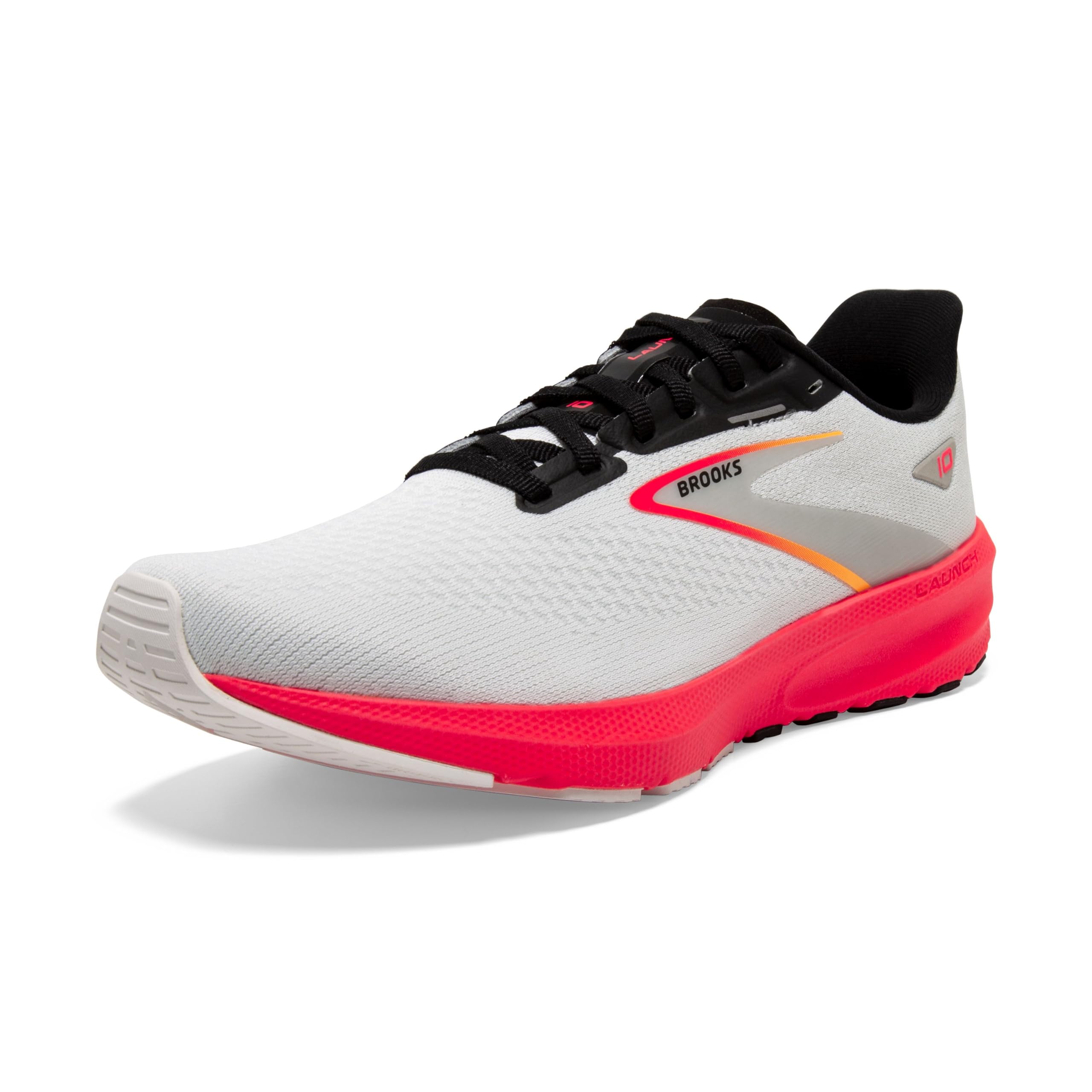
The Brooks Launch 10 hits the sweet spot between race-day snap and daily-mileage comfort. At roughly 9.5 ounces, it sheds weight without stripping away the midsole resilience that Brooks is known for. The BioMoGo DNA foam delivers a responsive ride that doesn’t bottom out on longer runs, and the engineered mesh upper keeps the foot secure without adding bulk.
What sets the Launch 10 apart for speed work is the 10 mm drop, which gives heel strikers a smooth, efficient transition through the gait cycle. The outsole uses green rubber compound in high-wear zones, extending tread life while keeping the overall weight impressively low for a trainer that can handle 300+ miles.
The internal fit is true to size with a medium width that accommodates normal to slightly narrow feet. Runners who prefer a plush step may find the midsole firm initially, but after a short break-in period the foam softens without losing its lively return.
Why it’s great
- Light enough for tempo runs but cushioned for 10+ mile days
- Outsole placement extends durability without adding mass
- Consistent Brooks sizing reduces order-risk
Good to know
- 10 mm drop may feel steep for forefoot strikers
- Upper lacks reflective elements for low-light visibility
- Not available in wide widths
2. ALTRA Lone Peak 9 Trail Running Shoe

The ALTRA Lone Peak 9 is the gold standard for zero-drop trail running. Its 0 mm drop encourages a natural midfoot strike, and the FootShape toe box allows toes to splay on uneven terrain — reducing the risk of blisters and black toenails on technical descents. Weighing roughly 10.8 ounces, it’s remarkably light for a shoe with a MaxTrac outsole and a 25 mm stack height.
The midsole uses Altra EGO foam, which is a nitrogen-infused compound that provides a soft yet responsive feel without the deadening that plagues heavy EVA blends. The upper has been reworked with a more durable mesh that resists trail debris while maintaining breathability for hot-weather runs. The grippy outsole lugs are spaced to shed mud efficiently, keeping you stable on loose-over-hardpack surfaces.
Zero-drop requires patience if you are transitioning from a traditional shoe — expect a week or two of calf soreness as your body adapts. The wide toe box also means ALTRA’s sizing runs slightly short for some; ordering a half size up is common for longer distances to prevent toe-stubbing on descents.
Why it’s great
- Zero drop and wide toe box promote natural foot mechanics
- EGO foam is lightweight with solid energy return
- Outsole excels on dry to moderately wet rock
Good to know
- Zero drop requires an adaptation period
- Not ideal for heel strikers on pavement
- Durability of the upper mesh can fray on sharp scree
3. ASICS Gel-Excite 11 Running Shoes
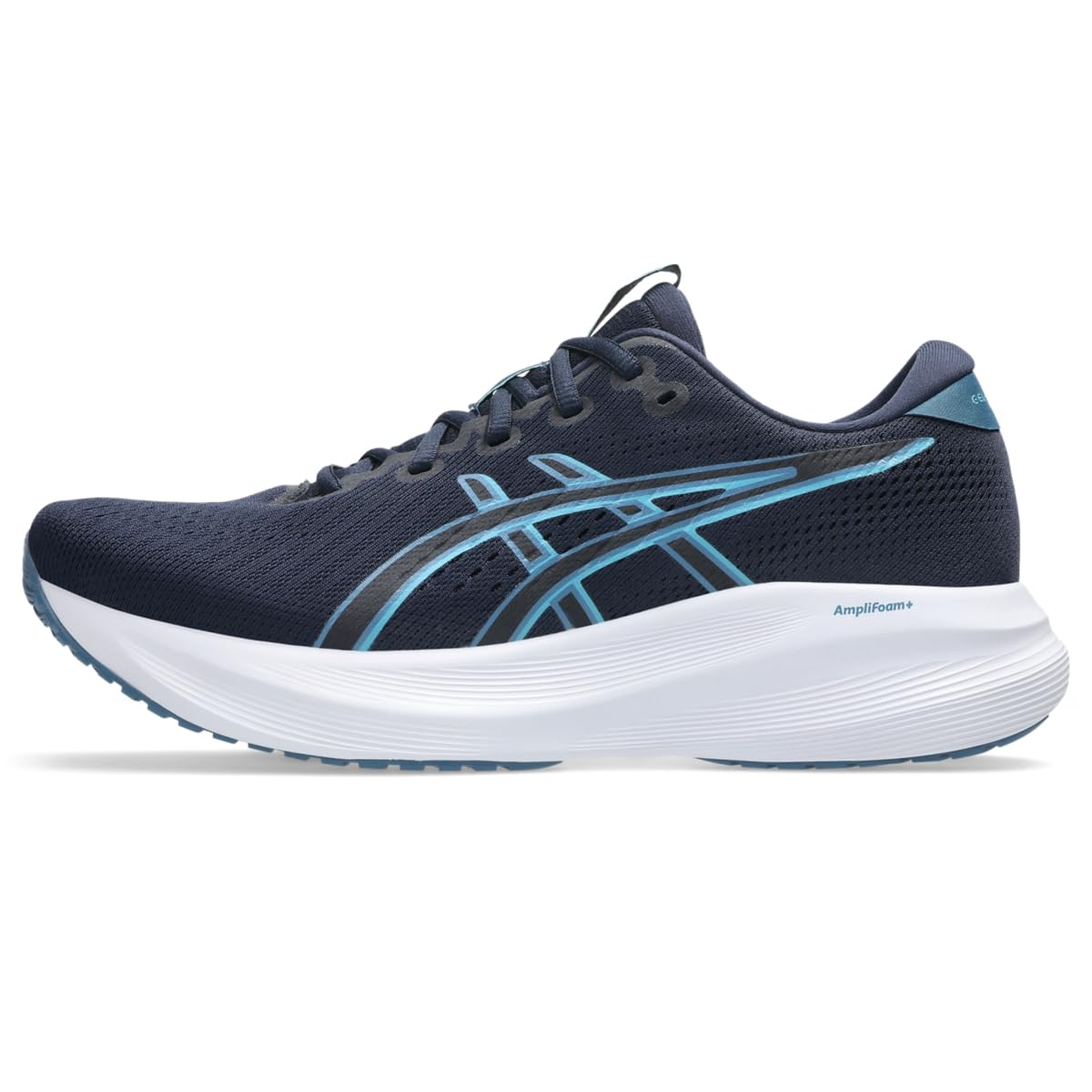
The ASICS Gel-Excite 11 proves you don’t need to spend premium dollars for a legit lightweight daily trainer. The AmpliFoam midsole offers a plush, forgiving ride that absorbs road shock without the heavy, sluggish feel of older EVA compositions. At just over 10 ounces, it’s competitive with shoes costing twice as much.
The rearfoot GEL technology adds targeted shock absorption at heel strike, making this a solid choice for runners with a pronounced heel-striking gait. The orthogonal last follows the foot’s natural shape, providing a comfortable fit for medium to slightly wide feet. The outsole uses a solid rubber strip that wraps around the heel, delivering surprising durability for a shoe in this tier.
Fit is true to size with a standard volume that works for most foot shapes. The upper is a breathable engineered mesh that lacks the premium feel of knit uppers but keeps weight down. The midsole breaks in quickly, but some runners may find the forefoot a bit firm on very long runs beyond the half-marathon distance.
Why it’s great
- Impressive weight-to-cushion ratio for the tier
- Rearfoot GEL absorbs hard heel strikes without adding heft
- Orthogonal last accommodates medium to wider feet
Good to know
- Forefoot cushioning feels minimal on runs beyond 13 miles
- Lacing system can loosen during long efforts
- Upper lacks structure for aggressive lateral movements
4. Nike Journey Run Road Running Shoes

The Nike Journey Run is a well-balanced road trainer that blends a low-ish weight with enough stack height to handle easy and recovery runs. The foam midsole uses Nike’s softer compound, providing a smooth, gliding ride that reduces fatigue on longer efforts. At roughly 9.8 ounces, it stays light enough for a runner who wants one shoe for both a steady 10K and a relaxed long run.
The engineered mesh upper is pliable and breathes well, though it lacks the lockdown security of more race-oriented Nike models like the Vaporfly. The outsole uses a waffle-piston pattern that grips well on dry pavement but can feel slick on wet painted lines. The heel counter is padded but not overly structured, making this a comfortable option for runners with sensitive heels.
The fit runs slightly narrow in the midfoot — those with wider feet may need to size up half a length. The midsole has a noticeable forward rocker that encourages a quicker toe-off, which is helpful for maintaining pace on longer runs without extra effort from the calves.
Why it’s great
- Rocker geometry reduces effort in the push-off phase
- Good balance of weight and forefoot stack height
- Pliable upper minimizes hot spots on long runs
Good to know
- Midfoot fit is narrow for a daily trainer
- Outsole grip weak on wet surfaces
- Lacks a dedicated speed-work pop
5. Under Armour Infinite Running Shoes
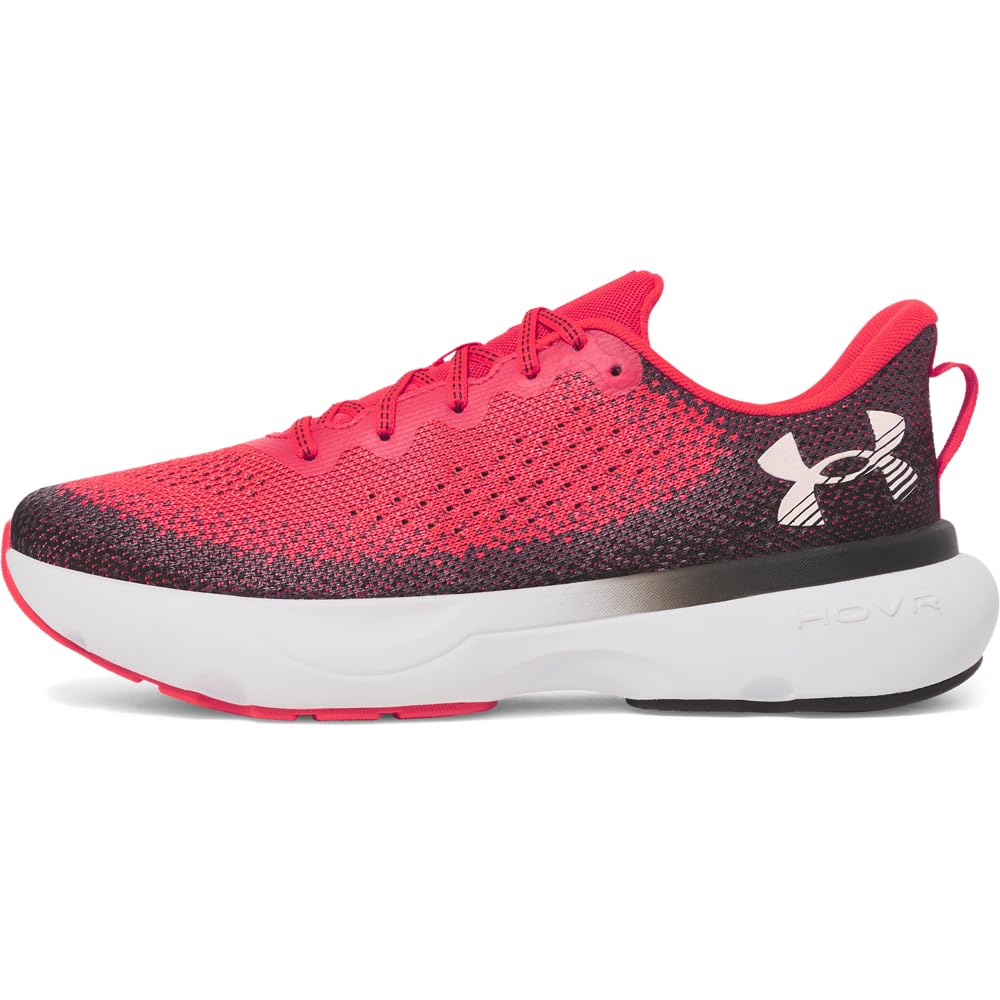
The Under Armour Infinite is built for the runner who logs heavy mileage and prioritizes impact protection over absolute minimum weight. The UA HOVR foam core provides a soft, energetic ride that reduces ground impact without sacrificing responsiveness. At 11.2 ounces it’s on the heavier side for a lightweight list, but the cushion-to-weight ratio is solid for a high-stack trainer.
The outsole uses a carbon rubber compound that holds up well on asphalt, making this a durable option for runners who grind the same pavement loops. The knit upper wraps the foot with a sock-like fit that moves naturally through the gait cycle. The 8 mm drop hits a comfortable middle ground suitable for both heel and midfoot strikers.
The footbed has a slightly higher arch than many neutral trainers — runners with flat feet may feel the arch support digging in on shorter runs. Break-in time is about two runs, after which the HOVR foam loosens into a bouncier ride.
Why it’s great
- HOVR foam offers excellent impact absorption for high-mileage training
- Carbon rubber outsole extends shoe life on pavement
- Knit upper provides a comfortable, adaptive fit
Good to know
- Heavier than true lightweight competitors
- Arch support may feel aggressive for flat-footed runners
- Knit upper lacks structure for fast cornering
6. adidas Terrex Tracefinder Trail Running Shoes

The adidas Terrex Tracefinder is a solid entry point for runners who mix pavement commutes with light trail sections. The Continental rubber outsole provides reliable grip on wet and dry surfaces, and the midsole uses a lightweight EVA blend that keeps the weight manageable for a trail-capable shoe. At 11.5 ounces, it’s heavier than pure road shoes but impressively light for a shoe with trail lugs.
The mesh upper includes a toe cap for protection against rocks and roots, though the cap is flexible enough that it won’t feel like a clunky bumper. The 8 mm drop suits runners transitioning from road to trail, providing a familiar feel while the outsole lugs dig into gravel and hardpack. The tongue is gusseted to keep trail debris out, and the drainage ports help shed water after creek crossings.
The shoe runs long — consider going a half size down from your normal road shoe size for a secure fit on technical terrain. The midsole is firm compared to dedicated trail models from ALTRA or HOKA, so this is best suited for shorter trail runs or as a rugged daily trainer.
Why it’s great
- Continental rubber outsole grips well on damp surfaces
- Gusseted tongue keeps trail debris out effectively
- Light enough for mixed road-to-trail sessions
Good to know
- Runs long — order a half size down for technical trails
- Midsole is noticeably firmer than cushioned trail shoes
- Toe cap offers moderate protection only
7. Under Armour Charged Speed Swift Running Shoes
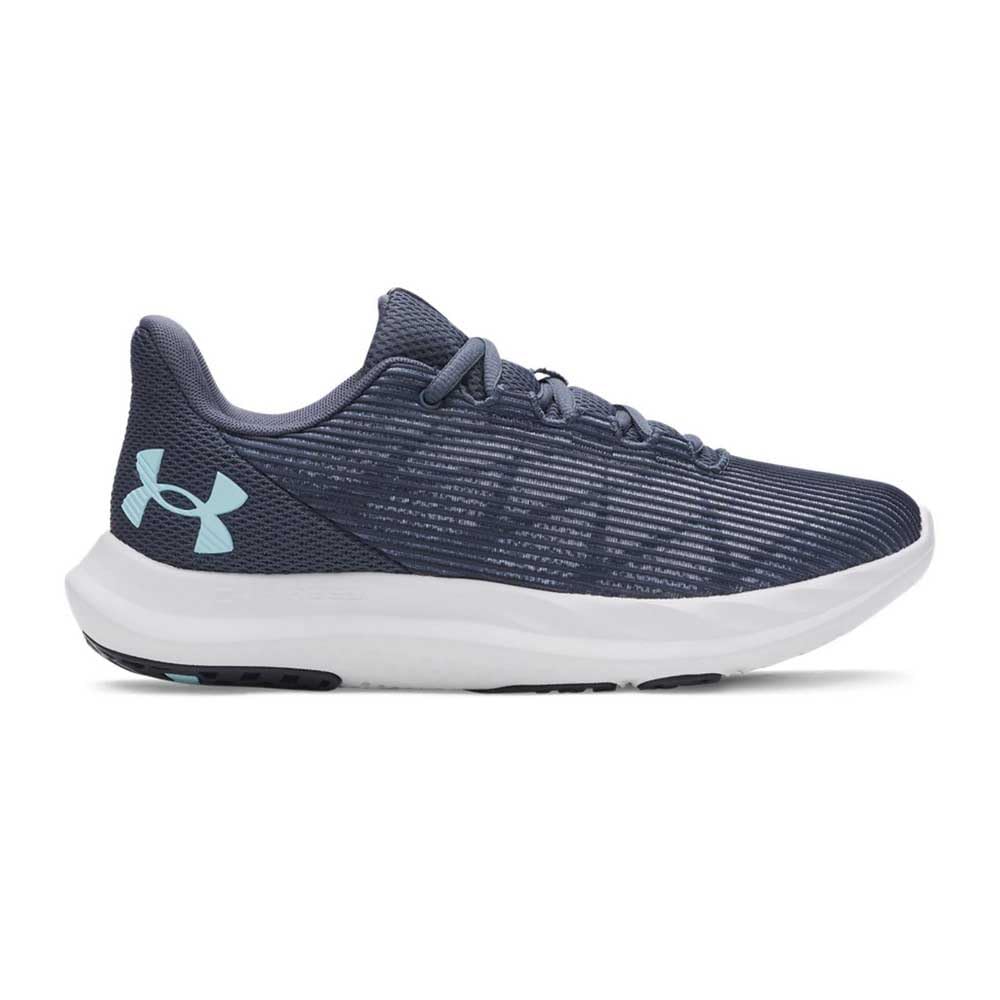
The Under Armour Charged Speed Swift delivers an impressive sub-10-ounce weight at a price point that makes it accessible for runners on a tight budget. The Charged Cushioning midsole uses compression-molded foam that provides a responsive, slightly firm ride — good for short to moderate distances where ground feel matters more than cloud-like plushness.
The outsole uses a solid rubber pad in the heel and forefoot, with exposed foam in the midfoot to save grams. The mesh upper is lightweight and breathable, with a simple lacing system that locks down the midfoot without pressure points. The 8 mm drop sits in the Goldilocks zone for most runners.
Durability is the predictable trade-off at this tier — the outsole rubber wears faster than premium models, especially for heel strikers. The fit favors narrow to normal-width feet, and the foam compresses noticeably after 150–200 miles. This is a strong choice for a secondary shoe for gym sessions or short road runs where you want minimal weight without a major financial commitment.
Why it’s great
- Sub-10-ounce weight at a budget-friendly cost
- Solid rubber placement in high-wear zones extends life
- 8 mm drop works for both heel and midfoot strikers
Good to know
- Outsole rubber wears faster than premium trainers
- Midsole loses resilience after 150–200 miles
- Best suited for narrow to normal-width feet
FAQ
How much weight difference actually matters in a running shoe?
Are lightweight running shoes less durable than heavier models?
Can I wear lightweight trail shoes for road running?
Final Thoughts: The Verdict
For most runners, the best lightweight running shoes winner is the Brooks Launch 10 because it delivers a sub-10-ounce weight without sacrificing the midsole resilience needed for daily training. If you want a zero-drop trail specialist that encourages natural foot mechanics, grab the ALTRA Lone Peak 9. And for budget-conscious runners who still want a true lightweight trainer, nothing beats the Under Armour Charged Speed Swift.