Whether you’re sprinting between meetings, recovering from a tough workout, or simply trying to cut down on decision fatigue around food, a liquid meal replacement is the difference between fueling your body right and grabbing whatever is fastest. The challenge is cutting through the marketing fluff to find a shake that actually delivers balanced macros, clean ingredients, and real satiety.
I’m Emma — the founder and writer behind Baby Bangs. I’ve spent years analyzing food science literature and comparing ready-to-drink nutrition products based on their protein quality, fiber content, micronutrient density, and ingredient transparency.
This guide breaks down seven of the most popular options on the market today, scoring each on nutrition, taste, and value so you can confidently choose the best liquid meal replacement for your lifestyle.
How To Choose The Best Liquid Meal Replacement
Not every shake in a bottle qualifies as a true meal replacement. A genuine option should deliver a balanced ratio of protein, carbohydrates, and fat, along with a respectable fiber count and a full suite of essential vitamins and minerals. The first filter is always the protein-to-calorie ratio: you want at least 15 grams of protein per 200–250 calories to support satiety and muscle maintenance. The second filter is fiber — aim for at least 3 grams to slow digestion and blunt blood sugar spikes. Finally, scan the ingredient deck. Watch for artificial sweeteners, carrageenan, or synthetic vitamin blends that suggest a cheap formulation. The best products in this category prioritize whole-food-derived nutrients and clean protein sources.
Caloric Density and Your Goals
Your specific calorie needs dictate which tier of meal replacement suits you. A standard meal replacement typically falls between 150 and 250 calories per serving, ideal for weight management or a light breakfast. High-calorie options pushing past 350 calories work better for recovery, bulking, or individuals with higher metabolic demands. If you’re using these shakes as a total meal swap, ensure the caloric load matches what you would otherwise eat — otherwise, you risk hunger pangs an hour later.
Ingredient Quality and Allergen Profiles
Plant-based versus dairy-based is the first fork in the road. Dairy protein (whey, milk isolate) offers a higher leucine content for muscle protein synthesis but can trigger bloating for lactose-sensitive individuals. Plant proteins — pea, brown rice, chickpea — are generally hypoallergenic and often pair with digestive enzymes to improve absorption. The second fork is organic certification. Products that carry USDA Organic or Non-GMO Project Verified badges tend to avoid synthetic pesticides and GMO crops, which matters if you are treating this as a daily staple rather than an occasional crutch.
Quick Comparison
On smaller screens, swipe sideways to see the full table.
| Model | Category | Best For | Key Spec | Amazon |
|---|---|---|---|---|
| Ka’Chava All-In-One Sample Pack | Plant-Powder | Whole-food nutrition seekers | 85+ superfoods, probiotics, adaptogens | Amazon |
| Premier Protein Shake Chocolate | Ready-to-Drink Dairy | High-protein, low-sugar daily driver | 30g protein, 0g added sugar | Amazon |
| Orgain 30g High Protein Shake Vanilla | Ready-to-Drink Dairy | Clean-label high protein | 30g milk protein, 1g sugar, no carrageenan | Amazon |
| GNC Lean Shake 25 Vanilla Bean | Ready-to-Drink Dairy | Clinical weight management support | 25g protein, 3g fiber, 2g sugar | Amazon |
| BOOST Very High Calorie Variety Pack | Calorie-Dense Dairy | Medical/caloric surplus needs | 530 cal, 22g protein per 8 oz | Amazon |
| Koia Plant Based Protein Shake Cacao | Plant Ready-to-Drink | Low-sugar plant-based fuel | 20g plant protein, 6g prebiotic fiber | Amazon |
| KATE FARMS Organic Strawberry Shake | Organic Plant Ready-to-Drink | Allergen-free organic nutrition | 16g organic pea protein, USDA organic | Amazon |
In‑Depth Reviews
1. Ka’Chava All-In-One Nutrition Shake Blend, 5 Flavor Sample Pack
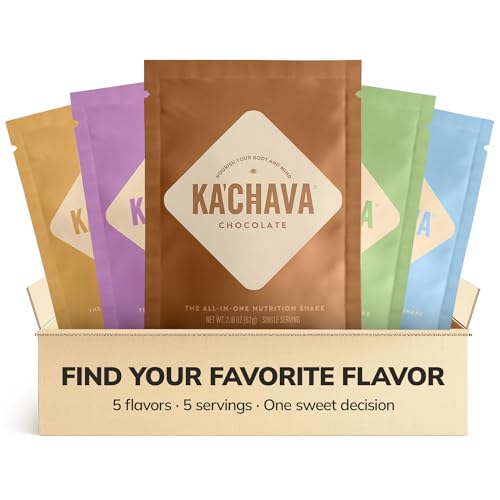
Ka’Chava goes well beyond the standard protein-plus-vitamins formula. This plant-based powder blend packs 85+ whole-food ingredients, including pea protein, sacha inchi, maca root, kale, MCTs, probiotics, adaptogens, digestive enzymes, and functional mushrooms. The nutrient density is genuinely impressive for a single scoop — you’re getting broad-spectrum phytonutrients, gut health support, and adaptogenic stress management in one glass.
Texture is where most vegan powders fail, but Ka’Chava solved this by using a proprietary emulsification process that delivers a rich, creamy mouthfeel closer to a milkshake than a gritty health shake. The sample pack lets you test five flavors — Chocolate, Vanilla, and three rotating options — so you aren’t stuck with a full tub of something you dislike. Each serving mixes easily with water, no blender required.
The trade-off is that as a powder you have to mix it yourself, which adds a step compared to grab-and-go bottles. Also, the price per serving lands higher than basic protein shakes, reflecting the premium ingredient deck. For anyone seeking a complete nutritional foundation rather than just a protein hit, this is the standout choice in the category.
Why it’s great
- Genuinely comprehensive whole-food nutrient profile with probiotics and adaptogens
- Superior texture — creamy, smooth, no chalky residue
- Non-GMO, gluten-free, dairy-free, soy-free, no artificial anything
Good to know
- Requires mixing — not a ready-to-drink bottle
- Higher cost per serving than entry-level protein shakes
2. Premier Protein Shake, Chocolate, 30g Protein, 12 Pack
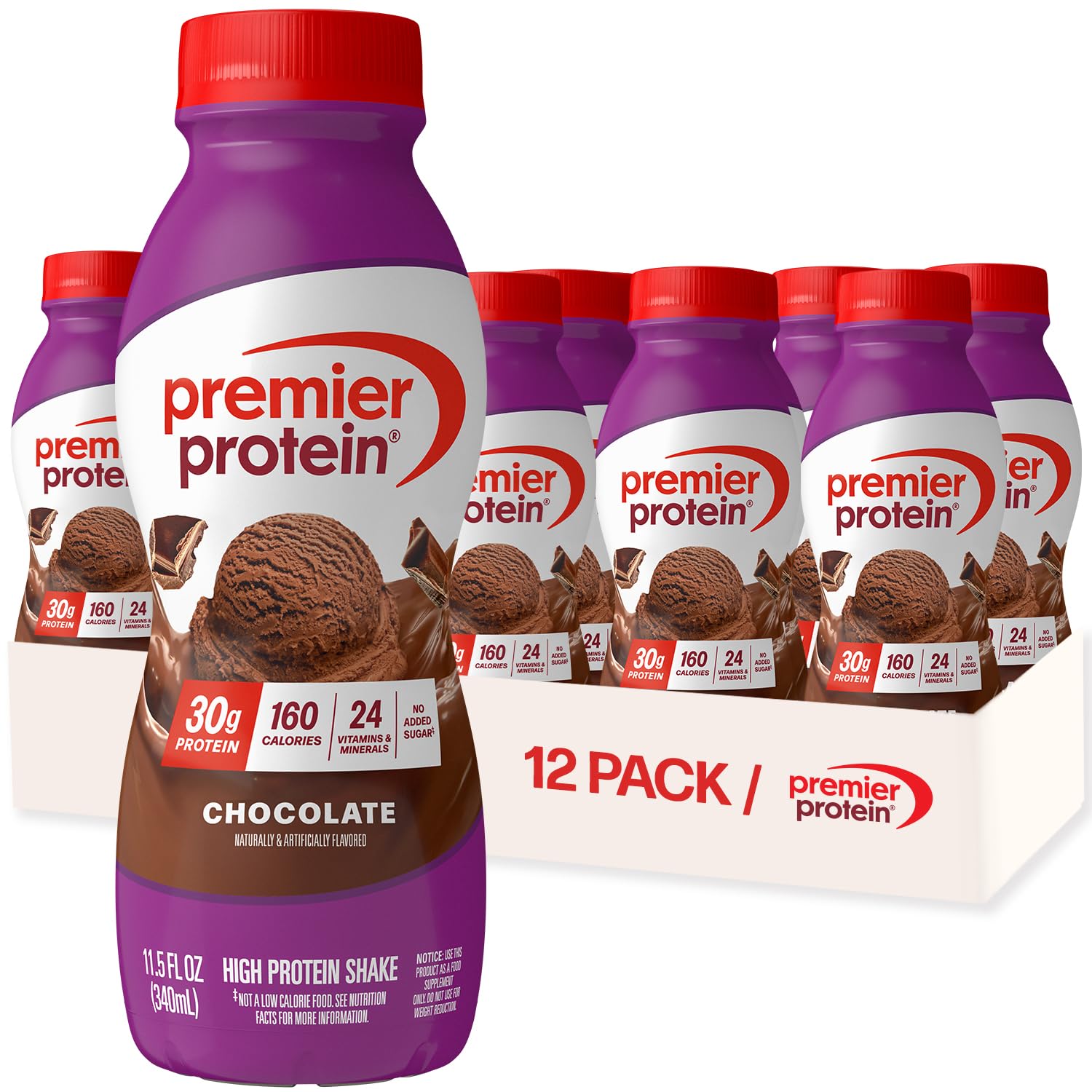
Premier Protein has earned its top-seller badge by nailing the two things most people prioritize in a ready-to-drink shake: high protein and low sugar. Each 11.5-ounce bottle delivers a full 30 grams of protein from milk protein concentrate, with zero added sugar and only 160 calories. That macro profile is ideal for muscle repair post-workout or as a satiating afternoon snack that won’t spike your glucose.
The Chocolate flavor is consistently rated as smooth and not overly sweet, thanks to the use of sucralose as the primary sweetener. The brand also fortifies with 24 essential vitamins and minerals, including vitamin D, zinc, and B vitamins for immune and metabolic support. Being gluten-free and ready-to-drink, it slides easily into a busy routine without any prep or cleanup.
Where Premier Protein falls short as a meal replacement is fiber — it contains virtually none, which means it lacks the structural bulk to keep you full for four to five hours the way a true meal would. It also relies on milk protein concentrate rather than whey isolate, so those with dairy sensitivity may experience mild bloating. Best used as a high-protein supplement rather than a standalone meal.
Why it’s great
- Exceptional protein-per-calorie ratio (30g at 160 cal)
- Zero added sugar, gluten-free, ready to drink
- Widely available and consistently affordable
Good to know
- Negligible fiber content — limited satiety duration
- Sweetened with sucralose, which some prefer to avoid
3. Orgain 30g High Protein Shake, Vanilla Bean, 12 Pack

Orgain’s ready-to-drink shake stakes its claim on ingredient purity. Each 11-ounce bottle contains 30 grams of dairy-based milk protein, 6 grams of BCAAs (including all nine essential amino acids), and just 1 gram of sugar — no artificial flavors, no sucralose, no carrageenan, and no soy ingredients. It’s also certified kosher and suitable for keto diets at only 160 calories per serving.
The Vanilla Bean flavor is mild and clean, without the cloying sweetness that plagues many competitor shakes. The absence of carrageenan is a meaningful detail for anyone with a sensitive stomach, as that emulsifier has been linked to gut inflammation in some studies. Orgain also adds 40% of your daily calcium per bottle, supporting bone health alongside muscle recovery.
The catch is the same as Premier Protein on the meal replacement front — fiber content is essentially absent, so don’t expect this to function as a standalone lunch. It also uses milk protein concentrate rather than isolate, meaning it’s not ideal for strict lactose-avoiders. For a clean-label, high-protein grab-and-go, this is a top contender.
Why it’s great
- Rigorous clean-label standards — no artificial sweeteners, carrageenan, or soy
- High BCAAs and complete amino acid profile
- Keto-friendly and kosher certified
Good to know
- No fiber — limited meal replacement satiety
- Dairy-based, not suitable for vegans
4. GNC Lean Shake 25, Vanilla Bean, 12 Pack

GNC positions Lean Shake 25 as a clinically supported weight management tool, and the formulation backs up the claim. Each serving delivers 25 grams of high-quality protein and 3 grams of fiber, a combination that directly targets appetite suppression. The 2 grams of sugar per serving is low enough to fit into low-carb or keto-style eating plans without sacrificing flavor.
The Vanilla Bean flavor is consistently described as smooth and pleasant, with a sweetness level that doesn’t overwhelm. GNC fortifies this shake with a solid array of vitamins and minerals aimed at supporting a healthy metabolism, including chromium, which plays a role in blood sugar regulation. The ready-to-drink format means zero prep, zero cleanup — just twist, sip, and go.
On the downside, the protein source is a milk-based blend that includes calcium caseinate, which digests slower than whey — good for satiety, less ideal for immediate post-workout recovery. The fiber comes from polydextrose, a synthetic soluble fiber rather than a whole-food source. For structured meal replacement plans where hunger control is the priority, this remains a solid mid-range pick.
Why it’s great
- Meaningful 3g of fiber per serving for extended satiety
- Low sugar (2g) and metabolism-supporting nutrients
- Convenient grab-and-go bottles
Good to know
- Fiber source is polydextrose, not whole-food-based
- Dairy-based protein may not suit all digestive systems
5. BOOST Very High Calorie Nutritional Drink Variety Pack, 12 Count

BOOST Very High Calorie is in a different lane from the standard 160–200 calorie shakes. Each 8-ounce bottle packs a dense 530 calories, 22 grams of protein, and 26 vitamins and minerals, making it a legitimate calorically dense mini-meal. This is the shake you reach for when your goal is weight gain, post-illness recovery, or simply packing substantial nutrition into a small volume.
The variety pack includes Vanilla, Chocolate, and Strawberry, so you get flavor rotation built in. The taste profile is sweet and dessert-like, which helps when you’re drinking high volumes of calories. The vitamin and mineral coverage is broad, including zinc, vitamin C, and B vitamins for immune and energy support. It’s also gluten-free and suitable for those who need easy-to-digest nutrition.
The obvious limitation is the sugar content — BOOST uses sugar as a primary calorie source, with 17 grams of added sugar per serving. That’s a drawback for anyone managing blood sugar or following a low-carb lifestyle. Additionally, the protein-to-calorie ratio is relatively low (22g protein for 530 calories), so it’s not optimal for muscle building. Best reserved for medical or high-energy-density use cases.
Why it’s great
- Highest caloric density in this lineup — ideal for weight gain
- Broad micronutrient profile with 26 vitamins and minerals
- Three-flavor variety pack for taste rotation
Good to know
- 17g added sugar per serving — not low-carb friendly
- Low protein-per-calorie ratio compared to other options
6. Koia Plant Based Protein Shake, Cacao Bean, 12 Pack

Koia stands apart by combining a complete plant-based protein blend (brown rice, peas, and chickpeas) with a substantial 6 grams of prebiotic dietary fiber from chicory root. With 20 grams of protein, just 3 grams of sugar, and 180 calories per 11-ounce bottle, it hits a balanced macro profile that actually supports gut health while providing sustained energy.
The Cacao Bean flavor is noticeably less sweet than most chocolate shakes, which works if you prefer a more natural cocoa taste. Koia fortifies with 21 vitamins and minerals, including meaningful doses of vitamin D, B12, magnesium, and zinc. It’s also soy-free, dairy-free, non-GMO, kosher, and gluten-free, making it one of the most inclusive options for people with multiple dietary restrictions.
The trade-off with the high prebiotic fiber is that some people experience mild digestive gas or bloating when they first introduce chicory root fiber, especially if they aren’t accustomed to high-fiber diets. The protein content (20g) is lower than dairy-based competitors like Premier Protein, so those prioritizing pure protein volume may look elsewhere. For a gut-friendly, plant-forward meal replacement, it’s a strong pick.
Why it’s great
- High prebiotic fiber content supports digestive health
- Triple-source plant protein for a complete amino acid profile
- Exceptionally clean — soy-free, dairy-free, non-GMO, kosher
Good to know
- Chicory root fiber may cause initial gas for some
- 20g protein is modest compared to dairy-based options
7. KATE FARMS Organic Nutrition Shake, Strawberry, 12 Pack

KATE FARMS takes the clean-label ethos to its logical conclusion: USDA Organic certification, Non-GMO Project Verified, kosher, gluten-free, and free from the top eight common allergens. The protein comes from organic pea protein, a hypoallergenic source that works for nearly everyone, including those with dairy, soy, egg, or nut sensitivities. Each 11-ounce bottle provides 16 grams of protein and 27 vitamins and minerals.
What sets KATE FARMS apart is its phytonutrient blend sourced from broccoli, kale, berries, and turmeric — real food extracts that provide antioxidant and anti-inflammatory compounds absent from standard meal replacement shakes. The Strawberry flavor is mild and pleasant, without the artificial aftertaste that plagues many plant-based drinks. The organic certification extends to the entire ingredient deck, not just a few headline items.
The protein content (16g) is the lowest in this roundup, which limits its utility for muscle repair or satiety compared to 25–30g options. The calorie count is also on the lower side, so those using it as a full meal replacement may need to pair it with additional food. For individuals navigating severe food allergies or seeking an organic, whole-food-derived shake, this is the gold standard.
Why it’s great
- USDA Organic with real whole-food phytonutrient extracts
- Free from top 8 allergens — safe for sensitive diets
- No artificial flavors, sweeteners, or preservatives
Good to know
- Only 16g protein — lowest in this comparison
- Lower calorie count may not satisfy as a standalone meal
FAQ
How many calories should a liquid meal replacement contain to truly replace a meal?
Can I drink these shakes every day without health risks?
What is the difference between a protein shake and a meal replacement shake?
Final Thoughts: The Verdict
For most users, the best liquid meal replacement winner is the Ka’Chava All-In-One Sample Pack because it is the only product in this comparison that delivers a truly comprehensive whole-food nutrient profile — complete with probiotics, adaptogens, and over 85 superfood ingredients — while maintaining exceptional taste and texture. If you want a convenient ready-to-drink option with no mixing, grab the Premier Protein Shake. And for allergen-free, certified organic nutrition, nothing beats the KATE FARMS Organic Strawberry Shake.