Craving a steaming bowl of ramen but dreading the blood sugar crash and carb load that follows? The typical instant ramen packet packs around 40 grams of net carbs, sending your daily macros into a tailspin before you finish the broth. Low-carb noodle alternatives promise the same slurp satisfaction without the metabolic cost, but the market splits sharply between konjac-based options, tofu noodles, and egg white formulations — each with a radically different eating experience.
I’m Emma — the founder and writer behind Baby Bangs. I’ve spent years combing through nutritional specs, customer reports, and ingredient labels on low-carb pantry staples to separate the rubbery, fishy-smelling failures from the genuinely satisfying substitutes.
After testing and cross-referencing 5 leading products on protein content, net carb count, texture reports, and convenience, this guide walks you through the decisive factors behind every real pick. Whether you need a quick lunch pack or a bagged noodle that can stand up to a heavy marinara, these are the low-carb ramen noodles actually worth buying.
How To Choose The Best Low-Carb Ramen Noodles
The low-carb noodle aisle has become a battlefield between three distinct ingredient camps: konjac glucomannan root, tofu (soy milk), and egg whites. Each creates a completely different mouthfeel, nutritional profile, and cooking behavior. Ignoring the base ingredient is the fastest way to end up with a bag of noodles that smell like a fish tank or disintegrate in broth. Here are the three factors that separate a great substitute from a pantry regret.
Base Ingredient: Konjac vs Tofu vs Egg White
Konjac noodles (shirataki) are the lowest in carbs — often zero to 1g net per serving — but they carry a notorious earthy, slightly fishy odor that must be rinsed thoroughly under hot water. The texture is gelatinous and chewy, not springy like wheat ramen. Tofu noodles, made primarily from soy milk, offer a cleaner aroma, a soft, toothsome bite, and a more familiar mouthfeel that some describe as closer to fresh pasta. Egg white noodles are the highest protein option (10–17g per serving) and provide a firmer, more al dente texture that holds up better in heavy sauces and broths without turning mushy. Your choice depends on whether your priority is absolute carb elimination (konjac), flavor neutrality (tofu), or protein density and structural integrity (egg white).
Net Carbs and Protein Density
For anyone tracking ketosis or blood sugar response, net carbs (total carbohydrates minus fiber and sugar alcohols) are the single metric that matters. A good low-carb ramen should deliver under 5g net carbs per serving. But don’t stop there — check the protein content. Most konjac noodles provide less than 1g of protein per serving, meaning your meal will lack satiety unless you add meat or eggs. Tofu and egg white noodles naturally carry 10–17g of protein per serving, turning your ramen bowl into a complete meal rather than a flavored water experience. If you are eating low-carb for weight management, higher protein density directly improves fullness and prevents snacking an hour later.
Convenience and Preparation
Not all low-carb noodles come ready to eat. Konjac varieties require thorough rinsing (sometimes for a full minute under running water) followed by a dry pan-fry to remove residual moisture and odor. Tofu noodles typically need only a quick drain and heat — some can be eaten cold straight from the pack. Egg white noodles are generally ready-to-eat straight from the bag and require only a short simmer in broth or sauce. Instant ramen cups, like the Power Noods option, are the most convenient format: just add hot water and wait three minutes. Consider your daily routine: if you have time for a stovetop ritual, konjac works; if you need lunch in under 90 seconds, choose a pre-cooked drain-and-eat format.
Quick Comparison
On smaller screens, swipe sideways to see the full table.
| Model | Category | Best For | Key Spec | Amazon |
|---|---|---|---|---|
| Noodle Revolution Ramen | Egg White | Protein-heavy, real noodle texture | 2g net carbs, 17g protein | Amazon |
| Miracle Noodle Egg White Spaghetti | Egg White | Ultra-low carb, versatile pasta subs | 1g net carbs, 10g protein | Amazon |
| HealSpot Tofu Noodles | Tofu | Clean ingredient, no konjac smell | 4g net carbs, 11g protein | Amazon |
| Power Noods High Protein Ramen | Instant Cup | Grab-and-go lunch or post-gym meal | 21g plant protein per cup | Amazon |
| Hethstia Konjac Noodles | Konjac | Max carb reduction, budget-conscious | ~0g net carbs, 0g protein | Amazon |
In‑Depth Reviews
1. Noodle Revolution Keto Ramen (Egg White)
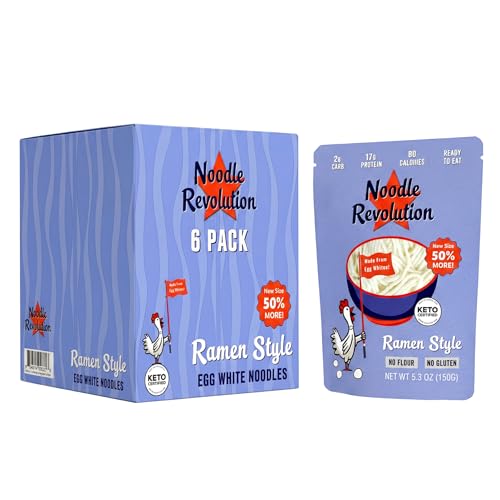
Noodle Revolution solves the two biggest complaints against low-carb ramen: the rubbery, gelatinous texture of konjac and the complete absence of protein. Each serving delivers 17g of protein from pure egg whites with just 2g net carbs, a protein density that puts it ahead of every other bagged noodle in this review. The new package is 50% larger than the previous version, meaning a single bag actually covers a meal rather than teasing you with a small side portion.
The texture is the headline here. Customers consistently describe the mouthfeel as “just like real rice or wheat based noodles,” a claim that holds up in both broth-based ramen preparations and stir-fry applications. There is no lingering fishy odor — egg white noodles are odor-neutral out of the bag — and the noodles do not turn into mush after two minutes in hot liquid. The ingredient list runs only three items long, and the product carries both Keto Certified and Paleo Certified seals from the Paleo Foundation, adding third-party validation for strict dieters.
Compared directly to konjac or tofu competitors, Noodle Revolution offers the best structural integrity for saucy dishes. The noodles hold their shape under a heavy Bolognese or a thick tonkotsu-style broth without disintegrating. The only real tradeoff is that the texture, while excellent for a low-carb noodle, is still slightly firmer than fresh wheat ramen — a small compromise given the macros.
Why it’s great
- 17g protein per serving — the highest among bagged low-carb noodles
- Neutral smell and al dente texture that works in broth or stir-fry
- Shelf-stable and ready to eat after a quick drain
Good to know
- Slightly firmer than fresh wheat noodles — takes one bite to adjust
- Mid-range price point; still more expensive than traditional ramen
2. Miracle Noodle Egg White Spaghetti Pasta
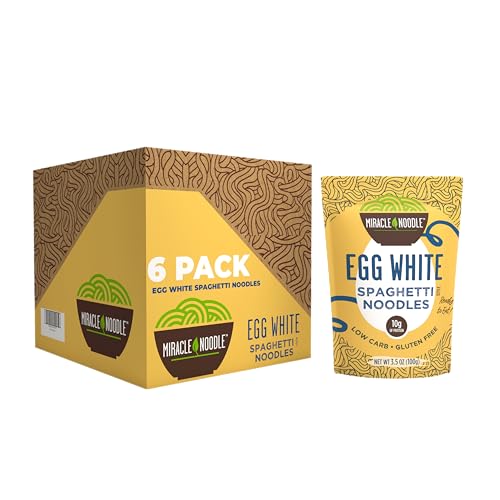
Miracle Noodle has been a staple name in the low-carb space for years, and their egg white spaghetti formulation is the most carb-minimal option in the egg white category at just 1g net carbs per serving. Each 3.5-ounce bag packs 10g of protein and only 45 calories, making it a serious tool for anyone on a strict keto or calorie-restricted regimen. The pack of 6 gives you enough inventory to meal prep for a week without running out.
Customer reviews consistently highlight the texture as the best among all low-carb pastas they have tried — better than konjac, black bean, hearts of palm, and zucchini noodles. The egg white base delivers a noodle that is “slightly softer than regular pasta” but without the rubbery chew of shirataki. The spaghetti shape is shorter than traditional spaghetti, which means it won’t twirl elegantly around a fork, but it holds sauce well and behaves predictably under heat. It is also gluten-free, dairy-free, and soy-free, widening its appeal for multiple restriction diets.
One reviewer noted that the noodles are “bland but a decent pasta substitute” and do not absorb flavor from the sauce even when simmered together. This is a common trait across egg white noodles — they rely entirely on the broth or sauce for flavor rather than contributing any themselves. If you are expecting the savory taste of wheat ramen, you will be disappointed. But if you want a neutral, low-calorie base that your sauce can cling to, this delivers.
Why it’s great
- Only 1g net carb and 45 calories per serving — lowest carb count in the egg white category
- Reliable texture that surpasses konjac, black bean, and veggie noodles
- Clean six-pack format for easy weekly meal prep
Good to know
- Does not absorb sauce flavor — seasoning must come from the liquid
- Short spaghetti shape doesn’t twirl on a fork like traditional pasta
3. HealSpot Tofu Noodles (Ramen)
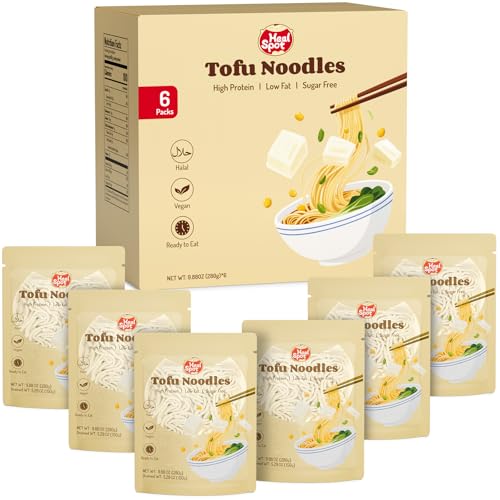
HealSpot takes a fundamentally different approach from the konjac-heavy competition by building their noodle around soy milk — 92.8% pure soy milk with just 5.2% wheat. This formulation eliminates the two most common dealbreakers in low-carb noodles: the unpleasant fishy odor of konjac and the rubbery, unnatural chew. The resulting noodle has a fresh soy aroma and a smooth, tofu-like bite that blends seamlessly into both savory broths and creamy sauces.
Nutritionally, each serving provides 11g of plant protein and only 4g net carbs, a balance that works well for keto dieters who still want meaningful protein from their noodle base. Unlike konjac, which offers virtually zero protein, HealSpot’s tofu noodles provide enough satiety to act as a standalone meal component. The no-added-sugar label and short ingredient list appeal to buyers avoiding unnecessary additives and preservatives. The Thai manufacturing process referenced in the product description yields a noodle that is softer and easier to digest than both konjac and traditional wheat ramen.
Customer feedback is consistently strong on texture and taste: reviewers note there is “no strong soy taste or smell,” the noodles absorb sauce well, and they work equally well in stir-fry, soup, or cold salads. The biggest factor to consider is the 4g net carb count — while low, it is higher than the egg white options from Noodle Revolution and Miracle Noodle, so macro-purists may prefer those. But for anyone who prioritizes flavor neutrality and a clean ingredient deck over absolute carb elimination, HealSpot is the best tofu noodle on the market.
Why it’s great
- No added sugar and only 5.2% wheat — cleanest ingredient list in the review
- Smooth, soft texture with no fishy smell common to konjac noodles
- Ready to eat in one minute; can be eaten cold or heated
Good to know
- 4g net carbs per serving — higher than egg white alternatives
- Contains a small amount of wheat, not suitable for strict gluten-free diets
4. Power Noods High Protein Ramen
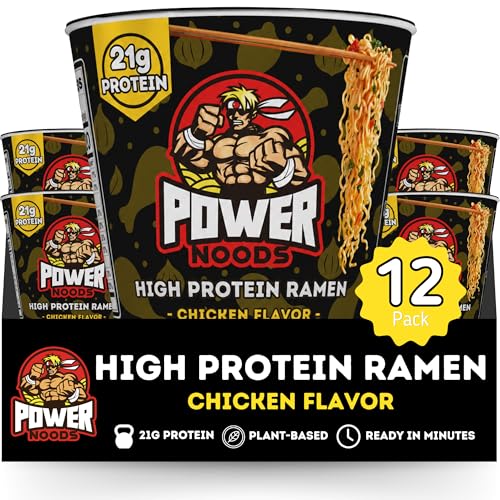
Power Noods breaks the low-carb ramen mold by packaging everything in a single-serve cup format — just add hot water, wait three minutes, and you have a full meal. Each cup delivers 21g of plant-based pea protein, the highest protein count in this entire review, with no artificial preservatives. The classic chicken flavor is entirely plant-based but delivers the savory, umami-rich broth that instant ramen lovers expect, complete with real dehydrated vegetables.
The convenience factor here cannot be overstated. Unlike bagged noodles that require draining, rinsing, and sometimes pan-frying, Power Noods is a true instant meal: open the lid, add water, microwave or pour boiling water, and eat. The 12-pack format is designed for office lunches, dorm rooms, post-gym refueling, and travel. For anyone who wants low-carb ramen without any preparation effort, this is the only option in the review that qualifies as truly grab-and-go.
The tradeoff is that Power Noods is a dry instant noodle cup, not a fresh noodle bag. The texture is closer to traditional instant ramen than to fresh wheat noodles — it is softer and less chewy than the egg white options. The net carb count is not explicitly listed in the product data, so strict macro-trackers will need to verify the label before ordering in bulk. However, for pure convenience and protein density, nothing else in this lineup comes close.
Why it’s great
- 21g plant-based protein per cup — highest protein in the review
- True instant format: just add hot water, no draining or rinsing
- Classic chicken flavor with dehydrated veggies for real broth taste
Good to know
- Dry instant noodle texture is softer than fresh egg white noodles
- Net carb count not prominently listed — verify label before purchasing
5. Hethstia Konjac Noodles (10-Pack)
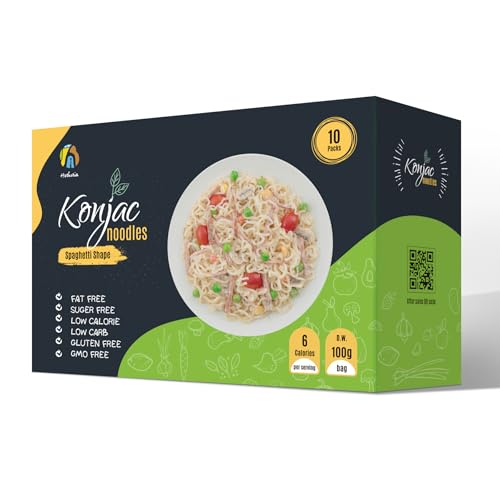
Hethstia’s 10-pack of konjac spaghetti is the budget-friendly entry point for anyone who wants maximum carb reduction at the lowest investment per serving. Konjac glucomannan is essentially indigestible fiber, so the net carb count rounds to zero per serving, making this the most ketosis-friendly option in the review. Each bag contains 3.52 ounces drained weight, which is a reasonable single-serving portion for a quick lunch or side dish.
The konjac noodle experience comes with caveats that every buyer should understand before ordering. The noodles carry a natural earthy, slightly fishy odor that must be rinsed off under running water for at least 30 seconds, followed by a dry pan-fry to remove residual moisture. Without this rinse-and-dry step, the odor can transfer to your dish. The texture is gelatinous and chewy — distinctly different from the springy bite of wheat ramen or the smooth bite of egg white noodles. Some users love the chewiness; others find it unappealing.
Nutritionally, konjac noodles deliver essentially zero protein, meaning your ramen bowl will lack satiety unless you add a protein source like chicken, tofu, or egg. The 10-pack format is excellent for stocking a pantry, and the price per serving is dramatically lower than egg white or tofu competitors. Hethstia includes a clear warning about potential freeze damage during winter shipping, so check the package condition upon arrival. If you can tolerate the prep ritual and the unique texture, this is the most economical path to near-zero-carb ramen.
Why it’s great
- Near-zero net carbs per serving — best option for strict keto
- 10 bags per pack delivers the lowest per-serving cost in the review
- Versatile base that works with spaghetti sauce, stir-fry, or soup
Good to know
- Must be rinsed and pan-fried to remove fishy odor and rubbery texture
- Zero protein per serving — meal will lack satiety without added protein
- Susceptible to freeze damage in cold weather shipping
FAQ
Do konjac noodles shrink after cooking?
Why do some low-carb noodles smell like fish?
Final Thoughts: The Verdict
For most users, the low-carb ramen noodles winner is the Noodle Revolution Keto Ramen because it delivers the highest protein density (17g) in a bagged egg white format with a neutral smell and al dente texture that holds up in broth or stir-fry. If you want the absolute lowest net carbs at 1g per serving, grab the Miracle Noodle Egg White Spaghetti. And for grab-and-go convenience without any prep work, nothing beats the Power Noods High Protein Ramen instant cups.