Sweat strips your body of sodium, potassium, and magnesium, but the neon-colored bottles lining store shelves replace those critical minerals with 20 to 30 grams of sugar per serving — essentially turning your recovery drink into a dessert. The real challenge is finding a formula that delivers genuine electrolyte density without the sugar spike, artificial sweetener aftertaste, or chalky mixing disasters. This is the gap this guide closes.
I’m Emma — the founder and writer behind Baby Bangs.
After testing clean-label electrolyte powders, bottled blends, and low-sodium alternatives, I built this list of the best low-sugar sports drinks that earn their shelf space. Whether you need rapid post-workout replenishment or all-day sipping hydration, this guide pinpoints the formula that matches your sweat profile and taste tolerance. best low-sugar sports drinks are defined here by the specs that actually matter — not marketing fluff.
How To Choose The Best Low-Sugar Sports Drink
Not all low-sugar sports drinks are created equal. A brand can hit zero grams of sugar while skimping on the electrolyte payload, leaving you with flavored water that does little for actual rehydration. You need to look past the front-of-package claims and check three critical specs.
Electrolyte Matrix — Sodium, Potassium, and Magnesium Ratios
A serious sports drink delivers between 200 mg and 400 mg of sodium per serving, paired with 100 mg to 200 mg of potassium. Magnesium and calcium are supporting players — helpful, but not primary. If a product lists sodium below 100 mg per serving, it is a flavored water, not a hydration amplifier. For heavy sweaters or prolonged sessions, prioritize higher sodium numbers backed by a potassium counterbalance to avoid cramping.
Sweetener Source — No-Sugar Does Not Mean No-Compromise
Avoiding sugar is the goal, but the replacement sweetener matters. Stevia and monk fruit are plant-derived and generally gentle on digestion, though stevia can leave a bitter licorice-like tail. Erythritol provides mouthfeel without calories but can cause bloating in sensitive individuals. Sucralose and artificial sweeteners hit a zero-sugar target, but some athletes report GI distress during long efforts. Choose based on your gut tolerance first, flavor preference second.
Form Factor — Powder Packets vs. Ready-to-Drink Bottles
Powder packets give you full control over concentration — add less water for a stronger electrolyte hit or more water for lighter sipping. They are lighter to carry and typically more cost-effective per serving. Pre-mixed bottles offer convenience but lock you into a fixed electrolyte-to-water ratio, and the shipping weight adds cost. For gym bags and travel, stick with single-serve sticks. For fridge-stocking, consider bottles if the sodium ratio fits your needs.
Quick Comparison
On smaller screens, swipe sideways to see the full table.
| Model | Category | Best For | Key Spec | Amazon |
|---|---|---|---|---|
| Jocko Fuel Hydrate | Premium Packet | High-sweat recovery | Sodium 250mg + D-Ribose | Amazon |
| GoHydrate Variety Pack | Premium Packet | Low-sodium daily hydration | 5 electrolytes + Vitamin D | Amazon |
| Vega Sport Hydration | Mid-Range Packet | Keto-friendly immunity support | Sodium 240mg + Vitamin C | Amazon |
| JUNP Electrolytes | Mid-Range Tub | Zero-calorie daily hydration | Zero carbs, 0 calories | Amazon |
| BODYARMOR Flash I.V. | Entry-Level Bottle | Ready-to-drink convenience | Coconut water + Zinc | Amazon |
In‑Depth Reviews
1. Jocko Fuel Packets Low Sugar — Lemon Lime

Jocko Fuel’s Hydrate packets pull ahead by adding functional carbohydrates — D-Ribose and Theanine — to a standard electrolyte base. The sodium lands at roughly 250 mg per packet, which is the sweet spot for moderate-to-heavy sweaters doing jiu-jitsu, HIIT, or outdoor sessions. The sweetness comes from monk fruit and stevia, and the flavor stays clean without the bitter tail that some stevia blends leave behind.
Each packet mixes into 16-20 ounces of water with no clumping, and the Lemon Lime profile is balanced — not overly salty, not syrupy sweet. Customers consistently report a notable reduction in muscle cramping and soreness after switching to this formula. The inclusion of Vitamin C, B6, and B12 rounds the profile toward immune support, a useful addition for athletes training multiple days per week.
On the downside, the serving size is a single stick, so heavy sweaters doing sessions longer than 90 minutes may need two packets. The price per serving sits at the higher end of the mid-range, but the functional carb addition justifies the cost for athletes who want more than basic electrolyte replenishment.
Why it’s great
- D-Ribose supports ATP regeneration and recovery speed.
- Mixes completely clear with zero grit or residue.
- No artificial anything — naturally sweetened and flavored.
Good to know
- Single-serve packets mean you need two for long endurance sessions.
- Premium per-serving cost compared to bulk powder tubs.
2. GoHydrate Low Sodium Electrolytes Powder — Variety Pack
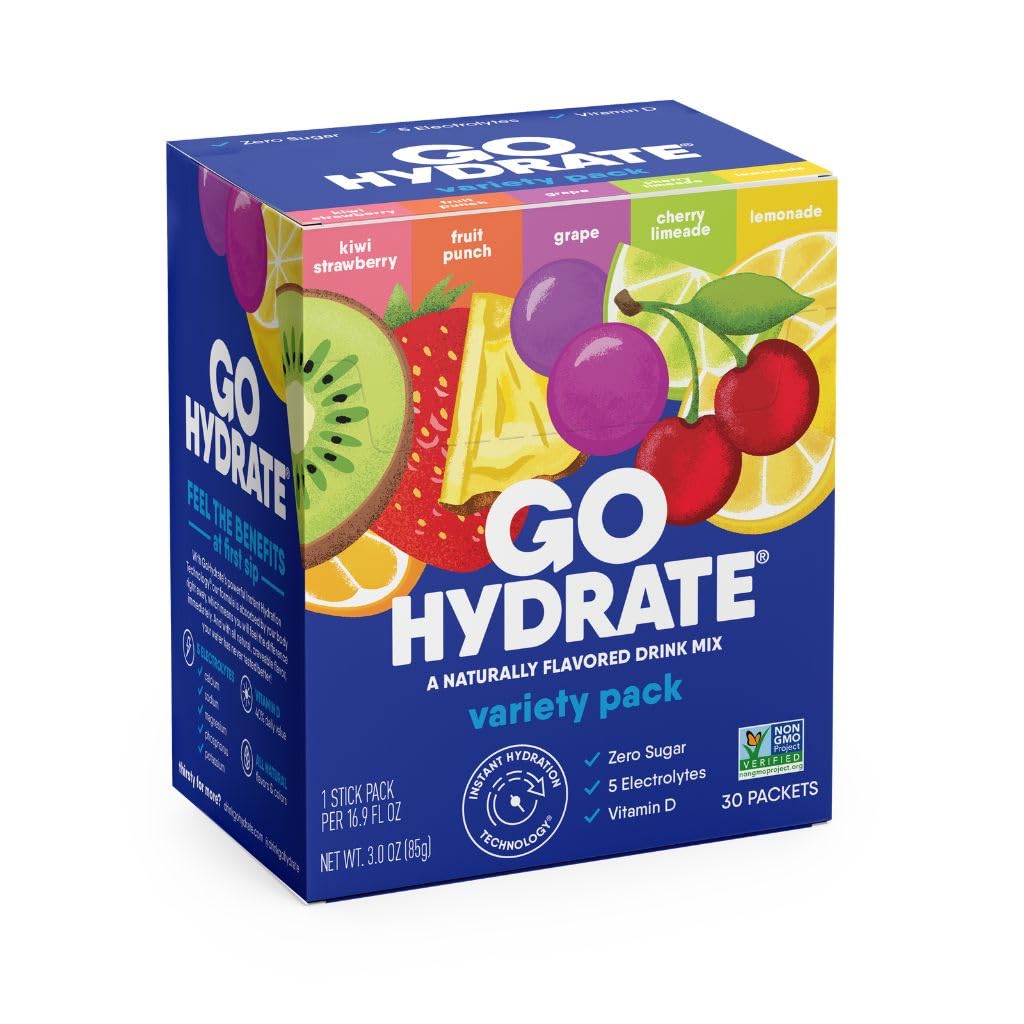
GoHydrate takes a different approach — lower sodium per serving, around 100 mg, paired with a full five-electrolyte blend including phosphorus and calcium alongside the standard sodium, potassium, and magnesium. This makes it an excellent choice for daily hydration rather than post-sweat emergency replenishment. The addition of Vitamin D3 is unusual in the category and supports bone health and immune function.
The variety pack includes multiple flavors, and the formula uses Celtic sea salt as the sodium source, which provides trace minerals beyond standard table salt. It is sweetened with a blend that avoids a strong stevia aftertaste, though sensitive palates may detect a mild cooling effect from erythritol. Each stick mixes easily with no clumping and dissolves completely in cold water within about 15 seconds of shaking.
For heavy sweaters running marathons or doing intense CrossFit, this will be too low in sodium. But for office workers, light joggers, or anyone who wants to sip hydration throughout the day without flavor fatigue, the 30-count box at a reasonable per-stick price is hard to beat.
Why it’s great
- Full 5-electrolyte profile plus Vitamin D3 — rare in this category.
- Very low sodium lands gently for daily non-workout hydration.
- Flavor variety reduces taste burnout from repeated use.
Good to know
- Not enough sodium for high-sweat or hot-weather training sessions.
- Erythritol can cause mild bloating for sensitive individuals.
3. Vega Sport Hydration Electrolyte Powder — Berry

Vega Sport Hydration delivers a clean 240-250 mg of sodium along with 120-130 mg of potassium per serving, putting it squarely in the mid-range electrolyte density that suits most recreational athletes. The standout feature here is the 100 percent DV of Vitamin C sourced from acerola cherry extract — a whole-food antioxidant boost that helps with post-exercise immune recovery.
The formula is sweetened with stevia and has only five calories per serving, making it fully keto-friendly and compatible with low-carb diets. In terms of mix quality, the powder dissolves moderately well with a bit of stirring, though it is not as instantly soluble as the Jocko Fuel packets. The Berry flavor is natural and mild without being cloying, though users seeking a punchier taste may find it underwhelming.
Where this product falls slightly short is the plastic packaging — each serving comes in a single-use packet, and some customers report receiving packages with the old label despite the product description stating packaging may vary. The per-serving price is budget-friendly compared to premium competitors, making it a solid entry point for anyone new to low-sugar hydration.
Why it’s great
- Full daily Vitamin C from real acerola cherry — not synthetic ascorbic acid.
- Balanced sodium and potassium ratio suits most gym sessions.
- Only 5 calories, zero sugar, fully keto and vegan certified.
Good to know
- Requires more stirring than some competing powders to fully dissolve.
- Packaging may vary between old and new label designs.
4. JUNP Electrolytes Powder — Lemonade

JUNP’s tub format gives you 90 servings for a total cost that undercuts most stick-pack competitors by a wide margin. The formula targets zero calories, zero carbs, and zero sugar while still delivering a functional electrolyte profile including sodium, potassium, and magnesium. The Lemonade flavor is bright and zesty, designed to mimic the taste of fresh-squeezed lemons without an artificial candy edge.
The sweetener system is a stevia blend, and the brand emphasizes clean sourcing — Non-GMO, vegan, Kosher, and free from gluten, soy, and lactose. Mixing is straightforward: one scoop per 16 ounces of water, and the powder dissolves with minimal clumping if you shake or stir vigorously. The tub is lightweight and portable, though you will need to carry a scoop separately if you travel.
The primary trade-off is electrolyte concentration. With a lower sodium content than the Jocko Fuel or Vega packets, this is best suited for moderate activity and workday hydration rather than heavy sweat replacement. Users who push hard in the heat may find themselves needing two scoops per bottle to feel the effect, which effectively halves the serving count.
Why it’s great
- 90 servings per tub delivers the lowest per-drink cost in this list.
- Clean ingredient panel with multiple diet certifications.
- Zero calories and zero carbs suit strict keto protocols.
Good to know
- Lower sodium density means heavy sweaters may need two scoops.
- Tub format is less convenient for gym bag portability than sticks.
5. BODYARMOR Flash I.V. Electrolyte Beverage — Strawberry Kiwi
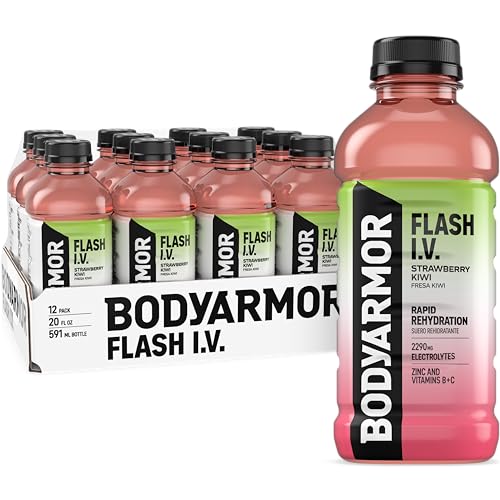
BODYARMOR Flash I.V. is the only ready-to-drink option on this list, and it earns its spot by using coconut water as the fluid base instead of filtered water. This provides natural potassium and a smoother electrolyte profile without the need for added sweeteners. The Strawberry Kiwi flavor is mild and not overly sweet — multiple customer reviews specifically praise the fact that it does not taste like a sugar bomb.
The addition of zinc plus Vitamins B and C makes this a useful immune-support option during heavy training blocks or travel. The 20-ounce bottles are convenient for tossing in a cooler or lunch bag, though carrying a 12-pack up stairs is a workout in itself at over 17 pounds. The brand has invested in a cleaner label than traditional sports drinks, with no artificial flavors, colors, or sweeteners.
Price per bottle is higher than mixing your own powder, and the total sugar per bottle is listed as low but not zero — it contains naturally occurring sugars from the coconut water. For strict zero-sugar adherents, this disqualifies it. For those who prefer a grab-and-go bottle that tastes like a subtle juice rather than a mineral bomb, this fits perfectly.
Why it’s great
- Coconut water base provides natural electrolytes and smooth taste.
- No artificial sweeteners, colors, or flavors.
- Zinc and B-vitamin blend supports immune function during training.
Good to know
- Contains naturally occurring sugars from coconut water — not sugar-free.
- Bulk 12-pack is heavy and takes up significant fridge space.
FAQ
Can I drink low-sugar sports drinks on a keto diet?
What is the difference between low-sugar and sugar-free sports drinks?
How many electrolytes do I actually need after a workout?
Are low-sugar sports drinks safe for children playing sports?
Why do some low-sugar sports drinks taste salty while others do not?
Final Thoughts: The Verdict
For most users, the best low-sugar sports drinks winner is the Jocko Fuel Hydrate because the D-Ribose and Theanine addition provides genuine recovery support beyond basic electrolyte replacement. If you want a lower-sodium daily hydration with Vitamin D3, grab the GoHydrate Variety Pack. And for grab-and-go convenience with a coconut water base, nothing beats the BODYARMOR Flash I.V. in Strawberry Kiwi.