Scrolling past stevia that tastes like metal, allulose that clumps in your coffee, and monk fruit blends that leave a cooling aftertaste — finding the right low-glycemic sweetener that actually tastes clean and works in a hot cup or a baked batter is the real challenge. Most options either spike your glucose or sacrifice flavor, leaving you stuck between health and enjoyment. You need a sweetener that delivers the sensory hit of sugar without the metabolic toll, and navigating the 10-bag shelf at the store has become a chemistry experiment nobody signed up for.
I’m Emma — the founder and writer behind Baby Bangs. I’ve spent years scrutinizing third-party lab results, glycemic index tables, and ingredient lists to separate the sweeteners that perform from those that just market well.
After deep-diving into granulation texture, heat stability, aftertaste profiles, and how each option interacts with gut bacteria, I built this guide to help you confidently choose a low-glycemic sweetener that actually fits your kitchen and your health goals.
How To Choose The Best Low-Glycemic Sweetener
Not every sugar-free label delivers a true low-glycemic response. Many bulk sweeteners still raise blood sugar through hidden maltodextrin or dextrose carriers, while others rely on sugar alcohols that ferment in the gut. You need a sweetener that passes through your system without a glucose spike and plays well with your cooking habits. Below are the three specs that matter most.
Glycemic Index & Insulin Response
The entire point of a low-glycemic sweetener is to avoid a blood sugar rise. Allulose scores near zero on the glycemic index because the body absorbs it but cannot metabolize it into glucose — it gets excreted unchanged. Pure stevia and monk fruit extracts also score zero, but only if they contain no added dextrose or maltodextrin fillers. Always check the ingredient list for hidden sugars that masquerade as “natural flavors” or “organic cane syrup.”
Heat Stability & Crystal Structure
If you plan to bake, the sweetener needs to withstand oven temperatures without breaking down and losing sweetness. Allulose caramelizes like real sugar at 250°F, making it ideal for brownies and cookies. Monk fruit blends with erythritol hold up well in cakes but can recrystallize into a gritty texture if the batter cools too quickly. Stevia extract powder degrades above 390°F, so it is better suited for cold drinks, yogurt, or no-bake recipes unless you pair it with a heat-stable bulking agent.
Digestive Tolerance & Aftertaste
Erythritol is the most common bulking agent in monk fruit blends, but it triggers bloating, gas, or loose stools in sensitive individuals because it resists absorption in the small intestine and ferments in the colon. Allulose, by contrast, is absorbed into the bloodstream directly from the digestive tract, bypassing the colon fermentation process and eliminating the bloating problem. Pure stevia has no fermentable fiber, but its licorice-like aftertaste polarizes drinkers — look for rebaudioside A (reb A) extracts that isolate the sweetest compounds without the bitter tail.
Quick Comparison
On smaller screens, swipe sideways to see the full table.
| Model | Category | Best For | Key Spec | Amazon |
|---|---|---|---|---|
| Lakanto Monk Fruit (5 lb) | Monk Fruit Blend | Baking & bulk use | 80 oz bag, erythritol blend | Amazon |
| Golden Monk Fruit (4 lb) | Monk Fruit Blend | Brown sugar replacement | 64 oz, 1:1 brown sugar swap | Amazon |
| Morning Pep Allulose (2 lb) | Pure Allulose | Clean-label, zero aftertaste | 32 oz, pure allulose, keto certified | Amazon |
| Smart for Life Allulose (16 oz) | Pure Allulose | Digestive sensitivity | 16 oz, non-GMO, no bloating | Amazon |
| NatriSweet Organic Stevia (4 oz) | Pure Stevia | Maximum concentration | 4 oz, 800+ servings, no fillers | Amazon |
In‑Depth Reviews
1. Lakanto Monk Fruit Sweetener with Erythritol (5 lb)
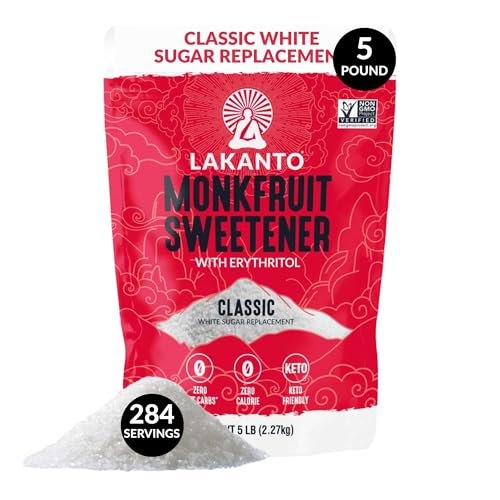
Lakanto is the household name in the monk fruit category for a reason — this 5-pound bag delivers a reliable 1:1 substitution ratio for white sugar in baking, dissolving cleanly in hot coffee and standing up to oven temperatures without losing sweetness. The blend uses erythritol as a bulking agent, which provides the familiar granulated texture that bakers expect, and it does not carry the bitter tail that plagues pure stevia extracts. At 80 ounces, this bag is a serious bulk investment for households that bake weekly or brew large batches of iced tea.
The sweetness profile is remarkably close to cane sugar, with none of the metallic off-notes that cheap monk fruit blends introduce. Lakanto sources its monk fruit extract from the luo han guo fruit and pairs it with non-GMO erythritol, resulting in a zero-calorie sweetener that scores near zero on the glycemic index. In cookie and cake tests, the blend caramelizes slightly less than allulose, but the texture remains tender without the grittiness that recrystallized erythritol can cause in cold sauces.
The downside is strictly digestive: erythritol is a sugar alcohol, and for some users, even moderate servings can cause bloating or loose stools, especially when consumed on an empty stomach. If you have a sensitive gut, start with a half-serving and see how your system responds before scaling up. For everyone else, this is the most versatile everyday pantry staple for low-glycemic sweetening.
Why it’s great
- True 1:1 substitution ratio makes baking seamless
- Dissolves instantly in hot liquids with no graininess
- Massive 5-pound bag reduces per-serving cost significantly
Good to know
- Erythritol may cause bloating or gas in sensitive individuals
- Does not caramelize as deeply as allulose in high-heat baking
2. Golden Monk Fruit Sweetener with Erythritol (4 lb)
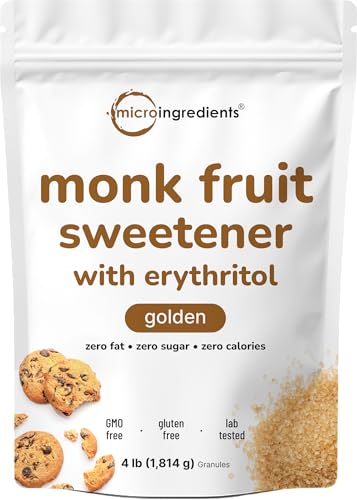
Golden monk fruit is distinct from the standard white monk fruit because it uses a different portion of the luo han guo fruit, yielding a richer, molasses-like sweetness that mimics brown sugar. This 4-pound bag blends that golden extract with erythritol, creating a granulated zero-calorie sweetener that works beautifully in barbecue sauces, baked beans, gingerbread cookies, and any recipe that traditionally calls for brown sugar. The caramel notes are present but not overpowering, and the blend holds 363 total servings per bag, making it a generous bulk option.
Where Golden Monk Fruit truly shines is in recipes where depth of flavor matters — it adds a warm, slightly toasted sweetness that standard white monk fruit blends cannot replicate. The granulation is fine enough to dissolve in warm liquids without clumping, and it holds up well in cookie doughs and cake batters without weeping or separating. For keto bakers who miss the complexity of brown sugar, this is the closest substitute I have found.
The caveat is the same erythritol tolerance issue: if you experience digestive upset from sugar alcohols, this bag will likely trigger similar symptoms. Additionally, the golden color can slightly darken light batters or icings, so it is less suitable for white cakes or meringues where visual purity matters. Stick to darker baked goods and you will not notice the difference.
Why it’s great
- Mimics brown sugar flavor and color without the glucose spike
- High serving count (363) per bag for frequent bakers
- Non-GMO, vegan, gluten-free certified ingredients
Good to know
- Erythritol can cause gas or bloating in sensitive guts
- Dark color tint may affect appearance of light-colored desserts
3. Morning Pep Allulose Sweetener (2 lb)
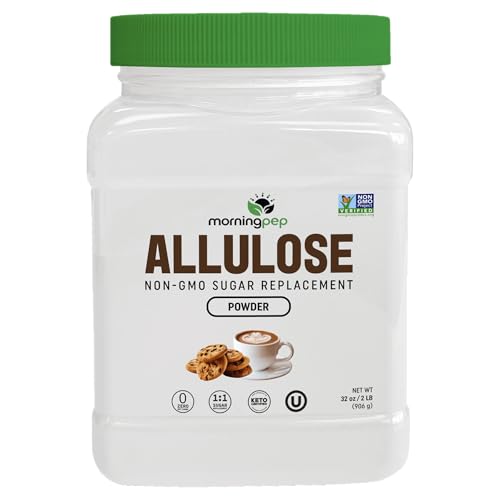
Morning Pep delivers a 100% pure allulose product with zero erythritol, zero fillers, and zero calories — a clean sweep for anyone who wants the metabolic benefits of allulose without worrying about hidden bulking agents. The 2-pound bag is a mid-sized entry point for allulose, which is roughly 70% as sweet as sugar, so you will use slightly more by volume than you would with monk fruit blends. The texture is free-flowing and fine, dissolving quickly in cold beverages without the grit that stevia powders often leave behind.
This sweetener is Non-GMO Project Verified, OU Kosher Certified, and Keto Certified, which means it has passed third-party audits that guarantee no hidden carbs or synthetic additives. Allulose itself has a uniquely clean taste — no bitter tail, no licorice notes, no cooling sensation — which makes it the best choice for people who are hypersensitive to aftertastes. In baked goods, allulose caramelizes beautifully, delivering the golden-brown crust that erythritol blends cannot achieve.
The main trade-off is sweetness density: because allulose is only 70% as sweet as sugar, you need to adjust your recipes by using about 1.3 times the volume of sugar called for. This also means the bag runs through your kitchen faster than an equivalent erythritol blend. If you bake constantly, consider the 2-pound size a trial run before committing to a bulk allulose bag from another brand.
Why it’s great
- 100% pure allulose with no fillers, erythritol, or aftertaste
- Non-GMO, Kosher, and Keto certified by third parties
- Caramelizes in baking for authentic crust development
Good to know
- Only 70% as sweet as sugar — volume adjustment needed
- 2-pound bag may not last long for heavy bakers
4. Smart for Life Allulose Sweetener (16 oz)

Smart for Life positions this allulose as a solution for people who have experienced the bloating and gas that accompany erythritol-based sweeteners. Because allulose is absorbed directly into the bloodstream through the digestive tract rather than fermented in the colon, it bypasses the fermentation process entirely — no gurgling, no discomfort. This 16-ounce resealable bag is smaller than the bulk options, making it a low-commitment entry point for anyone new to allulose or trying to replace a sugar alcohol blend that upset their stomach.
The powdered texture is finer than granulated allulose, which means it dissolves faster in cold drinks like iced coffee or protein shakes. Smart for Life manufactures in an SQF Level 2 Certified facility in the USA and tests each batch for purity, so you are not gambling on mystery fillers. At 70% of sugar’s sweetness, you will need to spoon out a bit more than you would with stevia, but the flavor is completely neutral — no bitter or metallic notes hiding in the finish.
The biggest limitation here is the bag size: 16 ounces is fine for light daily use in coffee and oatmeal, but if you bake frequently, you will be reordering often. The resealable bag is convenient, but it is not as airtight as a jar, so proper storage in a cool, dry place is essential to prevent clumping from humidity. For the price point per ounce, this is a solid value for trial users.
Why it’s great
- Zero digestive upset — allulose bypasses colon fermentation
- Powdered texture dissolves instantly in cold beverages
- Made in the USA in a certified SQF Level 2 facility
Good to know
- Small 16-ounce bag requires frequent reordering for bakers
- Resealable bag is less protective than a rigid container
5. NatriSweet Organic Stevia Powder (4 oz)
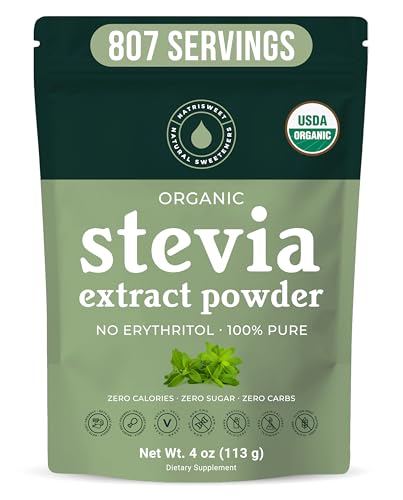
This 4-ounce bag of pure organic stevia extract powder packs the equivalent sweetness of 10 to 12 pounds of sugar, thanks to its 32:1 concentration ratio. A pinch — literally a tiny dab on the tip of a spoon — is enough to sweeten a full mug of coffee, making this the most economical option on a per-serving basis. The ingredient list contains exactly one item: organic stevia leaf extract (rebaudioside A), with no maltodextrin, dextrose, or any other bulking carrier that would raise the glycemic load.
The taste profile is distinctly stevia — there is a mild licorice-like note that fades quickly, but it is far less bitter than many bulk stevia blends on the market. NatriSweet sources from stevia rebaudiana leaves and processes them without chemical solvents, preserving the natural glycosides that deliver clean sweetness. For cold beverages like lemonade or iced tea, this powder dissolves fully without clouding, and it mixes evenly into yogurt, oatmeal, and no-bake desserts.
The real challenge is dosage precision: because the powder is so concentrated, it is easy to overshoot and make a drink cloying. The bag uses a small scoop, but you will still need to experiment to find your personal sweetness threshold. Additionally, pure stevia does not caramelize or provide bulk in baking, so it is not a standalone replacement for sugar in cakes or cookies — you will need to pair it with a bulking agent like allulose or erythritol for structure. This is a specialist tool for drinks and no-bake recipes, not a one-size-fits-all pantry staple.
Why it’s great
- Extreme concentration — 4 oz equals pounds of sugar sweetness
- Organic certified with zero fillers or bulking agents
- Dissolves cleanly in cold drinks with no grit
Good to know
- Easy to over-sweeten due to extreme potency
- No heat stability for baking — not a standalone sugar swap
FAQ
Can I use allulose in yeast-risen bread recipes?
Why does monk fruit sweetener have a cooling aftertaste?
Does stevia lose sweetness when heated in the oven?
Final Thoughts: The Verdict
For most users, the low-glycemic sweetener winner is the Lakanto Monk Fruit Sweetener (5 lb) because it delivers the closest 1:1 sugar replacement experience for coffee, tea, and everyday baking at a price per serving that is hard to beat. If you want a pure allulose option with zero aftertaste and no digestive issues, grab the Morning Pep Allulose (2 lb). And for maximum sweetness concentration in a tiny package that lasts for months, nothing beats the NatriSweet Organic Stevia Powder (4 oz).