If the morning ritual brings a fresh brew but leaves a familiar burn or a hard knot in your stomach, the quest for a cleaner cup can feel relentless. That particular ache, the sharp bite from conventional roasts, is often the trigger for switching to beans treated differently from seed to sip.
I’m Emma — the founder and writer behind Baby Bangs. I’ve sorted through dozens of roasts, filtering by organic certifications and pH-friendly processing, to find the beans that deliver flavor without the fire.
These selections focus on coffees that are both gentle on digestion and rigorously sourced. This breakdown guides you toward the roast that fits your needs without the guesswork, helping you find the best low-acid organic coffee for your mornings.
How To Choose The Best Low-Acid Organic Coffee
Not every coffee labeled “low acid” is created equal. Some rely on a quick roast, others on bean selection. You want the combination that leaves your stomach quiet and your taste buds happy.
Certifications That Matter
Look for a certified USDA Organic seal. This confirms the coffee was grown without synthetic pesticides or chemical fertilizers that can linger in the final cup and challenge a sensitive system. Single-origin lots add traceability: you know exactly where the beans grew and how they were handled.
The Role of Processing and Roast
Low-acid coffee often involves a longer, slower roast that breaks down volatile acids naturally present in the green bean. The profile also depends on altitude: beans grown at 5,000 feet or higher tend to be denser and develop a smoother, less acidic flavor. Darker roasts typically have a lower acid content than light roasts, but the right medium roast can strike an ideal balance.
Purity Testing
The best options are third-party tested for mycotoxins, mold, and heavy metals. These contaminants are common in conventional coffee and can exacerbate digestive discomfort. A brand that invests in lab testing is one that prioritizes your gut health over shortcuts.
Quick Comparison
On smaller screens, swipe sideways to see the full table.
| Model | Category | Best For | Key Spec | Amazon |
|---|---|---|---|---|
| Fabula Low Acid Coffee | Premium | Best Overall | Single origin, 7,000 ft altitude | Amazon |
| Lifeboost Swiss Water Decaf | Premium | Decaf Sensitivity | Decaf via Swiss Water Process | Amazon |
| Clean Coffee Co. | Mid-Range | Mold-Free Smooth Cup | 12 oz, lab tested for purity | Amazon |
| Peak Performance High Altitude | Mid-Range | Antioxidant Rich | Single origin, high altitude | Amazon |
| VitaCup Perfect Low Acid | Budget-Friendly | Everyday Smooth Brew | 11 oz, dark roast whole bean | Amazon |
In‑Depth Reviews
1. Fabula Low Acid Coffee

Fabula’s medium roast, grown at altitudes up to 7,000 feet in Peru, delivers a notably smooth cup with notes of caramelized sugars and rich chocolate. This single-origin lot is lab-tested for over 350 chemicals, including mycotoxins and mold, making it a standout choice for those with severe sensitivities or acid reflux.
The roast is fresh and consistent, striking a balance between a bold morning jolt and a gentle finish that doesn’t cause that familiar burn. Customer feedback highlights a complete loss of GI discomfort after switching, even for former black-coffee drinkers.
While the cost is higher per bag, the value comes from its purity and the absence of any aftertaste. It’s a premium option that justifies its price through sourcing transparency and a notably clean flavor profile.
Why it’s great
- Lab-tested for mycotoxins and 350+ chemicals.
- High-altitude, single-origin for complex flavor.
- Medium roast provides excellent low-acid balance.
Good to know
- Premium price point per bag.
- Ground format only, no whole bean option.
2. Lifeboost Medium Roast Swiss Water Decaf
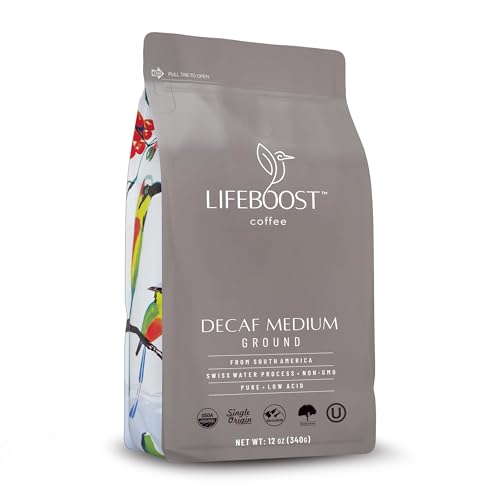
This medium roast from Lifeboost uses the Swiss Water Process to gently remove caffeine without soaking the beans in harsh chemicals, preserving the bean’s original acidity profile and flavor. It’s a fantastic option for those who love the ritual of a morning cup but need to manage caffeine intake or acid-related discomfort.
Grown at high elevation in South America and certified organic, it is also third-party tested for mycotoxins, heavy metals, and over 400 common toxins. The resulting cup is smooth, with a gentle body and none of the bitter edge of many decaf options.
The only trade-off is the process itself: Swiss Water Process decaf can sometimes feel a bit thinner than a full-caffeine roast. However, for a low-acid, caffeine-free choice, this is a category leader.
Why it’s great
- Chemical-free Swiss Water decaffeination process.
- Certified organic and lab-tested for purity.
- Easy on sensitive stomachs and teeth.
Good to know
- Decaf only, no full-caffeine version in this line.
- Body is slightly lighter than a standard medium roast.
3. Clean Coffee Co.
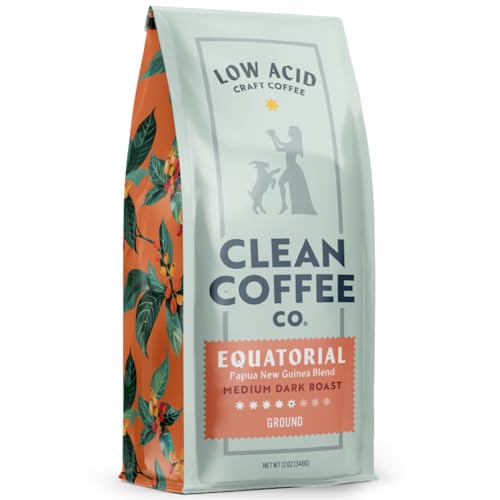
Clean Coffee Co. offers a low-acid medium-dark roast from Papua New Guinea with a flavor profile centered on milk chocolate and roasted almonds. The beans are specially roasted to reduce naturally occurring acidic compounds, making it a solid choice for those looking to reduce digestive discomfort without sacrificing a richer, darker profile.
The real selling point is the lab testing. The company tests not just for mold and mycotoxins, but also for a broad range of harmful chemicals, ensuring a clean cup. It’s also compatible with all brewing methods—from French press to cold brew—giving you flexibility.
Some users may find the dark side of medium-dark to be slightly less acidic than a true medium roast, but the flavor depth remains high. It’s a well-priced option for daily drinking.
Why it’s great
- Rigorously lab-tested for mold and chemical residues.
- Rich flavor with milk chocolate and almond notes.
- Versatile brewing compatibility.
Good to know
- Not single-origin, but a blend.
- Some may find it slightly too dark for a true medium roast.
4. Peak Performance High Altitude Organic Coffee
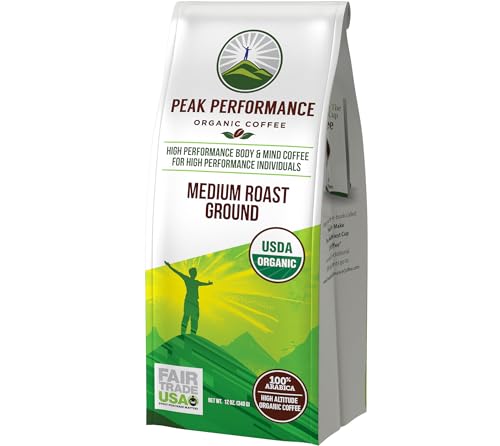
Peak Performance sourcing from the Guatemalan Highlands, these beans are Strictly Hard Bean (SHB) grade, a direct result of high-altitude growing conditions that create a denser, more nutrient-packed bean. This single-origin option is USDA Organic and Fair Trade, and notably rich in antioxidants.
Its medium roast profile is smooth and low in acid, designed to be easy on the stomach while delivering a clean, robust flavor. The brand also runs a buy-one-give-one program with Vitamin Angels, which adds a philanthropic edge for coffee lovers who want their purchase to have a social impact.
The bag is 12 ounces, which is standard, but the price point places it solidly in the mid-range. The biggest trade-off is that it’s a ground coffee, not whole bean, which limits your grind freshness control.
Why it’s great
- High-altitude SHB grade for density and nutrients.
- USDA Organic, Fair Trade, and single-origin.
- Donation program with Vitamin Angels per bag.
Good to know
- Ground format only, no whole bean option.
- Subtle tanginess that some might mistake for acid.
5. VitaCup Perfect Low Acid Coffee Beans

VitaCup’s entry into the low-acid segment is a dark roast whole bean from a single origin in Guatemala. It’s USDA Organic and Fair Trade, with a flavor profile centered on pronounced chocolate notes. The beans are high-altitude grown, which contributes to their denser structure and a smoother extraction.
The dark roast is effective at reducing acidity, and third-party lab testing confirms the absence of mycotoxins and other contaminants. As a whole bean option, it gives you full control over grind size, a key factor for achieving the perfect extraction for your brewing method.
At 11 ounces, the bag is slightly smaller than standard, which may mean you go through it faster if you drink multiple cups daily. But for a budget-friendly intro into low-acid organic coffee, it’s a strong entry point.
Why it’s great
- Whole bean for maximum freshness control.
- Single-origin Guatemala with high-altitude density.
- Third-party lab tested for purity.
Good to know
- 11 oz bag is smaller than the 12 oz standard.
- Dark roast might be too bold for medium roast fans.
FAQ
Does low-acid coffee taste different from regular coffee?
Can I drink low-acid coffee if I don’t have a sensitive stomach?
What’s the best brewing method for low-acid coffee?
Final Thoughts: The Verdict
For most users, the low-acid organic coffee winner is the Fabula Low Acid Coffee because it combines a rich, medium roast with rigorous lab testing for mycotoxins, a single-origin source, and proven results for GERD sufferers. If you want a top-tier decaf option that doesn’t skip on flavor, grab the Lifeboost Swiss Water Decaf. And for a budget-friendly whole-bean entry that still delivers on purity, the VitaCup Perfect Low Acid is a sensible start.