Bagged tea dust sits in warehouses for months before it reaches your mug. Loose leaf organic tea skips that entire degradation loop — whole leaves unfurl in hot water, releasing the volatile oils and antioxidants that define real tea. The difference between a dusty fannings bag and a full-leaf steep is the difference between a shadow and the sunlight that casts it.
I’m Emma — the founder and writer behind Baby Bangs. I’ve spent years analyzing supply chains, oxidation levels, and harvest cycles across the organic tea market to separate marketing fluff from genuinely superior leaf.
Steeping loose leaf shifts your daily ritual from a caffeine delivery system to an aromatic experience you actually anticipate. This guide cuts through the noise to help you find the best loose leaf organic tea for your taste, your budget, and your kitchen counter.
How To Choose The Best Loose Leaf Organic Tea
Three factors separate an exceptional cup from a forgettable one: leaf grade, harvest origin, and processing method. Whole leaves (not broken grades) retain more essential oils, so they yield a deeper flavor spectrum. Origin matters because soil composition and altitude directly affect tannin structure and sweetness. Oxidation level dictates your brewing temperature — green teas need water around 170°F, while black teas can handle a full 212°F without turning bitter.
Match Leaf Type to Your Daily Rhythm
Caffeine-sensitive drinkers should reach for honeybush or rooibos — both are naturally caffeine-free and low in tannins, making them gentle on an empty stomach. If you need a morning kick without the jitters, Japanese sencha offers a clean, vegetal lift with about half the caffeine of coffee. Black tea blends deliver the highest caffeine load and pair well with milk or citrus.
Packaging Integrity Matters More Than You Think
Oxygen, light, and moisture degrade loose leaf tea faster than most buyers realize. Multi-layer foil bags with a one-way degassing valve preserve freshness for two years or longer. Tins are aesthetically pleasing but often lack an airtight seal — transfer any tin-stored tea to a resealable foil pouch if you plan to keep it past six months.
Quantity Versus Curiosity
An avid daily drinker will plow through a pound bag inside two months. If you are newer to loose leaf or prefer variety, sampler sets of six to eight ounces let you explore different profiles before committing to a bulk purchase. One pound of loose leaf yields roughly 200 cups of tea, so calculate your consumption rate honestly.
Quick Comparison
On smaller screens, swipe sideways to see the full table.
| Model | Category | Best For | Key Spec | Amazon |
|---|---|---|---|---|
| Harney & Sons Japanese Sencha | Green Tea | Authentic Japanese flavor | 4 oz tin, vacuum-sealed foil packs | Amazon |
| Davidson’s Organics Hibiscus Flowers | Herbal Tea | Vitamin C and tart flavor | 16 oz bulk bag, cut and sift grade | Amazon |
| U.S. Wellness Honeybush Tea | Herbal Tea | Caffeine-free evening sipping | 1 lb, triple-layer oxygen barrier bag | Amazon |
| Tiesta Tea Black Sampler Set | Black Tea Sampler | Flavor variety and exploration | 7 resealable pouches, 6.4 oz total | Amazon |
| Solstice Tea Traders DIY Kit | Blending Starter Kit | Creating custom tea blends | 12 tins, all-natural ingredients | Amazon |
In‑Depth Reviews
1. Harney & Sons Japanese Sencha Green Tea
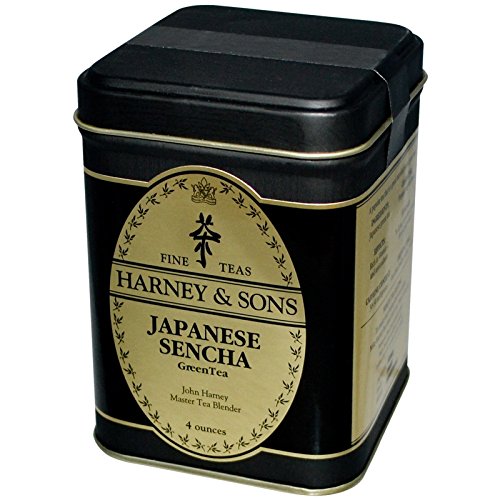
Harney & Sons sources its sencha from the Shizuoka prefecture — Japan’s most famous tea-growing region — and vacuum-seals the leaves in two separate foil packs inside a sturdy tin. That double-layer protection keeps the chlorophyll-heavy leaves bright and vegetal rather than stale and muddy. Customers consistently note the clean, long finish with zero bitterness, which is the hallmark of properly steamed Japanese green tea.
The four-ounce tin is enough for roughly 25 to 30 servings, placing it squarely in the premium everyday category. Kosher certification and a gluten-free allergen statement give it a clean label for sensitive diets. The leaves are whole, not broken, which means they expand fully during steeping and release their full amino acid profile — responsible for the umami undertone that distinguishes good sencha from mediocre.
If you want a single-origin green tea that tastes like it came straight from a Japanese tea master, this is your daily driver. The only caution is that sencha demands a water temperature around 170°F — boiling water will scorch the leaves and produce a bitter brew. A simple variable-temperature kettle solves the issue instantly.
Why it’s great
- Authentic Shizuoka-sourced leaves with bright, vegetal taste
- Vacuum-sealed foil packaging preserves freshness
- Kosher and gluten free with no bitter aftertaste
Good to know
- Requires lower water temperature to avoid bitterness
- Four-ounce tin may run out fast for daily drinkers
2. Davidson’s Organics Hibiscus Flowers C/S
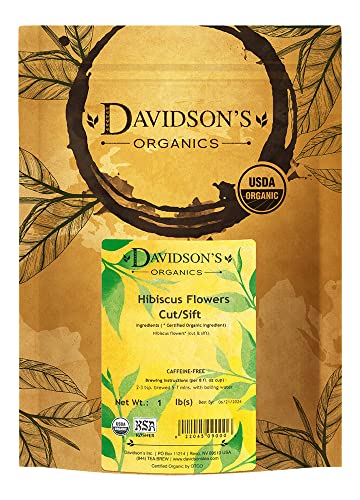
Davidson’s is a third-generation organic grower that controls its supply chain from Indian farms to your cup, and this hibiscus is the purest expression of that vertical integration. The cut-and-sift grade delivers deep red petals that steep into a vibrant ruby liquor with the signature tartness that makes hibiscus a Vitamin C powerhouse. One 16-ounce bag yields roughly 200 cups, making it the most economical entry point for anyone who drinks herbal tea daily.
The petals are non-GMO, free of synthetic pesticides, and certified organic by USDA standards. Because hibiscus is naturally caffeine-free and low in tannins, it serves as an ideal post-dinner brew — it will not interfere with sleep or irritate a sensitive stomach. The bag is a standard resealable pouch, which is adequate for a six-month supply if stored in a cool, dark cabinet.
Flavor purists note that the tart profile can be intense on its own, but a teaspoon of honey or a splash of orange juice rounds out the acidity beautifully. This is a no-frills bulk option for drinkers who value organic integrity over fancy packaging and want a consistent, research-backed herbal staple in their pantry.
Why it’s great
- USDA certified organic with fully vertical supply chain
- Massive 16-ounce bulk bag provides exceptional value
- Naturally caffeine free and packed with Vitamin C
Good to know
- Strong tartness may need sweetener or citrus to balance
- Basic resealable bag, not a premium tin or foil pouch
3. U.S. Wellness Honeybush Tea

Honeybush is a first cousin to rooibos, but it sidesteps the rare allergen concerns that some drinkers report with rooibos. This South African native is 100% USDA certified organic and packaged in a triple-layer oxygen diffusion barrier bag that locks in freshness for over two years. The flavor profile is naturally sweet with a woody undertone — customers describe it as shockingly close to black tea but smoother, with no bitterness or jitters.
One 16-ounce bag makes more than 200 cups, and zero caffeine means you can steep a generous 1.5 teaspoons at full boil without any risk of over-caffeination. The honeybush plant (Cyclopia spp.) grows wild in the Cape region, and the low tannin content makes it gentle enough for nighttime consumption or for people with acid reflux. Many users report a cool, almost minty aftertaste that cleanses the palate.
The only downside is that the flavor is mild compared to a spiced chai or a floral green tea. If you prefer bolder notes, you might want to blend it with ginger or cinnamon. But for a caffeine-free evening staple that genuinely tastes like tea, this bag earns its spot in your cabinet.
Why it’s great
- Certified USDA organic with triple-layer freshness barrier
- Zero caffeine and very low tannin for sensitive stomachs
- Naturally sweet flavor mimics black tea without bitterness
Good to know
- Mild flavor may feel underwhelming to spiced-tea fans
- Bag packaging feels plain compared to tin options
4. Tiesta Tea Black Sampler Dry Flight Set
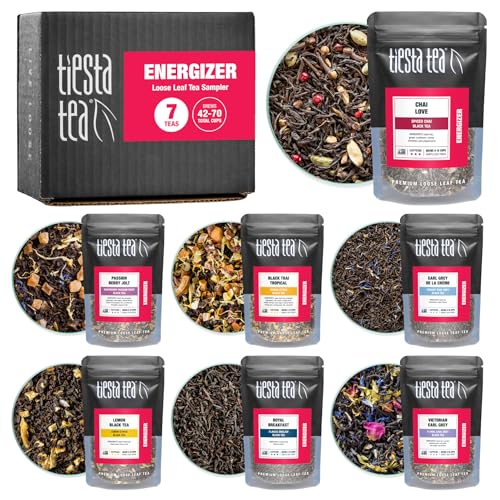
Tiesta’s sampler packs seven distinct black tea blends into resealable pouches that each produce six to ten cups — enough to cycle through every morning for a week without committing to a single flavor. The selection includes Passion Berry Jolt, Chai Love, Earl Grey de la Creme, and Royal Breakfast, so you get everything from fruity to spiced to classic bergamot. The leaves are full-grade loose leaf, not fannings, yielding a richer aromatic extraction than any bagged black tea.
Each pouch reseals with a zipper lock, which keeps the volatile oils from degrading between uses. Customers consistently mention the freshness of the leaf and the pronounced aroma during steeping. The recommended brew temperature is 195°F for three to five minutes — a simple electric kettle with temperature control is the perfect companion. The total set weighs 6.4 ounces, making it a manageable entry point for someone curious about black tea variety.
The trade-off is that the sample pouches are small enough that a heavy drinker will burn through each one in three or four servings. If you fall in love with a specific blend, you will need to buy a full-size bag separately. But as a discovery tool, this is the most efficient way to find your black tea lane without wasting money on a full pound of something you dislike.
Why it’s great
- Seven different black tea blends in one compact set
- Resealable pouches preserve aroma and essential oils
- Full loose leaf grade delivers richer flavor than bagged tea
Good to know
- Small pouches run out quickly with daily use
- Black tea only — no green or herbal options included
5. Solstice Tea Traders Create Your Own Tea Blend Starter Kit
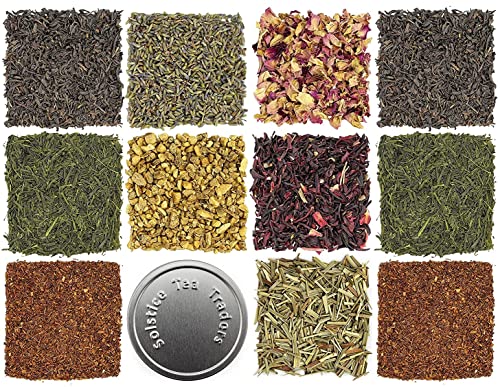
This kit flips the typical tea-buying script — instead of picking a pre-blended bag, you become the blender. It ships with six tins of loose leaf base teas (sencha, rooibos, China black) and five tins of herbal flavorings (lemongrass, ginger, rose petals, lavender, hibiscus), plus an empty mixing tin. The all-natural ingredients means zero artificial flavorings, so the rose petals are actual dried petals and the ginger is genuine cut ginger root.
The creative freedom here is the main draw. You can mix a pinch of sencha with lemongrass and ginger for a bright morning cup, or combine rooibos with lavender and rose for a floral evening wind-down. Each tin holds roughly 0.8 ounces, so the total kit weighs about 10.6 ounces — enough for 30 to 40 experimental cups. It is also a strong gift option for a tea lover who enjoys tinkering.
Keep in mind that the tins are small and not resealable in the same way foil pouches are. If you plan to use this kit over several months, transfer the herbs you use least frequently into airtight bags. The base teas are high quality but not single origin — they are reliable blending foundations rather than showpiece stand-alone leaves.
Why it’s great
- Complete blending kit with 12 tins of bases and flavorings
- All-natural ingredients with no artificial additives
- Fun, hands-on experience for creative tea drinkers
Good to know
- Small tins need airtight storage for long-term freshness
- Base teas are blends, not single-origin showpieces
FAQ
How much loose leaf tea should I use per cup?
Can I reuse loose leaf tea leaves for a second steep?
What is the best way to store loose leaf organic tea?
Does organic certification guarantee better taste?
Final Thoughts: The Verdict
For most users, the best loose leaf organic tea winner is the Harney & Sons Japanese Sencha because it delivers authentic Shizuoka-grade leaf quality with impeccable freshness packaging at a price that works for daily drinking. If you want a caffeine-free option that mimics black tea without the jitters, grab the U.S. Wellness Honeybush Tea. And for those who love variety and want to sample multiple profiles before committing, nothing beats the Tiesta Tea Black Sampler Set.