Staring down a 2 PM energy crash while your desk drawer holds nothing but a disappointing granola bar? That is the exact moment most people realize their “nutrition strategy” is just desperation snacking. Meal supplement powders are not just protein shakes with a fancy label — they are engineered to replace a full plate of food with a scoop of science, delivering a calibrated ratio of macros, fiber, and micronutrients that a standard protein powder simply cannot touch.
I’m Emma — the founder and writer behind Baby Bangs. I have spent over a decade analyzing the intersection of convenience nutrition and metabolic health, cross-referencing label claims against third-party testing to separate real meal replacements from overpriced protein blends.
Whether you need a desk-friendly lunch substitute, a post-workout recovery anchor, or a way to keep your gut running while your schedule runs you ragged, this deep dive into the best meal supplement powders will arm you with the data to make a choice that sticks.
How To Choose The Best Meal Supplement Powder
Not every powder that says “meal” on the tub actually delivers the nutritional density required to replace a real meal. The difference between a protein supplement and a meal replacement is a function of total calorie load, macro distribution, fiber content, and micronutrient fortification. Here is how to vet your options like a pro.
Protein Source and Amino Completeness
Whey isolates provide a fast-digesting, leucine-rich profile ideal for post-workout windows, while plant-based blends (pea, brown rice, chia, pumpkin seed) offer slower digestion and broader alkalinity but require careful pairing to hit a complete essential amino acid profile. Look for at least 20 grams of protein per serving to qualify as a meal anchor — anything less leaves you hungry within 90 minutes.
Fiber Content and Gut Support
A true meal replacement should deliver 5 to 10 grams of fiber per serving to mimic the satiety and glycemic stabilization of whole foods. Prebiotic fiber sources like chicory root or soluble tapioca fiber not only keep you full but also feed beneficial gut bacteria — a feature notably absent from standard protein powders.
Micronutrient Density and Additives
The best meal powders bridge the gap between convenience and completeness by including at least 50% of the Daily Value for vitamins A, C, D, B6, B12, and minerals like iron, zinc, and magnesium. Avoid blends relying on maltodextrin filler or artificial sweeteners that spike insulin response — the best performers use organic stevia or monk fruit as sweetness anchors.
Quick Comparison
On smaller screens, swipe sideways to see the full table.
| Model | Category | Best For | Key Spec | Amazon |
|---|---|---|---|---|
| Vega Organic All-In-One Nutrition | Plant-Based | Whole-food nutrient density | 20g protein + 4g fiber + probiotics | Amazon |
| Huel Black Edition Vanilla | High-Protein Vegan | Maximum satiety per serving | 40g protein + 8g fiber | Amazon |
| Optimum Nutrition Gold Standard Whey | Whey Isolate | Post-workout lean muscle | 24g whey protein + 5.5g BCAAs | Amazon |
| Happy Viking by Venus Williams | Plant-Based + Superfoods | Weight management & recovery | 30g protein + 10g fiber + probiotics | Amazon |
| Premier Protein Powder Plus Fiber | Whey + Prebiotic | Gut health & daily convenience | 25g protein + 7g prebiotic fiber | Amazon |
| Orgain Organic Plant Protein | Organic Plant-Based | Clean label & everyday value | 21g organic protein + 6g prebiotic fiber | Amazon |
| Andrew Lessman Secure Soy Vanilla | Ultra-Low Calorie | Calorie-restricted diets | 63 cal + 7g soy protein + vitamins | Amazon |
In‑Depth Reviews
1. Vega Organic All-in-One Nutrition Shake
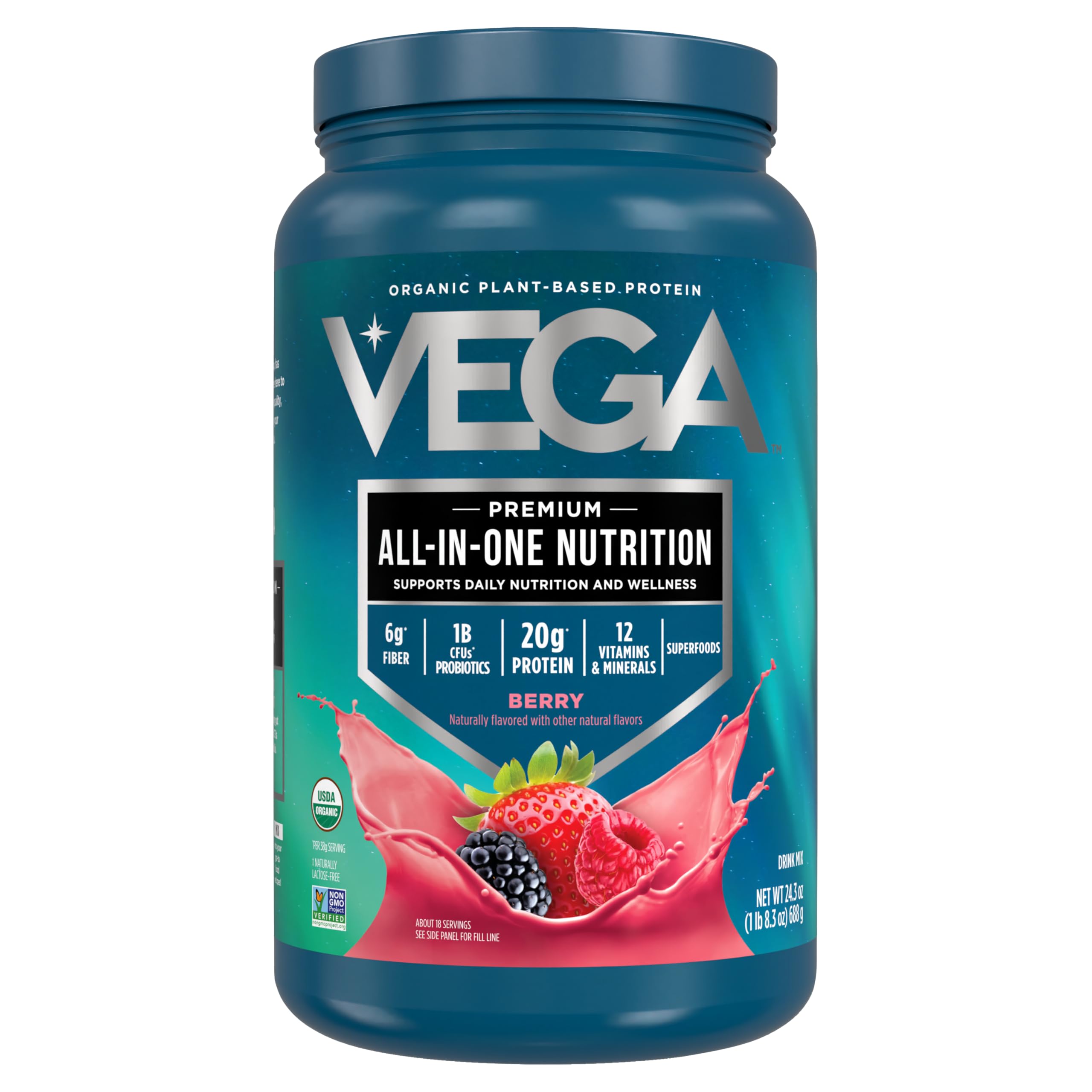
Vega’s Organic All-in-One delivers the broadest micronutrient profile in this class — 50% DV of eight vitamins and minerals per serving, plus 500 mg of omega-3 ALA from whole-food sources like organic chard, kale, broccoli, and spirulina. This is not a stripped-down protein isolate; it is a complete greens-and-berries blend that mimics the phytonutrient density of a real salad. The 20 grams of organic pea, sunflower, and pumpkin seed protein provide all nine essential amino acids without the bloating many users experience from straight pea protein isolates.
With 4 grams of fiber and 2 billion CFUs of bacillus coagulans probiotics, the berry flavor supports gut transit and immune function simultaneously — a rare combo in the meal powder category. The powder mixes smoothly in cold water (using a shaker) but shines when blended with almond milk and a handful of frozen berries for a proper 350-calorie meal replacement. The 0 grams added sugar is a meaningful win for insulin-sensitive dieters.
One trade-off is the relatively modest fiber count (4g) compared to premium competitors that push 8-10g per serving. Paleo and strict keto users should note the 11g net carbs from organic sources, though the absence of grains and artificial flavors keeps the ingredient deck clean enough for most restricted diets.
Why it’s great
- Certified USDA Organic with whole-food greens and berry blend
- Probiotic support built into every serving
- Zero added sugar and no artificial sweeteners
Good to know
- Fiber content (4g) is lower than premium competitors
- Net carbs may be a concern for strict keto users
- Berry flavor is mild; some may prefer a bolder profile
2. Huel Black Edition Vanilla
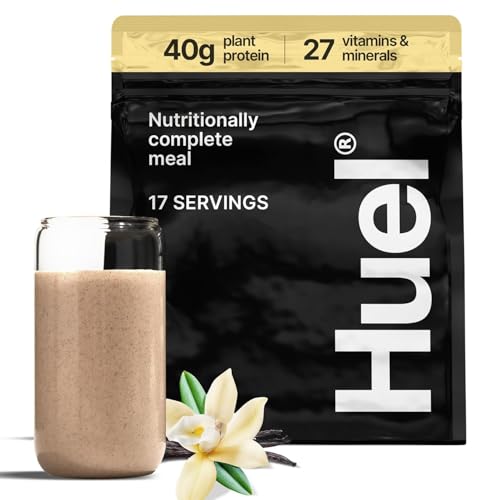
Huel Black Edition was built for one specific job: keeping you full longer than any other powdered meal on this list. With 40 grams of plant-based protein (pea and brown rice) and 8 grams of fiber per serving, this powder pushes satiety into a category of its own — most competitors top out around 25-30g protein. The 27 essential vitamins and minerals, including a full B-complex spectrum and vitamin D3, mean you could theoretically live on this for days without nutritional deficiencies creeping in.
The 100% vegan formula is gluten-free, non-GMO, and notably low in added sugars, relying on stevia and natural flavors for sweetness. The slow-release complex carbs (from oats and tapioca) provide sustained energy rather than the spike-and-crash cycle typical of cheaper maltodextrin-based meal powders. Users report that the texture improves dramatically when pre-mixed and refrigerated overnight — the solubility benefit of letting the powder fully hydrate eliminates the gritty mouthfeel that sometimes plagues pea protein blends.
A recent formula change in late 2025 shifted the flavor and texture profile, with some long-term users noting a more chemical aftertaste and increased grittiness. The scoop is massive — one serving requires two scoops, which some users find overwhelming in a single shaker. For the price, the bag packaging (rather than a tub) can be messy and difficult to reseal completely.
Why it’s great
- Highest protein count (40g) and fiber count (8g) in this class
- Complete meal with 27 vitamins and minerals
- Slow-release carb profile avoids glycemic spikes
Good to know
- Formula changes have introduced texture and flavor inconsistencies
- Two-scoop serving size is bulky for some users
- Bag packaging is less convenient than a rigid tub
3. Optimum Nutrition Gold Standard 100% Whey
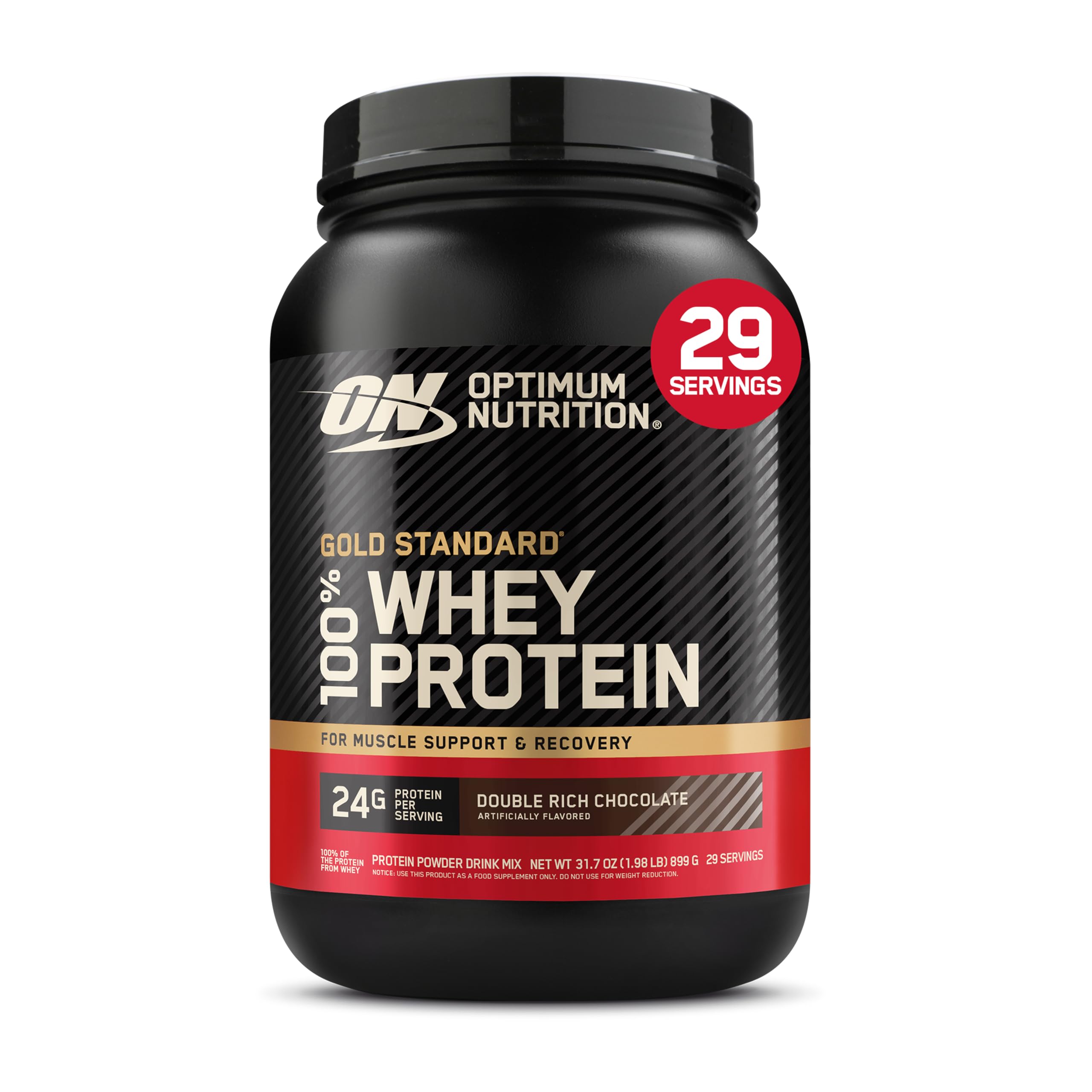
Optimum Nutrition Gold Standard remains the most tested whey protein on the market for a reason — it is the benchmark for fast-absorbing, leucine-rich amino delivery. With 24 grams of whey protein per scoop (primary ingredient is whey protein isolate) and only about 1 gram of sugar and 3 grams of carbs, this powder is engineered for clean post-workout muscle repair without the caloric drift of meal replacements. The 5.5 grams of naturally occurring BCAAs and 11 grams of EAAs provide the precise amino trigger for muscle protein synthesis that plant blends struggle to match.
The instantized formula dissolves almost instantly in a shaker with water or milk, with zero chalkiness — a texture advantage over most vegan powders. The Double Rich Chocolate flavor is consistently rated as the best-tasting protein base in the category, with no stevia or monk fruit aftertaste. For users whose primary goal is recovery and lean mass maintenance rather than whole-meal substitution, this profile is ideal.
This is not a complete meal replacement — it lacks the fiber, probiotic, and phytonutrient density that transforms a shake into a lunch. Lactose-intolerant users may experience bloating despite the isolate processing, and the absence of prebiotic fiber means it does not contribute to gut health or sustained satiety on its own.
Why it’s great
- Industry gold standard for whey taste and mixability
- Low sugar and carb profile suits cutting phases
- Rich BCAA/EAA content for muscle recovery
Good to know
- Not a complete meal replacement — fiber at 0g
- Whey isolate can still cause bloating in sensitive users
- No probiotics or greens for gut support
4. Happy Viking Plant-Based Protein Powder
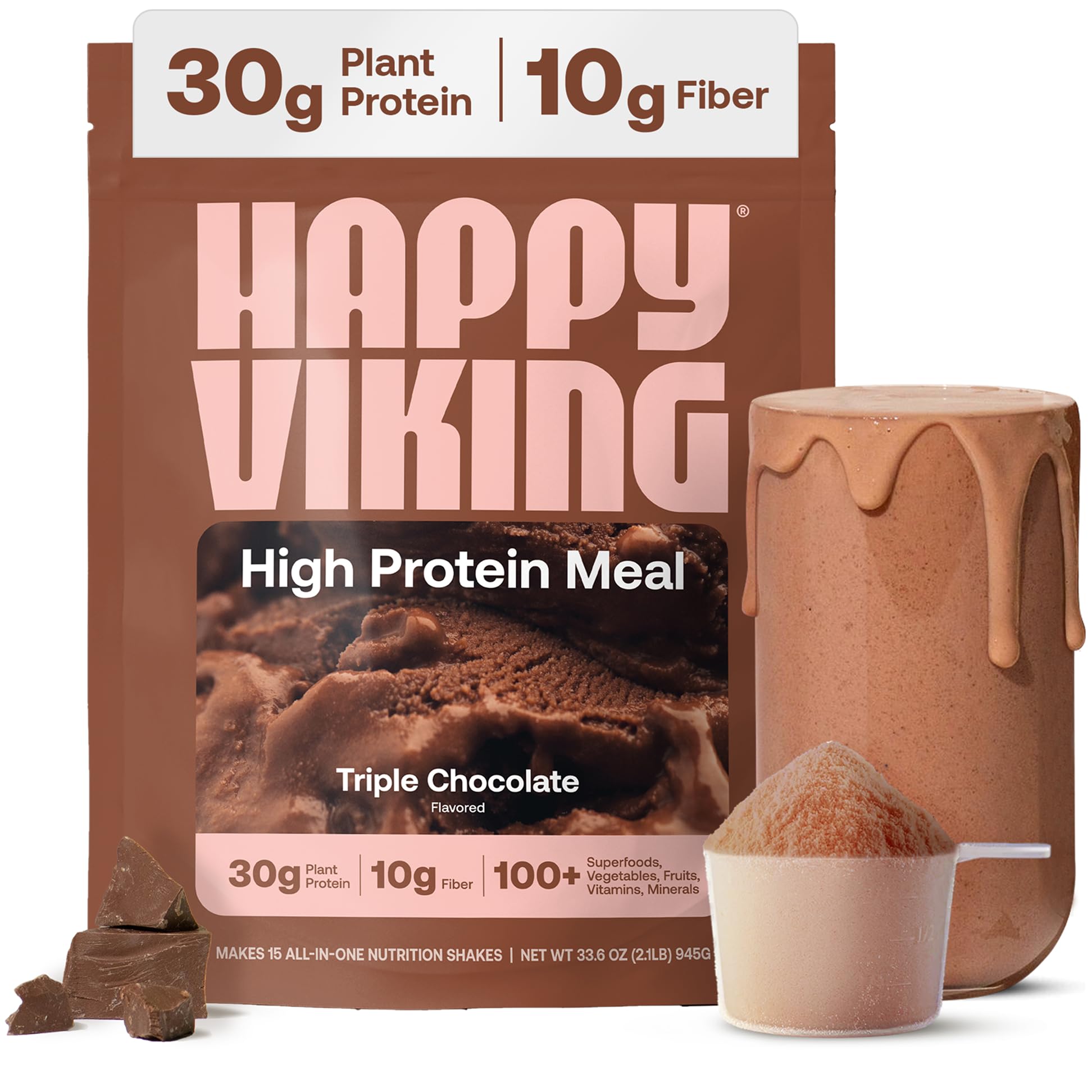
Created by Venus Williams, Happy Viking strikes a rare balance between high protein output (30 grams serving) and high fiber content (10 grams), making it one of the few powders that genuinely qualifies as both a meal replacement and a digestive health tool. The plant protein blend of pea and brown rice is fortified with over 100 superfoods including ashwagandha for stress modulation, probiotics for gut balance, and omega-3s from flax for skin and nail support. This is a functional-food approach to meal powders — every scoop delivers ancillary wellness benefits beyond simple macros.
The chocolate flavor mixes well with water but truly comes alive with lactose-free Fair Life milk or oat milk, producing a creamy texture that masks the typical plant-protein graininess. Users who incorporate this into a weight management routine report noticeable appetite suppression through the afternoon, which aligns with the 10-gram fiber load and 30-gram protein anchor. The inclusion of ashwagandha helps blunt the cortisol spike that drives stress eating in many dieters.
The packaging shift from a rigid canister to a large resealable pouch has frustrated repeat buyers — the bag is difficult to scoop from without making a mess and cannot stand upright on a counter. The scoop size is significantly larger than the competition, which users should note when tracking servings. Some users on strict low-FODMAP diets may react to the fiber blend.
Why it’s great
- Highest fiber count (10g) with 30g protein for max satiety
- Ashwagandha and probiotics add stress and gut support
- Clean, plant-based ingredient deck with no artificial sweeteners
Good to know
- Pouch packaging is messy compared to tubs
- Scoop size is very large — measure carefully
- Not ideal for strict low-FODMAP diets
5. Premier Protein Powder Plus Fiber
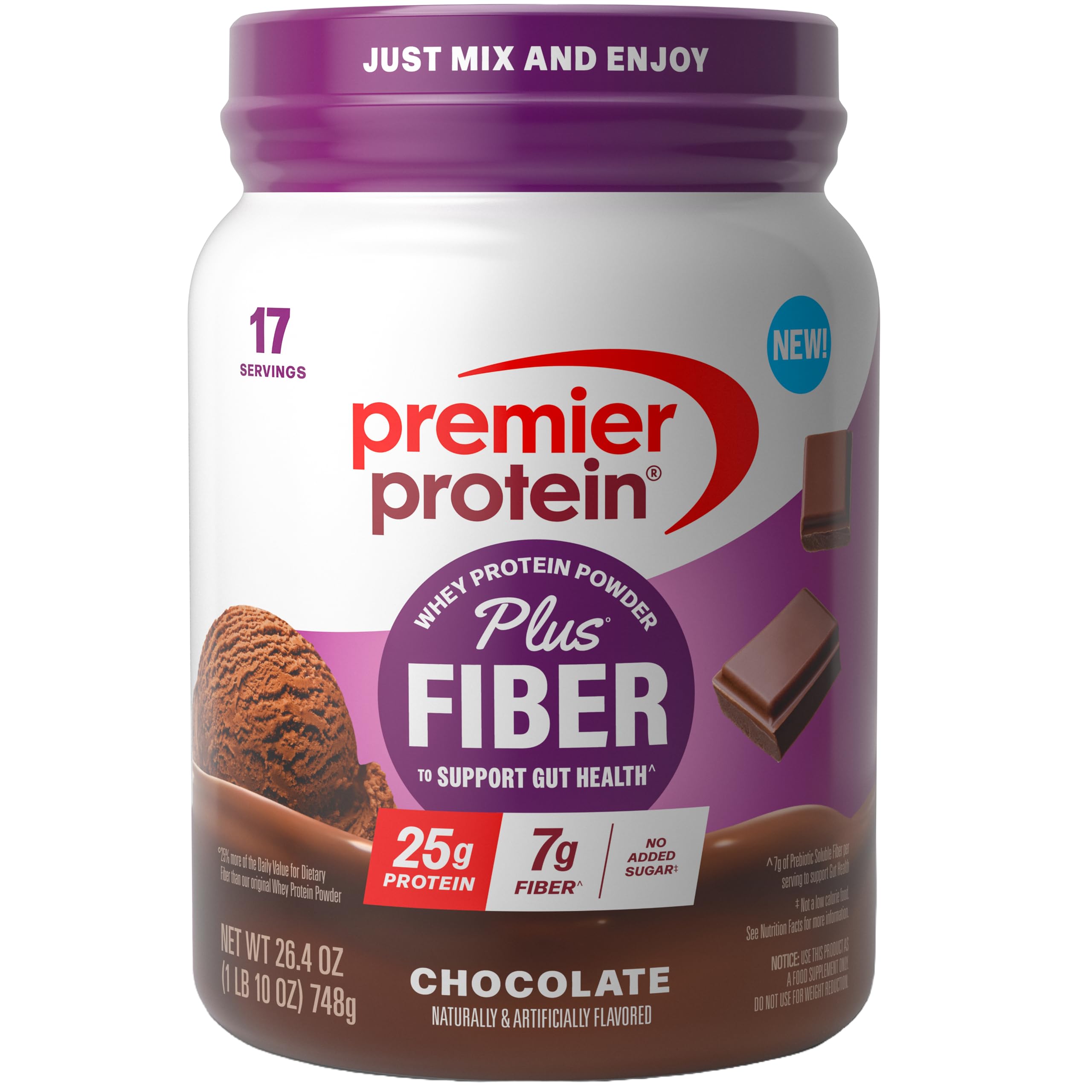
Premier Protein Plus Fiber solves the two most common complaints about whey protein powders — gut discomfort and insufficient fiber — by integrating three types of prebiotic fiber into a smooth chocolate whey base without the chalky husk texture that plagues fiber-fortified blends. Each serving delivers 25 grams of whey protein and 7 grams of prebiotic fiber, providing 25% of the daily value for dietary fiber in a single shake. The American Masters of Taste Gold Medal recognition is not just marketing fluff — the chocolate flavor is genuinely drinkable straight from a shaker with water, tasting more like a chocolate milk than a protein supplement.
This is a 2-in-1 product: it functions as a high-quality post-workout recovery powder while simultaneously supporting gut microbiome health through prebiotic fermentation in the colon. Users report that the fiber component does not cause the bloating or gassiness typical of psyllium husk-based fiber powders, which is attributable to the blended soluble fiber profile. The absence of added sugar helps maintain insulin stability, making it a strong choice for morning coffee additions or mid-morning meal replacement.
The product was recently released (July 2025), so long-term review data is sparse. The whey base is not suitable for vegan or lactose-sensitive users. The container size (1.65 lbs) yields fewer total servings than some bulk alternatives, which may be a factor for daily users watching their per-serving cost.
Why it’s great
- Three-type prebiotic fiber blend with zero chalky taste
- Award-winning chocolate flavor mixes effortlessly
- Combines gut health and muscle recovery in one scoop
Good to know
- New release with limited long-term user data
- Whey base excludes vegan and lactose-intolerant users
- Smaller container for the price point
6. Orgain Organic Vegan Protein Powder
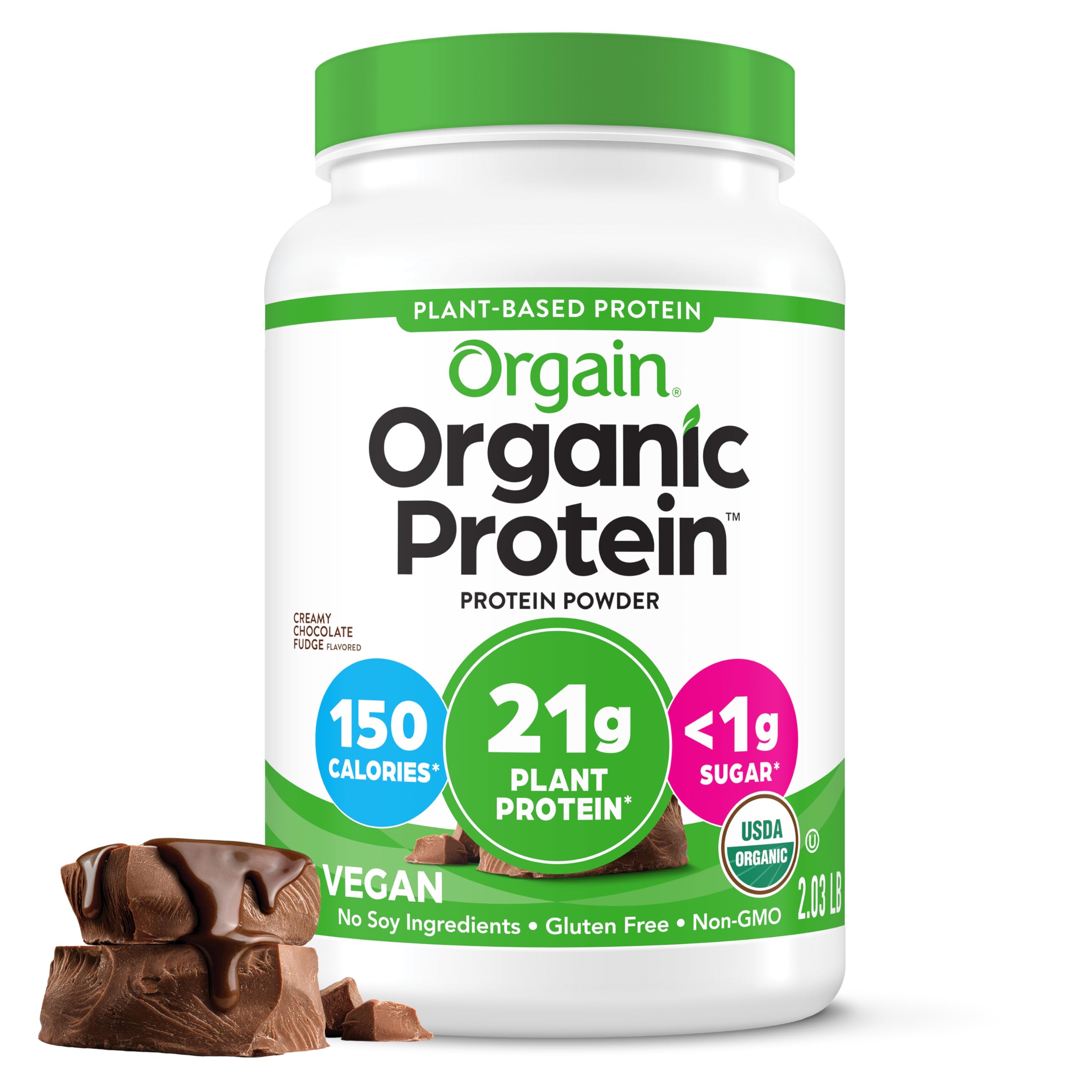
Orgain is the strongest value play in this lineup for users who prioritize USDA Organic certification and a clean ingredient deck above all else. The protein blend combines organic pea, brown rice, and chia seeds to deliver a complete amino acid profile, with 21 grams of protein and 6 grams of prebiotic fiber per serving — all for a price that undercuts most premium competitors by a significant margin. The formula contains no erythritol, carrageenan, artificial flavors, sweeteners, or preservatives, making it one of the few zero-compromise labels for dieters on strict whole-food protocols.
The chocolate fudge flavor tastes noticeably more like a dessert shake than a health supplement, though users report slightly grittier texture compared to whey isolates (a characteristic of chia seed-based blends). Mixing with a powered blender rather than a shaker ball solves this issue entirely. At 0 grams of sugar and low net carbs, the powder supports keto and paleo frameworks as an intermittent meal replacement rather than a daily staple.
Stevia sweetener dominates the flavor profile in a way that polarizes users — some find it pleasantly mild, while others detect a lingering aftertaste. The 2.03 pound container provides strong overall volume for the investment, but users should pre-measure the scoop carefully as the powder density can vary slightly between batches.
Why it’s great
- USDA Organic with no artificial anything — cleanest label in class
- Chia seed protein adds unique omega-3 ALA content
- Excellent price-to-servings ratio for daily use
Good to know
- Stevia aftertaste may not suit all palates
- Coarser texture requires a blender for best results
- Fiber count (6g) is solid but not class-leading
7. Andrew Lessman Secure Soy Complete Meal Replacement
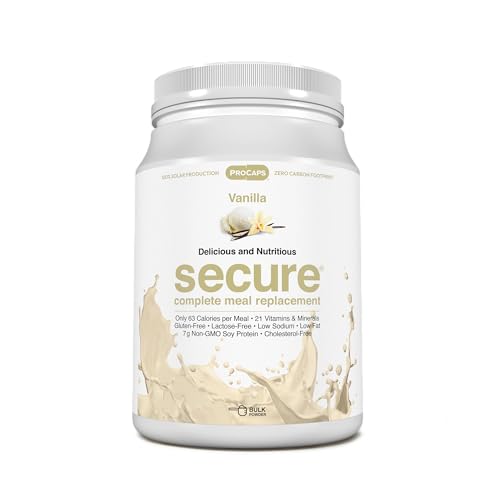
Andrew Lessman’s Secure Soy stands alone in this group as a true calorie-restriction tool — each serving delivers just 63 calories with 7 grams of non-GMO soy protein and a full spectrum of 21 essential vitamins and minerals. This is not a satiety-focused meal replacement; it is a vitamin-dense shake engineered for users on aggressive weight-loss protocols who need to preserve lean mass while minimizing caloric intake. The soy protein is heart- and bone-health friendly, providing isoflavones that some research links to favorable cholesterol profiles.
The powder mixes instantly — no blender required — with no clumping or grit, making it the most convenient option in this lineup for desk drawers and travel bags. The vanilla flavor is mild and neutral, which makes it versatile for mixing into coffee or green smoothies without dominating the taste. ProCaps Laboratories (the manufacturer) operates a zero-carbon-footprint facility with LEED Gold certification and uses 100% recyclable post-consumer resin bottles, which matters for eco-conscious buyers.
The major caveat is that 63 calories per serving is too low to function as a standalone meal for anyone with moderate activity levels — users will need to add fruit, nut butter, or plant milk to bring it to a satiating calorie threshold. The soy protein base is not suitable for those avoiding soy due to estrogen concerns or allergies. The price is higher than budget-friendly options when calculated per gram of protein delivered.
Why it’s great
- Minimal caloric load — ideal for aggressive weight-loss protocols
- Soy protein with isoflavones offers distinct health profile
- Zero-carbon manufacturing with recyclable packaging
Good to know
- Too low in calories to serve as a standalone meal for active users
- Soy base excludes those avoiding soy or with allergies
- High per-serving cost relative to protein content
FAQ
Can I replace two meals per day with meal supplement powder without medical supervision?
Will a meal powder built around pea protein trigger IBS or bloating?
How does the bioavailability of soy protein compare to whey in a meal powder?
Final Thoughts: The Verdict
For most users, the meal supplement powders winner is the Vega Organic All-in-One Nutrition Shake because it delivers the cleanest organic label, the most complete phytonutrient profile, and probiotics in a single scoop at a price that does not punish daily use. If you want maximum satiety and protein density, grab the Huel Black Edition Vanilla. And for a gut-focused, fiber-forward whey experience, nothing beats the Premier Protein Powder Plus Fiber.