Choosing a meal replacement bar that actually satisfies hunger rather than just delaying it comes down to balancing protein density, fiber content, and caloric substance — not just scanning the front-of-box marketing claims. Most snack bars fall short on at least one of these pillars, leaving you reaching for a second bar or a bag of chips an hour later.
I’m Emma — the founder and writer behind Baby Bangs. I’ve analyzed over 40 protein bar SKUs this year alone, comparing ingredient sourcing, macronutrient profiles, and real-world satiety data to separate genuine meal replacements from glorified candy bars.
After evaluating dozens of options by their protein-to-calorie ratios, fiber counts, sugar content, and overall ingredient quality, I’ve narrowed the list down to the seven most effective options. This guide covers the best meal replacement protein bars for busy schedules, active lifestyles, and clean-eating preferences.
How To Choose The Best Meal Replacement Protein Bars
A genuine meal replacement bar needs to deliver more than just protein. You want at least 15-20g of protein, 3-5g of fiber, and enough calories (250-400) to function as a full meal substitute. Without these three benchmarks in alignment, you’re eating a snack, not a replacement.
Protein Quality & Quantity
The source matters as much as the gram count. Whey isolate and milk protein isolate digest quickly and score high on the PDCAAS scale, making them ideal for post-workout muscle repair. Plant-based blends (pea, brown rice, hemp) digest slower and offer steadier energy, which suits a breakfast or lunch replacement better. Look for bars that list the protein source early on the ingredient panel — proprietary blends can hide low-quality fillers.
Fiber & Sugar Balance
Fiber is the satiety lever most people ignore. A bar with 1g of fiber will leave you hungry within 90 minutes regardless of its protein count. Aim for at least 4g of fiber per bar. Meanwhile, watch the sugar alcohols — erythritol and maltitol can cause digestive discomfort if you eat bars frequently. Bars sweetened with allulose or monk fruit tend to cause fewer GI issues while still keeping net carbs low.
Caloric Density & Texture
Meal replacement bars typically range from 220 to 400 calories per bar. The lower end works as a snack or light meal substitute; the higher end can replace a full breakfast or lunch. Texture also signals ingredient quality — bars that feel overly hard or chalky often contain excessive calcium carbonate or degraded protein. A bar with a soft, chewy texture and visible whole ingredients (nuts, oats, seeds) usually indicates fresher production and better mouthfeel.
Quick Comparison
On smaller screens, swipe sideways to see the full table.
| Model | Category | Best For | Key Spec | Amazon |
|---|---|---|---|---|
| MET-Rx Big 100 | High-Calorie | Full meal replacement or post-workout recovery | 30g protein, 3.52 oz bar | Amazon |
| Barebells Variety Pack | Premium | Candy-bar taste with clean macros | 20g protein, 1g total sugar | Amazon |
| PROBAR MEAL Bar | Plant-Based | Vegan whole-food meal replacement | Whole oats, nuts, seeds, 12g fiber | Amazon |
| FULFIL Chocolate Salted Caramel | Low-Carb | Keto-friendly dessert-style bar | 20g protein, 2g sugar, 3g net carbs | Amazon |
| N!CK’S Variety Pack | Keto-Friendly | Low-calorie, no-added-sugar snacking | 15g protein, 220 calories, 2g sugar | Amazon |
| Pure Protein Variety Pack | Budget | High-protein value option | 20-21g protein, 1.76 oz bar | Amazon |
| KIND Protein MAX | Nut-Based | Real-ingredient, low-sugar snack | 20g protein, 1g total sugar, 12g fiber | Amazon |
In‑Depth Reviews
1. MET-Rx Big 100 Protein Bar, Salted Caramel Brownie Crunch
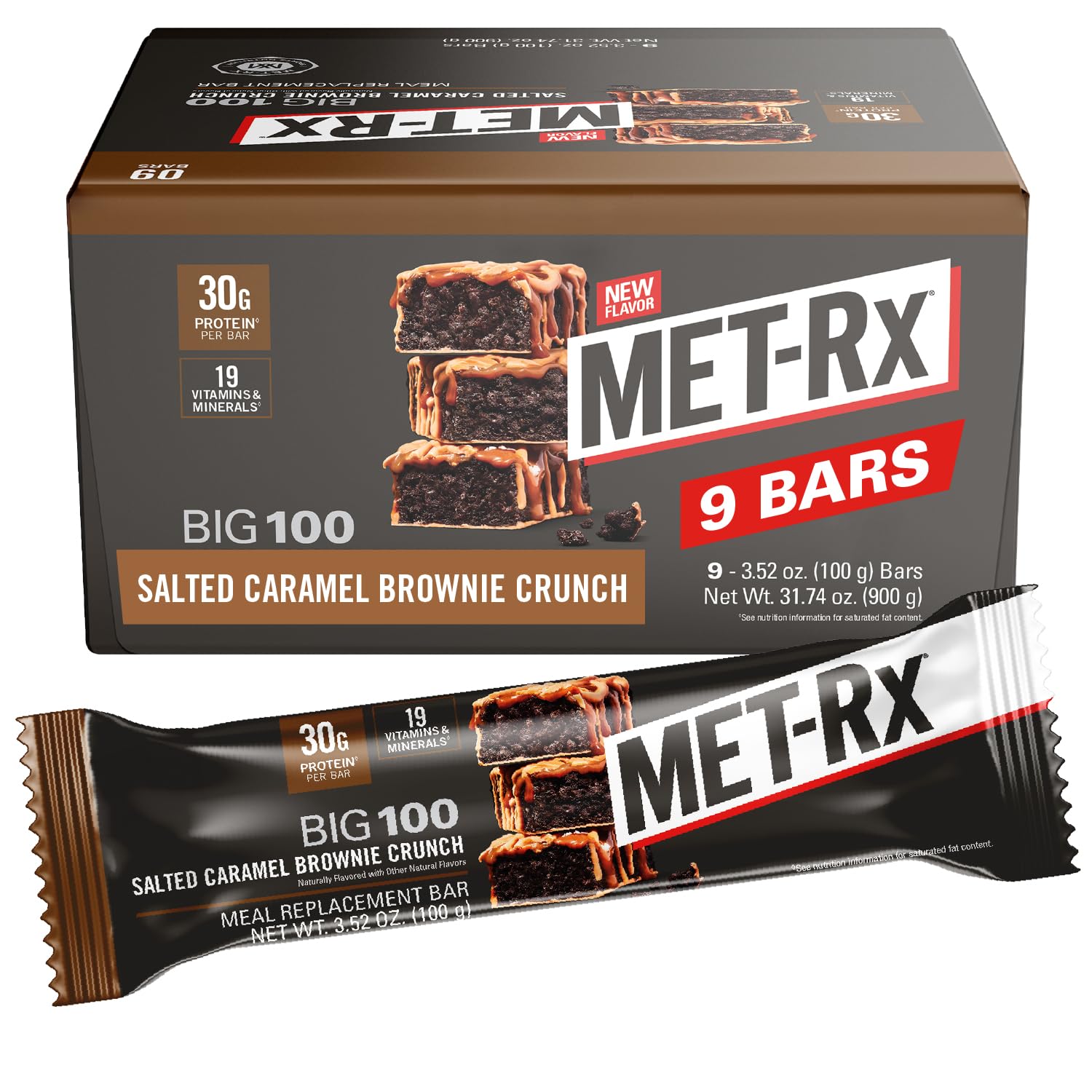
The MET-Rx Big 100 sits in a weight class of its own. At 3.52 ounces and 30 grams of protein, this bar is built for people who need a genuine meal substitute — not a between-meals nibble. The Salted Caramel Brownie Crunch flavor delivers a rich, dessert-like taste without relying heavily on sugar alcohols, and the texture stays soft and chewy rather than turning rock-hard like some high-protein competitors.
The protein blend combines milk protein isolate, whey protein isolate, and whey protein concentrate, which provides both quick and sustained amino acid release. That makes it equally effective for post-workout recovery or as a mid-morning breakfast replacement that keeps you full for 3-4 hours. Each bar also delivers a solid fiber count to support digestion and extend satiety beyond what the protein alone would provide.
The only real friction point is the price per bar compared to standard snack bars, and the fact that some buyers report occasional freshness inconsistency depending on the expiration date of the batch shipped. Still, for pure meal-replacement substance, nothing else on this list matches the caloric and protein density of the MET-Rx Big 100.
Why it’s great
- 30g of high-quality blended protein per bar — highest on this list
- Dessert-level flavor without excessive sugar alcohols
- Large 3.52 oz size genuinely replaces a full meal
Good to know
- Higher per-bar cost compared to standard protein bars
- Texture can dry out if stored past peak freshness
- May cause mild bloating for those sensitive to dairy proteins
2. Barebells Protein Bars People’s Choice Variety Pack
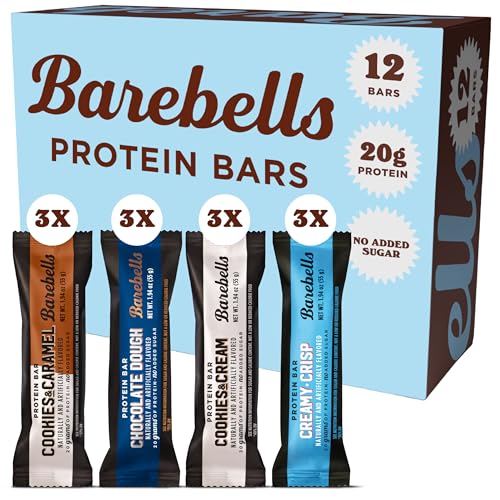
Barebells has built a reputation on making protein bars that genuinely taste like candy bars, and the People’s Choice Variety Pack delivers exactly that. The texture is soft, creamy, and free of the chalky protein-powder aftertaste that plagues many competitors. Each bar packs 20 grams of protein from milk protein isolate while keeping total sugars at just 1 gram per serving, making this a standout for anyone who wants macro-friendly eating without sacrificing flavor.
The variety pack includes multiple flavors, and while some taste quite similar to each other, the consistency across the board is excellent. The bars are also GMO-free and palm-oil-free, which matters for buyers who prioritize clean sourcing. At just over 200 calories per bar, the Barebells options work best as a meal replacement for lighter meals or as a substantial snack between main meals.
On the downside, the price per bar sits at the higher end of the market, and the low sugar content means the sweetness comes from sugar alcohols and allulose — some people may experience mild digestive sensitivity if they eat multiple bars per day. For anyone who values taste above all else, however, Barebells remains the gold standard.
Why it’s great
- Candy-bar taste with no artificial aftertaste or chalkiness
- Only 1g total sugar while delivering 20g protein
- GMO-free and palm-oil-free ingredients
Good to know
- Higher price per bar than most competitors
- Flavors in the variety pack can taste similar
- Digestive upset possible for those sensitive to sugar alcohols
3. PROBAR MEAL Bar – Oatmeal Chocolate Chip
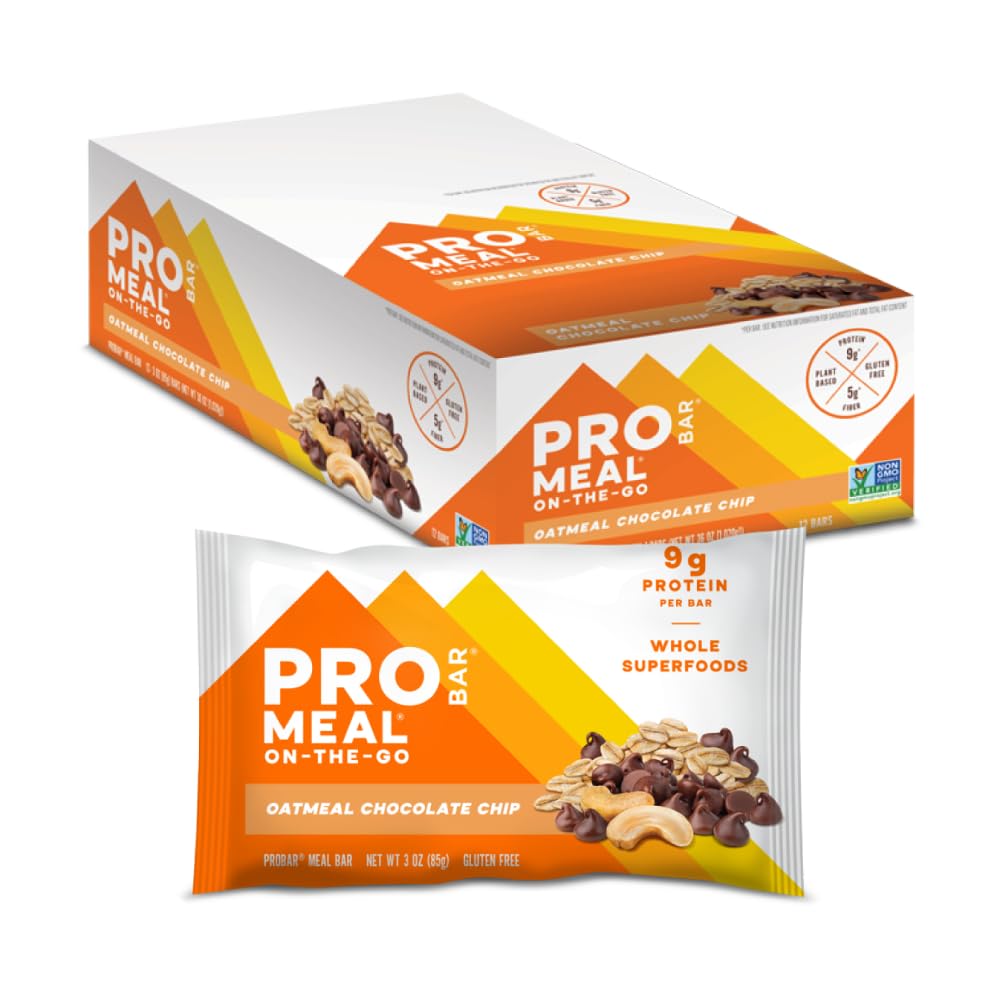
PROBAR MEAL takes a fundamentally different approach from the whey-isolate-heavy bars on this list. Instead of processed protein powders, this bar is built around real whole foods — oats, nuts, seeds, and dried fruit — that provide a slower, more sustained energy release. The Oatmeal Chocolate Chip flavor has a hearty, oatmeal-cookie texture with visible oat flakes and chocolate chunks, and it delivers around 12 grams of fiber per bar, which is more than double what most competitors offer.
For plant-based eaters or anyone who wants a meal replacement that feels more like real food than a supplement, PROBAR is the clear winner here. The 2.25-pound box weight reflects the dense, nutrient-packed construction of each bar. It also works exceptionally well as a breakfast replacement for outdoor activities like hiking or camping, where sustained energy matters more than immediate protein spikes.
That said, the protein count (around 10-12g depending on flavor) is lower than whey-based meal bars, so it won’t serve the same post-workout recovery purpose. Some users also report occasional freshness inconsistencies between batches — the bars can arrive on the drier side if they’ve been sitting on shelves too long. For clean, plant-based meal replacement, though, PROBAR is unmatched.
Why it’s great
- Real whole-food ingredients — oats, nuts, seeds — no processed isolates
- Massive fiber content supports long-lasting fullness
- Vegan, gluten-free, Non-GMO, and plant-based clean
Good to know
- Lower protein count than whey-based meal bars
- Texture can be dry if the batch is older
- Not ideal for post-workout muscle repair due to lower complete protein
4. FULFIL Protein Bars, Chocolate Salted Caramel
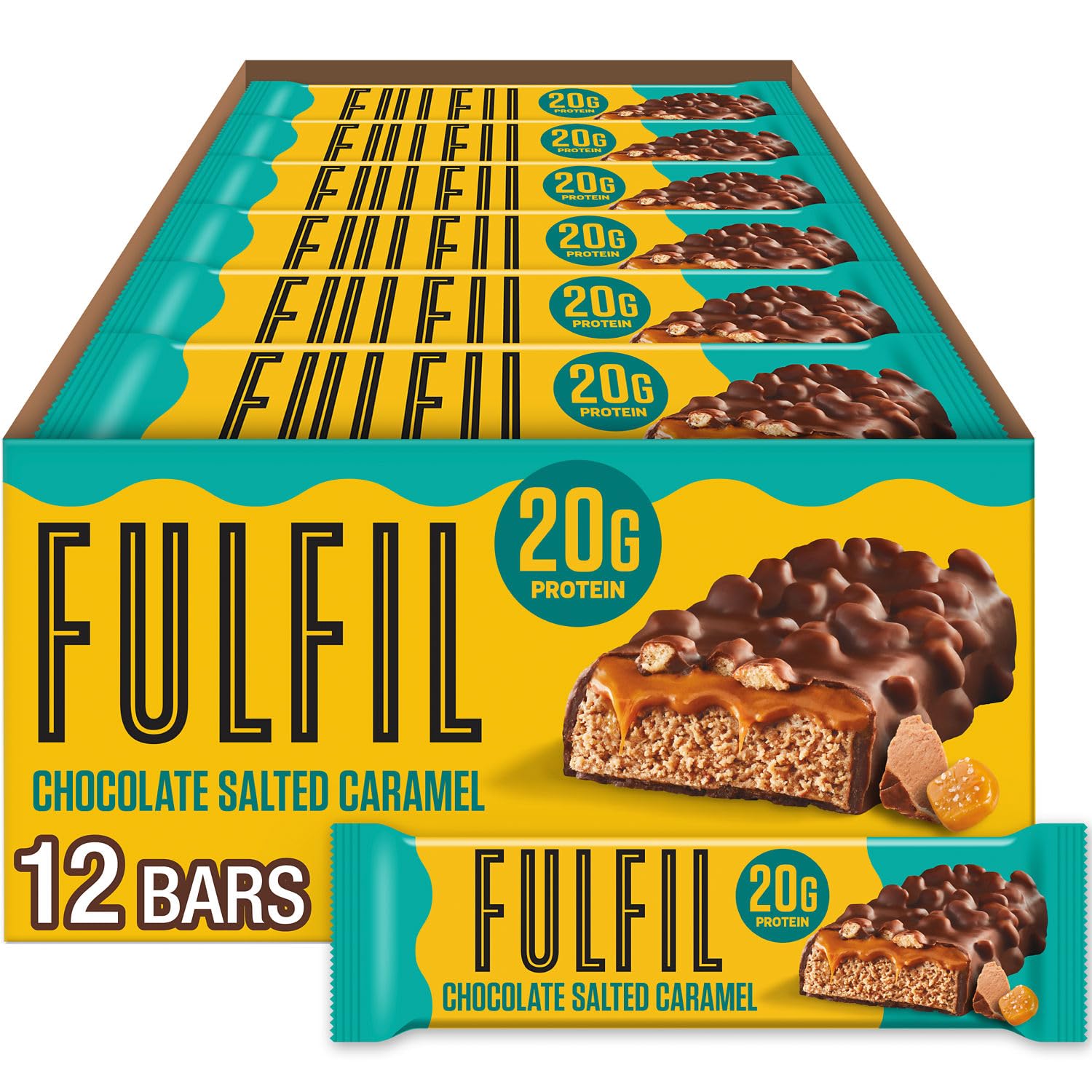
FULFIL positions itself as a protein bar that looks and feels like a candy bar, and the Chocolate Salted Caramel flavor delivers on that promise. The bar features a soft nougat-like center surrounded by crispy pieces and coated in two layers of chocolate. At just 3 grams of net carbs and 2 grams of sugar per bar, it’s one of the most keto-friendly options on this list while still delivering a full 20 grams of protein.
The protein blend relies on milk protein isolate and whey protein isolate, which digest quickly and support muscle recovery effectively. The bar is also gluten-free, which matters for anyone with celiac concerns or general gluten sensitivity. The 55-gram bar size hits a sweet spot — large enough to function as a meal replacement for lighter eaters but not so heavy that it feels like a chore to finish.
The main consideration here is the sugar alcohol content used to achieve the low net carb count. Some people find that maltitol or erythritol causes bloating or gas, especially if they eat multiple bars in a day. The flavor profile is also distinctly sweet — if you prefer savory or less sweet meal bars, FULFIL may lean too far into dessert territory for your taste.
Why it’s great
- Only 3g net carbs per bar — excellent for keto dieters
- Nougat and crispies texture feels indulgent, not dry
- 20g of fast-digesting whey and milk protein isolate
Good to know
- Sweetener blend can cause digestive discomfort for some
- Very sweet flavor profile — less suitable for savory preferences
- Newer brand with less long-term consistency data
5. N!CK’S Protein Bars Variety Pack

N!CK’S brings a Swedish sensibility to the protein bar aisle — emphasis on low-calorie, low-carb, and no-added-sugar formulations that still aim for a candy-bar eating experience. The Salty Peanut, Chocolate Caramel, and Almond Chocolate flavors in this variety pack all feature a soft, chewy texture that’s noticeably easier on the teeth than many crunchy or hard bars. At 220 calories and 15 grams of protein per bar, these sit in a lighter meal-replacement zone, better suited for breakfast or a substantial snack rather than a full lunch replacement.
The bar uses a protein blend that minimizes the chalky taste, and the absence of added sugar keeps the energy curve flat — no post-sugar crash. The keto-friendly macros (low net carbs, adequate fat from nuts) make this a decent choice for low-carb eaters who want variety in their rotation. The packaging refresh in late 2024 brought some formulation changes, and some long-time users report that the chocolate coating feels thinner than the original recipe.
The biggest issue reported by customers is batch inconsistency. Some bars arrive with visible spotting or a texture that suggests they didn’t survive the shipping process well. The protein count at 15 grams also means these won’t replace a meal for anyone with higher calorie or protein needs. But for a light, satisfying, low-calorie snack bar, N!CK’S delivers a genuinely pleasant eating experience.
Why it’s great
- Soft, chewy texture — easy to eat without jaw fatigue
- Only 220 calories with 15g protein — works for lighter meal replacement
- No added sugar supports stable blood sugar levels
Good to know
- 15g protein is lower than competitors — not a full meal for many
- Batch quality and freshness can be inconsistent
- Post-reformulation chocolate coating is thinner than original
6. Pure Protein Bars Variety Pack
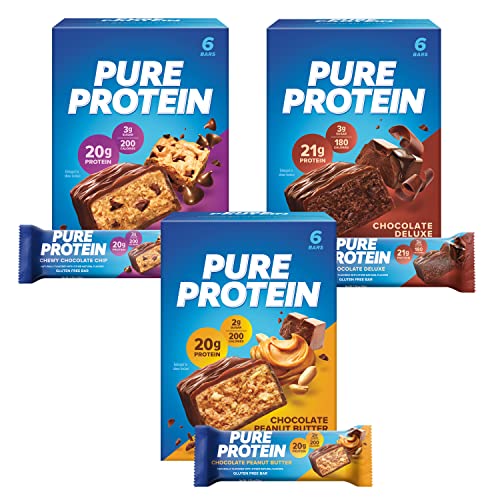
Pure Protein has built a loyal following by delivering solid macros at a price point that undercuts most competitors. The variety pack includes Chocolate Peanut Butter, Chocolate Deluxe, and Chewy Chocolate Chip, each offering 20-21 grams of protein from a blend of milk protein isolate, whey protein isolate, and whey protein concentrate. The bars are also gluten-free, which makes them accessible to a wider audience without the premium price tag that often accompanies gluten-free certification.
In terms of mouthfeel, the Pure Protein bars land on the drier, denser side compared to the softer bars on this list. They’re not unpleasant, but they require a bit of chewing and a drink nearby. The flavor profile leans sweet but avoids the heavy artificial aftertaste that plagues some budget protein bars. For the price per gram of protein, these are among the most cost-efficient options available — especially if you go through a box every couple of weeks.
The trade-offs are mainly around texture and ingredient quality. The bars use a broader protein blend that includes some soy components, which may matter if you avoid soy. The coating can also melt or smear during warmer shipping months. Still, for anyone who prioritizes protein-per-dollar above all else, Pure Protein is the logical choice for stocking the pantry.
Why it’s great
- High protein-to-cost ratio — among the best value on the market
- 20-21g protein with a simple, clean protein blend
- Gluten-free formulation at a budget-friendly price point
Good to know
- Drier, denser texture — not as soft as premium bars
- Includes soy in the protein blend
- Chocolate coating can melt during warm-weather shipping
7. KIND Protein MAX Bars Variety Pack
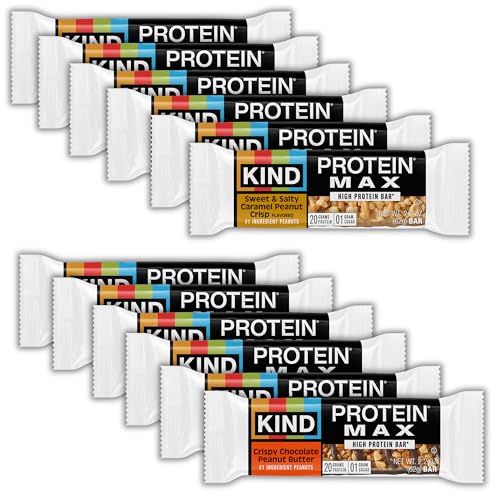
KIND Protein MAX takes the brand’s signature whole-nut approach and cranks up the protein to 20 grams per bar. The first ingredient is peanuts, not a protein isolate, which gives this bar a fundamentally different nutritional foundation than the whey-heavy options above. It also packs an impressive 12 grams of fiber and 0 grams of added sugar, making it a strong option for anyone managing blood sugar levels or simply preferring food over supplements.
The texture is nutty and dense, with a satisfying crunch from the peanut pieces and crispies. It’s not a soft, gooey bar — expect something closer to a crunchy granola bar with substantial chew. The Sweet & Salty Caramel Crisp flavor manages to balance savory saltiness with a mild sweetness that comes entirely from the nuts and a touch of erythritol, avoiding the saccharine punch of some dessert-style bars.
Where KIND Protein MAX falls short is in its overall calorie count — at around 200-220 calories per bar, it’s on the lighter end of the meal-replacement spectrum. The nut-heavy base also means the fat content is higher than other bars, which could be a pro or a con depending on your dietary goals. Some reviewers note that the texture takes getting used to, particularly if you’re accustomed to softer protein bars.
Why it’s great
- Real peanuts as the first ingredient — whole food foundation
- 12g fiber supports exceptional satiety
- Zero added sugar — sweetness from nuts and erythritol only
Good to know
- Crunchy, dense texture may not appeal to soft-bar fans
- Higher fat content due to whole nuts
- Lower calorie count means lighter meal replacement
FAQ
Can I replace two meals a day with protein bars?
How many grams of protein should a meal replacement bar have?
Why do some protein bars cause bloating and gas?
Are plant-based meal replacement bars as effective as whey-based bars?
Final Thoughts: The Verdict
For most users, the best meal replacement protein bars winner is the MET-Rx Big 100 Salted Caramel Brownie Crunch because it delivers 30 grams of high-quality protein in a large, satisfying bar that genuinely replaces a full meal. If you want candy-bar taste with clean macros, grab the Barebells Variety Pack. And for plant-based whole-food replacement, nothing beats the PROBAR MEAL Bar.